Are Mesh Sneakers Breathable Enough? 5 Tested Pairs That Deliver Comfort
Mesh sneakers promise airflow and all-day comfort in rising temperatures. But are they truly breathable enough for long commutes, workouts and humid days? Here’s what really matters before buying your next pair.

Thinking Of Buying Mesh Sneakers? This Is What You Should Know About Breathability.
Step outside on a typical May afternoon, and the heat hits like an open oven door. Roads shimmer, pavements radiate warmth, and shoes quietly turn into tiny pressure cookers. In such weather, breathable footwear feels less like a luxury and more like survival gear. That's where mesh sneakers enter the conversation.
Sports brands market them as airy, featherlight and built for performance. Scroll through collections from names like Nike or Adidas, and breathable mesh dominates the shelves. Yet marketing gloss often hides practical truths. Does mesh genuinely keep feet cool? Or does it simply look sporty while trapping heat under a stylish upper?
The answer sits somewhere between science and everyday experience. Breathability depends on fabric quality, climate, usage patterns and even the wearer's habits. Before spending ₹3,000 to ₹8,000 on a pair, it makes sense to understand how mesh works and whether it suits real-life conditions.

Are Mesh Sneakers Breathable Enough? 5 Tested Pairs That Deliver Comfort
Photo Credit: Pexels
What Makes Mesh Sneakers Popular In Hot Climates
Mesh sneakers enjoy immense popularity in warm regions because they promise relief from sweaty discomfort. The open-weave fabric allows air to circulate around the foot, reducing the stuffy feeling common with leather or synthetic uppers. For office-goers who walk to the metro or students who spend hours crossing campus grounds, that airflow feels like a blessing.
The visual appeal also matters. Mesh gives shoes a modern, athletic edge. Even brands like Puma highlight lightweight mesh designs in everyday collections. They look casual yet sharp enough to pair with jeans or athleisure.
Beyond aesthetics, comfort drives demand. A lighter shoe reduces fatigue during long commutes or travel. In cities where daily steps easily cross 8,000, that difference adds up. Mesh sneakers often weigh less than traditional trainers, which makes them appealing for both runners and regular walkers.
However, popularity does not automatically guarantee performance. The true test lies in whether the mesh construction genuinely enhances ventilation or simply offers the illusion of it.
How Breathability Actually Works
Breathability sounds simple, but the science behind it carries nuance. Airflow depends on pore size, fabric layering and internal lining. A mesh upper contains tiny gaps that allow air exchange between the inside and outside of the shoe. When feet generate heat, warm air escapes through these gaps while cooler air flows in.
Sweat evaporation plays an equally important role. Feet contain numerous sweat glands. When sweat evaporates, it cools the skin. Mesh supports this process by preventing moisture from staying trapped inside the shoe. However, if manufacturers add thick synthetic linings beneath the mesh, airflow reduces dramatically.
Premium running models from brands such as ASICS often combine engineered mesh with moisture-wicking interiors. This pairing enhances ventilation while maintaining structure. Budget versions sometimes skip this balance, leading to shoes that appear breathable but feel clammy after an hour.
True breathability, therefore, depends on thoughtful design rather than the word “mesh” printed on the box.
Are Mesh Sneakers Breathable Enough For Daily Commutes
Daily commutes test footwear in unpredictable ways. Crowded buses, long queues and dusty streets demand durability alongside ventilation. Mesh sneakers generally perform well in short to moderate walks, especially during early mornings or evenings when temperatures remain manageable.
During peak afternoon heat, results vary. High-quality mesh allows noticeable airflow, which reduces sweat accumulation. Feet feel lighter and less irritated. Yet prolonged standing on hot concrete can still cause discomfort because heat rises from the ground through the sole rather than the upper.
Another factor involves hygiene. Breathable shoes reduce odour buildup when worn consistently. Office professionals often appreciate this quiet benefit, particularly in shared workspaces where removing shoes occasionally becomes unavoidable.
For commutes lasting under two hours daily, well-constructed mesh sneakers usually offer sufficient breathability. For longer outdoor exposure in harsh sunlight, pairing them with moisture-wicking socks becomes essential. Breathability works best as part of a system rather than a standalone feature.
Performance During Exercise And Outdoor Activity
Running in humid weather demands serious ventilation. When the body heats up, feet swell slightly, and sweat production increases. Mesh sneakers often shine during such activity because constant motion encourages airflow through the fabric.
Joggers training in neighbourhood parks often favour engineered mesh models for precisely this reason. Lightweight construction prevents heaviness during long runs. Even brands like Skechers focus heavily on airy uppers in performance ranges.
However, breathability during exercise also depends on fit. A snug shoe without room for air circulation limits cooling benefits. Similarly, tightly laced trainers restrict airflow across the tongue area.
Outdoor sports such as badminton or casual cricket matches also benefit from breathable uppers. Quick lateral movements create natural ventilation. Yet dusty fields can clog mesh pores over time, reducing airflow. Regular cleaning becomes important to maintain performance.
Overall, for active lifestyles, mesh sneakers generally prove breathable enough, provided quality construction and proper maintenance support the design.
The Problem Of Monsoon And Moisture
While mesh excels in dry heat, the monsoon season tells a different story. Open-weave fabric absorbs water quickly during sudden showers. Once soaked, drying can take hours, especially in humid air. Wet mesh feels heavy and uncomfortable.
Commuters caught in unexpected rain often discover this downside the hard way. Leather or coated synthetic uppers resist water better, even if they compromise airflow. Mesh prioritises ventilation over protection.
Damp conditions also create hygiene concerns. Moisture trapped inside shoes encourages bacterial growth if not dried thoroughly. That familiar unpleasant smell often emerges from neglect rather than material choice.
Some modern designs use water-resistant coatings over mesh. These offer limited splash protection but rarely survive heavy rainfall. In regions where sudden downpours remain common, mesh sneakers may require a backup pair for rainy days.
Breathability remains impressive in dry weather, yet versatility drops when skies open. Climate awareness, therefore, plays a crucial role in purchase decisions.
Durability Versus Ventilation
Breathability often comes at the cost of durability. Thin mesh tears more easily than thicker materials when scraped against rough surfaces. Frequent travellers navigating uneven pavements may notice wear along high-friction areas.
Premium brands reinforce stress points with overlays, balancing airflow with strength. Budget options sometimes skip reinforcement to cut costs, which affects lifespan. Spending ₹2,000 less upfront can result in replacement within a year.
Children and teenagers who use the same sneakers for sports, cycling and everyday wear often push mesh to its limits. Small tears expand quickly if ignored. Once structural integrity weakens, breathability loses meaning.
Yet not all mesh lacks durability. Engineered variants use tightly woven fibres that resist abrasion while maintaining airflow. Buyers should examine stitching, overlays and sole attachment before judging overall strength.
Ventilation should not compromise longevity. A well-designed pair achieves both, though it may require a slightly higher investment.
Comfort And Foot Health Considerations
Breathability influences more than comfort; it affects foot health. Excess moisture contributes to fungal infections and skin irritation. Proper airflow reduces such risks, especially in warm climates.
Mesh sneakers support natural temperature regulation. Cooler feet experience fewer blisters because reduced sweat minimises friction. Students who spend long hours walking across large campuses often notice this difference.
However, support matters equally. Some ultra-light mesh shoes sacrifice arch structure to reduce weight. Individuals with flat feet or plantar fasciitis require adequate cushioning and stability. Breathable fabric alone cannot compensate for poor ergonomic design.
Choosing a reputable model with balanced support enhances overall well-being. Reading reviews and trying shoes in-store helps avoid regret. Breathability should complement comfort rather than overshadow it.
When selected thoughtfully, mesh sneakers contribute positively to daily foot health while keeping discomfort at bay.
Style Versus Substance
Mesh sneakers undeniably look contemporary. Sleek patterns and vibrant colourways appeal to younger shoppers. Social media feeds overflow with influencers styling breathable trainers alongside joggers and oversized tees.
Yet style sometimes overshadows substance. Attractive designs do not guarantee effective ventilation. Some fashion-focused models use layered mesh primarily for appearance. True airflow depends on functional engineering, not visual texture.
Fortunately, performance-oriented collections often merge style with practicality. Brands invest heavily in research to ensure that airflow aligns with modern aesthetics. The result combines comfort with trend-conscious design.
Consumers should resist impulse purchases driven solely by colour or celebrity endorsement. A breathable shoe should feel airy when worn, not just appear so in advertisements.
Balancing style and substance ensures satisfaction long after the initial excitement fades.
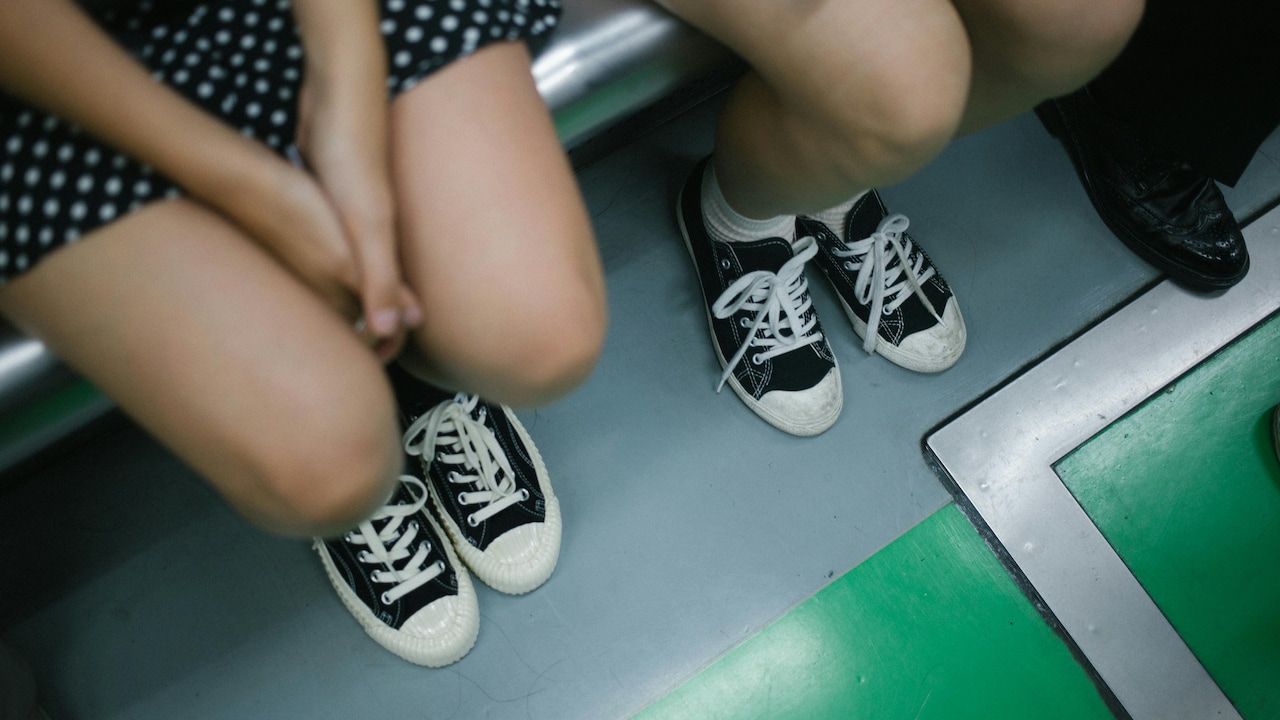
Are Mesh Sneakers Breathable Enough? 5 Tested Pairs That Deliver Comfort
Photo Credit: Pexels
Are Mesh Sneakers Breathable Enough For Long-Term Use
The ultimate question revolves around longevity. Do mesh sneakers maintain breathability over time? With regular use, dust and dirt accumulate within fabric pores. Without cleaning, airflow reduces gradually.
Simple maintenance extends performance. Gentle brushing and occasional washing preserve ventilation. Allowing shoes to air-dry completely prevents odour buildup.
Over months of daily wear, cushioning compresses faster than mesh deteriorates. Soles usually show fatigue before the upper fabric loses breathability. Investing in quality construction delays both issues.
For most users, a well-made pair remains breathable for at least one to two years under normal conditions. Rotating between two pairs further prolongs lifespan.
Long-term satisfaction, therefore, depends less on material limitations and more on care habits and initial build quality.
Products Related To This Article
1. Action Athleo Atg 424 Comfortable Lightweight Breathable Durable Sports Slip On Running Shoes Men
2. Aadi Mesh Lightweight Comfort Summer Trendy Walking Outdoor Daily Use Men
3. Campus Flynn Casuals Men
4. Killer 22508 Olive Eva Walking Shoes Men
5. Browse Attractive Mens Multicolor Sport Shoes Walking Men
Mesh sneakers offer genuine breathability when designed with intention. They excel in dry heat, support active lifestyles and reduce everyday discomfort. For commuters, students and fitness enthusiasts navigating warm streets and crowded transport, they often provide welcome relief.
However, they do not solve every footwear challenge. Monsoon weather, rough terrain and poor-quality construction expose limitations. Breathability alone cannot guarantee durability or support.
Choosing wisely involves examining fabric density, reinforcement, sole design and climate suitability. Spending a little more on a trusted brand often proves economical in the long run. A ₹6,000 pair that lasts two years makes better sense than replacing a ₹3,000 pair annually.
So, are mesh sneakers breathable enough? In most warm-weather scenarios, yes. They allow feet to breathe, move and stay comfortable through demanding days. With mindful selection and proper care, mesh sneakers can transform hot, tiring commutes into something far more manageable.
(Disclaimer: This article may include references to or features of products and services made available through affiliate marketing campaigns. NDTV Convergence Limited (“NDTV”) strives to maintain editorial independence while participating in such campaigns. NDTV does not assume responsibility for the performance or claims of any featured products or services.)