Straight-Cut Or Anarkali Kurti Set: How To Choose The Most Flattering Silhouette
Straight-cut or Anarkali, which truly flatters your body and reflects your style? From everyday wear to festive flair, discover how each silhouette shapes your look, confidence and wardrobe choices.
Straight-Cut vs Anarkali Kurti Sets: Which One Truly Enhances Your Shape and Style?
Few outfits manage to balance comfort and charm quite like a well-tailored kurti set. It slips seamlessly into everyday routines, festive celebrations, last-minute dinner plans and even formal meetings. Walk into any market, from high-street boutiques to bustling local bazaars, and two silhouettes dominate the racks: the structured straight-cut and the regal Anarkali.
Both promise grace. Both claim versatility. Yet they create completely different impressions. One sharpens lines and frames the body with quiet confidence. The other swirls, moves, and commands attention with theatrical flair. Choosing between them can feel less like a shopping decision and more like a style identity crisis.
Understanding which truly enhances shape and style requires looking beyond surface appeal. Body structure, fabric choice, occasion, climate and even mood all play a role. The real beauty lies not in declaring a winner, but in understanding what each silhouette does best and when it shines brightest.
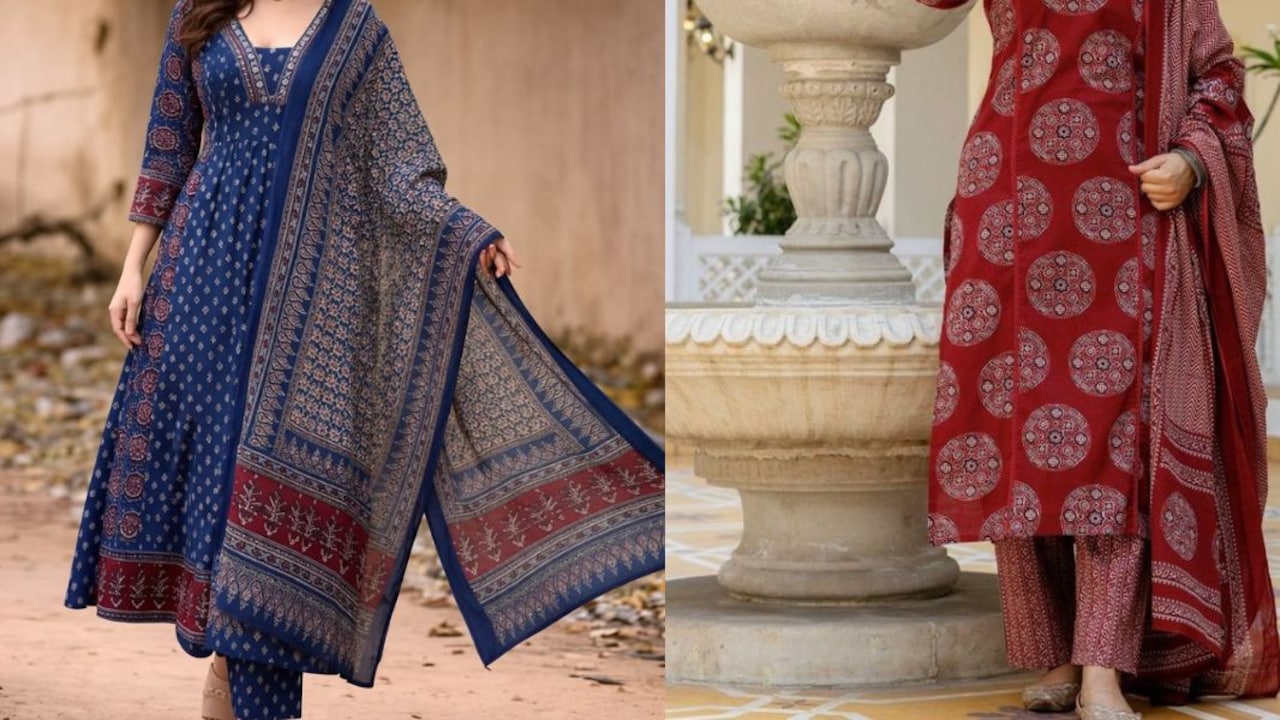
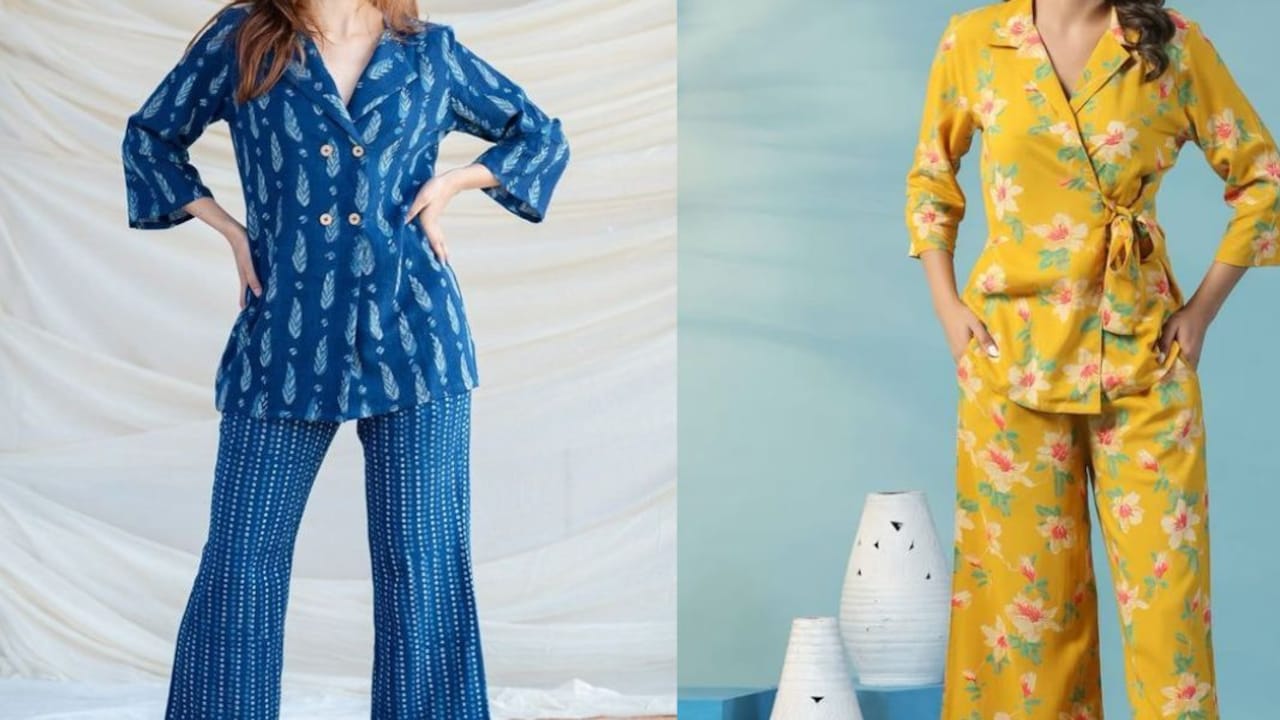
Straight-Cut Vs Anarkali Kurti Sets: Which Style Flatters Your Body Shape; Photo Credit: Pexels
Straight-Cut Vs Anarkali Kurti Sets: Understanding The Silhouettes
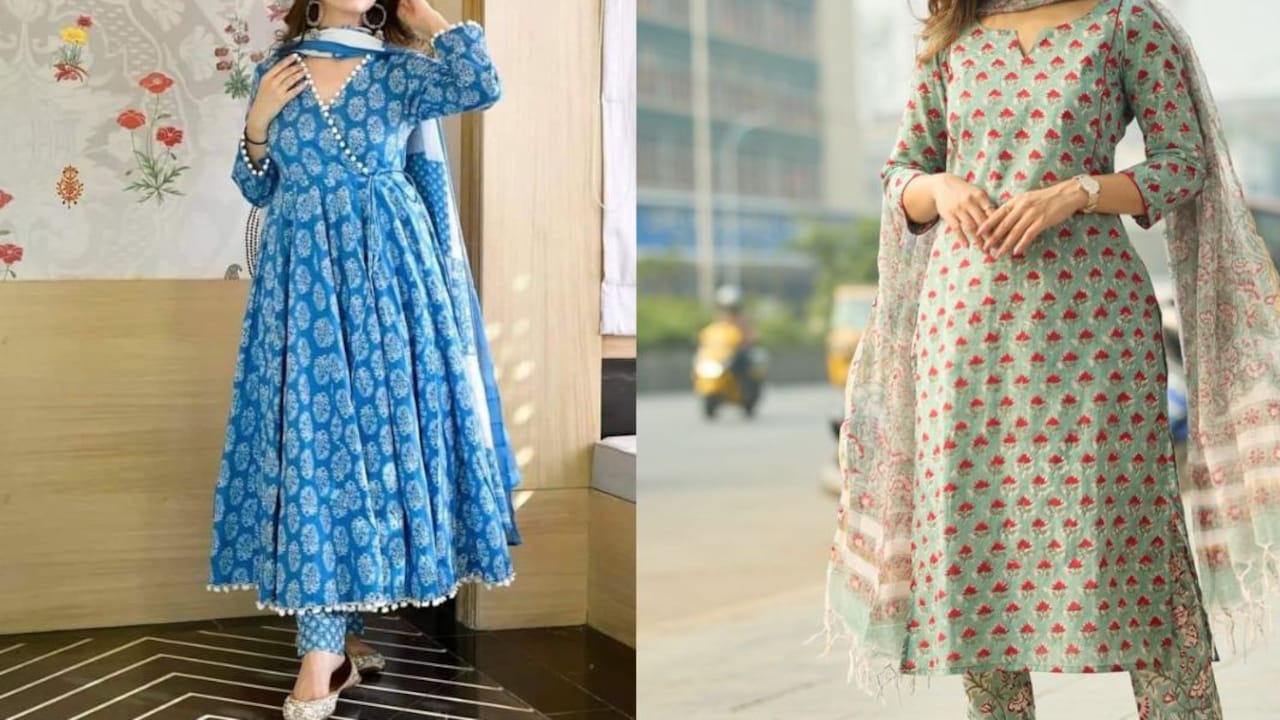
Fashion often begins with shape, and in this case, the contrast stands clear. A straight-cut kurti follows a linear path from the shoulder to the hem. It skims the body without dramatic flare, creating a clean vertical line. Designers favour this silhouette for its simplicity and modern appeal. It pairs effortlessly with trousers, palazzos or even cigarette pants, making it a staple for daily wear.
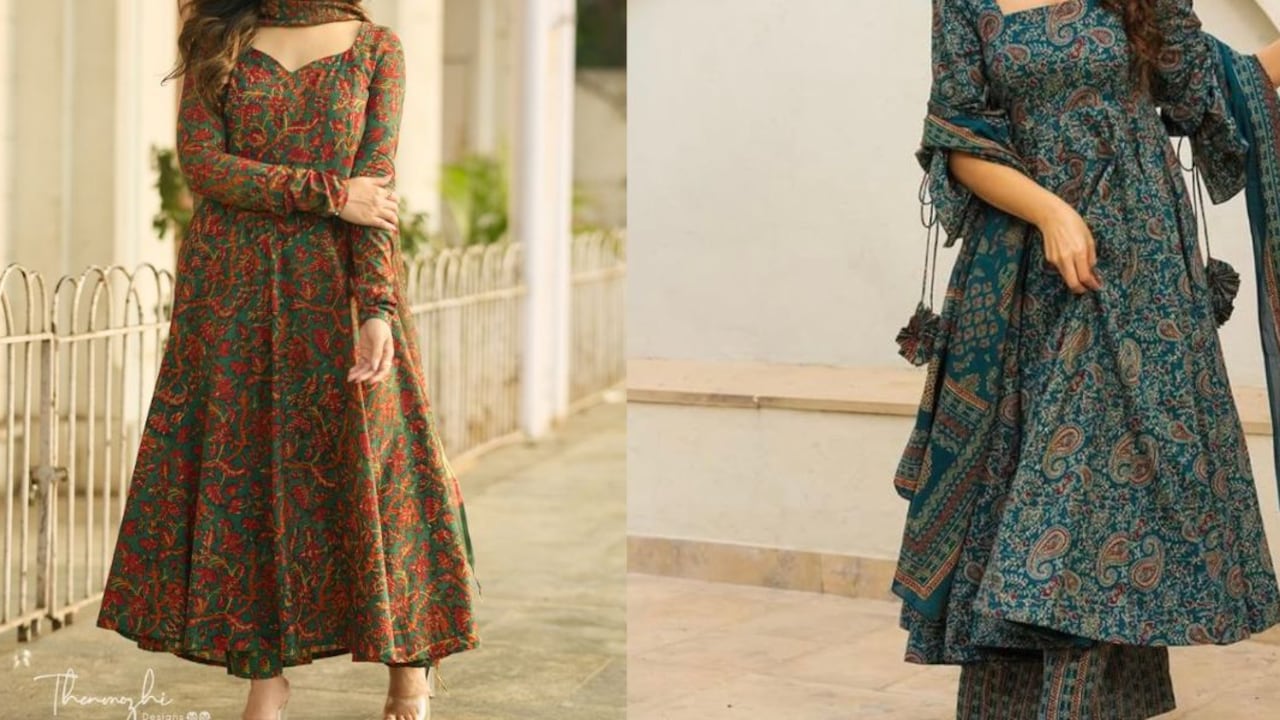
An Anarkali, in contrast, celebrates volume. It cinches at the bust or waist and then flares generously towards the hem. The result feels fluid and romantic. With every step, the fabric moves, often creating a soft circle around the wearer. This style draws inspiration from Mughal-era garments and carries an undeniable sense of grandeur.
The difference lies in structure versus flow. Straight-cut styles are shaped through precision. Anarkalis shape through movement. Both can flatter beautifully, but they do so in entirely different ways. Understanding that difference marks the first step towards making a confident choice.
Straight-Cut Vs Anarkali Kurti Sets: Flattering Different Body Shapes
Everybody carries their own charm, and the right silhouette highlights that charm rather than hiding it. Straight-cut kurtis work particularly well for those who appreciate clean lines. The vertical fall elongates the frame and creates a lean appearance. Petite figures often benefit from this structure because it avoids overwhelming the body with excess fabric.
Anarkalis, with their fitted bodice and flared skirt, accentuate curves. They define the waist and allow the lower half to move freely. Those with pear-shaped or hourglass frames often enjoy how the flare balances proportions. The added volume at the bottom can soften broader shoulders or create symmetry where needed.
Comfort also influences perception. A silhouette that feels secure and easy instantly enhances posture, which in turn enhances shape. Standing taller in a well-fitted straight-cut kurti feels empowering. Twirling in an Anarkali at a family function feels equally liberating. Ultimately, confidence forms the strongest contour of all.
Also Read: Qawali Night Glam: Discover 5 Anarkali Suits That Hit The Right Note
Straight-Cut Vs Anarkali Kurti Sets: Styling For Everyday Wear
Daily dressing demands practicality. Long commutes, busy workdays and unexpected errands require outfits that stay comfortable from morning tea to evening traffic. Straight-cut kurti sets excel in this department. Their streamlined design layers easily under light dupattas and pairs neatly with structured trousers. They rarely get caught in doors, chairs or scooter handles, which proves more important than fashion magazines admit.
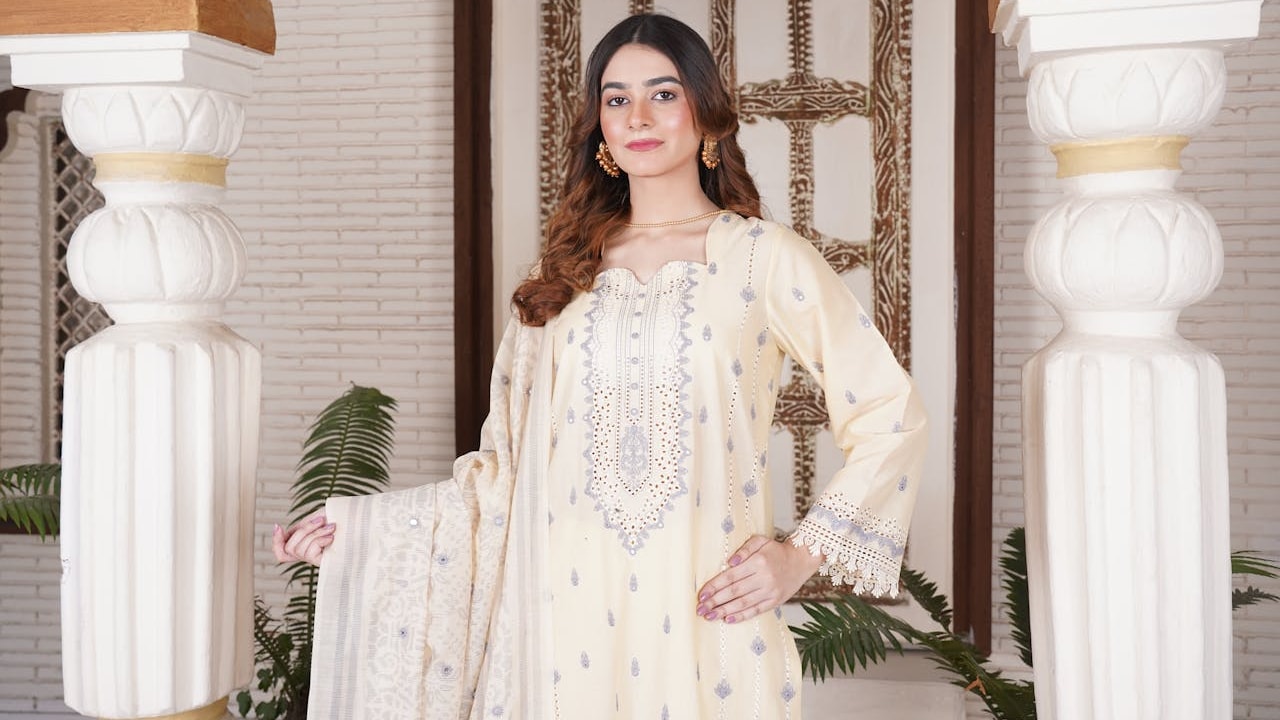
Office environments often favour minimalism. A pastel straight-cut kurti with subtle embroidery strikes the perfect balance between tradition and professionalism. Add modest jewellery and sensible footwear, and the look feels polished without effort.
Anarkalis, though slightly more dramatic, can also adapt to everyday wear when designed in lighter fabrics like cotton. However, the flare demands space and can feel slightly extravagant for a typical weekday schedule. For daily comfort with understated style, straight-cut designs tend to lead the race.
Straight-Cut Vs Anarkali Kurti Sets: Dressing For Festive Occasions
When celebrations fill the calendar, wardrobes naturally lean towards drama. Weddings, Diwali parties and sangeet nights call for movement and visual impact. In these moments, the Anarkali kurti truly shines. The sweeping flare creates a regal silhouette that photographs beautifully and feels festive without trying too hard.
Rich fabrics such as silk blends, georgette and chiffon amplify the effect. Intricate zari work or mirror embellishments catch the light with every step. Even modest jewellery appears grand when paired with the right Anarkali.
Straight-cut kurtis can certainly attend festive gatherings, especially when styled with heavy dupattas or statement earrings. Yet they offer elegance rather than spectacle. For those who prefer subtle sophistication over dramatic flair, a straight-cut design in jewel tones works wonderfully. Still, when the occasion demands a little theatre, the Anarkali often steals the spotlight with effortless grace.
Straight-Cut Vs Anarkali Kurti Sets: Fabric, Flow And Comfort
Silhouette alone does not determine impact; fabric shapes the experience. A straight-cut kurti in breathable cotton feels crisp and structured. Linen versions offer texture while maintaining clean lines. These fabrics support the silhouette's natural discipline and work beautifully in warm climates.
Anarkalis rely heavily on flow. Soft materials such as chiffon, crepe and georgette allow the flare to move gracefully. Heavier silks create a more dramatic fall, suitable for formal events but less practical in humid weather. Fabric weight influences how the garment frames the body. Too stiff, and the Anarkali loses its fluid charm. Too limp, and the straight-cut loses its sharpness.
Comfort also plays a silent yet powerful role in enhancing style. An outfit that breathes well and allows easy movement encourages natural posture and relaxed confidence. When fabric aligns with climate and activity, both silhouettes feel equally empowering. Choosing wisely ensures that beauty never compromises comfort.
Straight-Cut Vs Anarkali Kurti Sets: Budget And Versatility
Shopping decisions often include practical considerations. A well-made kurti set can range anywhere from ₹1,200 in local markets to ₹8,000 or more in designer boutiques. Straight-cut kurtis generally offer greater versatility for the price. One piece can rotate between office meetings, casual outings and small gatherings with minor styling tweaks.
Anarkali sets, especially heavily embroidered versions, may feel occasion-specific. While they dazzle at celebrations, they might rest quietly in wardrobes for months afterwards. That does not reduce their value, but it shifts their cost-per-wear equation.
Versatility enhances perceived style. An outfit worn confidently multiple times often feels more authentic than one reserved for rare events. Straight-cut designs usually win in adaptability. However, a thoughtfully chosen Anarkali in a subtle fabric can also transition across occasions. The key lies in balancing personal lifestyle with wardrobe investment.
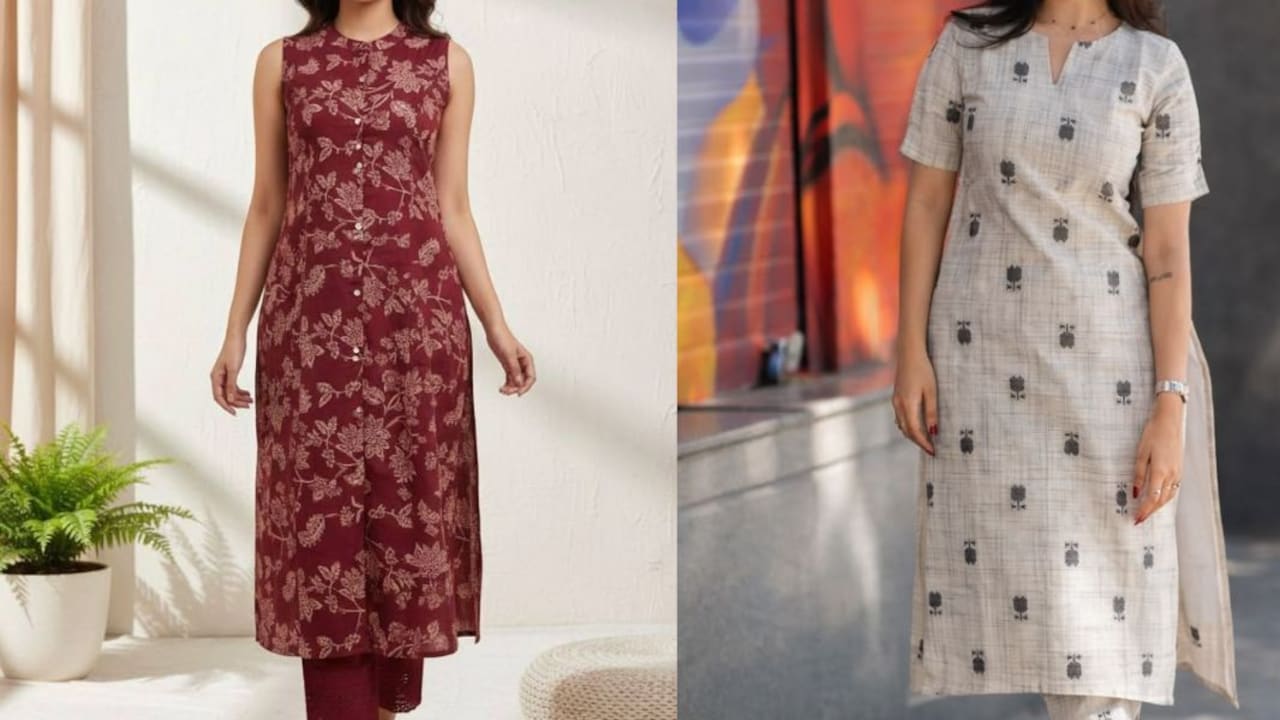
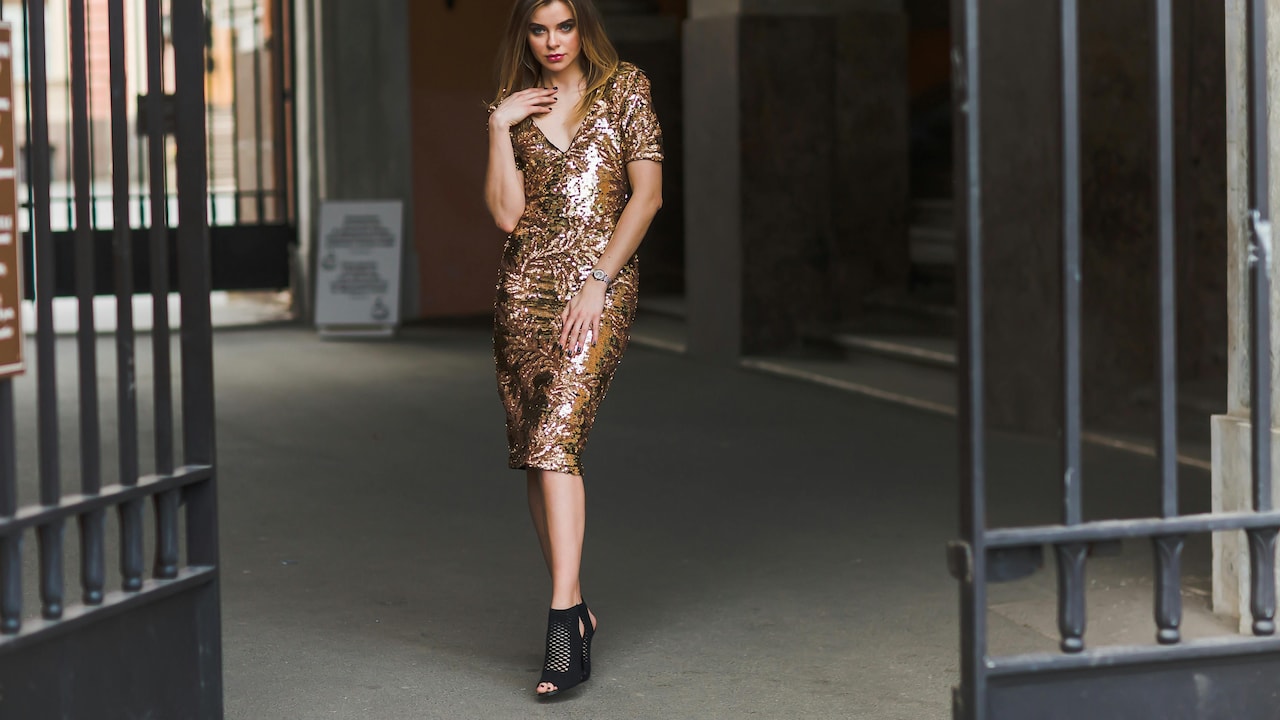
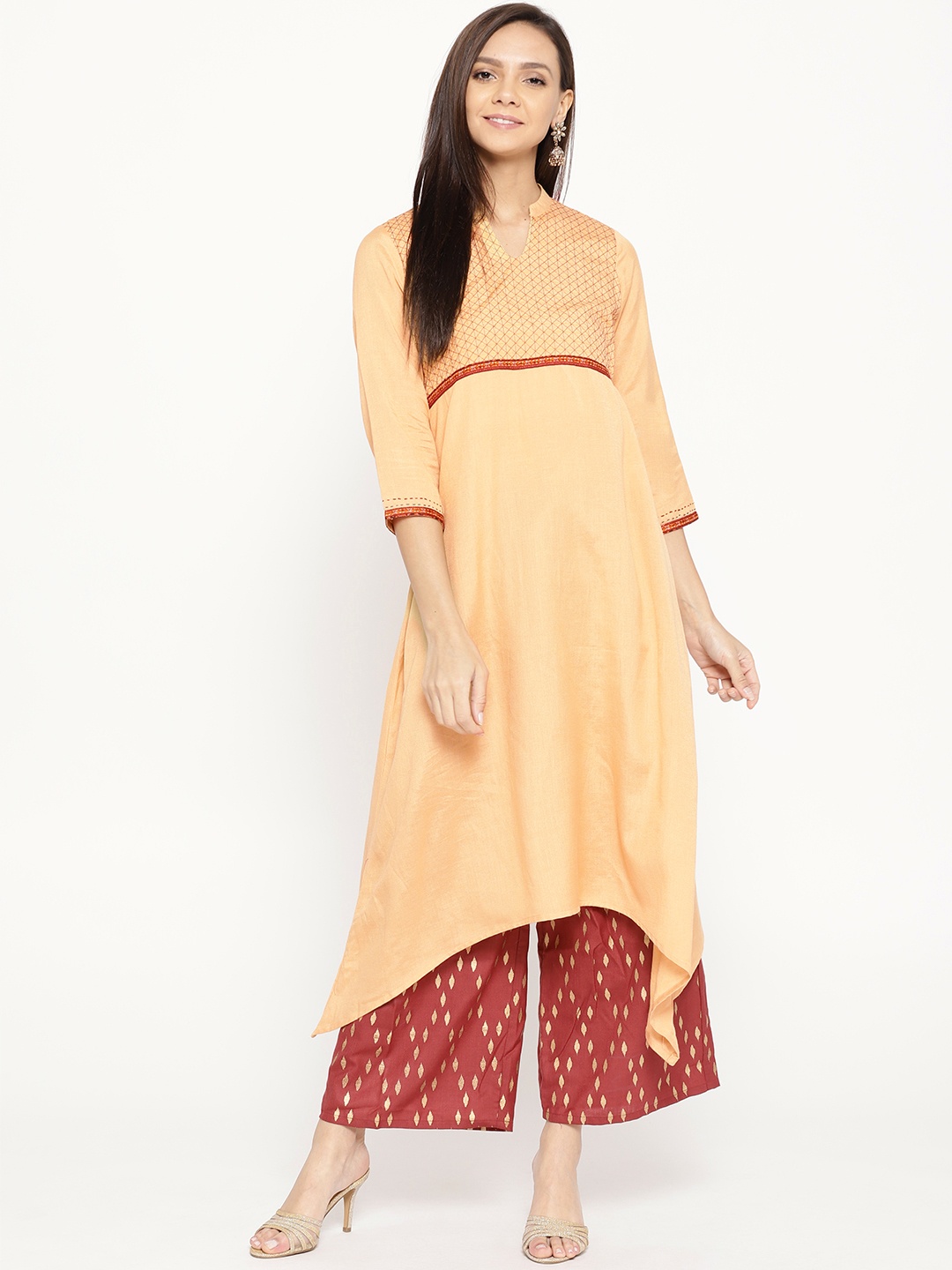
Straight-Cut Vs Anarkali Kurti Sets: Which Style Flatters Your Body Shape; Photo Credit: Pexels
Straight-Cut Vs Anarkali Kurti Sets: Seasonal Adaptability
Weather shapes fashion choices more than trends do. During peak summer, lightweight straight-cut kurtis in cotton or rayon provide relief from heat. Their minimal flare allows airflow and prevents overheating. Pairing them with breathable bottoms keeps the ensemble practical and stylish.
Monsoon months introduce another layer of practicality. Excess fabric can easily brush against damp streets. Straight-cut styles remain easier to manage during sudden showers and crowded commutes.
Winter opens new possibilities. Anarkali kurtis in richer fabrics pair beautifully with shawls and embroidered jackets. The added layers complement the silhouette rather than overwhelming it. Velvet or silk blends feel particularly luxurious during cooler evenings.
Seasonal flexibility contributes to long-term style satisfaction. Straight-cut designs often handle extreme heat and humidity better, while Anarkalis thrive in moderate or cooler climates. Understanding seasonal behaviour ensures that style remains effortless throughout the year.
Straight-Cut Vs Anarkali Kurti Sets: Creating A Signature Look
Personal style develops through repetition and preference. Some gravitate towards crisp tailoring and minimal fuss. Straight-cut kurtis support this aesthetic beautifully. They project quiet confidence and modern sensibility. Neutral tones, structured fabrics and delicate prints enhance this refined identity.
Others feel drawn to expressive fashion. Anarkali sets allow creativity through dramatic sleeves, layered flares and ornate detailing. They create memorable impressions at social gatherings and festive evenings.
A signature look does not require exclusivity. Many wardrobes benefit from both silhouettes, chosen thoughtfully for mood and occasion. Yet when one style consistently feels more comfortable and authentic, that preference often reveals deeper fashion instincts.
Enhancing shape and style ultimately revolves around authenticity. Wearing a silhouette that resonates personally always elevates overall appearance. Trends fade, but genuine comfort and self-assurance remain timeless.
Straight-Cut Vs Anarkali Kurti Sets: The Confidence Factor
Beyond fabric and fit lies something intangible yet powerful: confidence. A straight-cut kurti sharpens posture and encourages purposeful movement. It suits boardroom presentations, college lectures and everyday errands with equal poise. The simplicity allows personality to take centre stage rather than the garment.
An Anarkali, however, transforms mood instantly. The gentle swirl of fabric often sparks joy. Celebrations feel livelier, photographs feel more dynamic, and entrances feel grander. That emotional uplift plays a significant role in enhancing overall style.
Confidence amplifies shape. When someone feels secure and radiant in an outfit, body language shifts. Shoulders relax, smiles wide,n and presence strengthens. Both silhouettes offer pathways to that confidence, though through different emotional experiences.
Choosing between them depends less on universal rules and more on personal rhythm. Some days demand structure. Others invite drama. Style flourishes when wardrobe choices align with inner energy.
Products Related To This Article
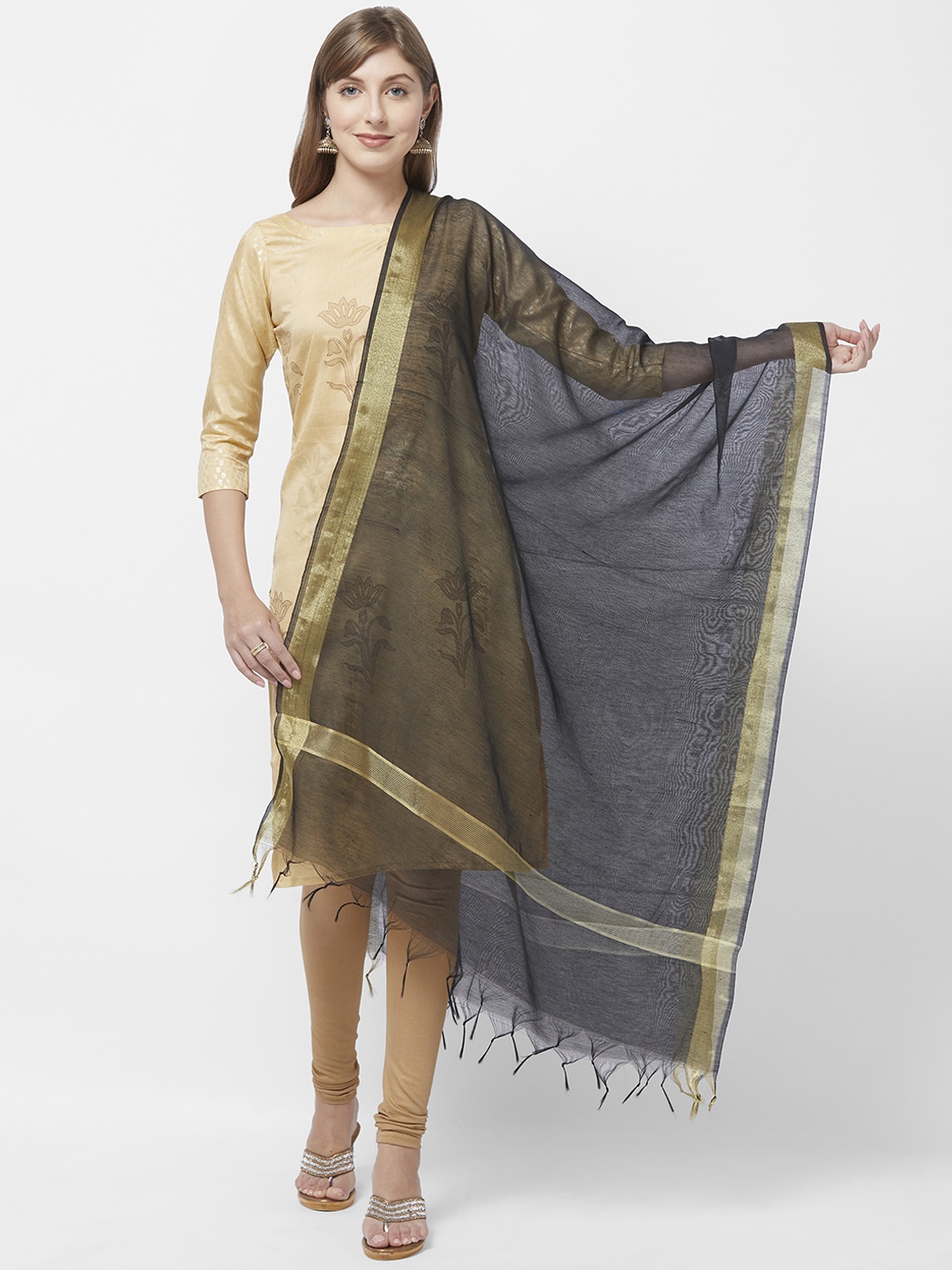
1. Jeenycreation Women Printed Straight Kurta
2. Urami Women Printed Anarkali Kurta
3. Dharafashion Women Printed Straight Kurta
4. Neemiya Women Printed Anarkali Kurta
5. Vishudh Women Solid Straight Kurta
The debate between straight-cut and Anarkali kurti sets does not demand a final verdict. Each silhouette enhances shape and style in its own distinctive manner. Straight-cut designs deliver structure, versatility and everyday ease. Anarkalis offer fluid elegance, festive charm and unforgettable movement.
Enhancement depends on context. Body shape, climate, occasion and budget all influence which style feels most flattering. Yet the true deciding factor remains comfort blended with confidence. When an outfit aligns with personal identity, it naturally elevates appearance.
Rather than choosing sides, embracing both silhouettes allows greater creative freedom. A wardrobe that balances clean lines with graceful flares adapts effortlessly to life's varied moments. In the end, style does not reside solely in fabric or cut. It lives in the assurance carried within, reflected beautifully through whichever kurti set feels just right.
(Disclaimer: This article may include references to or features of products and services made available through affiliate marketing campaigns. NDTV Convergence Limited (“NDTV”) strives to maintain editorial independence while participating in such campaigns. NDTV does not assume responsibility for the performance or claims of any featured products or services.)