How To Stop Cotton Kurtas From Losing Length: 10 Fixes For Washing, Drying And Fabric Care
Cotton kurtas can shrink after a few washes, but the right washing, drying and storage habits can protect their original length, fit and softness.

How To Prevent Cotton Kurtas From Shrinking: 10 Washing And Drying Tips
Cotton kurtas rarely announce that they plan to shrink. They simply emerge from the wash looking slightly shorter, with sleeves sitting above the wrist and side slits starting higher than before. A kurta that once paired perfectly with straight trousers may suddenly look better suited to a different bottom altogether. The problem usually comes from the way cotton fibres react to water, heat and movement. During manufacturing, spinning, weaving and finishing place the fibres under tension. Washing allows them to relax and move closer together, which reduces the garment's dimensions. High temperatures and rough machine cycles can speed up this process.
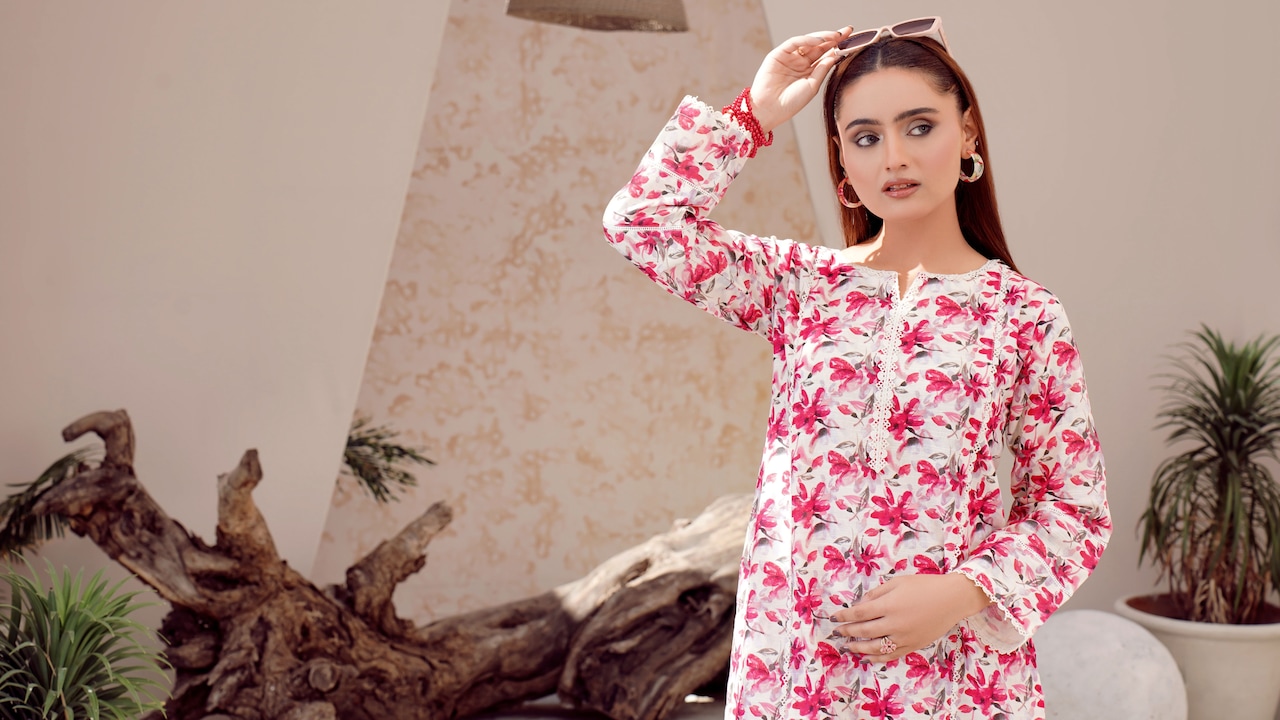
How To Stop Cotton Kurtas From Losing Length: 10 Fixes For Washing, Drying And Fabric Care
Photo Credit: Pexels
Some shrinkage may occur even with careful handling, particularly with untreated or handloom cotton. However, good fabric-care habits can limit the damage. These ten fixes address the entire routine, from checking the label before purchase to washing, drying, ironing and storing the kurta correctly.
10 Practical Ways To Prevent Cotton Kurtas From Shrinking
1. Check The Fabric And Care Label Before Washing
Not every cotton kurta behaves in the same way. Pure cotton, cotton blends, handloom fabrics and pre-shrunk materials all respond differently to water. A kurta made from untreated cotton may lose more length than one that the manufacturer has already pre-washed. A cotton-polyester blend usually shrinks less, though it may not offer the same airy feel.
Start by reading the care label instead of treating it like a decorative ribbon. Look for instructions about water temperature, machine washing, tumble drying and ironing. “Dry clean only” may indicate delicate dyes, embroidery, lining or fabric finishes that cannot tolerate a regular wash.
If the label mentions pre-shrunk cotton, the risk decreases but does not disappear. Poor drying habits can still alter the fit. When shopping online, check the fabric description and customer reviews for comments about shrinkage. Buying a longer kurta “just in case” offers no guarantee because the width, shoulders and sleeves may also change. Fabric information provides a far more reliable guide than guesswork.
2. Pre-Soak Unstitched Cotton Before Tailoring
Unstitched cotton fabric should meet water before it meets the tailor's scissors. Pre-soaking allows most of the initial shrinkage to happen before cutting and stitching. Without this step, a perfectly measured kurta can lose length after its first proper wash, even when the tailoring itself was faultless.
Soak plain, colourfast cotton in cool or room-temperature water for around 20 to 30 minutes. Avoid detergent during this first soak unless the fabric seller recommends it. Gently press out the water without twisting the cloth, then dry it naturally in the shade. Once completely dry, iron it lightly before sending it for stitching.
Bright colours, block prints and hand-dyed fabrics need extra caution. Test a small corner first to check whether the dye runs. Some materials require professional washing or dry cleaning, so follow the seller's care advice.
Tell the tailor that the cloth has already gone through a pre-shrink wash. This simple conversation can prevent confusion later. It also allows measurements to reflect the fabric's settled state rather than its freshly manufactured dimensions.
3. Choose Cold Or Lukewarm Water
Hot water may remove stubborn grime, but it can also encourage cotton fibres to contract. For everyday kurta care, cold or mildly lukewarm water offers a safer choice. It cleans regular sweat, dust and light stains without subjecting the material to unnecessary heat.
Temperature matters even more during the first wash. Fresh cotton fabric often experiences its most noticeable change at this stage. Placing it in hot water can turn a manageable amount of shrinkage into a wardrobe disappointment. That ankle-skimming kurta may start hovering awkwardly around the calves.
Avoid washing cotton kurtas with heavily soiled towels or bed linen that need a hotter, longer cycle. Separate loads allow the kurta to receive gentler treatment. During winter, extremely cold tap water can make detergent dissolve poorly, so mix the detergent separately before adding it.
Consistency also helps. Repeatedly switching between cold and hot water places the fibres under greater stress. Use roughly the same mild temperature for washing and rinsing. This steady approach protects the fabric's length, reduces colour loss and helps the kurta retain its original drape.
4. Use A Mild Detergent And The Correct Quantity
More detergent does not automatically produce cleaner clothes. Excess product can settle between cotton fibres, making the material stiff and harder to rinse. The extra rinsing and agitation then expose the kurta to more friction, which may contribute to distortion and gradual shrinkage.
Choose a mild liquid detergent designed for delicate or coloured garments. Liquid formulas usually dissolve more easily than powders, particularly in cool water. Harsh stain-removing detergents and strong bleaching agents can weaken fibres, fade prints and leave embroidered areas looking tired.
Follow the quantity recommended for the size of the wash load. A lightly worn kurta rarely needs the same amount of detergent as a pile of muddy clothes. When hand-washing, dilute the detergent in water before adding the garment. Pouring concentrated liquid directly onto the fabric can leave marks or cause uneven fading.
Treat stains separately rather than washing the entire kurta aggressively. Dab a diluted cleaning solution onto the affected spot and allow it to work briefly. Scrubbing a food stain as though it has committed a personal offence may stretch one area while roughening another. Gentle, targeted cleaning usually works better.
Also Read: From Lavender To Ice Blue: 5 Cool Lehenga Colours For Your Mehendi Ceremony
5. Avoid Long Soaking Sessions
A quick soak can loosen sweat and everyday dirt, but leaving a cotton kurta in a bucket for hours rarely helps. Prolonged soaking keeps the fibres swollen and increases the chance of colour bleeding, surface wear and loss of shape. Printed panels, decorative borders and contrast piping may suffer first.
Limit routine soaking to about 10 or 15 minutes unless the care label suggests otherwise. A heavily stained kurta may need focused treatment, but it should not spend the night floating in detergent water. Extended soaking also gives loose dyes more time to travel from one section to another.
Wash light and dark colours separately, especially during the first few washes. Do not soak a white kurta with a deep maroon dupatta or a new indigo garment. That shortcut can create a colour experiment nobody requested.
Once the short soak ends, move directly to gentle washing and rinsing. Do not leave the wet kurta crumpled in the bucket while attending a call or finishing dinner. Wet cotton becomes heavy, and its own weight can pull some sections unevenly even as other areas contract.
6. Select A Gentle Wash Cycle
A washing machine saves time, but a vigorous cycle can make cotton kurtas twist, rub and bunch together. This repeated movement encourages the fibres to tighten and may distort the hem, neckline or side seams. Heavy spin speeds can also leave the garment deeply creased and harder to reshape.
Turn the kurta inside out before washing. This protects prints, buttons and surface embroidery from direct friction. Fasten any hooks and secure loose ties so they do not catch on other clothes. A large mesh laundry bag can provide extra protection for delicate cotton or lightly embellished designs.
Choose a gentle, delicate or hand-wash cycle with cold water and a low spin speed. Keep the load small enough for garments to move freely. Packing the drum tightly creates more rubbing and prevents proper rinsing.
Wash kurtas with similarly lightweight garments rather than jeans, towels or hoodies. Heavy items can press and pull against softer cotton during the cycle. If the kurta carries mirror work, tassels, dense embroidery or fragile trims, hand-washing may remain the safer option. Convenience matters, but so does avoiding an emergency visit to the tailor.
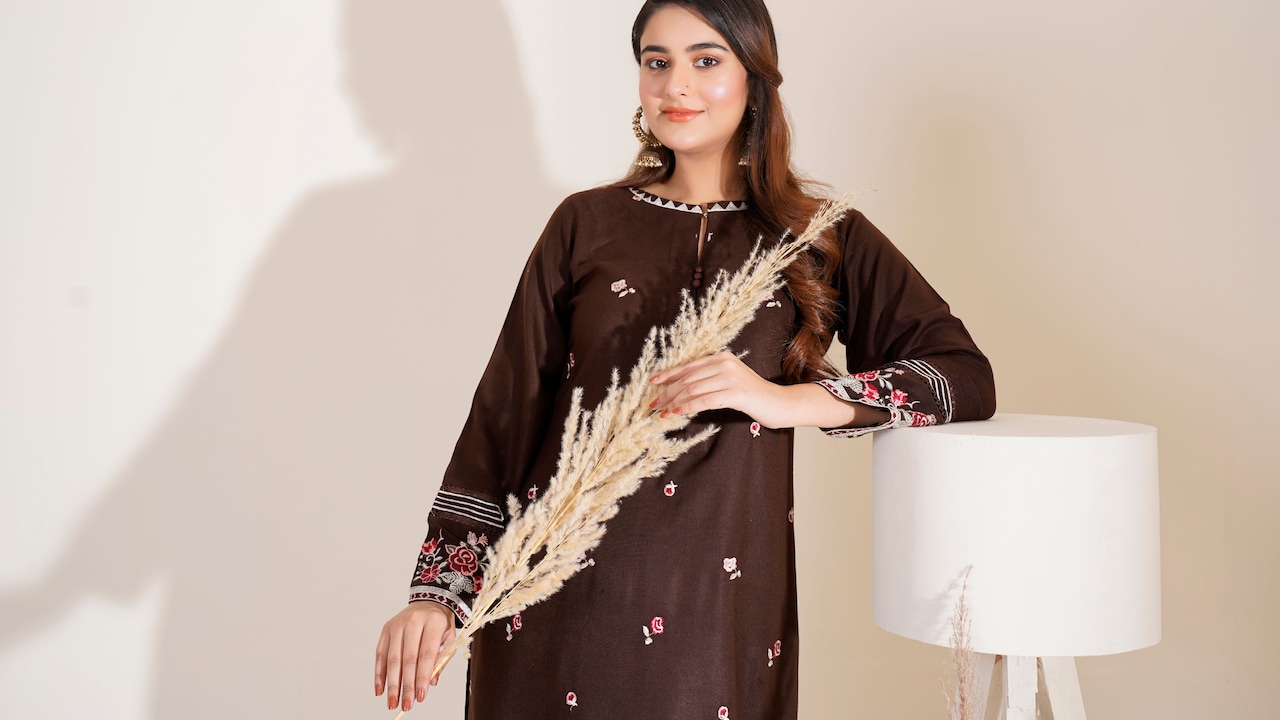
How To Stop Cotton Kurtas From Losing Length: 10 Fixes For Washing, Drying And Fabric Care
Photo Credit: Pexels
7. Hand-Wash Without Rubbing Or Wringing
Hand-washing can protect a cotton kurta, provided “hand-wash” does not turn into an enthusiastic scrubbing session. Rough rubbing disturbs the weave, while twisting and wringing pull the wet garment in different directions. The kurta may shrink overall yet develop stretched seams or an uneven hem.
Fill a basin with cool water and mix in a small quantity of mild detergent. Submerge the kurta and gently move it through the water. Use soft pressing motions around the collar, cuffs and underarms, where sweat tends to collect. Avoid rubbing one section against another.
Rinse with clean water until no detergent remains. Support the garment while lifting it because wet cotton becomes surprisingly heavy. To remove excess water, press it gently between the palms or roll it in a clean, colourfast towel. The towel absorbs moisture without forcing the fibres out of position.
Never twist the kurta into a rope. That familiar technique may feel efficient, but it can strain seams, warp the side slits and create stubborn creases. A few extra minutes of gentle handling can preserve both length and tailoring.
8. Reshape The Kurta While It Is Damp
Damp cotton remains flexible, which makes this the best stage for correcting minor contraction. After washing, place the kurta on a clean towel or flat surface. Smooth the shoulders, sleeves, side seams and hem with the hands. Then gently ease the fabric lengthways without tugging hard.
Pay attention to areas that tend to bunch, such as the yoke, waist seam and embroidered panels. Align the side slits and check whether the front and back hems sit evenly. If the kurta has a centre placket, straighten it before drying so it does not settle at an angle.
Use an existing kurta of the correct size as a rough reference if needed. Place it nearby rather than directly over the wet garment. The aim is to restore the natural outline, not stretch the cotton beyond its original measurements.
Reshaping works best when done after every wash, not only after the kurta looks visibly shorter. Cotton develops habits of its own, and regular guidance helps. Think of the process as a quiet negotiation with the fabric: firm enough to restore order, gentle enough to avoid damage.
9. Dry In The Shade And Skip High Heat
Heat remains one of the biggest causes of cotton shrinkage. A tumble dryer on a high setting combines hot air with constant movement, creating ideal conditions for fibres to contract. Strong midday sunlight can also fade colours and make some cotton fabrics feel crisp or brittle.
Air-dry the kurta in a shaded, well-ventilated area. Lay delicate garments flat on a clean drying rack or towel. For sturdier kurtas, use a broad hanger that supports the shoulders without creating bumps. Avoid thin wire hangers, as wet cotton can stretch around the neckline and shoulder seams.
Do not hang a dripping kurta by the hem or sleeves. The weight of the water may pull it out of shape. Remove excess moisture with a towel first, then arrange the garment properly.
If outdoor space feels limited during the monsoon, place the drying rack near a fan or open window. Good airflow matters more than direct heat. Avoid positioning the kurta against a hot radiator or under a strong hairdryer. Faster drying may sound convenient, but preserving the original length requires patience.
10. Iron And Store The Kurta With Care
Ironing cannot completely reverse shrinkage, but it can relax minor tightness and help a cotton kurta recover some length. Iron the garment while it remains slightly damp, using the temperature recommended on the care label. Work from the shoulders towards the hem with smooth downward strokes.
A steam iron can help soften contracted fibres. Apply steam lightly, then guide the fabric lengthways without pulling at seams or embroidered sections. Place a thin cotton cloth over prints, zari work or delicate embellishments to prevent heat damage. Excessively high temperatures can scorch the fabric, alter colours and weaken fibres.
Allow the kurta to cool and dry fully before folding it. Storing it while warm or damp can set awkward creases and encourage a musty smell. Fold along the natural seams and avoid placing heavy stacks over delicate garments. For kurtas worn frequently, a wide hanger may work well if the fabric has enough structure.
Measure a favourite kurta occasionally from shoulder to hem. A small change becomes easier to address than a dramatic one. Careful storage completes the routine, ensuring that good washing habits do not unravel inside an overcrowded cupboard.
How To Stop Cotton Kurtas From Losing Length: 10 Fixes For Washing, Drying And Fabric Care
Photo Credit: Pexels
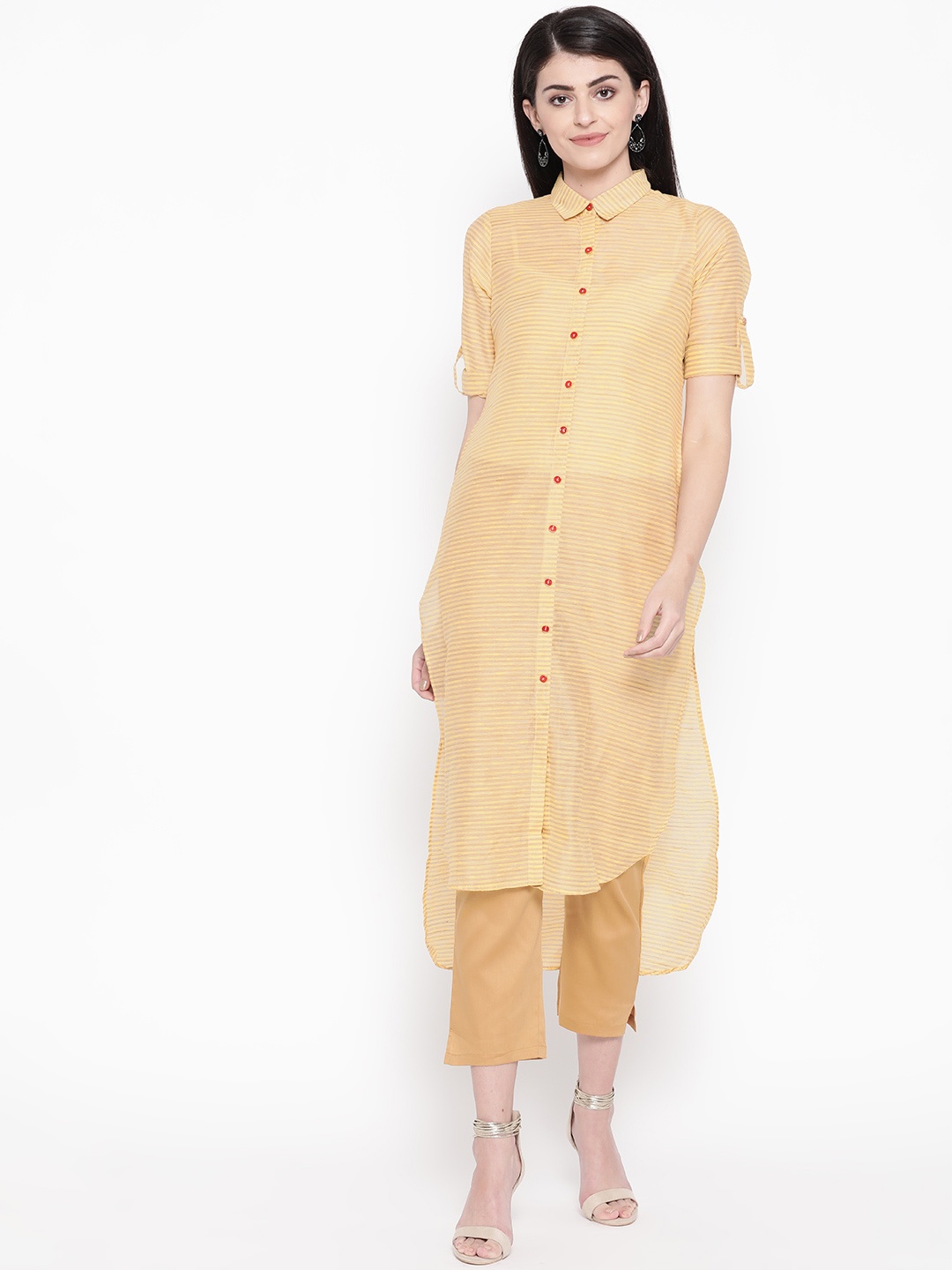
Products Related To This Article
1. Anayna Women Ethnic Motifs Printed Kurta
2. KALINI Women Mustard Yellow Floral Printed Angrakha Anarkali Kurta with Tassel Tie-Up
3. Anouk X fwd Grey Abstract Printed Mandarin Collar Cotton Kurta
4. Varanga Bandhani Printed Gotta Patti Pure Cotton Kurta
5. Indo Era Floral Embroidered Kurta
6. Libas Woven Design V-Neck Pure Cotton Straight Kurta
7. Taavi Women Grey Ikat Printed Casual Kurta
Cotton will always respond to water, heat and movement, but noticeable shrinkage does not have to become inevitable. Cool water, mild detergent, gentle handling and shade drying can protect a kurta's length across repeated washes. Pre-soaking unstitched fabric and reshaping damp garments add another layer of defence. With a little patience, favourite kurtas can keep their comfortable fit instead of quietly transforming into shorter versions of themselves.
(Disclaimer: This article may include references to or features of products and services made available through affiliate marketing campaigns. NDTV Convergence Limited (“NDTV”) strives to maintain editorial independence while participating in such campaigns. NDTV does not assume responsibility for the performance or claims of any featured products or services.)