10 Reasons Wide-Leg Trousers Look Uneven With Flat Shoes And How To Fix The Proportions
Wide-leg trousers can look awkward with flats when the hem, shoe shape or outfit proportions clash. Discover 10 common styling mistakes and simple fixes to create a balanced, polished silhouette without relying on heels.
10 Reasons Wide-Leg Trousers Look Uneven With Flat Shoes And How To Fix The Proportions
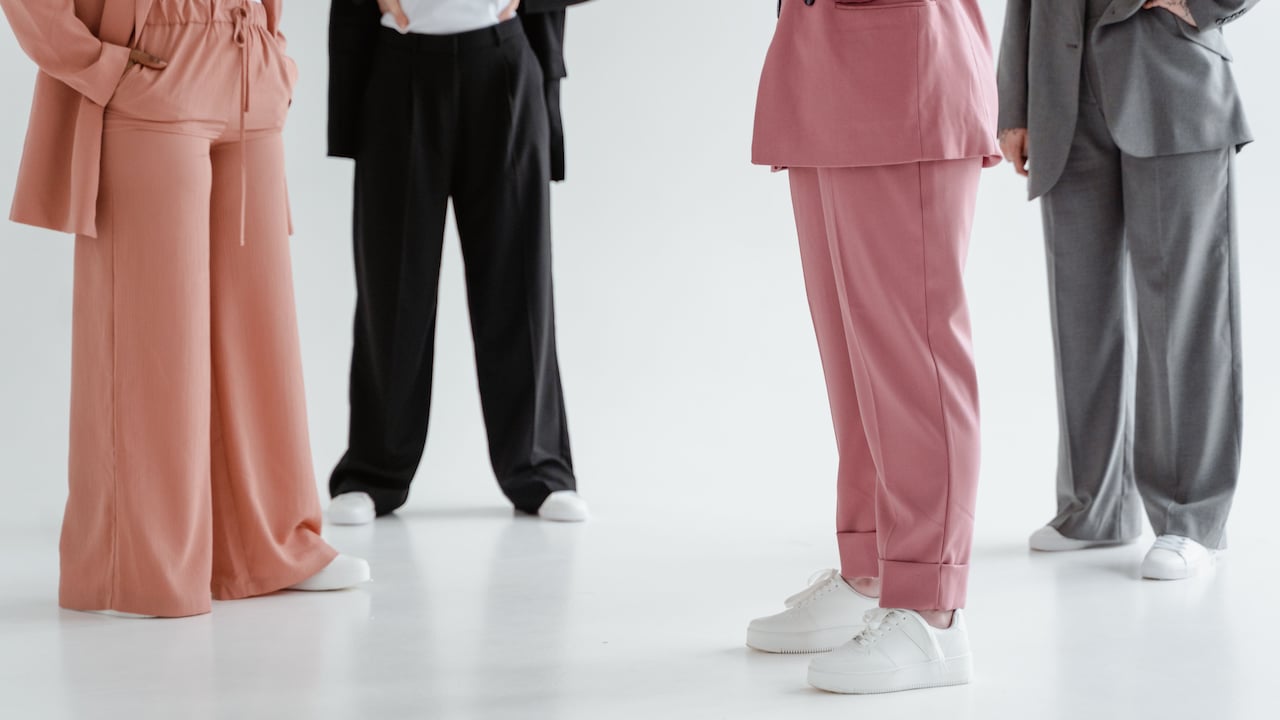
Wide-leg trousers have earned their place as one of those wardrobe pieces that can move effortlessly from office mornings to coffee runs, family lunches and evenings out. They bring drama without demanding sequins, offer comfort without looking careless and somehow make even a simple cotton shirt feel more considered. Then flat shoes enter the picture. A pair of loafers, ballet flats, kolhapuri-style sandals or clean sneakers might seem like the easiest partner for roomy trousers. Sometimes they are. On other days, the combination feels strangely off. The trousers may look too long, the shoes may vanish completely or the lower half may appear heavier than expected. It can leave anyone wondering why an outfit that looked elegant in the mirror yesterday suddenly resembles fabric having an argument with the floor.
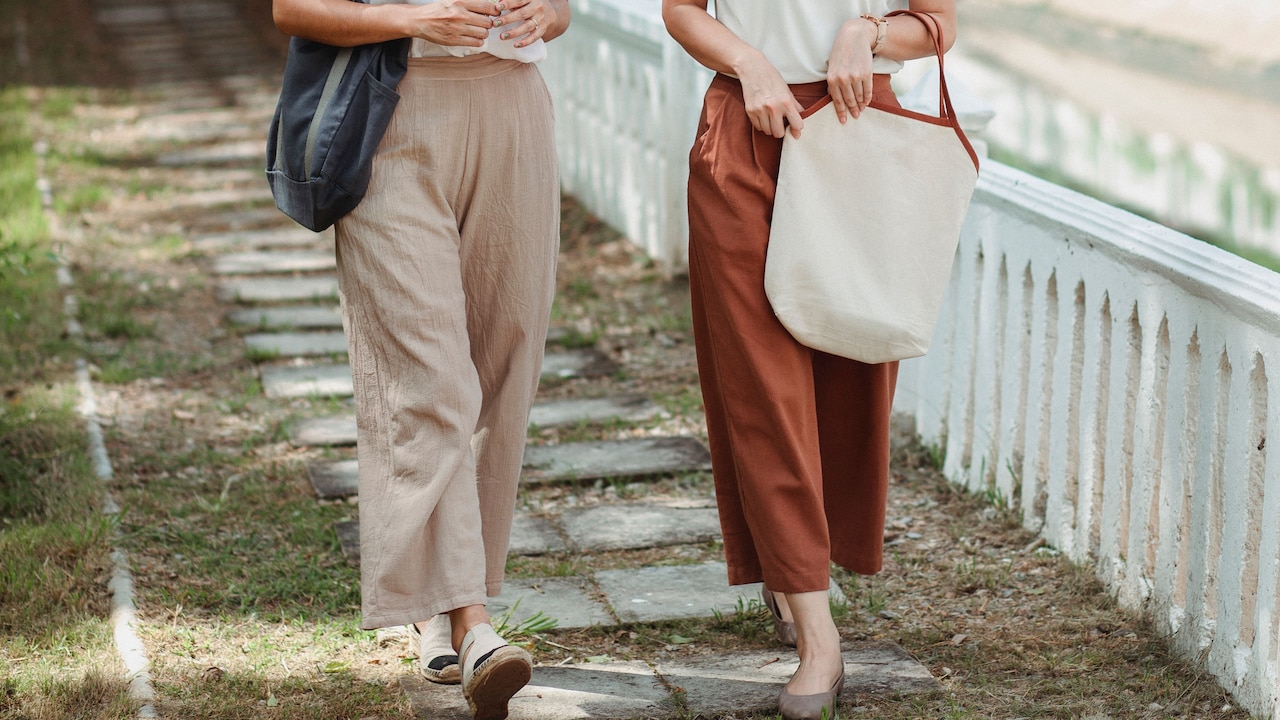
Wide-Leg Trousers With Flat Shoes: 10 Styling Mistakes And Easy Fixes
Photo Credit: Pexels
The good news is that wide-leg trousers do not need heels to work. They simply need thoughtful proportions. Small changes to hems, shoe shape, waist placement and fabric can transform the entire silhouette.
Why Wide-Leg Trousers And Flats Can Look Out Of Balance
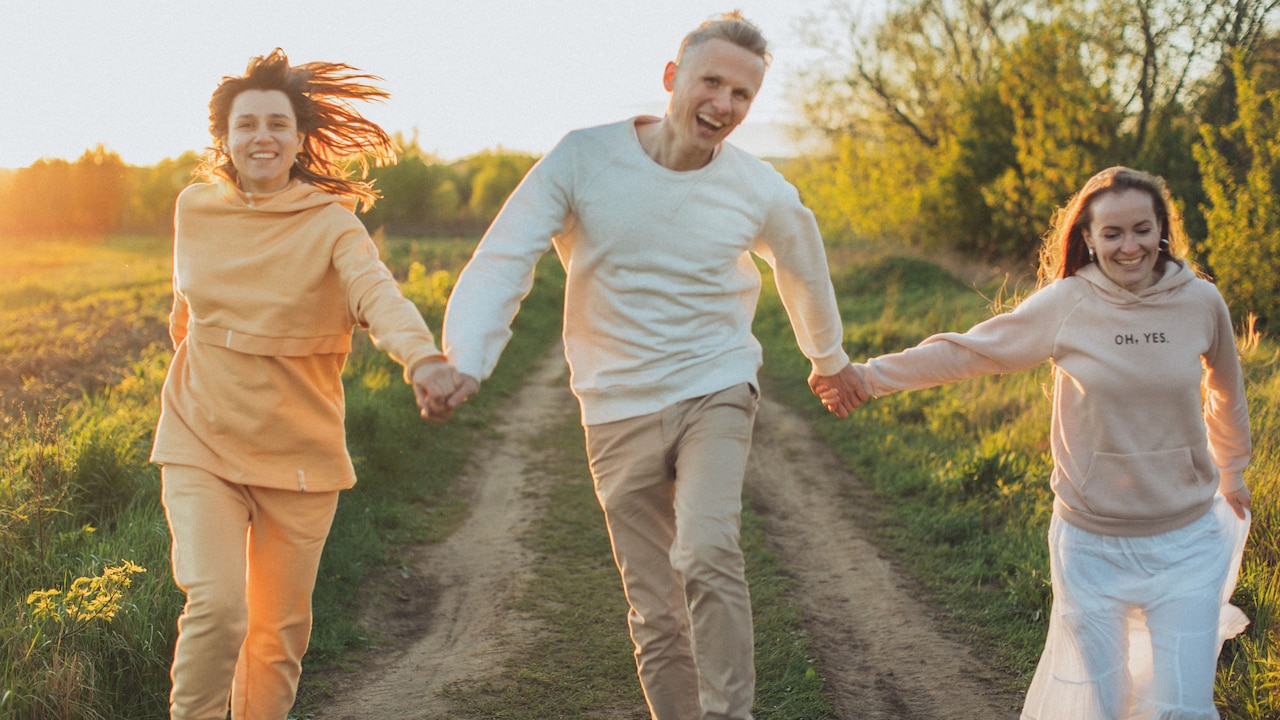
1. The Trouser Hem Is Simply Too Long
Wide-leg trousers often rely on length for their graceful movement, but there is a fine line between elegant drape and fabric sweeping the pavement. Flat shoes expose that difference immediately. Without extra heel height, trousers cut for pumps or heeled sandals can pool around the feet, creating folds that make both legs look uneven.
This becomes especially noticeable while walking. One trouser leg may catch on the shoe while the other falls forward, leaving the hemline looking lopsided. It also gives beautifully tailored trousers a slightly tired appearance.
The simplest fix is tailoring. Have the trousers hemmed according to the flats worn most often. The fabric should usually skim the top of the shoe rather than collapse over it. A tiny break can look relaxed, but several folds generally mean there is too much length.
For trousers worn with both flats and heels, consider keeping two similar pairs at different lengths. It may sound indulgent, but good tailoring often costs far less than replacing trousers ruined by dragging hems. Spending ₹300 or ₹500 on an alteration can completely change how a pair sits.
2. The Shoes Disappear Under The Fabric
Wide trousers already create plenty of volume. Pair them with tiny flats and the footwear can disappear altogether, leaving the outfit looking unfinished at the bottom. Delicate ballet flats are a classic example. They may look charming with cropped jeans, yet under long, sweeping trousers they can become almost invisible.
When no clear shoe shape appears beneath the hem, the trousers can seem to end abruptly at the floor. The eye misses the visual anchor that normally completes the silhouette.
Choose flats with a little more presence. Loafers, pointed mules, structured sandals and sleek sneakers all hold their own underneath wider hems. The idea is not to wear bulky footwear for the sake of it. Rather, the shoe needs enough shape to be noticed.
Toe shape makes a surprising difference. A pointed or almond toe can peek elegantly from beneath the trouser hem and create the illusion of extra length. Even a subtle metallic detail, contrast stitching or textured leather can help.
Think of the shoe as punctuation. Wide-leg trousers are already making a long statement. The footwear needs enough personality to provide the full stop.
3. The Trouser Width Overwhelms The Shoe
Not every wide-leg trouser has the same amount of volume. Some fall gently from the hip, while others could practically accommodate a light breeze and a small picnic underneath. When extremely wide trousers meet very minimal flats, the difference in visual weight becomes obvious.
The fabric dominates the outfit while the shoe looks disproportionately small. This imbalance can make the legs appear broader and shorter, particularly when the trousers are made from heavy materials such as denim, corduroy or thick suiting.
A slightly more substantial flat usually restores balance. Try a loafer with a defined sole, a sneaker with clean structure or a sandal with broader straps. These options add enough visual weight without becoming clunky.
Another solution is to reduce volume elsewhere. A fitted top, tucked shirt or shorter jacket gives the trousers room to be the dramatic element without allowing the entire outfit to feel oversized.
There is no need to abandon oversized trousers. They can look wonderfully stylish. They simply need footwear that can participate in the conversation rather than whisper from somewhere beneath several metres of fabric.
4. The Rise Is Sitting Too Low
Wide-leg trousers often look most balanced with flats when the waistline sits higher. A low-rise or dropped-waist cut can visually lengthen the torso while shortening the legs, and flat shoes do not provide the extra height that might otherwise compensate for that shift.
This does not mean every pair must reach the ribcage. Even a comfortable mid-to-high rise can help create a longer line through the lower body.
When styling existing trousers, try tucking in the top or choosing a cropped blouse that makes the waistband visible. That small strip of definition can dramatically change the proportions. A belt can help too, provided it does not add unnecessary bulk.
The effect becomes especially useful with relaxed shirts and oversized kurtas. Leaving a long top loose over wide trousers can create one uninterrupted block of fabric. A partial tuck or shorter layer often restores shape immediately.
Think of the waistband as the starting point of the legs. The higher that starting point appears, the longer the legs tend to look. Flat shoes then feel deliberate rather than like a compromise made because the heels were too uncomfortable for a full day out.
5. The Fabric Is Too Heavy For The Footwear
Fabric has visual weight as well as physical weight. Thick wool blends, rigid denim and structured twill create a strong silhouette, while thin ballet flats or delicate sandals create almost none. Put the two together and the lower half can look strangely mismatched.
The contrast becomes particularly obvious in trousers with deep pleats or generous folds. Heavy fabric holds those folds firmly, producing more volume around the legs and ankles. A fragile-looking shoe can seem overwhelmed beneath them.
Match the character of the shoe to the fabric. Structured trousers work well with loafers, leather mules, brogues or sturdy sneakers. Fluid rayon, linen blends and lightweight cotton can pair beautifully with slimmer sandals or softer flats.
Season also matters. Heavy trousers with barely-there sandals can sometimes look as confusing as wearing a wool blazer to a humid May afternoon. The pieces may be attractive individually, yet they speak different seasonal languages.
Harmony does not require perfect matching. A little contrast keeps outfits interesting. The goal is simply to make sure one item does not look dramatically heavier than everything surrounding it.
Also Read: Best Trousers For Women With Thick Thighs And Small Waists: 10 Styles That Flatter Every Curve
6. The Trouser Length Hits An Awkward Point
Sometimes trousers are not technically too long or too short. They simply stop at an unhelpful point.
A hem that sits several centimetres above the shoe can visually interrupt the leg, especially when the trousers are wide. Instead of creating a flowing vertical line, the fabric ends abruptly and exposes a narrow strip of ankle before the shoe begins. The result may feel accidental rather than intentionally cropped.
If cropped wide-leg trousers are the goal, make the crop obvious. An ankle-length cut usually works better when the hem finishes clearly above the shoe. That deliberate gap gives the outfit breathing space and lets the footwear become part of the look.
For full-length trousers, go in the opposite direction. Let the hem approach the shoe and create a continuous line.
The awkward middle ground causes most trouble.
This is why mirror checks matter more than clothing labels. “Ankle length” can mean something completely different depending on height, leg length and trouser rise. Alterations can solve the issue quickly. A centimetre or two may sound insignificant, yet fashion proportions often live in those tiny measurements.
7. The Shoe Colour Cuts The Leg Line
Colour can quietly change proportions before anyone notices what caused the difference. A strong contrast between trousers and shoes creates a visible break near the ankle or floor, which can make the legs appear shorter.
Imagine cream wide-leg trousers ending over very dark flats. The contrast creates a sharp horizontal division. That may look stylish when done intentionally, but it can also make the trouser line feel less fluid.
For a lengthening effect, choose footwear in a similar colour family to the trousers. Beige trousers with tan flats, black trousers with black loafers or navy trousers with deep blue shoes create smoother transitions. The colours do not have to match exactly.
Another approach is choosing a shoe close to the wearer's skin tone, particularly when the ankle remains visible. This reduces contrast and keeps attention on the overall silhouette.
Of course, colourful shoes can be brilliant. Bright red flats under charcoal trousers can turn a simple office outfit into something memorable. Just recognise that contrast becomes a focal point. If proportions already feel awkward, tonal footwear often provides the easiest route back to balance.
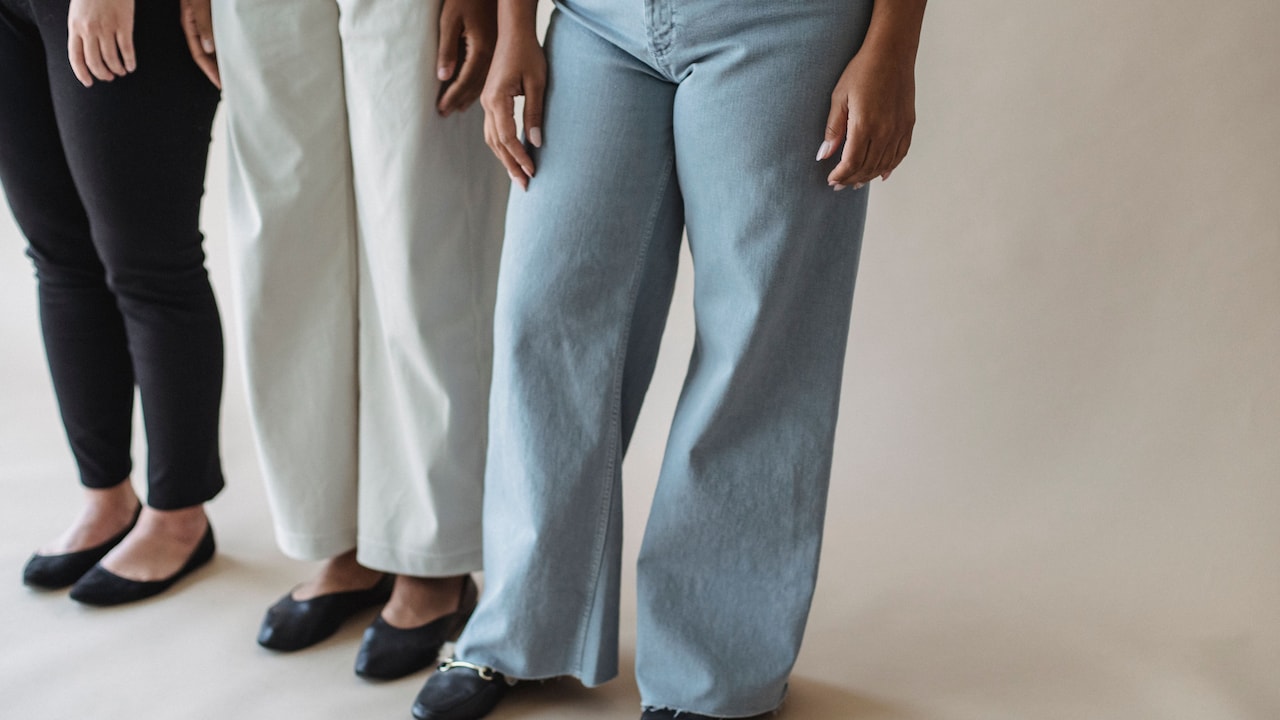
Wide-Leg Trousers With Flat Shoes: 10 Styling Mistakes And Easy Fixes
Photo Credit: Pexels
8. The Top Half Adds Too Much Volume
Wide trousers and flat shoes may receive all the blame, but sometimes the real trouble begins above the waist.
Pair voluminous trousers with an oversized shirt, long cardigan and broad jacket, and suddenly the body disappears beneath layers. Because flat shoes add little height, the overall silhouette may feel wider rather than longer.
The fix does not require skin-tight clothing. It simply requires some definition. Try a tucked cotton shirt, a fitted knit, a waist-length jacket or a neatly structured kurta that stops before the widest section of the trousers. Even rolling up sleeves can create useful visual space.
A half-tuck works particularly well on casual days. It keeps the relaxed mood while reminding the outfit that a waist exists somewhere beneath all that fabric.
Long layers can still work. The trick is maintaining a visible vertical line. An open long jacket or shrug allows the trousers to remain visible through the centre, which can lengthen the silhouette instead of burying it.
When wide-leg trousers look wrong with flats, inspect the whole outfit before changing the shoes. Sometimes the feet are entirely innocent.
9. The Flat Shoe Has The Wrong Toe Shape
Toe shape can alter the appearance of wide-leg trousers more than many people expect. Rounded flats can make the foot appear shorter, particularly when only a small section of the shoe is visible beneath the hem. Combine that with generous trouser volume and the lower half may look slightly compressed.
Pointed and almond-shaped flats extend the visual line of the leg. Even without a heel, they create direction, drawing the eye forward rather than stopping it at a rounded edge.
This makes pointed loafers, slingbacks and mules especially useful with long wide-leg trousers. They offer some of the lengthening effect associated with heels while remaining far easier to navigate through a day involving office corridors, metro platforms, market lanes and surprise staircases.
Square toes can work too, particularly with tailored trousers, though the shoe needs enough structure to match the width above it.
None of this makes round-toe flats forbidden. Fashion should never feel like an entrance exam. If a favourite pair feels comfortable, adjust the trouser hem or choose a slightly narrower leg. Proportion always involves several elements working together.
10. The Outfit Lacks A Clear Vertical Line
The most flattering wide-leg outfits often have one quiet secret: they encourage the eye to travel vertically.
Problems appear when too many horizontal breaks interrupt that movement. A contrasting belt, cropped trouser hem, visible ankle, different-coloured shoe and long untucked top can divide the body into several separate sections. Flat shoes then emphasise those divisions because they add no extra elevation.
Creating a stronger vertical line can be remarkably simple. Wearing similar shades from top to bottom is one option. A chocolate shirt with mocha trousers and brown flats, for example, creates continuity without needing perfect colour matching.
Vertical pleats and front creases also help. So do open shirts, long necklaces and jackets worn unbuttoned. Even the way trousers fall matters. Crisp front seams naturally guide the eye downwards.
The goal is not to dress entirely in one colour every day. Contrast brings personality. Just avoid making every element compete for attention.
When the eye can move smoothly from waist to hem, wide-leg trousers and flats suddenly look far more harmonious. The proportions feel calm, polished and intentional.
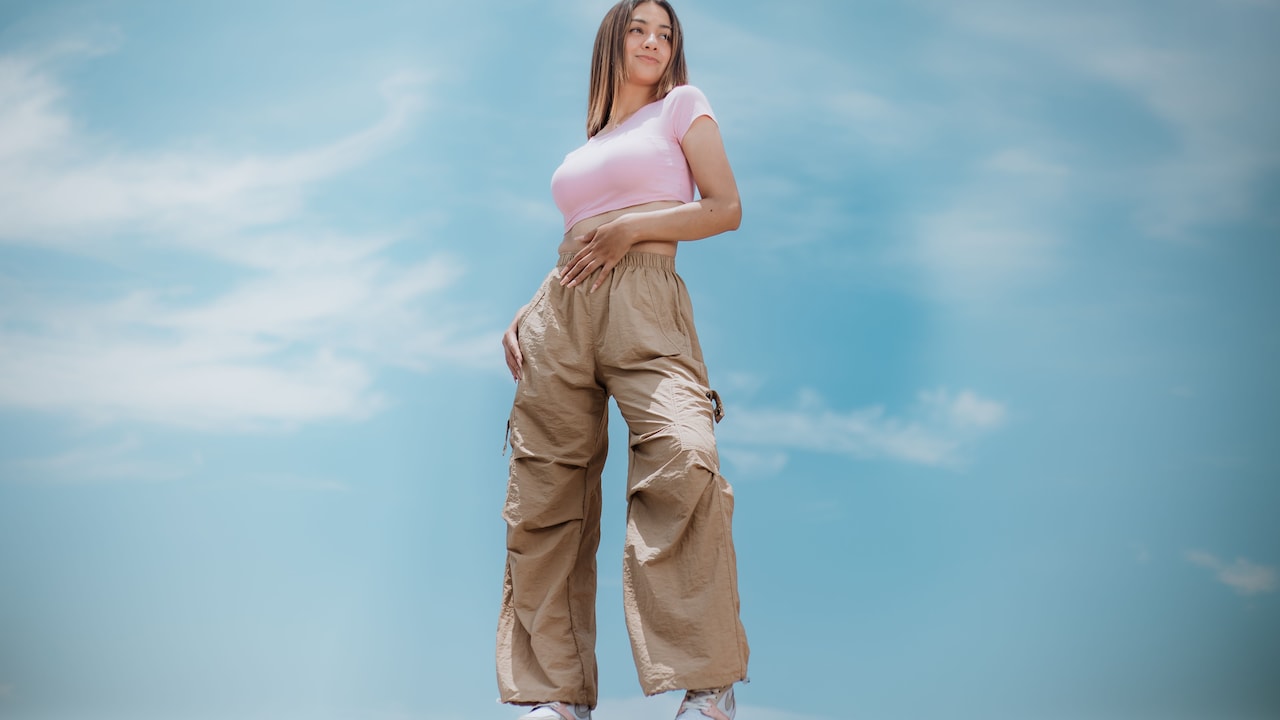
Wide-Leg Trousers With Flat Shoes: 10 Styling Mistakes And Easy Fixes
Photo Credit: Pexels
Products Related To This Article
1. Glitchez Women Wide Leg Trouser
2. Nautica Women Wide Leg Casual Trouser
3. Kotty Women Solid High Waist Wide Leg Trouser
4. Roadster The Life Co. Women Wide Leg Casual Trouser
5. Honey by Pantaloons Women Mid-Rise Wide Leg Trouser
6. Lounge Dreams Women Relaxed Wide Leg Velevt Trouser
7. Sera Women Women Black Cotton Nylon Wide Leg Casual Trouser
Wide-leg trousers and flat shoes are not natural enemies. In fact, they can create one of the most comfortable and sophisticated combinations in a wardrobe. The trouble usually begins when length, volume, colour or structure falls slightly out of balance.
A hem that drags can hide beautiful shoes. A delicate flat can vanish beneath heavy fabric. A low waist can shorten the legs, while an oversized top can add more volume than the silhouette needs. None of these problems requires a dramatic wardrobe overhaul.
Start with the smallest adjustment. Change the shoe shape. Tuck in the top. Try tonal footwear. Hem the trousers by a centimetre or two. Often, that is enough.
Most importantly, resist the idea that wide-leg trousers need heels to look polished. Flats can work beautifully when the proportions support them. The best outfit should still feel comfortable while standing in a long café queue, crossing a crowded station or spending an afternoon browsing shops without quietly regretting the footwear choice.
When the balance is right, wide-leg trousers do exactly what they should: move beautifully, feel effortless and make an ordinary day look just a little more stylish.
(Disclaimer: This article may include references to or features of products and services made available through affiliate marketing campaigns. NDTV Convergence Limited (“NDTV”) strives to maintain editorial independence while participating in such campaigns. NDTV does not assume responsibility for the performance or claims of any featured products or services.)