The One Wash Ruin' Problem: How To Stop Your Favourite Dresses From Fading After 2 Washes
Favourite clothes fading after just two washes? The culprit isn’t always quality. Discover simple laundry habits that help preserve colour, prevent dullness, and keep outfits looking fresh for longer.
10 quick and easy ways to prevent clothes from fading
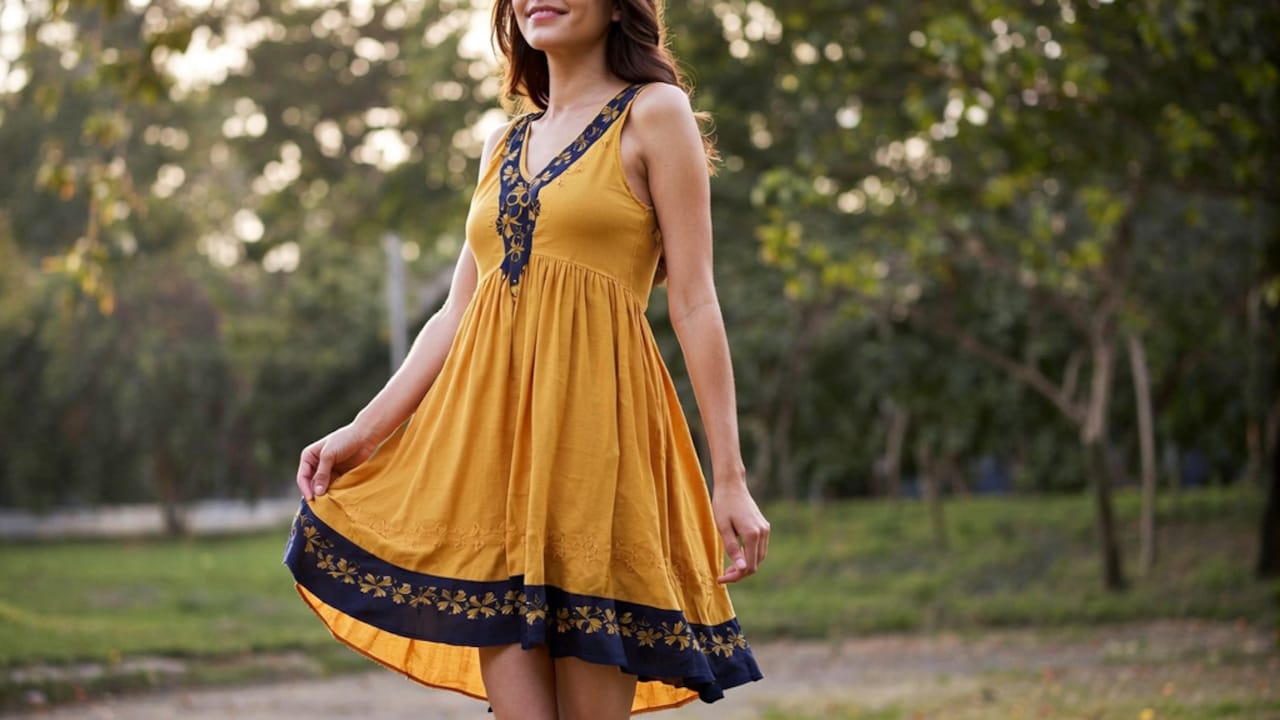
There's a familiar kind of heartbreak that doesn't get talked about enough. It happens quietly, usually on a laundry day. A favourite dress, maybe the one picked up during a festive sale or saved up for at ₹2,499, comes out of the wash looking tired. The colour feels drained, the fabric slightly rough, and suddenly it doesn't spark the same joy.
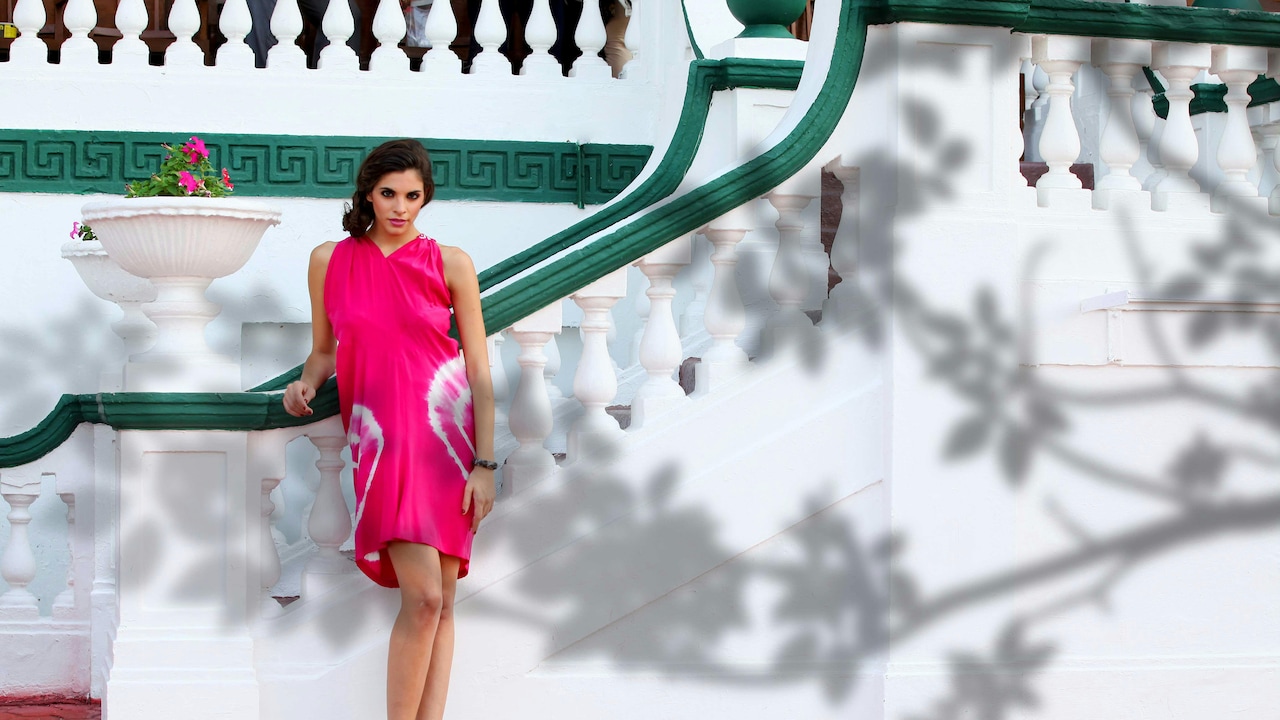
Explore common reasons that make even the best quality clothes fade over time; Photo Credit: Pexels
It's frustrating, especially when the garment was barely worn. Many wardrobes now include pieces that looked stunning on day one but faded after just two washes. This isn't bad luck. It's a mix of fabric science, washing habits, and a few small mistakes that add up.
The good news is that fading isn't inevitable. With a few mindful changes, clothes can stay vibrant for months, even years. No need for expensive detergents or complicated routines. Just better habits, a bit of awareness, and a willingness to treat fabrics with care.
Also Read: When Confidence Fits You Like Bodycon
Simple Habits To Keep Your Clothes Looking New For Longer
Understanding Why Clothes Fade So Quickly
Fading often feels like a mystery, but the reasons sit right in plain sight. Most modern garments go through chemical dyeing processes that prioritise speed over durability. Fast fashion has changed how clothes get made, and not always for the better.
Dyes don't always bond strongly with the fabric. When water, detergent, and friction come into play, those loose dye particles begin to wash away. Dark colours like navy, maroon, and black are especially vulnerable because they carry more dye.
Heat plays a sneaky role, too. Warm or hot water opens up fabric fibres, allowing dye to escape faster. Add a strong detergent, and the process speeds up even more.
Then there's friction. Clothes rubbing against each other in the machine create tiny abrasions. Over time, this dulls the surface, making colours look faded even when dye hasn't completely washed out.
Understanding this makes one thing clear: fading isn't just about “bad quality”. It's about how fabric, dye, and washing habits interact.
Sorting Clothes The Right Way Matters
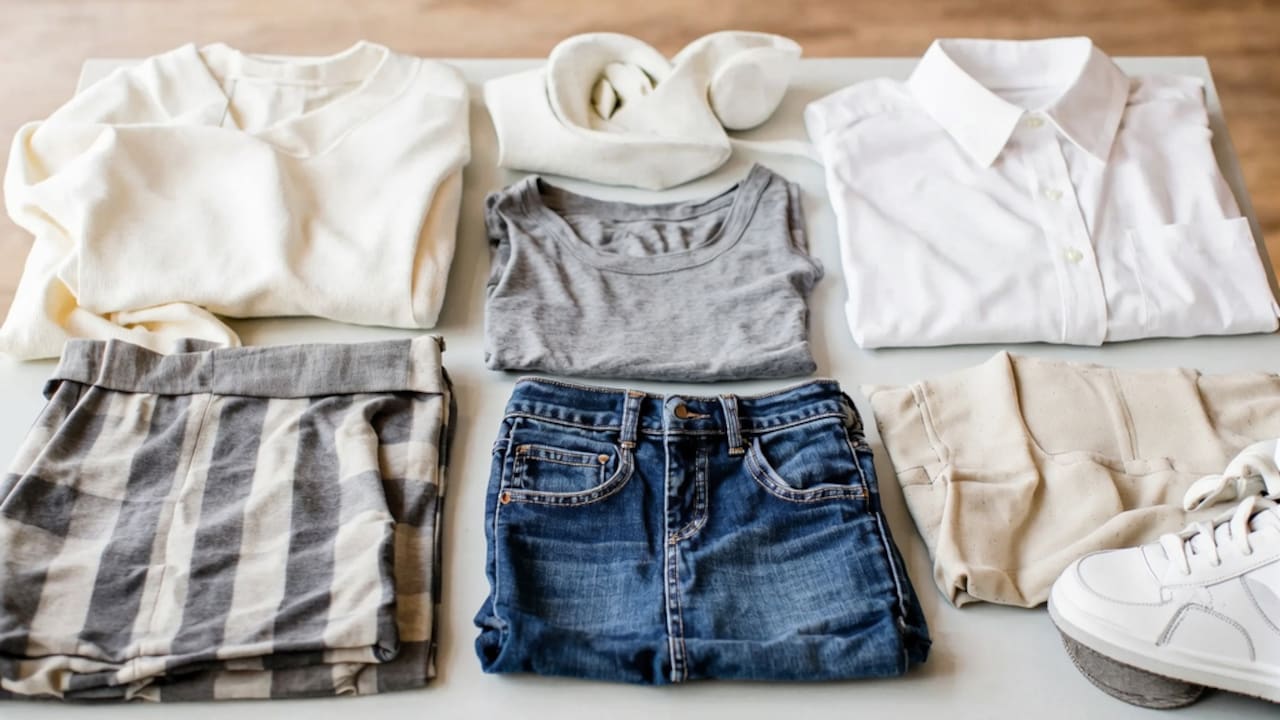
Laundry sorting often gets rushed. Whites go together, colours go together, and that's about it. But this simple approach misses a crucial detail, fabric type and colour intensity.
A deep red dress washed with lighter colours can bleed, even slightly. That faint dye transfer dulls both garments. Similarly, rough fabrics like denim can rub against delicate cotton or rayon, speeding up wear and fading.
Sorting clothes by weight and texture helps reduce friction. Lightweight dresses need gentler companions. Heavy towels or jeans belong in a separate cycle.
Colour intensity matters too. Dark clothes should stay together, especially in the first few washes. This prevents colour bleeding and keeps shades richer.
Taking an extra minute to sort laundry properly can make a surprising difference. It's not about perfection, just a bit of thought before pressing the start button.
Cold Water Is Your Best Friend
There's a long-standing belief that warm water cleans better. While that may hold true for heavily soiled items, everyday clothing doesn't need it.
Cold water helps preserve colour. It keeps fabric fibres closed, which means less dye escapes during washing. This simple switch can extend the life of clothes significantly.
It also reduces energy consumption, which lowers electricity bills, a small but welcome bonus. Over time, those savings add up.
Cold water works well with most modern detergents, which are designed to perform even at lower temperatures. So there's no compromise on cleanliness.
That favourite printed dress doesn't need heat. It needs gentle care. Cold water delivers exactly that.
Choosing The Right Detergent Makes A Difference
Not all detergents are equal. Some contain harsh chemicals designed to tackle tough stains, but these can be too aggressive for everyday clothing.
Strong detergents strip away dye along with dirt. Over time, this leads to dull colours and weakened fabric.
Mild detergents, especially those formulated for coloured clothes, help maintain vibrancy. They clean without being overly abrasive.
Liquid detergents often dissolve better than powders, leaving fewer residues that can dull fabric. This is particularly helpful in areas with hard water.
It's also tempting to use more detergent than needed, assuming it cleans better. In reality, excess detergent builds up on fabric, making clothes look faded faster.
A smaller amount of a gentle detergent often does a better job than an overloaded scoop of a strong one.
Turning Clothes Inside Out Before Washing
This small habit doesn't get enough attention, yet it works wonders. Turning clothes inside out protects the outer surface, the part everyone sees.
During washing, friction happens mostly on the exposed side of the fabric. By flipping garments inside out, that friction affects the inner layer instead.
This is especially useful for printed or embroidered clothes. Designs stay sharper, and colours remain richer.
It also helps reduce lint formation on visible surfaces. Over time, this keeps clothes looking newer.
It takes just a few seconds before tossing clothes into the machine. Yet the impact lasts for months.
Sometimes, the simplest tricks turn out to be the most effective.

Turning clothes inside out before washing can prevent the outer surface from damaging; Photo Credit: Pexels
Avoiding Overloading The Washing Machine
A full washing machine may seem efficient, but it creates more problems than it solves.
When clothes are packed too tightly, they don't move freely. This increases friction between garments, which leads to faster fading and wear.
It also prevents proper rinsing. Detergent residues stay trapped in the fabric, dulling colours over time.
Smaller loads allow clothes to circulate properly. Water and detergent distribute evenly, leading to cleaner and brighter results.
There's also less stress on the fabric. Clothes come out looking fresher, not stretched or worn.
It may mean running an extra load occasionally, but the trade-off is worth it. Clothes last longer, and that favourite dress stays vibrant.
Air Drying Over Machine Drying
Dryers are convenient, especially during monsoon months. But they can be harsh on fabrics.
High heat weakens fibres and accelerates colour fading. Clothes may shrink, lose shape, or feel rough after repeated drying cycles.
Air drying is gentler. Hanging clothes in a shaded area allows them to dry naturally without excessive heat.
Direct sunlight can fade colours too, so shade becomes important. A breezy balcony or indoor drying rack works well.
Air drying also helps maintain fabric softness. Clothes feel lighter and more comfortable.
It may take a little longer, but the results speak for themselves. That extra time helps preserve both colour and quality.
Washing New Clothes Separately The First Time
New clothes often carry excess dye. This is especially true for darker shades and heavily printed garments.
The first wash is crucial. Washing new clothes separately prevents colour bleeding onto other items.
Adding a pinch of salt or a splash of vinegar during the first wash can help set the dye. It's an old trick, but it still works.
This step reduces the chances of dramatic fading in later washes.
Skipping this step often leads to disappointment. That brand-new outfit loses its brightness too soon.
Taking a little extra care during the first wash sets the tone for how the garment ages.
Being Gentle With Handwashing
Handwashing feels like the safest option, but technique matters. Aggressive scrubbing can damage fabric just as much as machine washing.
Rubbing fabric too hard breaks down fibres and causes colour to fade unevenly. Delicate fabrics suffer the most.
A gentle soak followed by light squeezing works better. Let the detergent do the cleaning instead of relying on force.
Avoid twisting clothes to remove water. This stretches fibres and affects shape. Pressing water out gently keeps garments intact.
Using cold water and mild detergent applies here too.
Handwashing isn't just about avoiding the machine. It's about treating fabric with care.
Investing In Better Quality Fabrics
Sometimes, the problem starts at the shop. Low-cost garments often use cheaper dyes and fabrics that don't hold colour well.
Spending ₹500 less may feel like a win, but if the dress fades after two washes, it doesn't stay a bargain.
Higher-quality fabrics tend to retain colour longer. They may cost more upfront, but they offer better value over time.
Natural fabrics like cotton and linen often age better when cared for properly. Blended fabrics can be trickier, depending on how they're processed.
Checking fabric labels and feeling the material before buying helps avoid disappointment later.
A wardrobe filled with fewer, better-quality pieces often outlasts one packed with fast-fading clothes.
Reducing Washing Frequency Thoughtfully
Not every garment needs washing after a single wear. Overwashing is one of the biggest reasons clothes fade quickly.
Many clothes can be aired out and worn again, especially if they haven't been exposed to sweat or heavy dirt.
Spot cleaning small stains helps avoid unnecessary full washes.
Giving clothes a break between washes preserves both colour and fabric strength.
It also saves water, detergent, and time, practical benefits that add up.
Being mindful about when to wash can extend the life of clothes significantly.
Sometimes, less really is more.
Products Related To This Article
1. Aayu Ethnic Motifs Print Crepe A-Line Maxi Dress
2. StyleCast x Revolte Strapless Sheath Dress
3. Anouk Bohemian Print Puff Sleeve Fit & Flare Midi Dress
4. Claura Women Abstract Printed Mandarin Collar A-Line Dress
5. Athena Burgundy Off-Shoulder Pleated Fit & Flare Dress
6. Twelve South Floral A-Line Midi Dress
7. TILISM Bodycon Maxi Dress
Clothes fading after just two washes isn't just bad luck; it's often the result of small, avoidable habits. From water temperature to detergent choice, every step in the washing process plays a role.
The good news is that none of these fixes requires drastic changes. A few mindful adjustments can make a noticeable difference. Colours stay brighter, fabrics feel better, and favourite outfits remain favourites for longer.
Laundry doesn't need to feel like a gamble. With the right approach, that beautiful dress picked up during a festive spree or a casual shopping trip can keep its charm well beyond the first few washes. And that quiet heartbreak on laundry day? It slowly becomes a thing of the past.
(Disclaimer: This article may include references to or features of products and services made available through affiliate marketing campaigns. NDTV Convergence Limited (“NDTV”) strives to maintain editorial independence while participating in such campaigns. NDTV does not assume responsibility for the performance or claims of any featured products or services.)