How to Style Long Tunics With Short Bottoms Without Ruining Proportions
Long tunics and short bottoms often look awkward because proportion rules are ignored. This article explains the most common styling mistakes and shows how to balance length, fit, and fabric for a clean, flattering look.
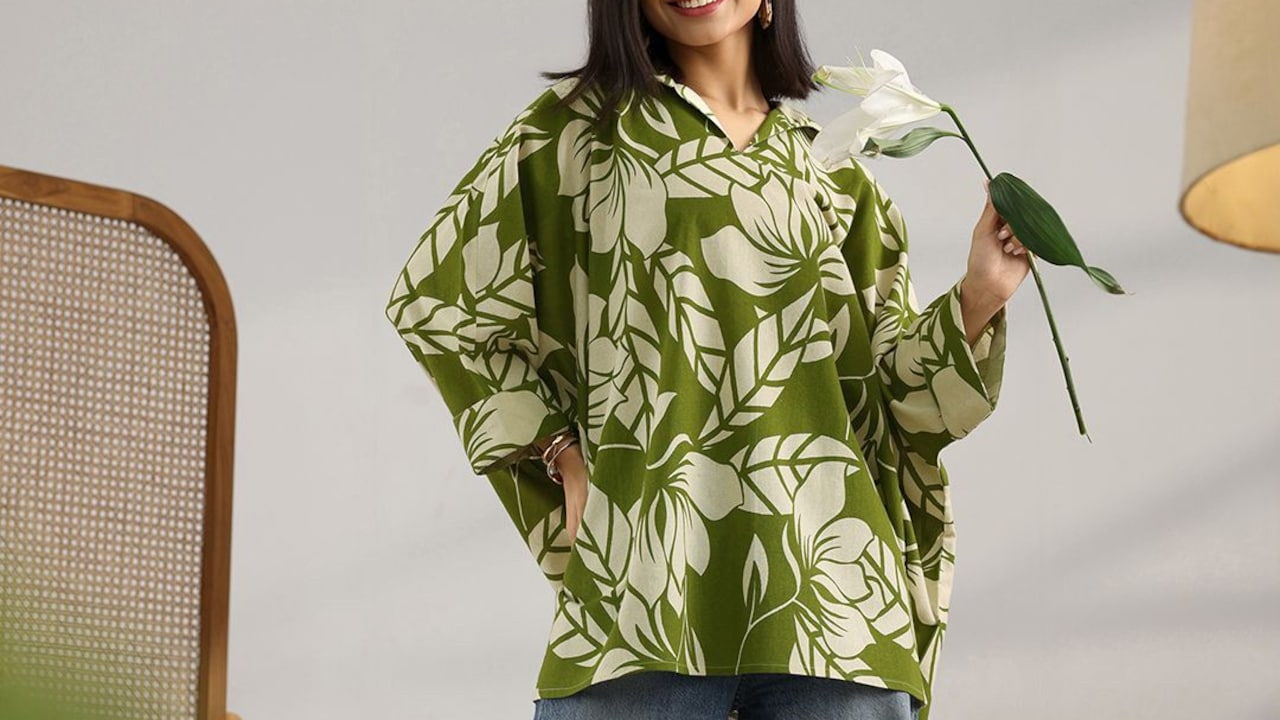
Styling Long Tunics With Short Bottoms: Fashion Proportion Rule Most Get Wrong.
Long tunics hold a special place in everyday wardrobes. They offer ease, movement, and a relaxed elegance that suits busy days and long hours. Short bottoms, think fitted trousers, leggings, skirts, or shorts, bring balance and structure. Together, they create a look that can feel chic and functional at the same time.
Yet many outfits miss the mark. The mirror shows something feels off, even when the colours match, and the fabrics feel right. That discomfort often comes down to proportion. Lengths, silhouettes, and visual balance matter more than trends.
This article explores the proportion rule most people get wrong when styling long tunics with short bottoms. Through relatable scenarios, practical advice, and a touch of humour, the goal stays simple: make this classic pairing work smarter, not harder.
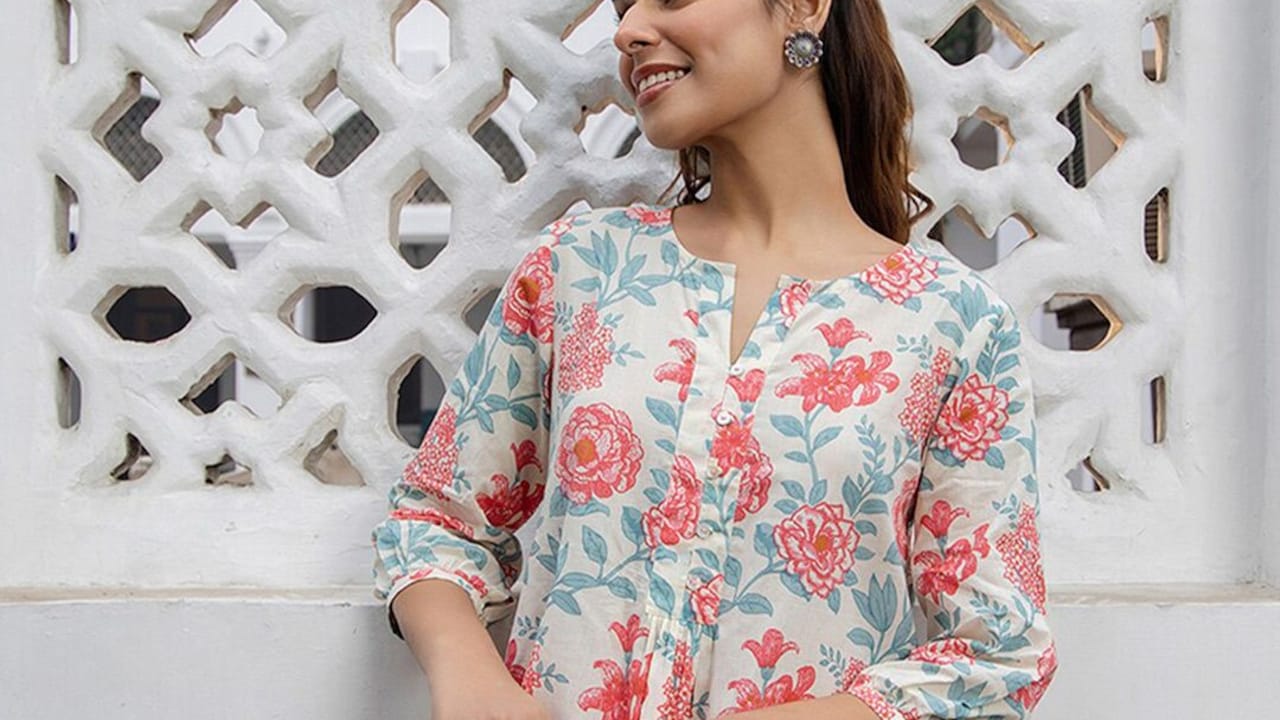
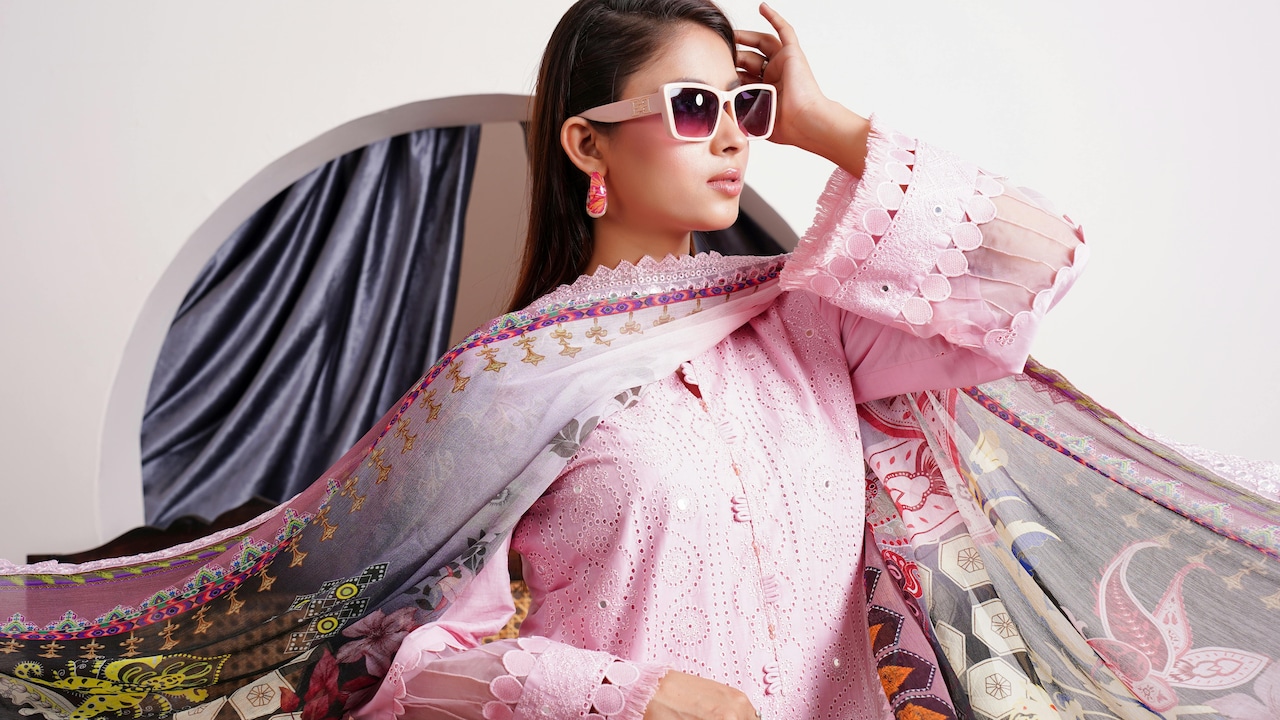
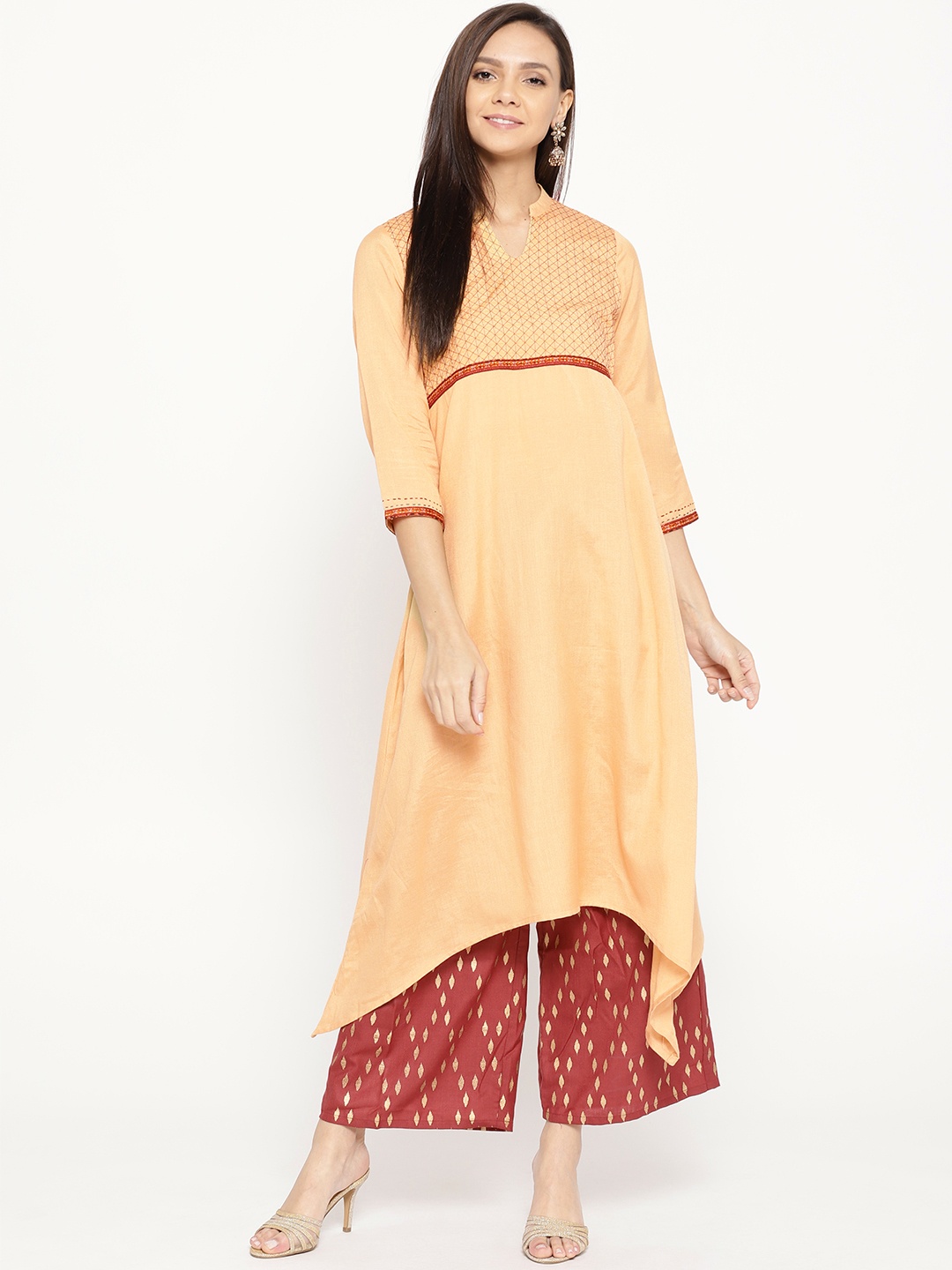
How to Style Long Tunics With Short Bottoms Without Ruining Proportions; Photo Credit: Myntra
Why Proportion Matters More Than Trend When Styling Long Tunics
1. Understanding the Real Meaning of “Long”
Not every tunic that covers the hips qualifies as long. True long tunics usually fall mid-thigh or lower, sometimes grazing the knee. Problems arise when this length competes with the bottom wear instead of complementing it.
When a tunic ends exactly at the widest part of the thigh, it creates a visual stop sign. The eye halts there, making the legs appear shorter. Pairing such lengths with cropped trousers or shorts exaggerates this effect. The outfit then feels heavy on top and rushed at the bottom.
Choosing a tunic that either sits clearly above mid-thigh or flows well past it changes everything. Clear length intention matters. The silhouette reads as deliberate, not accidental. Even a simple cotton tunic starts looking styled instead of thrown together. Proportion thrives on clarity, not compromise.
2. The Myth That Short Bottoms Must Stay Invisible
A common belief suggests short bottoms should disappear under long tunics. While modesty concerns often drive this idea, complete invisibility rarely flatters the frame. When bottoms vanish, the tunic starts resembling a dress that forgot its shape.
Showing a confident sliver of leg or trousers creates balance. Fitted leggings, straight pants, or tailored shorts anchor the outfit. They give the tunic context and structure. Without them, the look floats aimlessly.
A practical trick involves checking the side view. If the tunic hides everything below the hip, the outfit may need adjustment. Rolling up trousers slightly or choosing a slimmer cut solves the issue instantly. Fashion works best when it feels intentional, not overly cautious.
3. Fabric Weight Changes Everything
Fabric weight plays a silent yet powerful role in proportion. A heavy, stiff tunic paired with delicate bottoms often overwhelms the lower half. The result feels top-heavy, even if the colours coordinate beautifully.
Light, flowy fabrics move with ease and pair well with slim bottoms. Linen, soft cotton, or lightweight blends create a gentle drape that flatters. Heavier fabrics demand stronger support below, think structured trousers or thick leggings.
Mixing textures thoughtfully keeps the outfit grounded. A breezy tunic with flimsy shorts can look unfinished, while a structured tunic with soft bottoms may feel unbalanced. Fabric harmony matters as much as length. When both halves speak the same visual language, the outfit feels complete.
4. Colour Contrast Shapes Perception
Colour choices influence proportion more than many realise. Matching the tunic and bottom colour from head to toe creates a long vertical line, which often works wonders. However, strong contrast cuts the body visually.
A dark tunic with pale bottoms draws attention downward, while a light tunic with dark bottoms does the opposite. Neither option fails by default, but awareness helps avoid surprises.
For everyday wear, softer contrasts feel forgiving. Navy with charcoal, beige with off-white, or muted prints with solid tones maintain balance. Bold contrasts work best when the tunic length feels spot-on. Colour then enhances the outfit instead of highlighting proportion issues.
5. Prints Need Breathing Space
Prints add personality, but they also demand space. A heavily printed long tunic paired with short bottoms can dominate the outfit quickly. The eye struggles to settle, especially when prints clash with bold accessories.
Keeping bottoms simple allows the tunic to shine. Solid colours, clean lines, and minimal detailing below the waist offer visual rest. On the flip side, a plain tunic welcomes playful bottoms, as long as the fit stays sharp.
Scale matters too. Large prints need more length to breathe, while smaller prints feel easier to style. The goal stays balance, not competition. Let one element lead while the other supports quietly.
6. Footwear Completes the Proportion Story
Shoes often get chosen last, yet they influence proportion significantly. Flat footwear with long tunics and short bottoms sometimes shortens the overall look, especially when the tunic sits low.
Footwear that shows a bit of skin, like open sandals or low-profile shoes, extends the leg line. Chunky shoes add weight, which may work with structured tunics but struggle with flowy ones.
Heels lift the silhouette instantly, but comfort matters for daily wear. Even a slight sole elevation changes how the outfit reads. Footwear should echo the mood of the tunic while supporting the proportion game happening above.
7. The Waistline Matters, Even When Hidden
Long tunics often skim past the waist, but that doesn't mean the waist disappears from the equation. A tunic with subtle shaping or side slits hints at structure, preventing the look from turning boxy.
Straight-cut tunics benefit from fitted bottoms that define the lower half. Without that contrast, the outfit risks looking shapeless. Belts rarely work over long tunics with short bottoms, but tailoring does wonders.
Understanding body lines helps. Highlighting length without losing form keeps the outfit flattering. Proportion thrives when shape feels acknowledged, even beneath layers of fabric.
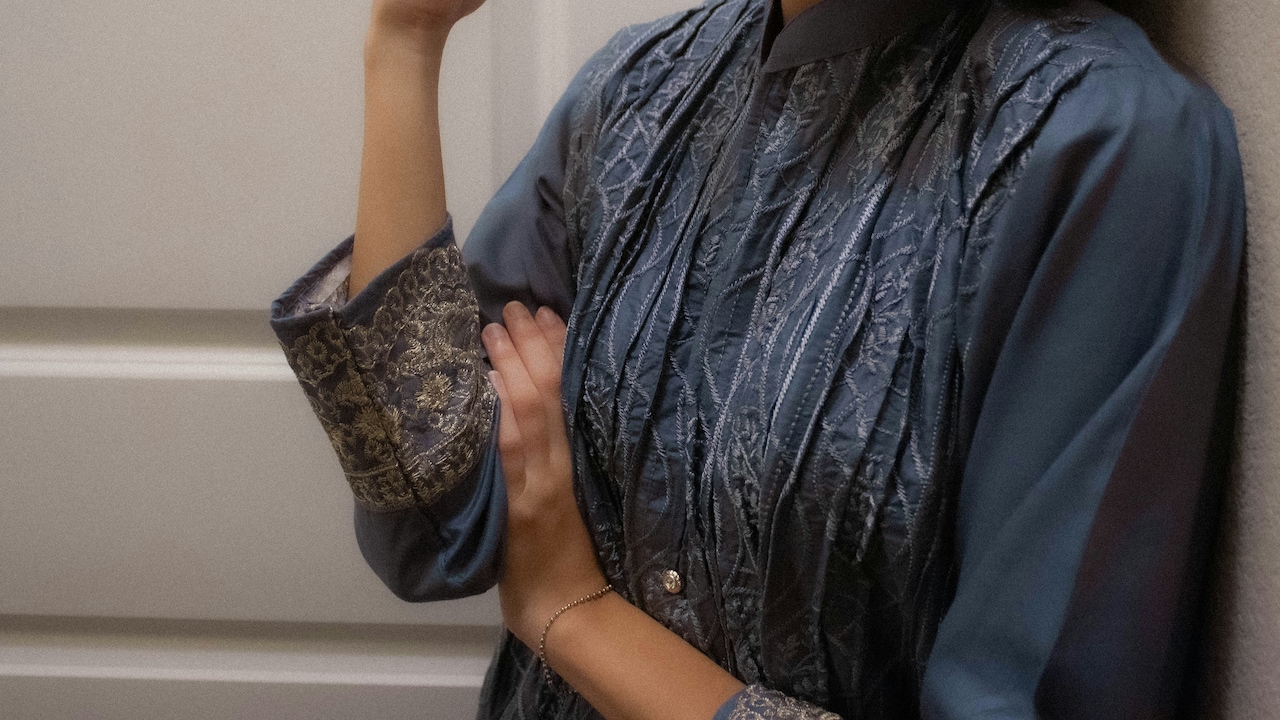
How to Style Long Tunics With Short Bottoms Without Ruining Proportions
Photo Credit: Myntra
8. Occasion Decides the Rules
Context shapes styling choices. A relaxed day out allows experimentation with oversized tunics and casual bottoms. Formal settings demand cleaner lines and sharper proportions.
Festive gatherings call for elegance. Long tunics with refined cuts paired with slim trousers or skirts create polish. Casual brunches welcome playful hemlines and relaxed fits.
Ignoring the occasion often leads to discomfort, even if the outfit looks good on paper. Dressing with context in mind ensures confidence. Proportion rules bend slightly depending on where the outfit goes, but they never disappear completely.
9. Accessories Can Save or Sink the Look
Accessories either enhance proportion or disrupt it. Long necklaces elongate the torso, balancing tunic length. Oversized bags add weight and may overwhelm shorter bottoms.
Keeping accessories intentional helps. When the tunic flows generously, accessories should stay light. Structured tunics welcome bolder accents.
Even small choices matter. A statement earring draws attention upward, while ankle accessories highlight the lower half. Accessories guide the eye. When used thoughtfully, they correct proportion issues without changing the outfit itself.
10. Confidence Is the Final Proportion Rule
No rule works without confidence. Wearing an outfit with ease makes it look right, even when proportions challenge tradition slightly. Confidence comes from understanding why something works, not from blind following.
Experimenting at home, noticing what feels balanced, and trusting personal comfort lead to better style decisions. Trends come and go, but proportion remains timeless.
Long tunics and short bottoms deserve confidence, not confusion. When worn with awareness, they celebrate comfort and style together. Fashion should feel supportive, not stressful.
Products Related To This Article
1. Sangria Black & Red Embroidered Tunic
2. Max Mandarin Collar Ethnic Printed Tunic
3. AKKRITI BY PANTALOONS Mandarin Collar Printed Tunic
4. Larqi Viscose Rayon Mandarin Collar Printed Ethnic Tunic
5. KALINI Women Embroidered Ethnic Tunic
6. Nayo Women Maroon Printed Tunic
7. Janasya Women Pure Cotton Floral Printed Flared Tunic
Styling long tunics with short bottoms doesn't demand a fashion degree. It asks for attention to proportion, fabric, and intent. Small adjustments, length clarity, fabric balance, and thoughtful footwear make a noticeable difference.
This pairing thrives when each element respects the other. The tunic flows without overpowering. The bottom anchors without disappearing. Together, they create a look that feels modern, comfortable, and quietly confident.
Getting the proportion rule right transforms an everyday outfit into something memorable. And once that balance clicks, getting dressed becomes less of a puzzle and more of a pleasure.
(Disclaimer: This article may include references to or features of products and services made available through affiliate marketing campaigns. NDTV Convergence Limited (“NDTV”) strives to maintain editorial independence while participating in such campaigns. NDTV does not assume responsibility for the performance or claims of any featured products or services.)