How To Wash A Crochet Dress Without Pulling Threads Or Changing Its Shape
Learn how to wash a crochet dress safely without pulling threads, stretching the fabric or losing its shape. Follow simple steps for gentle cleaning, rinsing, drying and storage.

How To Wash A Crochet Dress Without Pulling Threads Or Changing Its Shape
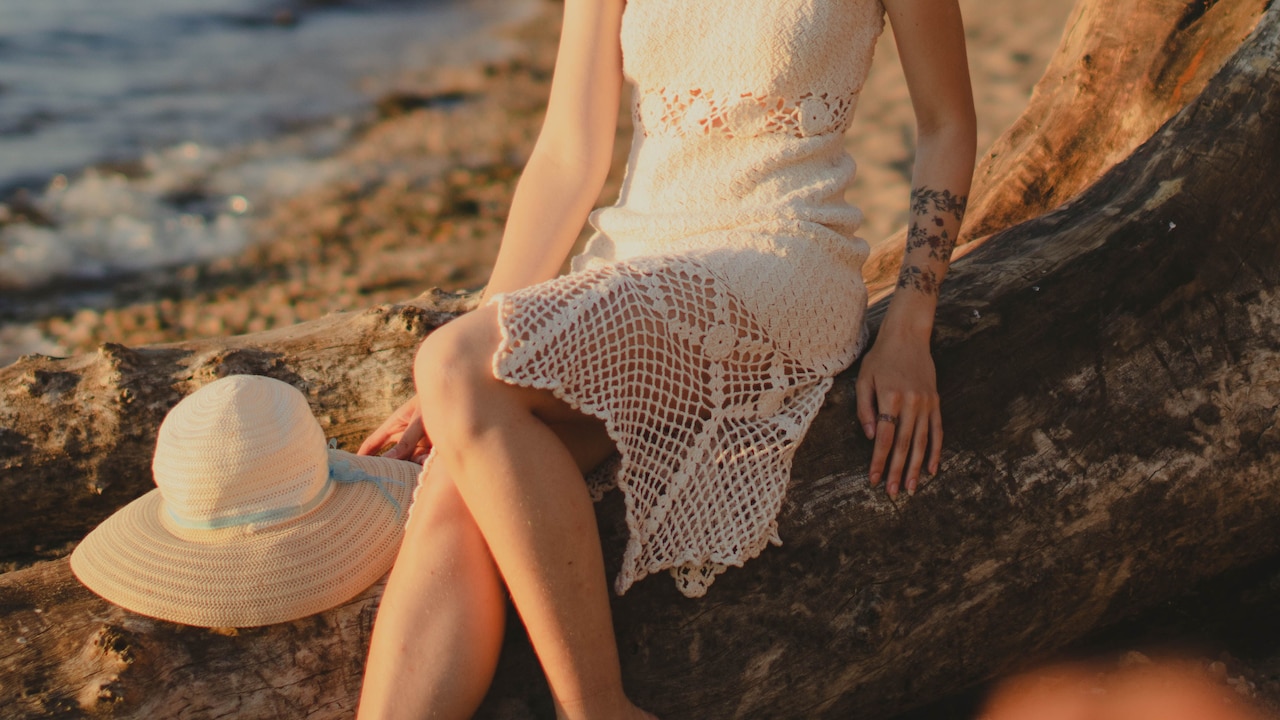
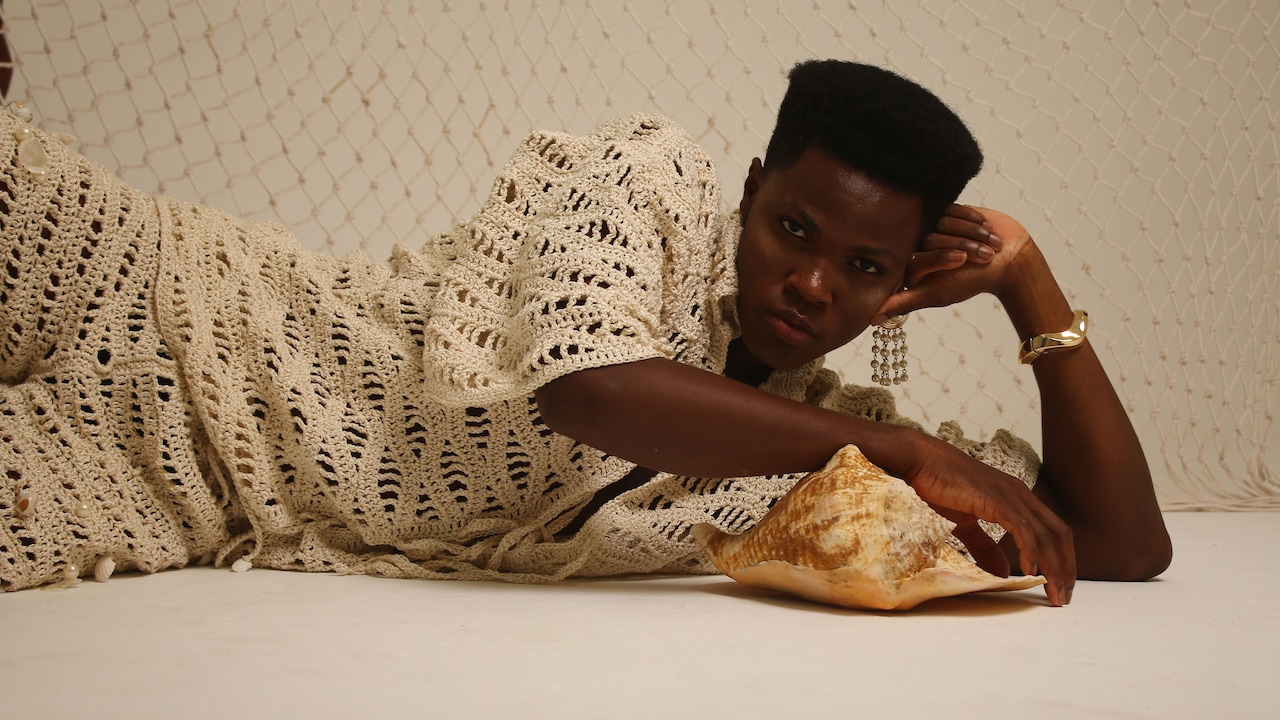
A crochet dress carries a charm that factory-smooth fabrics rarely match. Every loop, knot and open pattern gives it character. It may remind someone of a holiday by the sea, a family celebration or a carefully planned brunch where the dress earned more compliments than the food. That delicate beauty, however, comes with responsibility. Crochet fabric behaves differently from cotton shirts, denim jeans or everyday kurtas. Its woven loops can catch on jewellery, stretch under water and lose their shape when hung carelessly. Even a small mistake can turn a neat neckline into a drooping one.
How To Wash A Crochet Dress Without Pulling Threads Or Changing Its Shape
Photo Credit: Pexels
Many people delay washing crochet clothing because they fear damaging it. Some send it for dry cleaning after every wear, spending ₹500 or more when gentle home care may work perfectly well. Others treat it like ordinary laundry and discover the problem too late.
The safest approach does not involve expensive products or complicated tricks. It simply requires attention. The following ten steps explain how to wash a crochet dress while protecting its threads, texture and original shape.
10 Essential Steps To Wash A Crochet Dress Safely
Read The Care Label Before Touching The Water
The care label may look like a tiny, annoying strip of fabric, but it holds the most important instructions for the dress. Crochet garments can contain cotton, wool, acrylic, rayon or blended yarn. Each fibre reacts differently to water, detergent and heat.
Cotton crochet usually tolerates gentle hand washing, though it can become heavy when wet. Wool needs cooler water and minimal movement because friction can cause shrinking or felting. Acrylic often handles washing more easily, but high heat may distort or weaken it. Rayon can stretch dramatically under the weight of water.
Check whether the label recommends hand washing, dry cleaning or a delicate machine cycle. Follow the temperature guidance carefully. A “cold wash only” instruction does not invite negotiation, even during winter when warm water feels more comforting.
When the label has faded or disappeared, treat the dress as highly delicate. Choose cool water, mild detergent and hand washing. This cautious method reduces the risk of damage. Think of the care label as the dress whispering its boundaries. Ignoring those boundaries rarely ends well.
Inspect The Dress For Loose Threads And Snags
Before washing, spread the dress on a clean bed or table and examine it in good light. Look closely at the neckline, sleeves, hem, waist and side seams. These areas often face the most friction and may hide loose loops or weakened threads.
Do not pull a loose thread, even when it looks tempting. Pulling can tighten one area, open another and disturb the entire crochet pattern. Instead, use a blunt yarn needle or small crochet hook to guide the thread gently towards the inside. Secure it loosely without creating a hard knot that may show through the fabric.
Remove earrings, rings and bracelets before handling the dress. A sharp stone in a ring can catch a loop faster than a door handle catches a dupatta. Keep rough fingernails in mind as well. Even a tiny chip can snag fine yarn.
This inspection takes only a few minutes, yet it prevents minor flaws from becoming major tears during washing. It also helps track the dress's condition over time. Crochet often gives warning signs before serious damage appears. Catching them early saves both the garment and the repair bill.
Treat Stains Gently Before The Main Wash
Stains need attention, but aggressive rubbing can damage crochet faster than the stain itself. Start by identifying the mark. Food stains, make-up, sweat and dust all require slightly different care, yet most respond well to mild treatment when handled quickly.
Mix a small amount of gentle liquid detergent with cool water. Dip a clean, soft white cloth into the solution and dab the stained area. Work from the outside towards the centre so the mark does not spread. Avoid coloured cloths because dye may transfer onto pale crochet.
Never scrub the loops with a toothbrush or laundry brush. These tools can roughen the fibres and pull delicate threads out of place. Avoid squeezing lemon juice directly onto coloured yarn, as it may lighten the fabric unevenly. Strong stain removers can also weaken natural fibres.
For an oily food mark from a wedding buffet or festive dinner, sprinkle a little cornflour over the dry stain first. Let it absorb the grease, then brush it away gently before dabbing with detergent solution.
Patience matters here. Several light treatments work better than one furious attack. Crochet rewards calm hands and punishes dramatic laundry decisions.
Choose A Mild Detergent And Cool Water
Harsh detergent may clean heavy laundry well, but crochet needs something kinder. Select a mild liquid detergent designed for delicate fabrics, wool or baby clothes. Liquid formulas dissolve more easily than powders and leave less residue inside the loops.
Use only a small amount. More detergent does not mean cleaner fabric. Too much creates extra foam, which becomes difficult to rinse from open crochet patterns. Leftover soap can make the dress stiff, dull or itchy against the skin.
Fill a clean basin or bucket with cool or slightly lukewarm water. Avoid hot water, which may shrink natural fibres, weaken elastic sections or cause colours to run. Even acrylic yarn can lose its shape under excessive heat.
Test dark or bright colours before washing. Dampen a hidden area and press it with a white cloth. If colour transfers, wash the dress separately and keep the soaking time brief.
A dedicated wash basin works best. A bucket that recently held floor cleaner, bleach or strong disinfectant may contain residue. Those chemicals can harm the yarn or leave a stubborn smell. Crochet deserves a fresh container, not yesterday's cleaning experiment.
Wash The Dress With Slow Pressing Movements
Turn the dress inside out before placing it in the water. This protects the visible surface from friction and helps clean areas that touch the skin. Lower the dress slowly into the basin and allow the water to soak through the fabric.
Use both hands to press the dress gently under the water. Lift and lower it several times without twisting, scrubbing or stretching. The movement should feel calm and controlled, almost like pressing a soft sponge.
Pay extra attention to the underarm, neckline and inner waist areas. Press a little detergent solution through these sections with the fingertips. Do not rub one side of the fabric against the other. Friction can create fuzz, distort loops and loosen decorative details.
Keep the wash brief. Around five to ten minutes usually works for a lightly worn dress. Long soaking can cause colours to bleed and fibres to swell. A heavily soiled garment may need another gentle wash rather than one long soak.
Crochet becomes heavier in water, so support the entire dress whenever lifting it. Never grab it by one shoulder strap or sleeve. Wet yarn has the strength of a sleepy Sunday morning: present, but not ready for pressure.
How To Wash A Crochet Dress Without Pulling Threads Or Changing Its Shape
Photo Credit: Pexels
Rinse Without Wringing Or Twisting
Drain the soapy water while supporting the dress with both hands. Do not lift it high and let the weight pull downwards. Keep it gathered loosely in the basin until most of the water has drained away.
Refill the basin with cool, clean water. Press the dress gently to release detergent from the fibres. Avoid running a powerful tap directly over the crochet because the force can stretch fine sections or disturb decorative loops.
Repeat the rinse until the water looks clear and no foam remains. Two or three rinses may prove necessary, especially when too much detergent entered the first wash. Resist the urge to speed things up by twisting the dress. Wringing may remove water quickly, but it can also reshape the garment in ways no iron can repair.
For the final rinse, a small amount of fabric conditioner may seem helpful, but it can coat some yarns and reduce their natural texture. Skip it unless the care label allows it.
Once rinsed, press the dress gently against the side of the basin. This removes excess water without pulling the fabric. Treat the garment as a whole, not as separate sleeves, straps and hems.
Remove Moisture With A Clean Towel
After rinsing, lay a large, clean towel on a flat surface. Choose a light-coloured towel for pale dresses so there is no risk of colour transfer. Place the dress flat on top and arrange it roughly in its natural shape.
Roll the towel and dress together from one end, like a soft fabric roll. Press gently along the roll to help the towel absorb water. Do not stand on it, kneel on it or squeeze it aggressively. Crochet does not need a wrestling match.
Unroll the towel and check the dress. If it still feels very wet, repeat the process with a second dry towel. This step removes a surprising amount of moisture and shortens the drying time.
Never use a tumble dryer unless the care label clearly permits it. Heat and movement can shrink fibres, distort patterns and make decorative edges curl. A dryer may finish the job quickly, but speed offers little comfort when the dress emerges two sizes smaller.
The towel method works especially well during humid weather. It prevents water from collecting in the lower part of the dress and reduces the strain on delicate stitches before flat drying begins.
Also Read: Planning A Goa Getaway: Top 5 Pinterest Worthy Beach Dresses To Grab From Sale
Reshape The Dress While It Is Damp
Reshaping, sometimes called blocking, helps the dress return to its original measurements. Do this while the fabric remains damp and flexible. Lay it flat on another dry towel, a clean bedsheet or a foam drying mat.
Smooth the dress with open palms. Align the neckline, shoulders, sleeves, waist and hem. Do not tug hard. Instead, guide the fabric into position with small, even movements. Check that both sides match and that decorative motifs sit evenly.
A measuring tape can help when the dress has a fitted shape. Compare the length, waist width and sleeve length with earlier measurements or with a similar garment. This step proves useful because wet crochet can look longer than expected.
Use rustproof pins only when the pattern needs precise shaping. Place them through strong edge sections rather than fragile open loops. Keep the pins evenly spaced so they do not create pointed marks.
Do not stretch the dress to gain extra length or width. The goal involves restoring the original shape, not redesigning it midway through laundry day. Once correctly arranged, leave it undisturbed. Pets, children and spinning ceiling-fan breezes may all consider the damp dress interesting, so choose the drying spot wisely.
Dry The Dress Flat And Away From Direct Sun
Flat drying protects the dress from gravity. Hanging a wet crochet garment can stretch the shoulders, lengthen the body and pull the neckline out of shape. Even a padded hanger may leave marks when the yarn contains heavy natural fibres.
Place the reshaped dress in a well-ventilated room. Keep it away from direct sunlight, radiators and strong heat. Harsh afternoon sun can fade colours and make some fibres brittle. A shaded balcony may work, provided dust, birds and sudden rain do not join the process.
Turn the dress over once the upper side feels nearly dry. Replace the damp towel beneath it if necessary. This encourages even drying and prevents a musty smell. Never fold the dress while any moisture remains, especially around thick seams or decorative flowers.
Drying may take a full day or longer during the monsoon. Avoid rushing the process with a hairdryer. Concentrated heat can affect one area more than another and create uneven texture.
The dress may look slightly firm when dry, but gentle handling will relax the yarn. Give it a light shake without stretching. Good drying takes patience, yet it protects the shape more effectively than any last-minute repair.
Store The Dress Folded With Care
Once completely dry, fold the crochet dress instead of hanging it. Long-term hanging places constant pressure on the shoulders and can gradually lengthen the garment. Heavy crochet dresses face an even greater risk.
Lay the dress flat and fold the sleeves inward. Fold the body loosely without creating sharp creases. Place clean, acid-free tissue paper between folds when storing an expensive or sentimental piece. This softens pressure points and helps preserve decorative details.
Keep the dress in a breathable cotton storage bag or a clean drawer. Avoid sealed plastic covers for long periods because trapped moisture can encourage mildew. In humid climates, add moisture absorbers nearby, but do not let chemical sachets touch the fabric.
Cedar blocks or neem leaves can help discourage insects, though they should remain wrapped in cloth to prevent stains. Check the dress every few months, especially before festive seasons or holidays.
Do not stack heavy jeans, blankets or handbags on top of it. Crochet loops can flatten under pressure. A little space in the wardrobe makes a noticeable difference.
Proper storage completes the washing process. Clean fabric, careful folding and good ventilation keep the dress ready for its next graceful outing.
Handle Small Repairs Before Wearing It Again
After the dress dries, inspect it once more. Washing sometimes reveals weak areas that remained hidden when the fabric was dry. Look for stretched loops, loose motifs, open seams or threads that have moved out of place.
Use matching yarn whenever possible. A small crochet hook can guide a loose loop back into the pattern. For a separated seam, sew it with a blunt needle and yarn rather than ordinary thin thread. Thin sewing thread may cut into thicker fibres and create further damage.
Avoid using strong glue on loose embellishments. Fabric glue can harden the area, discolour the yarn and make future repairs difficult. A few careful stitches usually provide a neater result.
When the damage affects a large section, take the dress to a skilled tailor or crochet artisan. A repair costing ₹200 or ₹300 may save a garment worth several thousand rupees. Carry a photograph of the original pattern when possible, especially if a decorative border needs reconstruction.
Do not postpone small repairs. One loose loop can catch on a handbag zip and turn into a long pulled thread. Fixing it early keeps the dress safe, polished and ready to wear without last-minute panic.

How To Wash A Crochet Dress Without Pulling Threads Or Changing Its Shape
Photo Credit: Pexels
Products Related To This Article
1. SASSAFRAS Crochet Variegated Stripes Strappy Beach Cover-up Maxi
2. Ginger by Lifestyle Midi Dress
3. DressBerry Crochet Flared Sleeve A-Line Midi Dress
4. Globus Round Neck Straight Hem Mini Sheath Crochet Dress
5. MANGO Floral Crochet Design Pure Cotton Asymmetric A-Line Dress
6. H&M Crochet-Look Midi Dress
7. Routes by All About You Sheath Midi Dress
Washing a crochet dress does not need to feel like a risky experiment. The process becomes simple once gentle handling replaces ordinary laundry habits. Cool water, mild detergent, careful pressing and flat drying protect the yarn far better than scrubbing, spinning or hanging.
The most important rule involves supporting the dress at every stage. Wet crochet carries extra weight, and that weight can pull the garment out of shape. A towel, a flat surface and patient reshaping prevent most common problems.
Small details matter as well. Removing jewellery, checking loose threads, testing colours and storing the dress folded can add years to its life. These habits cost little, yet they protect the time, money and memories attached to the garment.
A crochet dress often feels special because it looks thoughtful and handcrafted. It deserves the same thoughtfulness during washing. Handle it calmly, let it dry at its own pace and resist every shortcut that promises speed.
With the right care, the loops stay neat, the shape remains flattering, and the dress continues to earn admiring glances. Laundry day may never become exciting, but at least it will no longer feel like a threat to the wardrobe.
(Disclaimer: This article may include references to or features of products and services made available through affiliate marketing campaigns. NDTV Convergence Limited (“NDTV”) strives to maintain editorial independence while participating in such campaigns. NDTV does not assume responsibility for the performance or claims of any featured products or services.)