Why Do My White Sneakers Turn Yellow So Fast?
Frustrated with your beloved white sneakers turning yellow so quickly? You’re not alone. Here's what actually causes the yellowing and how to slow it down.
Why Do My White Sneakers Turn Yellow So Fast?
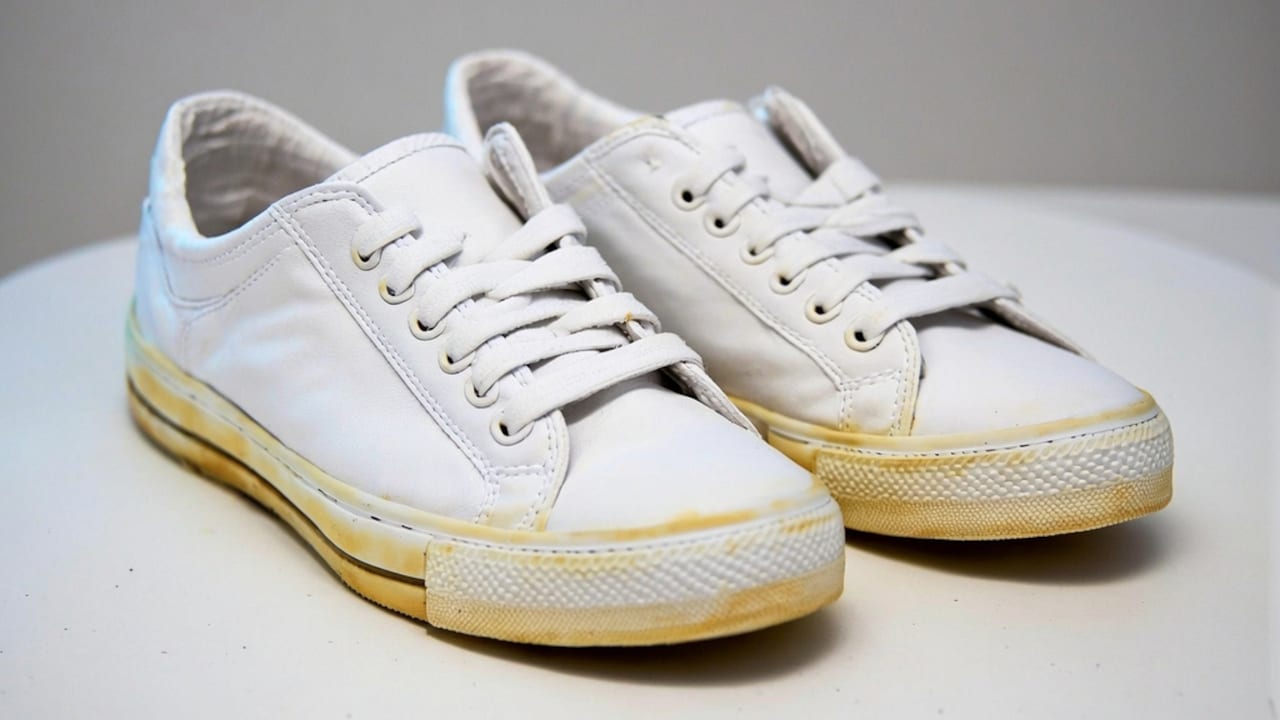
Sneakers have a very different place in our hearts. You bought them fresh. You have the box smell on them, stiff laces, and that satisfying white colour everyone notices. Three months later, you glance down, and something's off. The soles look... cream? Beige? Not quite the colour you paid for. It happens to almost everyone who owns white sneakers, and honestly, it can feel a bit unfair. You didn't even wear them that much. So what's going on here?
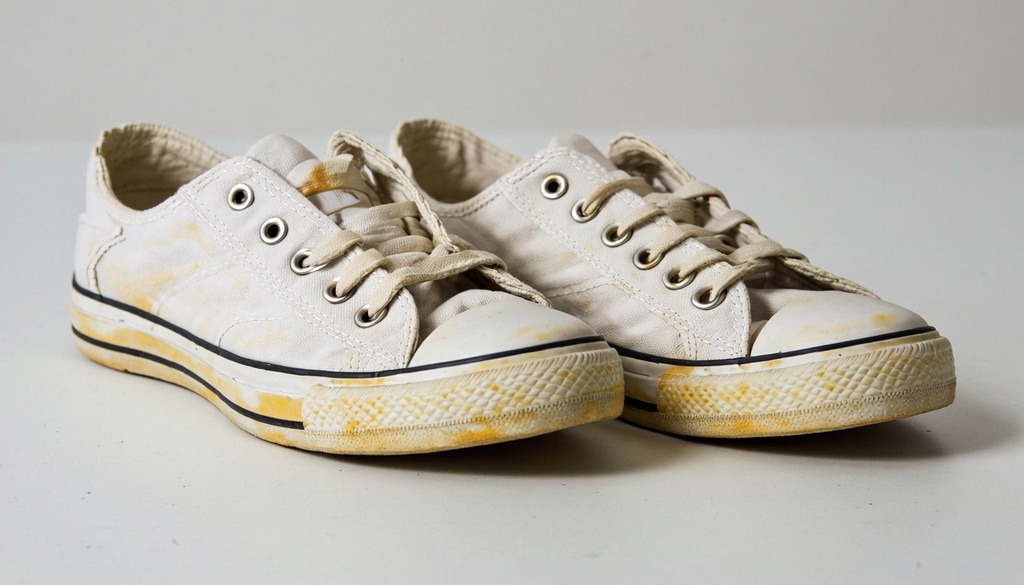
Learn what causes white shoes to yellow quickly and how to prevent it from happening.
Photo Credit: iStock
In our country, this problem shows up faster than in cooler countries, mostly because of heat, humidity, and dust. A pair that stays crisp white in Europe for a year might start yellowing here in six weeks. That's not you being careless. That's chemistry, weather, and a bit of bad luck combined.
It's Not Dirt, It's Chemistry
Most people assume yellowing is just grime building up. Sometimes that's part of it, sure. But the bigger reason is something called oxidation, and it happens to the material itself, not just the surface.
1. The Rubber Sole Reacts To Air
The white rubber or foam soles on most sneakers contain a compound that reacts slowly with oxygen over time. This reaction is what turns the surface yellow, even if the shoe was sitting untouched in a cupboard. Yes, even shoes you never wore can yellow just from sitting there.
2. UV Light Speeds Everything Up
Sunlight makes this oxidation move faster. If you dry your sneakers outside in direct sun, or if they sit near a window for hours each day, that yellowing process gets a serious push. It's basically the material aging faster than it should.
Sweat And Body Oils Play A Bigger Role Than You Think
Here's something people don't expect. A lot of yellowing near the toe box and inner lining comes from your own feet, not the outside world.
1. Sweat Contains Salts And Acids
When you wear shoes without socks, or even with thin socks, sweat seeps into the fabric. Over weeks, this leaves behind salt deposits and mild acids that discolour the material from the inside out. This is why the inner rim near your ankle often yellows before the rest of the shoe.
2. Humidity Traps Moisture Longer
In places with high humidity, sweat doesn't dry off the shoe quickly. It just sits there, soaking into the fibres longer than it would in a dry climate. More soaking time means more staining.
3. Deodorant And Talcum Powder Residue
A small detail most people miss. If you use foot powder or spray deodorant before wearing shoes, some of that residue rubs onto the fabric. Over time, this builds a thin yellowish film, especially near the tongue and inner sides.
Storage Habits That Make It Worse
How you store sneakers when you're not wearing them matters more than most people realise. This part is honestly avoidable with just a little more care.
1. Keeping Them In A Plastic Bag
Sealing your shoes inside a plastic bag might seem like a good way to protect them, but it actually traps moisture in there with nowhere to go. Add a bit of heat to that mix, and you've basically created ideal conditions for yellow patches, even if the shoes never touch your feet.
2. Storing Them Near Sunlight
It's tempting to keep a shoe rack by the window or balcony door, mostly because it looks good. The problem is, daily UV exposure works on those white soles slowly, quietly, over weeks, until the damage is done. If you're not wearing your sneakers often, find them a shadier spot instead.
3. Stacking Shoes Without Airflow
Cramming sneakers on top of one another inside a closed cupboard cuts off airflow almost completely. And when air can't circulate, moisture and heat just sit there, speeding along the yellowing that oxidation was already going to cause anyway.
Also Read: 5 Best Canvas Sneakers Styled For Monsoon Under ₹2000
Certain Materials Yellow Faster Than Others
Not every white sneaker ages at the same speed. Some are simply built with materials that resist yellowing better.
Sneakers with a canvas or mesh upper combined with a rubber sole tend to yellow at the sole first, since rubber oxidises faster than fabric does. Leather sneakers usually hold their white colour longer, though they can develop a slightly duller tone over time instead of a sharp yellow tint. Foam midsoles, the kind used in a lot of casual and running shoes these days, are actually some of the fastest to yellow because the foam is more reactive to both UV and air.
If you've noticed one pair yellowing way faster than another pair you've had longer, this is usually why. It's less about how much you wear them and more about what they're made of.
Can You Actually Slow This Down?
Yes, to an extent, though nobody can stop it completely. Oxidation is a natural process, and it will happen eventually, no matter what.
Wiping down your sneakers after each wear helps quite a bit, even just a dry cloth pass over the soles and uppers. Keeping them away from direct sun, whether drying them or storing them, slows the UV-driven part of the process significantly. Wearing socks reduces how much sweat transfers directly onto the shoe material. None of this makes the shoes yellow-proof, but it buys you months, sometimes longer, before the colour starts noticeably shifting.
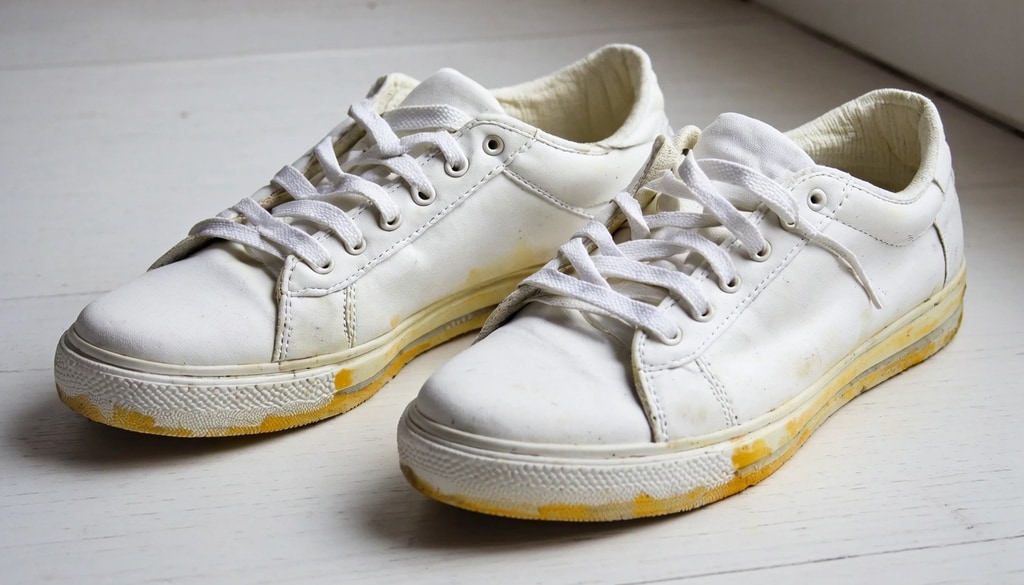
Stop your white sneakers from yellowing with these simple prevention tips and care techniques.
Photo Credit: iStock
Some Sneakers Cleaning Products You May Like
1. Helios White & Grey Sneaker Cleaning Kit
2. PRO Set of 5 Premium Sneaker & Sports Shoe Cleaning Kit
3. SNEAKARE Shoe Cleaning Kit With Decreaser Lite
4. CREP PROTECT Pack Of 12 Ultimate Sneaker Cleaning Wipes
5. LOUIS STITCH Premium Shoe Sneaker Cleaning Foam Spray
6. SNEAKARE 6-in-1 Shoe Cleaning Kit
7. Hague Protect Concentrated Shoe Cleaner Deep Sneaker Cleaning Solution
8. SHOEGR Shoegr Sneaker Cleaning Solution
White sneakers may look effortlessly stylish, but keeping them bright and clean requires a little extra care. Yellowing is often caused by factors such as dirt buildup, improper cleaning methods, oxidation, moisture exposure, and even prolonged sunlight. The good news is that with regular maintenance, proper drying techniques, and the right cleaning products, you can significantly slow down the yellowing process. A little preventive care goes a long way in preserving the fresh, crisp look of your favorite white sneakers and keeping them looking newer for longer.
Frequently Asked Questions (FAQs)
1. Why do white sneakers yellow even if I never wear them?
It comes down to the sole material itself. It reacts with oxygen in the air, slowly, through a process called oxidation, and this happens no matter what, worn or not, moved or left untouched in a box.
2. Does washing sneakers often stop them from yellowing?
Not really. Washing sneakers takes care of surface dirt and sweat, sure, but the oxidation happening inside the rubber or foam? That keeps going regardless. So yellowing will still creep in over time, wash or no wash.
3. Is it safe to leave sneakers out in the sun to dry?
Best to skip that one. Direct UV rays speed up yellowing quite a bit more than just letting shoes air dry somewhere shaded would.
4. Do all white sneakers yellow at the same rate?
They don't, actually. Foam soles tend to go yellow faster compared to leather uppers. Different materials, different reactions to light and air – that's really what it comes down to.
5. Can yellowed sneakers be restored to white?
It depends how far gone they are. Mild cases can often be improved a good deal with the right cleaning products and some gentle scrubbing work. Severe yellowing, though, is usually there to stay.
(Disclaimer: This article may include references to or features of products and services made available through affiliate marketing campaigns. NDTV Convergence Limited (“NDTV”) strives to maintain editorial independence while participating in such campaigns. NDTV does not assume responsibility for the performance or claims of any featured products or services.)