Kaftan vs Anarkali: Which Is The Comfier Festive Pick
Kaftan vs anarkali for a festive occasion? Compare comfort, movement, and getting-ready effort to work out which shape suits your long function days better.
Kaftan vs Anarkali: Which Is The Comfier Festive Pick
During the holiday season, there's always a moment when you care more about whether you can sit down in an outfit than how it looks. That usually occurs at the third event of the week, when your feet already hurt. In October, the kaftan and the anarkali appear on every Myntra page you browse, both of which promise simple dressing. However, they are comfortable in rather different ways. The difference between the two is more important than the product photographs indicate. One provides you space, while the other gives you shape. Therefore, this choice is more of a question about your day than it is about your clothes. How much will you move, how long will you be out, and will you sit on the floor? The answers to those three queries vary greatly between an anarkali and a kaftan. This is how they compare in terms of effort, comfort, and the type of event you're attending.
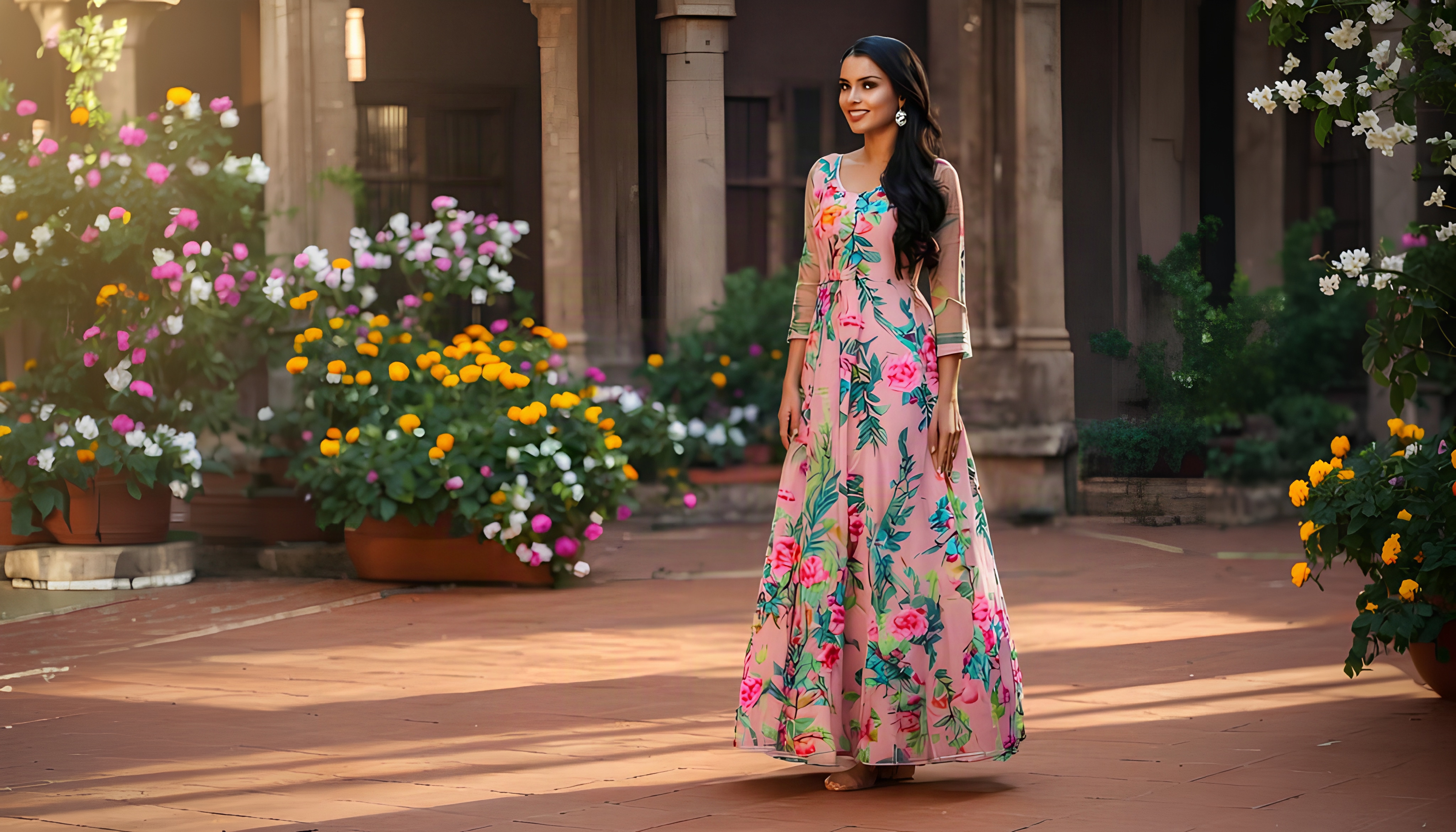
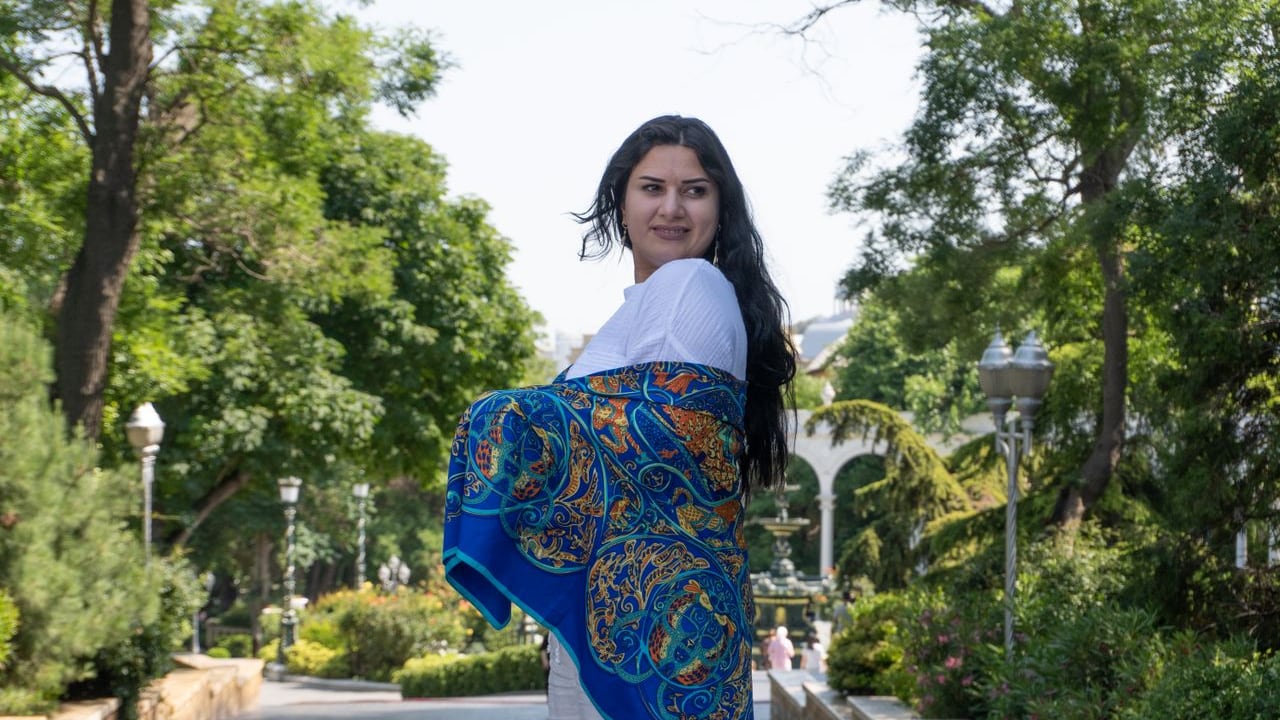
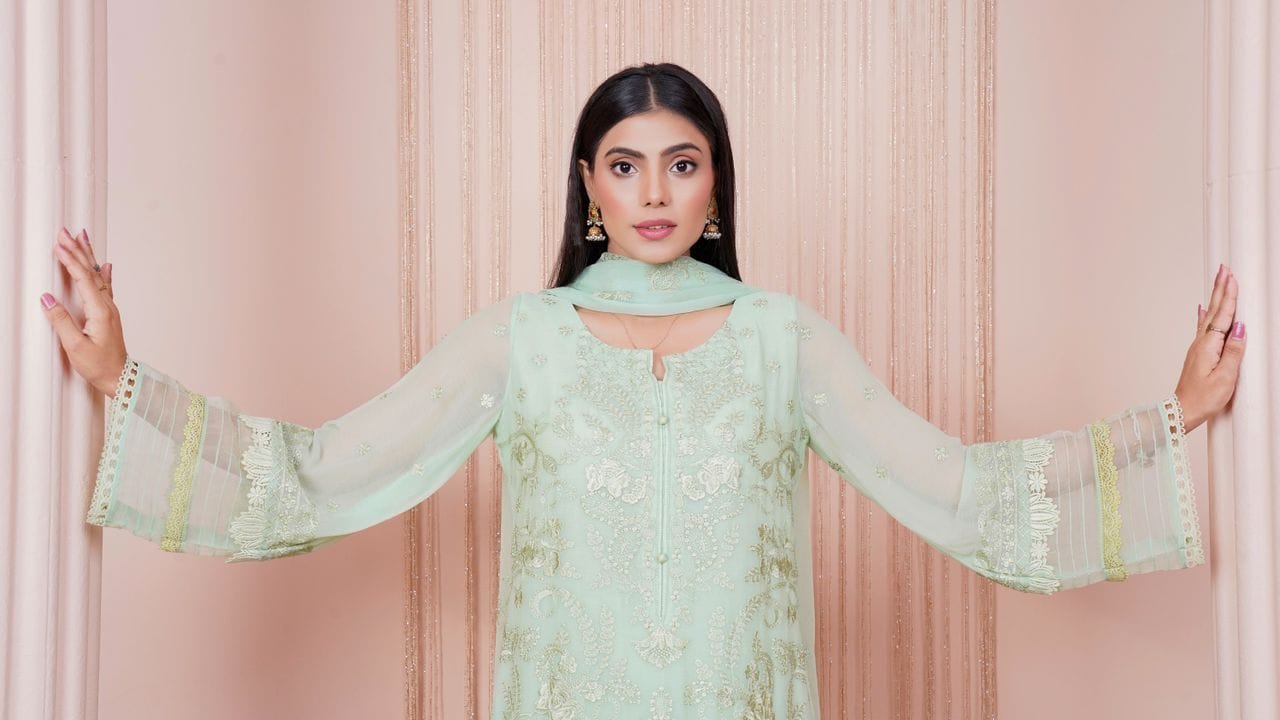
During A Lengthy Function, Which Is More Comfortable?; Photo Credit: iStock
Which Is Easier To Get Dressed In?
Half of the reason both sell so well during holiday weeks is that neither requires much preparation. Nevertheless, before you leave the house, one of them asks for a few more decisions.
1. Choosing A Kaftan Is Really Just One Choice
You're dressed when you pull it over your head. Nothing needs to be adjusted once it's on, and there is no dupatta to pin or bottom to match.
That's why you end up wearing kaftans on the day you're running late. The entire preparation process, including jewellery, takes about four minutes.
2. An Anarkali Has Additional Pieces
The majority of anarkalis come in a set that includes a dupatta and a churidar or palazzo. The dupatta typically requires a pin or two, so that's three items to put on.
That's not hard at all. However, it's an additional ten minutes, and ten minutes is a significant amount of time on a puja morning when everyone is already waiting in the car.
Also Read: Comfort Meets Glam: 10 Ethnic Wear Styles Every Wedding Guest Will Love
During A Lengthy Function, Which Is More Comfortable?
Because both feel fine during the two minutes you spend in the trial room, this is the part people get wrong in the shop. Only after three hours does the change become apparent.
The comparison isn't based on the amount of fabric you're wearing, because both of them are loose. It's about how much of your weight is supported by your shoulders and where the outfit holds you.
1. Sheer Room Is Won By Kaftans
The only part of your body that a kaftan touches is your shoulders. Without giving it any thought, you can finish a meal, sit cross-legged on the floor and then get back up.
Heat is the trade-off. Here, the fabric is more important than the shape, since a kaftan with lots of mirror work or a thick georgette absorbs warmth.
2. Anarkalis Rely On The Fit-Up Top
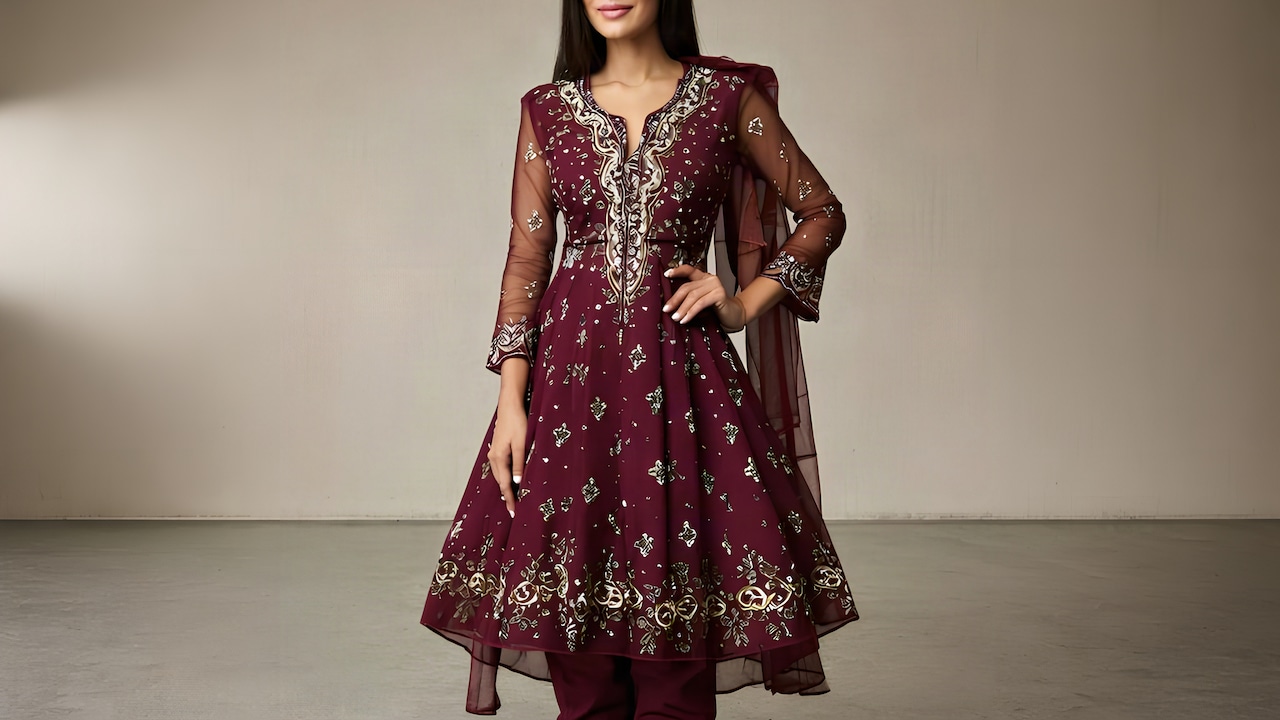
An anarkali is fitted across the yoke and sleeves but loose from the chest down. If that part fits well, it stays comfy for hours.
If not, by the time dinner is served, you'll be able to feel it beneath your arms. That said, a well-fitting anarkali consistently outperforms a poorly cut kaftan.
Which Is Easier To Make Appear Festive?
One aspect of the choice is comfort. A house full of relatives will notice whether or not you put effort into the outfit, so that's the other half.
1. Anarkalis Appear To Be Dressed Up Already
The flare does most of the work. With just a pair of juttis and earrings, a block-printed cotton anarkali or an embroidered georgette one looks festive.
If you're unclear about the dress code, it's also a safer option. At a family gathering, an anarkali has never once looked underdressed. Hence, it has a permanent spot in most wardrobes.
2. Kaftans Need One Strong Accessory
A kaftan can read like excellent loungewear on its own. Heavy jhumkas, a potli bag or a statement belt across the waist instantly solve that.
When you shop, look for mirror work, gotta patti or zari details. These are the kaftans that look stunning at a party even if you don't try to style them.
Which Is More Effective For Various Festive Occasions?
Not every function makes the same request. A wedding reception and a mehendi at home are opposites in how much you sit, move, and get photographed.
Moreover, the same outfit behaves differently in different weather. An October afternoon and a December evening are separate problems, and fabric resolves more of that than the silhouette.
1. Choose A Kaftan For Events At Home
Kaftans are perfect for days when you are entertaining, preparing a little, sitting on the floor for a puja, and then welcoming guests at the door.
They are also ideal for a mehendi, when people don't mind a casual shape and wide sleeves remain out of the way. Here, crepe and rayon are the simplest materials.
2. Choose An Anarkali For Puja Days And Weddings
The anarkali is the safer and more expected shape for events like weddings, temple visits and Diwali lunches at other people's homes.
Choose georgette for the evening and cotton throughout the day. A floor-length anarkali also takes superior standing photos, which is more important than anyone realises at the time.
So Which Is The More Comfortable Holiday Option?
The kaftan is quite comfortable. Nothing fitted, nothing that needs adjusting, and nothing to worry about on the lower half. That is the one to buy if your holiday week entails long days at home, a lot of sitting on the floor and food at every stop.
However, you're purchasing more than comfort. A well-fitting anarkali comes in second and can be worn to events where a kaftan would be too informal. The anarkali covers more of your calendar if you can only choose one this season. Buy the kaftan if you already have two.
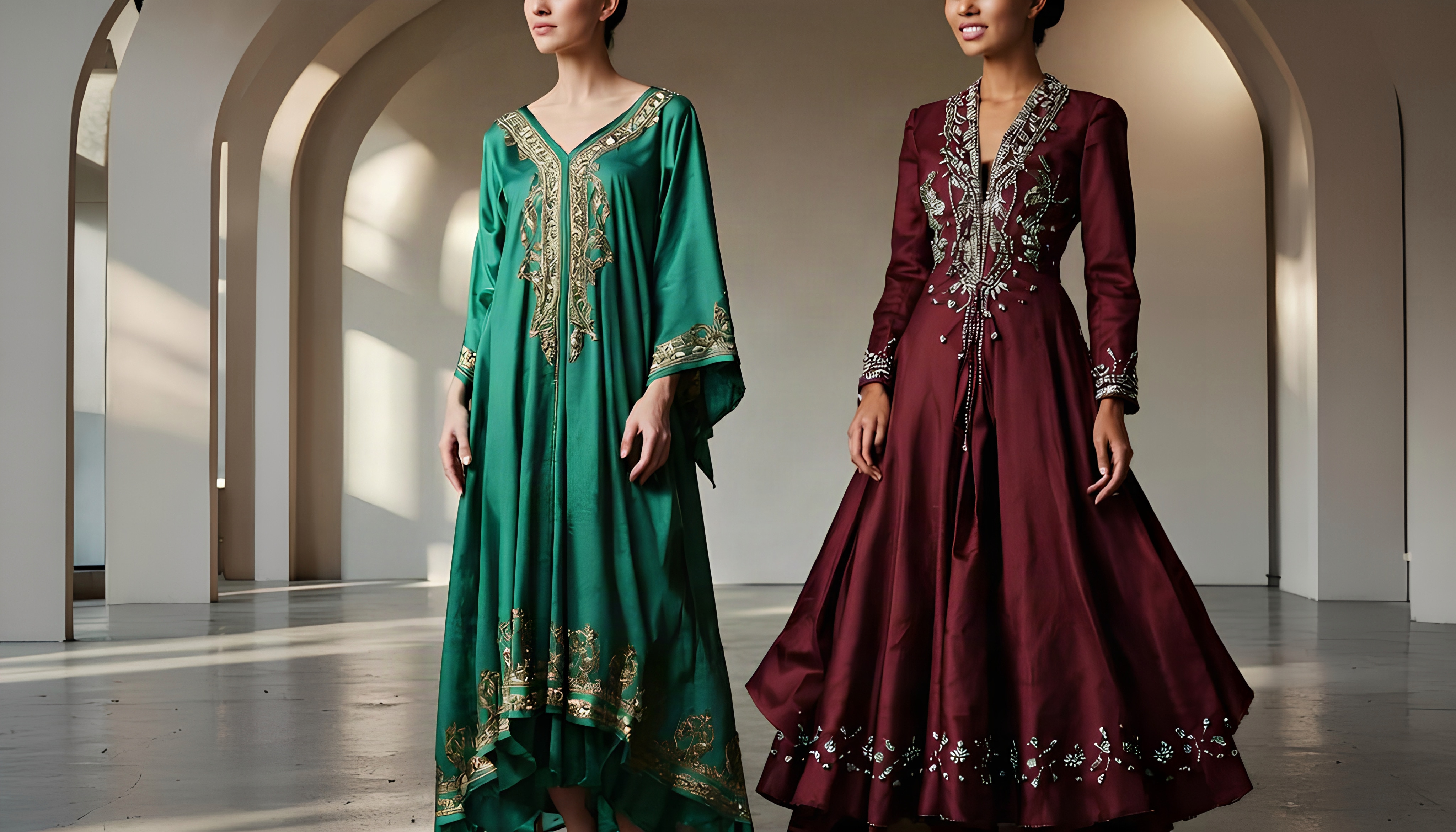
Some Festive Kaftans And Anarkalis You May Like; Photo Credit: iStock
Some Festive Kaftans And Anarkalis You May Like
1. Anouk Women's Floral Printed Anarkali Kurta
2. Sangria Women Mustard Cotton Ethnic Motifs Printed Block Print Anarkali Kurta
3. Poshak Hub Women Maroon Ethnic Motifs Embellished Georgette Anarkali Kurta
4. Sa Rasa Floral Printed Angrakha Anarkali Kurta
5. CORSICA Women's Tie-and-Dye Dyed Crepe Kaftan Kurtas
6. Aramya Women Ethnic Motifs Embellished Extended Sleeves Mirror Work Kaftan Kurta
7. Maaesa Printed Tie & Dyed Crepe Kaftan Rayon Kurta
8. Indibelle Women Geometric Striped Gotta Patti Kaftan Kurta
Both kaftan and anarkali are festive favourites, but comfort decides the winner. Kaftans offer breezy, relaxed elegance perfect for all-day celebrations, while anarkalis bring graceful, traditional charm. If you want effortless comfort with style, a kaftan is comfier, but for a regal festive look, anarkali remains unbeatable this season. Shop now on Myntra.
Frequently Asked Questions (FAQs)
1. Is a kaftan too casual for a festive party?
Not if it has mirror work; it has to have patti or zari detailing. A plain crepe one reads casually, so keep that for the days you're at home.
2. Which is better for a full day of functions?
A kaftan, mostly. There's nothing fitted to dig in, and you can eat, sit and move around for hours without adjusting anything.
3. Do anarkalis suit every body type?
Most of them do, since the flare starts above the waist. Check the fit at the yoke and shoulders, because that's where the comfort is decided.
4. What should I wear under a kaftan?
Most kaftan kurtas are worn on their own or over slim leggings. Check the length and the fabric weight before deciding you need anything underneath.
5. Can an anarkali be worn without a dupatta?
Yes, and plenty of people do. A belted anarkali, or one with a heavy yoke, holds up perfectly well on its own for an evening.
(Disclaimer: This article may include references to or features of products and services made available through affiliate marketing campaigns. NDTV Convergence Limited (“NDTV”) strives to maintain editorial independence while participating in such campaigns. NDTV does not assume responsibility for the performance or claims of any featured products or services.)