10 Styling Mistakes That Make Straight Kurta Sets Look Boxy
Straight kurta sets can look polished without feeling shapeless. From awkward lengths to bulky layers, these common styling mistakes can make a clean silhouette appear boxier than intended.
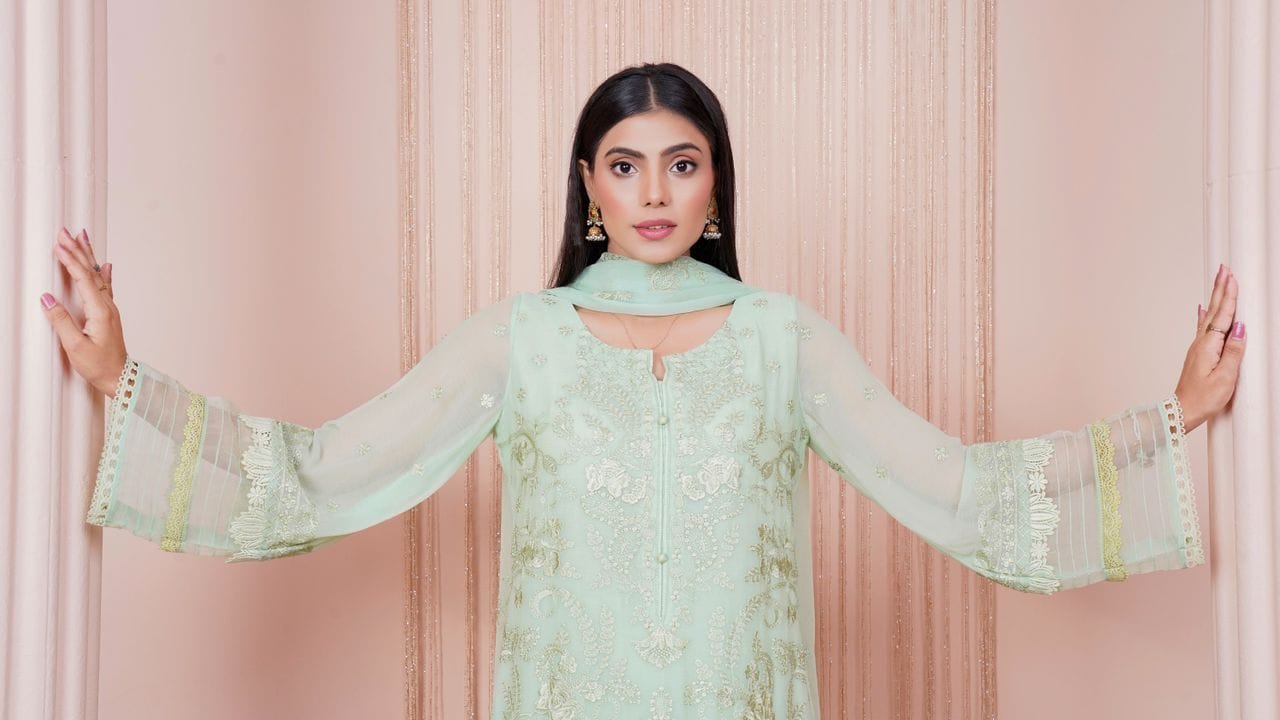
Easy tips to make a straight kurta look gorgeous
Straight kurta sets have earned their place in everyday wardrobes for good reason. They're comfortable, easy to style and versatile enough to move from a workday to dinner without demanding a complete outfit change. Yet there's one complaint that follows this silhouette around: sometimes, a perfectly nice straight kurta suddenly makes the wearer look broader, shorter or oddly rectangular. The kurta itself isn't always the problem. Straight cuts naturally create vertical lines rather than hugging the waist. That clean shape can look wonderfully polished when the proportions around it work. But add a kurta that ends at an awkward point, trousers that create too much volume, a dupatta sitting heavily across the chest or sleeves that visually widen the upper body, and the silhouette can quickly lose definition.
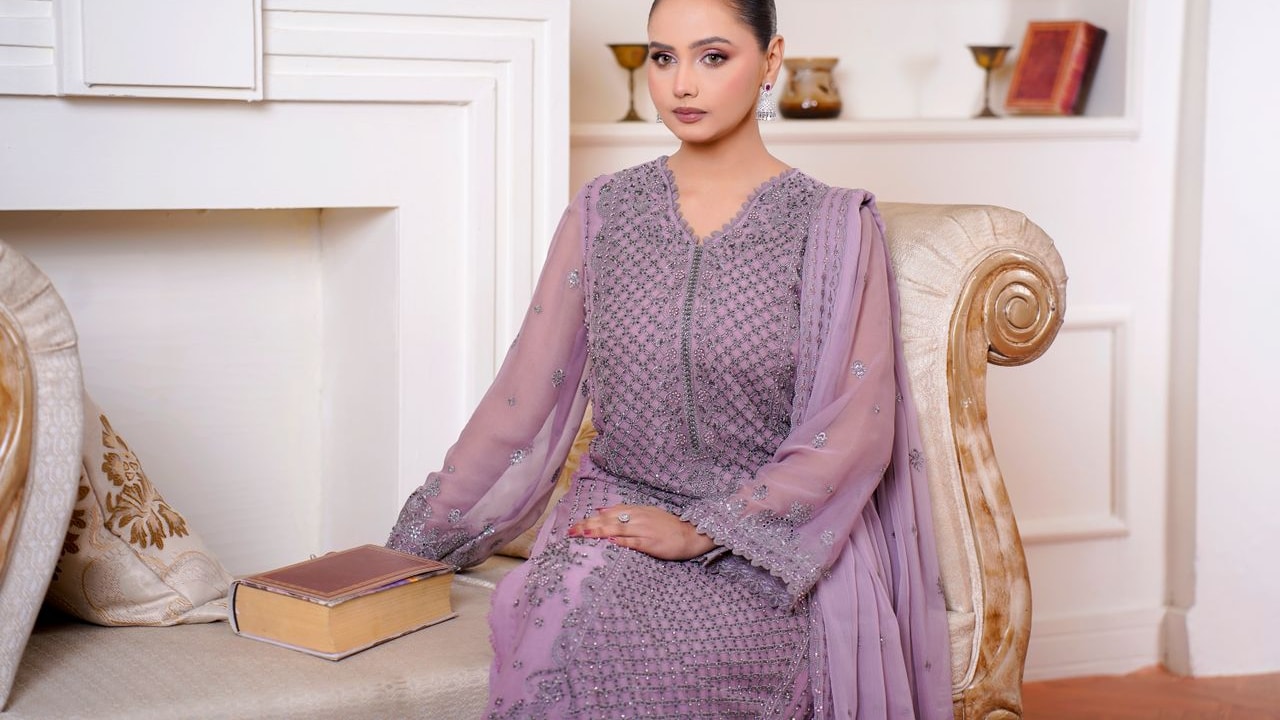
How to prevent straight kurtas from looking boxy
Photo Credit: Pexels
The solution doesn't involve forcing every straight kurta to create an hourglass shape. Instead, good styling helps the outfit keep its intended structure while allowing some natural definition to show through. A few small changes can often make a bigger difference than buying an entirely new set.
Also Read: Desi Glam With Modern Twist: Grab Stunning Backless Suit Sets On Discount
Top 10 Small Styling Choices That Can Change The Whole Silhouette
1. Choosing A Kurta That Is Too Loose Everywhere
A straight kurta needs ease, but there's a difference between comfortable room and excess fabric. When the shoulders, bust, waist and hips all have several extra inches of material, the kurta can start hanging like one large rectangle.
The shoulder fit matters particularly. A shoulder seam that drops noticeably beyond the natural shoulder line can make the upper body appear wider before the rest of the outfit even comes into play. Extra fabric around the armholes can add another layer of visual bulk.
Instead of automatically sizing up for comfort, check whether the kurta already includes enough ease in its intended size. You should be able to sit, walk and raise your arms comfortably without the garment pulling.
A straight silhouette doesn't need to cling to create shape. Even a slight indication of where the shoulders end and the torso begins can make the entire outfit look more intentional.
Tailoring can also help. Taking in only the side seams slightly may transform an otherwise shapeless kurta without turning it into a fitted style. Sometimes, removing just a little excess fabric does more than adding another accessory ever could.
2. Getting The Kurta Length Wrong For Your Proportions
Kurta length can quietly change how the entire body looks.
A straight kurta that finishes at the widest part of the calf can interrupt the vertical line of the outfit. On some frames, a very long kurta paired with equally straight trousers can also create one uninterrupted block of fabric from shoulder to ankle.
That doesn't mean long kurtas should disappear from the wardrobe. It simply means proportion deserves attention.
Try looking at where the hem sits relative to your height and the width of the trousers. A slightly shorter kurta may expose more of the trouser line and create separation between the two pieces. A longer kurta can work beautifully when the trousers remain narrow enough to keep the lower half visually clean.
Footwear matters here too. A kurta that feels overwhelming with completely flat footwear may suddenly look balanced with low block heels or slightly raised juttis.
Before blaming the print, colour or fabric, check the hemline in a full-length mirror. Sometimes moving the apparent break in the outfit by just a few centimetres makes the proportions look much lighter.
3. Pairing A Straight Kurta With Overly Wide Bottoms
Volume on volume can work, but it needs intention.
When a straight kurta already falls away from the body and gets paired with very wide palazzos, the outfit may lose any visible distinction between the torso and legs. From a distance, both pieces can merge into one broad column.
This becomes more noticeable when the kurta falls below the knee because only a small portion of the trousers remains visible. If that visible section flares dramatically, it can make the outfit look wider at the bottom without creating useful contrast.
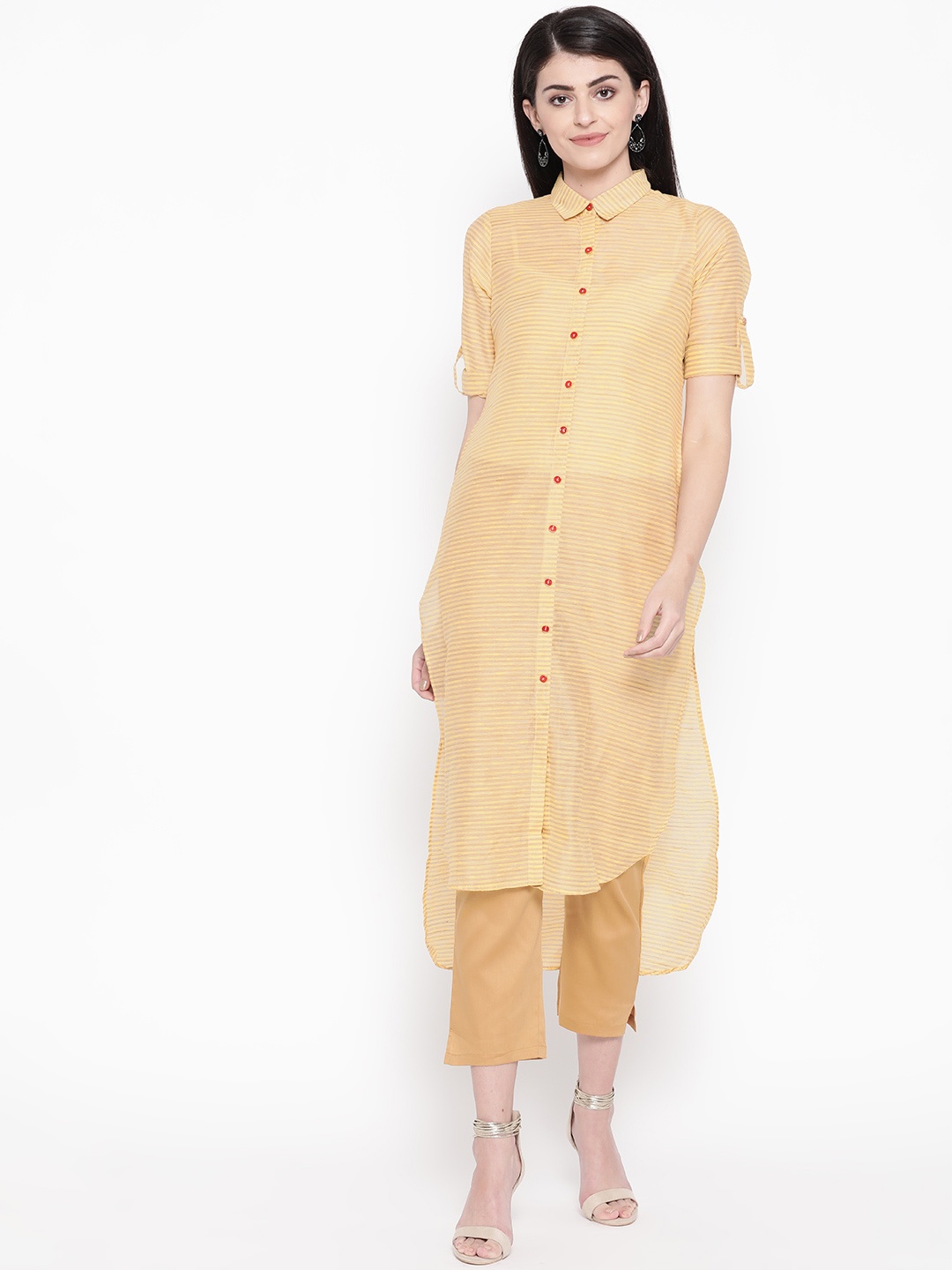
Straight trousers, cigarette pants or gently tapered bottoms often complement straight kurtas because they continue the vertical lines without adding unnecessary bulk.
That doesn't mean palazzos are forbidden. If you love them, consider balancing their volume with a kurta that has side slits, slightly shorter length or softer fabric. These details allow more movement and prevent the two garments from reading as one solid shape.
The aim isn't to make everything narrow. It's simply to let each piece have a distinct role instead of asking the kurta and trousers to compete over who can use the most fabric.
4. Letting Stiff Fabric Stand Away From The Body
Fabric can quietly determine whether a straight kurta looks sleek or architectural in ways you never intended.
Some materials naturally hold their shape. That's useful when you want crisp structure, but a very stiff fabric combined with a straight cut may stand several centimetres away from the torso. Suddenly, the garment looks wider than the body underneath it.
Heavy cotton, thick brocade, heavily embroidered fabric and certain blends can create this effect, especially when the kurta already has generous ease.
Softer fabrics tend to move closer to the body and create gentle vertical folds. Cotton blends, viscose, modal and fluid silks can give straight silhouettes movement without making them cling.
Of course, festive outfits often need richer materials. In those cases, strategic construction makes the difference. Side slits, lighter sleeves or panels can break up the stiffness.
Before buying a kurta, try pinching a small section of the fabric and letting it fall. Does it collapse softly or remain standing? That tiny test can reveal quite a lot.
A beautiful fabric may still deserve a place in the wardrobe. It simply needs the right cut to stop structure from becoming unwanted bulk.
5. Wearing A Dupatta Flat Across The Entire Upper Body
A dupatta can add colour, movement and elegance to a kurta set. It can also erase half the outfit's shape when draped without much thought.
Placing a broad dupatta flat across both shoulders and the entire chest creates a horizontal visual line. If the kurta itself has a straight silhouette, that additional width can make the upper body appear even squarer.
Heavy embroidered borders may exaggerate the effect.
Try allowing the dupatta to fall vertically instead. Draping it over one shoulder and letting the length hang down can create a strong vertical line. Another option involves arranging it more narrowly around the neck rather than spreading the full width across the torso.
For events where the dupatta needs to stay secure, a discreet pin at one shoulder can help control the fabric without flattening it across the body.
Also consider the dupatta's material. Organza and heavily embellished fabrics create more volume than soft chiffon or lightweight cotton.
There's no single correct drape. The useful question is simply whether the dupatta complements the kurta's lines or hides them completely. Sometimes one small fold changes the outfit from bulky to beautifully balanced.
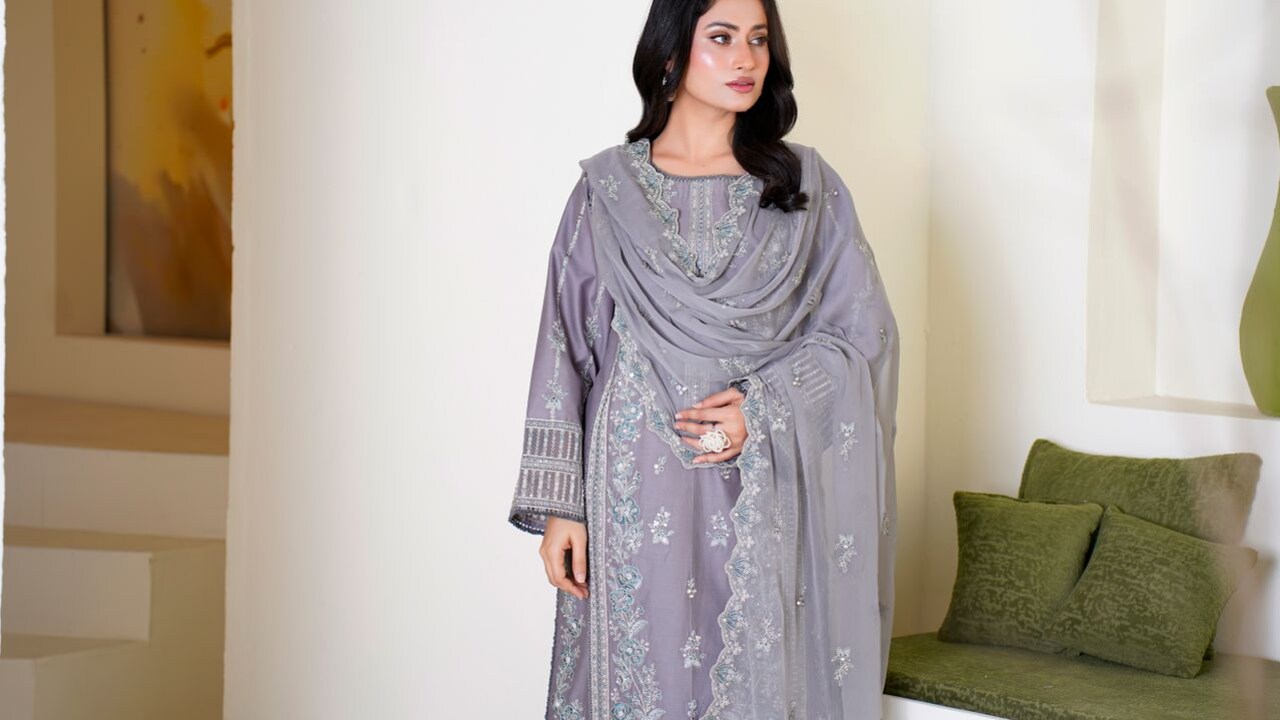
Try different dupatta draping styles to find a flattering option
Photo Credit: Pexels
6. Ignoring The Placement Of Side Slits
Side slits might seem like a construction detail rather than a styling feature, but they play a surprisingly important role in straight kurtas.
A kurta with very low side slits can behave almost like a closed tube. The fabric stays together around the hips and thighs, which may make the garment look heavier and restrict its natural movement.
Higher slits introduce separation.
As you walk, glimpses of the trousers appear between the kurta panels. That visual break stops the entire outfit from reading as one uninterrupted rectangle. It also allows the fabric to move more naturally around the hips.
The ideal slit height depends on personal comfort and the outfit's design, but it shouldn't feel like an afterthought.
If a favourite kurta feels strangely boxy despite fitting well at the shoulders, examine the side seams. A tailor may be able to raise the existing slits slightly without changing the overall character of the garment.
It's one of those alterations that barely registers when someone looks at the outfit, yet the difference can feel immediately noticeable.
Good styling often works exactly like that. The smallest details rarely announce themselves, but they quietly improve everything around them.
7. Choosing Sleeve Shapes That Add Too Much Width
Sleeves can change the visual proportions of a kurta far more than most people realise.
A straight kurta already creates a fairly linear torso. Add wide bell sleeves, heavily gathered cuffs or oversized three-quarter sleeves, and the extra fabric can make the upper half look broader.
This becomes particularly noticeable when the sleeve ends close to the waist or hips. The eye reads the widest part of the sleeve alongside the body, creating a wider horizontal line.
Slim three-quarter sleeves, straight full sleeves and softly fitted elbow-length styles often maintain cleaner proportions. They don't need to feel tight; they simply avoid adding unnecessary volume.
If the kurta already has dramatic sleeves, keep other elements quieter. A narrow trouser and simple dupatta drape can restore balance.
Rolling or folding sleeves slightly may also help with casual cotton kurtas, especially when the original sleeve ends at an awkward point.
Fashion often involves deciding where the visual drama should happen. If every part of the outfit wants maximum attention at once, the overall silhouette can get lost. Sometimes the sleeves need to happily play supporting actor instead of demanding the starring role.
8. Choosing Large Prints Without Considering Placement
Large motifs can look striking on a straight kurta, but placement matters as much as print size.
A broad motif positioned directly across the bust or stomach creates a strong focal point. When several large motifs sit side by side horizontally, they can visually widen that section of the garment.
The same print arranged vertically may produce a completely different effect.
Vertical vines, narrow stripes, elongated motifs and spaced-out patterns encourage the eye to travel up and down rather than across. Even large floral prints can work beautifully when enough background fabric separates them.
Border placement also deserves attention. A thick contrasting border around the hem can visually shorten the kurta, particularly when the colour difference feels dramatic. Similar borders around the sleeves may add more horizontal lines.
None of this means you need to restrict yourself to tiny prints forever. That would make getting dressed terribly predictable.
Instead, step back from the mirror and look at how the pattern behaves from a distance. Do you notice one flowing composition, or does the eye stop repeatedly at wide horizontal sections?
Prints should complement the silhouette rather than accidentally drawing a rectangle around it.
9. Adding Too Many Bulky Layers And Accessories
Sometimes the straight kurta isn't creating the boxiness at all. Everything sitting on top of it is.
A chunky necklace, broad dupatta, oversized tote and long jacket may all look wonderful separately. Worn together, however, they can cover the cleaner lines that make straight kurtas elegant in the first place.
Long necklaces often work particularly well with straight silhouettes because they reinforce vertical lines. Smaller earrings can provide detail without adding width around the neckline.
If you're adding a jacket, consider its length and structure carefully. A short, stiff jacket ending around the waist may visually divide the torso at its widest point. A longer open-front layer often creates cleaner vertical lines.
Bags matter too. A large shoulder bag tucked directly under the arm can add noticeable volume to one side of the upper body. A smaller crossbody or handheld option may feel more balanced when the outfit already includes several layers.
Accessories should finish an outfit rather than bury it.
Think of the kurta set as the main sentence and accessories as punctuation. One elegant comma can help. Twelve exclamation marks usually don't.
10. Forgetting That Footwear Affects The Final Proportion
You can style the kurta, trousers and dupatta perfectly and still feel that something looks slightly off. Then you look down.
Footwear changes the visual finish of a straight kurta set because it affects how long the overall silhouette appears.
Very chunky flats paired with ankle-length trousers can make the lower half feel heavier. Shoes with broad straps across the foot may also create another horizontal break.
Pointed flats, streamlined juttis, low block heels and sandals with less visual bulk often extend the line of the outfit. Even a modest heel can alter how the kurta falls because it changes posture and where the hem sits relative to the legs.
Comfort still comes first, of course. Nobody needs to spend six hours regretting a pair of heels for the sake of proportion.
The goal isn't additional height for its own sake. It's visual continuity.
Try the complete outfit with two or three footwear options before deciding something doesn't work. The pair that seemed least important when getting dressed may end up solving the entire styling puzzle.
Products Related To This Article
1. Meena Bazaar Women Ethnic Motifs Printed Regular Kurta with Trousers & With Dupatta
2. Janasya Women's Lavender Silk Blend Embellished Kurta with Pant and Dupatta
3. GoSriKi Women Ethnic Motifs Printed Regular Kurta with Trousers & With Dupatta
4. Sanwariya Silk Women Printed Regular Kurta with Trousers & With Dupatta
5. GHAN SALS Women Floral Printed Regular Thread Work Kurta with Trousers & With Dupatta
6. Anouk Women Printed Regular Mirror Work Pure Cotton Kurta with Palazzos & With Dupatta
7. Meena Bazaar Women Ethnic Motifs Printed Regular Kurta with Palazzos & With Dupatta
Straight kurta sets don't need dramatic waist definition to look flattering. Their appeal lies in clean lines, ease and understated structure. Boxiness usually creeps in when several small proportion issues happen at once, from excess fabric and awkward lengths to heavy dupatta drapes or overly bulky accessories.
Rather than changing the whole outfit, adjust one element at a time. Check the shoulders, hem, trousers, sleeves, dupatta and footwear. Often, the kurta itself needs very little fixing. It simply needs the surrounding pieces to stop working against it.
(Disclaimer: This article may include references to or features of products and services made available through affiliate marketing campaigns. NDTV Convergence Limited (“NDTV”) strives to maintain editorial independence while participating in such campaigns. NDTV does not assume responsibility for the performance or claims of any featured products or services.)