How To Choose Clothing Sets For Kids That Leave Enough Room For Growth
Kids can outgrow clothes surprisingly fast. From checking shoulder room to choosing adjustable waists, these practical tips can help you pick clothing sets that fit comfortably now while leaving sensible space for growth.
10 Tips For Buying Kids' Clothing Sets That Last Through Growth Spurts
Children have a remarkable talent for making recently bought clothes look suspiciously small. A T-shirt that sat perfectly at the shoulders a couple of months ago suddenly creeps upwards. Trousers turn into accidental ankle-grazers. Sleeves that once needed folding somehow stop short of the wrists. Buying a larger size may seem like the obvious answer, but that doesn't always work. Oversized clothes can bunch, slip, twist or simply make movement uncomfortable. The better approach involves looking beyond the age printed on the label and paying attention to how a garment actually fits. A good kids' clothing set should give a child enough room to run, sit, climb and stretch comfortably today while allowing for a little growth tomorrow. Fabric, cut, waist construction and even where seams sit can make a considerable difference. Before filling the wardrobe with clothes labelled “one size bigger”, here are ten details worth checking.
10 Tips For Buying Kids' Clothing Sets That Last Through Growth Spurts; Photo Credit: Pexels
What To Check Before Choosing A Growth-Friendly Fit
1. Start With Measurements Rather Than Age Labels
Age-based sizing makes shopping convenient, but it shouldn't become the only deciding factor. Two children of the same age can have noticeably different heights, waist measurements and body proportions. Even different brands may interpret the same age category differently.
Before buying a clothing set, take a few basic measurements. Chest, waist, hip and height provide a much clearer starting point than age alone. For trousers, measuring the inside leg can prove particularly useful. For tops and shirts, shoulder width and torso length deserve attention too.
Compare these measurements with the brand's size chart whenever one is available. If a child falls between two sizes, consider the garment style before automatically choosing the larger option. A relaxed T-shirt may already have enough ease, while fitted trousers could benefit from slightly more room.
The aim isn't to buy clothes that hang loosely for months. Instead, look for a fit that feels comfortable without sitting tightly against growing areas such as the waist, shoulders or thighs. A measuring tape often tells you far more than the number printed on a label.
Also Read: 5 Best Kids Clothing Sets For Everyday Comfort, Breathability And Easy Washing
2. Check The Shoulder Fit Before Anything Else
Shoulders provide one of the quickest clues about whether a top has enough growing room. When a shirt, kurta, dress or T-shirt already pulls across the shoulders, there's little chance that it will remain comfortable for long.
Look at where the shoulder seam sits. Ideally, it should fall close to the edge of the child's natural shoulder. A seam sitting slightly beyond that point may provide a useful amount of growing space. If it hangs far down the upper arm, however, the garment may simply be too big.
Ask the child to raise both arms, reach forward and twist gently. Clothes designed with enough ease should move without tugging around the shoulder blades or underarms.
This little movement test matters because children rarely stand perfectly still in their clothes. They're reaching for toys, carrying school bags, sitting cross-legged and occasionally attempting gymnastics in the living room.
A little extra shoulder room can extend wear considerably. Too much, though, may cause sleeves to slide, necklines to shift and the entire top to look awkward. Think breathing room rather than borrowed-from-an-older-sibling proportions.
3. Look For Adjustable Waistbands
Adjustable waistbands can turn an ordinary pair of trousers or shorts into one of the most practical pieces in a child's wardrobe. They help clothing accommodate changes in both height and waist size without requiring an exaggeratedly loose fit from the beginning.
Elasticated waistbands work well for everyday clothes because they stretch as children move and grow. Some trousers also include internal button-and-elastic adjusters, which allow parents to loosen the waist gradually. Drawstrings can offer similar flexibility, provided children can manage them comfortably.
This feature becomes especially useful when a child needs a larger size for leg length but doesn't yet need the corresponding waist measurement. Without adjustment, trousers may keep slipping even though the length looks perfect.
Avoid relying on very tight elastic to “hold” a larger size in place. If the waistband leaves deep marks after a few hours, the fit isn't comfortable even if the garment technically fastens.
A waistband should stay in place during play without digging into the stomach. That small amount of flexibility can sometimes add months of useful wear to bottoms in a coordinated clothing set.
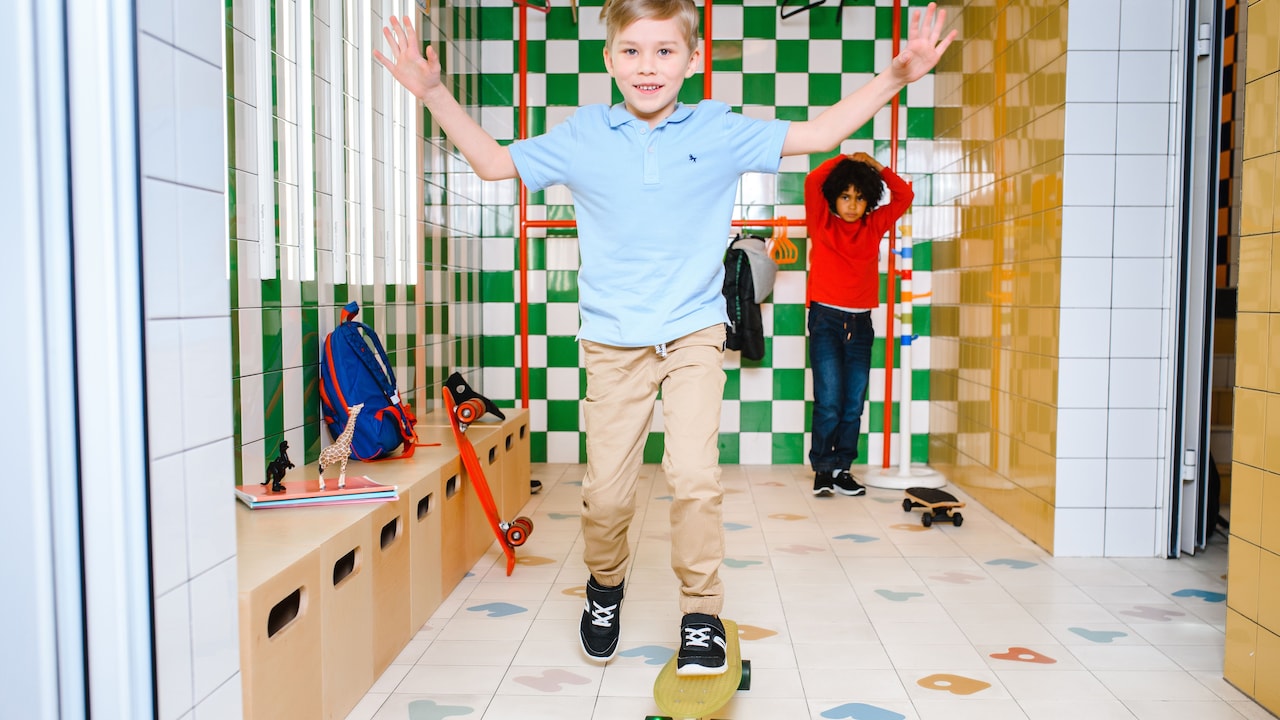
10 Tips For Buying Kids' Clothing Sets That Last Through Growth Spurts; Photo Credit: Pexels
4. Leave Sensible Room Around The Torso
There's a difference between clothing that offers growing space and clothing that simply swamps a child. Tops, dresses and coordinated sets need enough room around the chest and stomach for comfortable movement, but buying something dramatically wider rarely improves longevity.
A simple pinch test helps. Gently pinch the fabric at the side of the torso. There should be some spare material without huge folds gathering around the body.
Children should also be able to sit comfortably without buttons pulling or fabric stretching tightly across the stomach. This matters particularly with structured shirts, festive sets and woven fabrics that contain little or no stretch.
Remember that growth doesn't happen evenly. A child may shoot upwards without becoming much broader, or their torso may fill out before their height changes noticeably.
Slightly relaxed cuts often handle these changes better than sharply fitted silhouettes. Straight-cut tops, A-line shapes and easy shirts tend to remain wearable across small changes in body size.
Choosing adaptable shapes gives clothes a little more patience. And when children seem determined to grow overnight, patience in a wardrobe is surprisingly useful.
5. Pay Attention To Trouser Length And Hem Allowance
Extra trouser length can help, but only when it remains manageable. Trousers that trail under shoes create a tripping risk and quickly collect dust, stains and frayed hems.
When trying on trousers, check where the hem falls while the child stands naturally. A little extra length can work well if you can turn the hem up neatly without creating a bulky cuff. Some styles even look intentional with a small fold.
Also inspect the inside of the hem. Certain trousers include additional fabric that a tailor can release later. This feature isn't always advertised, yet it can make a meaningful difference when a child suddenly gains a few centimetres in height.
At the same time, don't sacrifice the fit everywhere else merely to gain leg length. Trousers that sit correctly at the waist and hips but have slightly generous hems often offer more useful growth room than a much larger pair that keeps sliding down.
For clothing sets, check bottoms separately from tops. Children don't always grow proportionately, so a set that fits perfectly above may need more flexibility below.
6. Choose Fabrics With Natural Give
Fabric determines how forgiving an outfit feels as a child moves and grows. A rigid material may technically have spare room yet still feel restrictive during everyday activities.
Cotton knits, jersey fabrics and materials containing a small amount of elastane can offer helpful flexibility. They stretch slightly while sitting, bending or running and then return closer to their original shape. This makes them particularly useful for everyday T-shirts, leggings, tracksuits and casual coordinated sets.
Woven cotton can also work beautifully, although the garment cut becomes more important because the fabric itself may not stretch much. Look for pleats, gathers, side slits or relaxed silhouettes that create movement without making the outfit excessively large.
Stretch shouldn't mean choosing thin fabric that loses shape after a few washes. Check whether the material feels substantial enough to withstand regular wear.
Also consider the weather. Breathable fabrics make sense during long, warm months, especially when children spend plenty of time moving around.
The right fabric doesn't merely fit longer. It can make the difference between an outfit a child happily reaches for and one that remains mysteriously untouched in the cupboard.
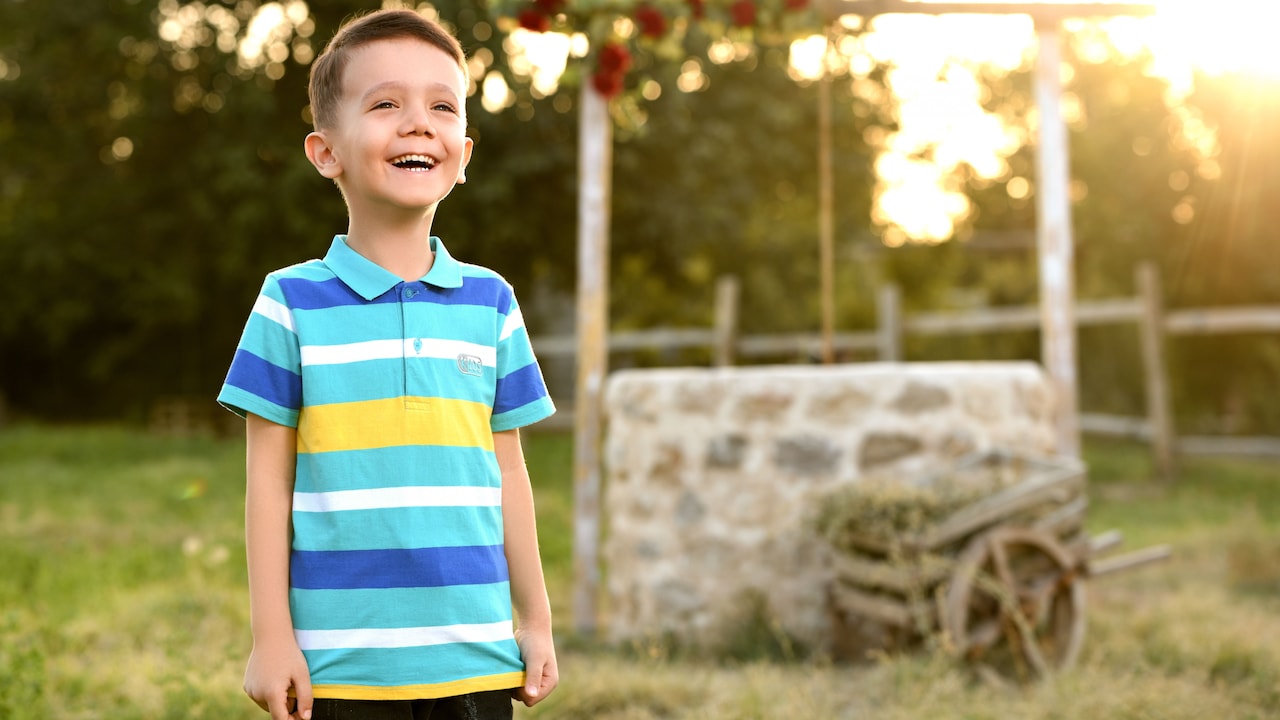
10 Tips For Buying Kids' Clothing Sets That Last Through Growth Spurts; Photo Credit: Pexels
7. Check Sleeve Length With Arms In Motion
Sleeves often reveal growth sooner than the rest of an outfit. A top may still fit comfortably around the body while the cuffs begin inching towards the elbows.
When checking sleeve length, don't assess it with the child's arms hanging straight down. Ask them to stretch their arms forwards. This shows how much the sleeves pull back during movement.
For full-sleeved clothing, a little extra length around the wrist can create useful room for growth. Foldable cuffs make this particularly easy to manage. Roll them once when the garment is new, then unfold them as the child grows.
Avoid sleeves so long that they cover the hands completely. Children need their fingers free for eating, writing, playing and generally getting into all the mischief that clothes must survive.
Raglan sleeves can also offer extra flexibility because they don't rely on a fixed shoulder seam. Relaxed sleeves and dropped-shoulder styles may adapt well too, depending on the design.
Growth-friendly sleeves should look intentional today while leaving enough fabric for tomorrow. That balance keeps an outfit practical without making the child look buried inside it.
8. Make Sure Necklines And Armholes Aren't Already Tight
Some clothes appear spacious through the body while quietly becoming uncomfortable around smaller areas such as the neck and armholes. These pressure points deserve attention because children can outgrow them surprisingly quickly.
Run a finger gently around the neckline to check for comfortable space. High-neck tops, collared shirts and festive clothing need particular care. The neck shouldn't rub or feel restrictive when the child turns their head.
Armholes matter just as much. Ask the child to lift their arms. If the fabric cuts into the underarms or pulls the entire garment upwards, the fit may already be too snug.
Look for designs with slightly roomy armholes, flexible neck openings or useful fastening details. Shoulder buttons on toddler clothing, front buttons on shirts and stretch ribbing around T-shirt necklines can make dressing easier while accommodating growth.
However, avoid excessively large openings. Loose armholes may expose undergarments, while oversized necklines can keep slipping off the shoulders.
Comfortable openings rarely attract much attention when they work properly. When they don't, children notice immediately — and suddenly that “cute set” becomes the outfit nobody wants to wear.
9. Consider How The Set Will Survive Washing
Growth isn't the only reason children's clothes become too small. Poor washing and drying choices can quietly shrink garments long before a child actually outgrows them.
Check the care label before buying. Natural fibres such as cotton may shrink slightly depending on the fabric treatment and washing method. A perfectly close-fitting cotton set therefore offers little margin if the material contracts after repeated washes.
Choosing a garment with modest ease gives you a little protection against this problem. Washing at the recommended temperature and avoiding unnecessary high heat can also help preserve the original dimensions.
Think about practicality too. Children's clothes tend to face frequent washing thanks to food spills, playground dust, paint, chocolate and mysterious stains nobody remembers creating. A delicate set that requires complicated care may not suit regular use.
Colour and fabric quality matter as well. Clothes that twist, shrink unevenly or lose shape quickly won't deliver much extra wear regardless of their initial size.
A growth-friendly purchase should survive both the child and the laundry routine. Sometimes the washing machine tests children's clothes almost as enthusiastically as the children do.
10. Buy For The Next Growth Phase, Not Several Years Ahead
Buying several sizes larger can seem economical. After all, the child will eventually grow into it. The problem is that “eventually” may arrive after the garment has spent two years taking up wardrobe space.
Clothing that is far too large can interfere with movement. Trousers bunch around the ankles, sleeves cover hands and wide necklines slip constantly. By the time the proportions finally fit, the season may have changed or the child may simply dislike the style.
A better approach involves buying for the next realistic stage of growth. Choose enough extra room to accommodate several months rather than trying to predict several years.
Seasonality matters too. Buying a heavy winter set in an enormous size because it looks like a bargain at ₹900 doesn't save much if it only fits properly during summer.
Think about how quickly the child usually grows, what clothes they already own and when they're likely to wear the new set.
Children need clothes that work now, not just clothes that might become useful one day. Sensible growth room protects value without sacrificing present-day comfort.
Products Related To This Article
1. Marks & Spencer 2 Piece Cotton Rich Jersey Outfit
2. Mr.hero Boys Shirt with Shorts
3. LACKii DOLL Girls Embellished T-shirt with Trousers
4. Googo Gaaga Boys Striped Shirt With Trousers
5. YK Girls Striped Top with Trousers
6. Be Baby Boys Bear Printed Romper
7. Kiddelpret Girls Checked Top with Capris
Choosing kids' clothing sets with room for growth doesn't mean automatically reaching for the biggest size available. The most useful pieces combine comfortable shoulders, adaptable waists, forgiving fabrics and sensible extra length. Pay attention to how a child moves in the outfit, not just how it looks while standing still. A little planning can help kids' clothes last through unexpected growth spurts without leaving children swimming in fabric. The goal is simple: enough room for tomorrow, while keeping today comfortable.
(Disclaimer: This article may include references to or features of products and services made available through affiliate marketing campaigns. NDTV Convergence Limited (“NDTV”) strives to maintain editorial independence while participating in such campaigns. NDTV does not assume responsibility for the performance or claims of any featured products or services.)