Why Your Feet Sweat More In Clogs And How To Make Them More Comfortable
Clogs may feel roomy, yet they can leave feet surprisingly sweaty. From trapped heat to sock choice, here’s what causes the problem and how small changes can make clogs cooler and more comfortable.
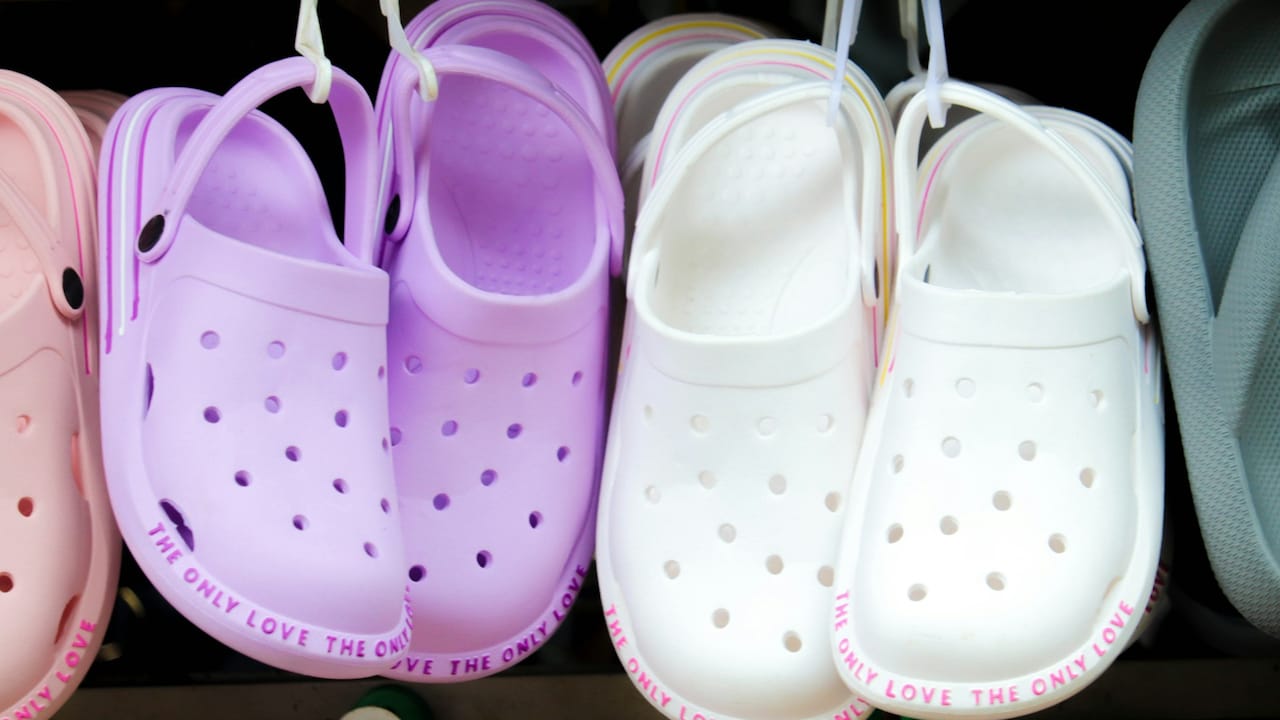
How to prevent excess sweat in clogs
Clogs have an easygoing reputation. Slip them on, step outside and there's no wrestling with laces, narrow toe boxes or complicated straps. They work for grocery runs, quick office days, gardening, travel and those mornings when getting dressed needs to happen in record time. Yet there's one complaint that can quickly spoil their convenience: sweaty feet. It seems contradictory. Many clogs have wide openings, roomy interiors and even ventilation holes, so why can feet still feel damp after a few hours? The answer usually lies in the little environment that develops inside the shoe. Feet naturally produce sweat, while warm weather, synthetic materials, thick socks and limited airflow can make that moisture harder to escape.
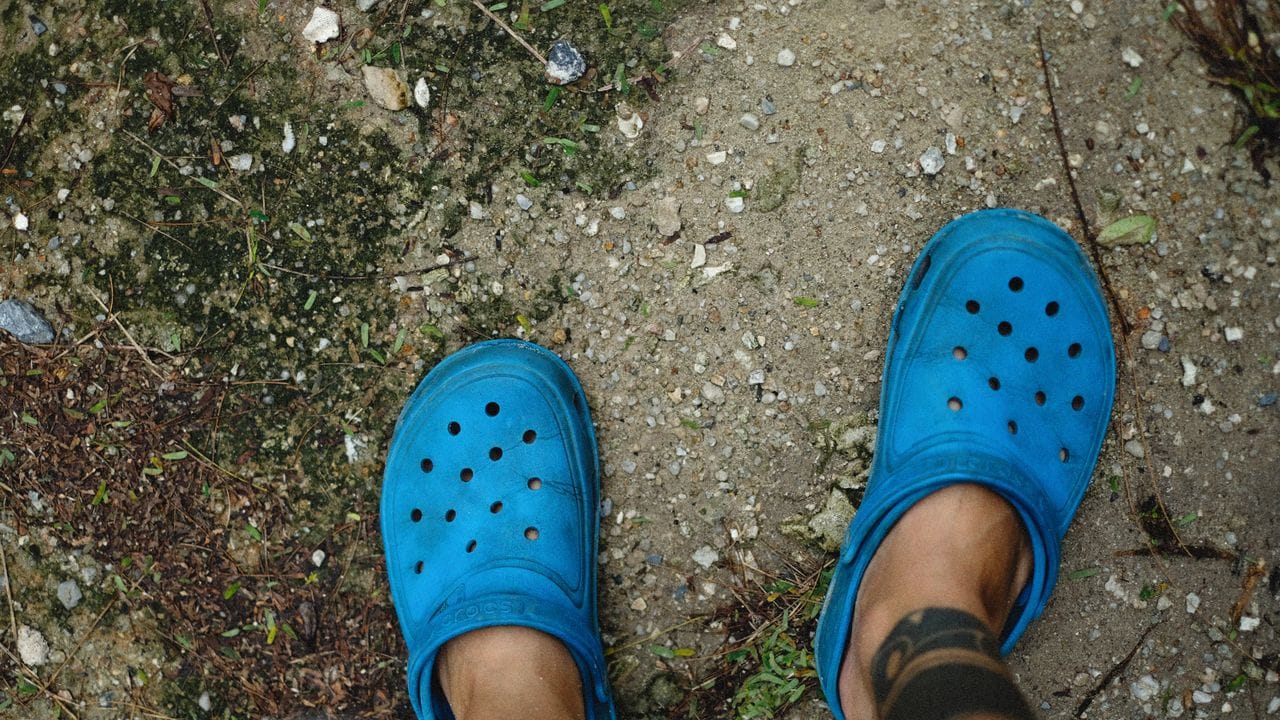
Why do feet become sweaty in clogs
Photo Credit: Pexels
Sweat itself isn't necessarily the biggest problem. Trouble starts when moisture remains trapped against the skin. Feet can begin sliding around, socks feel clammy and the inside of the clog may develop an unpleasant smell. Fortunately, sweaty clogs don't always need replacing. Understanding what causes the heat build-up can make everyday footwear much easier to manage.
Also Read: Top 5 Waterproof Crocs And Clogs To Buy This Rainy Season Under ₹7,000
What Makes Clogs Feel Hot, Sweaty And Uncomfortable Over Time
1. The Material May Hold More Heat Than Expected
Clogs often use rubber, EVA foam, resin or other synthetic materials because they're lightweight, flexible and easy to clean. Those qualities make them practical, but they can also create a warmer environment around the foot.
Unlike breathable fabric uppers, solid synthetic shells don't allow much heat to escape through the sides. As body temperature rises, the feet naturally release sweat to cool themselves. If that moisture has nowhere to evaporate, the inside of the shoe can start feeling humid surprisingly quickly.
This becomes especially noticeable during warm afternoons, long commutes or errands that involve plenty of walking. Even an otherwise comfortable clog may feel different after two or three hours outside.
Look for designs with generous ventilation openings rather than tiny decorative perforations. Also, avoid leaving clogs in direct sunlight before wearing them. Dark-coloured synthetic footwear can become noticeably warm when left near a sunny balcony or window.
On very hot days, rotating clogs with more breathable footwear can help too. Comfort often comes down to giving heat somewhere to escape rather than trying to stop feet from sweating altogether.
2. Ventilation Holes Don't Always Create Enough Airflow
Those rows of holes across a clog can look reassuringly airy, but ventilation depends on more than the number of openings. Their size, location and the way your foot sits inside the shoe all matter.
Air needs to move through the shoe rather than simply enter it. If ventilation holes sit mostly near the toes while the sides and heel remain enclosed, heat can still collect around the middle and underside of the foot.
Walking also changes things. Your feet expand slightly and shift inside the clog, sometimes blocking openings that appeared perfectly exposed when the shoe was empty.
This explains why clogs may feel pleasant during a short shop visit yet noticeably warmer during a long day out.
Choose pairs where openings appear across several areas rather than only along the toe box. A slightly roomier fit can also create a small air channel around the foot, though excessively loose footwear causes its own problems.
And when sitting for a while, slipping the heel strap forward or briefly removing the clogs can let accumulated heat escape. It might not look like advanced footwear science, but sometimes feet simply appreciate a little fresh air.
3. Bare Feet Can Make The Inside Feel Wetter
Wearing clogs without socks seems like the obvious solution when the weather feels warm. Fewer layers should mean cooler feet, right? Not necessarily.
Bare skin releases moisture directly onto the footbed. Without fabric to absorb some of that sweat, moisture can collect between the skin and the shoe. That creates the familiar slippery feeling where toes start gripping the footbed simply to keep the clog steady.
Friction can increase too. Damp skin rubbing against the same areas repeatedly may leave the soles or sides of the feet irritated.
Thin, moisture-managing socks can sometimes feel cooler than wearing clogs barefoot. Look for lightweight pairs designed to move moisture away from the skin rather than thick cotton socks that become damp and stay that way.
No-show socks can work when full-length socks don't suit the outfit, though the fit matters. A sock that keeps disappearing beneath the heel every ten minutes will create a different sort of irritation.
Barefoot wear can still work for short periods. For longer days, however, a thin layer between the foot and clog often makes moisture much easier to manage.
4. Thick Cotton Socks Can Trap Moisture
Socks can help, but the wrong ones may turn clogs into miniature steam rooms.
Thick cotton socks absorb sweat readily, which sounds useful at first. The problem is that cotton tends to hold onto that moisture. After a warm commute or a brisk walk, the fabric can remain damp against the skin.
Inside a relatively enclosed clog, those wet socks may take even longer to dry. The result is a warm, clammy feeling that can make feet seem sweatier than they actually are.
For everyday wear, lighter socks made with moisture-wicking fibres can perform better. Sports socks designed for warm conditions are worth considering even if the day's biggest athletic event involves chasing an auto or walking through a supermarket.
Pay attention to thickness as well. A bulky sock reduces empty space inside the clog, leaving less room for air circulation.
This doesn't mean cotton socks need banishment from the wardrobe. Save thicker pairs for cooler days or situations where you won't spend hours walking around. When temperatures climb, switching sock material can make a surprisingly noticeable difference without changing the shoes at all.
5. Clogs That Fit Too Tightly Can Become Warmer
One reason people enjoy clogs is their roomy shape, but not every pair fits as generously as it looks.
If your toes press against the front or the sides hug the foot closely, airflow drops. Tight footwear also creates more contact between the skin, sock and shoe material. That extra contact holds heat around the foot.
Feet naturally swell slightly as the day progresses, especially after long periods of standing or walking. A clog that feels perfectly comfortable at breakfast may feel considerably snugger by evening.
Avoid choosing an extremely tight size because you're worried clogs might slip off. A secure fit shouldn't mean the foot feels wedged into place.
There should be enough space for toes to move naturally without excessive sliding. If a heel strap is available, use it for stability rather than relying on a smaller size.
Try new clogs later in the day when possible, as feet may already have expanded slightly. The difference can reveal whether a pair truly fits or merely feels comfortable for the first ten minutes.
A little breathing room benefits more than your toes. It can also help heat and moisture escape.
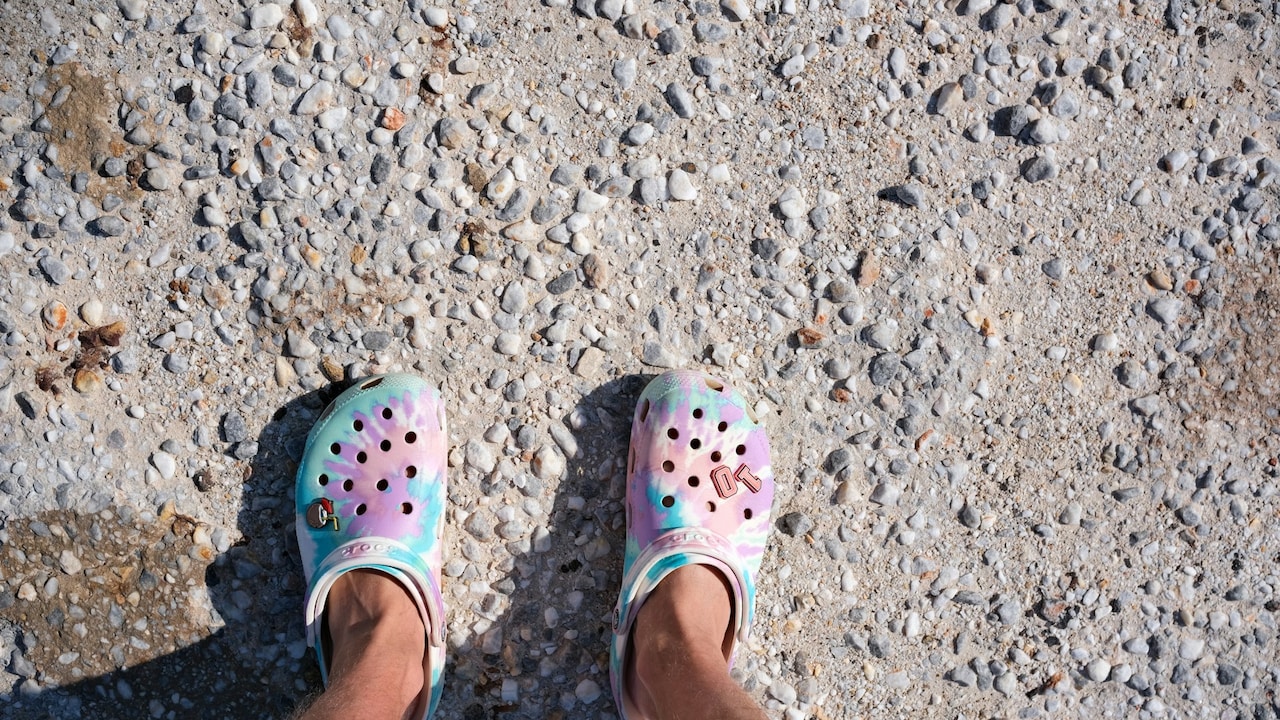
Clogs with a snug fit can make feet more sweaty
Photo Credit: Pexels
6. The Footbed May Not Absorb Any Moisture
The upper part of a clog gets plenty of attention, but the footbed often plays an even bigger role in sweaty-foot discomfort.
Many clogs feature smooth, non-absorbent interiors. They clean easily after mud, rain or accidental chai spills, but sweat tends to remain on the surface rather than soaking into the material.
Once enough moisture accumulates, feet may begin sliding slightly with every step. That movement can make toes curl instinctively to maintain grip, leaving feet surprisingly tired by the end of the day.
A washable absorbent insole can help if the clog has enough internal space to accommodate one safely. Choose a thin option so the insert doesn't make the shoe too tight or alter the fit dramatically.
The footbed also needs regular cleaning. Sweat, skin oils and dust can create a film that makes surfaces feel slick even before much fresh moisture appears.
Wash clogs according to the manufacturer's care instructions and let them dry thoroughly before wearing them again.
Think of the footbed like a frequently used chair cushion. It might look perfectly clean from a distance, but regular contact means it deserves considerably more attention than it usually gets.
7. Wearing The Same Pair Every Day Doesn't Let Moisture Escape
Favourite footwear has a way of becoming default footwear. Once a pair of clogs feels comfortable, it can end up accompanying everything from the morning vegetable run to evening dog walks.
The problem appears when the shoes never get enough time to dry completely.
Even when clogs don't feel visibly wet, small amounts of moisture can remain inside. Wearing them again the next morning adds another layer of sweat before yesterday's humidity has fully disappeared.
This creates the perfect environment for odour-causing bacteria and can make the shoe feel warmer sooner.
Whenever possible, rotate between two or more pairs of footwear. Giving clogs a full day to air out can make a difference, especially during humid weather.
After wearing them, keep the shoes in an open, ventilated place instead of immediately pushing them into a closed shoe cabinet. If they have removable insoles, take those out as well.
Avoid storing damp clogs inside plastic bags after travel or gym visits.
Footwear needs recovery time too. Your clogs don't require a spa weekend, but several hours somewhere dry and airy certainly won't hurt.
8. Hot And Humid Weather Raises Sweat Levels Naturally
Sometimes the clogs aren't doing anything wrong. The weather simply wins.
When temperatures rise, the body produces sweat to regulate heat. Feet contain a large concentration of sweat glands, so increased perspiration during hot, humid conditions is entirely expected.
Humidity makes things more uncomfortable because sweat evaporates less efficiently. Even footwear with decent ventilation may feel damp when the surrounding air already holds plenty of moisture.
This can explain why the same pair feels perfectly comfortable during cooler months but becomes difficult to tolerate in peak summer or monsoon humidity.
Plan footwear around the day ahead. If you're travelling in an air-conditioned car and spending most of the day indoors, clogs may remain comfortable. A long outdoor market visit at midday creates a very different situation.
Carrying a spare pair of lightweight socks can help on especially humid days. Changing damp socks midway through the day sounds slightly excessive until you've actually tried it.
It's also worth drying feet properly after bathing before slipping into shoes. Starting the day with moisture already trapped between toes only gives humidity a head start.
9. Foot Powder And Antiperspirant Can Help With Excess Moisture
When changing footwear materials and socks isn't enough, managing sweat directly may help.
Foot powders can absorb moisture and reduce the sticky feeling that develops inside clogs. Apply a small amount to clean, completely dry feet before putting on socks or shoes. More isn't necessarily better. A thick layer can clump when mixed with sweat and create its own mess.
Some people also use antiperspirant products designed for feet. Antiperspirants work differently from deodorants: one aims to reduce perspiration, while the other mainly tackles odour.
Always follow the product instructions and avoid applying products to cracked, irritated or freshly injured skin.
Shoes need attention as well. Cleaning and fully drying clogs prevents yesterday's sweat from contributing to today's discomfort.
Persistent sweating that soaks socks frequently, occurs even in cool conditions or interferes with daily activities may deserve professional medical advice. Excessive sweating can sometimes have causes that extend beyond footwear.
For most everyday cases, though, combining breathable socks, dry shoes and sensible moisture control can make clogs feel considerably more pleasant.
10. Your Walking Pattern Can Increase Heat And Friction
Clogs don't behave quite like trainers. Their looser structure changes the way some people walk, especially when the heel isn't secured.
If the shoe lifts away from the foot with every step, you may subconsciously grip with your toes to stop it from slipping. That extra muscular effort creates more movement and friction inside the shoe.
Friction generates heat. Add warm weather and a non-breathable footbed, and sweaty feet become much more likely.
A heel strap can improve stability when the clog includes one. Adjust it so the shoe stays secure without pressing tightly against the back of the foot.
Size matters here too. Oversized clogs may feel wonderfully roomy while standing still, yet become tiring when walking longer distances because the feet constantly work to keep them on.
Consider the activity as well. Clogs work brilliantly for many casual situations, but they aren't automatically the best choice for every long walk. If the day's schedule includes several kilometres on foot, more structured footwear may provide better support and ventilation.
Comfort isn't simply about softness. A shoe that moves naturally with the foot often feels cooler because the foot doesn't spend every step fighting it.
Products Related To This Article
1. HRX by Hrithik Roshan Men Clogs Sandals
2. Mothercare Kids Unisex Casual Sandals
3. BIRDE Women Rubber Clogs
4. Liberty Men Solid Clogs
5. HRX by Hrithik Roshan Comfortable Clogs
6. Miss & Chief Unisex Kids Printed Clogs
7. HRX by Hrithik Roshan Men Comfortable Clogs
Sweaty feet in clogs usually come down to a combination of heat, moisture, airflow and fit rather than one obvious flaw in the shoe. Synthetic materials, damp socks, tight sizing and repeated wear can all turn an easy slip-on pair into something far less comfortable.
Small adjustments often work surprisingly well. Choose breathable designs, rotate footwear, keep clogs clean and dry, reconsider sock material and make sure the fit leaves enough room for natural movement. On particularly hot or humid days, accepting that certain shoes simply need a day off can be the smartest move.
Clogs should make everyday dressing easier, not leave you counting the minutes until you can kick them off. With better moisture management and a few practical changes, they can stay convenient without turning every step into a rather sweaty affair.
(Disclaimer: This article may include references to or features of products and services made available through affiliate marketing campaigns. NDTV Convergence Limited (“NDTV”) strives to maintain editorial independence while participating in such campaigns. NDTV does not assume responsibility for the performance or claims of any featured products or services.)