Linen Trousers That Arent See-Through: Fabric, Fit and the Light Test Explained
Linen trousers are breathable but often turn see-through in sunlight. This guide explains how to spot opaque linen using the simple transparency light test before buying or wearing it.
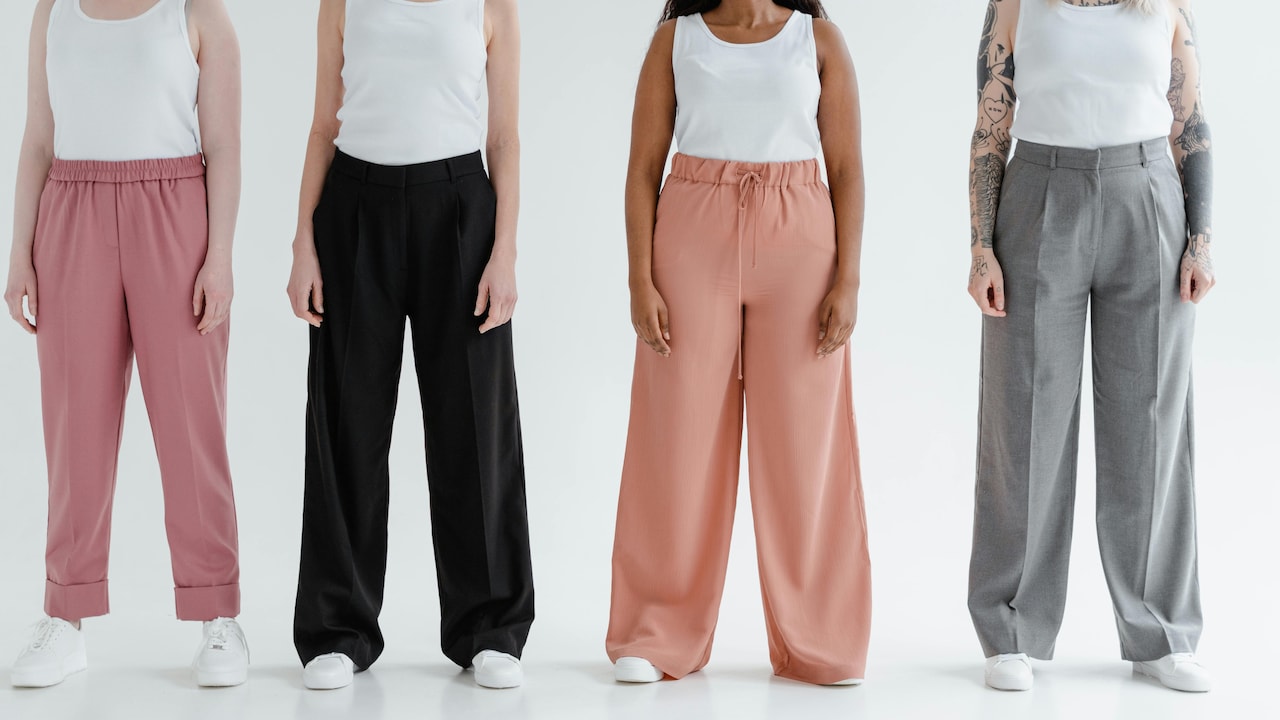
Linen Trousers That Aren't See-Through: Take The Transparency 'Light Test'.
Linen trousers hold a special place in warm-weather wardrobes. They feel light on the skin, look relaxed yet polished, and suit everything from office hours to weekend errands. However, the same airy quality that makes linen appealing also causes anxiety. Bright sunlight, harsh fitting-room mirrors, or a sudden flash from a camera can expose unwanted transparency.
This concern grows stronger in climates where sunshine dominates most of the year. Light-coloured trousers, in particular, demand closer inspection. Sitting, bending, or walking under direct light can change how fabric behaves. The result often leads to hesitation at the shop counter or regret after the first wear.
The good news lies in informed choices. Transparency does not come as an unavoidable flaw. It depends on weave, weight, lining, colour and fit. A simple “light test” can save both money and embarrassment. With the right knowledge, linen trousers can remain breezy without turning revealing. This article breaks down every detail, step by step, to help wardrobes feel comfortable and confident again.
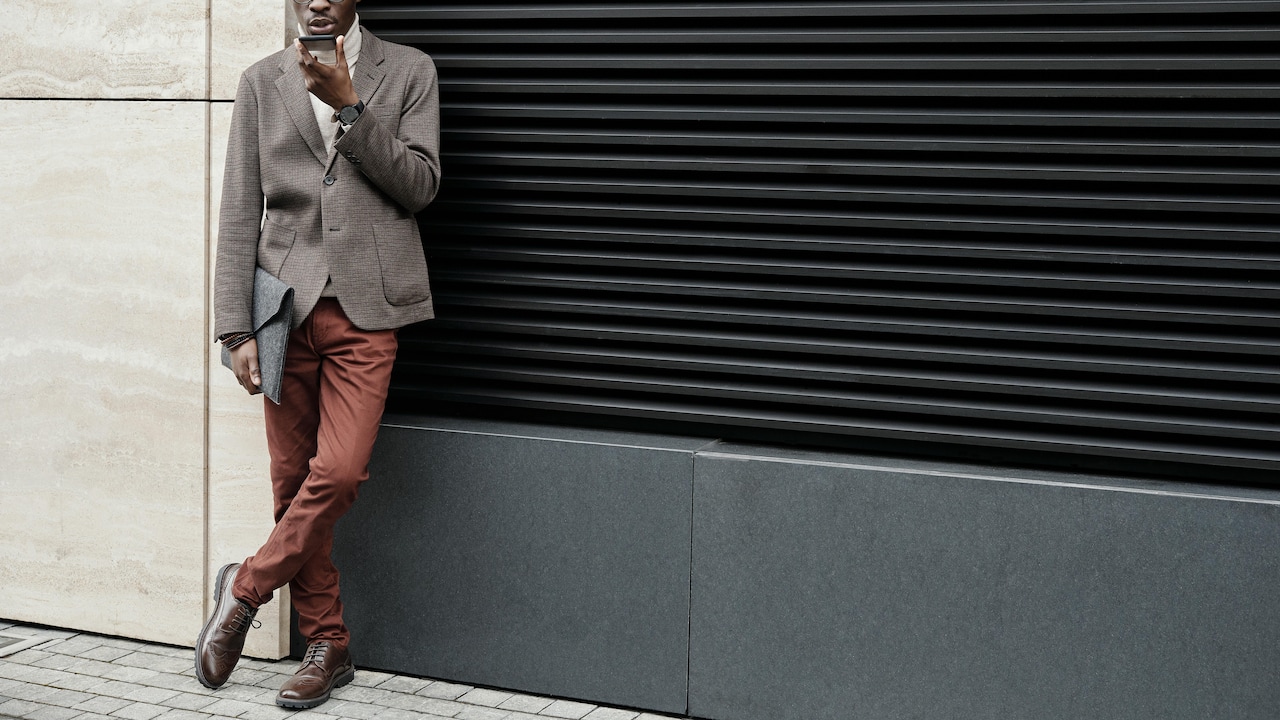
How to Tell If Linen Trousers Are See-Through: A Simple Light Test Guide
Photo Credit: Pexels
Before You Buy: How To Check Linen Trousers For Transparency
1. Why Linen Turns See-Through in the First Place
Linen earns praise for breathability, yet its structure creates challenges. The fabric comes from flax fibres, which tend to remain slightly stiff and uneven. When woven loosely, tiny gaps appear between threads. Light slips through these gaps with ease, especially in pale shades.
Summer collections often prioritise airflow over density. Designers reduce fabric weight to suit heat, sometimes pushing comfort too far. The result looks elegant indoors but behaves differently under sunlight. Bright outdoor conditions highlight every thin patch.
Moisture also plays a role. Linen absorbs sweat quickly. Damp fabric clings to the skin and becomes more transparent. This effect surprises many during long commutes or afternoon outings.
Another overlooked factor involves stretch. Linen lacks natural elasticity. When trousers sit tight around thighs or hips, the fabric stretches across the body, widening gaps in the weave. What seemed opaque on the hanger suddenly reveals outlines once worn.
Understanding these causes helps shoppers spot warning signs early. Transparency rarely appears randomly. It follows predictable patterns that smart buyers can learn to identify before heading to the billing counter.
2. The Transparency ‘Light Test' Explained Simply
The light test offers a quick and reliable method to judge fabric opacity. It works anywhere, from a store trial room to a bedroom at home. Hold the trousers up against a strong light source. Natural sunlight works best, though bright indoor lights can help too.
If fingers remain clearly visible through the fabric, transparency issues likely await outdoors. Focus on stress areas such as the seat, thighs and knees. These zones stretch the most during wear.
Next, layer the fabric over a darker surface. Placing a hand behind it highlights the colour contrast. If the outline stands out sharply, opacity falls short. Well-made linen trousers should blur shapes, not reveal them.
Another useful trick involves folding the fabric once. If transparency disappears after a single fold, the original weave remains too loose. Dense linen should pass the test even in one layer.
This simple habit saves awkward moments later. Spending an extra minute testing fabric beats discovering transparency during a sunny lunch break or crowded commute.
3. Fabric Weight: The Unsung Hero of Opaque Linen
Fabric weight determines how linen behaves more than most shoppers realise. Measured in grams per square metre (GSM), weight indicates density. Lightweight linen feels feather-soft but risks transparency. Medium-weight linen balances comfort with coverage.
For trousers, anything below 150 GSM often causes trouble. Fabrics between 180 and 220 GSM usually perform better. They allow airflow without sacrificing structure.
Heavier linen drapes differently, too. It falls cleanly along the leg instead of clinging. This reduces stretch across high-movement areas, keeping transparency at bay.
Many brands avoid displaying GSM details. In such cases, touch becomes the guide. Thicker linen feels substantial between fingers. It creases less sharply and holds its shape longer.
Weight also influences longevity. Slightly heavier linen resists wear and tear, making it suitable for repeated washing. Investing a bit more upfront often saves replacement costs later.
Choosing the right weight turns linen trousers into reliable summer staples rather than occasional risks pulled out only on cloudy days.
4. Colour Choices That Work Smarter, Not Harder
Colour plays a decisive role in transparency. White linen trousers remain stylish but present the highest risk. Cream, beige and pastels follow closely behind.
Darker neutrals offer safer alternatives. Shades like stone, olive, taupe and soft grey maintain a summery feel while masking see-through tendencies. These colours diffuse light instead of reflecting it directly.
Patterns also help. Subtle pinstripes, slub textures or woven designs disrupt light flow. Even minimal detailing increases opacity without adding weight.
Earthy tones suit diverse wardrobes, too. They pair easily with cotton shirts, linen kurtas or casual tees. Versatility adds value, especially when building a capsule wardrobe.
For those drawn to lighter shades, off-white works better than pure white. Slight warmth in colour reduces contrast with skin tones.
Smart colour selection reduces reliance on layering tricks later. It keeps outfits comfortable and stress-free during long sunny days.
5. Lining: A Small Detail With Big Impact
Lined linen trousers often get overlooked. Some assume lining traps heat or adds bulk. In reality, breathable cotton linings enhance comfort while solving transparency issues instantly.
A half lining, covering the seat and thighs, offers sufficient protection without affecting airflow. Full linings suit formal trousers but may feel heavy for casual wear.
Quality matters here, too. Cheap synthetic linings cause sweating and discomfort. Natural fibres maintain breathability and prevent clinging.
Well-designed lining also improves drape. Trousers glide smoothly over the body instead of pulling tight. This reduces strain on the outer fabric, keeping it opaque.
Checking lining requires a quick inside glance. If absent, ask about opacity guarantees or trial under strong light. Lining may cost slightly more, yet it adds confidence that no amount of sunlight can shake.
6. Fit Makes or Breaks Opacity
Fit influences transparency as much as fabric choice. Tight trousers stretch linen beyond its comfort zone. This tension exposes gaps in the weave.
Relaxed or straight cuts work best. They allow fabric to fall naturally without pulling. Linen thrives on ease rather than structure.
High-rise waists offer another advantage. They distribute tension evenly across the hips instead of concentrating it at the seat. This keeps the fabric stable during movement.
Length matters too. Cropped trousers often sit tighter around the calf, increasing stretch. Full-length styles allow better flow.
Trying on trousers while sitting down reveals potential issues. If the fabric strains across the back, transparency likely follows outdoors.
Choosing comfort over trend pays off here. Linen rewards relaxed silhouettes with better coverage and longer wear.
7. Weave Quality and Craftsmanship Signals
Not all linen fabrics share equal quality. Tightly woven linen appears smoother and more uniform. Loose weaves feel airy but sacrifice opacity.
Examining seams offers clues. Dense stitching supports the fabric structure. Weak seams hint at lower-grade material.
Hold the fabric close and observe thread consistency. Uneven gaps suggest rushed production. High-quality linen maintains balance even with natural slubs.
Trusted craftsmanship shows in details like reinforced pockets and smooth waistbands. These features prevent fabric distortion over time.
Spending a few extra minutes inspecting workmanship avoids disappointment later. Well-crafted linen trousers withstand repeated wear without turning transparent after a few washes.
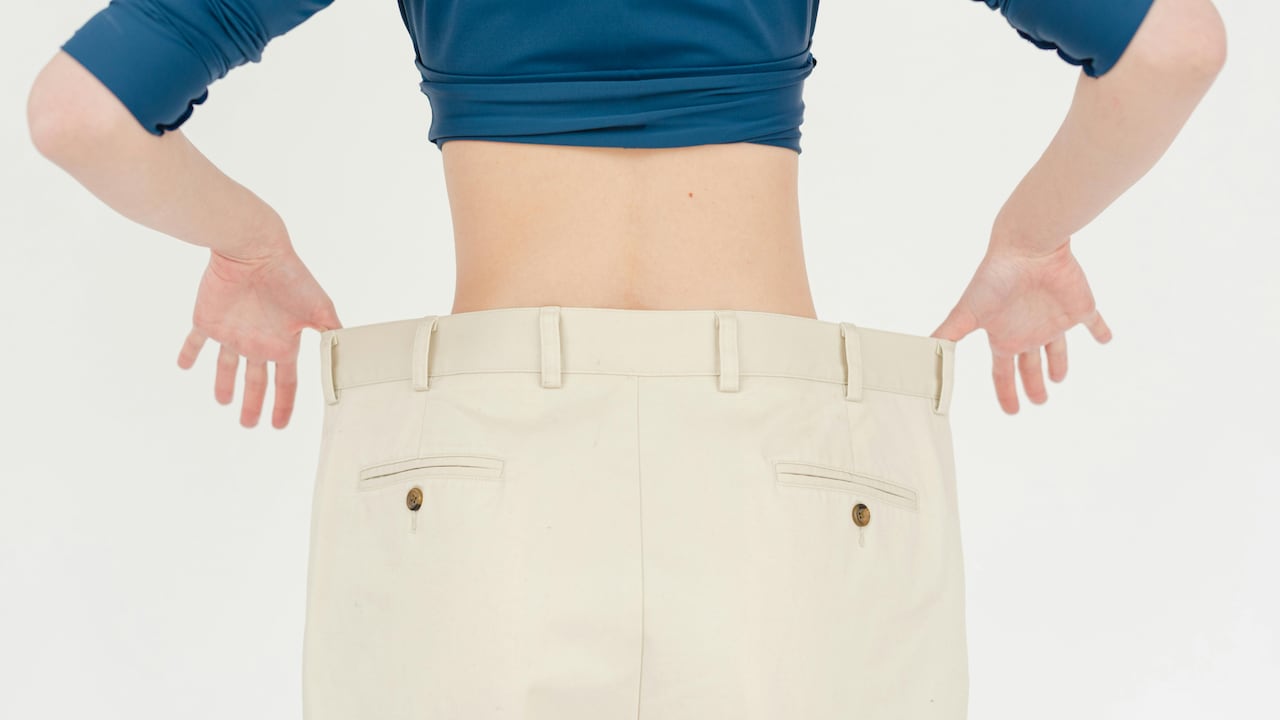
How to Tell If Linen Trousers Are See-Through: A Simple Light Test Guide
Photo Credit: Pexels
8. Styling Tricks That Add Extra Insurance
Even well-chosen linen benefits from smart styling. Nude or skin-toned undergarments reduce contrast beneath light fabrics. Avoid dark colours entirely.
Longer tops provide coverage around the hips and seat. Linen shirts, kurtas or relaxed blouses complement trousers beautifully.
Belts help too. They anchor the waist, preventing slippage that might stretch fabric unevenly.
Footwear matters surprisingly. Dark shoes ground the outfit, drawing attention downward rather than towards fabric transparency.
Layering remains optional, not mandatory. The goal lies in subtle balance rather than hiding behind jackets. Smart styling enhances confidence without compromising comfort.
9. Care Habits That Preserve Opacity
Washing linen carelessly weakens fibres. Always follow gentle wash cycles. Harsh detergents strip fabric strength over time.
Avoid over-wringing or aggressive spin cycles. These actions stretch threads, increasing transparency.
Air-drying works best. Direct sunlight fades colours and dries fibres unevenly. Shade drying preserves both colour and density.
Ironing while slightly damp keeps fibres smooth. Over-drying creates sharp creases that stress the weave.
Good care habits extend linen life significantly. Proper maintenance ensures trousers remain reliable season after season.
10. When to Invest and When to Walk Away
Price often reflects fabric quality. Ultra-cheap linen trousers usually compromise on weave density. Spending slightly more often delivers better results.
That said, a high price alone guarantees nothing. Always perform the light test regardless of brand reputation.
If transparency appears even under gentle light, walking away saves future regret. No discount compensates for discomfort.
Investing wisely builds a dependable wardrobe. Linen trousers that pass every test become go-to pieces for years.
Knowing when to say no proves as important as knowing what to buy.
Products Related To This Article
1. Roadster The Lifestyle Co Men Relaxed Fit Linen Trousers
2. Chemistry Loose Fit Straight Trousers
3. Marks & Spencer Women Beige Tapered Fit Solid Cropped Trousers
4. The Indian Garage Co Men Brown Slim Fit Linen Blend Trousers
5. HIGHLANDER Men Relaxed Fit Trousers
6. StyleCast x Revolte Women Loose Fit Pleated Chinos Trousers
7. The Souled Store Women Mid Rise Striped Straight Fit Wide Leg Trousers
Linen trousers deserve their popularity. They suit warm climates, relaxed routines and evolving style needs. Transparency, though common, does not remain inevitable. With attention to fabric weight, weave quality, colour and fit, linen can stay breathable without turning revealing.
The transparency light test offers a simple habit with lasting benefits. Combined with thoughtful styling and proper care, it transforms linen trousers into dependable essentials rather than occasional risks.
Confidence grows when clothing works effortlessly. The right linen trousers move freely, stay opaque and handle sunlight with ease. Summer dressing then becomes what it should always feel like: comfortable, stylish and worry-free.
(Disclaimer: This article may include references to or features of products and services made available through affiliate marketing campaigns. NDTV Convergence Limited (“NDTV”) strives to maintain editorial independence while participating in such campaigns. NDTV does not assume responsibility for the performance or claims of any featured products or services.)