Neckline And Necklace Pairing Guide: Simple Styling Rules That Actually Work
Necklines and necklaces must work together to create balance. This guide breaks down overlooked styling rules that help jewellery enhance outfits instead of clashing with them, across everyday wear, work looks, and festive dressing.
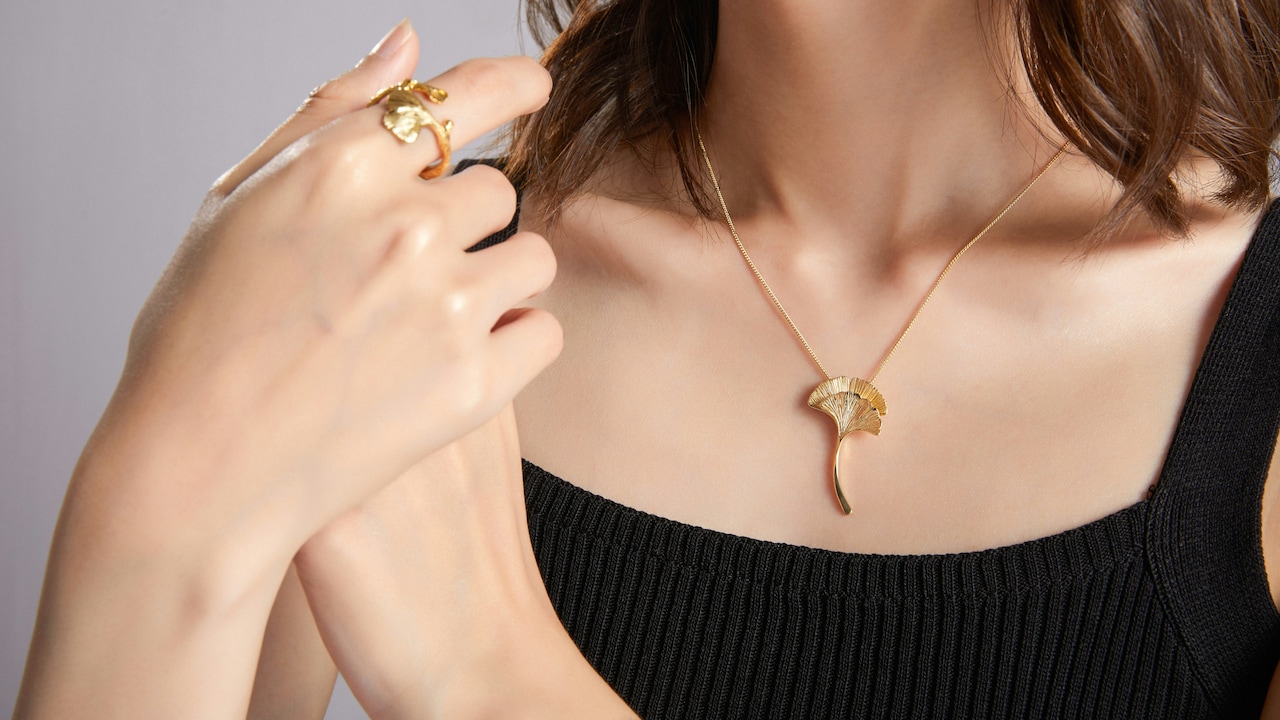
Neckline And Necklace Styling Tips: Top Matching Rules People Often Overlook.
Accessories speak a language of their own. A necklace can lift a simple kurta, soften a sharp blazer, or add personality to a plain dress. Yet, many style missteps happen not because of bad jewellery, but because of a mismatch with the neckline. The difference between “well put together” and “something feels odd” often lies in a few centimetres of fabric and chain.
Necklines frame the face and collarbone, while necklaces fill or complement that space. When both work in harmony, the effect looks effortless. When they clash, even the most expensive piece can feel wrong. These styling rules rarely come with instruction manuals, and most people learn them through trial, error, and old family photographs that raise eyebrows years later.
This article explores neckline and necklace pairing tips that people frequently overlook. Each rule comes with relatable scenarios, from festive gatherings to daily wear, and keeps things practical, light-hearted, and realistic. No rigid fashion diktats here, just thoughtful guidance that helps jewellery feel like a natural extension of personal style.
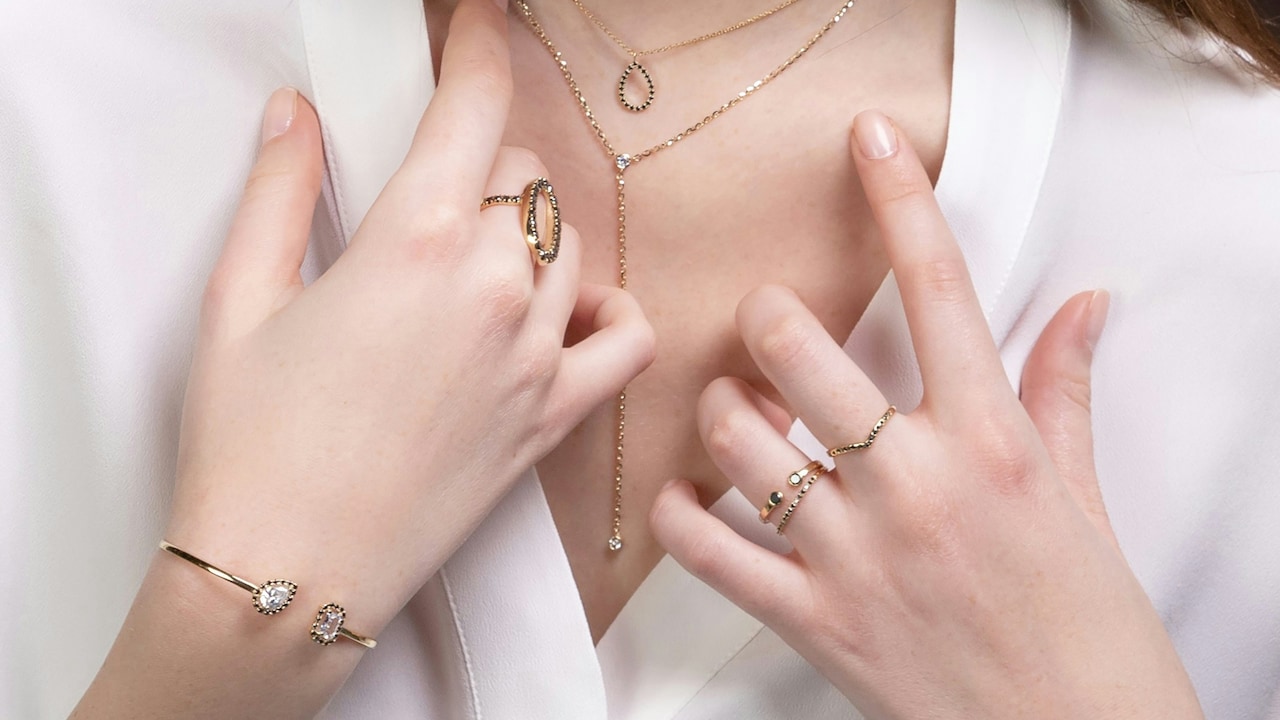
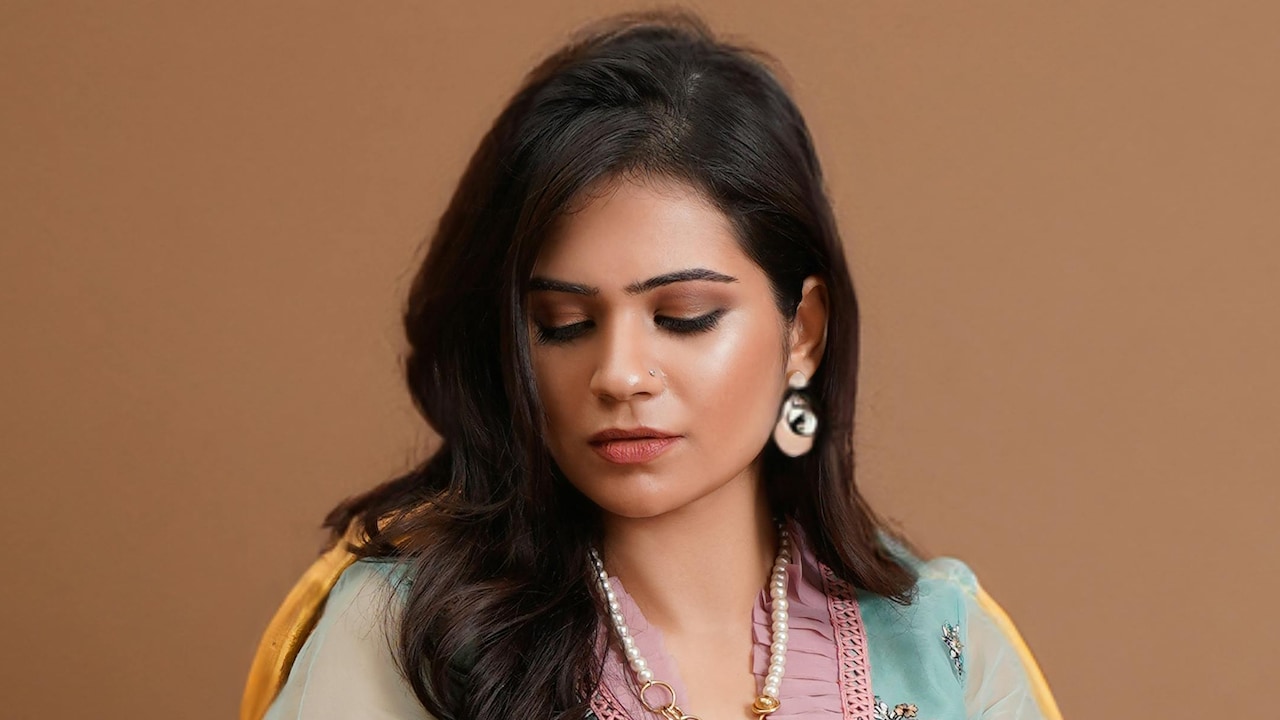
Neckline And Necklace Styling Tips: Matching Rules People Often Overlook; Photo Credit: Pexels
Understanding The Quiet Logic Behind Necklace Pairing
1. Let the Neckline Shape Lead the Way
The neckline already sets the mood before jewellery enters the picture. Round necks, V-necks, boat necks, and square cuts each create a visual boundary. The necklace should follow that boundary, not fight it. A deep V-neck pairs best with a pendant or layered chains that echo the same downward line. A round neckline welcomes curved necklaces or chokers that sit neatly along its edge.
Problems arise when shapes clash. A sharp V pendant on a high round neck often looks misplaced, like it wandered in from another outfit. Matching shapes creates balance and calm, even if the jewellery itself is bold. Think of it as visual teamwork rather than competition.
This rule becomes especially useful during festive dressing, when outfits already carry rich fabrics and colours. Instead of adding drama everywhere, let the neckline guide the jewellery choice. The result feels intentional, not overwhelming.
2. Respect the Space Between Fabric and Collarbone
Not every neckline needs to be filled. High necks, crew necks, and closed collars already occupy visual space near the face. Adding a necklace that competes for the same area can make the look feel crowded. In such cases, either skip the necklace entirely or choose a longer piece that sits well below the neckline.
A high-neck kurta paired with a long beaded necklace creates length and elegance. On the other hand, a chunky collar necklace fighting with a closed neckline often feels suffocating. This is one of those mistakes noticed only after seeing photos.
Giving breathing room to the neckline allows both clothing and jewellery to shine. When in doubt, step back from the mirror. If the upper chest feels cluttered, it probably is.
Also Read: 5 Tangle-Free Necklaces For Everyday Wear That Stay Smooth
3. Neck Length Changes Everything
Necklines and necklaces don't exist in isolation; the neck itself plays a role. Shorter necks benefit from longer chains and V-shaped pendants that create an illusion of length. Wide chokers or tight collars can make the neck appear shorter and heavier.
Longer necks have more freedom. Chokers, layered necklaces, and bold statement pieces sit comfortably without overwhelming proportions. This is why the same necklace looks stunning on one person and awkward on another.
Understanding this isn't about body criticism; it's about balance. Jewellery should enhance natural features, not highlight discomfort. Once this rule clicks, necklace shopping becomes far more intuitive and satisfying.
4. Fabric Weight Should Match Jewellery Weight
Light cotton, linen, or chiffon outfits often feel overwhelmed by heavy necklaces. The contrast can look accidental rather than stylish. On the flip side, rich silks, velvets, and brocades can easily carry bold, weighty jewellery without blinking.
A breezy summer kurta pairs beautifully with delicate chains or small pendants. Save the layered kundan or temple-style necklaces for heavier festive wear. This balance keeps the outfit from looking top-heavy or mismatched.
The rule applies to western wear too. A structured blazer can handle a solid metal chain, while a soft knit top usually prefers something understated. Matching fabric weight with jewellery weight creates visual harmony that feels quietly luxurious.
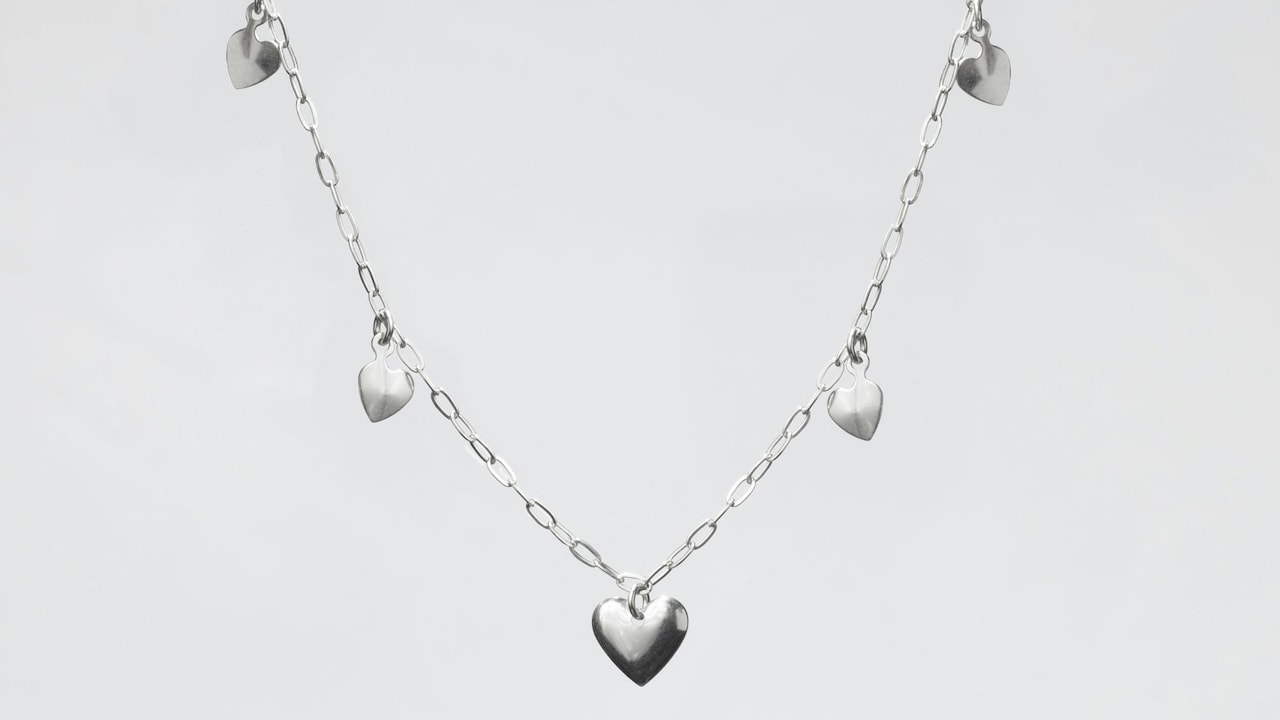
Neckline And Necklace Styling Tips: Matching Rules People Often Overlook; Photo Credit: Pexels
5. Necklines Set the Formality Tone
Every neckline carries a level of formality. Strapless, sweetheart, and deep cuts lean towards glamour, while collared shirts and high necks feel more formal or modest. The necklace should follow that tone.
A sparkly statement necklace with a crisp office shirt often looks out of place. Likewise, a tiny minimalist pendant may feel underwhelming with an evening gown. Matching the formality avoids style confusion.
This rule proves especially helpful when dressing for weddings or formal events. Instead of overthinking colours and trends, simply ask: does this necklace belong to the same occasion as this neckline? The answer usually becomes obvious.
6. Layering Needs Neckline Awareness
Layered necklaces remain popular, but they don't work with every neckline. Scoop necks, V-necks, and open collars provide enough space for layers to breathe. High necks and narrow cuts rarely do.
When layering without space, chains tangle visually and physically. The result feels messy rather than chic. Successful layering requires staggered lengths that follow the neckline's openness.
This is also where restraint matters. Two well-chosen layers often look better than five competing ones. Let the neckline act as a frame, not a cage. When layering respects that frame, the look feels effortless and modern.
7. Statement Necklaces Need a Quiet Neckline
Bold necklaces demand attention. To give them that spotlight, the neckline must step back. Plain, solid-coloured necklines work best as a canvas. Busy prints, embellishments, or dramatic cuts already tell a story and don't need loud jewellery to interrupt.
A simple boat neck dress with a striking necklace feels elegant and intentional. The same necklace on a heavily embroidered neckline can feel chaotic. This rule saves time during last-minute dressing, especially before functions.
When wearing a statement piece, let it be the hero. Everything else, including the neckline, should support that role quietly.
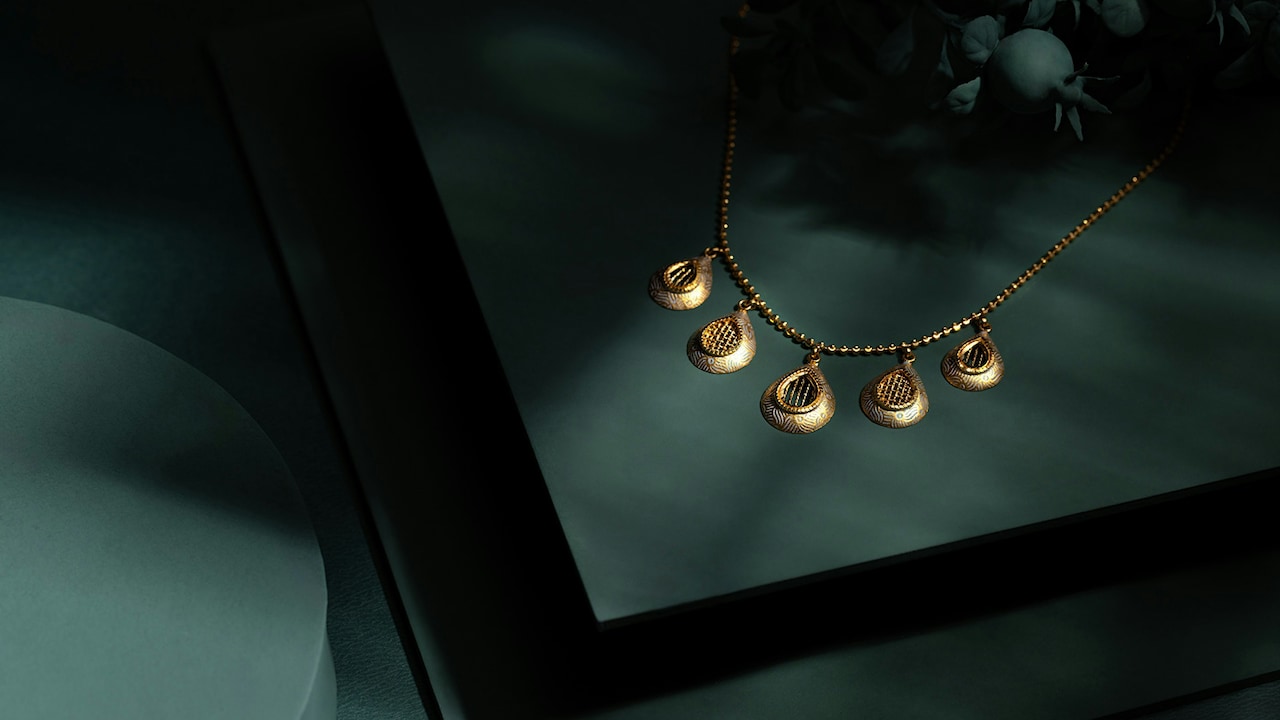
Neckline And Necklace Styling Tips: Matching Rules People Often Overlook; Photo Credit: Pexels
8. Collarbone Is Prime Styling Real Estate
The collarbone area draws natural attention. Necklines that highlight it, such as off-shoulder, wide scoop, or shallow boat necks, benefit from necklaces that sit just above or along the collarbone.
Chokers, short chains, and collar-style necklaces work beautifully here. They enhance the natural structure rather than hiding it. Longer necklaces can disrupt this balance by cutting through the visual line.
This is one of the easiest ways to elevate everyday outfits. Even a simple top can look styled when the necklace sits exactly where the neckline intends the eye to travel.
9. Cultural Outfits Have Their Own Rules
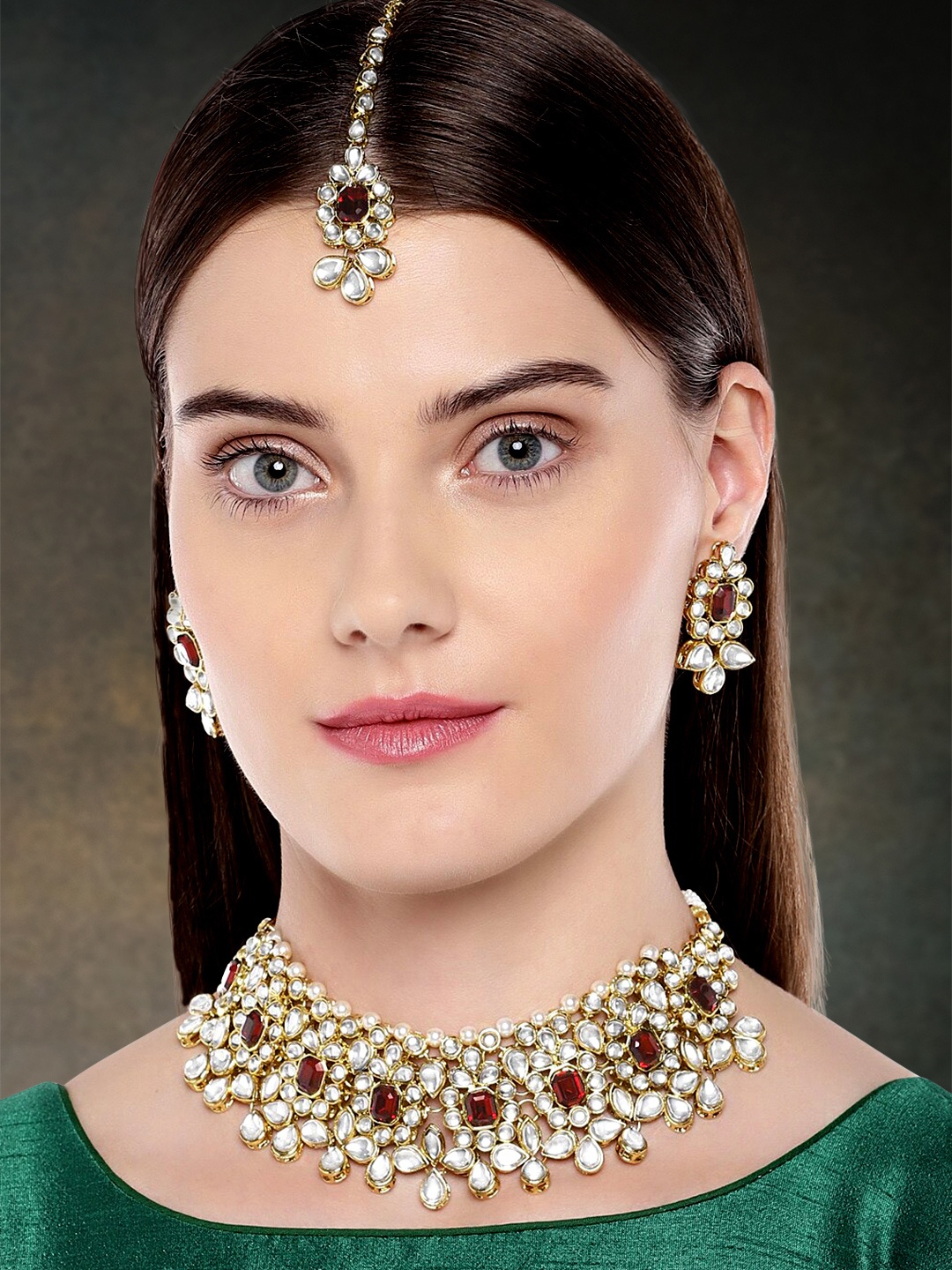
Traditional wear comes with its own neckline and jewellery logic, shaped by decades of design. Deep neck blouses often pair with shorter necklaces that fill the space, while higher neck designs welcome longer pieces.
Mixing western necklace styles with traditional necklines can work, but awareness is key. A sleek chain with a festive outfit can look refreshing if it respects the neckline's shape and depth.
Ignoring these subtle rules often results in jewellery that looks borrowed rather than chosen. Respecting them creates a look that feels rooted yet contemporary.
10. Comfort Always Beats Perfect Rules
No styling rule matters if the necklace feels uncomfortable. A piece that constantly twists, pokes, or weighs down the neck will show in posture and expression. Comfort influences confidence more than symmetry ever could.
Some necklines technically suit certain necklaces but feel wrong in practice. Trust that instinct. Jewellery should feel like a natural extension of the outfit, not a burden carried for photos.
The most stylish people often break rules with ease because they prioritise comfort and confidence. When the wearer feels at ease, the look automatically works, regardless of textbook advice.
Products Related To This Article
1. SOHI Butterfly Necklace & Earrings Jewellery Set
2. Anouk White Layered Necklace Earring Set
3. SZN Oxidized Layered Necklace & Earrings
4. Anouk Multicolour Layered Pearl Necklace Set
5. Digital Dress Room Necklace & Bracelet Set
Neckline and necklace pairing rarely receives the attention it deserves, yet it quietly shapes the entire outfit. These overlooked rules don't demand new jewellery or expensive upgrades. They simply ask for awareness of shapes, space, fabric, and comfort.
Once these ideas settle in, getting dressed becomes smoother and more enjoyable. The mirror stops being a place of confusion and turns into a space for quick, confident decisions. Jewellery begins to feel intentional rather than accidental.
Style isn't about memorising rules; it's about understanding why they exist. With that understanding, necklaces stop competing with necklines and start complementing them. And that's when an outfit truly comes together.
(Disclaimer: This article may include references to or features of products and services made available through affiliate marketing campaigns. NDTV Convergence Limited (“NDTV”) strives to maintain editorial independence while participating in such campaigns. NDTV does not assume responsibility for the performance or claims of any featured products or services.)