Why Nehru Jackets Gap Around The Buttons Even When The Size Seems Right
Nehru jackets can gap around the buttons despite fitting well elsewhere. From fabric stiffness and button placement to layering and tailoring mistakes, discover what causes this problem and how to fix it.
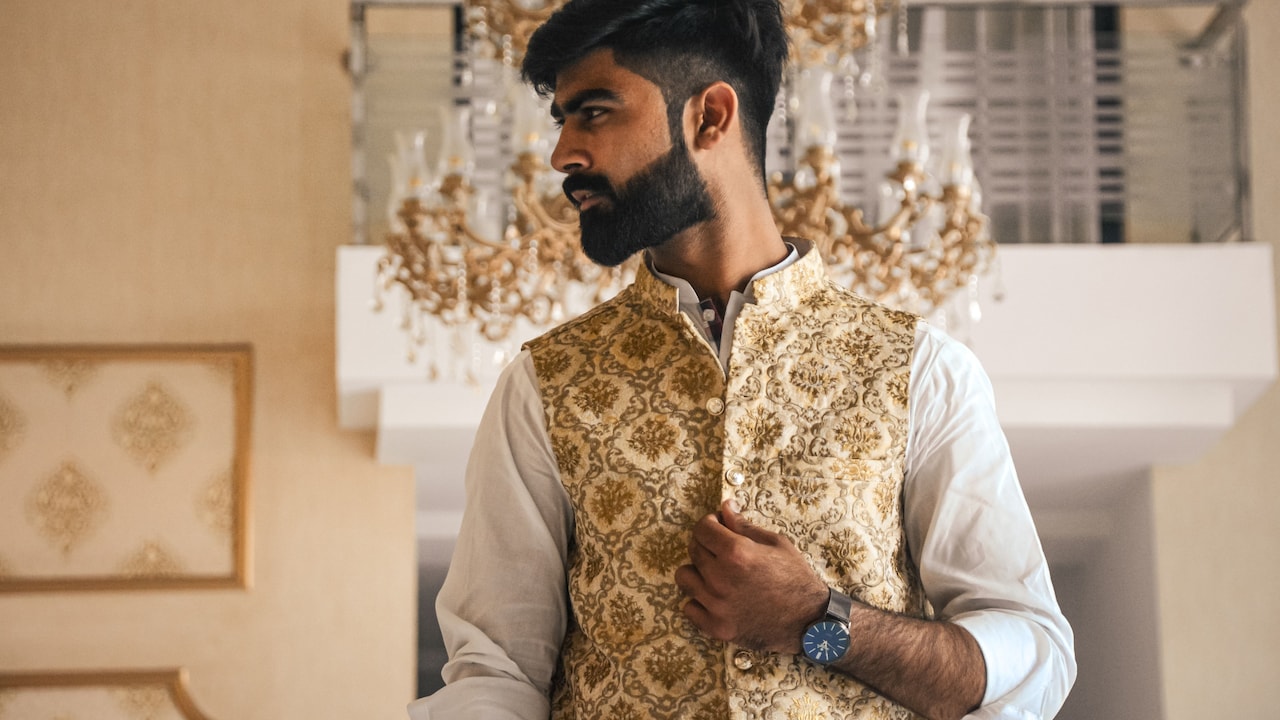
Why Nehru Jackets Gap Around The Buttons Even When The Size Seems Right
A crisp kurta, well-fitted trousers, polished footwear, and a Nehru jacket make for an effortlessly elegant festive outfit. Everything looks perfect until you notice those awkward little gaps between the buttons. The fabric pulls sideways, the kurta peeks through, and the jacket suddenly looks a size smaller than it actually is. What's particularly frustrating is that the shoulders sit comfortably, the collar feels right, and there's no obvious discomfort. The problem often has more to do with garment construction than the size printed on the label. Unlike relaxed shirts or open-front jackets, Nehru jackets have a structured silhouette that leaves relatively little room for fitting errors. Even something as simple as wearing a slightly thicker kurta underneath can change how the front panels sit. Before exchanging your jacket for a larger size or deciding to wear it unbuttoned at every family function, it helps to understand what's causing the fabric to pull. Here are ten reasons behind those stubborn button gaps and what you can do about them.

Why Nehru Jackets Gap Around The Buttons Even When The Size Seems Right; Photo Credit: Pexels
10 Reasons Why Nehru Jackets Gap Around The Buttons
1. The Chest And Waist Measurements Do Not Complement Each Other
Clothing sizes tend to group several body measurements under a single label. However, having a particular chest measurement doesn't automatically mean your waist follows the same proportions. This becomes especially noticeable with Nehru jackets because their structured front panels need to accommodate the entire torso.
A jacket might fit beautifully across the chest but pull around the stomach. Alternatively, the waist might feel comfortable while the upper buttons struggle to stay flat. These inconsistencies create small openings between the buttons, particularly when sitting down or reaching forward.
Rather than relying solely on standard sizes, compare your chest, waist and abdominal measurements with the garment's actual dimensions. Take these measurements while wearing the kurta or shirt you intend to pair with the jacket.
If you're between sizes, prioritise the area that requires the most room while checking that the shoulders still fit properly. A skilled tailor can often refine excess fabric elsewhere. Adding room to an already tight jacket, however, becomes considerably more difficult when the seams have limited fabric allowances.
Also Read: 6 Best Nehru Jackets To Layer Over Festive Kurtas
2. The Fabric Is Too Stiff To Accommodate Natural Movement
Brocade, jacquard, raw silk and heavily textured fabrics give Nehru jackets their distinctive festive appeal. Unfortunately, some of these materials have very little flexibility. They maintain their shape beautifully but don't always respond comfortably to everyday movements.
Imagine sitting through a lengthy wedding ceremony, bending forward to greet relatives or reaching across a dining table. A rigid fabric resists these changes in posture, transferring the tension towards the buttons. Even a jacket that appears flawless while standing can develop noticeable gaps within minutes of sitting down.
The solution isn't necessarily to abandon structured fabrics. Instead, look for jackets that offer sufficient wearing ease and feature a lining that doesn't restrict movement. Softer cotton blends and lightweight woven materials may provide greater comfort for extended occasions.
When trying on a jacket, move around rather than simply admiring it in the mirror. Sit, stand, fold your arms and reach forward. If the fabric immediately pulls around the buttons, the jacket needs additional room or a different construction, regardless of how impressive it looks on the hanger.
3. The Buttons Sit Too Far Apart
Sometimes, the jacket fits reasonably well, but its button arrangement creates the illusion of poor sizing. Designers often space decorative buttons widely to achieve a clean, minimalist appearance. While this looks attractive, it can leave longer sections of unsupported fabric between each fastening point.
These sections may bow outwards when the body moves, revealing the kurta underneath. The effect becomes more noticeable around the chest and stomach, where the body's natural contours place additional pressure on the front opening.
A jacket with closely spaced buttons generally distributes this pressure across more fastening points. However, adding buttons without considering the garment's overall construction can spoil its appearance.
A practical alternative involves asking a tailor to install discreet concealed hooks or press studs between existing buttons. These additional fastenings can help control minor gaps without changing the jacket's visible design.
Remember that extra fastenings cannot compensate for a genuinely tight fit. If the fabric already shows pronounced horizontal creases, address the sizing issue first. Concealed closures work best when button spacing, rather than insufficient room, causes the problem.

Why Nehru Jackets Gap Around The Buttons Even When The Size Seems Right; Photo Credit: Pexels
4. Your Kurta Adds More Bulk Than Expected
A Nehru jacket rarely functions as a standalone garment. Most people wear it over a kurta, formal shirt or another lightweight layer. However, the thickness and construction of that underlying garment can significantly affect how the jacket fits.
Embroidered kurtas, textured cotton fabrics and raised decorative detailing occupy more space than a simple, lightweight shirt. Even excess fabric gathering around the waist or chest can push the jacket's front panels outwards.
This explains why a jacket might fit perfectly during a quick trial but develop gaps when you finally assemble your festive outfit. The jacket hasn't necessarily changed size; the layers underneath have changed the amount of room it needs.
Choose kurtas that sit comfortably against the body without excessive bunching. Pay particular attention to embroidered chest panels, thick plackets and prominent buttons that may add unnecessary bulk.
Always try the complete outfit before an important occasion. A few minutes spent checking how the layers interact can prevent an uncomfortable evening of repeatedly adjusting your jacket between photographs, conversations and trips to the buffet counter.
5. The Armholes Restrict Your Upper Body Movement
The armholes might seem unrelated to gaps around the buttons, but they play an important role in how a sleeveless jacket behaves. Poorly positioned or excessively narrow armholes can restrict shoulder and chest movement, creating tension across the front panels.
When you extend your arms, fold them or reach towards something, the fabric needs enough room to accommodate these movements. Restrictive armholes can cause the entire jacket to shift, pulling the buttons away from their natural positions.
Watch for diagonal creases extending from the armholes towards the chest or buttons. Discomfort around the underarms and a jacket that rides upwards during movement may also indicate an armhole fitting problem.
A well-cut Nehru jacket should allow comfortable movement without exposing an unnecessarily large section of the garment underneath. Simply choosing oversized armholes isn't the answer either, as this can undermine the structured silhouette.
Depending on the available seam allowance, a tailor may adjust the armhole shape. For future purchases, prioritise comfortable shoulder movement rather than judging the fit exclusively with your arms resting at your sides.
6. The Jacket Has An Overly Tapered Waist
Slim-fit Nehru jackets have become a popular choice for contemporary festive dressing. Their tapered construction creates a sharp silhouette, particularly when paired with straight-cut kurtas and tailored trousers. However, an aggressive taper doesn't suit every body shape.
Some jackets narrow considerably below the chest, leaving insufficient room around the abdomen. This creates tension near the middle and lower buttons, even when the shoulders and upper chest fit comfortably.
The problem often becomes more apparent after sitting down. Your abdomen naturally changes shape in a seated position, and a closely fitted jacket may struggle to accommodate that movement. A generous festive meal can make things feel even more restrictive.
Consider straight-fit or gently tapered jackets if slim-fit designs consistently cause button gaps. These alternatives can still look sophisticated without creating an exaggerated hourglass shape around the torso.
A flattering fit should follow your natural proportions rather than force your body into the garment's predetermined silhouette. A little extra room around the waist often looks considerably smarter than strained buttons and fabric that appears ready to spring open.
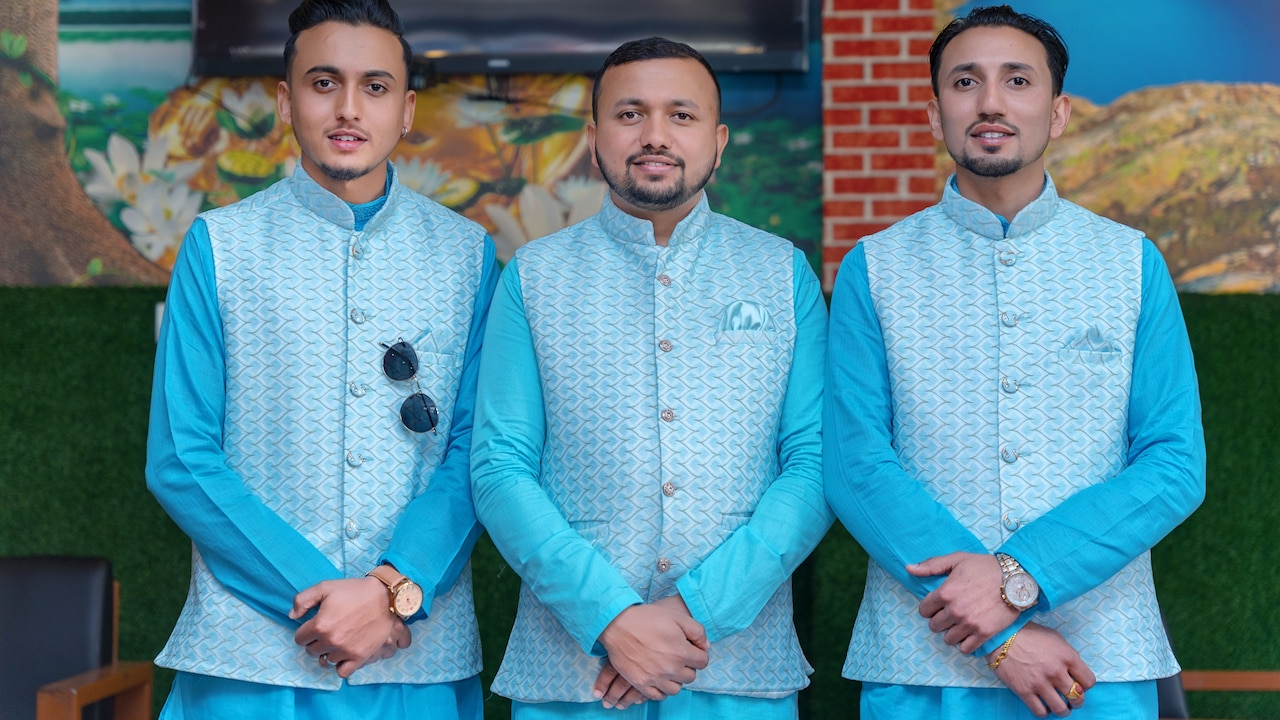
Why Nehru Jackets Gap Around The Buttons Even When The Size Seems Right; Photo Credit: Pexels
7. Your Posture Changes How The Jacket Sits
Most fitting rooms encourage people to stand upright, pull their shoulders back and examine their reflection. While this helps assess a garment's appearance, it doesn't necessarily represent how someone stands or moves throughout the day.
Rounded shoulders, a forward-leaning posture or a prominent upper back can alter the way a Nehru jacket hangs. The back panels may require additional room, while the front panels experience unexpected tension. Even differences in shoulder height can affect how the buttons align.
This doesn't mean you need to maintain an exaggerated upright posture whenever you wear a jacket. Instead, the garment should accommodate your natural stance.
During a fitting, relax your shoulders and stand as you normally would. Check whether the centre opening remains straight and whether the hem sits evenly. Notice any persistent diagonal creases or uneven pulling around the chest.
A tailor may adjust the shoulder slope, back width or overall garment balance to improve the fit. These relatively technical alterations can make a significant difference, especially when changing the jacket size alone hasn't resolved the problem.
8. The Front Panels And Button Placket Lack Proper Support
The button placket forms the central fastening area of a Nehru jacket. Its construction influences whether the front opening remains smooth or develops an uneven, wavy appearance.
Poorly reinforced plackets can bend or distort under relatively minor pressure. Conversely, excessively rigid reinforcement may prevent the fabric from following the body's contours comfortably. Both situations can contribute to visible gaps around the buttons.
Other construction problems include uneven button placement, insufficient overlap between the front panels and poorly aligned buttonholes. These details might escape attention when shopping online, particularly when product photographs show the jacket from carefully selected angles.
Before purchasing, examine how neatly the front edges meet. The buttons should align naturally with their respective buttonholes without requiring you to stretch or twist the fabric.
If a jacket already has construction-related problems, a tailor might reposition individual buttons or improve the placket's reinforcement. However, significant alignment issues may require more extensive alterations.
Good craftsmanship isn't always about elaborate embroidery or luxurious fabrics. Sometimes, the simplest details determine whether a jacket looks polished or disappointingly untidy.
9. The Lining Has Shrunk Or Restricts The Outer Fabric
A jacket's lining rarely receives much attention until something goes wrong. Yet it plays an essential role in maintaining the garment's shape and allowing the outer fabric to move comfortably over other clothing.
When the lining fits more tightly than the outer material, it can restrict movement and create tension around the buttons. This sometimes happens after unsuitable washing, excessive heat exposure or differences in how the two fabrics shrink.
You might notice that a previously comfortable jacket starts pulling across the chest after cleaning. The outer fabric may also develop unusual puckering, or the hem might curl slightly inwards.
Check the garment's care instructions before washing or ironing it. Embroidered, structured and silk-blend jackets may require professional cleaning, depending on their construction.
If you suspect lining shrinkage, ask a tailor to inspect the inner seams. Releasing or replacing a restrictive lining may restore some of the jacket's original comfort, provided the outer fabric still fits correctly.
Avoid aggressively stretching the jacket or forcing the buttons shut. Such attempts can damage the seams without addressing the underlying problem.
10. The Jacket Lacks Sufficient Wearing Ease
There's an important distinction between body measurements and garment measurements. A jacket needs additional space beyond your actual measurements to accommodate breathing, movement and layering. Tailors refer to this additional allowance as wearing ease.
Without enough wearing ease, even an accurately sized jacket can feel restrictive. The garment might technically close, but its front panels remain under constant tension. This produces horizontal wrinkles, distorted buttonholes and visible gaps between fastenings.
The appropriate amount of ease depends on several factors, including fabric flexibility, jacket construction, body proportions and the thickness of the underlying clothing. There's no single measurement that works for everyone.
When shopping, check whether the size chart provides body measurements or actual garment dimensions. Confusing the two can easily lead to an unsuitable purchase.
Once you've buttoned the jacket, take a deep breath and sit down comfortably. The fabric should remain relatively smooth without pressing excessively against your torso.
A well-fitted Nehru jacket should allow you to enjoy an occasion without constantly thinking about what you're wearing. Comfort and a sharp silhouette needn't compete with each other.
Products Related To This Article
1. House of Pataudi Woven Design Mandarin Collar Nehru Jackets
2. Jompers Floral Embroidered Nehru Jacket
3. KRAFT INDIA Manadrin Collar Sequined Zari Embroidered Nehru Jackets
4. KISAH Men Woven Design Mandarin Collar Printed Nehru Jacket
5. Moda Rapido Satin Nehru Jacket
6. SOJANYA Men Off White Printed Cotton Linen Nehru Jacket
7. VASTRAMAY Men Beige & Pink Floral Printed Slim Fit Nehru Jacket
Gaps around Nehru jacket buttons don't always indicate that you've purchased the wrong size. Fabric stiffness, restrictive armholes, inadequate wearing ease, button placement and underlying layers can all influence how the garment sits.
Before replacing a favourite jacket, examine where the fabric pulls and when the gaps appear. Minor tailoring adjustments or a change of kurta might resolve the issue without compromising the original design.
When purchasing a new jacket, look beyond the size label, decorative buttons and attractive fabric. Consider how the garment behaves while sitting, walking and moving naturally. After all, the best festive outfits are the ones that look just as elegant towards the end of a celebration as they did when you first stepped out of the house.
(Disclaimer: This article may include references to or features of products and services made available through affiliate marketing campaigns. NDTV Convergence Limited (“NDTV”) strives to maintain editorial independence while participating in such campaigns. NDTV does not assume responsibility for the performance or claims of any featured products or services.)