How To Choose Slim-Fit Chinos Without Restricting Everyday Movement
Slim-fit chinos needn't come at the cost of comfort. From flexible fabrics and roomy thighs to the right waist and taper, discover how to choose chinos that move comfortably with you.
Expert tips to choose the comfiest pair of chinos
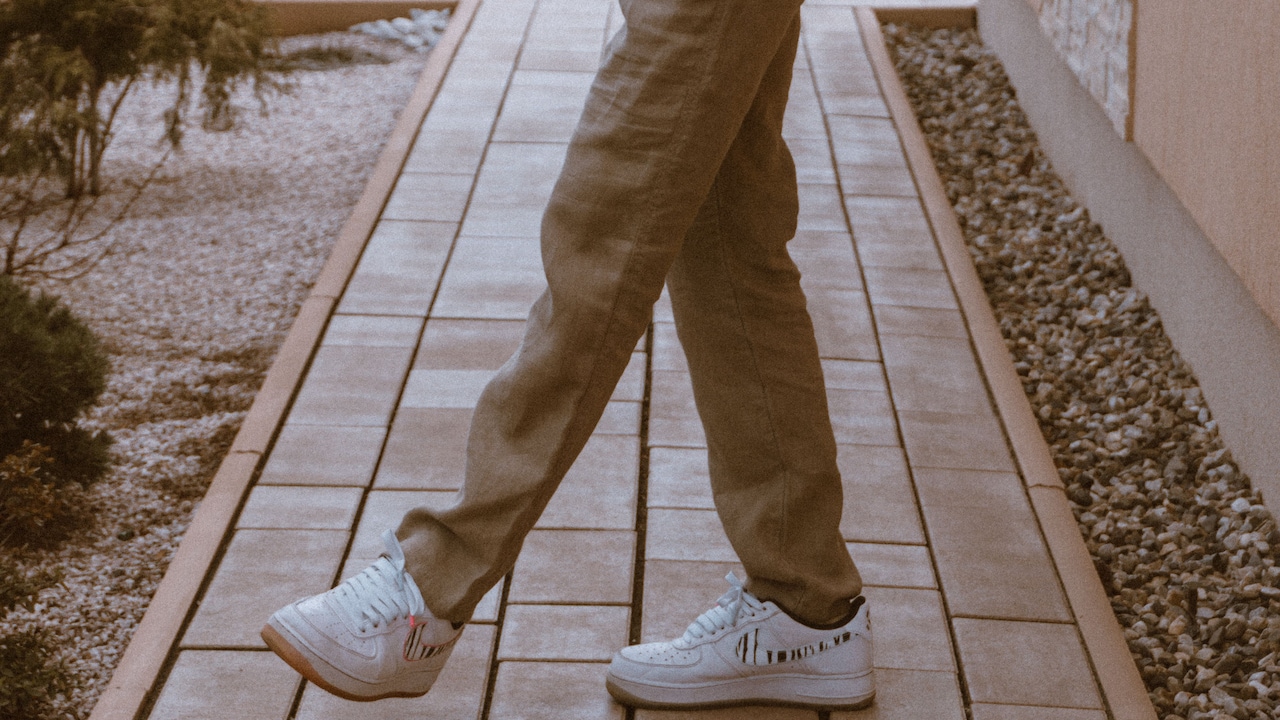
Slim-fit chinos occupy a rather interesting space in everyday fashion. They're smarter than jeans, less formal than tailored trousers and versatile enough to work with everything from crisp shirts to relaxed polo T-shirts. However, finding a pair that looks flattering without making everyday movement uncomfortable can be surprisingly difficult. A pair might look impeccable in the trial room, only to become uncomfortable when you climb stairs, sit through a long meeting or bend down to tie your shoelaces. Sometimes, even reaching for your phone in your trouser pocket feels like an unnecessary workout. The problem often lies in confusing a slim fit with a tight fit. Well-designed chinos should follow the natural contours of your body without clinging excessively to your legs. Fabric composition, stitching, waistband construction and proportions all influence how comfortable a pair feels throughout the day. Whether you're dressing for work, heading out for brunch or navigating a crowded commute, your trousers should accommodate your movements rather than dictate them. Here are ten practical ways to find slim-fit chinos that strike the right balance between style and everyday comfort.

How to choose the best pair of chinos
Photo Credit: Pexels
10 Tips To Find Slim-Fit Chinos That Balance Style And Comfort
1. Understand The Difference Between Slim-Fit And Skinny-Fit Chinos
The distinction between slim-fit and skinny-fit chinos might seem insignificant on a clothing label, but it makes a considerable difference once you start wearing them. Slim-fit chinos generally follow the shape of the legs while retaining some breathing room. Skinny-fit trousers, on the other hand, sit considerably closer to the body, particularly around the thighs, knees and calves.
Unfortunately, sizing terminology isn't consistent across clothing brands. What one retailer describes as slim-fit might resemble another's skinny-fit collection. This makes relying solely on product descriptions a rather risky approach.
Instead, pay attention to how the trousers sit against your legs. You should notice a defined silhouette without excessive horizontal creases or fabric pulling across the thighs. The material should also allow you to bend your knees without creating uncomfortable tension.
A flattering fit doesn't necessarily mean wearing the narrowest trousers available. A little additional room can actually create a cleaner appearance because the fabric falls more naturally. Think of slim-fit chinos as trousers that complement your proportions rather than squeeze them into a predetermined shape.
Also Read: 10 Kitten Heels Every Fashion Lover Must Try
2. Look For Fabrics With Just Enough Stretch
Fabric composition plays an important role in determining whether chinos remain comfortable throughout the day. Traditional chinos often feature cotton twill, which offers durability, structure and a neat appearance. However, rigid cotton can feel restrictive when manufacturers use it for particularly narrow silhouettes.
Chinos containing a small percentage of elastane can offer additional flexibility without compromising their tailored appearance. A cotton blend with around 2% to 4% elastane can be a practical starting point for everyday wear, although the weave and construction also influence stretch.
The advantage becomes particularly noticeable during activities such as climbing onto a bus, riding a scooter or spending several hours at a desk. Stretch allows the fabric to accommodate changes in posture rather than resist them.
However, more stretch doesn't automatically translate into better quality. Excessively elastic fabrics may lose their shape or develop a noticeably relaxed appearance around the knees after prolonged wear.
Gently stretch the material and observe how quickly it returns to its original shape. Ideally, your chinos should offer flexibility while maintaining enough structure to look presentable even towards the end of a busy day.
3. Prioritise Thigh Room Over A Narrow Leg Opening
Many shoppers focus on how chinos look around their ankles, overlooking one of the most important areas for comfort: the thighs. A narrow leg opening might create a stylish appearance, but insufficient thigh room can make even ordinary movements feel unnecessarily restrictive.
This becomes particularly relevant for people with naturally muscular thighs or those who regularly cycle, walk or exercise. Trousers that fit perfectly around the waist may still create considerable tension across the upper legs.
When trying on chinos, check whether you can comfortably pinch a small amount of fabric around the thighs. Sit down and notice whether the material stretches excessively across your lap. If the pockets begin to flare outwards or the seams appear strained, you probably need a roomier cut.
Consider athletic-fit or relaxed-tapered chinos if conventional slim-fit designs consistently feel uncomfortable. These styles generally accommodate fuller thighs while maintaining a narrower profile towards the ankles.
The objective is to achieve a streamlined appearance without sacrificing mobility. After all, looking well-dressed shouldn't mean carefully calculating every step before climbing a staircase.
4. Choose A Waistband That Accommodates Changes Throughout The Day
A waistband that feels comfortable at nine in the morning might tell a completely different story after a generous lunch. Natural changes in posture, meals and abdominal expansion can make tightly fitted trousers increasingly uncomfortable as the day progresses.
When shopping for slim-fit chinos, resist the temptation to choose a smaller waist size simply because it creates a sharper silhouette. The waistband should sit securely without digging into your skin or requiring constant adjustment. You shouldn't need to unbutton your trousers discreetly after every substantial meal.
Chinos featuring concealed elastic panels or flexible waistband construction can offer additional comfort while retaining a conventional appearance. These designs work particularly well for office wear, travelling and occasions that involve prolonged sitting.
Pay attention to how the waistband behaves when you sit rather than judging it exclusively while standing. A comfortable fit should accommodate your seated posture without placing excessive pressure around your abdomen.
Avoid relying on a tightly fastened belt to compensate for poor sizing. The trousers themselves should fit reasonably well. A belt should complement the outfit rather than perform the exhausting task of holding everything together.
5. Pay Attention To The Rise And Crotch Construction
The rise refers to the distance between the crotch seam and the top of the waistband. Although shoppers rarely discuss it as enthusiastically as colour or leg width, it can significantly influence how comfortably trousers fit.
Low-rise chinos sit closer to the hips and may suit certain body proportions. However, they can feel restrictive when bending, particularly if the crotch construction doesn't provide adequate room. They may also require frequent adjustment when moving between seated and standing positions.
Mid-rise chinos often provide a comfortable compromise for everyday wear. They generally offer sufficient coverage and accommodate a wider range of movements without sitting excessively high on the torso.
The crotch area deserves equal attention. Insufficient room can cause pulling around the upper thighs, uncomfortable pressure and premature wear along the seams. Excessive room, meanwhile, may create an unnecessarily baggy appearance.
Some chinos feature a gusseted crotch, which incorporates an additional fabric panel to improve mobility. Such construction can prove useful for active routines.
Try bending forward and lifting one knee while wearing the trousers. These simple movements reveal fitting problems that a stationary mirror inspection might completely miss.
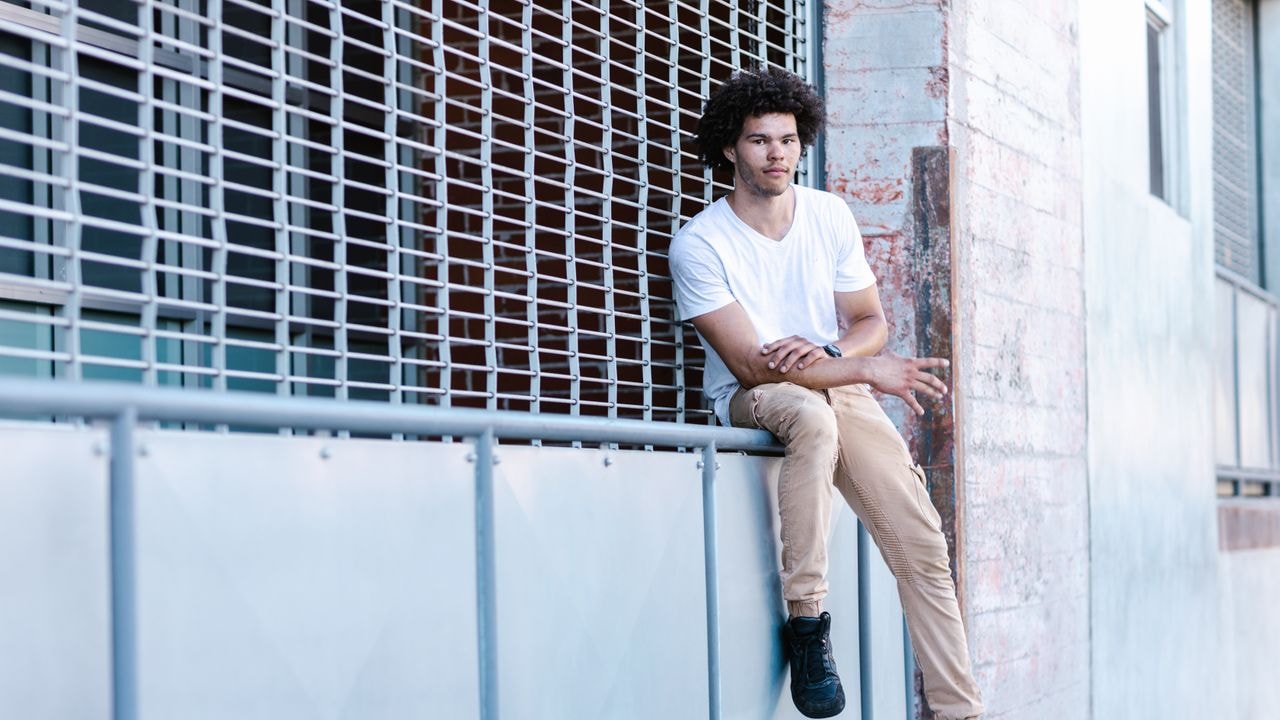
Consider the crotch and rise construction before finalising your purchase; Photo Credit: Pexels
6. Opt For A Gradual Taper Instead Of An Aggressively Narrow Cut
A well-executed taper gives slim-fit chinos much of their appeal. The trousers gradually narrow towards the ankles, creating a defined silhouette that pairs beautifully with loafers, trainers and casual lace-up shoes.
Problems arise when the taper becomes excessively narrow around the knees or calves. Even if the upper portion fits comfortably, restrictive lower legs can make walking, sitting and climbing stairs awkward. The fabric may also bunch around the knees or ride upwards when you sit.
Look for chinos that narrow gradually rather than dramatically. The material should follow the shape of your legs without appearing stretched across the calves. If you regularly find yourself pulling your trouser legs down after standing up, the taper may be too restrictive.
People with broader calves may benefit from a gentler taper or a slim-straight silhouette. Both can maintain a polished appearance without creating unnecessary tension.
Remember that a flattering shape depends on proportion rather than sheer narrowness. A slightly wider leg opening often looks more balanced, particularly when paired with chunky trainers or substantial footwear. Comfort and visual harmony can easily coexist.
7. Perform A Movement Test Before Making A Purchase
Trial rooms encourage a rather misleading shopping habit. Most people put on a pair of trousers, stand before the mirror, turn sideways and decide whether the fit looks good. Unfortunately, everyday life involves considerably more movement than this brief inspection.
Before purchasing slim-fit chinos, spend a few minutes testing them through ordinary activities. Sit down, bend your knees, take a few long strides and lift your leg as though stepping onto a staircase. Try a comfortable squat if space permits.
Notice where the fabric begins to pull. Tension around the thighs, knees, crotch or waistband can indicate that the trousers lack adequate movement allowance. Check whether the waistband shifts excessively or the pockets become distorted.
Shopping online requires a slightly different approach. Compare the garment measurements with a comfortable pair you already own rather than relying entirely on standard size labels. Once the trousers arrive, test them indoors while keeping the tags intact and following the retailer's return conditions.
A few minutes of practical testing can prevent months of frustration. The best chinos should feel equally convincing in motion and in front of a mirror.
8. Consider Fabric Weight And Breathability For Everyday Comfort
Comfort involves more than finding the correct size. The weight and breathability of the fabric also influence how chinos feel during long working hours, warm afternoons and crowded commutes.
Heavy cotton twill can offer excellent structure and durability, but it may feel cumbersome during hot or humid weather. When combined with an exceptionally slim cut, thicker material can also create a greater sense of restriction around the legs.
Lightweight or medium-weight cotton blends often provide a practical alternative for regular wear. They can offer sufficient structure for office outfits while allowing the trousers to feel less cumbersome during movement.
However, exceptionally thin fabrics come with their own drawbacks. They may reveal pocket outlines, crease easily or cling to the skin when you perspire. Finding a fabric with enough substance to maintain its shape remains important.
Consider your daily routine before selecting a pair. Someone who spends most of the day in an air-conditioned office may prefer a different fabric weight from someone who frequently travels outdoors.
The most comfortable chinos are those that accommodate both your movements and the conditions in which you wear them.
9. Check Seam Placement, Pocket Design And Stitching Quality
Small construction details can transform an otherwise promising pair of chinos into something uncomfortable. Bulky internal seams, poorly positioned pockets and inflexible stitching may create irritation or restrict movement, particularly around the upper legs.
Examine the inner thigh seams and crotch stitching before making a purchase. The seams should feel reasonably smooth, secure and proportionate to the fabric. Rough or excessively bulky stitching can cause friction during prolonged walking.
Pocket design deserves attention too. Slim-fit trousers sometimes feature narrow pocket openings that make retrieving a wallet, keys or smartphone unnecessarily difficult. Deep pockets with excessive lining can also create uncomfortable bulk around the thighs.
Try placing your phone inside the pocket and sitting down. If the device presses firmly against your leg or significantly distorts the trousers, the pocket construction might not suit your routine.
Reinforced stitching around high-stress areas can improve durability, provided the construction doesn't unnecessarily limit flexibility. A fabric with excellent stretch offers little advantage if the seams cannot accommodate the same movements.
These details rarely attract attention on a shop display, but they become surprisingly important after several hours of continuous wear.
10. Get The Length And Alterations Right Without Compromising Mobility
Finding chinos that fit perfectly straight off the rack can feel like a small personal victory. However, minor alterations often make the difference between an acceptable fit and a genuinely comfortable one.
Rather than buying a smaller size to achieve a narrower silhouette, consider selecting trousers that comfortably accommodate your waist, hips and thighs. A tailor can then adjust the length or refine the taper where the construction allows.
Length plays an important role in how chinos behave during movement. Excessively long trousers can bunch around the ankles, while an overly short hem may ride noticeably higher when you sit. A slight break above your shoes or a neat ankle-length finish generally works well for casual and smart-casual outfits.
Avoid requesting aggressive alterations around the knees and calves without testing your range of movement. Ask the tailor to pin the proposed adjustments, then sit and walk before finalising them.
If the care instructions permit, washing cotton-rich chinos before alterations can help account for potential shrinkage.
A thoughtful alteration should improve the silhouette without undoing the comfort that made you choose the trousers in the first place.
Products Related To This Article
1. Nautica Men's Casual Solid Regular Fit Trouser
2. Roadster Men Textured Chinos Trousers
3. Mast & Harbour Men Chinos Trousers
4. Duke Men Slim Fit Chinos Trousers
5. Pointer Jeans Men Chinos Trousers
6. HIGHLANDER Men Soft Feel Twill Chino Trousers
7. Peter England Men Urban Slim Slim Fit Trousers
Choosing slim-fit chinos shouldn't involve a compromise between looking stylish and feeling comfortable. The right pair combines a flattering silhouette with sufficient thigh room, flexible fabric, thoughtful construction and a waistband that accommodates everyday activities.
Rather than becoming overly concerned with size labels or narrow cuts, focus on how the trousers behave when you sit, walk, bend and climb stairs. Consider your body proportions, daily routine and preferred footwear before settling on a particular design.
A good pair of chinos should carry you comfortably from morning meetings to evening outings without demanding constant adjustments. Ultimately, the most flattering trousers aren't necessarily the tightest ones. They're the ones that allow you to move naturally, dress confidently and get on with your day without giving your outfit a second thought.
(Disclaimer: This article may include references to or features of products and services made available through affiliate marketing campaigns. NDTV Convergence Limited (“NDTV”) strives to maintain editorial independence while participating in such campaigns. NDTV does not assume responsibility for the performance or claims of any featured products or services.)