Why Shirt Dresses Look Structured Standing Up But Bunch When Sitting
Shirt dresses often look crisp when standing but develop awkward folds when sitting. From fabric stiffness to button placement, discover what causes this bunching and how to minimise it.
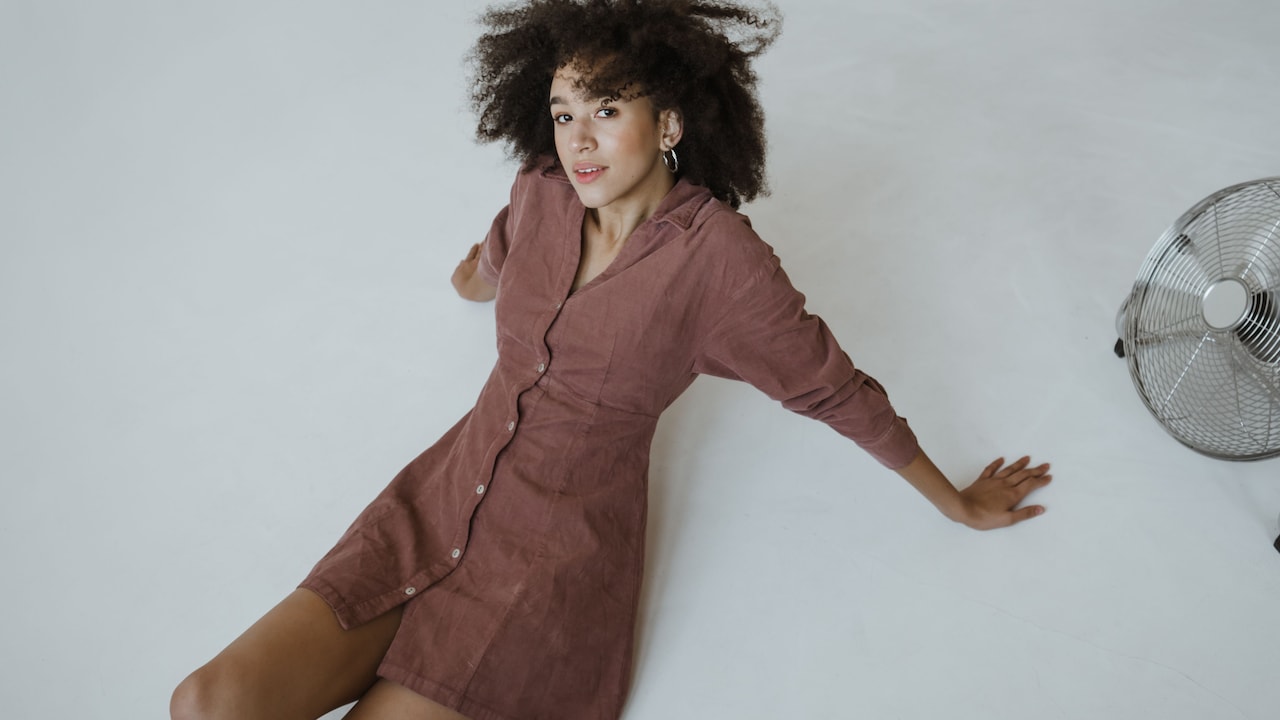
Why Shirt Dresses Bunch Up When You Sit: 10 Reasons And Practical Fixes
A shirt dress seems like the perfect solution to those mornings when putting an outfit together feels like too much effort. It combines the sophistication of a formal shirt with the comfort and convenience of a dress. Add a pair of flats, a structured handbag, and perhaps a watch, and you're ready for work, brunch or an afternoon of shopping. However, things can look considerably different the moment you sit down. The fabric gathers around the stomach, the buttons begin to pull, and the neatly defined waist suddenly disappears beneath several layers of creases. Stand up again, and the dress almost magically returns to its original shape. While many blame incorrect sizing or poor posture, the problem often has more to do with garment construction, fabric behaviour and the way the human body changes position. Shirt dresses borrow several design elements from conventional shirts, but their extended length introduces additional challenges. Understanding these details can make shopping for shirt dresses considerably easier. It can also help you make better use of the ones already hanging in your wardrobe.
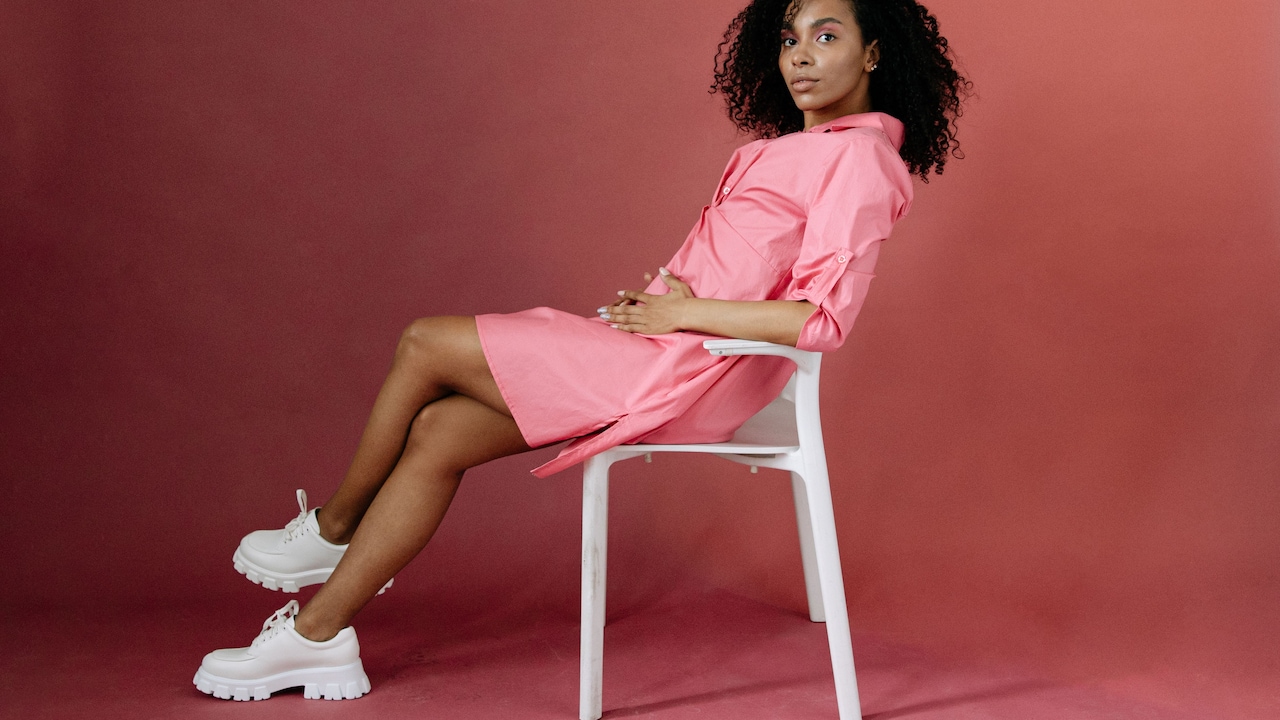
Why Shirt Dresses Bunch Up When You Sit: 10 Reasons And Practical Fixes; Photo Credit: Pexels
10 Reasons Why Shirt Dresses Bunch Up When You Sit Down
1. The Body Changes Shape When You Sit Down
Standing and sitting create two very different silhouettes. When standing, the torso remains relatively extended, allowing fabric to fall naturally from the shoulders towards the hem. Gravity helps maintain the clean, uninterrupted lines that make shirt dresses look particularly sophisticated.
Sitting changes this arrangement. The hips flex, the thighs occupy a horizontal position, and the distance between the chest and lap decreases. The abdomen may also expand slightly. The fabric that previously covered an elongated surface suddenly has less vertical space available.
Since the material cannot simply disappear, it folds, gathers or shifts towards areas with less resistance. This explains why bunching frequently appears around the stomach and waist.
Even expensive, well-tailored shirt dresses can behave this way. It doesn't necessarily indicate an incorrect size or an issue with body shape.
Dresses with adequate room around the hips and abdomen tend to accommodate these changes more comfortably. When trying on a new shirt dress, spend a few minutes sitting rather than relying entirely on the standing mirror test. How the garment behaves in motion matters just as much as its initial appearance.
Also Read: Top 5 Oversized Shirts Under ₹2000 That Double As Dresses
2. Stiff Fabrics Create More Noticeable Folds
That beautifully crisp cotton shirt dress may look exceptionally polished during a morning meeting. By lunchtime, however, it might resemble something that has spent several hours inside an overpacked suitcase.
Fabric stiffness plays a considerable role in this transformation. Cotton poplin, certain linen blends, denim and heavily structured woven fabrics tend to hold their shape. This characteristic creates sharp collars, defined seams and attractive silhouettes while standing.
However, when the body bends, these materials often resist gentle draping. Instead of settling into soft curves, they develop pronounced folds around the waist and lap. Some fabrics also retain these creases long after you stand up.
Softer materials, such as lyocell, viscose and lightweight cotton blends, generally conform more readily to changes in body position. Their folds may appear less prominent, although their behaviour depends on the weave and finish.
For everyday office wear or lengthy commutes, consider fabrics that balance structure with flexibility. Extremely rigid materials might deliver a striking appearance in front of the mirror, but a slightly softer alternative could prove far more practical during an eight-hour working day.
3. The Button Placket Restricts Natural Fabric Movement
The button placket gives a shirt dress much of its distinctive personality. It creates a neat vertical line, adds visual definition and distinguishes the garment from many conventional dress styles. Unfortunately, it can also contribute to awkward bunching.
A button placket typically contains multiple layers of fabric, sometimes reinforced with interfacing. This makes it firmer than the surrounding material. Individual buttons also anchor the two sides of the dress at fixed intervals.
When you sit, the surrounding fabric attempts to adjust to your changing body shape. The relatively rigid placket cannot always accommodate that movement smoothly. Consequently, fabric may gather beside the buttons, while small gaps can develop between them.
This becomes particularly noticeable in fitted shirt dresses with closely tailored waistlines or narrow hip sections.
Look for designs with securely positioned buttons, sufficient room through the torso and a placket that doesn't feel excessively stiff. Concealed button designs can offer a cleaner appearance, although they won't automatically eliminate tension.
A small concealed press stud between frequently gaping buttons may help with minor gaps. However, persistent pulling usually indicates that the garment needs additional room.

Why Shirt Dresses Bunch Up When You Sit: 10 Reasons And Practical Fixes; Photo Credit: Pexels
4. The Waistline May Sit In The Wrong Position
Not everyone has the same torso length, yet manufacturers generally construct shirt dresses using standardised garment proportions. A waist seam or belt loop that sits perfectly on one person may feel awkwardly positioned on another.
When standing, a slightly misplaced waistline might seem harmless. Sitting makes the difference more noticeable because the torso bends around its natural creases.
If the dress has a defined waist that sits too high or too low relative to your body, fabric may become trapped between the waistline and the lap. This creates horizontal folds that are difficult to smooth away without repeatedly adjusting the dress.
A longer torso may also cause a fitted waist seam to sit higher than intended. Conversely, someone with a shorter torso might experience excess material above the waist.
Adjustable waist ties offer greater flexibility than permanently stitched waistbands. Shirt dresses with removable belts also allow you to experiment with different placements.
Before committing to a purchase, check where the waist sits while standing and sitting. A dress should complement your natural proportions rather than require constant adjustments throughout the day.
5. Tight Belts Prevent Excess Fabric From Redistributing
A belt can transform a simple shirt dress into an elegant, waist-defined outfit. It gives oversized designs more shape and can make an otherwise casual garment suitable for formal occasions. However, tightening it excessively often creates the very bunching you're trying to avoid.
When you sit, the fabric needs freedom to redistribute across the torso and hips. A tightly secured belt anchors the material around the waist, restricting its movement. Excess fabric consequently gathers above or below the belt.
Wide, rigid belts can make the problem more apparent because they cover a larger portion of the torso. They may also press against the abdomen when sitting for extended periods.
Soft fabric ties, adjustable belts and flexible waistbands offer more forgiving alternatives. Leaving a little breathing room can prevent the dress from developing exaggerated folds without sacrificing its overall shape.
Try fastening the belt while sitting comfortably before checking the result in a standing position. This simple adjustment often produces a more practical fit.
After all, a belt should enhance an outfit, not become something you secretly loosen beneath the restaurant table after lunch.
6. Narrow Hip Sections Push Fabric Towards The Waist
A shirt dress might fit beautifully around the shoulders, chest and waist while offering insufficient room around the hips. This is especially common in straight-cut designs that closely resemble an elongated formal shirt.
When standing, the fabric can appear smooth because the legs remain relatively straight. Sitting requires more room around the hips, buttocks and upper thighs. A narrow skirt section may struggle to accommodate this expansion.
As the body changes position, the dress can ride upwards. Material that previously rested around the hips moves towards the waist, creating several unwanted layers of fabric.
Repeatedly pulling the hem down provides temporary relief, but the bunching usually returns whenever you shift position.
A-line shirt dresses offer a practical alternative because their lower sections gradually widen towards the hem. Designs with subtle pleats or suitably positioned side slits can also improve freedom of movement.
When checking garment measurements online, pay attention to hip measurements rather than focusing exclusively on the bust and waist. A little additional room around the lower body can significantly improve both comfort and appearance during seated activities.
Why Shirt Dresses Bunch Up When You Sit: 10 Reasons And Practical Fixes; Photo Credit: Pexels
7. Fabric Friction Stops The Dress From Settling Naturally
Sometimes, the culprit behind a wrinkled shirt dress isn't its size or construction. It's friction between the garment and everything it touches.
Cotton underwear, cycling shorts, leggings and textured chair upholstery can all create resistance against the dress fabric. When you sit or shift position, this friction prevents the material from sliding smoothly. Instead, it remains trapped in folds around the lap or waist.
Humid weather can make the situation more frustrating. Perspiration may cause certain fabrics to cling to the skin, particularly after a crowded train journey or a long afternoon outdoors.
A lightweight, smooth-finished slip can help reduce friction between the dress and underlying garments. Seamless undergarments may also minimise visible ridges and interruptions in the fabric.
However, adding unnecessary layers during particularly warm weather could compromise comfort. Breathable fabrics with smoother finishes might provide a better solution.
The next time a shirt dress refuses to settle after standing up, consider what you're wearing underneath. Sometimes, changing the accompanying garments makes a greater difference than replacing the dress itself.
8. Excess Fabric In Oversized Designs Has Nowhere To Go
Oversized shirt dresses promise effortless comfort. Their relaxed shoulders, generous sleeves and roomy silhouettes make them attractive choices for casual outings and travel. Yet their abundant fabric can become surprisingly cumbersome once you sit down.
While standing, gravity distributes the extra material vertically. This creates the relaxed, flowing appearance associated with oversized clothing.
Sitting interrupts that vertical arrangement. Large sections of fabric collect across the lap, particularly when the dress has a long torso, dropped shoulders or a generous back pleat. Adding a belt can concentrate even more material around the waist.
Interestingly, choosing a larger size to prevent bunching can sometimes make the problem worse.
The distinction between an intentionally relaxed fit and an excessively large garment matters here. A well-designed oversized shirt dress should provide volume without creating unnecessary bulk around the midsection.
Look for lightweight fabrics, carefully positioned seams and balanced proportions. Designs with subtle shaping through the torso can retain their relaxed appeal without overwhelming the wearer.
Comfortable clothing doesn't necessarily require the maximum possible amount of fabric. Thoughtfully distributed volume often works considerably better.
9. The Hemline And Side Slits Influence Fabric Tension
Hemline construction might seem unrelated to wrinkles around the stomach, but the two areas can influence each other. A restrictive hem can prevent the lower portion of a shirt dress from moving freely when you sit.
Long, straight-cut midi and maxi shirt dresses sometimes have relatively narrow openings around the legs. When the knees bend, tension travels upwards through the garment. The material may consequently shift towards the thighs and waist.
Sitting with crossed legs can amplify the problem, especially in designs without sufficient skirt width.
Side slits provide additional freedom by allowing the lower sections of the dress to move more independently. A gently flared hem can achieve a similar result without exposing additional skin.
Curved shirt-style hemlines may also offer greater flexibility than narrow, straight hems, depending on the overall cut.
Consider your daily routine when choosing a dress length. Getting into an auto-rickshaw, climbing stairs or spending several hours at a desk involves considerably more movement than standing in a fitting room.
A practical hemline should accommodate these ordinary activities without forcing the entire garment upwards.
10. Most Fitting Room Tests Overlook Everyday Movement
Shopping for a shirt dress often involves a familiar routine. Button it up, stand in front of the mirror, turn sideways and decide whether it looks flattering. Unfortunately, this approach reveals little about how the garment will perform during everyday activities.
Standing still gives clothing its best opportunity to look structured. The fabric remains evenly distributed, and the seams sit relatively undisturbed. Real life rarely offers such convenient conditions.
Sit on the fitting room bench, reach forward as though typing on a laptop, bend slightly and stand up again. Notice whether the buttons pull, the waistline shifts or the hem rides upwards.
Pay particular attention to whether the dress settles naturally after movement or requires extensive smoothing.
When shopping online, examine photographs of the garment from different angles, check fabric composition and compare detailed garment measurements. Customer reviews mentioning stiffness, restricted movement or button gaps can also provide useful clues.
No woven shirt dress will remain completely crease-free throughout the day. The objective is to find one that accommodates movement comfortably without developing excessive bunching or demanding constant attention.
Products Related To This Article
1. French Connection Shirt Style Midi Dress
2. Aayu Women Roll-Up Sleeves Opaque Casual Shirt Midi Dress
3. DressBerry Colourblocked Applique Shirt Mini Dress
4. Chemistry Women Puff Sleeve Denim Shirt Midi Dress
5. Nautica Shirt Midi Dress
6. Style Quotient Striped Shirt Dress
7. Styli Women Black Solid Shirt Collar Puff Sleeves Tie- Up A-Line Maxi Dress
The charm of a shirt dress lies in its ability to make dressing up feel uncomplicated. However, its signature structured construction can sometimes work against the natural movement of the body.
Fabric stiffness, button placement, waistline positioning, restrictive hems and excess material all influence how the garment behaves when sitting. Fortunately, many of these concerns become easier to identify once you know what to look for.
Prioritise flexible fabrics, balanced proportions and sufficient room around the hips. Don't underestimate the importance of sitting down before deciding whether a dress fits well.
A few natural creases are inevitable, and they needn't spoil an otherwise attractive outfit. The best shirt dress isn't necessarily the one that looks immaculate in a fitting room. It's the one that remains comfortable and presentable through meetings, commutes, coffee breaks and everything else an ordinary day brings.
(Disclaimer: This article may include references to or features of products and services made available through affiliate marketing campaigns. NDTV Convergence Limited (“NDTV”) strives to maintain editorial independence while participating in such campaigns. NDTV does not assume responsibility for the performance or claims of any featured products or services.)