Printed Rayon Kurtas: How To Choose Patterns That Do Not Look Faded
Learn how to choose printed rayon kurtas with rich colours, sharp patterns and quality prints that stay fresh, stylish and fade-resistant after regular wear and washing.
Printed Rayon Kurtas: How To Choose Patterns That Do Not Look Faded
A printed rayon kurta has a special place in daily dressing. It feels light during sticky afternoons, drapes softly without too much fuss, and can move from a vegetable market run to an evening chai plan with only a change of earrings. Yet one small disappointment often follows this love story. A kurta looks stunning on the hanger, shines under shop lights, and then, after a few washes, the print begins to look dull, patchy or strangely old. Choosing the right pattern can save both money and mood. A kurta worth ₹799 should not look exhausted after three Sundays. Print quality matters, of course, but the pattern itself plays a big role. Some designs hide fading better. Some colours hold their personality longer. Some motifs look elegant even when they soften with time. The smartest choice blends beauty with practicality, just like a good dabba that never leaks.
Printed Rayon Kurtas: How To Choose Patterns That Do Not Look Faded
Photo Credit: Pexels
Key Tips To Choose Printed Rayon Kurtas That Stay Fresh
1. Choose Deeper Colours With Natural Warmth
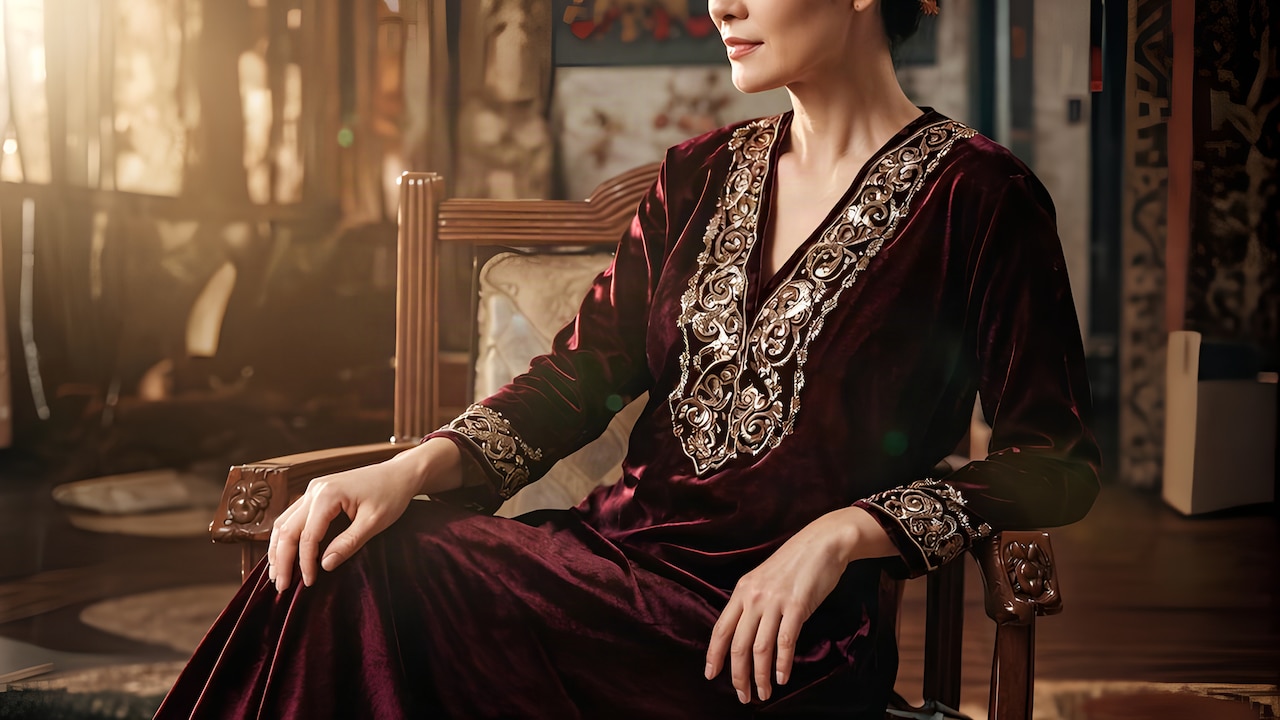
Deep colours usually carry printed rayon better than very pale shades. Navy, bottle green, maroon, rust, wine, charcoal and indigo often stay graceful even after repeated washing. These tones do not scream for attention, yet they hold the print firmly. When a darker base fades slightly, it can still look rich, almost like a softened handloom shade.
Very light colours need extra caution. Baby pink, pale lemon, powder blue and off-white can look charming at first, but weak printing may turn them dull quickly. The design can start looking washed out, especially around the neckline, underarms and hem. A kurta worn during a long metro ride or a busy bazaar walk needs colour that can handle real life.
Look for warmth in the shade. A turmeric yellow with depth looks better over time than a flat neon yellow. A brick red ages better than a plastic-looking bright red. Colours with earthy character forgive small signs of wear and keep the kurta looking loved, not worn out.
2. Pick Prints With Clear Contrast
A print needs contrast to stay visible. When the background and design sit too close in colour, fading makes the kurta look plain and tired. A beige floral print on a cream base may look soft in the shop, but after washing, the flowers can disappear like a spoon in a crowded kitchen drawer.
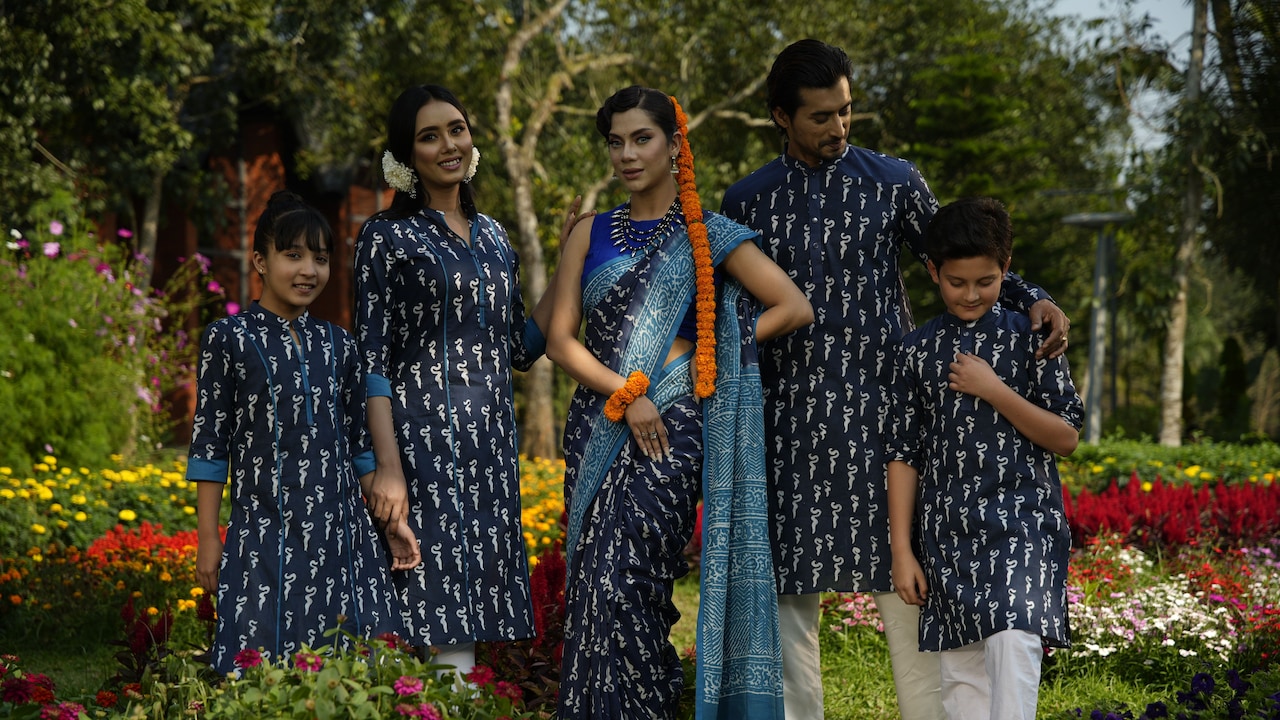
Clear contrast does not mean loud contrast. A navy kurta with white block-style motifs, a rust kurta with black vines, or a teal kurta with mustard detailing can look balanced and fresh. The eye should notice the pattern without struggling. If the design already looks faint before purchase, it will rarely improve after wash day.
Hold the kurta in natural light whenever possible. Shop lighting can flatter weak prints. Daylight tells the truth with no drama. If the pattern looks sharp from a few steps away, it has a better chance of staying attractive. A good print should not need close inspection like a maths answer sheet.
3. Prefer Medium-Sized Motifs Over Tiny Faded Details
Tiny motifs can look pretty, but they often lose charm when the colour fades. Small flowers, dots and delicate vines may blur into the fabric after a few washes, especially on soft rayon. Once that happens, the kurta can look older than it is.
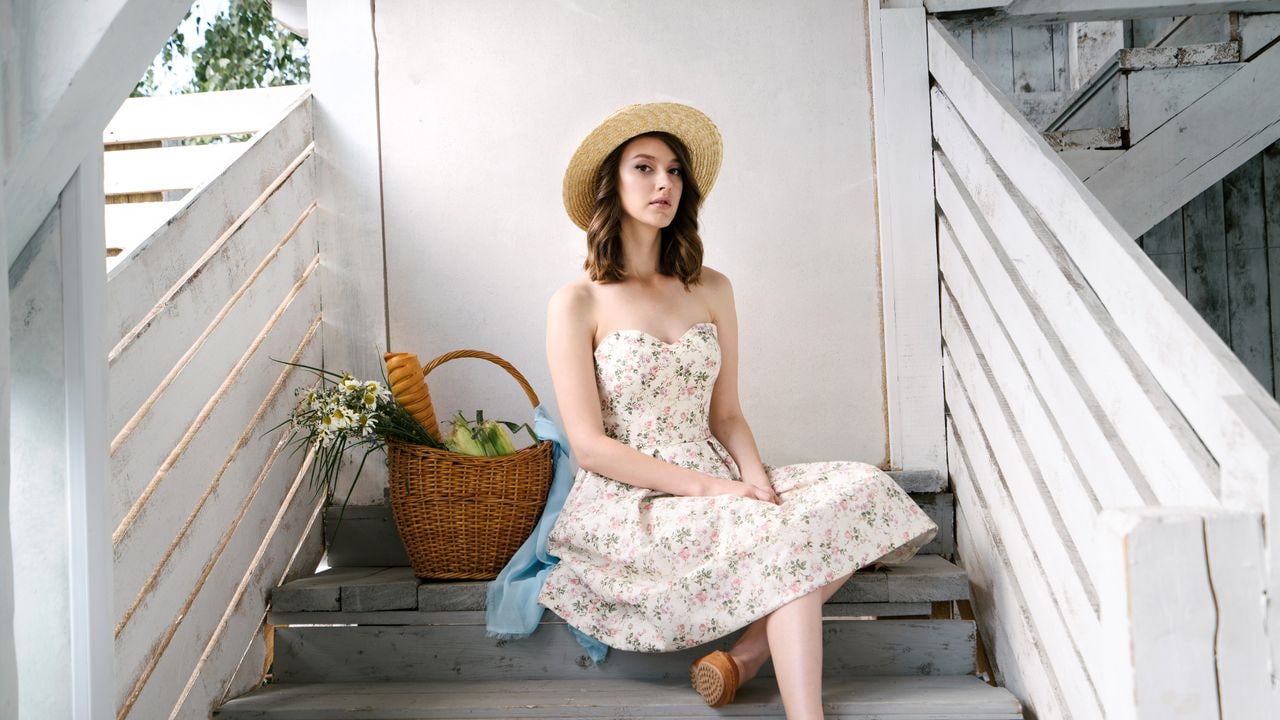
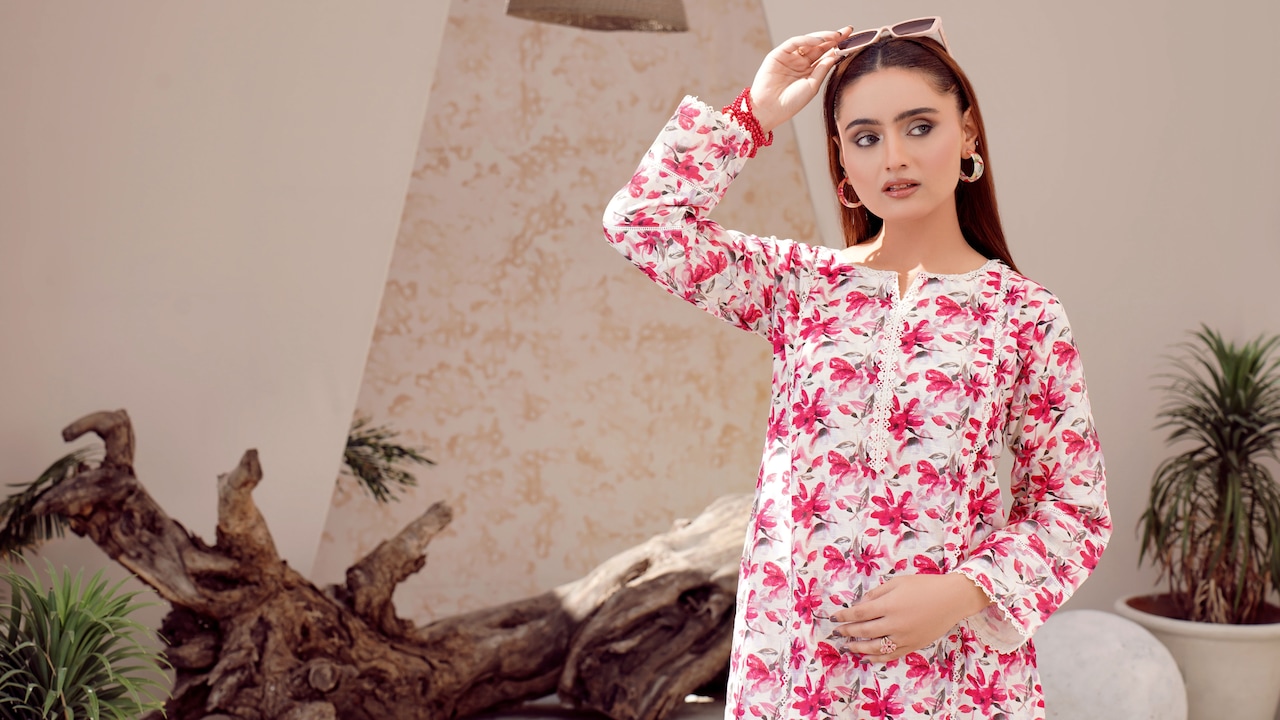
Medium-sized motifs usually perform better. They offer enough visual weight to remain noticeable even when the colour softens. Paisleys, leafy butis, abstract blooms, ajrakh-inspired shapes and neat geometric forms work well in this size. They keep the kurta lively without making it look too busy.
Huge motifs need careful judgement. Oversized flowers or large digital prints can look dramatic, but fading becomes obvious on big open areas. A large rose with patchy colour can ruin the entire front panel. Medium prints strike the safest balance for daily wear. They feel stylish, photograph well at family lunches, and still look presentable after many washes. In short, they age with manners.
Also Read: Summer Style Steals At Just ₹299: Myntra's Kurta Edit You Just Cannot Ignore
4. Look For Traditional Patterns That Age Gracefully
Some patterns have survived trends because they know how to behave over time. Paisley, kalamkari-inspired florals, leheriya-style waves, bandhani-style dots, block-print motifs and jaal patterns often look beautiful even after gentle fading. Their charm does not depend on harsh brightness. In fact, a slightly softened traditional print can look more tasteful.
These patterns also suit many settings. A printed rayon kurta with a neat paisley design can work for office wear, college days, temple visits, casual dinners and festive mornings. Add oxidised earrings or simple bangles, and the outfit looks complete without trying too hard.
Trendy prints can feel exciting, but some age badly. Cartoonish motifs, random slogans, harsh neon graphics and overly glossy digital designs may look dated quickly. A kurta should not feel like last season's forgotten WhatsApp sticker. Traditional-inspired patterns carry a cultural warmth and a familiar elegance. They make the fabric look intentional, even when the print softens with time.
5. Avoid Muddy Colour Combinations
A faded kurta often starts its downfall with a poor colour combination. Some shades simply do not sit well together. Brown with dull purple, grey with weak peach, pale green with dusty yellow, or black with faded orange can turn muddy after washing. The print loses its shape, and the whole kurta begins to look tired.
Fresh combinations keep the design alive. Indigo with white, maroon with beige, teal with cream, mustard with deep green, black with rust, and wine with soft gold usually look more polished. These pairings create enough separation between the base and the pattern.
Before buying, look at the kurta from a distance. If the colours merge into one dull patch, skip it. The print should have rhythm. It should guide the eye across the fabric, not confuse it. A good colour pairing feels like well-made chaat: tangy, balanced and memorable. Nothing should overpower everything else, and nothing should vanish.
Printed Rayon Kurtas: How To Choose Patterns That Do Not Look Faded
Photo Credit: Pexels
6. Check Print Placement Around Neckline And Sleeves
A kurta can have a lovely print, but poor placement can make it look faded before its time. The neckline, sleeves and front panel draw the most attention. If the pattern looks weak around these areas, the entire garment appears dull. A strong border, balanced yoke print or clear sleeve motif can keep the kurta looking fresh.
Check whether the print lines up properly. Uneven motifs near the centre can make the kurta look cheap, even if the fabric feels good. On rayon, the soft drape can exaggerate awkward placement. A floral bunch sitting strangely near one shoulder or a border ending halfway down the sleeve can disturb the whole look.
Sleeves deserve special attention. They rub against bags, desks and kitchen counters, so faded prints show quickly there. Choose kurtas where sleeve patterns look bold enough to handle wear. A well-placed print works like good eyeliner: small detail, big difference.
7. Choose All-Over Prints For Everyday Wear
All-over prints hide fading better than designs concentrated in one area. When the pattern spreads evenly across the kurta, the eye sees the full composition rather than one tired patch. This makes all-over prints practical for daily use, especially for work, errands and travel.
A kurta with one large front print may look attractive at first, but any fading on that central design becomes obvious. The same problem appears with prints only near the hem. Once the lower section dulls, the kurta looks uneven. All-over butis, leafy trails, small geometrics and soft jaal designs distribute attention more kindly.
This does not mean the kurta must look crowded. A breathable all-over pattern with enough space between motifs looks elegant and easy. It pairs well with leggings, palazzos, jeans or straight trousers. On busy mornings, such kurtas save time because they already carry enough detail. No heavy styling rescue mission needed.
8. Be Careful With Very Bright Digital Prints
Digital prints can look stunning, especially on rayon. They offer sharp flowers, dramatic abstracts and rich colour blends. Yet some very bright digital prints lose freshness fast when the dye quality falls short. Neon pink, electric blue, fluorescent green and glossy orange may fade unevenly and leave the kurta looking patchy.
A safer digital print has depth rather than glare. Look for layered shades, balanced borders and clean outlines. Watercolour-style florals, muted abstracts and heritage-inspired digital motifs often age better than loud poster-like designs. The print should look woven into the fabric, not pasted on top of it.
Rub a small hidden area gently with a white handkerchief when shopping, where allowed. If colour transfers immediately, think twice. Also check the reverse side of the fabric. While the back need not look as bright as the front, a completely surface-level print may fade faster. Brightness should feel confident, not desperate.
9. Match The Pattern To Your Lifestyle
A kurta that suits the wearer's routine will always look better for longer. Someone who travels by bus, handles long office hours, or spends time in crowded markets needs patterns that hide creases, dust and light fading. Busy but balanced prints work beautifully here. They keep the outfit neat even after a full day.
For office wear, choose geometric patterns, fine jaal designs, subtle florals or vertical motifs. These look sharp without feeling loud. For casual days, playful florals, leafy prints and earthy block-style patterns add warmth. For small celebrations, richer shades with borders or elegant paisleys can bring festive energy without demanding a heavy dupatta.
Lifestyle also affects washing frequency. A kurta worn weekly needs stronger colours and practical prints. A special-occasion piece can handle softer shades because it sees less soap and sun. Buying with real life in mind prevents regret. Clothes should support the day, not behave like delicate guests at a wedding buffet.
10. Inspect Fabric Thickness And Print Finish
Rayon comes in different qualities. Thin rayon may feel airy, but it can make prints look weak after washing. Slightly heavier rayon usually holds colour and drape better. It also prevents the kurta from clinging awkwardly in humid weather, which everyone silently appreciates.
Touch the fabric and stretch it gently between your fingers. The print should not crack, blur or look powdery on the surface. A good finish feels smooth and settled. The design should not appear as though it might vanish after one bucket wash. If the kurta costs ₹499 and looks suspiciously shiny, check it carefully. A bargain stops being a bargain when it retires after two wears.
Also check the seams and folds. Fading often starts where fabric bends. If the print already looks pale along folded areas in the shop, leave it behind. A little patience while choosing saves money, wardrobe space and that familiar post-laundry heartbreak.
Care For Prints So They Stay Fresh
Even the best pattern needs sensible care. Wash printed rayon kurtas inside out with mild detergent. Avoid harsh scrubbing, strong bleach and long soaking. These habits drain colour faster than summer drains a cold nimbu paani glass. Cold water works better for maintaining prints, especially deep shades.
Dry the kurta in shade rather than direct afternoon sun. Strong sunlight can make colours fade unevenly. Hang it neatly, but avoid stretching the shoulders. Rayon can lose shape when handled roughly. Iron on the reverse side at a moderate temperature, especially over printed areas.
Separate dark and light garments during washing. One careless mix can turn a cream kurta into something nobody ordered. Gentle care does not take much effort, but it extends the life of the print. When treated well, a printed rayon kurta keeps its colour, drape and cheerful personality for many more wears.
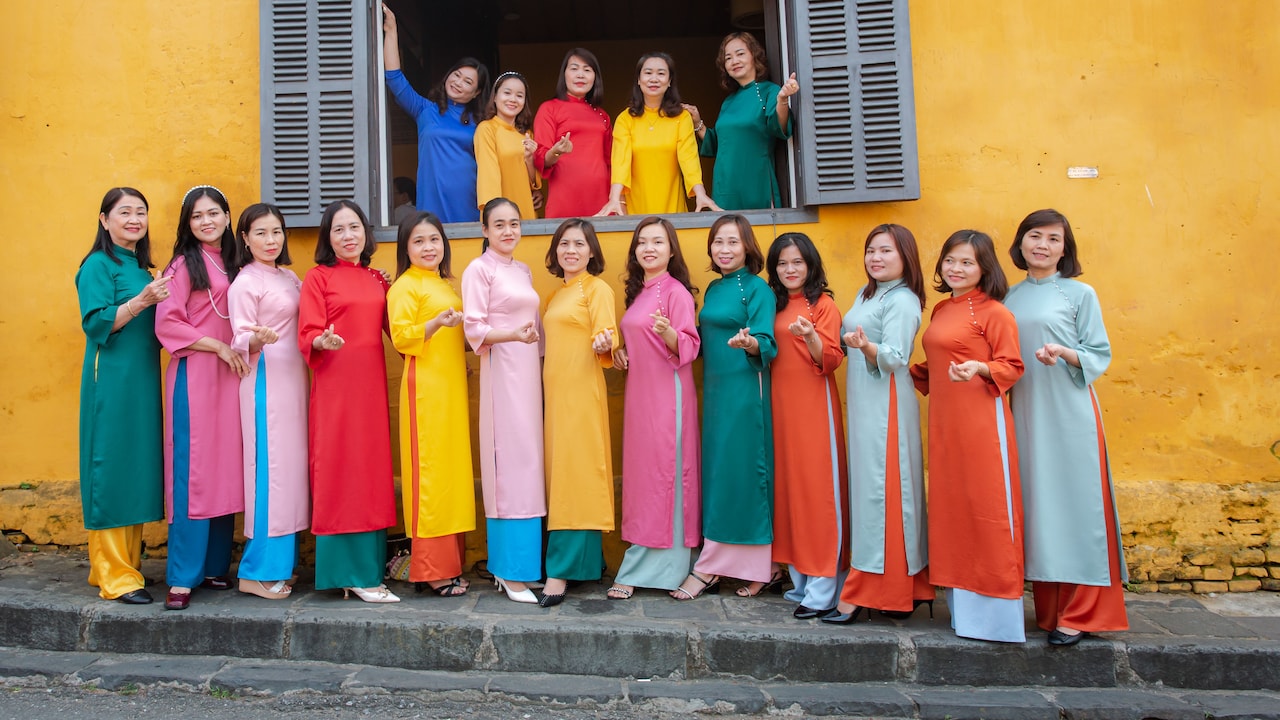
Printed Rayon Kurtas: How To Choose Patterns That Do Not Look Faded
Photo Credit: Pexels
Products Related To This Article
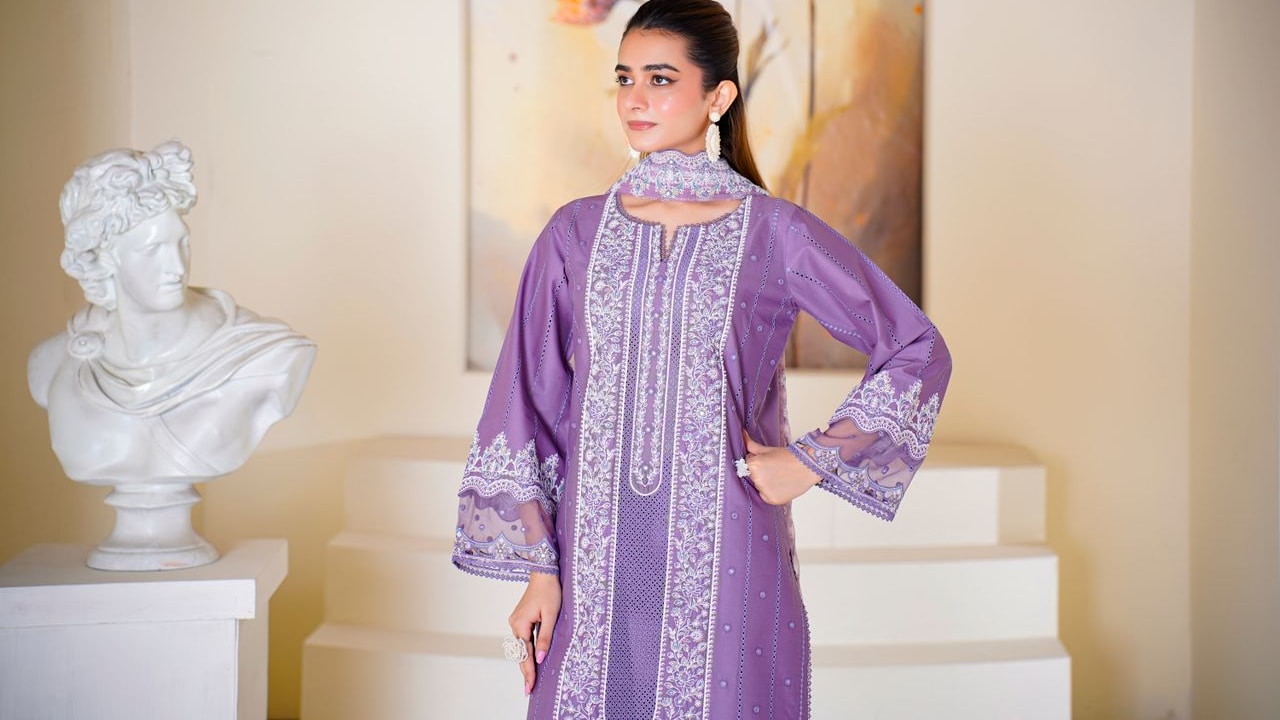
1. KALINI Floral Embroidered Notch Neck Chikankari Straight Kurta
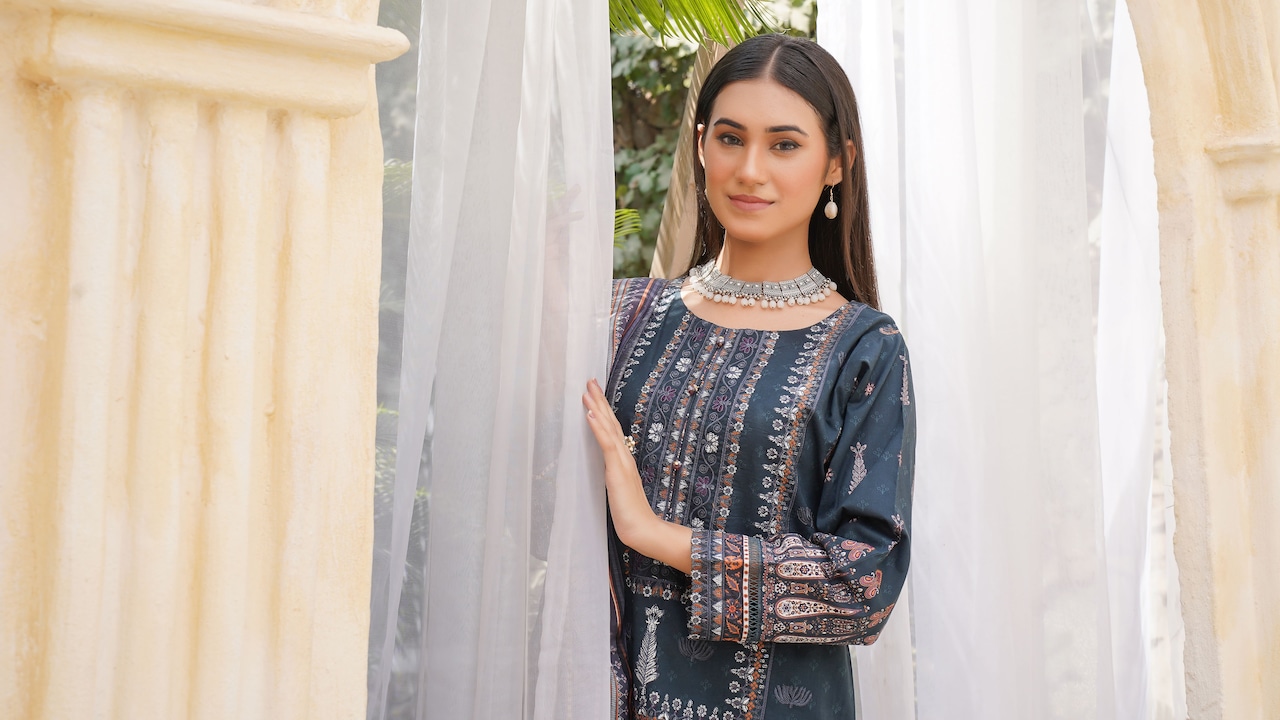
2. Chaukas Women Ethnic Motifs Printed Indie Prints Kurta
3. DSS FASHION Women Floral Printed Anarkali Kurta
4. Libas Women Floral Printed Sequins Straight Kurta
5. Tabeedah Women Kurta
6. RATAN Women Rayon Chikankari Embroidered Kurta
7. Bhuja Ethnic Motifs Printed Round Neck Thread Work Straight Kurta
Choosing printed rayon kurtas that do not look faded begins with a sharper eye. Rich colours, clear contrast, medium motifs, traditional patterns and thoughtful placement can make a huge difference. A good print should look lively in daylight, balanced from a distance and strong enough for real routines.
Fashion does not need to feel complicated. The best kurta often becomes the one that survives office chairs, auto rides, family lunches and hurried washes and still receives compliments. Look beyond the first sparkle of shop lighting. Study the colour, pattern and finish with care. When the print has depth and the fabric feels dependable, the kurta earns its place in the wardrobe.
A fresh-looking rayon kurta brings easy joy. It feels light, looks graceful and saves the day when there is “nothing to wear”. Choose wisely, wash gently, and let every print tell a brighter story for longer.
(Disclaimer: This article may include references to or features of products and services made available through affiliate marketing campaigns. NDTV Convergence Limited (“NDTV”) strives to maintain editorial independence while participating in such campaigns. NDTV does not assume responsibility for the performance or claims of any featured products or services.)