Crossbody Vs Shoulder Sling: Which Style Is Safer For Crowded Markets?
Choosing between a crossbody bag and a shoulder sling for crowded markets? Here’s which style offers better safety, comfort, and control while shopping in busy lanes, bazaars, and public transport.

How to choose between crossbody and sling bags for market
A crowded market can test even the calmest shopper. One minute, the plan involves buying tomatoes, bangles, a kurta, and maybe a plate of chaat. The next minute, a crowd gathers around a discount stall, someone brushes past, and both hands suddenly search for the bag. That tiny moment says a lot. A bag does not merely hold money, phone, keys, tissues, and emergency saunf. It also holds peace of mind. Crossbody bags and shoulder slings both promise convenience, style, and quick access. Yet safety in a busy market depends on how the bag sits, how easily someone can pull it, and how well the wearer can control it while walking through a crowd. For shoppers who visit Sarojini-style lanes, local vegetable mandis, festive melas, or railway-station-side markets, the choice becomes practical rather than fashionable.
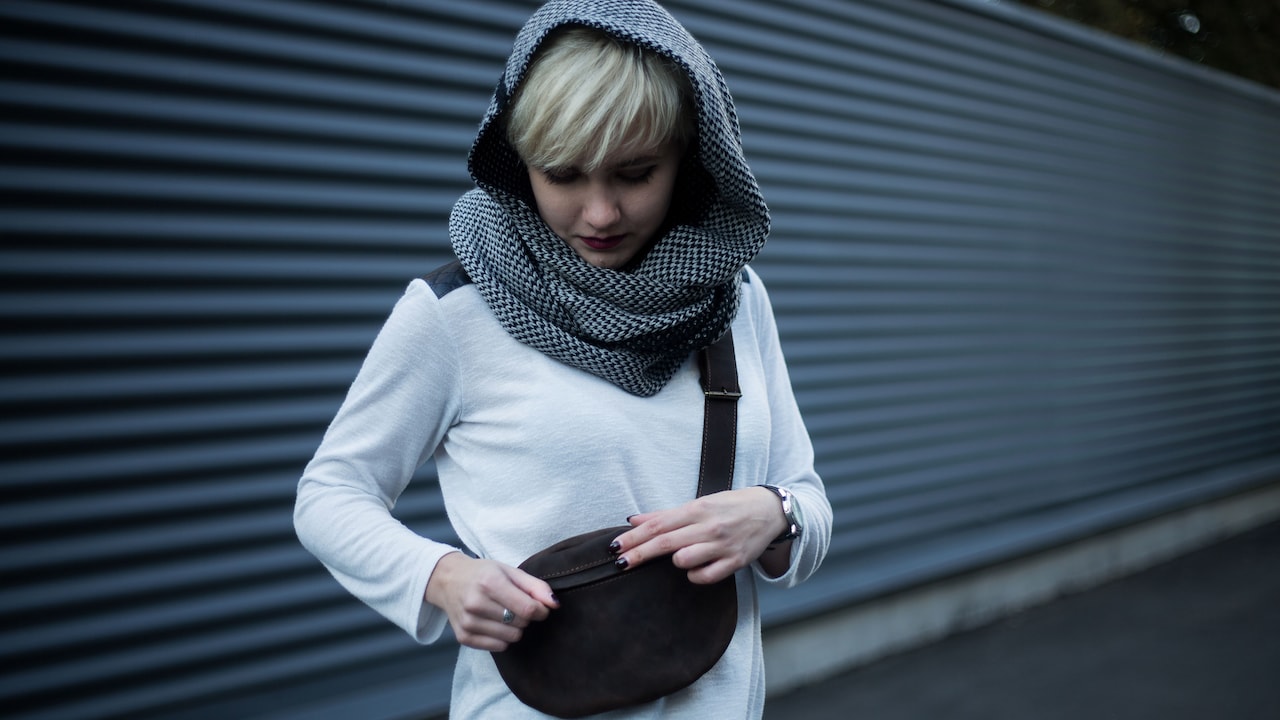
Crossbody vs sling bags which is better for markets; Photo Credit: Pexels
So, which style keeps belongings safer when elbows, dupattas, tote bags, and shopping packets all compete for space? The answer depends on design, habit, and the kind of crowd. Still, one style clearly offers better control in most market situations.
Also Read: Top 5 Waterproof Tote Bags For Daily Monsoon Use
Key Differences Between Crossbody Bags And Shoulder Slings
The Way The Bag Sits On The Body
A crossbody bag runs across the torso, with the strap on one shoulder and the bag resting near the opposite hip, waist, or front. This diagonal hold spreads weight and keeps the bag close to the body. In a crowded market, that closeness matters. The wearer can pull the bag towards the front and keep one hand over the zip while moving through a busy lane.
A shoulder sling usually hangs from one shoulder. It may look neat and stylish, especially with ethnic wear or office clothing, but it depends too much on grip and balance. The strap can slip when someone adjusts shopping packets or turns quickly. A sudden push in a market queue can shift it backwards, where visibility drops.
The crossbody style wins this round because it creates a natural anchor. The bag does not simply hang; it wraps. That makes snatching harder and gives the wearer better control without constant effort.
Snatch Risk In Busy Lanes
Bag snatching often relies on speed, surprise, and loose straps. A shoulder sling can become an easy target when it hangs loosely on the outer side of the body. A quick tug may pull it off the shoulder before the wearer understands what happened. Crowded lanes can hide such movement because everyone already bumps into everyone else.
A crossbody bag creates more resistance. Since the strap crosses the chest, a snatcher cannot simply pull it away in one clean motion. The wearer feels the tug immediately because the whole body senses the pull. This does not make the bag impossible to steal, but it makes the attempt more difficult and noticeable.
The safest way to wear a crossbody bag in a packed market is across the front, not swinging at the back. A sturdy strap, short length, and zip facing inward add more protection. A shoulder sling can work in calmer places, but in narrow bazaar lanes, it asks for more alertness.
Pickpocketing And Zip Access
Pickpocketing thrives on distraction. A shopper checks mango prices, argues over ₹20, reaches for a phone, and forgets the bag zip for a few seconds. That tiny window can invite trouble. Here, bag placement matters more than brand, colour, or price.
A crossbody bag worn in front keeps zips within sight. The wearer can rest a palm over the main compartment while walking. This small habit discourages wandering fingers. Many crossbody designs also have multiple zip pockets, inner compartments, and flap covers, which create extra layers between a thief and the wallet.
A shoulder sling often sits at the side, and sometimes drifts behind the arm. The zip may face outward without the wearer noticing. In crowded markets, side access can become risky because the person behind or beside gets a better angle than the owner. A shoulder sling with a flap and secure zip can reduce this risk, but the wearer must keep checking it.
For zip safety, the crossbody style feels more dependable and less fussy.
Comfort During Long Market Rounds
Safety means little if the bag becomes painful after half an hour. A market visit rarely ends quickly. There will always be “just one more shop”, one more bargain, one more snack, and one cousin who wants matching earrings. A bag that strains the shoulder can distract the wearer, and distraction weakens safety.
A shoulder sling places most weight on one shoulder. When loaded with a wallet, phone, power bank, water bottle, and coins, it can dig into the same spot. The wearer may keep shifting it from one shoulder to the other. That movement increases the chance of forgetting to secure the zip or letting the bag swing behind.
A crossbody bag spreads weight across the torso. The strap still sits on one shoulder, but the diagonal line creates better balance. It allows hands to stay free for shopping bags, children, umbrellas, or a plate of momos. Less discomfort means fewer adjustments, and fewer adjustments mean better control.
For long walks through markets, crossbody bags offer stronger comfort and steadier safety.
Control While Bargaining And Paying
Payment moments are risky because they demand attention. The shopper opens the bag, takes out cash, scans a QR code, counts change, checks the bill, and responds to the vendor's “Madam, last price”. In that lively chaos, the bag often stays open longer than planned.
A crossbody bag worn in front turns payment into a controlled action. The wearer can unzip, take out the wallet or phone, and close the bag without changing posture much. The bag stays pressed against the body, so the open compartment does not invite easy access from the side. Even while paying ₹150 for jhumkas or ₹80 for a scarf, the shopper can keep the bag within direct view.
A shoulder sling may slide down the arm during payment. Many people tuck it under the elbow, which feels secure but becomes awkward when both hands handle cash or a phone. If the bag slips towards the back, the open zip creates an avoidable risk.
For bargaining, quick payment, and constant small transactions, the crossbody bag gives better control.

Crossbody bags can offer more convenience than sling bags during bargaining and paying; Photo Credit: Pexels
Safety In Public Transport Near Markets
Many market trips include an auto ride, metro journey, shared cab, bus, or rickshaw stop. These spaces can get as crowded as the market itself. A bag that works well while walking must also behave well while standing in a queue, climbing steps, or squeezing into public transport.
A crossbody bag sits securely during sudden movement. While entering a metro coach or stepping out of a bus, the wearer can hold it close without removing it. The strap does not slip easily, and the bag can move to the front when the crowd thickens. This helps during peak hours around big shopping hubs and station markets.
A shoulder sling may need constant attention on transport. It can slide when the wearer holds a pole, carries packets, or moves through a narrow exit. If the strap rests loosely, someone can tug it in a rush. It also becomes uncomfortable when seated in tight spaces, especially if the bag remains on the outer side.
For market days that involve travel, crossbody bags handle movement with more confidence.
Style Versus Security
Fashion matters. Nobody wants a bag that looks like it came free with a pressure cooker. Shoulder slings often score high on style. They pair nicely with sarees, kurtas, shirts, and casual dresses. A slim shoulder sling can look elegant at a family outing, café visit, or calm shopping street.
Crossbody bags once had a purely practical image, but that has changed. Today, shoppers can find compact leather-look pieces, embroidered styles, canvas designs, and festive options that suit both daily wear and occasion dressing. The trick lies in choosing a structured shape rather than an oversized pouch that bounces around.
Security should not kill style; it should quietly support it. A crossbody bag in a neutral shade can match most outfits and still sit safely in front. For festive markets, a smaller crossbody with a strong zip and adjustable strap works better than a decorative shoulder sling with a weak chain.
When crowds grow thick, style should take a sensible back seat, though not a dull one.
Best Features To Look For
A safe bag depends on design details. For a crossbody bag, an adjustable strap helps the wearer keep it high and close to the body. A bag that hangs too low swings more and gives strangers easier access. A broad strap feels more comfortable and harder to cut or pull than a thin chain-style strap.
Zips matter more than magnets. A flap adds a useful layer, but it should not replace a proper zip. Inner pockets help divide cash, cards, keys, and phone, so the shopper does not expose everything while paying. A back pocket that rests against the body works well for cards or emergency cash.
For a shoulder sling, a non-slip strap and secure closure become essential. The bag should sit under the arm, not dangle loosely near the hip. Chain straps may look pretty, but they can dig into the shoulder and encourage frequent adjustments.
Whether the bag costs ₹500 from a local stall or ₹3,000 from a mall brand, these features decide safety more than the label.
When A Shoulder Sling Still Makes Sense
A shoulder sling does not deserve complete rejection. It works well for short outings, quieter shops, and places where the crowd stays manageable. It also suits people who need quick access to items and dislike straps across the chest. For a relaxed visit to a boutique, bookshop, or neighbourhood store, a shoulder sling can feel light and stylish.
The key lies in wearing it smartly. The bag should stay on the inner side, away from traffic or the outer edge of a crowd. The strap should sit firmly on the shoulder, and the hand should rest over the opening while walking. A zipped shoulder sling with a short strap works better than a large open tote-style sling.
It also helps to carry only essentials. A packed shoulder bag becomes heavy, slides more, and attracts more handling. Market safety improves when the bag stays small, closed, and close.
So yes, a shoulder sling has its place. It simply needs a calmer setting and a more watchful owner.
Smart Habits Matter More Than The Bag
Even the safest bag cannot help careless habits. A crossbody bag worn at the back in a dense market loses much of its advantage. A shoulder sling held firmly in front may beat a badly worn crossbody. Safety comes from the partnership between design and behaviour.
Keep the phone inside after use instead of holding it loosely near the edge of the crowd. Split cash into two places, especially during festive shopping. Avoid opening the full wallet for every small payment. Use smaller notes for quick purchases, so the main wallet stays hidden. Close the zip immediately after paying, even when the vendor starts packing the item.
Crowded markets reward alert but relaxed shoppers. There is no need to move around like a detective in a crime serial. A little awareness does the job. Keep the bag in front, stay mindful during pushes, and avoid leaving compartments half-open while checking fabrics, fruits, or footwear.
The bag helps, but habits seal the deal.
The Final Verdict
In the contest between crossbody and shoulder sling, the crossbody bag comes out safer for crowded markets. Its diagonal strap gives better grip, its front placement improves visibility, and its close fit reduces snatch risk. It also keeps the hands free, which matters when one hand holds a shopping packet and the other guards pani puri from collapsing.
A shoulder sling still has charm. It looks graceful, feels familiar, and suits quieter outings. Yet in packed lanes, festival rush, public transport queues, and bargain-heavy shopping trips, it demands more attention. That extra attention can become tiring.
The safest choice is a compact crossbody bag with a strong zip, adjustable strap, and inner pockets. Wear it in front, keep it close, and avoid overloading it. Markets should feel colourful, noisy, and full of small joys, not like a constant security drill. With the right bag and a few sensible habits, shoppers can focus on better things, such as finding the perfect dupatta, winning a bargain, and deciding whether one plate of chaat will ever be enough.
Products Related To This Article
1. PROGONE ENTERPRISE Men Solid Crossbody Compact Travel Backpack
2. Anekaant Unisex Solid Structured Sling Bag
3. StyleCast Men Crossbody Crossbody
4. CORSICA PU Structured Sling Bag
5. CORSICA Women Backpack
6. Lino Perros Textured Structured Sling Bag
7. Carry Trip Men Small Crossbody Backpack- Water Resistant - Compact Everyday 8 L
A crowded market has no pause button. People move fast, vendors call louder, and every lane carries its own surprise. In that setting, a crossbody bag gives shoppers the safest balance of comfort, control, and quick access. It stays closer to the body, resists sudden pulls better, and allows the wearer to keep belongings in sight.
A shoulder sling can still serve well in quieter places, but it needs constant care in a packed bazaar. For busy shopping days, festive rush, or public transport near markets, the crossbody style makes more sense. Choose a sturdy one, wear it properly, and let the market remain what it should be: a lively place for colour, flavour, bargains, and stories worth bringing home.
(Disclaimer: This article may include references to or features of products and services made available through affiliate marketing campaigns. NDTV Convergence Limited (“NDTV”) strives to maintain editorial independence while participating in such campaigns. NDTV does not assume responsibility for the performance or claims of any featured products or services.)