How To Choose Blouse Colours For Multi-Tone Dyed Sarees
Choosing a blouse for a multi-tone dyed saree is all about balance. From matching the border to picking bold contrasts, the right shade can highlight every colour in the drape and make the whole look feel polished, festive and effortless.
How To Choose Blouse Colours For Multi-Tone Dyed Sarees
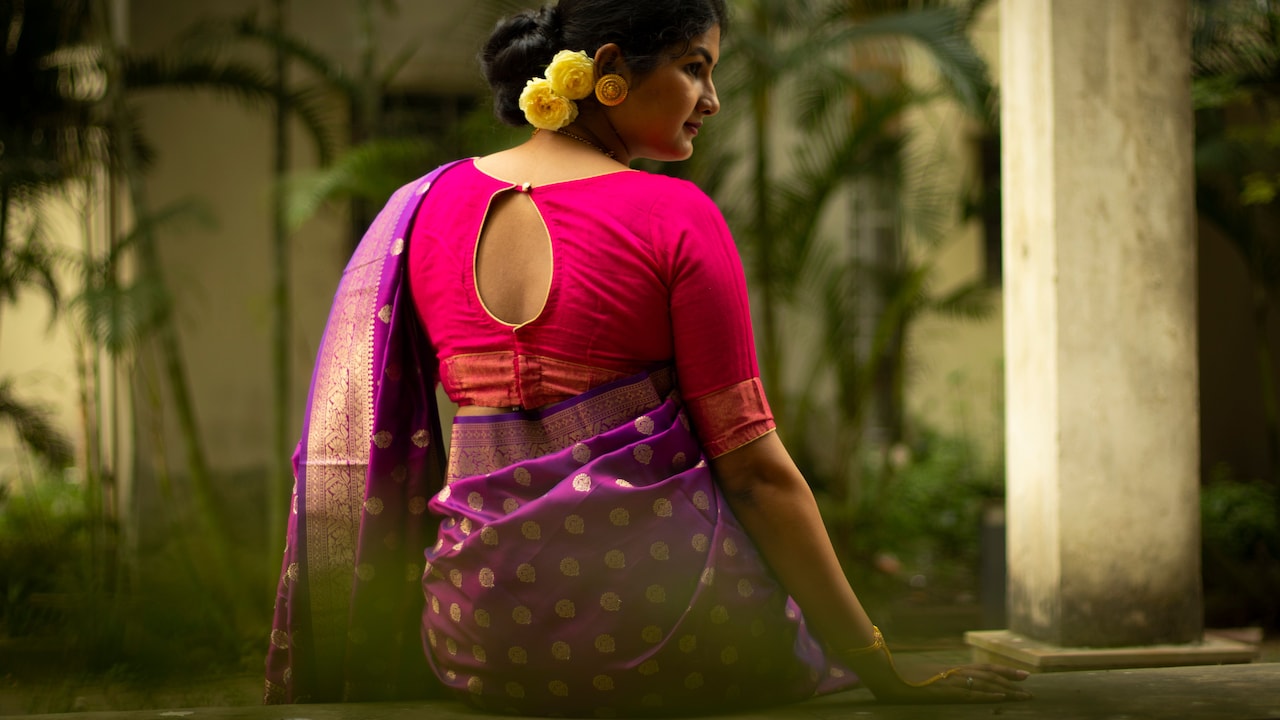
A multi-tone dyed saree rarely behaves like a quiet guest. It enters the room with personality. One corner may glow in rani pink, another may melt into turmeric yellow, while the pallu carries a splash of bottle green, wine, rust or sky blue. Bandhani, leheriya, ombré, shibori, tie-dye and hand-dyed sarees all have this playful charm. They remind people of wedding halls, haldi mornings, festive shopping lanes, family cupboards and that one auntie who always knows how to match colours without looking at a colour wheel. But choosing a blouse for such a saree can feel confusing. Should the blouse match the lightest shade, the darkest shade, the border, the pallu or the mood of the occasion? A safe blouse may look dull. A loud blouse may fight with the saree. A trendy contrast may look wonderful in the mirror but too much in photographs.
How To Choose Blouse Colours For Multi-Tone Dyed Sarees; Photo Credit: Pexels
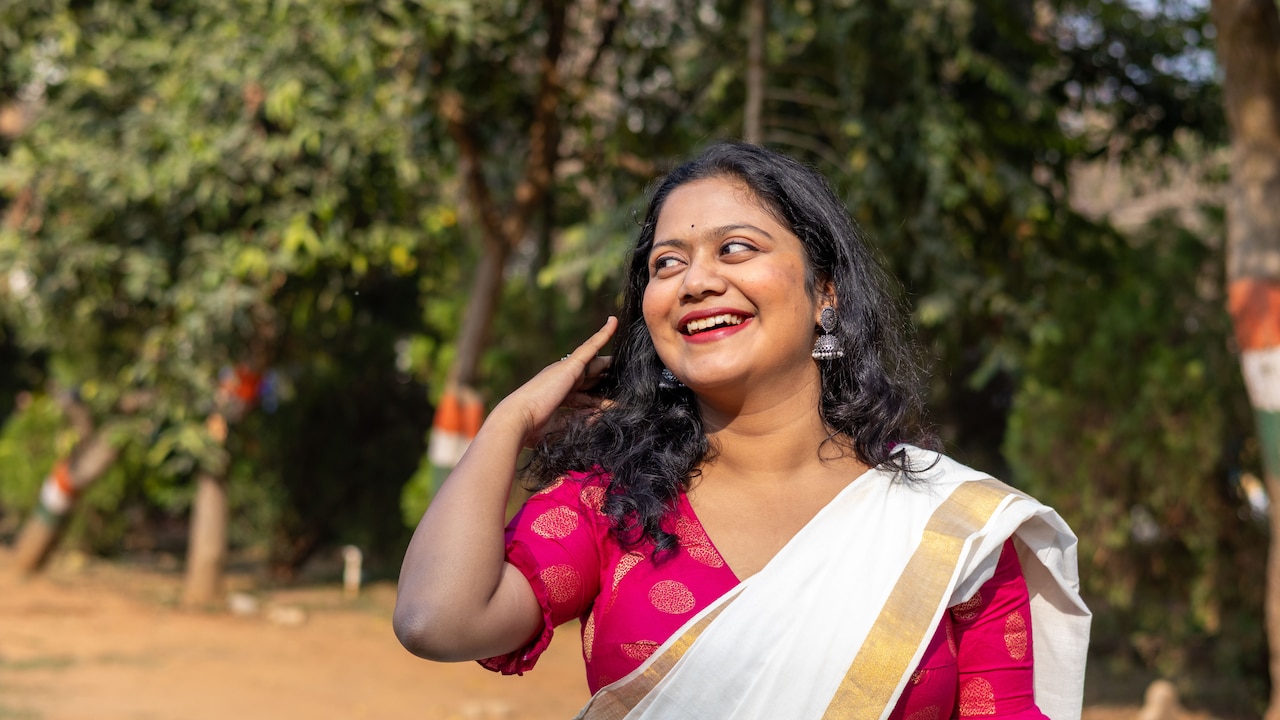
The secret lies in balance. A multi-tone saree already carries movement, so the blouse must either anchor it, lift it or quietly sharpen it. Once that becomes clear, blouse selection feels less like a puzzle and more like styling with instinct. These ten simple ideas can help anyone choose blouse colours that look elegant, fresh and wearable.
Best Blouse Colour Ideas For Multi-Tone Dyed Sarees
Pick One Dominant Saree Colour
The easiest way to choose a blouse for a multi-tone dyed saree is to notice which colour appears the most. This dominant colour often sets the saree's mood. In a leheriya saree with orange, pink and yellow waves, orange may cover most of the drape. In that case, an orange blouse can create a seamless, graceful look. It does not shout for attention, but it keeps the outfit connected.
This trick works especially well for daytime functions, family pujas and office festive days, where a neat, coordinated appearance feels right. A blouse in the dominant shade also helps when the saree has many busy patterns. It gives the eyes a place to rest.
The shade does not need to match exactly. In fact, a slight variation often looks richer. A mango saree can pair beautifully with a deeper marigold blouse. A lavender-blue dyed saree can look softer with a dusty lilac blouse. Exact matching can sometimes feel too stiff, like a school uniform. A close cousin shade brings warmth and ease.
Also Read: 10 Elegant Blouse Trends Women Are Falling In Love With This Season
Match The Border For A Polished Finish
The border often acts like the saree's frame. It controls the final impression, especially when the saree has many blended colours. When in doubt, choose a blouse that matches the border. This creates a polished look without too much effort.
For example, a multi-tone saree in peach, cream and mint may have a zari or deep green border. A blouse in that border shade instantly pulls the whole outfit together. The same works for sarees with black, navy, maroon or gold borders. These colours give structure to softer dyed fabrics and make the drape look finished.
This method suits weddings, receptions and festive dinners because it adds quiet formality. It also works well in photographs, as the blouse connects with the saree's edge and creates a clear outline.
A border-matched blouse can feel even more special with small details. Think piping, potli buttons, a contrast back tie or simple sleeve embroidery. The blouse stays elegant, but it does not look plain. Sometimes, the border already knows the answer before the wearer does.
Use The Darkest Shade To Create Balance
Multi-tone dyed sarees often carry light and bright shades together. A blouse in the darkest shade can anchor the entire look. This works beautifully when the saree has pastel, neon or sunset-like colours that need grounding.
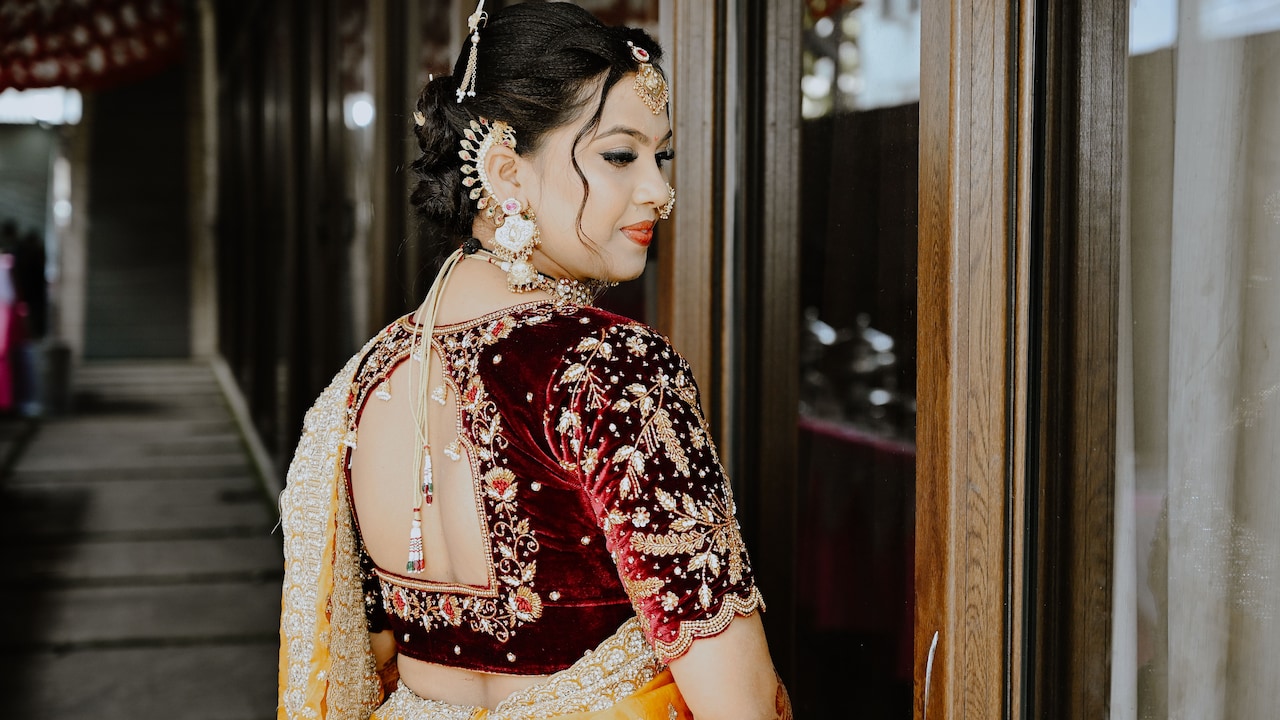
Imagine a saree dyed in blush pink, coral and pale yellow. A wine blouse gives depth and makes the colours look mature. A saree with turquoise, lime and white can pair well with a deep teal blouse. A lavender, grey and blue saree may look striking with navy. The darker blouse acts like kohl for the outfit. It defines everything.
This approach also flatters many body types because darker blouses create a neat upper silhouette. For those who prefer subtle glamour, dark shades offer richness without sparkle. They look festive with jhumkas, glass bangles or a delicate choker.
Darker blouses suit evening events especially well. They handle artificial lighting better than very pale colours and add a sense of occasion. When a saree feels too playful, the darkest shade gives it poise.
How To Choose Blouse Colours For Multi-Tone Dyed Sarees; Photo Credit: Pexels
Choose A Contrast That Shares The Same Mood
A contrast blouse can transform a multi-tone dyed saree, but contrast needs a little discipline. The best contrast shades share the saree's mood. A cheerful leheriya saree in pink and yellow can carry a parrot green blouse because all three shades feel festive and lively. A soft ombré saree in rose and beige may suit a muted sage blouse better than a sharp emerald one.
The trick is to ask whether the colours belong to the same conversation. Bright colours enjoy other bright colours. Earthy shades prefer rust, olive, mustard, brown and terracotta. Pastels usually like powder blue, blush, lilac, mint and ivory. Jewel tones look good with magenta, emerald, sapphire, wine and deep purple.
A contrast blouse brings freshness to older sarees too. A saree that has sat in the wardrobe for years can look new with one unexpected blouse. Many tailors can stitch a simple blouse for ₹800 to ₹2,500, depending on fabric and work. That small change can save a saree from retirement and make it wedding-ready again.
Let Metallics Do The Heavy Lifting
Gold, silver, copper and antique metallic blouses are lifesavers for multi-tone dyed sarees. They do not need to match every colour because they act like jewellery. A gold blouse suits warm sarees with red, orange, yellow, peach, mustard or rani pink. Silver flatters cool sarees with blue, grey, lavender, mint and icy pink. Copper works beautifully with earthy dyes such as rust, olive, brown, beige and burnt orange.
Metallic blouses make sense when the saree has too many colours and no single shade feels obvious. They also help during festive seasons, when one blouse needs to work with several sarees. A well-fitted gold tissue blouse or antique brocade blouse can serve many looks, from Navratri nights to Diwali dinners.
The key is to control shine. If the saree already has heavy zari, mirror work or sequins, choose a softer metallic fabric. If the saree has a matte hand-dyed finish, a shiny blouse can lift it. Metallics should support the saree, not arrive with their own band-baaja.
Try Neutrals For Effortless Elegance
Neutral blouses often get ignored because they sound boring. In reality, ivory, beige, taupe, charcoal, black and soft brown can make a multi-tone saree look chic and grown-up. A neutral blouse gives breathing space to colours that already dance across the drape.
An ivory blouse looks lovely with pastel tie-dye sarees and summer cottons. Beige works with peach, rust, olive and mustard. Black adds drama to bright bandhani, shibori and contemporary dyed sarees. Charcoal offers a softer alternative to black and pairs well with blues, greys and purples.
Neutral blouses also help when the occasion calls for restraint. A colourful saree at a work event, small lunch or temple visit can feel more grounded with a simple neutral blouse. Add small studs, a slim bangle stack and comfortable sandals, and the look feels complete.
Fabric choice matters here. A plain cotton blouse can look casual, while raw silk, linen silk or matka silk makes neutrals feel expensive. With neutrals, texture does the talking.
Borrow A Shade From The Pallu
The pallu usually gets the most attention. It falls over the shoulder, appears in photographs and frames the face. So, choosing a blouse from the pallu colours can create a thoughtful and flattering look.
This works especially well for ombré and dip-dyed sarees. If the body of the saree moves from pale pink to deep magenta, and the pallu ends in magenta, a magenta blouse gives the outfit a clear finish. If a shibori saree has a white body with indigo pallu details, an indigo blouse looks crisp and artistic.
The pallu shade also helps highlight the face. A colour near the shoulder reflects on the skin, so choose one that feels flattering. Warm complexions often glow in coral, mustard, rust and green. Cooler undertones may enjoy blue, plum, silver grey and rose. Of course, comfort matters more than rules. A colour that makes someone smile usually does half the styling work already.
This method suits sarees with dramatic pallus, as it honours the most visible part of the drape.
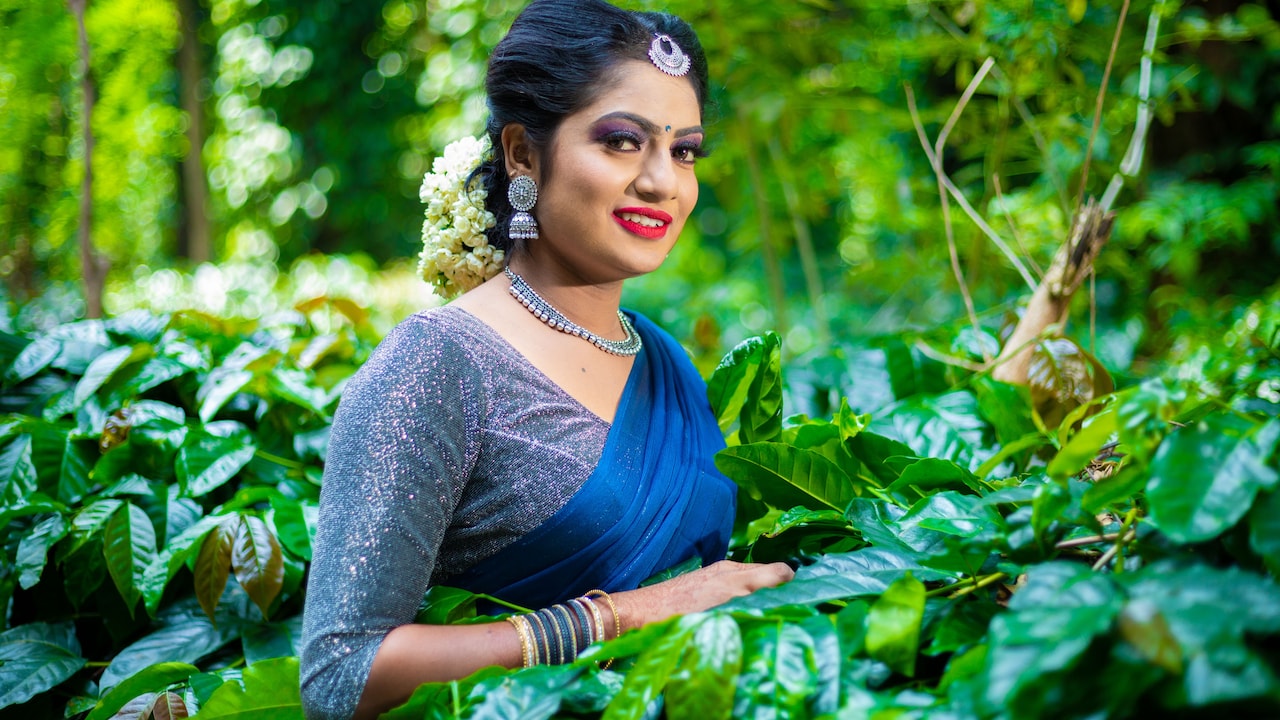
How To Choose Blouse Colours For Multi-Tone Dyed Sarees; Photo Credit: Pexels
Consider The Occasion Before The Colour
A blouse colour may look perfect, but the occasion decides whether it truly works. The same multi-tone saree can look festive, formal or casual depending on the blouse. For a haldi function, yellow, green, peach or orange blouses feel joyful. For a sangeet, jewel tones and metallics bring energy. For a reception, deeper shades such as wine, navy, emerald or black look elegant.
For daily wear or small family gatherings, softer shades feel more natural. A cotton leheriya saree with a beige blouse can look charming for lunch. The same saree with a mirror-work magenta blouse may feel ready for garba. Colour carries social signals, and sarees understand this better than most outfits.
Time of day matters too. Bright contrasts shine in daylight. Rich darks and metallics glow under evening lights. Pastels can look fresh at morning ceremonies but may wash out under harsh banquet hall lighting.
When the occasion guides the blouse, the saree feels appropriate rather than overdressed or underplayed. That is half the battle won.
Think About Skin Tone And Comfort
Colour advice means little if the wearer feels awkward in the blouse. Multi-tone sarees offer many shade options, so choose one that flatters both the fabric and the person wearing it. A blouse sits close to the face, neck and arms, so its colour affects the overall glow.
Some people feel radiant in warm shades like mustard, coral, tomato red, rust and mehendi green. Others prefer cool tones like teal, lavender, blue, plum and rose pink. Many look wonderful in both, depending on fabric and make-up. The mirror usually gives a quicker answer than any rulebook.
Comfort also includes personality. Someone who loves subtle looks may not enjoy a neon contrast blouse, even if fashion reels recommend it. Someone who loves drama may find beige too quiet. A blouse should not feel like borrowed confidence.
Try the blouse fabric near the face in natural light before stitching. Shop lights can lie shamelessly. Natural light reveals whether the shade flatters, dulls or overwhelms. Saree styling works best when beauty and ease walk together.
Use Prints, Embroidery And Texture Carefully
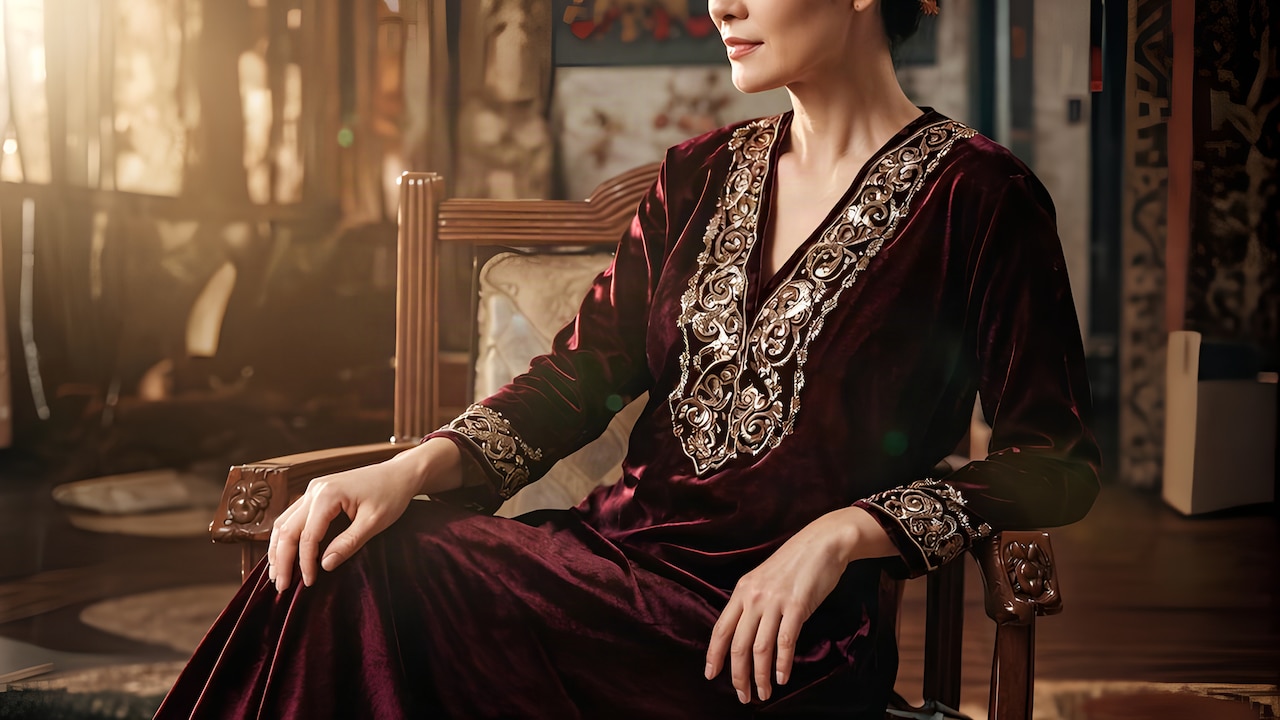
The blouse colour does not stand alone. Print, embroidery and texture can change its effect completely. A plain green blouse and a green brocade blouse tell two different stories. One feels simple, the other festive. A black cotton blouse can look minimal, while a black velvet blouse feels dramatic.
For multi-tone dyed sarees, avoid too many competing elements. If the saree has bold tie-dye, leheriya or bandhani patterns, a solid blouse usually looks cleaner. If the saree has soft ombré or gentle watercolour shades, a printed or embroidered blouse can add interest.
Small motifs work better than loud prints in most cases. Tiny butis, delicate threadwork, subtle mirror accents or tone-on-tone embroidery add charm without stealing the show. A textured blouse in raw silk, brocade, velvet, ikat, ajrakh or chanderi can also create depth.
The safest formula is simple: when the saree speaks loudly, let the blouse hum. When the saree whispers, allow the blouse to sing a little. That balance keeps the outfit stylish, not chaotic.
Products Related To This Article
1. HERE&NOW Cotton V-Neck Saree Blouse
2. Mlada Women V-Neck Slim Fit Short Sleeves Cotton Blouse
3. Soch Sleeveless Saree Blouse
4. Bindigasm's Advi Embellished Saree Blouse
5. WIZULO TRENDZ Cotton Blend Embroidered Saree Blouse
6. HERE&NOW Embroidered Round-Neck Saree Blouse
7. Anouk Women's Silk Blend Solid Saree Blouse
Choosing blouse colours for multi-tone dyed sarees does not require a fashion degree or a stressful afternoon with every blouse in the cupboard. It only needs a good look at the saree's dominant colour, border, pallu, darkest shade, and overall mood. From there, the answer usually appears.
A matching blouse creates grace. A border shade adds polish. A darker tone brings balance. A contrast colour adds sparkle. Metallics rescue confusion. Neutrals bring calm. Pallu-based shades feel thoughtful. Occasion-led choices keep the look sensible. Skin tone and comfort make it personal. Texture and embroidery add the final flourish.
The most beautiful saree looks are rarely perfect in a mathematical way. They carry instinct, memory, and a bit of playfulness. A multi-tone dyed saree already celebrates colour in motion. The blouse simply needs to join the celebration without trying to become the chief guest.
(Disclaimer: This article may include references to or features of products and services made available through affiliate marketing campaigns. NDTV Convergence Limited (“NDTV”) strives to maintain editorial independence while participating in such campaigns. NDTV does not assume responsibility for the performance or claims of any featured products or services.)