Why Some Light-Coloured Tops Show Water Patches And How To Avoid Them
Light-coloured tops often show water patches due to thin fabric, sweat, detergent residue or uneven drying. Know the common causes and simple ways to prevent visible marks.

Common reasons for prominent sweat patches in light coloured tops
There is a special kind of betrayal that happens when a favourite pale pink top suddenly develops dark water patches. One moment, it looks soft, fresh, and elegant. The next, a few drops near the sink, a little sweat near the underarm, or a splash from a steel tumbler makes it look as though the top has fought a small monsoon cloud and lost. Light-coloured clothing has always had a graceful charm. White cotton kurtas, beige linen shirts, lemon-yellow tops, powder-blue blouses, and pastel chikankari pieces suit the weather, match almost anything, and feel breezy during warm months. Yet these same clothes can reveal every little watermark with shocking honesty.

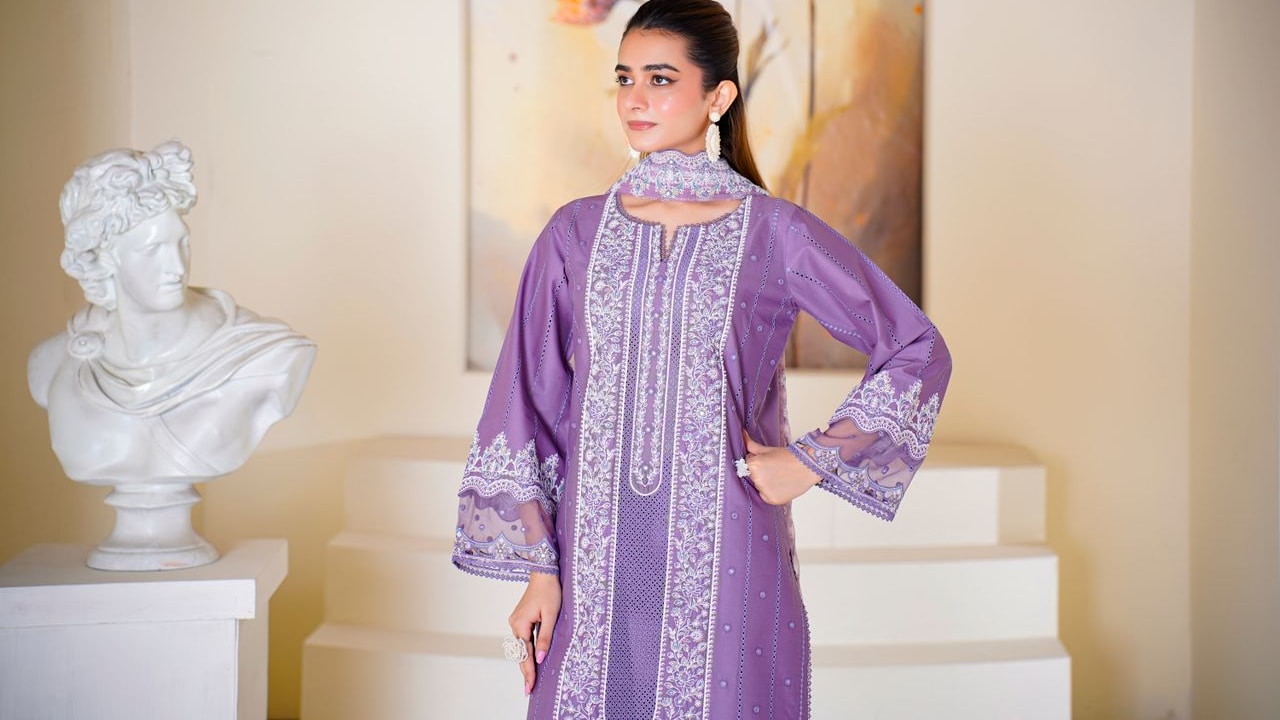
Why are sweat patches more common in light coloured tops; Photo Credit: Pexels
The good news is simple. Most water patches have logical causes and easy fixes. The fabric may absorb moisture unevenly. The detergent may leave behind a faint film. Hard water may create mineral marks. Sweat, body lotion, perfume, or starch may react with moisture. Sometimes the issue starts not while wearing the garment, but during washing, drying, or ironing.
Also Read: 6 Types Of Tops Every Woman Needs For Effortless Style
A few small habits can make light-coloured tops far easier to manage. The trick lies in choosing the right fabric, washing it well, drying it properly, and handling spills before they turn dramatic.
Reasons Light-Coloured Tops Show Water Patches And Ways To Prevent Them
1. Fabric Type Makes A Big Difference
Not all light-coloured tops behave the same way when they meet water. Cotton, linen, rayon, viscose, georgette, polyester, and blends absorb moisture in different ways. Cotton soaks up water quickly, so wet areas can look darker until they dry. Linen does the same, but its natural texture often makes patches appear more uneven. Rayon and viscose feel soft and flowy, yet they can cling and darken sharply when damp.
Synthetic fabrics such as polyester may resist water at first, but once moisture settles on the surface, it can create visible rings. Blended fabrics can act unpredictably because one fibre may absorb water faster than another. That uneven reaction creates those familiar cloudy patches.
This explains why a white cotton kurti may show a large dark spot after a tiny spill, while a cream polyester top may show a ring instead. Neither means poor quality every time. It simply means the fabric responds strongly to moisture.
Before buying a pale top, check the fabric label. For daily wear, cotton blends, textured weaves, and thicker fabrics usually hide water marks better than very thin, smooth materials.
2. Thin Materials Reveal Moisture Quickly
Light-coloured tops made from thin fabric can look elegant, but they often expose water patches within seconds. A fine white shirt, a pale rayon blouse, or a soft pastel T-shirt has very little thickness to disguise moisture. When water touches the surface, the damp area changes how light passes through the fabric. That patch looks darker, even if the water is clean.
This becomes more noticeable in fitted tops. The fabric sits close to the skin, so sweat marks appear faster. A loose cotton kurta may allow air to move around the body, but a tight beige top can show dampness near the underarms, back, or waist during a long commute.
Thin fabrics also dry unevenly. The edges of a wet patch may remain visible even after the centre dries. That is how a harmless splash becomes a faint ring that refuses to disappear quickly.
A simple solution is to choose slightly thicker tops for long days. Camisoles, slips, or breathable inner layers can also help. They absorb sweat before it reaches the outer fabric and reduce those awkward patches during crowded metro rides or humid afternoons.
3. Hard Water Can Leave Faint Marks
Many homes receive hard water, especially in areas where borewell supply forms part of daily use. Hard water contains minerals that can settle on fabric. When a light-coloured top dries after washing, these minerals may leave dull patches, pale rings, or chalky marks. On white and pastel clothes, even a tiny residue can look obvious.
This problem often appears after washing rather than during wear. A top may come out of the machine looking clean, but once dry, it shows odd patches near the seams, sleeves, or front panel. People often blame the detergent, but hard water may play a hidden role.
Minerals can also react with soap. If detergent does not dissolve properly, it sticks to the cloth and creates uneven areas. Later, when the fabric gets damp again, those spots darken faster than the rest.
Using the right amount of detergent helps. Too much soap does not mean cleaner clothes. It often means more residue. A gentle fabric conditioner or water softening solution can help in hard-water areas. For delicate tops, a final rinse in clean filtered water can make a visible difference.
4. Detergent Residue Creates Patchy Areas
A light top can look stained even when it has no actual stain. Detergent residue often causes this confusion. When washing powder or liquid does not rinse out fully, it leaves behind a thin layer on the fabric. This layer attracts moisture, dust, and sweat. Once the top gets damp, those areas turn patchy.
This happens more often when clothes get packed tightly into the washing machine. The garments cannot move freely, so soap stays trapped in folds. It also happens when people use extra detergent for “better cleaning”. Sadly, pale tops do not appreciate that generosity.
Residue usually appears near collars, underarms, hemlines, and sleeve folds. These areas collect both sweat and soap. After drying, the marks may look like cloudy water stains. During wear, they may darken again.
The fix is wonderfully simple. Use less detergent, not more. Choose a mild liquid detergent for delicate light-coloured tops because it dissolves more easily than powder. Run an extra rinse for expensive or favourite garments. When handwashing, rinse until the water runs clear. Your top will thank you with fewer mystery patches.
5. Sweat Mixes With Products On Skin
Water patches do not always come from water. Sweat often plays the lead role, especially in warm weather. When sweat mixes with deodorant, perfume, sunscreen, talcum powder, moisturiser, or body lotion, it can leave damp marks on light fabrics. These marks may start as simple wet patches and later turn yellowish or dull.
Underarms face the worst of it. A fresh cream top may look perfect at breakfast, but by afternoon, sweat and deodorant can create darker areas. The same can happen around the neckline when sunscreen or face cream transfers to the fabric.
The solution starts before getting dressed. Allow skincare products, sunscreen, and deodorant to dry fully. A few extra minutes can save the whole outfit. Avoid spraying perfume directly on light tops. Spray it on pulse points instead, and let it settle before wearing the garment.
For long days, breathable innerwear helps. Cotton camisoles or slips absorb moisture and protect the outer layer. During peak summer, carrying a small handkerchief feels old-fashioned, but it works beautifully. Sometimes nani-approved habits beat fancy hacks.

Light-coloured clothes can get mixed with body products and cause prominent sweat patches; Photo Credit: Pexels
6. Uneven Drying Leaves Rings Behind
A wet patch does not always dry smoothly. Sometimes the centre dries first, while minerals, detergent, sweat, or dirt move towards the outer edge. This creates a visible ring. That ring makes the top look stained even though the original splash contained only water.
This often happens when someone rubs a wet area aggressively. The rubbing spreads moisture unevenly and pushes residue into the fabric. Once dry, the patch develops a border. Smooth fabrics show these rings more clearly than textured ones.
Airflow also matters. If a top dries while folded, pressed against another garment, or hung in a damp corner, patches can form. Pale clothes need space to dry properly. A crowded balcony clothesline during monsoon season can turn even clean laundry into a patchy puzzle.
When a splash happens, blot it gently with a clean cloth or tissue. Do not rub. If the patch looks large, dampen the surrounding area slightly with clean water so the fabric dries more evenly. At home, hang the top in open air, away from harsh direct sun that may fade delicate colours.
7. Starch And Fabric Finish Can React To Water
Many crisp cotton kurtas, office shirts, and festive tops come with starch or finishing agents. These finishes make the garment look structured and polished. They also help fabric sit well on the body. However, water can disturb that smooth finish and create visible patches.
A starched white kurta may show a dark splash immediately. After drying, the area may look limp compared with the rest of the fabric. That contrast makes the patch stand out. Store-bought tops can also contain finishing chemicals that behave similarly during the first few washes.
This does not mean starch is bad. It gives cotton garments that lovely fresh look, especially for workwear and traditional outfits. The problem begins when starch sits unevenly on fabric. A heavy layer can crack, clump, or leave rings after contact with water.
Use light starch rather than a thick mixture. Make sure the garment dries evenly after starching. For daily wear, skip heavy starch on pale tops that may face sweat, travel, or spills. Save that extra-crisp finish for shorter events, air-conditioned settings, or special occasions.
8. Darker Innerwear Can Show Through Damp Fabric
Sometimes a water patch looks worse because of what sits underneath. Light-coloured tops become slightly transparent when damp. If the innerwear is dark, printed, or bright, the wet area reveals it more clearly. The patch then looks much deeper than it actually is.
This happens often with white, beige, peach, mint, and pale yellow tops. A tiny splash near the front can suddenly reveal a strong contrast underneath. The fabric itself may not have stained at all, yet the outfit looks patchy because damp cloth allows more visibility.
Choosing the right innerwear makes a major difference. Nude, beige, or skin-toned inner layers work better than white in many cases. White innerwear under a white top can still show strongly because it creates contrast. Seamless cotton camisoles also help with sweat absorption and modest coverage.
For office, college, travel, or family functions, this small planning step can prevent discomfort. Light tops already demand a little care. The right inner layer acts like quiet insurance, especially when the day includes heat, errands, and unpredictable tea spills.
9. Quick Spill Handling Prevents Drama
A small spill does not need to become a full outfit crisis. The first few seconds matter. Whether it is plain water, nimbu pani, chai, coconut water, or rain from a passing auto splash, the best response is gentle blotting. Press a clean tissue, handkerchief, or soft cloth over the area. Let it absorb the moisture.
Rubbing makes things worse. It spreads the liquid, disturbs the fibres, and can create a larger patch. With coloured drinks, rubbing pushes the stain deeper. Even with plain water, rubbing can leave a ring.
If the spill contains sugar, tea, coffee, or food, use a little clean water to dilute the area, then blot again. Do not use random soap in a restaurant washroom unless the stain truly needs it. Harsh handwash can leave a bigger mark than the spill itself.
For delicate fabrics, patience helps. Let the area dry naturally if possible. A hand dryer may seem tempting, but strong heat can set stains or create uneven drying. A calm blot-and-breathe approach usually saves the day.
10. Smart Washing Keeps Light Tops Fresh
Light-coloured tops need a little extra discipline in the laundry basket. Wash them separately from dark clothes. Even slight colour bleeding can make pale fabrics look dull. Turn delicate tops inside out before washing. This reduces friction and protects the outer surface.
Do not overload the machine. Clothes need room to move, rinse, and release detergent. Use mild detergent and avoid heavy fragrance products that may leave residue. For handwashing, dissolve detergent fully before adding the garment. This prevents powder specks from sticking to the cloth.
Pay attention to underarms, collars, and cuffs. These areas collect sweat, oil, and product residue. A gentle pre-wash treatment with mild soap can help, but scrubbing hard can damage fibres. Rinse well, because leftover soap often causes future patches.
Dry tops on a hanger or flat surface, depending on the fabric. Keep them spread out so air reaches all areas. Avoid drying pale garments under harsh afternoon sun for too long, as colours can fade and whites can turn dull. A clean, breezy shaded spot works best.
Buying Choices Can Save Future Trouble
The easiest way to avoid water patches starts in the shop. Some tops simply demand too much maintenance. Very thin white rayon, pale satin, delicate viscose, and tightly fitted pastel tops may look lovely on the hanger but behave dramatically in real life. They suit short outings, parties, or air-conditioned spaces, not always long travel days or summer errands.
Look for texture. Slub cotton, chikankari with lining, seersucker, linen blends, light prints, self-patterns, and small woven designs hide moisture better than plain, flat fabric. A tiny floral print or subtle stripe can disguise minor patches without looking busy.
Check the lining too. A lined top may feel warmer, but it often prevents transparency and reduces visible dampness. For daily wear, choose breathable fabrics that do not cling. A slightly relaxed fit helps air circulate and keeps sweat marks under control.
Price does not always decide performance. A ₹699 cotton top may handle daily wear better than a ₹2,499 delicate blouse. The smartest garment is not always the fanciest one. It is the one that survives lunch, traffic, weather, and a hurried sink splash.
Products Related To This Article
1. Burgstudio9 Sweetheart Neck Cotton Crop Regular Top
2. SZN Peplum Top
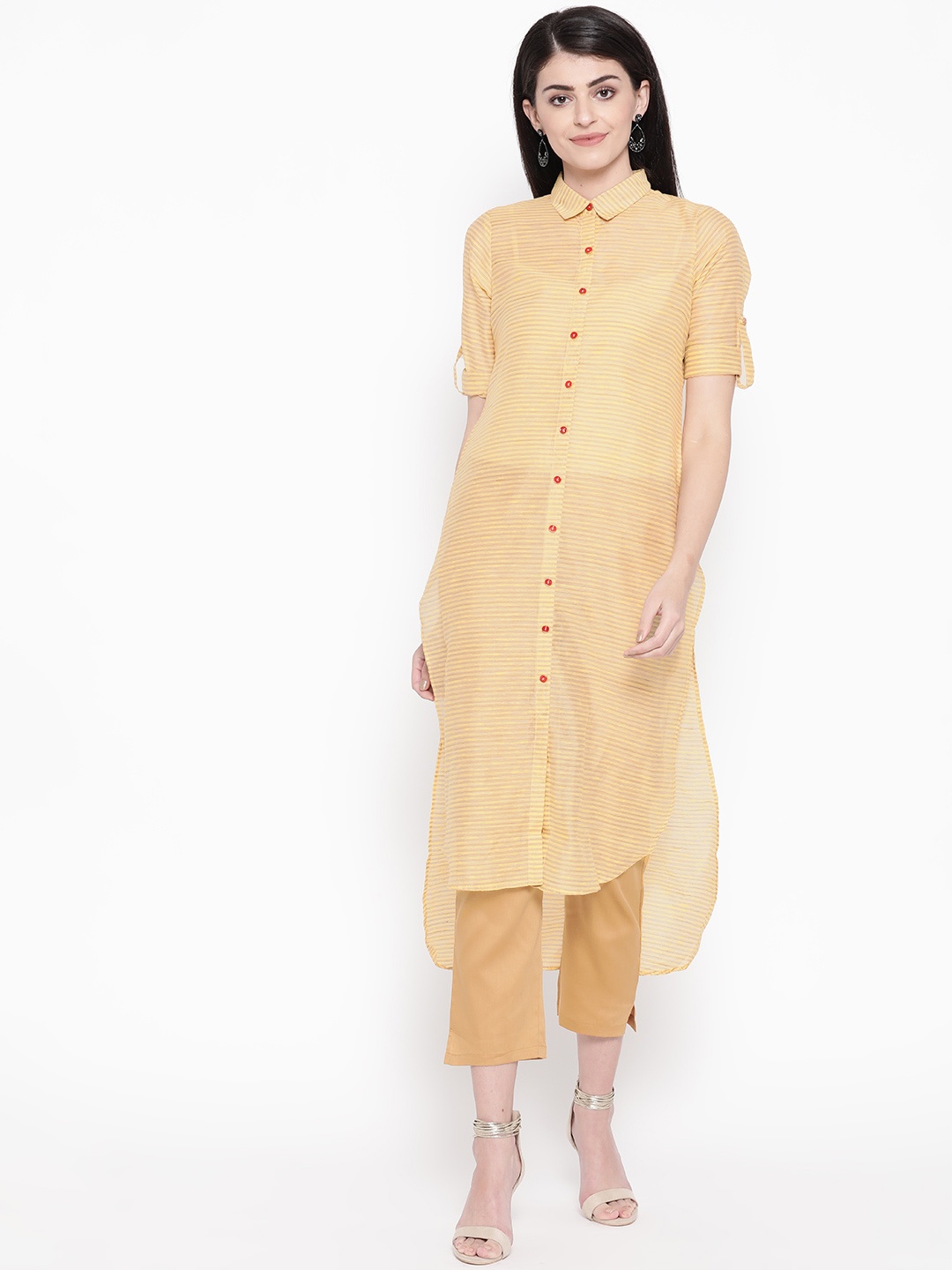
3. Maaesa Mandarin Collar Top
4. Selvia Women Round Neck Sleeveless A-Line Top
5. Roadster The Lifestyle Co. Striped Pure Cotton Shirt Style Top
6. TRAQUILA V-Neck Long Sleeves Cotton Top
7. Van Heusen Woman Stylized Neck Applique Forma lRegularTop
Light-coloured tops show water patches because fabric, moisture, residue, sweat, and drying patterns all work together. The problem may look mysterious, but it rarely is. Thin fabrics darken when damp. Hard water leaves minerals. Detergent residue attracts moisture. Sweat mixes with skincare products. Starch, innerwear, and poor drying habits can make patches look worse.
The solution does not require giving up white kurtas, pastel blouses, or soft beige tops. It only asks for smarter choices. Pick fabrics with texture or thickness. Use less detergent and rinse well. Let deodorant and sunscreen dry before dressing. Choose the right inner layer. Blot spills gently. Dry garments with enough space and airflow.
Pale clothes bring a fresh, calm charm to everyday dressing. They suit hot afternoons, festive mornings, office meetings, college corridors, and casual chai plans. With a little care, they can stay crisp instead of turning into a map of mystery marks. A light-coloured top may be honest about every drop, but the right habits can teach it to keep a few secrets.
(Disclaimer: This article may include references to or features of products and services made available through affiliate marketing campaigns. NDTV Convergence Limited (“NDTV”) strives to maintain editorial independence while participating in such campaigns. NDTV does not assume responsibility for the performance or claims of any featured products or services.)