10 Everyday Habits That Make Bracelet Finishes Fade Faster
From perfume sprays to sweaty wrists, everyday habits can quietly damage bracelet finishes. Discover 10 common mistakes that cause fading, dullness and discolouration, plus simple ways to keep your favourite accessories looking newer for longer.
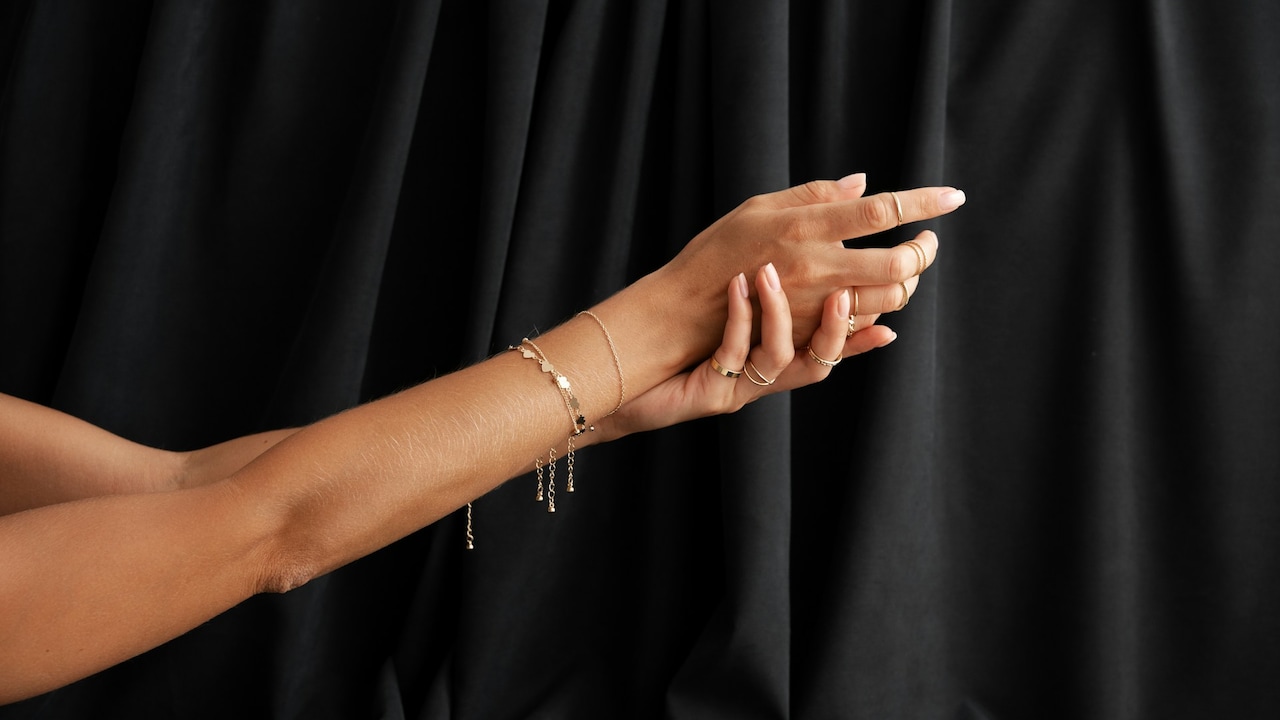
Common causes behind bracelets losing their shine
A favourite bracelet often becomes part of the daily routine without much thought. Whether it's a delicate gold-plated chain, a chunky silver-toned cuff or a colourful charm bracelet, some accessories seem to go with practically everything. They accompany office outfits, weekend shopping trips, festive celebrations and even quick grocery runs. However, that constant companionship comes at a price. One day, the bracelet that once sparkled under bright lights suddenly looks dull, patchy or strangely discoloured. Most people blame poor quality when jewellery starts losing its finish. While craftsmanship certainly matters, everyday habits often play an equally important role. Something as harmless as applying moisturiser, washing hands or storing accessories together can gradually affect their appearance. Bracelet finishes vary considerably. Gold plating, silver plating, rhodium coating, lacquer and protective finishes all react differently to moisture, chemicals and friction. Some tolerate daily wear better than others, but none remain completely immune to damage.
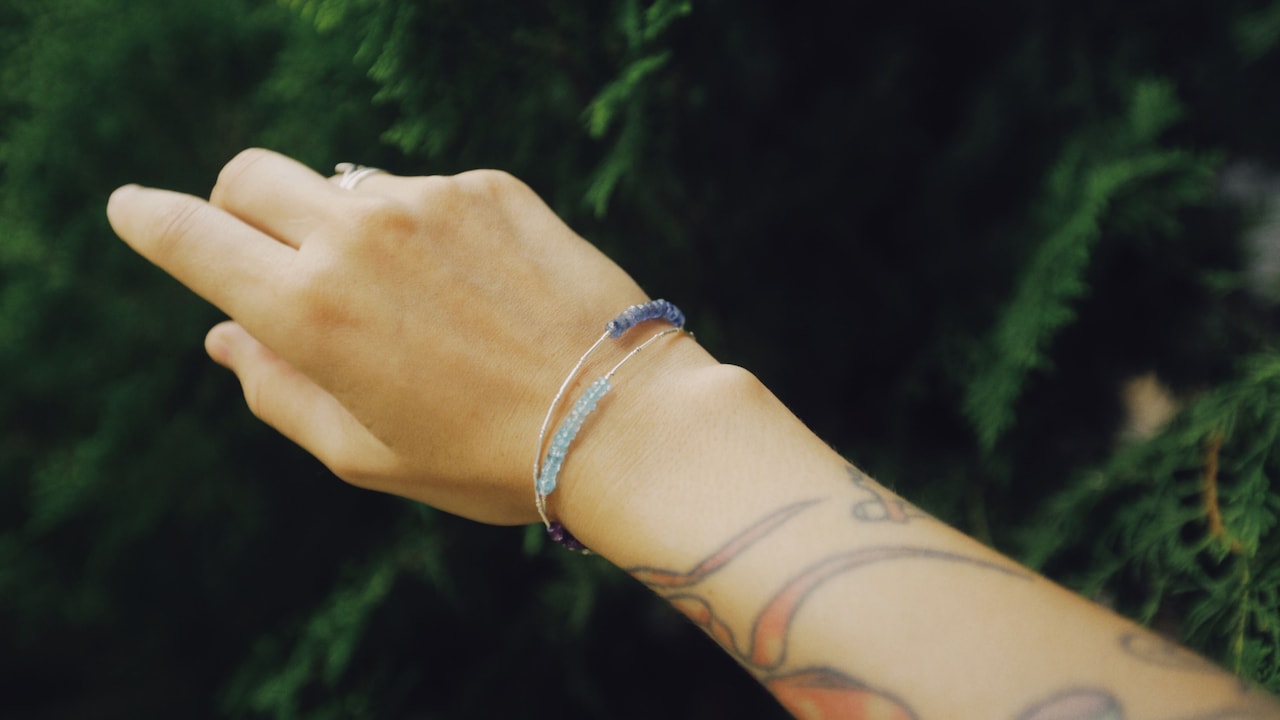
Why do bracelets lose their shine gradually
Photo Credit: Pexels
The encouraging part? Small changes can make a noticeable difference. Understanding which habits cause unnecessary wear helps preserve a bracelet's appearance without turning jewellery care into another complicated household chore. Here are ten common habits worth reconsidering.
Also Read: Statement Kashmiri Bracelet Watches To Grab From Myntra
10 Common Habits That Cause Bracelet Finishes To Fade Faster
1. Spraying Perfume Directly Onto Your Wrists
A few sprays of perfume before leaving home might seem like the perfect finishing touch. Unfortunately, the same fragrance that makes an outfit feel complete can gradually affect a bracelet's surface. Perfumes contain alcohol, fragrance compounds and other ingredients that may interact with certain jewellery coatings, particularly when exposure becomes frequent.
The problem usually starts when someone sprays perfume directly onto their wrists while wearing bracelets. Tiny droplets settle on the metal, collecting around clasps, decorative stones and intricate patterns. Over time, repeated contact can contribute to dullness, residue build-up or deterioration of vulnerable finishes.
Even expensive perfumes aren't necessarily jewellery-friendly. A luxury fragrance may smell wonderful, but its price doesn't guarantee compatibility with delicate plating.
A better approach involves applying perfume before putting on accessories. Allow the fragrance to dry completely before fastening a bracelet. Spraying perfume onto clothing also requires caution because some formulas can stain fabric.
For people who enjoy stacking several bracelets, this simple change becomes particularly useful. Multiple pieces create more surfaces where fragrance residue can accumulate unnoticed.
Remember, a beautiful scent should complement jewellery, not become the reason its shine disappears prematurely.
2. Wearing Bracelets While Washing Hands
Handwashing happens so frequently that removing a bracelet every time can feel impractical. Between preparing meals, returning from outside and completing household chores, wrists encounter water and soap several times throughout the day.
Unfortunately, repeated exposure to moisture and cleansing products can affect certain bracelet finishes. Soap residues may settle around links and decorative details, leaving the surface looking cloudy. Some cleansers contain ingredients that may also accelerate deterioration of sensitive coatings.
Water alone isn't necessarily the enemy. The bigger concern involves prolonged dampness, trapped moisture and repeated contact with chemicals.
Bracelets with closely fitted links, fabric components or decorative settings can retain water in difficult-to-reach areas. When moisture remains trapped, vulnerable base metals may corrode, potentially causing discolouration beneath damaged plating.
Ideally, remove delicate bracelets before washing hands. If removal isn't convenient, keep them away from direct soap contact whenever possible and dry the surrounding areas thoroughly afterwards.
Avoid rubbing plated jewellery aggressively with towels. Instead, gently pat away moisture using a soft, clean cloth.
A little extra care after handwashing can help prevent minor surface problems from becoming permanent changes in appearance.
3. Applying Moisturiser Without Removing Your Bracelet
Dry skin needs attention, particularly during colder months when hands and wrists can feel rough despite regular care. Applying moisturiser becomes second nature, especially after bathing or washing dishes. However, bracelets sometimes receive an accidental coating of lotion along with the skin.
Creams and body lotions contain oils, emollients, fragrances and other ingredients that can leave residue on jewellery. While these substances don't automatically strip plating, repeated build-up can make bracelet surfaces appear dull and attract dirt.
Thicker moisturisers present another challenge. They can accumulate between chain links, beneath charms and around fastening mechanisms. Removing dried residue later may require cleaning, which creates additional opportunities for surface wear if handled carelessly.
The simplest solution involves moisturising before wearing jewellery. Give the product enough time to absorb into the skin before fastening your bracelet.
This habit also helps prevent slippery clasps and uncomfortable residue beneath fitted cuffs.
If lotion accidentally reaches a bracelet, gently wipe away the excess using a suitable soft cloth. Avoid experimenting with strong cleaning products to remove stubborn deposits.
Skin deserves moisturisation, but favourite accessories don't need an application of body cream to look their best.
4. Wearing Bracelets During Workouts And Exercise
Fitness routines can be demanding, but they become even harder on delicate accessories. Whether it's a morning yoga session, an evening walk or strength training at the gym, bracelets face several challenges during exercise.
Sweat contains water, salts and other substances that can leave deposits on jewellery. Repeated exposure may contribute to tarnishing or corrosion in susceptible metals, especially when moisture remains against the surface for extended periods.
Physical movement adds another problem. Bracelets frequently rub against fitness equipment, clothing and neighbouring accessories. This friction can gradually wear away thin decorative coatings.
Consider someone wearing a gold-plated bracelet during a workout involving dumbbells. Repeated contact with metal handles may create tiny scratches long before visible colour changes appear.
Removing decorative bracelets before exercise offers the simplest protection. It also reduces the risk of jewellery catching on equipment or causing discomfort.
If a bracelet accidentally gets sweaty, gently clean and dry it according to the manufacturer's care instructions.
Water-resistant fitness accessories serve a different purpose from decorative jewellery. Keeping them separate can preserve your favourite bracelet while making workouts safer and more comfortable.
5. Sleeping With Bracelets Still On
After a long day, removing jewellery can feel like one more unnecessary task. A slim bracelet seems harmless enough to wear overnight, particularly when it feels comfortable against the skin.
However, several hours of sleeping can create surprisingly consistent wear. Wrists move repeatedly against bedsheets, pillows and blankets. This friction may gradually affect delicate plating, polished surfaces and decorative coatings.
Bracelets with dangling charms face additional strain. Small attachments can catch on fabric, while fine chains may twist around the wrist. Repeated pulling can weaken links and fastening points.
Night-time skincare products also deserve attention. Rich creams, body oils and overnight treatments may transfer onto bracelets, leaving residues that collect around intricate details.
Perspiration during sleep introduces another source of moisture, especially in warm weather.
Make removing bracelets part of the bedtime routine, just like washing your face or putting away your phone.
Keep a small jewellery dish near the dressing table so accessories have a designated place overnight. Choose a soft surface that won't scratch delicate finishes.
A few seconds of care before sleeping can spare a bracelet several unnecessary hours of friction and exposure.
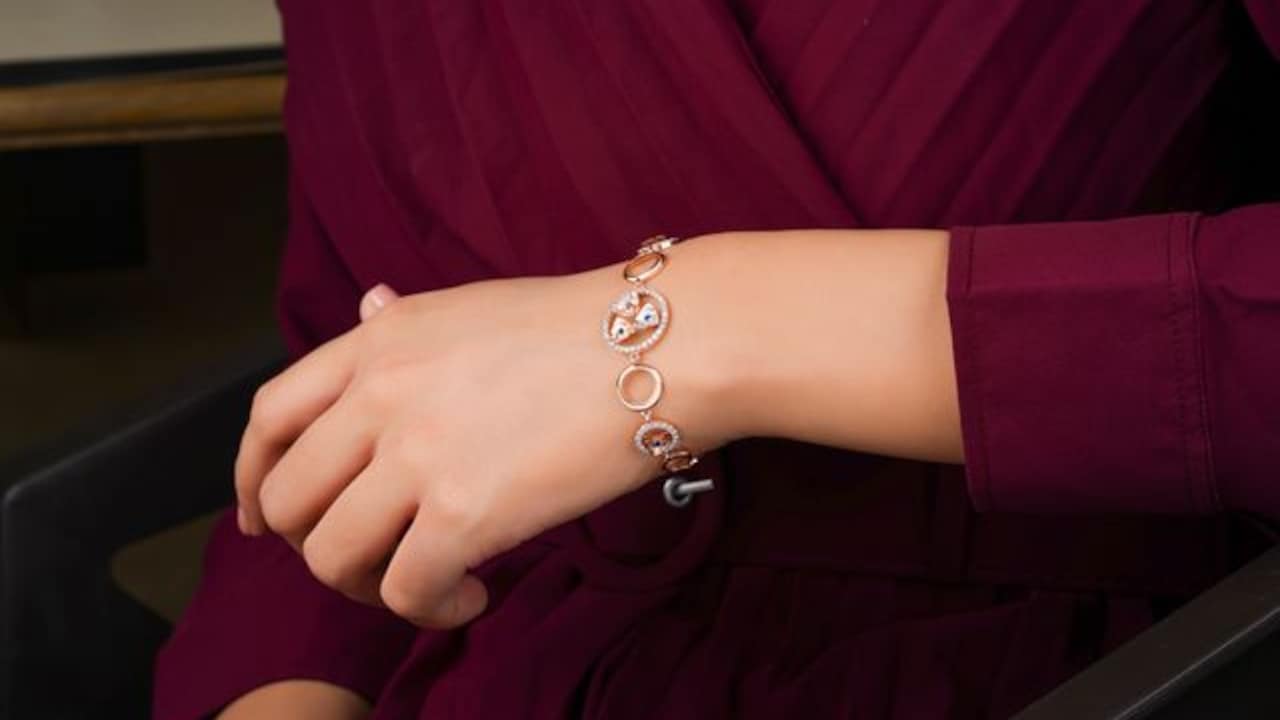
Sleeping with bracelets on can remove their plating faster
Photo Credit: Pexels
6. Stacking Bracelets That Constantly Rub Together
Layered bracelets can transform a simple outfit into something more interesting. A slim chain beside a textured cuff or a collection of colourful bangles adds personality without demanding much effort.
The trouble begins when different pieces constantly scrape against one another.
Metal-to-metal contact creates friction that may gradually scratch surfaces and wear down plated finishes. Bracelets with sharp decorative edges, textured patterns or heavier components can be particularly troublesome when paired with delicate chains.
A chunky stainless steel cuff, for instance, may withstand frequent contact better than a thin gold-plated bracelet beside it. The softer or more vulnerable finish may show visible wear first.
This doesn't mean stacked jewellery should disappear from everyday styling.
Instead, consider how different materials interact. Pairing smoother pieces together may reduce abrasive contact, although it won't eliminate friction completely.
Avoid tightly packing several rigid bracelets onto the same wrist. Allowing some space can reduce constant pressure between overlapping surfaces.
For particularly delicate or sentimental pieces, wearing them individually may prove worthwhile.
Layering jewellery should feel creative and effortless, not become a miniature wrestling match between accessories competing for space.
7. Cleaning Bracelets With Harsh Household Products
A dull bracelet can tempt anyone into trying a quick cleaning trick. Toothpaste, baking soda, detergent and household cleaners frequently appear in conversations about restoring jewellery shine.
Unfortunately, not every popular cleaning method suits plated or coated accessories.
Toothpaste and certain powdered cleaners contain abrasive particles that may create fine scratches. Repeated scrubbing can gradually remove protective layers, particularly from jewellery with thin plating.
Strong chemical cleaners introduce different risks. Bleach and other aggressive substances may damage certain metals, coatings, decorative stones and adhesives.
Even products marketed specifically for jewellery require careful consideration. A cleaner suitable for solid sterling silver might not work safely on a bracelet with gold plating, lacquer or glued embellishments.
Start by identifying the bracelet's material and checking its care instructions.
For many simple plated pieces, a clean, dry microfibre cloth offers a gentle option for removing fingerprints and light surface residue. Some manufacturers permit mild soap and water, while others recommend avoiding moisture altogether.
Never assume that vigorous polishing will restore a worn finish. Once plating disappears, cleaning cannot replace the missing metal layer.
Gentle maintenance usually does more good than dramatic cleaning experiments.
8. Leaving Bracelets Exposed To Humidity And Damp Surfaces
A dressing table beside the bathroom might seem convenient, especially when jewellery completes the morning routine. However, constant exposure to humid surroundings can create problems for certain bracelet materials.
Humidity encourages moisture to settle on surfaces and enter small gaps around links, clasps and decorative settings. In susceptible metals, prolonged exposure can support tarnishing or corrosion.
This becomes particularly relevant during the monsoon, when wardrobes, drawers and storage boxes may remain damp for extended periods.
Leaving bracelets near washbasins or on wet countertops creates an additional risk. Water droplets may collect beneath decorative components, allowing moisture to linger longer than expected.
Storage conditions matter almost as much as wearing habits.
Choose a clean, dry space away from direct splashes and excessive humidity. A lined jewellery box or individual soft pouch can protect accessories from dust and unnecessary contact.
Silica gel packets may help control moisture inside suitable enclosed storage spaces, provided they remain intact and away from children and pets.
Before storing a bracelet, ensure its surface feels completely dry.
A little attention to storage can prevent an accessory from ageing unnecessarily while sitting untouched.
9. Wearing Bracelets During Household Cleaning And Cooking
Household routines expose jewellery to more than occasional splashes of water. Dishwashing liquids, surface cleaners, cooking oils and repeated contact with utensils can gradually affect delicate bracelet finishes.
Cleaning products deserve particular caution. Some contain strong chemicals that may react with certain metals or damage decorative coatings.
Even milder products can leave residues if they repeatedly collect around bracelet links.
Cooking introduces its own challenges. Oils, spices, flour and food particles can settle on decorative surfaces. Turmeric, for example, may leave noticeable stains on porous or light-coloured components, even when the metal itself remains unaffected.
There's also the practical matter of friction. Bracelets frequently knock against steel vessels, kitchen counters and storage containers during everyday tasks.
Removing decorative jewellery before cleaning or preparing food avoids much of this unnecessary exposure. It can also improve hygiene by preventing residues from collecting in hard-to-clean jewellery details.
Keep a designated storage spot away from sinks and cooking surfaces so bracelets don't end up beside wet utensils.
A bracelet may look lovely with everyday ethnic wear or office clothes, but it doesn't need to accompany every round of dishwashing.
10. Storing All Bracelets Together Without Protection
A jewellery drawer often begins with good intentions. A few neatly arranged bracelets sit beside earrings, rings and watches. Gradually, the collection grows, and everything ends up sharing the same compartment.
Unfortunately, this familiar storage habit can shorten the attractive life of delicate bracelet finishes.
When jewellery pieces touch or shift against one another, harder surfaces may scratch softer metals and coatings. Tangled chains create additional friction when someone pulls them apart.
Decorative stones, clasps and textured edges can also catch on neighbouring accessories, potentially damaging both pieces.
Different materials may require different storage conditions. Some silver jewellery benefits from anti-tarnish storage, while plated accessories generally need protection from moisture and abrasion.
Individual soft pouches or divided jewellery organisers make everyday storage considerably easier. They also prevent the frustrating search for one bracelet hidden beneath a mountain of tangled chains.
Avoid placing jewellery directly against rough wooden surfaces or damp fabric.
Before putting bracelets away, gently remove visible residue and check that each piece feels dry.
Proper storage doesn't require an expensive jewellery cabinet. Sometimes, a few thoughtfully arranged compartments are enough to protect an entire collection from unnecessary wear.
Products Related To This Article
1. Jewels Galaxy Women Gold-plated Set Of 4 Wraparound Bracelet
2. Nilu's Collection Women Cubic Zirconia Gold-Plated Charm Bracelet
3. Justin Whyte Women Brass Gold-Plated Cuff Bracelet
4. EL REGALO Women Armlet Bracelet
5. Zaveri Pearls Women Set Of 2 Rose Gold & White Rose Gold-Plated Kada Bracelet
6. Accessorize London Women Gold-Toned Dragonfly Bracelet
7. Unwind by Yellow Chimes Women White Pearls Gold-Plated Multi Stranded Ring Bracelet
Bracelets rarely lose their finish overnight. More often, small everyday habits gradually affect their appearance until dullness, scratches or discolouration become difficult to ignore. Perfume, moisturiser, sweat, friction and unsuitable storage can all contribute to unnecessary wear.
The solution doesn't involve treating every accessory like a museum exhibit. Simple routines, such as removing jewellery before workouts, avoiding harsh cleaners and storing pieces separately, can make a meaningful difference.
Of course, every bracelet has its own limits. Thin plating will eventually wear with use, regardless of how carefully someone handles it. However, understanding what accelerates that process helps preserve favourite pieces for longer.
A little care can keep everyday jewellery looking lovely through many more outfits, occasions and celebrations.
(Disclaimer: This article may include references to or features of products and services made available through affiliate marketing campaigns. NDTV Convergence Limited (“NDTV”) strives to maintain editorial independence while participating in such campaigns. NDTV does not assume responsibility for the performance or claims of any featured products or services.)