10 Signs Your Shirt Is Too Slim Even If You Can Button It Easily
A shirt that buttons easily isn't necessarily the right fit. From pulling seams to restricted movement, discover 10 subtle signs your shirt is too slim and how to find a more comfortable fit.

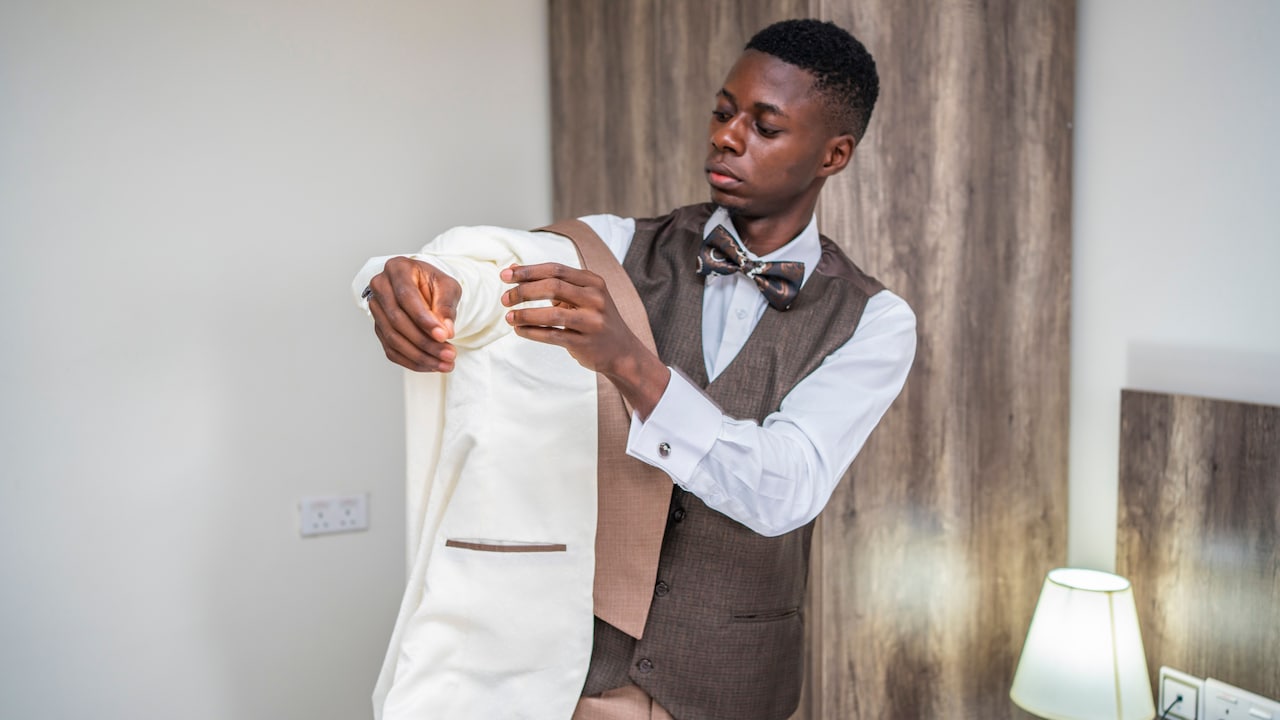
Tips to know if your shirt is too slim for a comfortable look
A shirt can look perfectly fine on a hanger, fit neatly across the shoulders and button up without a struggle. Yet, halfway through the day, something feels wrong. Perhaps the fabric pulls whenever you reach for something, the buttons create small gaps when you sit, or the sleeves seem determined to restrict every movement. These little annoyances often point to one problem: the shirt is slimmer than your body comfortably allows. Slim-fit shirts have their appeal. They create a neat silhouette, reduce excess fabric and work well with formal trousers, chinos and even jeans. However, there's a difference between a shirt that follows your natural shape and one that constantly fights against it. The confusion often comes from relying on the button test alone. A comfortable shirt should accommodate everyday movements, whether you're sitting through meetings, travelling on a crowded metro or enjoying a long family lunch. So, before deciding that your shirt fits simply because the buttons close, pay attention to these ten warning signs.
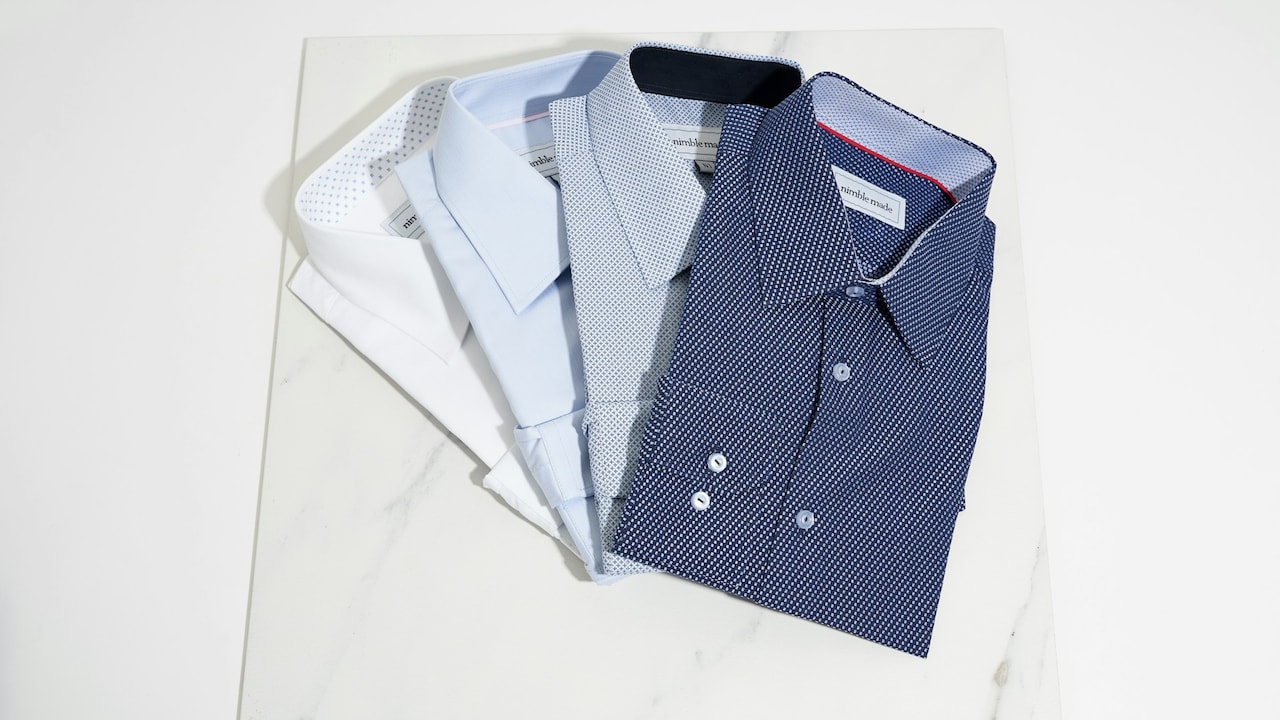
How to know if your shirt is too slim for a comfortable fit
Photo Credit: Pexels
10 Signs Your Shirt Is Too Slim For A Comfortable Fit
1. The Fabric Pulls Across Your Chest When You Move
One of the clearest signs of an overly slim shirt appears when you move your arms. Everything might look smooth while standing still, but reaching forward to grab a laptop or stretching across a table reveals an entirely different story.
Notice whether horizontal tension lines appear across your chest. These lines often indicate that the shirt lacks enough room around your upper torso. The fabric stretches towards your arms, creating a strained appearance that becomes particularly noticeable in plain or light-coloured shirts.
This problem isn't exclusive to people with broader chests. Even someone with a relatively lean build can experience pulling if the shirt's cut doesn't suit their proportions. A narrow chest measurement, high armholes or insufficient room across the upper back can contribute to the discomfort.
Try extending both arms forward while wearing the shirt. If the fabric feels restrictive or pulls noticeably at the buttons, the fit probably needs adjustment.
A well-fitting slim shirt should follow your chest without gripping it. You should be able to move your arms naturally without feeling as though the fabric might surrender at any moment. After all, a shirt shouldn't require you to maintain one perfectly still pose throughout the day.
Also Read: 5 Versatile Formal Pant Colours Every Man Should Have In His Wardrobe
2. Small Gaps Appear Between The Buttons When You Sit
Button gaping is an easy problem to overlook, especially when checking your outfit in front of a mirror. While standing, the shirt may look neat and properly fastened. The real test begins when you sit.
As your torso changes position, the fabric needs additional space around your chest and stomach. If the shirt is too slim, tension develops between the buttons. This creates small openings that reveal the undershirt or skin underneath.
You might notice the problem during office meetings, while driving or when sitting down for dinner. Sometimes the gaps disappear as soon as you stand, making the shirt seem perfectly acceptable again.
The issue becomes more noticeable with stiff cotton fabrics that offer little flexibility. Stretch blends may disguise the tension temporarily, but they don't necessarily correct the underlying fit.
Sit naturally in a chair and look at the front placket. The buttons should remain aligned, and the fabric between them should lie reasonably flat.
If you constantly adjust the shirt or worry about visible gaps, consider a slightly roomier cut. A good shirt should let you concentrate on the conversation rather than wonder whether the third button has started an argument with the fourth.
3. The Shoulder Seams Sit Too Close To Your Neck
Shoulder seams provide an important clue about how a shirt fits, yet many people focus almost entirely on the chest and waist. A shirt might button comfortably but still feel restrictive because its shoulders are too narrow.
On a conventional shirt, the shoulder seams should sit close to the natural ends of your shoulders. If they sit noticeably inward, towards your neck, the shirt may not provide enough width across your upper body.
This can create pulling around the upper arms and chest, particularly when you reach forward or lift something. The sleeves may also feel awkward because their attachment points don't align with your natural shoulder movement.
Consider how the shirt behaves while carrying a backpack, reaching for an overhead shelf or simply folding your arms. A narrow shoulder fit can turn these ordinary activities into unnecessary struggles.
Stand naturally and examine the shoulder seams from the front and back. They should follow your proportions without pulling the surrounding fabric.
One detail matters here: shoulder placement varies with shirt design. Dropped-shoulder and relaxed styles intentionally place seams differently.
For a conventional slim-fit shirt, however, seams that sit too far inward often signal a sizing or pattern problem that a larger chest measurement alone won't solve.
4. Your Shirt Rides Up Whenever You Raise Your Arms
A shirt that constantly escapes your trousers can test anyone's patience. You tuck it in carefully before leaving home, only to discover that a simple stretch or an attempt to reach a high shelf has undone your efforts.
While shirt length plays an important role, excessive tightness around the chest, shoulders and waist can also contribute to this problem.
When the fabric lacks enough room for movement, lifting your arms pulls the entire shirt upwards. Instead of allowing your shoulders and torso to move independently, the shirt travels along with them.
This becomes particularly frustrating with formal outfits. A neatly tucked shirt can start looking untidy after a few minutes of ordinary movement, leaving you repeatedly adjusting your waistband.
Try raising both arms above your head, then lowering them naturally. Some upward movement is normal, but excessive lifting or noticeable tugging suggests that the shirt's proportions need attention.
Check the overall length as well. A shirt designed for untucked wear may not provide sufficient fabric for secure tucking, regardless of its width.
For office wear, choose a shirt with enough torso room and adequate length. Your outfit should survive a normal working day without requiring a trip to the washroom mirror every hour.
5. The Sleeves Feel Tight When You Bend Your Elbows
A shirt can fit comfortably around your chest and still become troublesome around your arms. This is particularly common with slim-fit styles that feature narrow sleeves from the upper arm to the wrist.
The discomfort may not appear immediately. With your arms resting by your sides, everything feels normal. However, bending your elbows, typing for extended periods or reaching across a desk can reveal the problem.
Watch for fabric pulling around your biceps and elbows. If the sleeves feel as though they're gripping your arms, the cut may be too narrow.
Some people assume that tight sleeves create a sharper appearance. In reality, excessive tension can produce wrinkles and make the shirt look smaller than intended.
Try bending your elbows fully while keeping the cuffs buttoned. The sleeves should accommodate the movement without digging into your arms or dragging the cuffs noticeably upwards.
Fabric choice also matters. A rigid cotton shirt needs enough room around the arms, while a stretch blend may allow slightly closer fitting sleeves.
Still, stretch shouldn't become an excuse for uncomfortable sizing.
A flattering sleeve follows the arm's shape without squeezing it. Whether you're writing, eating or working at a desk, you shouldn't feel the need to roll up your sleeves simply to regain freedom of movement.

Sleeves feeling tight when you bend your elbows can be a sign that the shirt is small in size
Photo Credit: Pexels
6. Horizontal Wrinkles Form Around Your Waist And Stomach
Wrinkles don't always mean a shirt needs ironing. Sometimes they reveal that the fabric lacks enough space around your body.
Horizontal creases around the waist and stomach frequently appear when a slim-fit shirt is too narrow through the midsection. These lines become particularly visible when you sit, bend or turn sideways.
A few natural folds are unavoidable, especially with cotton. However, persistent tension lines that stretch across your stomach or pull towards the buttons deserve closer attention.
The problem often occurs when someone chooses a shirt according to their chest measurement without considering their waist and stomach proportions.
For instance, a shirt might fit neatly around the shoulders but taper too sharply towards the hem. While the design creates a streamlined shape on some bodies, it can feel restrictive on others.
Stand naturally and observe how the fabric falls around your waist. Then sit and lean forward slightly. If the shirt pulls tightly across your stomach, it probably needs additional room.
A good slim-fit shirt should create a gentle outline rather than cling to every curve.
Clothing should complement your body, not demand that you hold your stomach in throughout an entire wedding reception or office presentation.
7. The Armholes Dig Into Your Underarms
Armholes rarely receive much attention during shirt shopping, but they significantly influence comfort. A shirt with poorly proportioned armholes can feel restrictive even when the chest and waist measurements seem correct.
You might notice discomfort when lifting your arms, reaching forward or carrying a bag. The fabric presses into your underarms, creating friction or a pinching sensation.
Slim-fit shirts often feature relatively high armholes to achieve a closer silhouette. High armholes aren't automatically uncomfortable. In fact, properly designed ones can support excellent movement.
Problems arise when the armholes are too small, poorly shaped or mismatched with your shoulder and upper-arm proportions.
Wear the shirt and move your arms in different directions. If the fabric repeatedly digs into your skin or makes you conscious of every movement, something isn't right.
Also examine the seams around the underarms. Excessive pulling or visible strain may indicate that the garment lacks sufficient room.
Choosing a larger size might help, but not always. Sometimes the issue comes from the pattern itself.
A different brand or cut may offer a better solution. Comfortable armholes should allow natural movement without leaving you feeling as though your shirt has developed an unnecessarily firm grip on your underarms.
8. The Back Feels Tight When You Reach Forward
The front of a shirt usually gets all the attention, but the back can reveal fit problems that a mirror doesn't immediately show.
A shirt may sit neatly across your chest while offering insufficient room around your shoulder blades and upper back. This becomes obvious when you stretch your arms forward, hold a steering wheel or work at a computer.
You might feel the fabric pulling between your shoulders. In some cases, diagonal tension lines appear near the armholes, while the centre of the back feels unusually taut.
These problems often develop because the shirt's back panel is too narrow for your proportions. A close-fitting cut can exaggerate the issue, particularly if you have broad shoulders or a muscular upper back.
Try sitting in your usual working position and extending both arms towards an imaginary keyboard. If the shirt restricts your shoulders or pulls tightly across your back, reconsider the fit.
A well-proportioned shirt should provide enough room for your shoulder blades to move naturally.
This doesn't mean choosing a baggy garment. Rather, look for a cut that balances a neat waist with adequate upper-back space.
The back of your shirt should support your movements, not behave like a silent reminder to sit perfectly still.
9. The Collar Feels Tight When You Turn Your Head
Collar comfort deserves attention even when you rarely wear a tie. A shirt may button easily down the front yet feel unexpectedly restrictive around the neck.
You might notice pressure when fastening the top button, turning your head or looking down at your phone. Sometimes the collar feels manageable initially but becomes uncomfortable after several hours.
A tight collar doesn't always mean the entire shirt is too slim. Neck circumference and collar construction are separate measurements, and manufacturers don't always scale them in ways that suit every body shape.
However, excessive tension across the upper chest and shoulders can also affect how the collar sits.
For formal shirts, fasten the top button and check whether you can comfortably fit a finger between the collar and your neck without forcing it. This offers a useful starting point, although comfort matters more than following a rigid rule.
Turn your head gently from side to side. The collar shouldn't dig into your skin or restrict normal movement.
If the neck feels tight while the rest of the shirt fits, consider a different collar size or cut instead of automatically sizing up.
A crisp collar can elevate an outfit, but no amount of sharp tailoring justifies spending the day feeling uncomfortable.
10. You Keep Adjusting Your Shirt Throughout The Day
Sometimes the strongest evidence of a poor fit isn't a visible wrinkle or strained seam. It's the number of times you find yourself adjusting your clothes.
Perhaps you repeatedly pull the hem down, straighten the buttons, loosen the cuffs or shift the fabric around your shoulders. Each adjustment seems minor, but together they suggest that your shirt isn't accommodating your movements.
A properly fitting shirt shouldn't demand constant attention.
Think about how you behave while wearing it. Do you avoid stretching your arms because the chest feels tight? Do you sit unusually straight to prevent button gaps? Perhaps you hesitate before bending because the shirt pulls across your stomach.
These small compromises can become so familiar that you stop noticing them.
Try wearing the shirt during normal activities at home. Sit, walk, reach, bend and move your arms freely. Pay attention to whether the garment follows your movements or forces you to compensate.
Also consider how the fabric feels after several hours. Heat, perspiration and prolonged sitting can make an already restrictive shirt noticeably less comfortable.
The right slim fit should look tidy without making you self-conscious. If you spend more time managing your shirt than enjoying your day, the garment probably needs a different size, cut or fabric.
Products Related To This Article
1. Mast & Harbour Men Blue & White Slim Fit Striped Casual Shirt
2. HIGHLANDER Regular Fit Regular Collar Full Sleeve Shirt
3. THE BEAR HOUSE Men Purple Slim Fit Casual Shirt
4. R.Code by The Roadster Life Co. Men Standard Slim Fit Striped Casual Shirt
5. Louis Philippe Jeans Men Slim Fit Over Dyed Soft Handfeel Full Sleeve Casual Shirt
6. BS BLUE SQUAD Men Slim Fit Casual Shirt
7. THE BEAR HOUSE Men Slim Fit Striped Cotton-Linen Casual Shirt
A shirt doesn't fit properly simply because every button closes. True comfort comes from balanced proportions, adequate movement and fabric that follows your body without excessive tension. From tight armholes and pulling seams to button gaps and constant adjustments, these warning signs can help you identify a shirt that's slimmer than it should be.
Before buying your next shirt, test it while sitting, reaching and moving naturally. Consider your shoulder width, chest, waist and arm proportions rather than relying on the size label alone. Most importantly, remember that slim fit should describe a flattering silhouette, not a daily struggle with your wardrobe.
(Disclaimer: This article may include references to or features of products and services made available through affiliate marketing campaigns. NDTV Convergence Limited (“NDTV”) strives to maintain editorial independence while participating in such campaigns. NDTV does not assume responsibility for the performance or claims of any featured products or services.)