Why Suit Jackets Start Creasing Around The Sleeves So Quickly
Suit jacket sleeves often develop stubborn creases after just a few wears. From poor fit and fabric choices to everyday habits, discover what causes these wrinkles and how to keep jackets looking sharp.
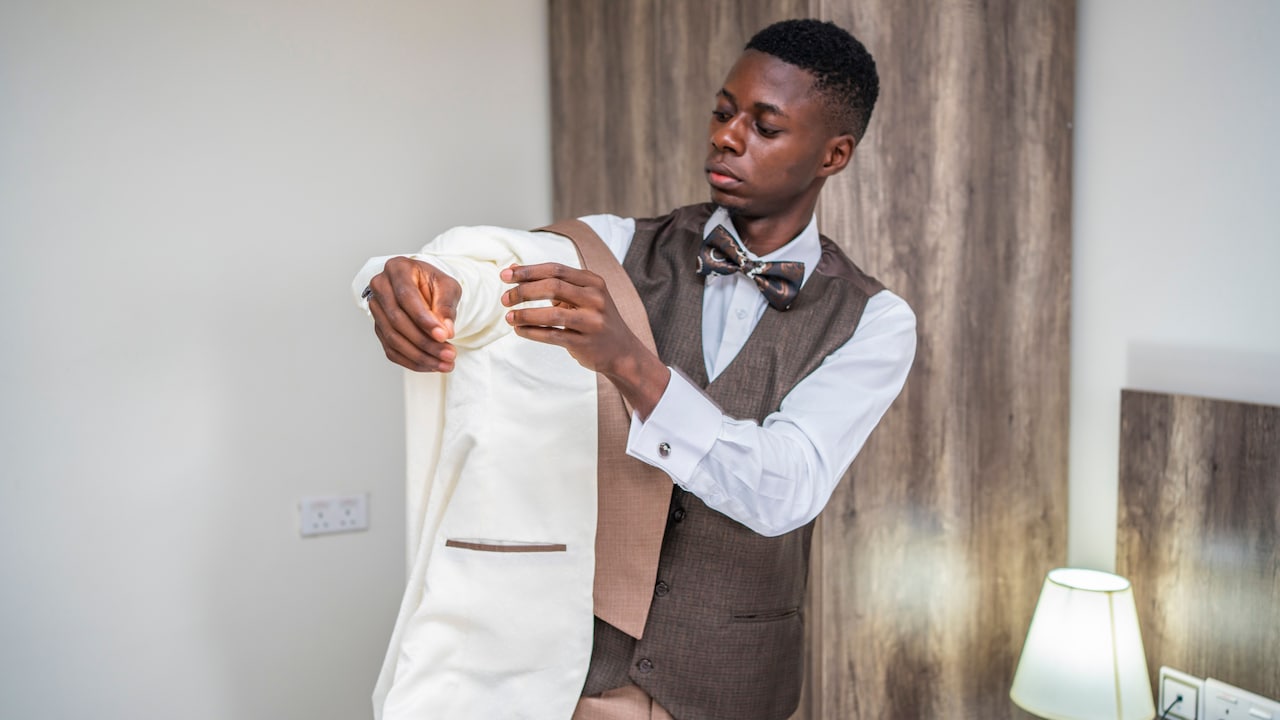
What causes suit jacket sleeves to crease easily
A well-fitted suit jacket can make even an ordinary outfit feel polished. Whether you're dressing for an important office presentation, a wedding reception or a formal dinner, a crisp jacket adds structure and sophistication. Yet there's one frustrating detail that often spoils the look: creases around the sleeves. You leave home looking perfectly put together, but by lunchtime, wrinkles have already appeared near the elbows and upper arms. The annoying part? These creases can develop even when the jacket is relatively new. And no, expensive fabric or a premium label doesn't automatically protect against them. The way a jacket fits, the fabric's construction, everyday movements and even storage habits can influence how quickly wrinkles appear. Some creasing is completely natural. After all, jackets need to accommodate moving arms, bending elbows and reaching across desks. However, excessive wrinkles can make an otherwise smart outfit appear untidy. Understanding why these creases develop can help you choose better jackets, improve your dressing habits and avoid unnecessary trips to the dry cleaner. Here are ten common reasons suit jacket sleeves crease quickly and what you can do about them.

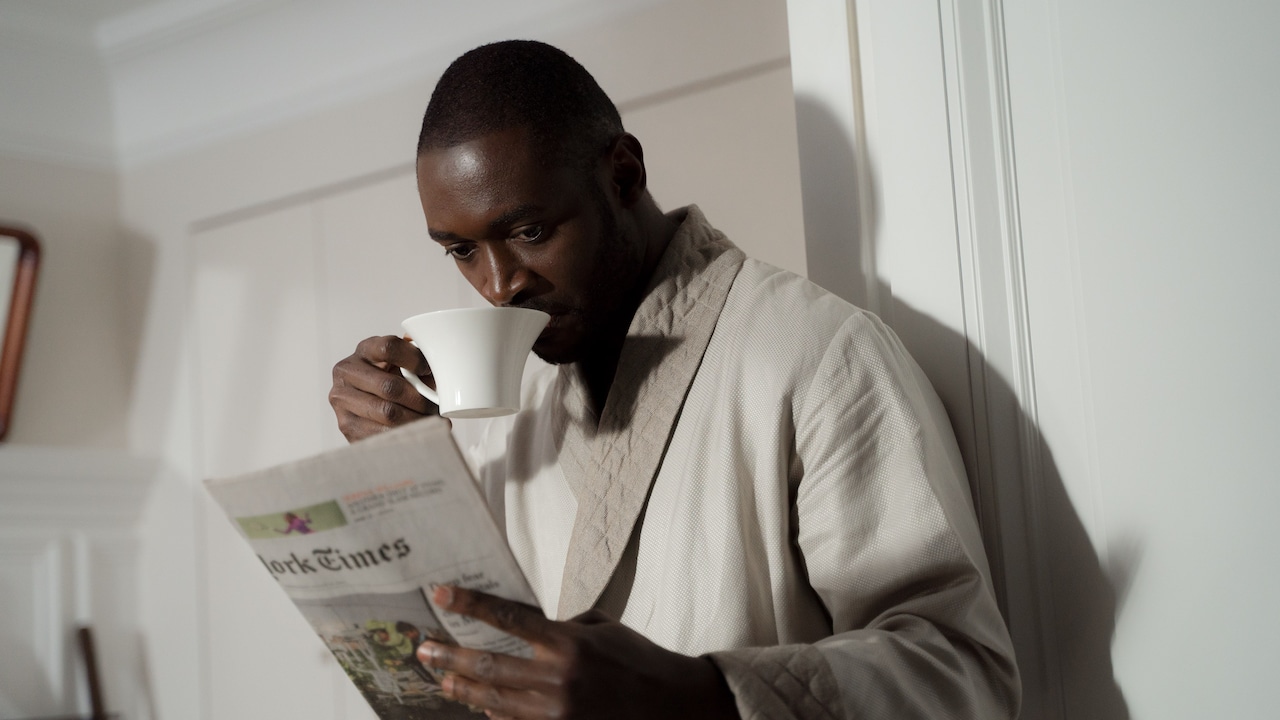
Why do suit jacket sleeves crease easily
Photo Credit: Unsplash
10 Common Reasons Suit Jacket Sleeves Crease Quickly
1. Poor Sleeve Fit Creates Unnecessary Fabric Folds
One of the biggest reasons suit jacket sleeves develop creases is an incorrect fit. A sleeve that feels comfortable while standing still might behave very differently when you start moving. If the fabric bunches around your elbows or forms diagonal folds near the upper arms, the jacket may not fit your proportions properly.
Loose sleeves often create excess fabric that gathers whenever you bend your arms. Meanwhile, overly tight sleeves pull against the elbows and shoulders, producing sharp tension lines. Neither situation helps maintain a smooth appearance.
Imagine wearing a suit during a long office meeting. Every time you reach for your laptop, adjust your chair or pick up a notebook, the sleeve fabric shifts. If the fit isn't right, those movements repeatedly compress the same areas.
A good tailor can identify whether the problem comes from sleeve width, length or the jacket's overall construction. Small adjustments sometimes improve how the fabric falls.
However, tailoring cannot fix every structural problem. A sleeve attached at an unsuitable angle may require more complicated alterations.
The goal isn't perfectly wrinkle-free sleeves. It's ensuring the jacket moves naturally without creating excessive fabric tension.
Also Read: 5 Versatile Formal Pant Colours Every Man Should Have In His Wardrobe
2. Frequent Elbow Bending Leaves Visible Wrinkle Lines
Think about how many times your elbows bend during an ordinary workday. Typing emails, answering phone calls, eating lunch and scrolling through messages all involve repeated arm movements.
Every bend compresses the fabric along the inside of the elbow while stretching the material across the outer sleeve. Eventually, these movements create familiar horizontal and diagonal crease lines.
The effect becomes particularly noticeable when someone spends several hours sitting at a desk. Keeping the elbows bent for extended periods allows folds to settle into the fabric. When the arms straighten, the jacket may retain those impressions.
This doesn't mean you should spend your day sitting like a mannequin. That would make office life considerably more entertaining for colleagues, but hardly practical.
Instead, give the fabric occasional opportunities to relax. Straighten your arms naturally when standing or walking, and avoid keeping your elbows tightly folded for long periods.
If your workplace allows it, removing your jacket during extended desk sessions can also help.
Well-constructed fabrics usually recover better from everyday movement, but no woven material remains completely smooth under constant bending.
A few soft elbow creases are simply evidence that the jacket belongs to someone who actually uses their arms.
3. Fabric Composition Affects How Quickly Wrinkles Form
Not all suit fabrics respond to movement in the same way. Two jackets with nearly identical designs may develop noticeably different sleeve creases because their fibres behave differently.
Wool generally offers good natural resilience. Its fibres have a spring-like structure that helps the fabric recover from moderate bending and compression. This makes many wool suits suitable for regular professional wear.
Linen, meanwhile, creases easily. Its relaxed, slightly rumpled appearance forms part of its appeal, particularly during warmer weather. Cotton also tends to develop visible folds, although the severity depends on the weave and finishing.
Polyester blends can resist wrinkling, but fibre content alone doesn't guarantee a smooth jacket. Fabric weight, construction and finishing treatments also influence performance.
Consider a lightweight linen-blend blazer worn to an outdoor afternoon event. After a few hours of sitting, standing and greeting guests, its sleeves may show considerably more creasing than those of a structured wool jacket.
Before buying formalwear, examine the fabric label and gently scrunch a small section of the material. Notice how readily it recovers.
If you need a jacket for long office days or frequent travel, prioritise fabrics with good wrinkle recovery rather than judging appearance alone.
4. Incorrect Shoulder Fit Disturbs The Entire Sleeve Structure
Sleeve creasing doesn't always begin with the sleeves themselves. Sometimes, the real culprit sits higher up, around the shoulders.
A suit jacket relies on its shoulder construction to support the sleeves and maintain their shape. When the shoulder width or armhole position doesn't suit your body, the fabric may pull, twist or collapse into unwanted folds.
For example, shoulders that extend too far beyond your natural shoulder line can cause the upper sleeves to droop. Conversely, narrow shoulders may restrict movement and create diagonal tension lines.
The way a tailor attaches the sleeves also matters. This detail, often called sleeve pitch, determines how naturally the sleeves follow your usual arm position.
Someone whose arms rest slightly forward may notice persistent wrinkles in a jacket designed for a different posture.
You can identify potential problems by standing naturally with your arms relaxed. Look for twisting, pulling or unusually deep folds around the upper sleeves.
A few minor ripples are normal. However, pronounced diagonal creases may indicate a fitting issue rather than ordinary wrinkling.
Since shoulder alterations can be complicated and expensive, getting this area right before purchasing a jacket often saves considerable trouble later.
5. Leaning On Desks And Armrests Compresses The Fabric
Office furniture may seem harmless, but desks and chair armrests frequently contribute to sleeve wrinkles.
When you rest your forearms against a hard surface, the fabric becomes trapped between your arms and the furniture. Add a little pressure, repeated movement and several hours of sitting, and the sleeves begin developing compressed folds.
This issue becomes especially noticeable around the elbows and lower arms.
Picture a typical afternoon spent preparing a presentation. Your elbows remain near the desk, one arm rests against the chair and the other moves between the keyboard and mouse. The jacket sleeves experience constant friction and compression.
Even carefully pressed fabric can struggle under these conditions.
One practical solution involves removing your jacket before settling into a lengthy desk session, provided the setting allows it. Hanging it properly nearby gives the fabric room to recover.
You can also adjust your sitting position to reduce prolonged pressure around the elbows.
Avoid pushing your sleeves upwards repeatedly, as this creates additional bunching.
These small changes won't eliminate every crease, but they can significantly reduce the deep folds that make jackets appear worn before the working day ends.

Leaning on armrests and desks can compress the fabric; Photo Credit: Pexels
6. Tight Armholes Restrict Movement And Increase Creasing
Armhole construction plays an important role in how comfortably a suit jacket moves. Unfortunately, many people overlook this detail while shopping.
An armhole that doesn't accommodate your body and movements can cause fabric to pull across the upper sleeves whenever you lift or extend your arms.
The problem becomes particularly obvious during everyday activities such as driving, reaching for shelves or carrying a laptop bag.
However, bigger armholes aren't necessarily better. Excessively low armholes can cause more of the jacket to lift when you raise your arms, creating additional fabric displacement.
Well-designed jackets balance armhole shape, sleeve width and shoulder construction to allow comfortable movement.
When trying on a jacket, don't judge the fit solely by looking in the mirror. Move your arms forward, lift them moderately and bend your elbows.
Notice whether the sleeves twist, bunch or pull uncomfortably. Some movement is expected, but the jacket shouldn't feel restrictive.
If the fabric immediately develops sharp diagonal folds during simple movements, consider another size or cut.
A comfortable armhole allows the sleeves to follow your movements without constantly dragging the surrounding fabric out of position.
7. Poor Storage Habits Cause Sleeves To Lose Their Shape
A jacket doesn't need to be worn to develop wrinkles. Sometimes, the damage begins inside the wardrobe.
Folding suit jackets tightly, hanging them on unsuitable hangers or squeezing them between clothes can create unwanted sleeve creases.
Thin wire hangers offer little support for structured shoulders. Over time, the jacket may lose its natural shape, allowing the upper sleeves to collapse or develop awkward folds.
Crowded wardrobes create another problem. When several garments press against one another, jacket sleeves can remain compressed for days.
The results become obvious when you pull out your favourite blazer for an important occasion and discover wrinkles that weren't there after its last outing.
Choose a sturdy hanger with broad, gently curved shoulders that support the jacket's construction.
Allow enough space between garments for the sleeves to hang freely. Avoid leaving the jacket folded over a chair overnight.
After wearing it, let the garment air out before returning it to the wardrobe, especially during humid weather.
A breathable garment cover can help protect jackets from dust during longer storage periods.
Proper storage won't undo structural fitting problems, but it can prevent unnecessary wrinkles between wears.
8. Heat, Humidity And Sweat Can Make Creases More Stubborn
Warm weather and formal jackets aren't always the most comfortable combination. Heat, humidity and perspiration can influence how suit fabrics behave throughout the day.
Moisture affects different fibres in different ways. Some fabrics become more susceptible to deformation when damp, while others respond by relaxing or changing shape.
When sleeves experience moisture alongside repeated bending and pressure, creases may become more noticeable.
Imagine travelling to a wedding venue during a humid evening. You're wearing a blazer, sitting in traffic and occasionally adjusting your sleeves for comfort.
By the time you reach the venue, the fabric around your elbows may already look considerably less crisp.
Sweat and humidity can also make the inner lining cling slightly, affecting how smoothly the sleeve moves over your shirt.
Choose breathable fabrics and suitable linings when shopping for jackets intended for warmer conditions.
Lightweight wool and other breathable constructions can offer a more comfortable balance between structure and ventilation.
After wearing the jacket, allow it to dry and air naturally before storage. Keep it away from direct heat.
The objective is to minimise prolonged moisture and compression rather than expecting the jacket to remain untouched by the weather.
9. Incorrect Ironing And Steaming Can Set Unwanted Creases
Ironing seems like the obvious solution when jacket sleeves develop wrinkles. Unfortunately, careless pressing can make the situation worse.
Suit sleeves have a rounded, three-dimensional shape. Pressing them flat against an ironing board can create sharp lines along the outer edges, particularly when excessive pressure is applied.
These accidental creases may remain visible even after the jacket returns to its natural shape.
High temperatures also present risks. Delicate fibres, linings and certain synthetic blends can suffer from excessive heat.
Rather than applying a hot iron directly, check the garment's care label first. If the fabric permits steaming, use a suitable garment steamer carefully to relax minor wrinkles.
A sleeve board or pressing ham can help preserve the sleeve's rounded structure during appropriate pressing.
Avoid repeatedly ironing the same area with heavy pressure.
For expensive tailored jackets, professional pressing may provide better results, especially when the creases involve the sleeve head or shoulder construction.
Remember that ironing and steaming serve different purposes. Gentle steaming can relax wrinkles, while controlled pressing helps restore shape.
Neither technique will permanently correct creasing caused by poor fit or unsuitable fabric construction.
10. Wearing The Same Jacket Too Often Prevents Fabric Recovery
Your favourite suit jacket probably earns its popularity for good reasons. It fits comfortably, matches several outfits and saves you from making difficult wardrobe decisions before work.
However, wearing the same jacket continuously can contribute to persistent sleeve creases.
During a normal day, fabric fibres experience bending, stretching, compression and friction. Some materials recover naturally when given time to rest.
Wearing the jacket again immediately may expose those same areas to further pressure before the fabric has fully relaxed.
Over time, repeated stress can make certain folds more noticeable, particularly around the elbows.
Rotating between two or three jackets can help reduce continuous wear. This approach also gives garments time to air out between uses.
You don't need an enormous formalwear collection. A versatile navy blazer, a charcoal jacket and one lighter option can cover many professional and social occasions.
After each wear, inspect the sleeves and hang the jacket correctly.
Light steaming may help with minor wrinkles when the fabric allows it, but avoid excessive cleaning or pressing.
Regular rotation, careful handling and occasional professional maintenance can extend the useful life of your jackets while keeping their sleeves looking presentable.
Products Related To This Article
1. Mr Bowerbird Regular Fit Notched Lapel Collar Formal Blazer
2. Arrow Zero Calorie Fit Notched Lapel Collar Single Breasted Formal Blazer
3. Marks & Spencer Textured Single-Breasted Blazer
4. INVICTUS Single Breasted Formal Blazer
5. SHOWOFFFF Notched Lapel Single Breasted Blazer
6. KISAH Jacquard Sherwani Set with Wide Leg Trouser
7. ESSENTIELE Men Notched Lapel Single-Breasted Blazer
Sleeve creases are a normal part of wearing suit jackets, but excessive wrinkling often points towards problems with fit, fabric, movement or maintenance. Tight armholes, poorly fitted shoulders, repeated elbow bending and unsuitable storage can all contribute to stubborn folds. The good news is that small changes make a difference. Choose fabrics that suit your routine, check how a jacket moves before buying it and give your garments proper care between wears. Above all, remember that a well-maintained suit should look smart without demanding that you stand perfectly still all day.
(Disclaimer: This article may include references to or features of products and services made available through affiliate marketing campaigns. NDTV Convergence Limited (“NDTV”) strives to maintain editorial independence while participating in such campaigns. NDTV does not assume responsibility for the performance or claims of any featured products or services.)