How To Choose Shapewear Without Flattening The Natural Shape Of An Outfit
The right shapewear should smooth your outfit, not flatten its natural shape. Discover how to choose comfortable fits, fabrics and designs that enhance your silhouette without restricting movement.

Tips to choose shapewear that looks smooth on the outside
A beautifully fitted outfit can lose some of its charm when the shapewear underneath works against its design. That elegant bodycon dress suddenly looks unusually flat, a flowing kurta starts clinging in unexpected places, or a saree develops awkward lines around the waist. The problem isn't always the outfit. Sometimes, it's the inner layer trying a little too hard to control everything. Shapewear has become a popular wardrobe essential, especially for occasions when outfits need a smoother finish. However, the idea that tighter shapewear automatically creates a better silhouette deserves some serious reconsideration. Every outfit has its own structure, movement and personality. Flattening natural curves or forcing the body into an unfamiliar shape can make even expensive clothing look poorly fitted.
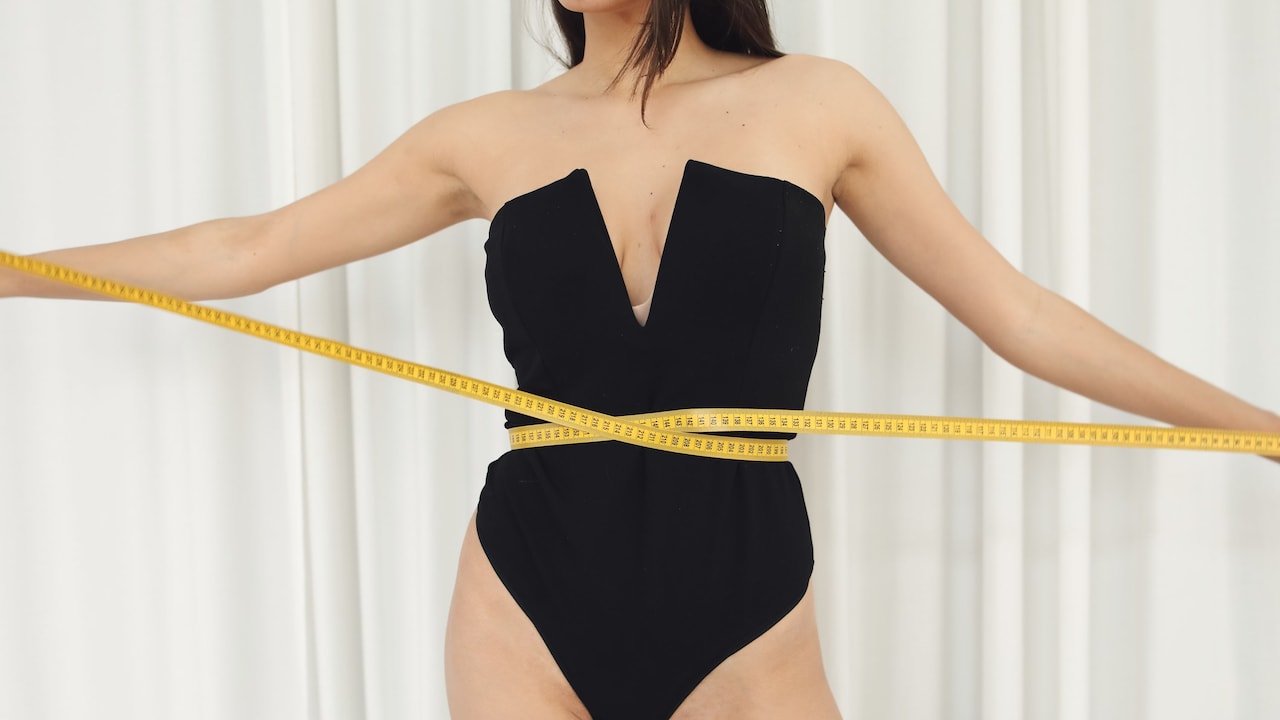
How to get the right size of the shapewear
Photo Credit: Pexels
The secret lies in choosing shapewear that complements the garment rather than competing with it. From understanding compression levels to selecting the right coverage, a few thoughtful decisions can make all the difference. Here are ten practical ways to choose shapewear that smooths where needed while allowing outfits to retain their natural shape.
Also Read: 10 Draped Dresses You Need To Dress Up On Special Occasions
10 Tips To Choose Shapewear That Enhances Your Outfit's Natural Shape
1. Understand The Difference Between Smoothing And Reshaping
Shapewear often promises a sculpted silhouette, but smoothing and reshaping serve different purposes. Understanding this distinction can prevent disappointing results, especially when an outfit already has a flattering cut.
Smoothing shapewear gently evens out visible clothing lines and helps fabric sit more consistently against the body. It doesn't dramatically change natural proportions. Reshaping garments, on the other hand, use firmer compression to alter how certain areas appear beneath clothing. Neither approach is inherently better. The right choice depends on what the outfit needs.
Consider a fitted cotton dress with a defined waist. Light smoothing shorts can reduce visible underwear lines without disturbing the dress's original shape. Strong compression around the hips might create a noticeably straighter silhouette, making the outfit appear less balanced.
Similarly, a structured ethnic ensemble may already feature carefully placed pleats or tailoring. Additional shaping could interfere with those details rather than improve them.
Before shopping, identify the actual concern. Is it visible seams, fabric bunching or a desire for gentle support? Choosing shapewear for a specific purpose produces more natural results than trying to compress every area at once.
The goal isn't to redesign the body underneath an outfit. It's to let the clothing do what its designer intended.
2. Choose The Right Compression Level For Your Outfit
Compression determines how firmly shapewear holds the body, and getting this balance right can transform the overall appearance of an outfit.
Light-compression shapewear usually works well beneath everyday clothing. It provides gentle smoothing while allowing the body to move naturally. Medium compression offers more noticeable support and may suit fitted dresses, formal trousers or occasion wear. Firm compression creates stronger shaping, but it can also affect how fabric falls over natural curves.
Imagine wearing a satin midi dress for an evening celebration. The fabric follows the body's contours and moves with every step. Extremely firm shapewear might flatten the hips or create abrupt transitions between compressed and uncompressed areas. Light or medium compression may deliver a smoother finish without changing the dress's character.
The same principle applies to office trousers. A gentle shaping brief could provide sufficient smoothing, while a rigid bodysuit may feel unnecessarily restrictive during long working hours.
Comfort matters just as much as appearance. Shapewear shouldn't cause numbness, pain, breathing difficulty or pronounced pressure marks.
A useful rule is to choose the lowest compression level that achieves the desired result. More pressure doesn't automatically mean better styling, particularly when natural movement forms part of the outfit's appeal.
3. Match Shapewear Coverage To The Garment's Silhouette
One of the most common shapewear mistakes involves choosing coverage based on body concerns rather than the garment itself. Different outfits require different types of support, and a single shapewear design rarely works equally well beneath everything.
High-waisted shaping briefs can complement trousers, pencil skirts and fitted dresses that need smoothing around the lower abdomen. Mid-thigh shorts may work better beneath garments where visible underwear lines or upper-thigh friction cause discomfort.
For longer dresses, a shaping slip can create a continuous surface beneath the fabric. However, slips don't always suit outfits with dramatic waist definition or flared skirts. Their construction may interfere with the garment's intended proportions.
Take an A-line kurta, for example. Its appeal comes from the gentle expansion below the waist. A full-body compression garment may add unnecessary restriction without improving the silhouette. Simple, comfortable innerwear might work better.
Sarees also require thoughtful coverage. Shaping petticoats can help maintain a smoother foundation, but overly restrictive designs may affect pleats, draping and walking comfort.
Always examine where the garment fits closely and where it needs freedom. Shapewear should support the fitted sections without interfering with areas designed to flow.
Sometimes, less coverage creates a better result than an elaborate full-body solution.
4. Never Size Down To Achieve A More Sculpted Look
Buying shapewear one size smaller might seem like a shortcut to stronger shaping. Unfortunately, the result often looks less flattering and feels considerably more uncomfortable.
Shapewear relies on carefully designed stretch and compression. When the size becomes too small, the material can dig into the waist, thighs or hips. This creates noticeable bulges near garment edges and may cause the outer outfit to sit unevenly.
A smaller size can also roll down during movement. Imagine adjusting a high-waisted shaper repeatedly beneath a fitted dress at a wedding reception. Not exactly the effortless elegance anyone planned for.
Instead, measure the waist and hips using a flexible measuring tape. Compare those measurements with the specific brand's size chart rather than relying on regular clothing sizes. Sizing can vary significantly between manufacturers, particularly across imported and domestic collections.
If measurements fall between two sizes, consult the brand's guidance. The correct option depends on the garment's construction and stretch.
Properly fitted shapewear should feel secure without forcing the body into an uncomfortable position. It should stay in place when sitting, walking or bending.
Remember that shapewear should adapt to the body, not demand that the body squeeze into an unrealistic size.
5. Pay Attention To Fabric Stretch And Recovery
Fabric quality influences how shapewear performs beneath an outfit, particularly after several hours of wear. Two pieces may look identical on a shopping page yet behave very differently once worn.
Most modern shapewear uses blends containing nylon, polyester, elastane or similar stretch fibres. These materials allow the garment to expand around the body while maintaining a supportive fit. However, the proportion of stretch fibres and the way manufacturers construct the fabric affect flexibility and compression.
Look for material that stretches comfortably without becoming loose or excessively rigid. Good recovery means the fabric returns close to its original shape after stretching.
This matters when wearing shapewear beneath clothing that moves naturally. A flowy dress or soft knitted skirt needs an inner layer that accommodates sitting, bending and walking without creating resistance.
Breathability deserves attention too. Warm weather, crowded celebrations and long commutes can make heavy synthetic shapewear uncomfortable. Lightweight, breathable constructions and suitable moisture-management features may offer a more practical experience.
Also examine the texture. Thick, heavily reinforced panels can become visible beneath delicate fabrics, while smoother constructions generally create fewer noticeable transitions.
The best shapewear fabric doesn't simply stretch. It moves consistently with the body while maintaining gentle, reliable support.
Read about the fabric stretch before buying shapewear; Photo Credit: Pexels
6. Check Whether Waistbands And Leg Openings Create Visible Lines
A shapewear garment can smooth one area beautifully while creating an obvious line somewhere else. Waistbands and leg openings are frequent culprits, especially beneath fitted or lightweight clothing.
Traditional elastic edges may press into the skin and produce visible indentations. When outer garments follow the body's shape closely, these edges can interrupt an otherwise smooth silhouette.
Seamless or bonded-edge shapewear can help reduce this problem. Laser-cut openings may also minimise visible outlines, although their effectiveness depends on fit, construction and fabric thickness.
Consider a fitted midi skirt. A mid-thigh shaper that ends exactly where the skirt hugs the legs may create a noticeable horizontal line. Choosing a different leg length or a garment with softer edges could improve the finish.
Waist placement matters equally. If a shaping brief ends halfway across the abdomen, the waistband might create an abrupt transition under a body-hugging top. A higher-rise style may offer a smoother appearance, provided it doesn't roll or dig in.
Always test shapewear beneath the actual outfit rather than judging it separately.
Natural lighting can reveal lines that fitting-room mirrors or dim bedroom lights might conceal. A quick check from the front, side and back often prevents an uncomfortable styling surprise later.
7. Preserve The Natural Waist And Hip Proportions
A flattering outfit often depends on the relationship between the waist, hips and overall garment structure. Strong compression across every area can reduce this distinction, leaving the clothing looking unusually straight.
This becomes particularly noticeable with wrap dresses, tailored skirts and outfits featuring defined waistlines. Their construction usually emphasises proportion through stitching, draping or fabric placement.
For example, a wrap dress naturally gathers at the waist before falling across the hips. Firm compression around both areas may reduce the contrast that gives the dress its characteristic shape.
Instead of selecting uniform compression, consider designs that offer targeted support. Some shapewear garments combine firmer abdominal panels with more flexible sections around the hips or buttocks.
These constructions may smooth selected areas without applying equal pressure everywhere. However, the actual effect varies between brands, body shapes and individual garments.
Avoid assuming that shapewear must lift, flatten or dramatically change natural curves. A well-fitted outfit can look polished without those alterations.
Try wearing the outfit first without shapewear. Notice where the fabric sits comfortably and where additional smoothing might genuinely help. Then choose a design that addresses those specific areas.
Preserving natural proportions often creates a more balanced appearance than applying maximum compression from waist to thigh.
8. Consider How Different Outfit Fabrics Behave Over Shapewear
The outer garment's fabric plays a major role in determining which shapewear works best. Cotton, satin, jersey and chiffon respond differently to pressure, texture and movement.
Thin jersey fabrics tend to follow the body's contours closely. They may reveal seams, waistband edges and changes in compression. Smooth, lightweight shapewear often works better beneath them than heavily structured designs.
Satin creates another challenge. Its reflective surface can highlight unevenness, particularly when inner garments bunch or form ridges. A carefully fitted, seamless foundation may help preserve the fabric's fluid appearance.
Cotton behaves differently. Structured cotton dresses and kurtas often have enough body to maintain their own shape. They may require little or no additional compression.
Chiffon and georgette introduce concerns around transparency and draping. Alongside smoothness, the colour and coverage of shapewear become important. A suitable skin-tone shade can help reduce visibility beneath lighter garments, although matching the actual skin tone matters more than choosing a generic beige.
Heavier fabrics, including denim and structured blends, usually conceal innerwear details more effectively.
Before choosing shapewear, consider whether the outfit clings, floats, stretches or holds its shape independently.
The better the understanding of fabric behaviour, the easier it becomes to choose an inner layer that remains practically invisible.
9. Test Shapewear While Sitting, Walking And Moving Naturally
Shapewear might look excellent during a quick mirror check yet become uncomfortable after thirty minutes of normal activity. Standing still reveals only part of the story.
Movement changes how both shapewear and outer clothing behave. Sitting can cause waistbands to fold, while walking may encourage leg openings to ride upwards. Bending or climbing stairs can expose restrictions that aren't obvious when standing.
This matters especially during weddings, festivals, office events and long family gatherings. An outfit should remain comfortable through meals, photographs, travel and plenty of movement.
When trying shapewear, sit on a chair, walk around and bend gently. Check whether the garment stays in place and whether the outer outfit continues to fall naturally.
Pay attention to breathing and abdominal comfort. Strong compression that feels manageable for a few seconds may become unpleasant after prolonged wear, especially during meals.
If the shapewear repeatedly rolls, bunches or needs adjustment, reconsider the size or design. Constant repositioning rarely improves once the event begins.
A particularly useful test involves trying the entire outfit together, including the intended footwear. Shoes can affect posture and how garments hang.
The ideal shapewear should become something barely noticeable during everyday movement, rather than an accessory that demands continuous attention.
10. Know When An Outfit Looks Better Without Shapewear
Perhaps the most overlooked shapewear decision involves recognising when it isn't necessary. Not every outfit benefits from compression, and wearing shapewear simply out of habit can sometimes reduce comfort without improving appearance.
Loose cotton kurtas, relaxed co-ord sets, flared dresses and wide-leg trousers often have enough structure or volume to create their intended silhouette naturally.
Adding firm shapewear beneath these garments may offer little visual difference. In some cases, it can introduce unnecessary seams, extra warmth or restricted movement.
Even fitted outfits don't automatically require shaping garments. A properly tailored dress with suitable everyday underwear may already sit beautifully.
Consider the difference between smoothing and fitting. If an outfit pulls awkwardly at the waist, shoulders or hips, tailoring adjustments might solve the problem more effectively than compression. Shapewear cannot reliably correct a garment that's fundamentally the wrong size or cut.
Comfortable seamless underwear, a suitable slip or a well-fitting bra may sometimes provide all the foundation an outfit needs.
It's also worth questioning the assumption that every natural curve, fold or movement must disappear beneath clothing. Bodies move, and fabric responds. That's entirely normal.
Choosing not to wear shapewear can be just as thoughtful a styling decision as selecting the perfect piece.
Ultimately, the strongest foundation for any outfit is a comfortable fit that allows the wearer to move confidently.
Products Related To This Article
1. Inner Sense Bamboo Fibre Anti-Microbial Tummy & Thigh Shapewear
2. Zivame Women High-Rise Tummy & Thigh Shapewear
3. TWIN BIRDS Women Pink Solid Coloured Silky Stretchable Shimmer mermaid Saree Shapewear
4. PLUMBURY Seamless High Waist Tummy Tucker Shapewear
5. Underneat Women High-Waisted Tummy Tucker Brief
6. Krvvy Women High Waist Ultrasoft Tummy Control Shapewear
7. Shapemour Women Thong Bodysuit Bodyshaper
Choosing shapewear isn't about creating the smallest possible silhouette. It's about finding a balance between gentle smoothing, natural proportions and everyday comfort. The right compression, coverage, fabric and fit can help clothing fall beautifully without interfering with its original design. More importantly, shapewear should work quietly beneath an outfit rather than becoming its most demanding feature. Whether dressing for a celebration, workday or casual outing, remember that clothing looks its best when it complements the body's natural movement. Sometimes, the most flattering choice is subtle support. Other times, it's skipping shapewear altogether.
(Disclaimer: This article may include references to or features of products and services made available through affiliate marketing campaigns. NDTV Convergence Limited (“NDTV”) strives to maintain editorial independence while participating in such campaigns. NDTV does not assume responsibility for the performance or claims of any featured products or services.)