Why Sports Shoes Keep Rubbing Your Heel Despite Being The Right Size
Sports shoes rubbing your heels despite fitting perfectly? From stiff heel collars to improper lacing, discover 10 common reasons behind heel friction and practical ways to prevent painful blisters.
What leads to blisters in sports shoes
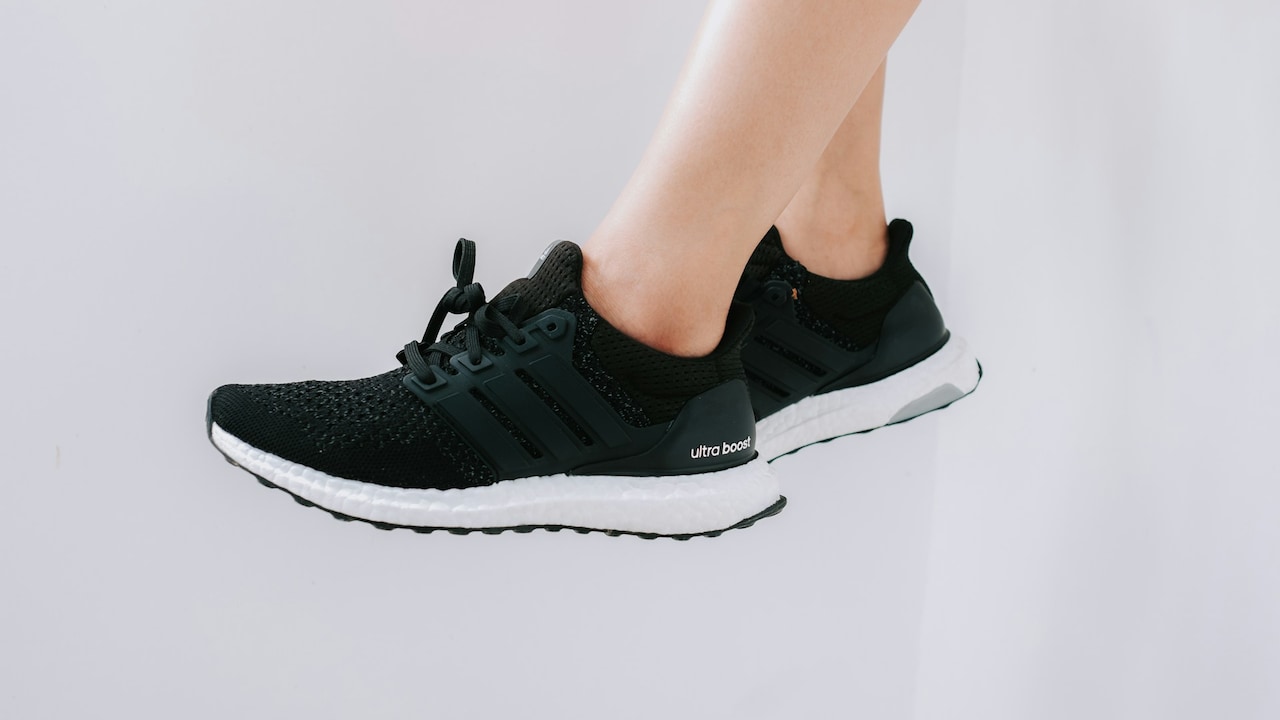
There's something particularly annoying about buying a new pair of sports shoes, checking the size twice, walking around the house to test them, and still ending up with sore heels. The shoes don't feel too small. Your toes have enough room. The fit seems comfortable when you're standing still. Yet, after a brisk walk, a gym session, or even a morning commute, that familiar burning sensation starts creeping up the back of your foot. It's tempting to blame the shoe size, but heel rubbing isn't always a sizing problem. Sports shoes involve several components that influence how your feet move inside them. The heel collar, cushioning, lacing system, material stiffness, and even your walking pattern can create friction. Sometimes, the problem has more to do with how the shoe holds your foot than its actual length. The tricky part? Two shoes displaying the same size can behave completely differently. One pair might feel comfortable throughout a long shopping trip, while another starts causing discomfort within twenty minutes.
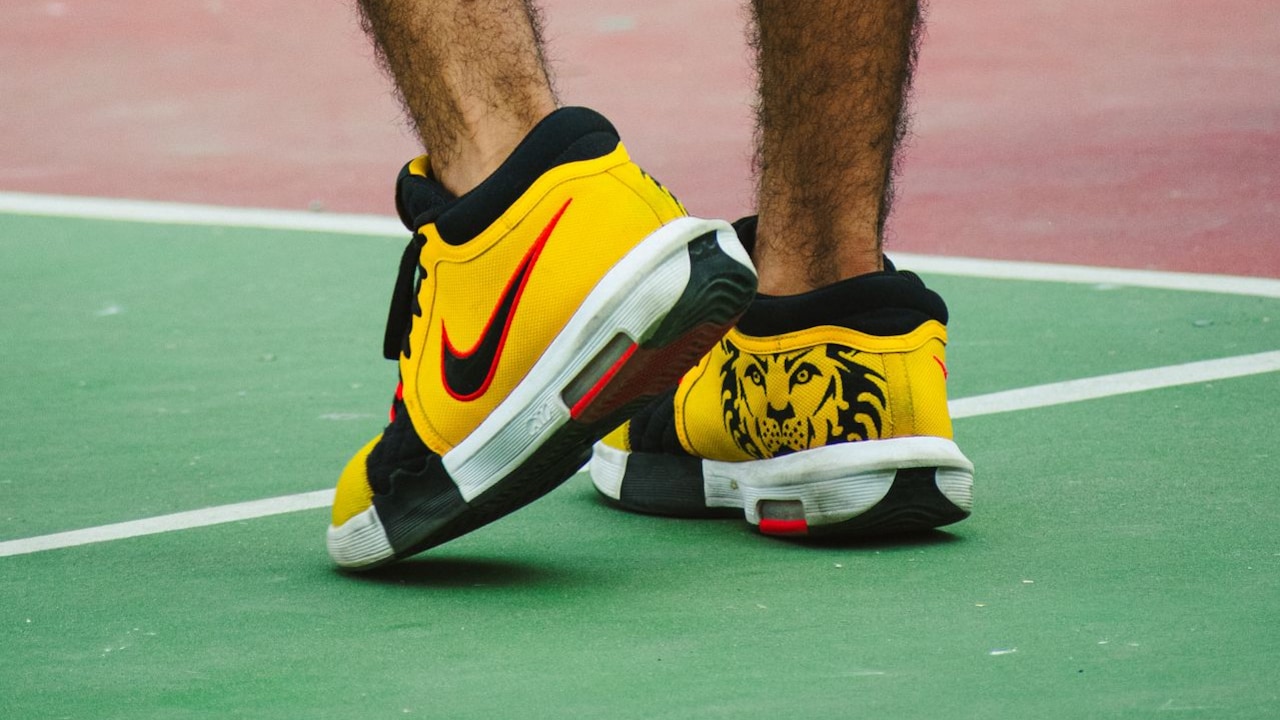
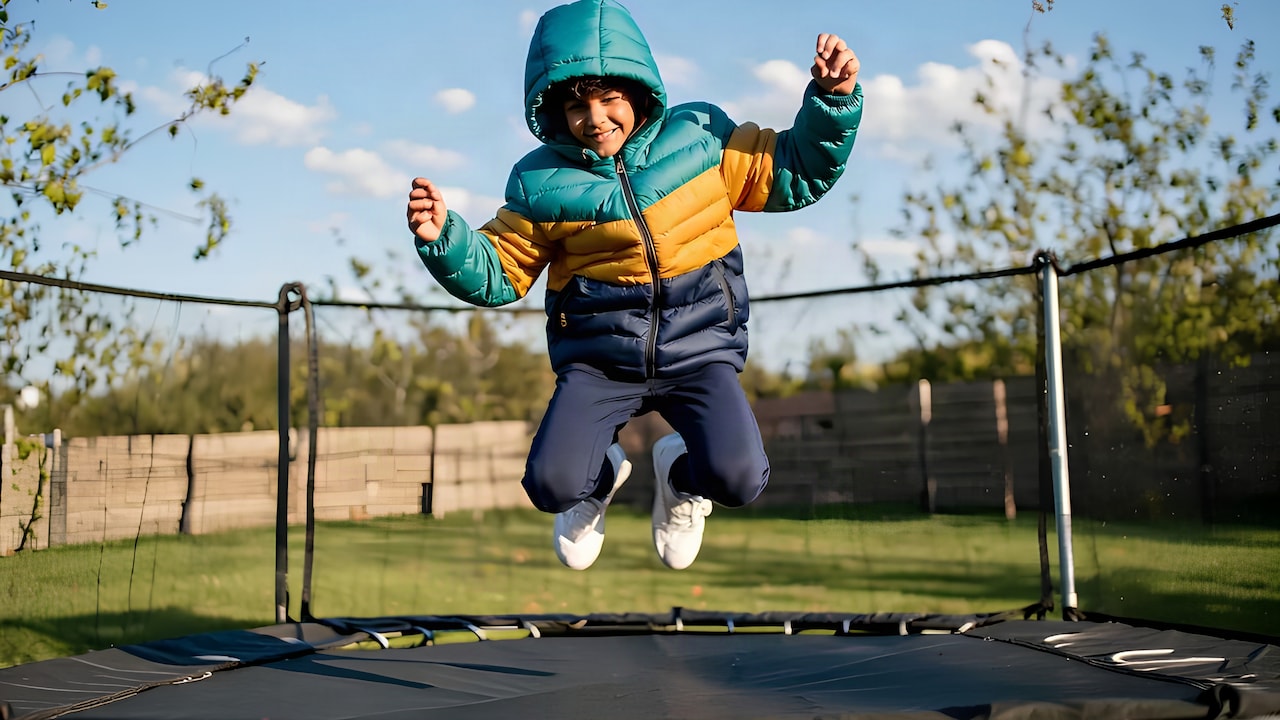
Why do sports shoes cause blisters; Photo Credit: Pexels
Understanding what causes heel friction can save you from unnecessary blisters, disappointing purchases, and the frustrating habit of abandoning otherwise good footwear. Here are ten reasons your sports shoes might keep rubbing your heels despite being the correct size, along with practical ways to make them more comfortable.
Also Read: 5 Types Of Vitamin Supplements For Improved Immunity
10 Reasons Your Sports Shoes Rub Against Your Heels Despite The Right Fit
1. The Heel Collar Is Too Stiff For Your Foot
Sports shoes need structure around the heel to support the foot and maintain their shape. However, some manufacturers use particularly firm materials around the heel collar, which can create uncomfortable pressure against the skin.
The heel collar is the padded or reinforced section surrounding the back opening of your shoe. Ideally, it should hold your heel comfortably without digging into the skin. When the material feels too rigid, repeated contact during walking or running can cause irritation.
This problem often appears with new shoes. The upper materials may soften slightly with regular use, but that doesn't mean every uncomfortable shoe will eventually become comfortable.
Try wearing the shoes indoors for short periods before taking them on longer outings. Start with fifteen to twenty minutes and gradually increase the duration if your heels remain comfortable.
Also, check whether the collar presses directly against your Achilles tendon. A collar that sits awkwardly against this sensitive area can create irritation regardless of shoe size.
If the collar continues digging into your skin after several gentle trials, the shoe's design might simply be unsuitable for your heel shape. No amount of wishful thinking can turn a badly positioned collar into a comfortable one.
2. Your Heel Keeps Slipping Inside The Shoe
A shoe can fit perfectly in length while still allowing excessive movement around the heel. This happens when the heel cup is too wide, the shoe lacks sufficient grip, or the lacing system doesn't secure the foot properly.
Each time you take a step, your heel may lift slightly before settling back into the shoe. That repeated movement creates friction between your skin, socks, and the inner lining.
Over time, even minor slipping can lead to redness, tenderness, and blisters.
You might notice this problem while climbing stairs or walking quickly. The shoe feels comfortable when you're standing still, but the back starts rubbing as soon as your pace increases.
One solution involves adjusting the laces to secure the midfoot and heel more effectively. Some sports shoes include extra eyelets near the ankle for a heel-lock lacing technique.
This method helps reduce unnecessary movement without forcing you into a smaller shoe size.
However, avoid tightening the laces excessively. Your foot should feel secure, not trapped.
If your heel continues slipping despite proper lacing, consider shoes with a narrower heel cup or a different heel design.
3. The Shoe Shape Doesn't Match Your Heel Anatomy
Feet come in different shapes, and shoe manufacturers don't design every model around identical proportions. Some people have narrow heels and wider forefeet, while others have rounded heels or prominent heel bones.
Unfortunately, standard shoe sizes primarily describe foot length. They don't fully account for these anatomical differences.
You might wear a size seven comfortably in one sports shoe and experience persistent heel rubbing in another model of exactly the same size.
The difference often comes down to heel cup shape, collar height, and the overall proportions of the shoe.
People with narrow heels may experience slipping because the rear section provides insufficient grip. Those with prominent heel bones may notice concentrated pressure where the shoe's internal structure meets the skin.
When shopping, pay attention to how the shoe wraps around your heel rather than focusing entirely on toe space.
Walk around the shop, take a few quick steps, and test the shoes on a slight incline if possible.
A well-fitting heel should feel comfortably supported without pinching.
Remember, changing brands or shoe models can sometimes solve a problem that changing sizes never will.
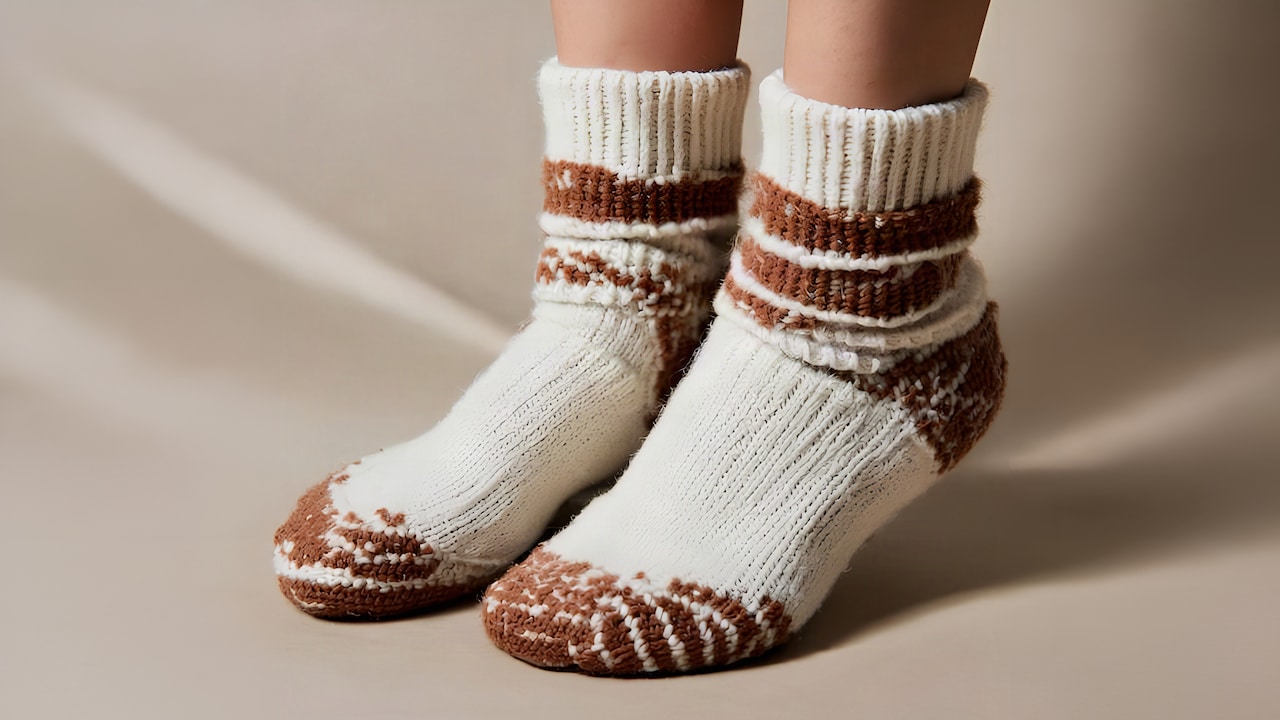
4. Your Socks Are Creating More Friction Than Expected
Socks might seem like minor accessories, but they play an important role in preventing heel irritation.
The wrong pair can make otherwise comfortable sports shoes feel surprisingly unpleasant.
Thin cotton socks, for example, may absorb sweat and remain damp during exercise. Moisture can soften the skin, making it more vulnerable to friction.
Meanwhile, thick socks can alter how the shoe fits around the heel, particularly if the footwear already feels snug.
Loose socks introduce another problem. They may bunch up or slide down during movement, creating folds that repeatedly rub against your skin.
For regular workouts, consider moisture-wicking sports socks made from suitable synthetic blends or merino wool.
Look for designs with a secure heel pocket, smooth seams, and cushioning around areas prone to rubbing.
The height matters too.
If your shoes have high or firm heel collars, low-cut socks may leave vulnerable skin exposed. Slightly taller socks can provide a protective layer between your heel and the shoe.
Before blaming an expensive pair of trainers, try wearing them with different sports socks. Sometimes, that simple change makes a noticeable difference.
5. The Heel Counter Is Pressing Against A Sensitive Spot
The heel counter is the reinforced structure inside the rear section of many sports shoes. Its primary purpose is to help stabilise the heel and maintain the shoe's shape during movement.
However, a rigid or poorly shaped heel counter can become a source of irritation.
Unlike soft fabric sections, heel counters generally don't stretch significantly. If the structure presses against a prominent part of your heel, repeated movement may cause discomfort.
This issue can become particularly noticeable during longer walks, treadmill sessions, or activities involving frequent changes in direction.
You may feel pressure at one specific point rather than experiencing general rubbing across the entire heel.
To identify the problem, gently press around the back of the shoe and notice where the internal reinforcement sits.
Compare that position with the area where your skin becomes irritated.
If the pressure points match, the heel counter could be responsible.
A cushioned heel liner might provide temporary relief in some cases, provided it doesn't make the shoe tighter or cause additional rubbing.
However, persistent pressure from a rigid counter usually indicates a mismatch between the shoe and your foot.
Choosing a different heel construction is often more effective than repeatedly trying to soften an unsuitable design.
The heel counter pressing against a sensitive spot can also cause blisters; Photo Credit: Pexels
6. Your Lacing Technique Isn't Securing The Foot Properly
Most people lace their sports shoes once and rarely think about the arrangement again. As long as the shoes stay on, the job seems complete.
Unfortunately, standard lacing doesn't always provide enough heel stability.
When the upper section feels loose, the foot can shift forward and backward with every step. This movement increases friction around the heel, even when the shoe length is correct.
The problem becomes more noticeable during running, brisk walking, or exercises involving sudden stops.
Try the runner's loop, also called heel-lock lacing, if your shoes include additional eyelets near the ankle.
This technique creates small loops near the top of the shoe and helps improve heel security.
The aim isn't to pull the laces as tightly as possible. Instead, you want a snug fit around the midfoot and ankle without uncomfortable pressure.
After adjusting the laces, walk for several minutes and observe whether the heel still lifts.
Also, avoid leaving the lower laces excessively loose. Proper support should extend across the foot rather than concentrating entirely near the ankle.
A small adjustment can make familiar shoes feel noticeably more secure without changing their size.
7. Sweat And Moisture Are Making Your Skin Vulnerable
A morning walk in humid weather can quickly turn comfortable shoes into a sweaty situation.
When moisture builds up inside footwear, the skin becomes softer and more susceptible to irritation from repeated contact.
Sports shoes that lack sufficient ventilation may trap heat and sweat, particularly during longer workouts.
The combination of damp socks, warm skin, and constant heel movement can increase the likelihood of blisters.
This explains why a pair might feel comfortable during a short evening stroll but start rubbing during a longer afternoon outing.
To manage moisture, choose breathable footwear suited to your activity and climate.
Mesh uppers may improve ventilation, although breathability varies between models.
Moisture-wicking socks can also help move perspiration away from the skin.
After exercise, remove your shoes and allow them to dry thoroughly before wearing them again. Take out removable insoles if appropriate to improve airflow.
Avoid wearing damp socks for extended periods.
If a particular area repeatedly develops friction blisters, a purpose-made blister-prevention tape or dressing may help protect intact skin during activity.
However, persistent rubbing still needs a proper fit adjustment. Keeping your feet dry helps, but it won't correct an uncomfortable shoe structure.
8. The Midsole And Insole Are Changing Your Heel Position
The cushioning beneath your feet influences more than comfort. It also determines how your heel sits inside the shoe.
Sports shoes use different combinations of midsoles, insoles, and heel-to-toe drops to support particular movements.
Some models feature thick cushioning beneath the heel, while others provide a flatter platform.
If the insole raises your foot higher than the shoe's design comfortably accommodates, your heel may sit against a different section of the collar.
This can create rubbing even when the overall shoe length remains suitable.
Replacement insoles sometimes cause this problem.
For example, adding a thick cushioned insole to an already snug trainer may reduce the available space around the ankle and bring the heel into contact with a firmer edge.
Worn or compressed insoles can also affect foot position and stability.
Check whether the original insole lies flat and remains properly seated.
If you've recently changed insoles and noticed heel irritation afterwards, compare the fit with the original pair.
Avoid stacking multiple insoles without appropriate guidance.
The goal is balanced cushioning and comfortable positioning, not simply adding more padding wherever discomfort appears.
9. Your Walking Pattern Is Increasing Heel Friction
Sometimes, the issue isn't entirely the shoe. The way your foot moves can also influence where friction develops.
Everyone has a slightly different walking pattern. Factors such as stride length, foot movement, ankle mobility, and body mechanics affect how shoes interact with the feet.
For example, excessive movement within the shoe during walking can increase contact around the heel.
Certain gait patterns may also place repeated pressure on particular sections of the rear collar.
You might notice uneven wear on your shoe soles or find that one heel develops blisters more frequently than the other.
However, uneven sole wear alone doesn't prove that your walking pattern causes the irritation.
Start by observing whether the rubbing occurs during specific activities.
Does it happen while walking uphill, running, climbing stairs, or standing for extended periods?
Different movements place different demands on footwear.
If the problem persists across multiple properly fitted shoes, consider consulting a qualified podiatrist or physiotherapist for a gait assessment.
They can help identify whether foot mechanics, footwear construction, or another factor contributes to the discomfort.
Avoid deliberately changing your natural walking pattern without professional advice. An awkward stride could create new problems elsewhere.
10. You're Choosing Shoes Based On Size Instead Of Activity
Not all sports shoes perform the same job, even when they look remarkably similar on a shop shelf.
Running shoes, walking shoes, training shoes, and court shoes have different design priorities.
Running shoes often emphasise forward movement and cushioning, while training shoes may prioritise stability during sideways movements.
If you use footwear for activities outside its intended purpose, the heel may experience movement or pressure that the design doesn't manage particularly well.
Consider someone wearing flexible running shoes for a gym session filled with lunges, lateral movements, and quick direction changes.
The shoes might feel comfortable during a straight walk but allow unwanted movement during side-to-side exercises.
Similarly, a stiff training shoe may feel less forgiving during a long recreational walk.
Before purchasing sports shoes, think about where you'll wear them most frequently.
A daily commuting shoe needs different qualities from footwear intended for badminton, treadmill running, or strength training.
Try the shoes using movements similar to your planned activity.
Walk briskly, change direction gently, and check whether the heel remains comfortable and secure.
The right shoe should suit both your foot shape and the movements you expect it to handle.
A correct size is only one part of that equation.
Products Related To This Article
1. HRX by Hrithik Roshan Women Mesh Walking Non-Marking Shoes
2. Puma Fade Pro Running Shoes
3. AVANT Women Mesh Running Shoes
4. YONEX HYULTRAI Badminton Non-Marking Shoes
5. Campus RAYE Women Lace-Up Running Shoe
6. Reebok Adapt OG Bolt Mens Training Shoes
7. Skechers Women Colourblocked Running Non-Marking Sports Shoes
8. Decathlon Kipsta - Adults Black Essential 100 Foot Support Basketball Shoes
Heel rubbing doesn't automatically mean you've purchased the wrong shoe size. Often, the real problem lies in the heel collar, internal structure, socks, lacing, or the way your foot moves during activity.
Before replacing your sports shoes, identify exactly where and when the discomfort begins. Simple adjustments to socks or lacing may help, while persistent pressure from rigid materials might require a different shoe design.
Most importantly, don't treat painful blisters as a compulsory breaking-in period. Comfortable sports shoes should support your movements without leaving your heels sore after every outing.
(Disclaimer: This article may include references to or features of products and services made available through affiliate marketing campaigns. NDTV Convergence Limited (“NDTV”) strives to maintain editorial independence while participating in such campaigns. NDTV does not assume responsibility for the performance or claims of any featured products or services.)