10 Reasons Co-ord Sets Look Stylish Separately But Awkward Together
Co-ord sets promise effortless styling, but matching pieces don't always create a flattering outfit. Discover 10 reasons these sets can look awkward together and simple ways to make them work.
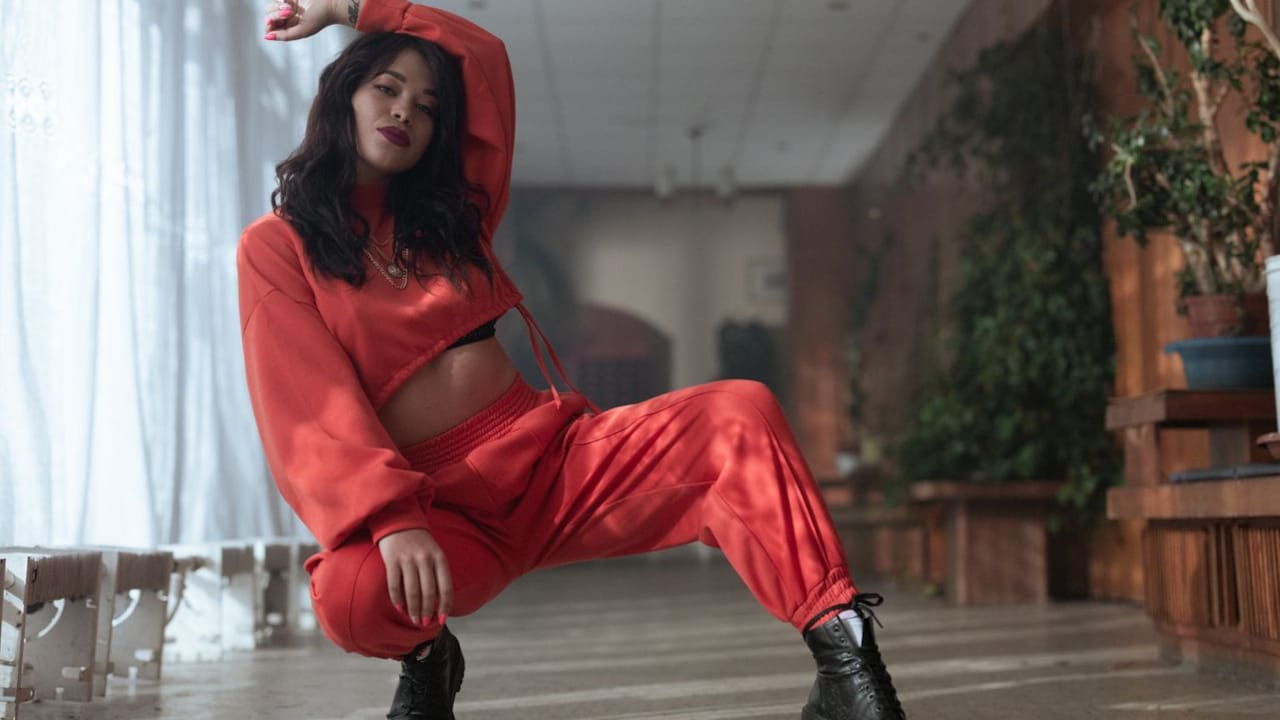
10 practical tips to avoid co-ord sets from looking like a disaster
There's something wonderfully convenient about a co-ord set. Two matching pieces, one complete outfit, and absolutely no need to spend twenty minutes wondering which top goes with which trousers. At least, that's the idea. Yet, anyone who's tried on a beautiful co-ord set only to feel strangely underwhelmed by the complete look knows that matching clothes don't always guarantee a stylish outfit. Sometimes, the top looks fantastic with jeans, while the trousers look equally impressive with a plain white shirt. Put them together, though, and something suddenly feels off. The outfit might look too boxy, overly coordinated, strangely proportioned, or simply different from what the product photographs promised. The frustrating part? Neither piece necessarily has anything wrong with it.
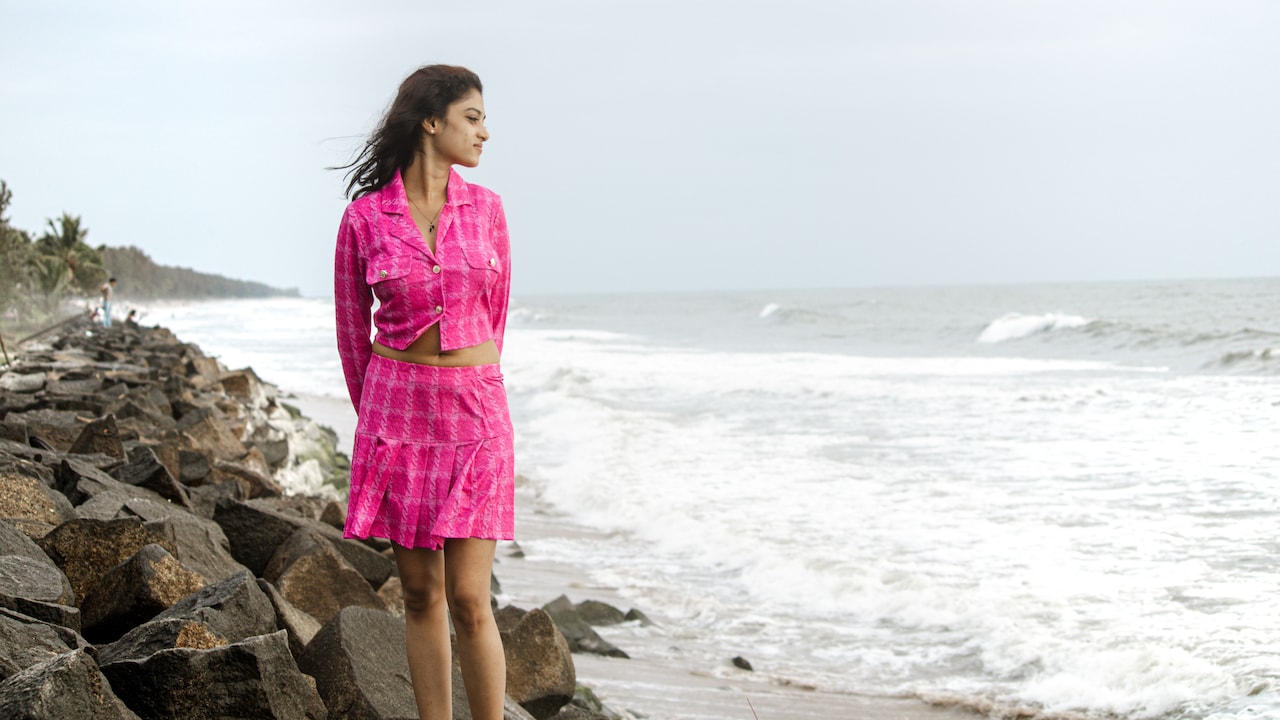
How to prevent your co-ord sets from looking like a fashion mess
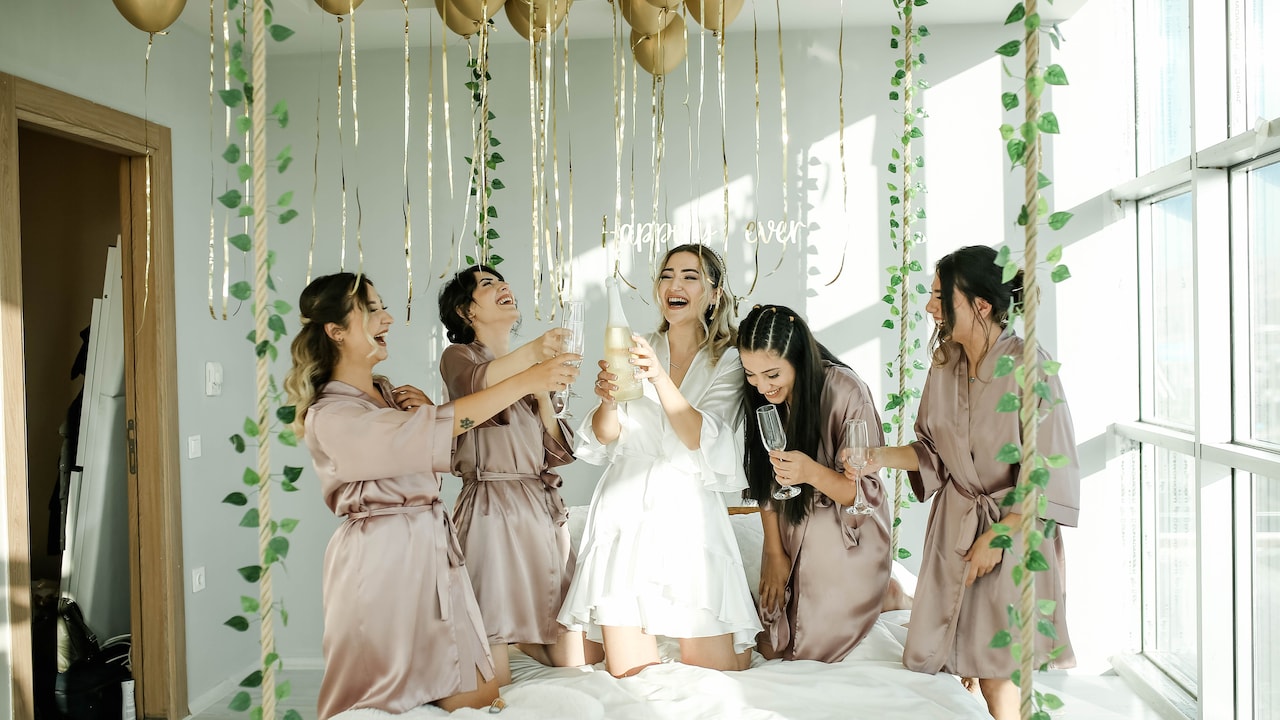
Photo Credit: Pexels
Co-ord sets rely on more than matching colours and prints. Their success depends on proportions, fabric movement, fit, colour balance, and how different design elements work together. A small mismatch can turn an otherwise fashionable combination into something that resembles oversized nightwear or an outfit that hasn't quite decided what it wants to be. Understanding these little styling problems can make shopping for co-ord sets much easier. More importantly, it can help rescue those beautiful matching sets already hanging in the wardrobe.
Also Read: 10 Draped Dresses You Need To Dress Up On Special Occasions
Why Co-ord Sets Don't Always Work Together
1. The Top And Bottom Have Conflicting Proportions
A co-ord set can feature two beautifully designed pieces that simply don't complement each other's proportions. An oversized shirt might look effortlessly fashionable with fitted jeans, while matching wide-leg trousers could look elegant with a tucked-in blouse. Combine the oversized shirt and wide trousers, however, and the outfit may suddenly overwhelm the body.
The problem often lies in how much volume each piece contributes. When both garments have loose silhouettes, there's little definition around the waist, shoulders, or hips. Instead of creating a relaxed appearance, the combination can look shapeless.
This becomes particularly noticeable with cotton and linen co-ord sets featuring boxy shirts and straight-cut trousers. While the individual pieces offer comfort and versatility, wearing them together can create an uninterrupted rectangular silhouette.
A simple styling adjustment can make a surprising difference. Try partially tucking the shirt, rolling up the sleeves, or adding a slim belt to introduce some structure. Even leaving a couple of shirt buttons open can create a more defined neckline.
The goal isn't necessarily to make every outfit fitted. Relaxed clothing can look incredibly sophisticated. However, balancing volume across the upper and lower body helps the entire outfit appear more deliberate rather than accidentally oversized.
2. The Matching Print Becomes Too Overwhelming
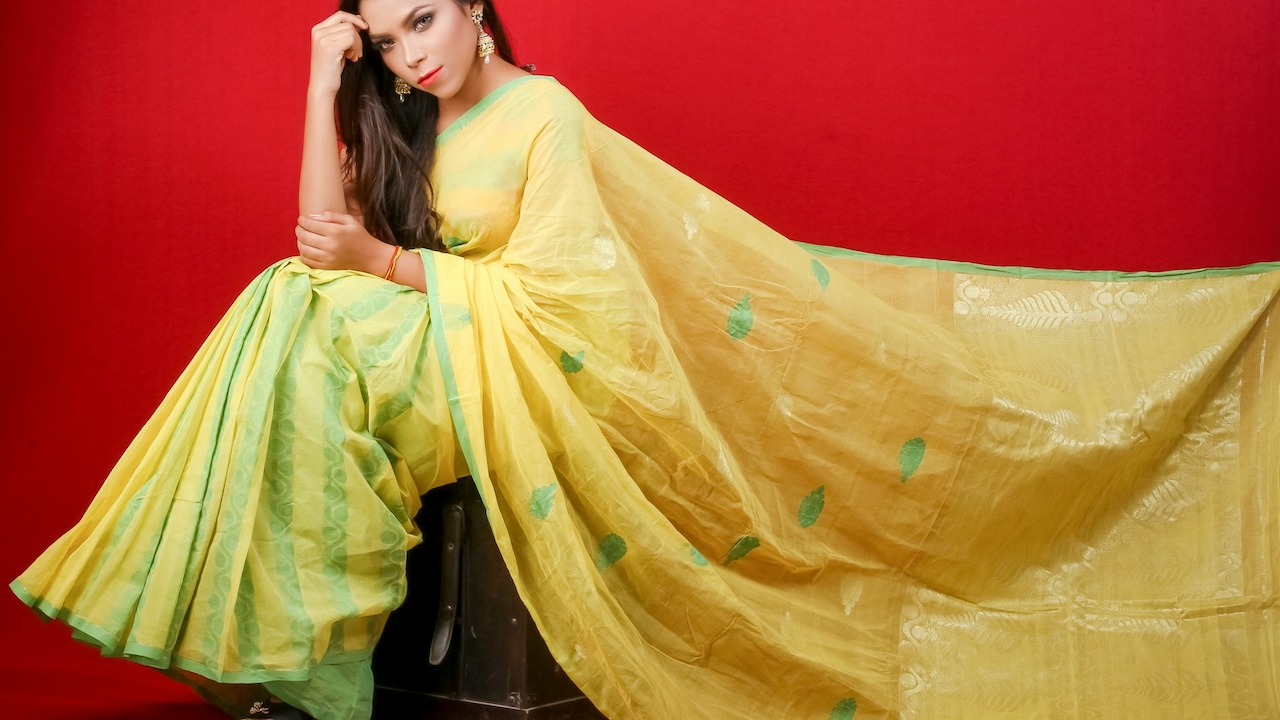
Printed co-ord sets often catch attention because of their striking patterns. Floral motifs, geometric designs, abstract illustrations, and traditional-inspired prints can make individual garments look visually interesting. Unfortunately, doubling the same print across an entire outfit sometimes creates more visual activity than the eye can comfortably process.
Consider a brightly printed shirt featuring large floral motifs. Paired with plain trousers, the shirt becomes the centre of attention. Similarly, printed trousers can look fashionable when styled with a neutral top. Wear both together, though, and the continuous pattern might dominate the entire appearance.
Large prints can become especially challenging when they cover oversized silhouettes. With no visual break between the top and bottom, the outfit may appear heavier than expected.
The solution doesn't always involve abandoning the matching combination. Creating small interruptions in the print can improve its balance.
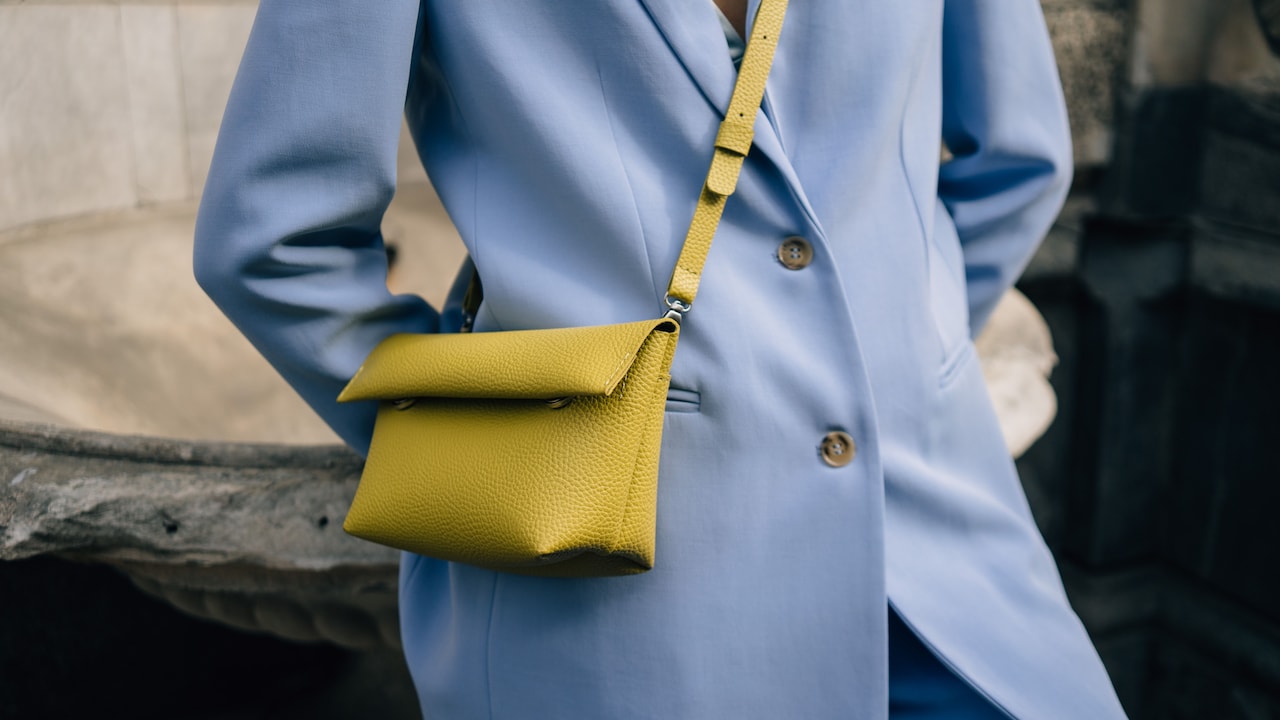
A contrasting belt, an open neckline, or a structured handbag can introduce some much-needed separation. Neutral footwear and understated jewellery also help prevent the overall look from becoming excessively busy.
When shopping online, examine photographs showing the complete outfit rather than concentrating on individual product images. A print that looks charming on a single garment might feel considerably louder when repeated from shoulder to ankle.
3. The Fabric Falls Differently On Each Piece
Fabric plays a surprisingly important role in how co-ord sets look together. The same material can behave differently depending on the garment's shape, stitching, lining, and construction.
For instance, a satin shirt might drape beautifully across the shoulders and create a soft, flowing silhouette. Matching satin trousers, however, could cling around the hips or develop awkward folds near the thighs. Although both garments use similar fabric, their different cuts can produce completely different results.
Cotton blends present another challenge. A structured cotton top may hold its shape nicely, while matching trousers might wrinkle heavily around the knees after sitting for a while.
This difference can make the set appear inconsistent, even when both pieces fit correctly.
Before purchasing a co-ord set, pay attention to how the fabric moves in product videos or customer photographs. Look for unexpected bunching around the waist, knees, and underarms.
When trying on a set, don't judge it while standing perfectly still. Sit down, walk around, raise your arms, and check how the material behaves.
Sometimes, a slight alteration can improve the drape. Other times, the fabric simply works better for one garment than the other. Recognising that difference can prevent an expensive purchase from becoming another rarely worn wardrobe addition.
4. The Waistline Disappears Completely
One reason certain co-ord sets look awkward together is their tendency to hide the waistline entirely. This commonly happens when a long, loose top overlaps matching trousers or skirts without creating any visible separation.
Individually, the pieces might look perfectly proportioned. The top could work beautifully with high-waisted jeans, while the trousers might create a flattering silhouette with a shorter blouse. Together, however, the garments may conceal the natural transition between the upper and lower body.
The result can feel surprisingly unbalanced.
This doesn't mean every outfit needs a tightly defined waist. Straight silhouettes and relaxed tailoring can look elegant without emphasising body shape. However, some visual indication of where the torso ends and the legs begin often helps create better proportions.
A simple front tuck can transform the appearance of a loose co-ord set. Cropped tops also work particularly well with high-waisted trousers because they naturally establish a visual dividing line.
For longer tunic-style tops, consider designs with side slits that reveal movement and prevent the fabric from forming one continuous block.
Small details matter here. Even contrasting buttons, a visible waistband, or a slightly shorter hem can give the outfit enough structure to look coordinated without appearing shapeless.
5. Both Pieces Compete For Attention
Not every stylish garment needs an equally dramatic partner. Sometimes, co-ord sets look awkward because both pieces feature strong design elements that compete rather than complement each other.
Imagine a top with exaggerated puff sleeves, oversized collars, and decorative buttons. On its own, it could look fashionable with simple trousers. Now imagine pairing it with matching bottoms featuring dramatic pleats, a paper-bag waist, and an unusually wide silhouette.
Suddenly, the outfit has several competing focal points.
This issue frequently appears in occasionwear co-ords, where designers incorporate embellishments, ruffles, embroidery, and unusual cuts into both garments.
While these details might look attractive individually, wearing them together can make the outfit appear unnecessarily complicated.
A good outfit usually benefits from some visual hierarchy. One element draws attention while others provide balance.
If the top features elaborate sleeves or a heavily embellished neckline, simpler bottoms often create a more polished result. Likewise, statement trousers usually look better with relatively understated tops.
For matching sets already in the wardrobe, consider adjusting accessories and styling details. Minimal jewellery, simple footwear, and a clean hairstyle can reduce visual competition.
Sometimes, the most effective styling decision involves allowing one interesting feature to stand out instead of asking every design element to make an entrance simultaneously.
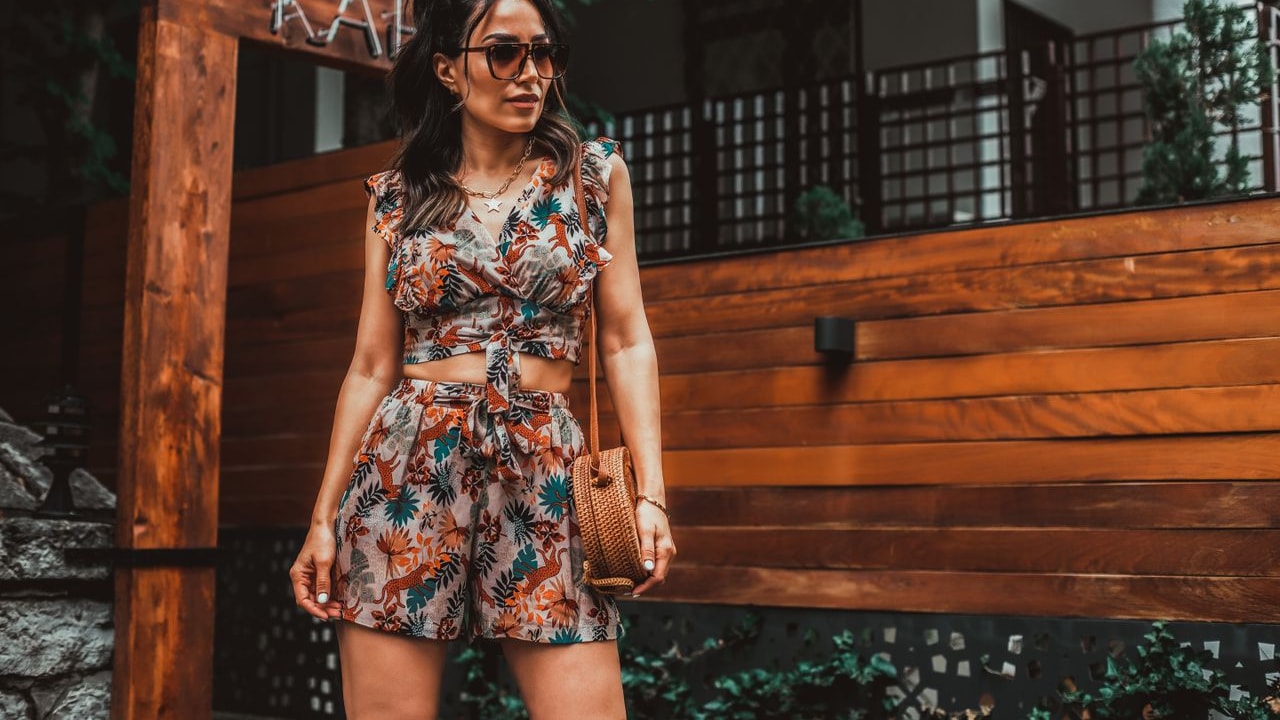
Opt for co-ord sets that do not feature strong elements in all pieces
Photo Credit: Pexels
6. The Colours Look Different Under Natural Lighting
Matching colours might seem like the easiest part of designing a co-ord set. Surprisingly, colour inconsistencies can make matching outfits look awkward, especially when manufacturers use different fabric batches or materials.
Two garments labelled as the same shade of beige, olive green, or dusty pink might display subtle differences when worn together.
These variations may remain almost invisible in product photographs. Under natural daylight, however, one piece might appear warmer, cooler, darker, or slightly faded compared with the other.
Even when the manufacturer uses identical dye, fabric texture can influence colour perception. Satin reflects light differently from cotton, while ribbed materials create shadows that affect how the shade appears.
Interestingly, these differences often become less noticeable when the garments are styled separately. A slightly warmer beige shirt can work beautifully with blue jeans, while cooler beige trousers might complement a black top.
Together, though, the mismatch becomes more obvious because the eye expects both pieces to match precisely.
Check co-ord sets under daylight before removing their tags. Compare the top and bottom side by side, paying attention to undertones rather than simply identifying the overall colour.
If the difference appears intentional, the combination might still work. Otherwise, styling the pieces separately can look considerably more polished than forcing an almost-matching outfit.
7. The Lengths Create Unflattering Visual Breaks
Garment length can determine whether a co-ord set looks balanced or strangely proportioned. Even well-fitted pieces can create an awkward combination when their hems fall at visually inconvenient points.
For example, a long shirt ending at the widest part of the hips might look stylish with slim trousers. Pair it with matching wide-leg bottoms, however, and the outfit could appear unnecessarily bulky around the middle.
Similarly, cropped trousers combined with a long, oversized top can sometimes make the legs appear shorter, particularly when the footwear creates another strong horizontal break.
The issue isn't the person's height or body shape. It's how the clothing divides the overall silhouette.
Fashion photographs often disguise these proportion problems through carefully selected poses, camera angles, or styling techniques. Real-life movement reveals a more accurate picture.
When trying on a co-ord set, examine where the top ends and where the trousers begin. Notice whether the hems create balanced sections or make one part of the outfit appear disproportionately long.
Minor alterations can make a significant difference. Shortening an oversized shirt by a few centimetres might create a better visual balance. Adjusting trouser length can also help the fabric fall more naturally over footwear.
Choosing shoes that don't introduce an abrupt contrast at the ankle can further improve the outfit's overall proportions.
8. The Set Resembles Nightwear More Than Daywear
Comfortable co-ord sets have become wardrobe favourites, especially for travelling, working from home, and casual outings. However, certain combinations can look suspiciously similar to pyjamas when worn together.
This usually happens when both pieces feature soft fabrics, loose silhouettes, elasticated waistbands, and relaxed tailoring.
A printed cotton shirt might look charming with denim shorts. Matching cotton trousers could look equally fashionable with a fitted T-shirt. Combine them, though, and the overall outfit may resemble something intended for bedtime.
Small details contribute to this impression. Contrast piping, oversized pockets, broad collars, and certain all-over prints can strengthen the resemblance to traditional night suits.
There's nothing wrong with borrowing inspiration from sleepwear. Pyjama-style fashion can look elegant when the outfit features thoughtful tailoring and deliberate styling.
The challenge lies in making the combination appear intentional.
Structured handbags, polished sandals, and well-chosen jewellery can help shift the outfit towards casual daywear. Rolling up sleeves or leaving the shirt partially open over a fitted vest can introduce a more styled appearance.
Fabric quality also matters. Crisp cotton, structured linen blends, and materials with a slightly substantial finish often create a sharper silhouette than excessively thin fabrics.
If the complete set still looks like nightwear, wearing the pieces separately might offer greater versatility.
9. The Fit Works For One Garment But Not The Other
One of the biggest frustrations with ready-made co-ord sets is the assumption that everyone needs the same clothing size for both pieces.
In reality, body proportions vary considerably. Someone might prefer a medium-sized shirt but need large trousers for a comfortable fit around the hips. Another person might require additional room around the shoulders while preferring a smaller waist measurement.
When brands sell co-ord sets as one fixed size, compromises become inevitable.
The top might fit beautifully while the trousers pull across the thighs. Alternatively, the trousers might feel comfortable while the matching shirt hangs awkwardly around the shoulders.
Individually, these differences may seem manageable. Worn together, however, they can make the complete outfit appear inconsistent.
This becomes particularly noticeable with tailored co-ords featuring fitted waistbands, structured blazers, or narrow sleeves.
Before buying, check the garment measurements rather than relying exclusively on standard size labels. Pay particular attention to shoulder width, bust measurements, hip circumference, and trouser rise.
Brands that allow customers to select separate sizes for tops and bottoms offer a practical advantage.
If the set already fits unevenly, a tailor may be able to adjust the looser garment. However, complicated alterations can affect pockets, pleats, and overall construction.
A matching outfit should feel comfortable in both pieces. Looking coordinated shouldn't require constantly adjusting the waistband or tugging at the sleeves.
10. The Styling Doesn't Match The Outfit's Overall Mood
Sometimes, the problem isn't the co-ord set itself. It's the way the complete outfit interacts with footwear, accessories, hairstyles, and the occasion.
A relaxed linen co-ord set might look effortless with flat sandals and a woven handbag. Pair the same outfit with heavily embellished heels and elaborate jewellery, however, and the combination could feel confused.
Likewise, a structured blazer-and-trouser set might appear polished with loafers or clean trainers. Extremely casual flip-flops could undermine that tailored appearance.
When wearing the pieces separately, their styling possibilities expand. The blazer can complement jeans for a smart-casual look, while the trousers might work beautifully with a simple cotton shirt.
Together, the garments create a stronger visual identity, which means accessories need to support that identity rather than contradict it.
Consider the setting before styling a co-ord set. A coffee outing, office meeting, festive gathering, and weekend shopping trip call for different levels of formality.
Instead of adding accessories simply because the outfit looks plain, identify what the clothing already communicates.
Relaxed sets generally benefit from understated accessories, while tailored combinations can accommodate more structured finishing touches.
The trick is consistency, not perfection. When the footwear, bag, and jewellery feel connected to the outfit, even an uncomplicated matching set can look thoughtfully styled.
Products Related To This Article
1. Kotty Solid Shirt with Trousers
2. NOBERO Oversized Textured T-shirt and Joggers Co-ord Set
3. Selvia Self-Design Top with Palazzos
4. MADSTO Cotton Printed T-shirt with Joggers
5. BAESD Self Design Blazer with Trousers & Jacket
6. Levis Men Loose Fit Typography Printed Pure Cotton Co-Ords
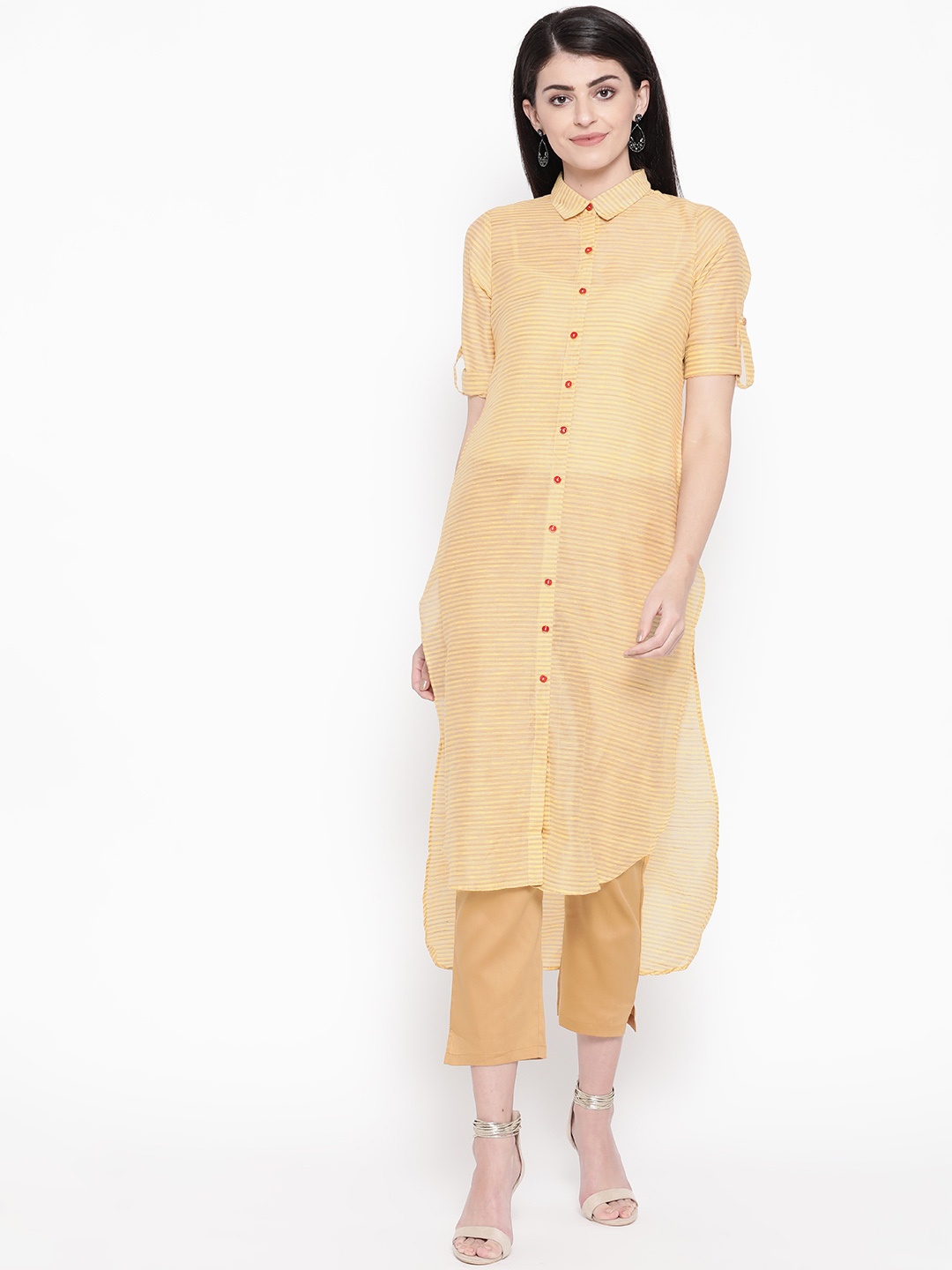
7. Sangria Abstract Printed Pure Cotton Wrap On Tunic & Trouser
Co-ord sets aren't automatically stylish simply because their colours, prints, or fabrics match. The real difference lies in how their proportions, fit, textures, and design details work together. Sometimes, a small adjustment to the waistline or trouser length can rescue an awkward combination. Other times, the smartest decision involves wearing both pieces separately.
After all, a matching set should simplify dressing rather than create another wardrobe dilemma. If the shirt looks fantastic with jeans and the trousers work better with a plain top, that's hardly a fashion failure. It's simply two versatile garments doing what they do best.
(Disclaimer: This article may include references to or features of products and services made available through affiliate marketing campaigns. NDTV Convergence Limited (“NDTV”) strives to maintain editorial independence while participating in such campaigns. NDTV does not assume responsibility for the performance or claims of any featured products or services.)