Why Saree Pleats Look Neat Standing Up But Messy After Sitting
Saree pleats often look perfectly arranged until you sit down. Discover why fabric bunches, folds shift, and pleats lose their shape, along with practical ways to keep your saree looking neat throughout the day.
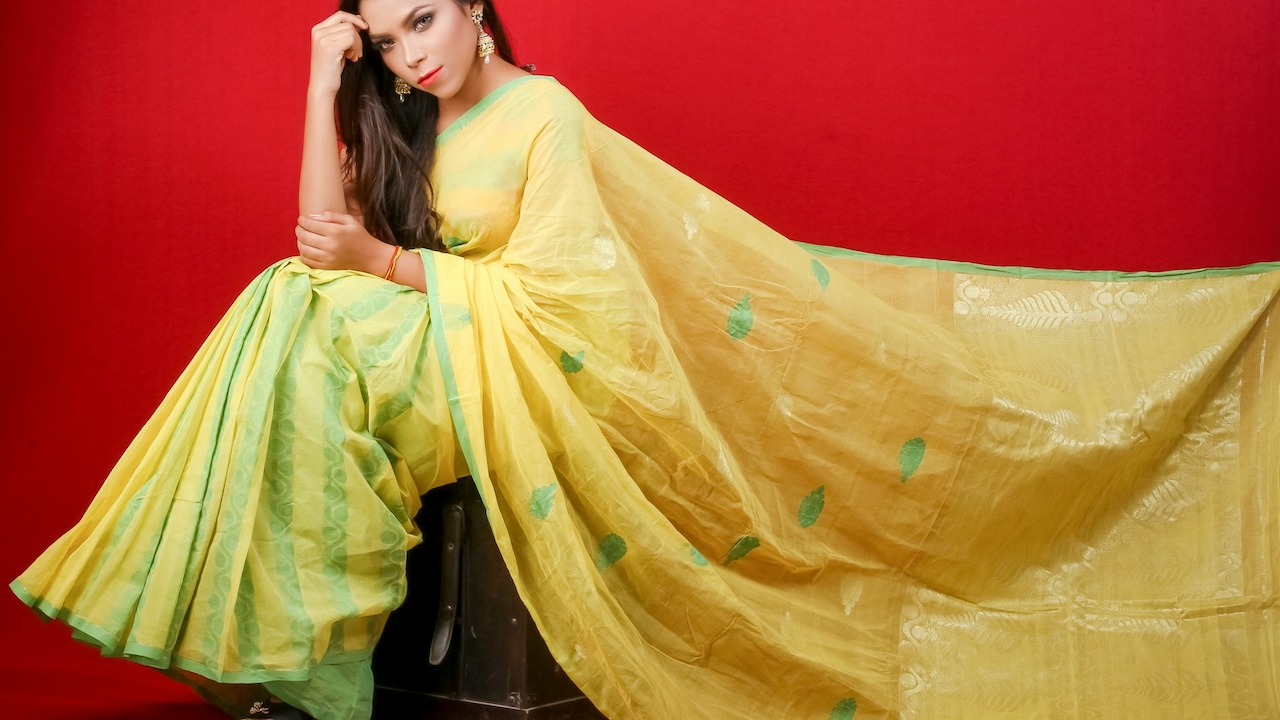
Tips to prevent saree pleats from looking messy
A neatly draped saree can make even an ordinary morning feel like a special occasion. The pleats fall beautifully, the pallu sits exactly where it should, and everything looks perfectly balanced in the mirror. Then comes the first sitting session. Perhaps it's a long office meeting, a family function, or a wedding ceremony where sitting cross-legged becomes unavoidable. Suddenly, those carefully arranged pleats look nothing like they did twenty minutes earlier. Some have opened up, others have gathered around the knees, and the front drape looks slightly twisted. It's a familiar frustration for anyone who wears sarees regularly. Even experienced saree wearers sometimes struggle to maintain crisp pleats throughout the day. Interestingly, the problem doesn't always come from poor draping skills. Fabric behaviour, body movement, pleat placement, and even the type of chair can influence how well a saree maintains its shape.
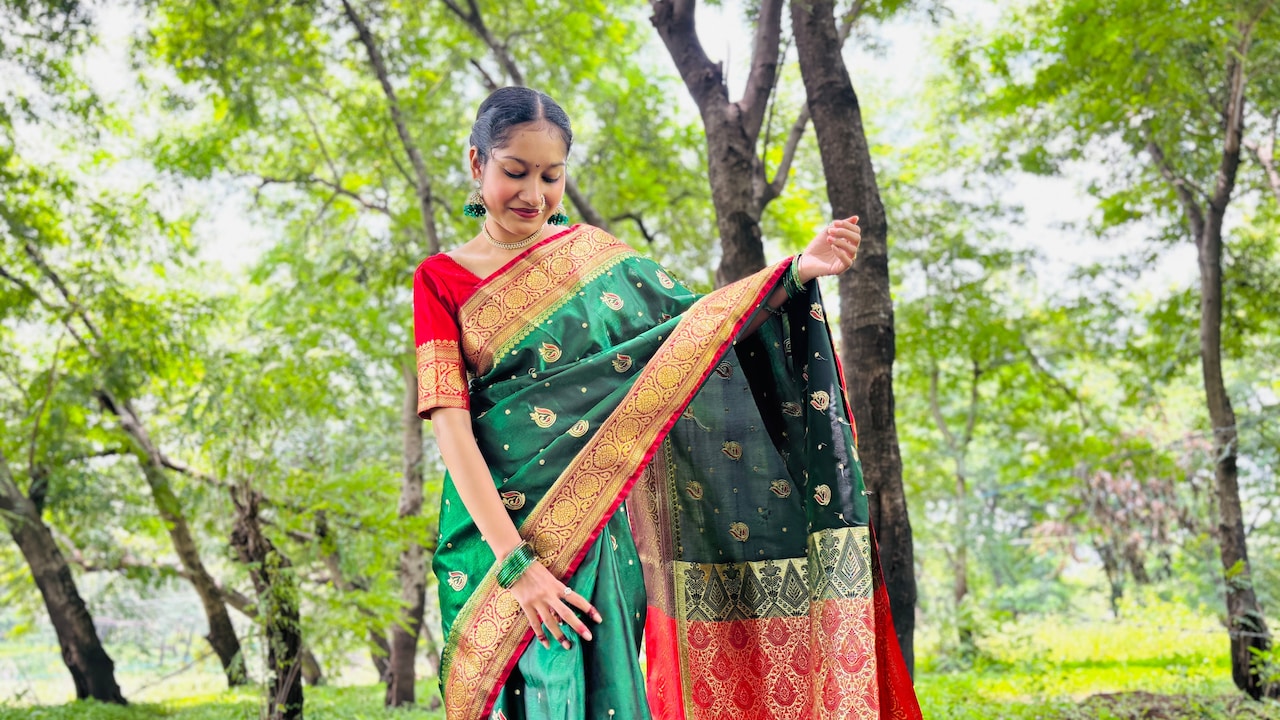
How to keep saree pleats intact
Photo Credit: Pexels
Understanding these small details makes a considerable difference. A saree should allow comfortable movement without demanding constant adjustments. Here are ten reasons why pleats look elegant while standing but become messy after sitting, along with practical ways to prevent the problem.
Also Read: Top 5 Draped Sarees You Can Wear Without Pleating Under ₹8000
10 Reasons Saree Pleats Lose Their Shape After Sitting
1. Pleats Spread Apart When The Fabric Bends At The Hips
Standing allows saree pleats to hang almost vertically, with gravity keeping the folds aligned. The moment you sit, your body bends at the hips, creating a completely different arrangement. Fabric that previously hung straight must now accommodate the curve between the waist, thighs, and knees. This movement forces the pleats to spread, overlap, or shift sideways.
The problem becomes more noticeable when pleats sit too tightly against the abdomen. There simply isn't enough fabric available to accommodate the change in posture. As a result, the folds pull against one another and lose their original arrangement.
A practical solution involves leaving a little flexibility around the waist while draping. Instead of pulling every fold excessively tight, allow the fabric to fall naturally. The pleats should remain secure without restricting movement.
Before leaving home, try sitting down and standing up a few times while wearing the saree. This simple test reveals whether the folds have enough room to move. Adjusting them beforehand prevents uncomfortable surprises later, particularly during weddings, office events, or lengthy family gatherings where sitting forms a large part of the occasion.
2. Uneven Pleat Widths Become More Noticeable After Sitting
Perfectly symmetrical pleats may seem like a small detail, but their width plays an important role in how the saree behaves during movement. When some folds measure considerably wider than others, they respond differently to pressure and bending.
Wider pleats tend to spread across the thighs, while narrower ones become trapped between neighbouring folds. This imbalance might remain almost invisible while standing because gravity pulls everything downwards. Sitting removes that advantage, exposing the uneven arrangement.
The easiest solution involves paying attention to pleat widths during the initial drape. Rather than gathering fabric quickly, take a moment to create folds of approximately equal size. This doesn't require a measuring tape or the precision of a tailor. Consistency matters more than perfection.
Hold the gathered pleats together and gently shake them before tucking them into the waistband. This helps the fabric settle into a more uniform arrangement.
Also, avoid making an excessive number of narrow pleats simply to use up extra fabric. Too many folds can create unnecessary bulk, making them difficult to manage after sitting. A balanced arrangement generally looks better and feels more comfortable throughout the day.
3. Slippery Saree Fabrics Lose Their Fold Structure Easily
Some sarees seem determined to resist every attempt at neat pleating. Satin, certain silk blends, and smooth synthetic fabrics can look stunning when freshly draped, yet their folds may gradually shift during ordinary movement.
The explanation lies in the fabric's surface. Smooth materials create relatively little friction between layers. When you sit, the pleats slide against one another, changing their original arrangement. Standing up doesn't necessarily restore the folds because the fabric has already moved away from its initial position.
This explains why a lightweight satin saree can require more adjustments than a crisp cotton one, despite feeling easier to drape initially.
For slippery materials, careful pleat preparation becomes particularly important. Arrange the folds evenly and secure the upper section with a discreet safety pin, taking care not to damage delicate fabric.
A suitable petticoat also helps. A waistband that holds the tucked fabric securely reduces unwanted movement around the waist.
If the fabric permits ironing, gently pressing the pleats beforehand can improve their definition. Always follow the saree's care instructions, especially for delicate silk and embellished materials. The aim isn't to make the fabric stiff, but to encourage it to retain its intended folds.
4. Incorrect Pleat Placement Creates Pressure Around The Knees
Where the pleats sit matters just as much as how neatly you fold them. A common draping mistake involves positioning the front pleats too far towards one side. This might appear perfectly acceptable in the mirror, especially when the wearer stands with their weight on one leg.
However, sitting reveals the problem. Uneven placement causes some folds to stretch across the thighs while others gather around one knee. When the wearer stands again, the front drape appears crooked or unusually bulky.
Ideally, the pleated section should fall naturally from the front waist, with enough room for both legs to move comfortably. The exact position depends on the saree style, body proportions, and personal preference.
Check the arrangement while standing with both feet evenly positioned. The fabric shouldn't pull noticeably towards either hip.
Another useful trick involves sitting on a chair before completing the final adjustments. Observe how the pleats settle across the lap. If they bunch heavily around one thigh, reposition the upper tuck slightly.
Small changes often produce better results than completely redoing the drape. A balanced starting position makes it easier for the pleats to recover their shape after movement.
5. Tight Petticoats Restrict The Natural Movement Of Pleats
A petticoat provides the foundation for a traditional saree drape. Unfortunately, an uncomfortable or poorly fitted one can create problems that no amount of careful pleating will solve.
When the petticoat fits too tightly around the hips and thighs, sitting becomes restrictive. The underlying garment pulls against the body, preventing the saree from settling naturally. Consequently, the outer fabric gathers into uneven folds rather than spreading comfortably across the lap.
The waistband also deserves attention. A loose waistband allows tucked pleats to shift, while an excessively tight one creates unnecessary tension around the waist.
Choose a petticoat that feels secure but allows comfortable sitting, walking, and bending. The garment should follow the body's shape without restricting ordinary movement.
For fitted shapewear-style saree skirts, pay particular attention to the stretch and overall fit. Some designs offer excellent support, but an overly restrictive style can make sitting uncomfortable.
Before wearing the saree for a long occasion, test the petticoat separately. Sit, stand, and take a few steps. If the foundation garment already feels restrictive, the complete drape will probably feel even less comfortable after several hours.
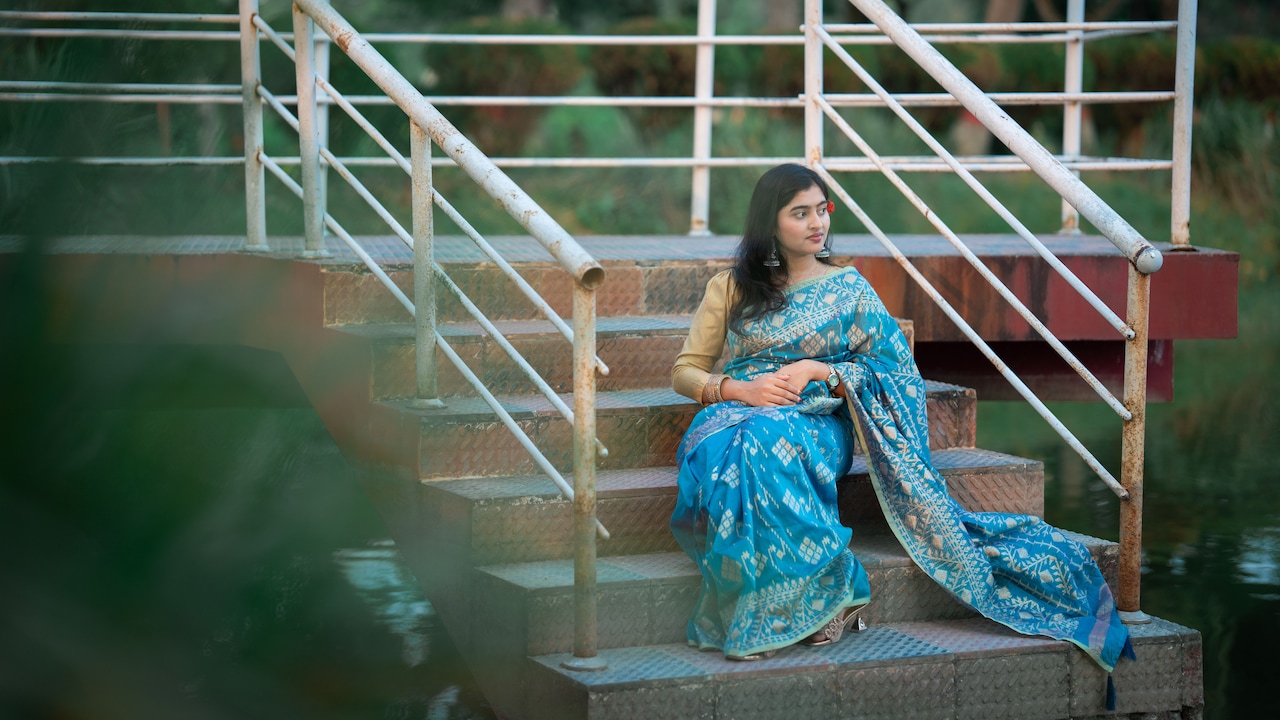
Tying the petticoat tightly can restrict the natural flow and movement of pleats
Photo Credit: Pexels
6. Excess Fabric Around The Waist Creates Bulky Pleats
More fabric doesn't automatically mean more elegant pleats. Sometimes, gathering too much material into the front section creates a bulky arrangement that becomes difficult to control when sitting.
While standing, the excess fabric may hang neatly because gravity keeps the layers together. Once seated, the additional material needs somewhere to go. It often collects around the thighs, creates awkward folds near the abdomen, or causes the outer pleats to spread.
This issue becomes particularly noticeable with heavier sarees, including certain Banarasi styles and richly woven festive fabrics. Multiple layers of substantial material can make sitting feel unnecessarily cumbersome.
During draping, distribute the fabric thoughtfully instead of forcing every available inch into the front pleats. The initial wrap around the waist should sit smoothly, without hidden bunching beneath the pallu.
Also, consider the material's thickness when deciding how many pleats to create. A lightweight chiffon saree may accommodate more folds than a thick silk saree without creating the same bulk.
If the front already looks unusually heavy while standing, sitting will probably exaggerate the problem. Reducing unnecessary layers often creates a cleaner silhouette and a more manageable drape.
7. Sitting Without Adjusting The Pleats Causes Unwanted Creases
Sometimes, the problem isn't the saree itself but the way someone sits down. A perfectly arranged drape can become messy when the wearer drops into a chair without giving the pleats enough room to settle.
As the knees bend, the fabric folds naturally. However, if the front pleats become trapped beneath the thighs or pulled tightly across the lap, pressure can create unwanted creases. Standing afterwards reveals folds pointing in different directions.
This commonly happens during long functions when people repeatedly move between standing, sitting, and greeting guests. After several transitions, even well-arranged pleats can begin looking untidy.
A simple habit can help. Before sitting, gently guide the front pleats so they fall comfortably over the knees rather than twisting underneath the body.
Avoid pulling the entire pleated section upwards aggressively. That can loosen the waist tuck and disturb the arrangement further.
When standing, allow the fabric to fall naturally before making any adjustments. A light downward smoothing motion often restores the appearance without requiring a complete re-drape.
These movements take only a few seconds, yet they can prevent much of the unnecessary bunching that makes saree pleats look untidy.
8. Heavy Borders Pull Pleats Out Of Their Original Shape
A decorative border can transform a simple saree into an elegant festive outfit. However, heavily embroidered borders, zari work, and embellished edges also influence how the fabric hangs.
When standing, the border's weight may help pull the saree downwards, giving the pleats a beautifully structured appearance. Sitting changes the direction of that pull. As the fabric bends across the knees, the heavier edge can shift independently from the lighter body of the saree.
This difference in weight may cause the lower pleats to fan out unevenly or twist towards one side.
The problem becomes more noticeable when the border contains dense embroidery or decorative elements that make it less flexible than the surrounding material.
When draping such sarees, arrange the folds so the borders align neatly instead of overlapping randomly. A gentle press, where appropriate for the fabric and embellishments, can help define the pleats.
While sitting, avoid trapping the heavy border awkwardly beneath the legs. Let it settle comfortably along the front of the saree.
For particularly elaborate outfits, a few discreet adjustments throughout the occasion may still be necessary. Heavy festive sarees often require a little more attention than everyday fabrics.
9. Poorly Secured Pleats Gradually Shift With Every Movement
Saree pleats rarely become messy all at once. More often, small movements gradually disturb their arrangement. Walking, climbing stairs, sitting, and standing repeatedly can loosen the front tuck by tiny amounts.
Eventually, the pleats lose their original alignment. One fold might drop lower than the others, while another shifts towards the hip. The difference becomes especially obvious after sitting because the fabric experiences additional pulling and pressure.
A secure tuck provides the first line of defence. Make sure the upper pleats sit firmly inside the petticoat waistband without creating excessive tension.
A small safety pin can also help hold the upper folds together. Position it carefully so it remains concealed and doesn't catch delicate threads.
However, attaching too many pins isn't necessarily better. Excessive pinning can restrict natural movement, causing fabric to pull awkwardly when sitting. It may also damage fine materials.
The goal is to secure the arrangement while preserving enough flexibility for comfortable movement.
Before attending a lengthy event, test the drape by walking around and sitting several times. If the pleats begin slipping immediately, adjust the tuck or fastening before leaving home.
10. Fabric Memory And Repeated Sitting Change The Pleat Shape
Fabric memory describes a material's tendency to retain or recover a particular shape after folding, pressing, or stretching. Different saree fabrics respond differently to repeated movement, which explains why some pleats remain crisp for hours while others gradually lose definition.
Cotton and certain structured blends tend to hold visible creases well, although they can also develop stubborn wrinkles. Softer fabrics may recover from gentle folds more easily, but they don't always maintain sharp pleat lines.
Repeated sitting places pressure on the same areas around the hips, thighs, and knees. Over time, these repeated bends can alter the original folds. Even if the pleats remain secure at the waist, their lower sections may no longer fall in neat, parallel lines.
Preparation can help reduce this problem. Iron suitable fabrics according to their care labels, paying particular attention to the front pleats.
For sarees that wrinkle easily, avoid unnecessary folding and crushing before wearing them. Storing garments properly also helps preserve their appearance.
During long occasions, occasionally stand and allow the material to relax naturally. Smooth the folds gently rather than repeatedly pulling them into place.
Remember that some creasing is unavoidable. A saree moves with the body, and perfectly rigid pleats aren't always compatible with comfortable, everyday wear.
Products Related To This Article
1. SIJILEEN Zari Satin Designer Banarasi Saree
2. Mitera Zari Silk Cotton Banarasi Saree
3. Saree mall Silk Blend Ikat Sarees
4. Royal Rajgharana Saree Woven Design Zari Kanjeevaram Sarees
5. THE Z KARA Women Floral Satin Saree
6. Garden Vareli Woven Design Zari Art Silk Saree
7. Silk Land Woven Design Border Zari Kasavu Saree
Neat saree pleats depend on more than careful folding. Fabric texture, pleat width, petticoat fit, weight distribution, and everyday movements all influence how the drape behaves after sitting. Fortunately, small adjustments can prevent much of the bunching and shifting. Test the drape while seated, avoid excessively tight tucks, and choose pleat arrangements that suit the material. Most importantly, don't expect a saree to remain completely motionless. A few natural folds are part of wearing six yards of fabric with comfort and confidence.
(Disclaimer: This article may include references to or features of products and services made available through affiliate marketing campaigns. NDTV Convergence Limited (“NDTV”) strives to maintain editorial independence while participating in such campaigns. NDTV does not assume responsibility for the performance or claims of any featured products or services.)