Rounded-Toe Flats And Comfort: Smart Tips For Finding The Right Pair
Find rounded-toe flats that truly feel comfortable. Learn how to assess fit, cushioning, materials, grip and support before choosing a pair that works for long days and everyday wear.
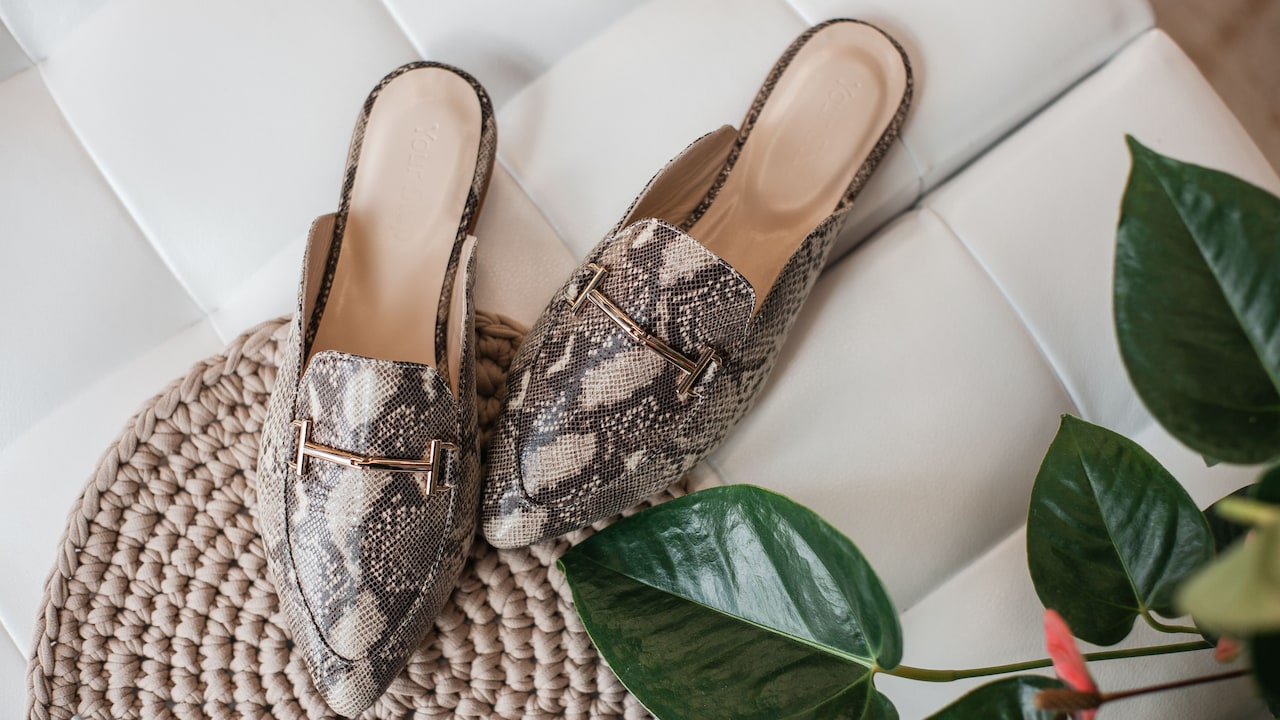
Best Rounded-Toe Flats: Smart Tips For Comfort, Fit And Support
Some shoes demand attention. Rounded-toe flats prefer to earn affection slowly. They sit neatly under office trousers, soften the look of a structured kurta set and rescue tired feet after an evening in heels. Their appeal lies in simplicity, but that simplicity can be deceptive. A pair may look wonderfully soft on the shelf and still pinch after twenty minutes. Another may seem plain at first glance yet feel so comfortable that it becomes the default choice for grocery runs, metro rides and unexpected dinner plans. The difference usually comes down to fit, construction and a few details that shoppers often overlook. Finding comfortable flats is not about choosing the softest pair or the lowest price. It involves understanding foot shape, checking support and thinking honestly about where the shoes will be worn. A flat designed for short indoor use may struggle during a long commute. A decorative pair may charm at a wedding but feel awkward on uneven pavements. The following ten tips make the search easier, smarter and far kinder to the feet.
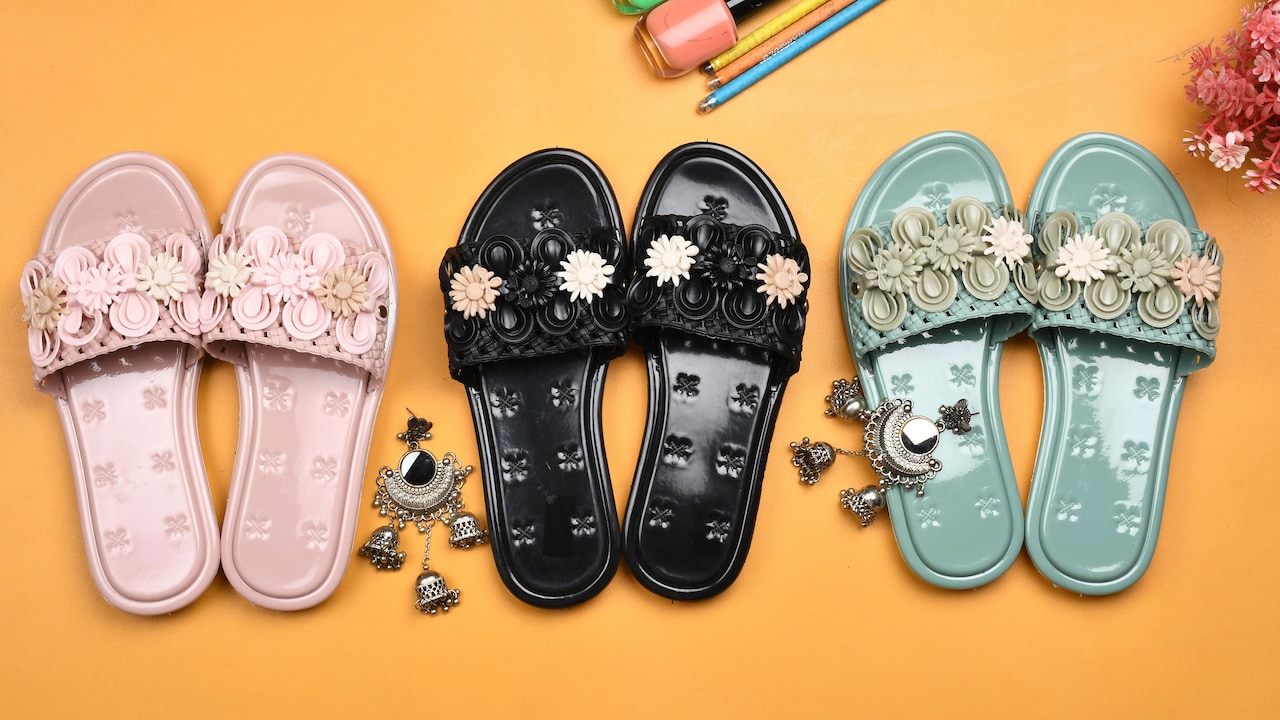
Best Rounded-Toe Flats: Smart Tips For Comfort, Fit And Support
Photo Credit: Pexels
How To Choose Rounded-Toe Flats That Feel As Good As They Look
1. Start With The Shape Of Your Feet
A rounded toe may look generous, but appearances can be misleading. Some designs curve inward quickly, while others offer a broad, natural shape. The right choice depends on the width and structure of the foot.
People with wider forefeet should look for a roomy toe box that allows the toes to rest without overlapping. Those with narrow feet may need a closer fit to prevent the shoe from sliding. Bunions, long second toes and sensitive joints also deserve attention. A pretty upper cannot compensate for pressure in the wrong place.
Try tracing each foot on paper at the end of the day, when mild swelling is common. This simple outline reveals whether the forefoot is broad, tapered or fairly straight. It also helps when comparing online size charts.
Remember that feet are rarely identical twins. One may be slightly longer or wider than the other. Always fit the larger foot. A tiny extra space can be managed with an insole, while a cramped shoe usually becomes more irritating with every step. Comfort begins with accepting the foot's real shape rather than forcing it into a fashionable outline.
2. Check The Toe Box Before Falling For The Design
Embellished bows, metallic trims and glossy finishes can distract from the most important area of the shoe: the toe box. This is where comfort often succeeds or collapses.
There should be enough room to wiggle the toes gently. They should not press against the front or feel squeezed from the sides. A useful test is to stand naturally and check whether the upper stretches tightly across the widest part of the foot. Visible strain lines are rarely a good sign.
The front of the shoe should also have a little height. A flat may be wide enough yet too shallow, causing the upper to rub against toenails or joints. This becomes especially uncomfortable during warm weather, when feet may swell.
Avoid assuming that a pair will “open up” dramatically. Leather can soften and stretch slightly, but synthetic materials may change very little. Buying painfully tight shoes in the hope of future comfort is like ordering a tiny cupboard and expecting the walls to move.
Choose a pair that feels secure but not restrictive from the first fitting. Shoes may soften with wear; they should not need a rescue mission.
3. Pay Attention To Cushioning And Arch Support
Flat shoes are not always truly flat inside. Better designs include a shaped footbed, light arch support and cushioning beneath pressure points. These details matter far more than a cloud-like first impression.
Press the insole near the heel and the ball of the foot. It should feel cushioned without collapsing completely. Very soft foam may feel luxurious for a minute, then flatten after a few outings. A firmer, springy footbed often provides better comfort over time.
Arch support should match the natural curve of the foot. Too little support can leave the feet tired after long periods of standing. Too much can feel like a hard ridge in the wrong place. Removable insoles offer useful flexibility, especially for those who prefer orthotic inserts.
Some comfortable everyday flats in the ₹1,500 to ₹4,000 range include layered cushioning or memory foam. Price alone, however, proves nothing. A modest pair with thoughtful construction may outperform an expensive style built mainly for appearance.
Walk around during the fitting instead of judging the shoes while seated. Cushioning reveals its quality through movement. The goal is not to feel as though the feet are sinking into a mattress, but to feel gently supported with every step.
4. Look For A Secure Heel Fit
Heel slipping is one of the most common complaints with flats. A loose back forces the toes to grip the shoe while walking, which may lead to fatigue, rubbing and an awkward shuffle.
The heel should sit securely without being squeezed. Walk at a normal pace and notice whether the back lifts noticeably. A tiny amount of movement can be acceptable, especially in soft leather, but repeated slipping suggests the fit is too large or the shape does not suit the foot.
Elasticated edges can improve grip, though very tight elastic may dig into the skin. A softly padded heel collar is often more comfortable for long wear. Slingback versions should have an adjustable strap that stays in place without cutting into the heel.
Heel grips may solve minor looseness, but they cannot repair a fundamentally poor fit. Adding thick pads to an oversized shoe can also push the foot forward and crowd the toes.
Consider how the pair will behave during real life, not just in front of a mirror. A shoe that slips during three steps inside a store may become thoroughly annoying across a railway platform. Secure heels create smoother movement and allow the foot to relax.
5. Test The Sole For Flexibility And Grip
A comfortable upper needs a dependable sole beneath it. The sole should bend near the ball of the foot, where the foot naturally flexes while walking. It should not fold sharply through the middle like a piece of cardboard.
Hold the shoe at both ends and bend it gently. Some resistance is good because it provides structure. A completely rigid sole may feel tiring, while an excessively flimsy one may offer little protection from hard surfaces.
Grip is equally important. Smooth soles can become slippery on polished office floors, mall tiles and rain-dampened steps. Look for textured rubber, grooves or patterned sections beneath the heel and forefoot. These features may not look glamorous, but neither does an unexpected skating performance near the lift.
A slightly thicker sole can soften the impact of long walks and rough pavements. It also protects the feet from heat radiating through the ground during summer. However, bulky soles may make delicate flats look heavy and reduce flexibility.
The ideal sole balances movement, protection and traction. It should support a natural stride without making the shoe feel stiff. Comfort is not only about softness; it is also about feeling steady and confident on different surfaces.
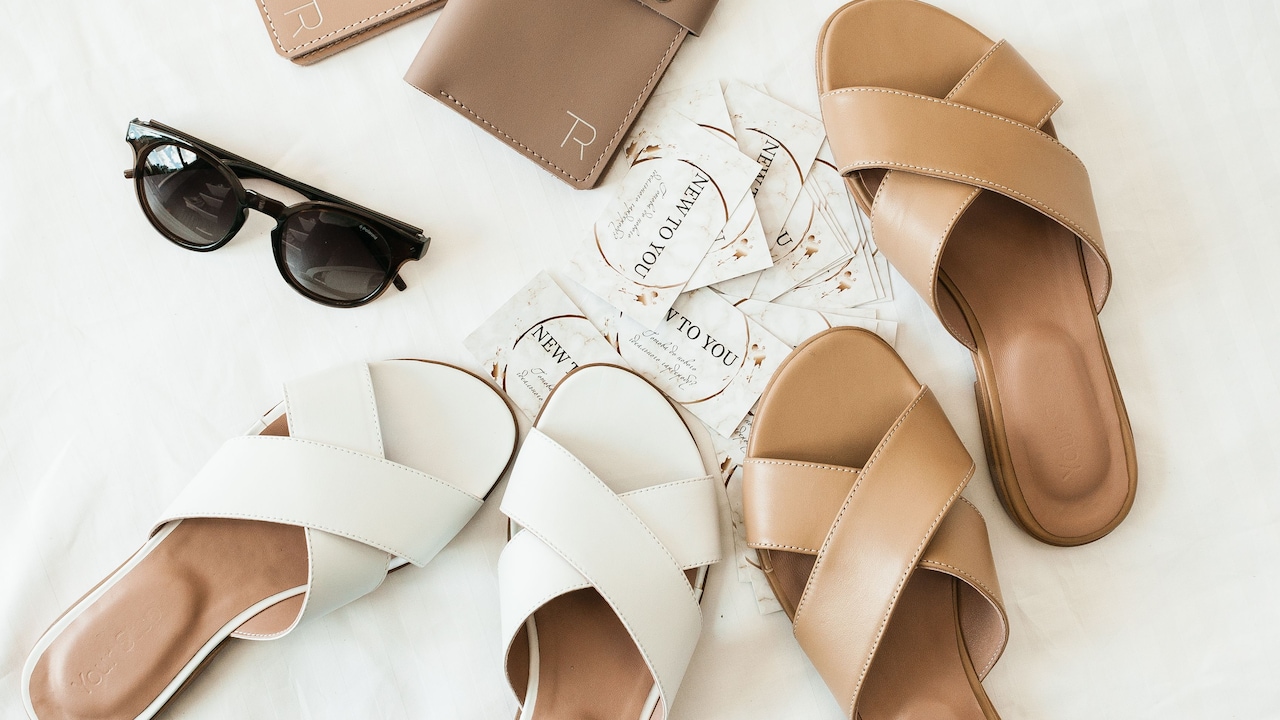
Best Rounded-Toe Flats: Smart Tips For Comfort, Fit And Support
Photo Credit: Pexels
6. Choose Materials That Suit The Weather
Material affects breathability, softness and durability. It also determines how comfortable the shoes feel during humid afternoons, sudden showers and long indoor hours.
Genuine leather often moulds to the foot and becomes softer with use. It can be durable, though it may require care during the monsoon. Suede offers a refined finish but attracts dust and water stains. Synthetic materials are usually easier to clean and more affordable, but low-quality versions may trap heat or crack around flex points.
Fabric flats can feel light and breathable, making them useful for casual wear. However, thin fabric may provide limited structure. Knitted uppers offer flexibility but may stretch too much for narrow feet.
Examine the lining as carefully as the outer material. Rough seams, stiff labels and exposed edges can cause blisters even when the exterior feels smooth. A breathable lining helps reduce sweat and friction.
For daily commuting, choose a material that can handle dust and occasional splashes without becoming precious cargo. Shoes should support the day, not create another household responsibility. A stylish pair that demands constant protection may spend more time inside its box than on the feet.
7. Shop At The Right Time Of Day
Feet often swell slightly as the day progresses, especially after walking, standing or travelling in warm weather. This makes late afternoon or early evening a sensible time to try on flats.
Shoes fitted early in the morning may feel perfect at first and painfully tight by the evening. Testing them when the feet are closer to their largest daily size gives a more realistic idea of comfort.
Wear the type of socks, liners or stockings normally paired with the shoes. Even a thin layer changes the fit. Trying office flats with bare feet and later adding no-show socks may leave the toes cramped.
When shopping in a store, spend several minutes walking on different surfaces if possible. Turn, climb a step and pause on the toes. Notice pressure, slipping or rubbing. Online shoppers should try the pair indoors on a clean floor so returns remain possible.
Do not rush because a sale ends tonight or the final size is waiting dramatically on the shelf. A discount cannot make uncomfortable shoes kinder. A ₹700 bargain that stays in the cupboard costs more per wear than a ₹2,500 pair used every week. Timing matters during the fitting, and patience matters during the purchase.
Also Read: Top 5 Sandals That Go From Desk To Dinner Under ₹1000
8. Match The Pair To Its Real Purpose
A single pair of flats cannot always handle every occasion. Before buying, decide whether the shoes are meant for work, travel, celebrations or short casual outings.
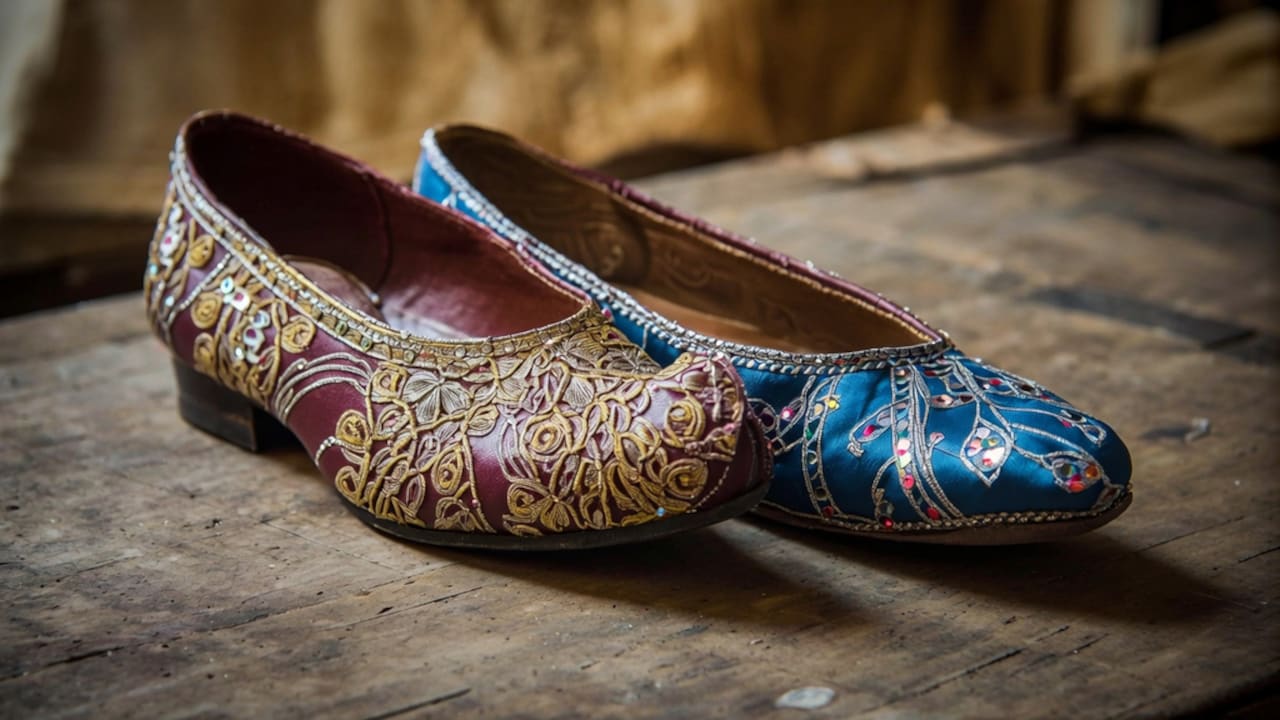
Office flats may need cushioning, a secure heel and a polished finish. Travel pairs should be lightweight, flexible and easy to remove at security checks. Festive flats can carry embroidery, beads or metallic details, but decorations should not create rough edges inside the shoe.
For regular commuting, dark neutrals such as tan, black, navy or deep brown hide dust and pair easily with varied outfits. Softer shades look elegant but may require more cleaning. A versatile pair should work with straight trousers, denims, salwar suits and midi dresses without appearing out of place.
Think about walking distance as well. A shoe suitable for an air-conditioned event may not survive a full day of sightseeing or shopping. Decorative soles can be thin, while heavily embellished uppers may feel stiff.
The right pair fits the calendar as well as the foot. Honest shopping prevents disappointment. When the purpose is clear, useful features become easier to prioritise, and tempting but impractical choices lose some of their sparkle.
9. Inspect The Construction And Finishing
Small construction details often reveal how well a pair will age. Check the stitching, sole attachment, lining and edges before making a decision.
Stitches should look even and secure. Glue should not spill visibly around the sole. Press along the sides to check for hard bumps beneath the upper. Run a finger inside the shoe to find rough seams or sharp decorative attachments.
Pay special attention to the area where the shoe bends. Weak bonding may begin to separate after repeated wear. A reinforced toe and heel can help the flat retain its shape, though these sections should not feel rigid against the foot.
Decorative elements need inspection too. Beads, buckles and metal trims should sit firmly without touching sensitive areas. A charming ornament can quickly become a source of irritation if its backing rubs against the skin.
Quality does not always mean luxury branding. Many reasonably priced pairs between ₹1,000 and ₹3,500 offer neat finishing and dependable materials. Examine the actual shoe rather than trusting a logo or glossy box.
Well-made flats feel balanced, smooth and purposeful. They may not shout for attention, but they usually earn their place through reliable comfort and repeated wear.
10. Never Ignore The First Signs Of Discomfort
A slight pressure point may seem harmless during a quick fitting. After an hour, it can become a blister. Early discomfort deserves attention because feet rarely become less sensitive during a long day.
Notice pinching, burning, numbness or concentrated pressure. These sensations suggest that the fit or shape is wrong. Do not confuse discomfort with the normal stiffness of a new shoe. New footwear may feel firm, but it should not hurt.
Before wearing a fresh pair for a full day, test it at home for short periods. Then take it on a nearby outing. This gradual approach reveals problems without turning an important event into an endurance challenge.
Blister patches, heel grips and cushioned insoles can improve minor issues. They should support a nearly suitable pair, not disguise a painful one. Persistent pain may indicate that the shoe does not match the foot's structure.
Comfort should feel calm and almost forgettable. The best flats allow attention to remain on work, conversation, food or the next cup of chai. Shoes that constantly announce their presence through rubbing and pinching have failed, no matter how attractive they look.
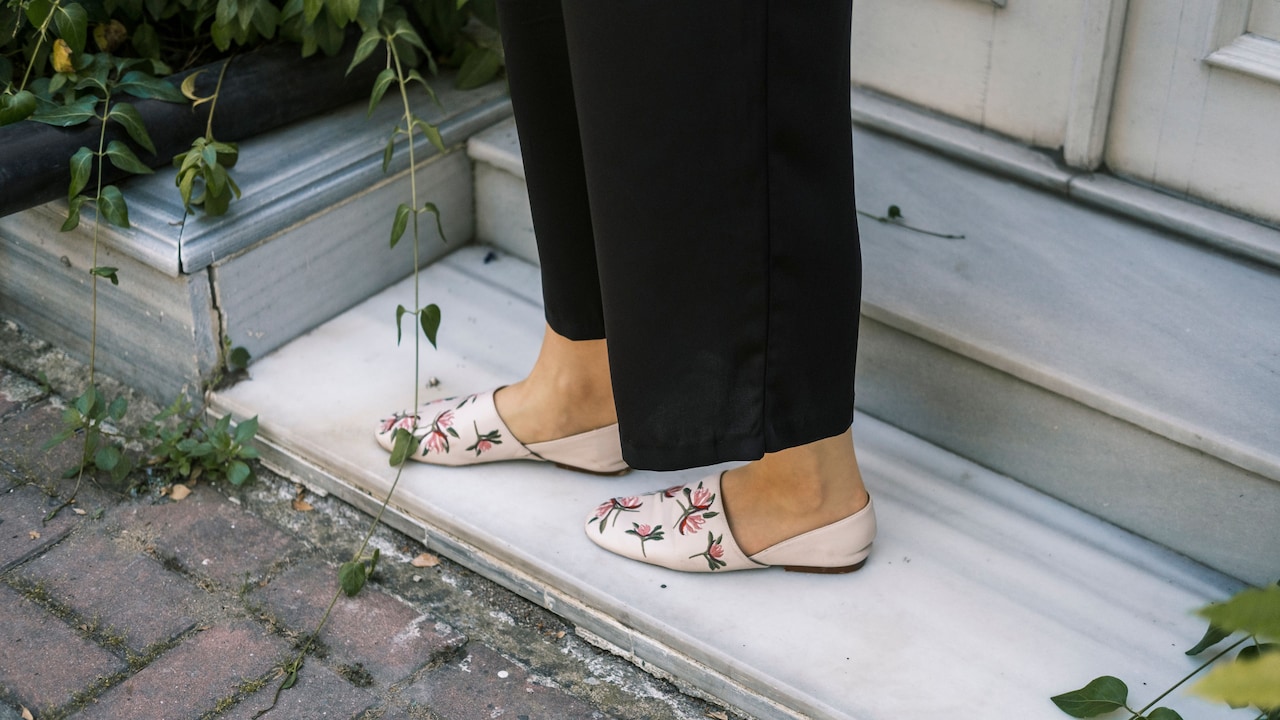
Best Rounded-Toe Flats: Smart Tips For Comfort, Fit And Support
Photo Credit: Pexels
Products Related To This Article
1. Theater Sprout Mary Jane Flats for Women | Round Toe
2. Marc Loire Women's Slip-On Solid Ballerina Flats
3. Women's Round Toe Ballet Flats
4. Theater Women Jiro Mary Jane Flats
5. Marc Loire Women's Stylish Buckle Ballerinas
6. Marc Loire Women's Ethnic Backstrap Sandal Flats
7. Pluxh Women's Classic Ballet Flats with Metal Detail
Rounded-toe flats deserve their reputation for easy elegance, but comfort depends on more than a gentle curve at the front. Toe room, cushioning, heel security, breathable materials and a flexible sole all shape the experience.
The smartest purchase is not necessarily the softest, trendiest or most expensive pair. It is the one that suits the foot, the weather and the rhythm of daily life. Careful fitting may take a few extra minutes, yet it can prevent months of discomfort and wasted money.
A good pair should move smoothly from a busy commute to a long meeting, then continue through an evening plan without causing a secret search for slippers. When flats fit well, they become dependable companions: polished enough for special moments, practical enough for ordinary ones and comfortable enough to make every step feel a little lighter.
(Disclaimer: This article may include references to or features of products and services made available through affiliate marketing campaigns. NDTV Convergence Limited (“NDTV”) strives to maintain editorial independence while participating in such campaigns. NDTV does not assume responsibility for the performance or claims of any featured products or services.)