Does Stretch Denim Make A Skirt More Comfortable Or Less Structured?
Stretch denim makes skirts easier to move in, but too much can weaken their shape. The right fabric blend offers comfort, flexibility and a clean, structured fit.
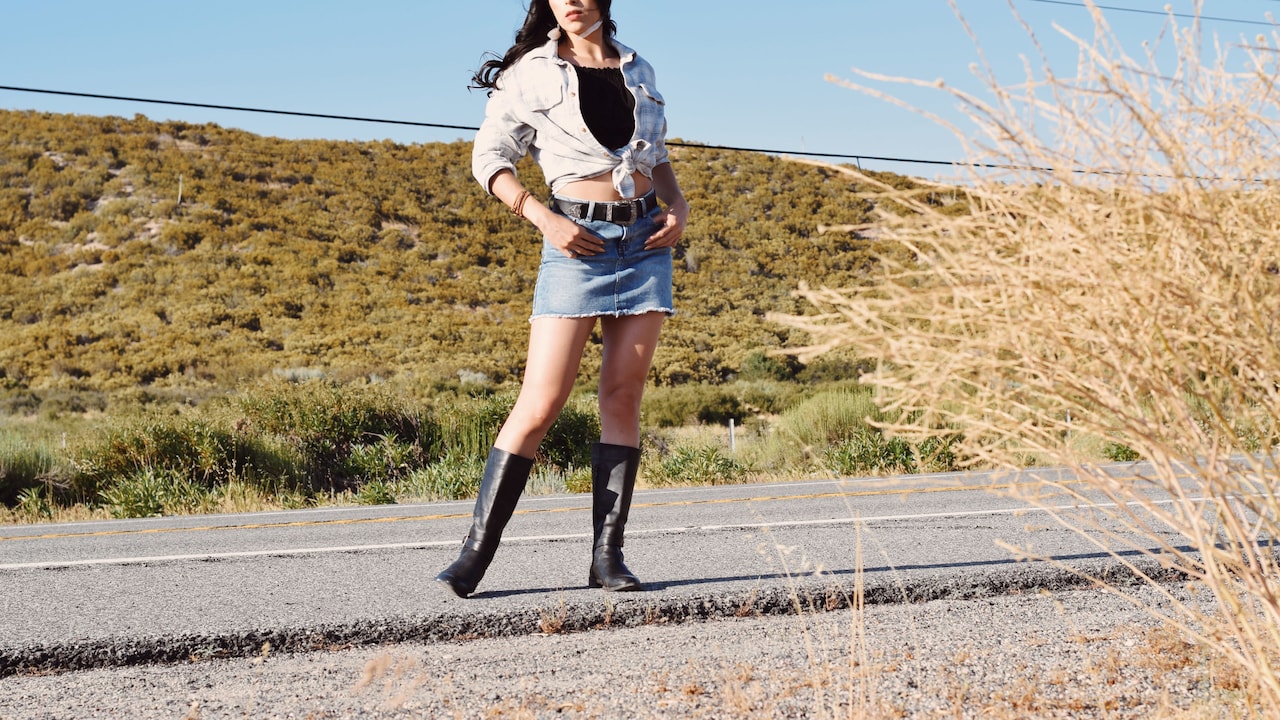
What makes stretch denim skirts more comfortable than other fabric compositions
A denim skirt often carries a certain confidence. It looks relaxed, but never careless. It can work with a crisp shirt on Monday, a cotton kurta on Friday and a graphic T-shirt through the weekend. However, comfort becomes a serious question once the wearer sits through traffic, climbs stairs, bends to pick up a dropped phone or spends hours at a desk. Traditional rigid denim holds its shape beautifully, though it can feel unforgiving. Stretch denim introduces fibres such as elastane, which help the fabric move with the body. That sounds ideal, especially in warm weather or during long days. Still, too much stretch may cause the skirt to lose its clean lines, cling in awkward places or sag after repeated wear. The real debate is not comfort versus structure. It is about finding the right balance between the two. Ten key factors reveal how stretch denim changes the way a skirt feels, fits and performs.

How comfortable are stretch denim skirts as compared to regular denim
Photo Credit: Pexels
How Stretch Denim Balances Comfort And Structure
Stretch Denim Allows Easier Everyday Movement
The strongest argument for stretch denim is simple: it makes movement easier. A rigid denim skirt may look wonderfully sharp while the wearer stands in front of a mirror. The experience can change quickly during a busy day. Getting into an auto-rickshaw, stepping over a puddle or climbing a crowded staircase may suddenly feel like a minor fitness challenge.
Also Read: Denim Midi Skirts Under ₹1000: Styles That Look Trendy And Perfect For Daily Wear
Stretch denim reduces that stiffness. Even a small amount of elastane helps the fabric bend and recover as the body moves. This difference feels especially noticeable in pencil skirts and fitted midi styles, where rigid fabric can restrict the stride. A stretch version allows longer steps and a more natural walking rhythm.
Comfort also matters during long commutes. Sitting for an hour in traffic can make firm waistbands and tight hip areas feel exhausting. Stretch denim adapts better without demanding constant adjustments.
However, flexibility should not mean flimsiness. A good stretch denim skirt still feels substantial in the hand. It supports movement while keeping enough body to look like denim rather than thick jersey. That balance creates the kind of comfort that quietly improves the entire day.
A Small Percentage Of Stretch Preserves Shape
Not all stretch denim behaves the same way. The amount of stretch fibre in the fabric often decides whether a skirt looks structured or loses its form. Denim with around one to two per cent elastane usually offers a useful middle ground. It gives slightly during movement but still retains the firm character associated with classic denim.
This small percentage works particularly well for A-line skirts, straight cuts and fitted knee-length styles. The fabric follows the body without moulding itself to every curve. It also tends to recover well after sitting, which means fewer baggy patches around the hips and seat.
Problems often begin when the stretch content rises too high. Very stretchy denim may feel wonderfully soft in the trial room, yet it can become loose after a few hours. The waistband may slide, the hem may curl, and the skirt may lose its original line. What started as sleek can begin to resemble an overworked pair of leggings.
Checking the fabric label helps. A blend dominated by cotton, with only a modest amount of elastane, usually offers comfort without surrendering structure. Sometimes, less stretch delivers the smarter result.
The Skirt Cut Matters As Much As The Fabric
Stretch denim cannot rescue a poorly chosen cut. The design of the skirt plays an equally important role in comfort and structure. A fitted pencil skirt benefits greatly from some flexibility because the narrow shape naturally limits movement. An A-line skirt, by contrast, already gives the legs more room, so it may need less stretch.
Mini skirts often feel comfortable in stretch denim because the shorter length reduces strain across the knees. However, too much stretch can make a mini ride upwards while walking or sitting. This creates the familiar and annoying ritual of pulling the hem down every few minutes.
Midi skirts present another challenge. A rigid midi with a narrow silhouette can restrict the stride, while a stretch version moves more easily. Front slits, back vents and button openings also affect mobility. A well-placed slit can provide more comfort than an extra dose of elastane.
Flared and panelled skirts usually rely on fabric structure to create shape. Excessive softness can make them collapse instead of flowing neatly. In such cases, firmer denim works better.
The best skirt therefore matches fabric behaviour with design. Stretch supports fitted cuts, while structured cuts often benefit from stronger, less flexible denim.
Stretch Denim Feels Kinder At The Waist
Waist comfort can decide whether a skirt becomes a wardrobe favourite or remains forgotten behind a stack of old jeans. Rigid denim waistbands often press into the stomach, especially after a full meal. A plate of biryani should not turn a stylish outfit into a test of endurance.
Stretch denim provides a little breathing room. It adjusts when the wearer sits, bends or eats, which reduces the pinching sensation common in non-stretch styles. High-waisted skirts benefit most because they sit across a wider part of the torso. A slight amount of flexibility helps the waistband feel secure without becoming restrictive.
Still, an overly stretchy waistband can create its own problems. It may lose grip during the day and start slipping down. This can cause bunching around the waist or force repeated adjustments. A skirt that fits perfectly in the morning may feel one size larger by evening.
Construction matters here. A firm waistband facing, proper stitching and reinforced seams can maintain structure even when the main fabric stretches. The ideal design combines a comfortable body fabric with a waistband strong enough to stay in place. That combination allows ease without turning the fit into a moving target.
Too Much Stretch Can Create Sagging
Sagging remains the biggest complaint linked to stretch denim. The fabric may look fitted and smooth when first worn, but repeated sitting and movement can cause it to relax. Baggy areas may appear around the hips, seat or front crease. This effect weakens the polished appearance of the skirt.
Heat and humidity can make the issue more noticeable. Warm conditions soften fibres, while perspiration and movement place further stress on the fabric. A skirt worn through a crowded commute, several meetings and an evening grocery stop may not look as crisp as it did at breakfast.
Low-quality stretch denim often struggles to recover after expansion. The elastane fibres lose tension, and the skirt begins to hold the shape of the wearer's movements rather than return to its original form. This creates a tired appearance, even when the garment is relatively new.
Better fabric blends include strong cotton yarns and reliable stretch fibres that snap back into place. Testing the material before buying can help. Gently pull a section of fabric and watch how quickly it recovers. If it remains rippled or distorted, the skirt may sag easily. Comfort should not come with a permanent seat-shaped souvenir.
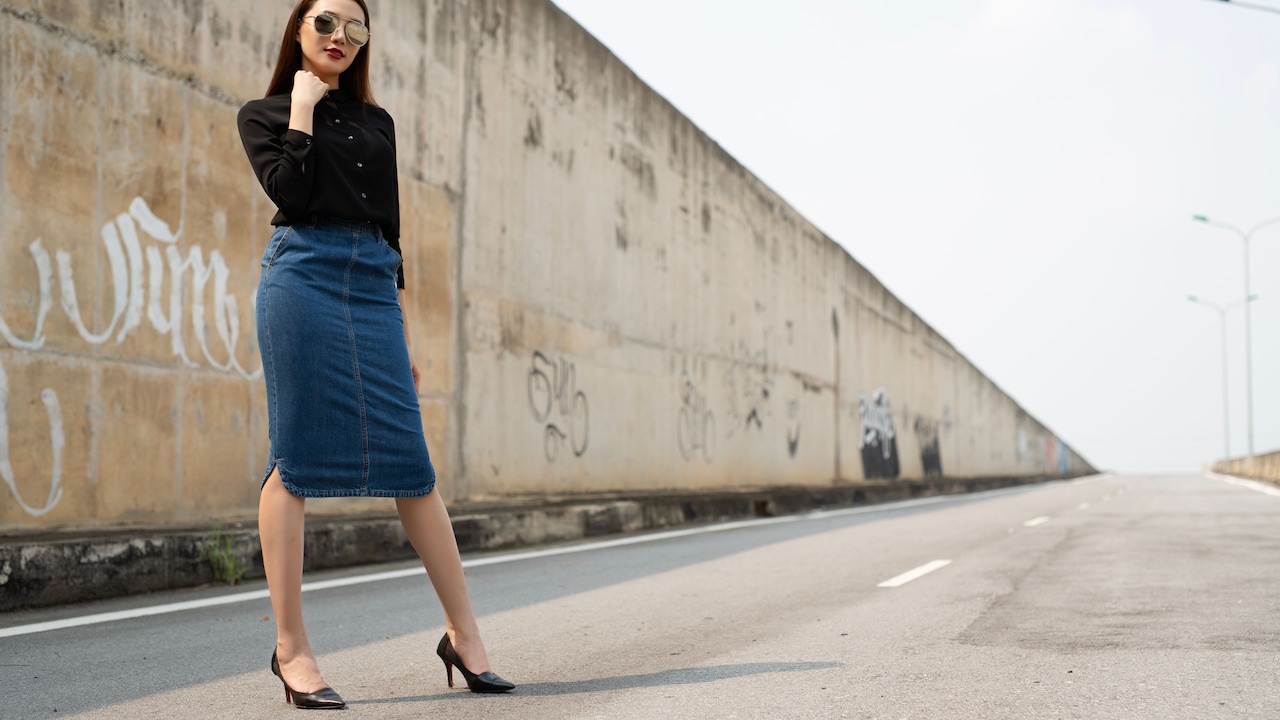
Too much stretch in the fabric can cause the skirt to become saggy with use
Photo Credit: Pexels
Fabric Weight Determines Structure
Fabric weight has a major influence on how a stretch denim skirt behaves. Lightweight denim feels soft and breathable, which makes it attractive for hot weather. Yet it often offers less structure. It may cling to the body, reveal pocket outlines or crease more easily.
Medium-weight stretch denim usually provides the most practical balance. It feels flexible without becoming thin, and it holds common skirt shapes well. Straight skirts, button-front styles and casual midis often perform best in this category. The fabric has enough body to maintain a clean silhouette while remaining comfortable during movement.
Heavy stretch denim offers stronger structure, though it may feel warmer and less fluid. It suits cooler months, evening outings or outfits that need a sharper finish. However, a heavy fabric combined with a tight cut may still feel restrictive, even with elastane.
The intended use should guide the choice. A lightweight skirt may work well for a relaxed brunch, while a medium-weight version suits office wear and daily travel. A structured dark-wash skirt can also look more formal than a thin, faded one.
Comfort does not always mean choosing the lightest fabric. Sometimes, a slightly heavier denim hangs better and feels more flattering throughout the day.
Stretch Changes The Way A Skirt Fits
Stretch denim often creates a closer fit than rigid denim. The fabric follows the body and smooths over curves, which can feel flattering. It may also reduce gaping at the waist and stiffness across the hips. For people who struggle to find a balanced fit between these areas, stretch can offer welcome flexibility.
However, the same body-hugging quality can make the skirt cling more than expected. Thin stretch denim may highlight seams, pocket edges and undergarment lines. It can also pull across the front, creating horizontal creases that signal a tight fit.
Sizing down often seems tempting because stretch skirts feel forgiving in the fitting room. This choice can backfire. A skirt that stretches enough to close may still look strained, ride upwards or wear out faster. The best fit should sit smoothly without relying on the fabric to expand to its limit.
Sizing up can also cause trouble because the garment may loosen further during wear. The right size should feel secure at the waist and comfortable at the hips from the beginning.
Stretch should refine the fit, not replace proper tailoring. A well-cut skirt uses flexibility as support rather than as an excuse for poor proportions.
Washing Habits Affect Comfort And Shape
The way a stretch denim skirt is washed can determine how long it remains comfortable and structured. Elastane dislikes excessive heat. Hot water, strong tumble drying and repeated ironing at high temperatures can weaken the fibres. Once damaged, they struggle to recover, which leads to sagging and an uneven fit.
Cool or lukewarm water works better. Turning the skirt inside out also protects the surface and helps preserve the colour. Air-drying reduces stress on the stretch fibres and prevents unnecessary shrinkage. Harsh washing routines may make the fabric feel rough at first, then strangely loose after repeated cycles.
Frequent washing can also shorten the garment's life. Denim skirts rarely need to enter the laundry basket after every brief outing unless they have stains or odour. Spot cleaning and airing can keep them fresh between washes.
Fabric softener may sound useful, but it can coat fibres and affect performance. A mild detergent usually does the job.
Good care preserves both sides of the equation. The cotton remains comfortable, while the elastane retains its recovery. A skirt costing ₹2,000 can look far more expensive when maintained well and disappointingly tired when handled carelessly.
Styling Can Restore A Structured Look
Even when stretch denim feels softer, thoughtful styling can restore a more structured appearance. A fitted stretch skirt paired with an oversized, shapeless top may make the entire outfit look loose. Adding a tucked-in shirt, cropped jacket or defined belt can sharpen the silhouette.
Dark washes often look more structured than pale or heavily distressed finishes. Deep indigo, charcoal and black denim create cleaner visual lines. Contrast stitching, front seams and button plackets also add definition. These details guide the eye and make soft fabric appear more tailored.
Footwear influences the effect as well. Loafers, block heels and clean trainers give a stretch denim skirt a purposeful finish. Slippers may suit a quick chai run, but they rarely help the garment look polished. The same skirt can shift from casual to refined simply through styling.
The top's fabric matters too. Crisp cotton, poplin and linen blends create contrast against softer denim. A structured handbag can strengthen the look further.
Stretch denim does not automatically look unstructured. Styling can supply the visual discipline that the fabric lacks. The result feels comfortable but still appears carefully put together, which often matters more than technical fabric rules.
The Best Choice Depends On Daily Life
The final decision should reflect how the skirt will actually be worn. Someone who spends most of the day commuting, sitting or moving between tasks may value stretch more than rigid structure. Comfort becomes practical, not indulgent. A skirt that allows easy movement will receive far more wear than one that only looks good while standing still.
For formal or semi-formal settings, moderate stretch works best. It keeps the silhouette neat while preventing discomfort during long hours. For casual weekends, softer and stretchier denim may feel perfectly suitable. The relaxed appearance can even add charm.
Body preference also matters. Some people enjoy the secure feel of rigid denim, while others find it restrictive. Neither response is wrong. Clothing should support the wearer rather than demand constant negotiation.
Trying the skirt properly helps. Sit down, walk around, bend slightly and check whether the waistband shifts. A changing-room mirror cannot reveal everything. Movement exposes the truth.
The best stretch denim skirt does not force a choice between comfort and structure. It provides enough flexibility for real life and enough firmness to keep its shape. That balance turns a simple garment into a reliable wardrobe companion.
Products Related To This Article
1. SASSAFRAS Women Denim Flared Maxi Skirts
2. Phosphorus Navy Blue Denim Maxi A-Line Skirt
3. Roadster The Life Co. Women Midi Straight Skirt
4. Glitchez Women Back Slit Midi Denim Skirt
5. StyleCast Women Cotton Mini A-Line Skirt
6. STREET 9 Pencil Maxi Skirts
7. SASSAFRAS Denim Mid Rise Maxi Skirts
Stretch denim can make a skirt noticeably more comfortable, but excessive stretch may reduce its structure. The result depends on more than a single fabric label. Stretch percentage, denim weight, skirt cut, construction, fit and care all shape the final experience.
A modest amount of elastane usually offers the safest balance. It supports movement, softens the waistband and makes fitted styles easier to wear. At the same time, strong cotton content and medium-weight fabric help the skirt maintain clean lines. Too much stretch, especially in thin or low-quality denim, can cause sagging, clinging and loss of shape.
The ideal skirt should survive more than a brief trial in front of a mirror. It should handle staircases, long lunches, desk hours, metro platforms and spontaneous evening plans without becoming uncomfortable or untidy.
So, does stretch denim make a skirt more comfortable or less structured? It can do both. The trick lies in choosing controlled stretch rather than maximum stretch. When fabric and design work together, comfort does not weaken style. It makes style easier to live in.
(Disclaimer: This article may include references to or features of products and services made available through affiliate marketing campaigns. NDTV Convergence Limited (“NDTV”) strives to maintain editorial independence while participating in such campaigns. NDTV does not assume responsibility for the performance or claims of any featured products or services.)