What Is The Difference Between A Mojari And A Jutti
Wondering what sets a mojari apart from a jutti? Learn the key differences in design, craftsmanship, comfort, styling, and how to choose the right pair.
What Is The Difference Between A Mojari And A Jutti
Traditional Indian footwear has wandered from festive moments into daily fashion life. Whether you're wearing it with ethnic fits, or trying some fusion vibe, or even tossing it on with casual denim, those handcrafted flats – mojaris and juttis – are still pretty much wardrobe essentials for folks of every age. And, if you've ever asked yourself, "Wait, are a mojari and a jutti the same thing?" you're not alone. People mix up the names a lot, and sure, they can feel similar at first glance, but they're not exactly identical. Each one has its own little set of traits, shaped by regional craft traditions, patterns, and overall design choices.
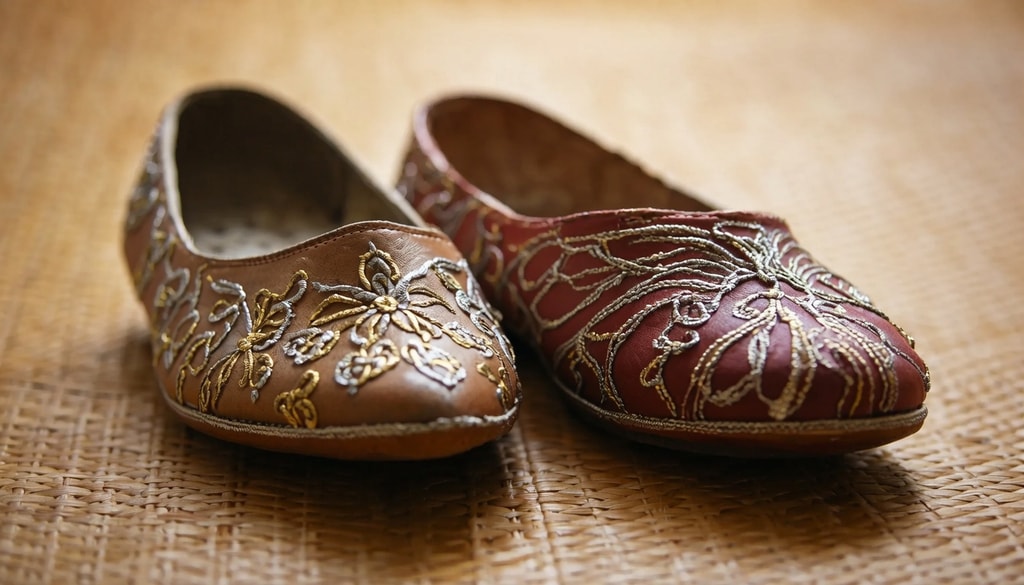
Learn how to choose between mojaris and juttis by comparing comfort, style, and craftsmanship.
Photo Credit: iStock
In this little guide we'll look at how they differ, their background, the way they pair with outfits, how they feel on your feet, and what to consider so you pick the right pair for your wardrobe.
What Are Mojaris And Juttis?
Although both belong to the family of traditional Indian footwear, they come from different regions and feature unique craftsmanship.
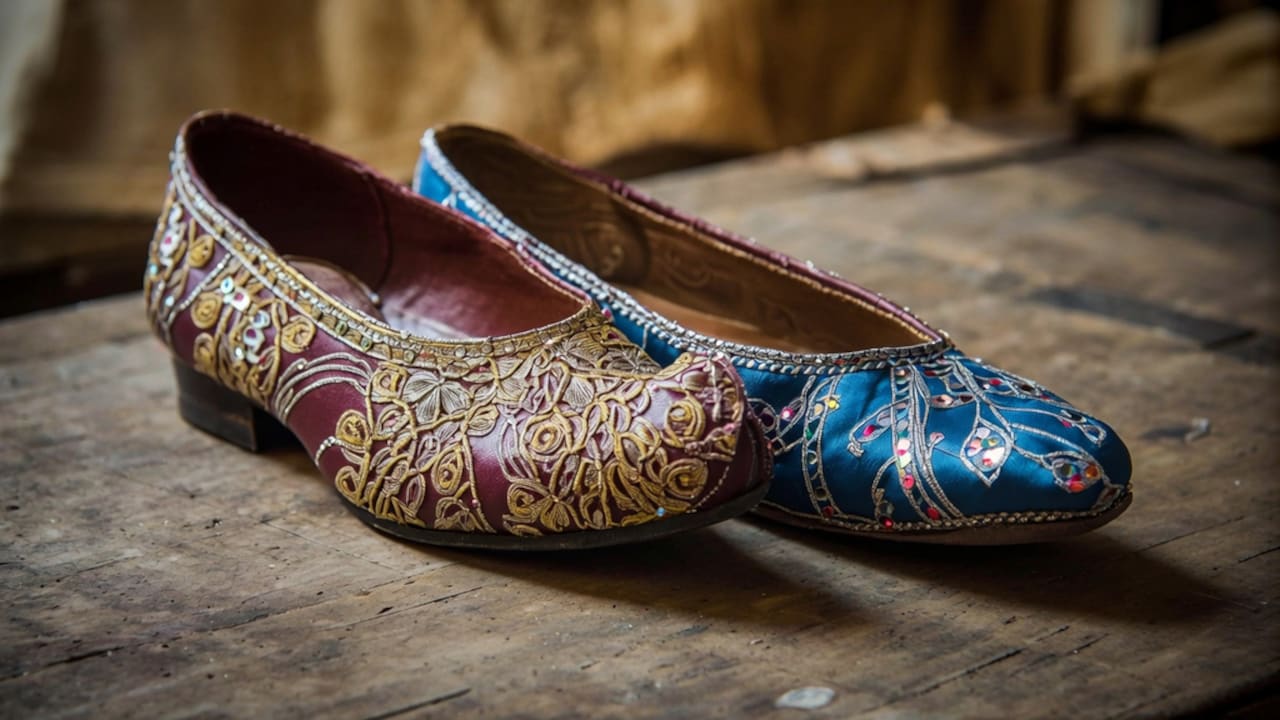
A mojari is usually associated with Rajasthan and also Gujarat. It is often made by hand, using leather as a base, and then it is dressed up with embroidery, zari work, small beads, or even mirror embellishments. Mojaris were worn long ago by royalty, and people still talk about how they look so refined and graceful.
A jutti, though, is something that mainly comes from Punjab. Traditionally, juttis were fashioned from leather too, but today you can find plenty of modern versions in fabric, velvet, synthetic, and vegan alternatives. They are basically praised for their adaptability and comfort, like they just fit into different outfits pretty easily.
What Is The Difference Between A Mojari And A Jutti?
While they may appear similar at first glance, several details set them apart.
Design
Mojaris are often seen with a sharply pointed or sometimes lightly curled toe, plus that intricate handcrafted look, even when it seems simple at first. Juttis tend to have a more rounded, or softer, front, and they come in both traditional vibes and more contemporary looks too.
Material
Traditional mojaris are mostly made from real leather, though juttis can be found in leather fabric, silk, velvet, canvas, and even synthetic materials.
Comfort
Juttis usually feel more cushioned in construction, and their soles stay flexible, so you can wear them for longer stretches. Mojaris, especially the leather versions, may require short breaks during wear to ensure comfort.
Craftsmanship
Mojaris are famous for detailed hand embroidery, zari work, mirror embellishments, and traditional leather craftsmanship. Juttis, meanwhile, also show nice embroidery but many times they try modern prints, sequins and fresher designs.
Styling
Mojaris go really well with classic ethnic outfits like sherwanis, lehengas, and traditional suits. Juttis fit easily with ethnic looks too, but they also blend nicely with jeans, dresses, skirts and Indo-Western sets, like they do not really care what you pair them with.
Which One Is More Comfortable?
Comfort depends on both the material and construction.
Soft fabric or cushioned juttis are often preferred for daylong wear because they settle on the feet pretty quickly. Leather mojaris are sturdy, though they can feel a little stiff at first; however, they mellow out after a while and start to mould around your foot shape.
Many current labels also put in padded footbeds and anti-slip soles in both styles, so overall they become practical for longer use without so much slipping or fatigue.
How To Choose Between A Mojari And A Jutti
1. Decide Where You'll Wear Them
Think about the occasion first. A heavily embroidered mojari looks excellent for weddings and festive celebrations, but a lightweight jutti works just as well for everyday outings, office wear, and casual get-togethers. Matching the footwear to the occasion can help you maximise the value of your purchase, rather than leaving it unused.
2. Consider The Material
Leather options tend to last longer and they often gain a certain character over time, yet fabric and synthetic varieties are usually lighter and simpler to care for. If you want cruelty-free footwear, many brands now offer vegan mojaris and juttis with a very similar vibe, so you don't have to compromise on style.
3. Prioritise Comfort
Check for cushioned footbeds, soft inner lining, and flexible soles. Comfort features are crucial, especially during weddings or large festive events where the schedule can extend for several hours.
4. Match Your Wardrobe
If your closet mostly has ethnic outfits, traditional mojaris can blend in effortlessly. But if you like mixing Indian and Western looks a bit, versatile juttis can go well with more outfits, and they tend to feel slightly more adaptable.
5. Check The Fit
These shoes often have very little stretch, especially those with embroidered patterns. Make sure there's enough space around the toes without ending up with extra room near the heel. It's best to always check the brand's size guide before placing an order.
6. Inspect The Craftsmanship
Look closely at the stitching, the embroidery, and the overall finishing. A well-made pair usually shows secure embellishments, even stitching, and tidy interiors that help with durability and also comfort.
7. Think About Maintenance
Leather mojaris need occasional conditioning and should be protected from excessive moisture. Fabric juttis are generally easier to clean but may require gentle care to preserve embroidery and embellishments.
8. Choose A Versatile Colour
Beige, tan, gold, black, and ivory—those neutral shades really click with many different looks, basically across the year. So if you're getting your very first pair, these colour options have the most flexibility and they make it easy to match.
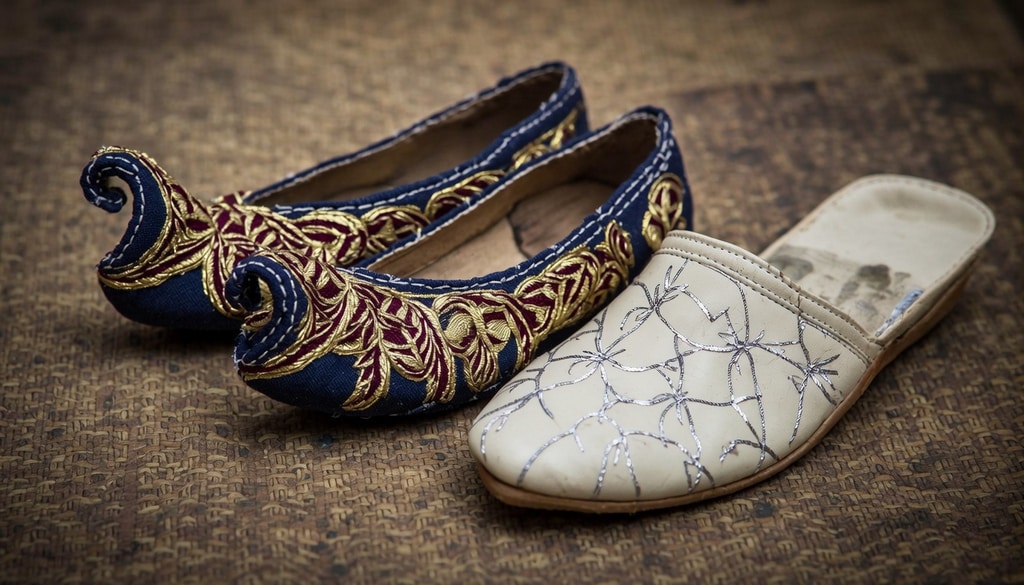
Explore the key differences in design and history between authentic Indian mojaris and traditional juttis.
Photo Credit: iStock
Some Mojari And Jutti Products You May Like
1. IndieStride Women's Embroidered Rajasthani Jutti
2. JM LOOKS Fashion Women's Stylish Casual Fancy Bellies
3. Generic Women's Handmade Beautiful Rajasthani Embroidered Jutti
4. Miraya Impex Women's Gold Work Ethnic Shoes
5. DFR Women's Casual Rajasthani Mojari
6. Pluxh Women's Minimal Ethnic Mojari
7. KORAKARI Women's Traditional Ethnic Mojaris
8. CatBird Women's Designer Ethnic Mojari
Proper care can significantly extend the life of handcrafted footwear.
Store them in dust bags after use and avoid stacking heavy items on top. Try to keep them away from prolonged moisture, and wipe them down gently using a soft cloth or maybe even a brush. Those leather versions usually do better when you add occasional conditioning, whereas the embroidered fabric ones should be spot-cleaned carefully.
Frequently Asked Questions (FAQs)
1. Are mojari and jutti the same?
No. Although they are similar traditional footwear styles, they differ in regional origin, construction, materials, and overall design.
2. Which is more comfortable for daily wear?
Juttis are usually considered a bit more comfortable for everyday use because in many modern versions there are softer materials and a cushioned footbed underneath.
3. Can mojaris be worn with Western outfits?
Yes. Minimalist mojaris can pair well with jeans, trousers, and dresses, although they are most commonly styled with ethnic wear.
4. Are leather mojaris better than fabric juttis?
Not necessarily. Leather offers durability and a premium feel, while fabric juttis are often lighter, softer, and available in a wider range of colours and designs.
5. How do I choose the right size for mojari or jutti?
Always refer to the brand's sizing chart, as sizing can vary. If you're between sizes, consider the material and whether it is likely to soften with wear.
(Disclaimer: This article may include references to or features of products and services made available through affiliate marketing campaigns. NDTV Convergence Limited (“NDTV”) strives to maintain editorial independence while participating in such campaigns. NDTV does not assume responsibility for the performance or claims of any featured products or services.)