Saree Draping Tips: How Fabric Type Affects Weight, Comfort And Elegance
The fabric of a saree decides its weight, fall and elegance. From cotton to silk, learn practical draping tricks that improve comfort, balance and overall appearance.
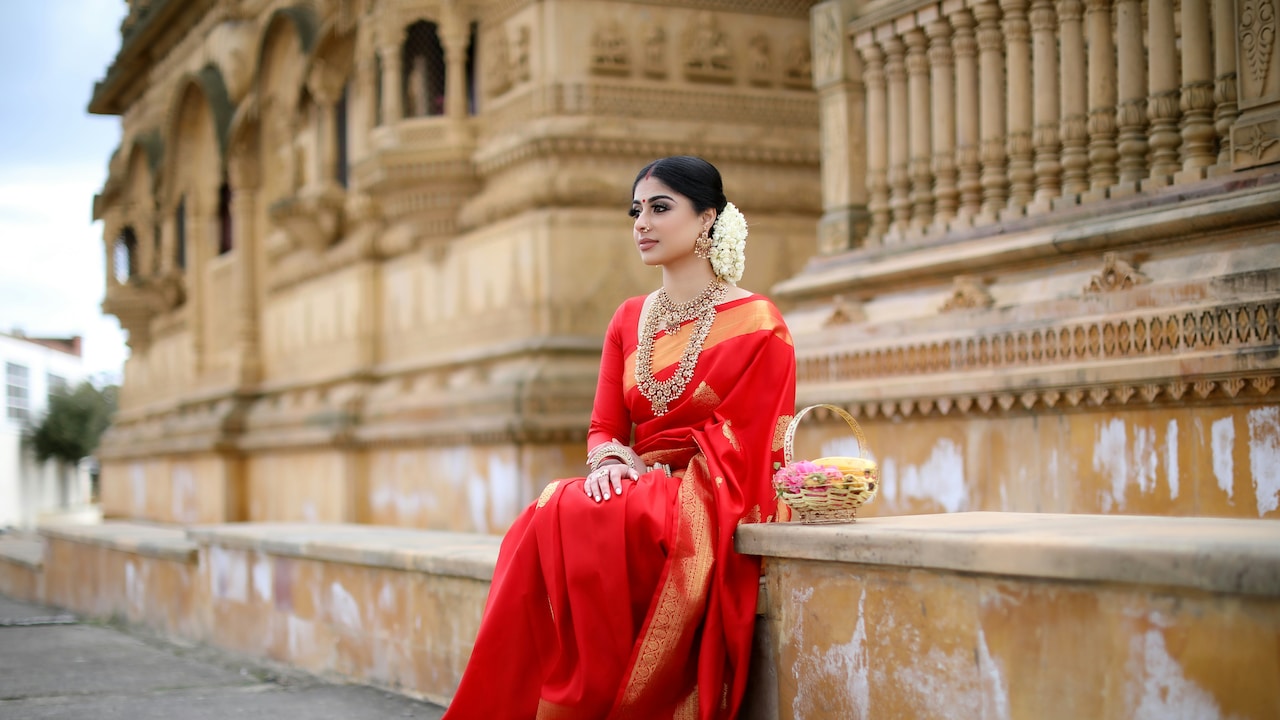
Saree Draping Tips: How Fabric Type Shapes Drape, Weight, AllDay Comfort And Elegance.
A saree never feels like just an outfit. It feels like an experience. Some days, it glides effortlessly and earns compliments without trying. On other days, it slips, sags, or weighs the body down like an uninvited guest. The difference often lies not in the draping skill alone, but in the fabric itself.
Each fabric responds to gravity, movement, and pleats in its own way. Cotton behaves nothing like silk. Organza refuses to act like georgette. Understanding this relationship between fabric and drape changes everything. It saves time, prevents constant adjustments, and brings confidence that lasts longer than a mirror glance.
This article breaks down how different fabrics affect weight and elegance, along with simple draping tricks that work in real life. No textbook theory, just practical wisdom picked up from bustling markets, wedding chaos, and long festive days.
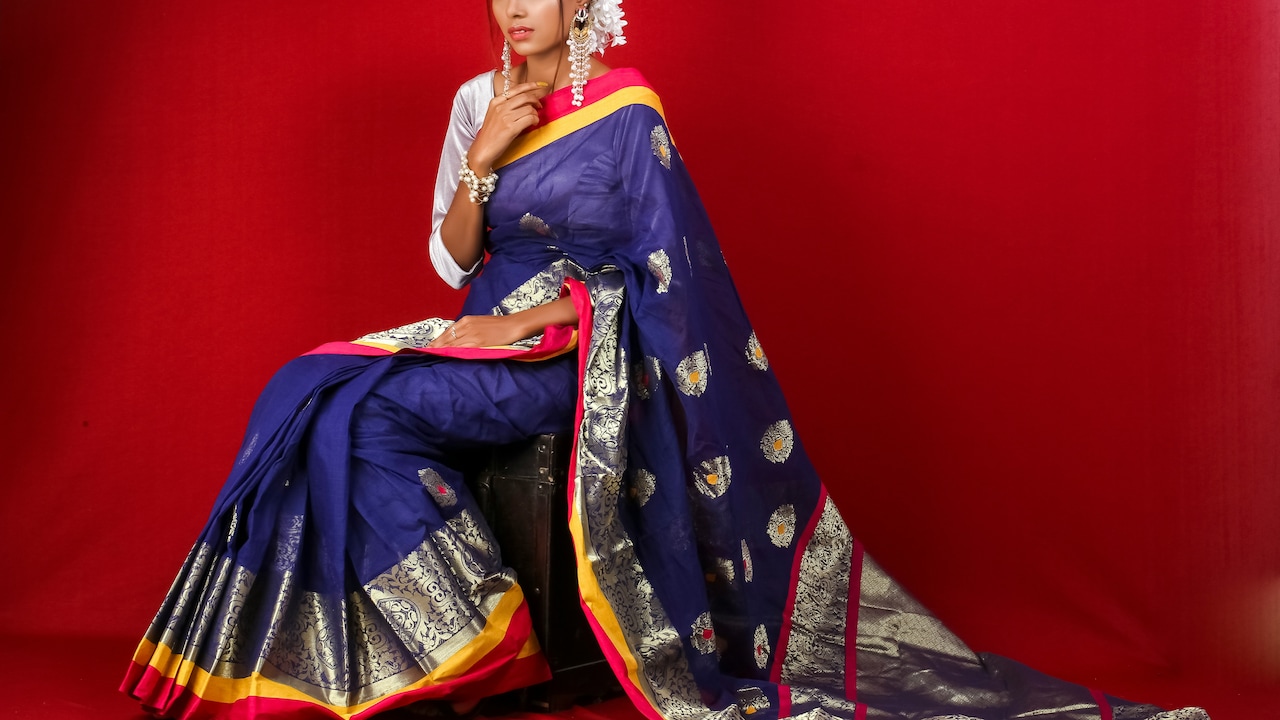
Sarees Draping Tricks: How Fabric Type Affects Weight And Overall Elegance
Photo Credit: Unsplash
Understanding How Saree Fabrics Influence Drape, Comfort And Grace
1. Cotton Sarees: Light On Weight, Heavy On Structure
Cotton sarees feel like old friends. They breathe well, stay put, and suit long hours under harsh lights or summer sun. Yet cotton demands respect during draping. The fabric carries very little natural fluidity, so sloppy pleats show immediately.
Crisp cotton benefits from sharp, narrow pleats. Broad pleats add bulk around the waist and ruin the clean look. Ironing becomes non-negotiable. Even slight wrinkles disrupt the fall and add visual weight. Using a firm petticoat with a cotton tie keeps the saree anchored and prevents constant tugging.
The pallu works best when pinned neatly at the shoulder rather than left loose. This trick avoids the “bedsheet effect” that cotton sometimes creates. A thin belt under the pallu also helps during busy days. With cotton, elegance comes from discipline, not drama.
2. Silk Sarees: Regal Weight That Needs Balance
Silk carries presence. The moment it drapes, posture changes and movements slow down naturally. However, silk also brings real weight, especially in richly woven varieties. Poor draping leads to shoulder strain and waist discomfort within hours.
The key lies in distributing weight evenly. Medium-width pleats work best, neither too tight nor too loose. Overloading the front pleats pulls the saree forward, causing constant imbalance. Pinning the pleats at knee level helps maintain structure without stiffness.
A well-fitted petticoat makes all the difference. Silk needs strong support, preferably with drawstrings rather than elastic. The pallu should sit slightly forward on the shoulder to counterbalance the pleats. Once balanced, silk offers unmatched elegance that feels grand yet composed.
3. Chiffon Sarees: Feather-Light but Slippery
Chiffon sarees feel like air. They suit long celebrations where comfort matters most. Yet chiffon tests patience during draping. The fabric slips, shifts, and refuses to stay obedient without persuasion.
Micro-pleats solve half the problem. Thin, closely packed pleats grip the petticoat better and reduce movement. A textured petticoat fabric adds friction and keeps the saree secure. Pinning becomes essential, though over-pinning stiffens the look.
The pallu looks best when allowed to flow freely, but anchoring it with a discreet pin at the shoulder avoids constant adjustments. Chiffon flatters without adding visual weight, making it ideal for petite frames or extended wear.
4. Georgette Sarees: Fluid Elegance with Hidden Strength
Georgette combines softness with a slight grip, making it easier to manage than chiffon. The fabric drapes close to the body, creating a graceful silhouette without effort.
Pleats can remain slightly wider without losing hold. The fabric clings gently, so fewer pins suffice. However, stretching while draping distorts the weave and causes uneven lengths. Gentle handling preserves the natural fall.
A longer pallu adds drama without heaviness. Letting it cascade rather than folding it tightly enhances elegance. Georgette works beautifully for both formal events and casual evenings, striking a balance between comfort and sophistication.
5. Organza Sarees: Stiff Beauty That Demands Precision
Organza does not forgive mistakes. The fabric holds shape, reflects light, and creates volume. While it feels light to carry, it adds visual weight due to its stiffness.
Pleats need careful spacing and sharp folds. Too many pleats create bulk, while too few make the drape look unfinished. A slim petticoat helps counterbalance the volume and prevents the saree from ballooning.
The pallu benefits from structured styling. Neatly folded pallus or shoulder pleats maintain control and elegance. Organza suits those who enjoy statement silhouettes and do not mind a bit of extra attention while draping.
6. Linen Sarees: Relaxed Charm with a Learning Curve
Linen brings understated sophistication. It feels breathable and comfortable, but creases quickly. Many assume linen lacks elegance due to its wrinkles, yet the charm lies in accepting its natural texture.
Loose pleats work better than tight ones. Over-structuring linen defeats its relaxed appeal. A soft tuck at the waist allows natural movement without looking messy. Using minimal pins keeps the look organic.
The pallu looks best when left open and flowing. Linen suits daytime events and professional settings where comfort meets quiet confidence. Elegance here feels effortless rather than rehearsed.
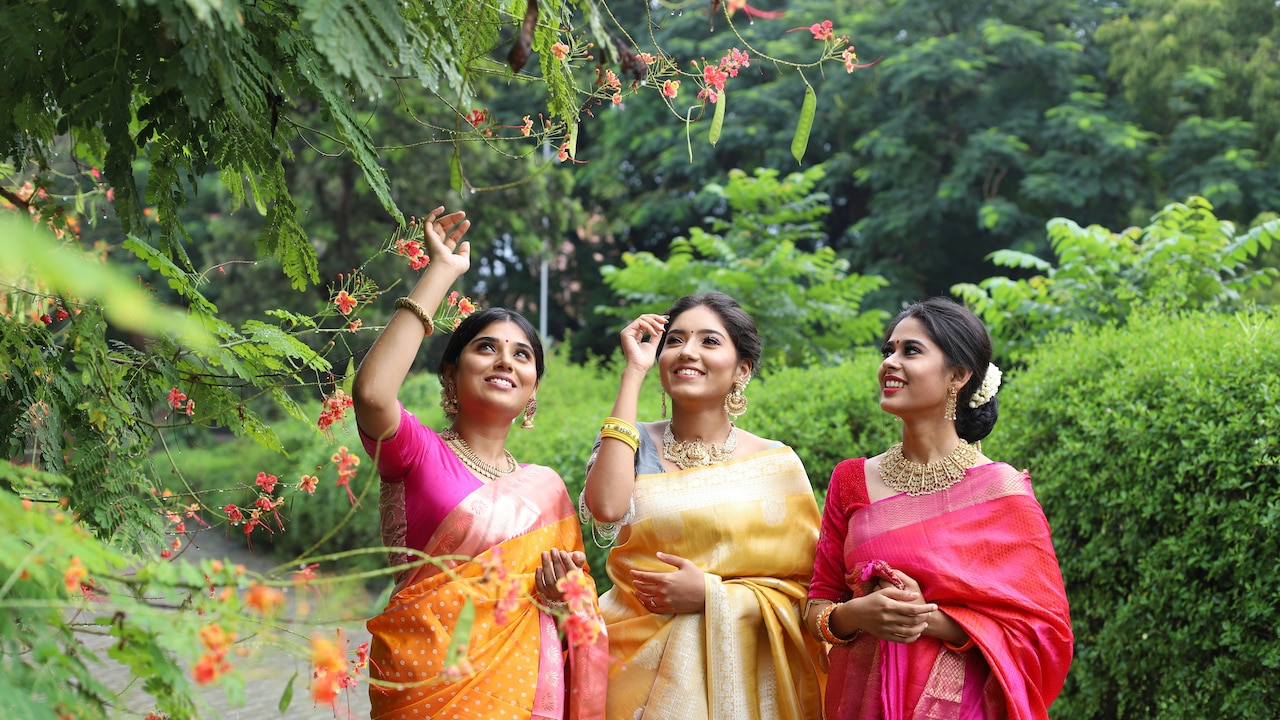
Sarees Draping Tricks: How Fabric Type Affects Weight And Overall Elegance
Photo Credit: Unsplash
7. Net Sarees: Lightweight Illusion with Heavy Embellishments
Net sarees often trick the senses. The base fabric feels light, but embellishments add significant weight. Sequins, stones, and embroidery pull the saree down, especially at the pallu.
Strong pleat anchoring becomes essential. Securing pleats at multiple points prevents downward drag. A sturdy petticoat supports the weight without sagging. The blouse's shoulder also needs support, often through reinforced stitching.
The pallu works best draped across the arm or pinned close to the neck. This placement reduces shoulder strain. Net sarees shine at evening events but reward careful planning and patience.
8. Banarasi and Brocade Sarees: Grandeur with Gravity
Brocade sarees command attention. Rich textures and metallic threads add undeniable weight. Draping them like lighter silks leads to discomfort and constant corrections.
Fewer pleats help manage bulk. Wider pleats distribute weight evenly and reduce pressure on the waist. Pinning pleats firmly ensures stability throughout the event.
The pallu should stay structured and secure. Letting it hang loose strains the shoulder over time. A supportive blouse with padded shoulders helps carry the grandeur comfortably. When draped thoughtfully, brocade transforms into wearable royalty.
9. Crepe Sarees: Stretchy Comfort with Subtle Control
Crepe offers stretch, softness, and ease. It adapts to movement and suits long hours of wear. However, its elasticity can cause sagging if mishandled.
Gentle pleating prevents distortion. Pulling too tightly stretches the fabric and alters its length. A well-fitted petticoat prevents gradual slipping.
The pallu drapes beautifully without pins, though a single anchor at the shoulder adds security. Crepe creates a polished look that feels forgiving and graceful, making it a favourite for busy celebrations.
10. Blended Fabrics: Versatility with Surprise Behaviour
Blended sarees mix fibres to offer durability and affordability. Yet blends behave unpredictably. Some mimic silk, while others act closer to synthetics.
Testing the drape before the event helps avoid surprises. A trial run reveals how pleats hold and how the pallu falls. Adjustments become easier without pressure.
Medium pleats and moderate pinning suit most blends. Avoid overcomplicating the drape. These sarees suit daily wear and travel, offering ease without demanding perfection.
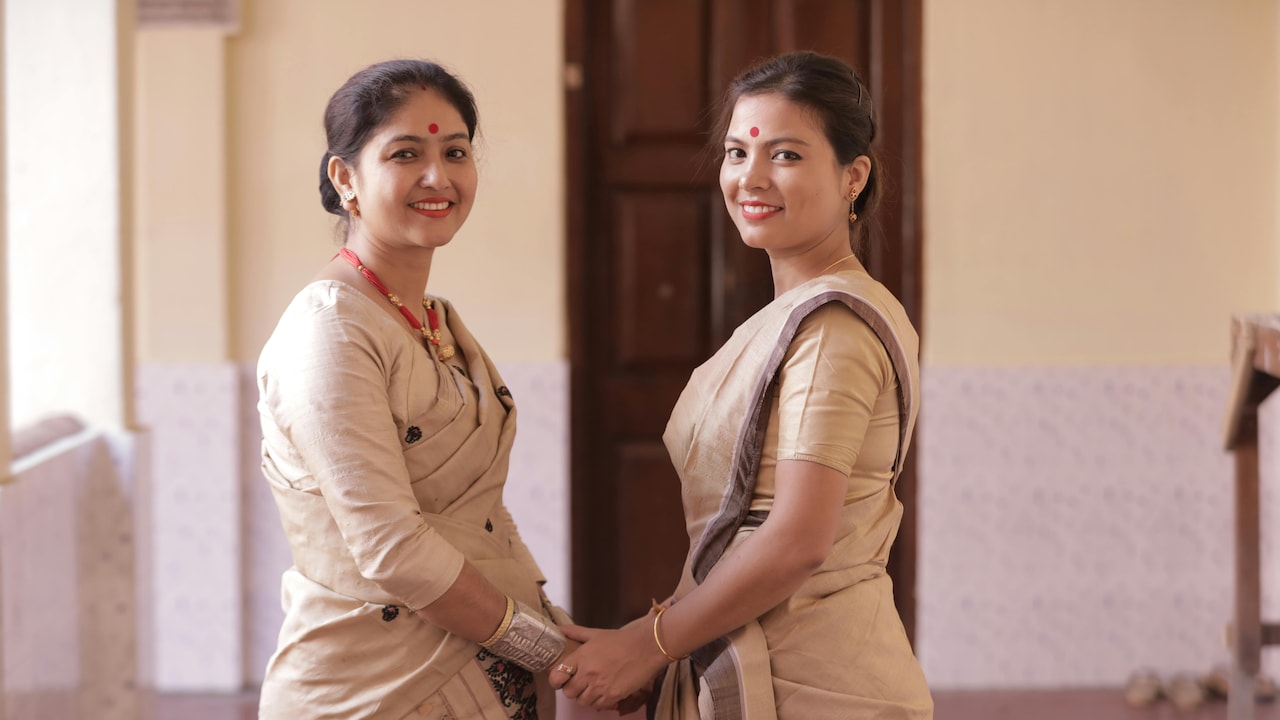
How Saree Fabric Impacts Draping, Weight And Overall Elegance
Photo Credit: Pexels
Products Related To This Article
1. vdc Printed Daily Wear Georgette Saree
2. KOTHARI SKT Embellished Bandhani Organza Saree
3. KanjiQueen Solid/Plain, Embellished Daily Wear Pure Silk, Georgette Saree
4. JIADIA Woven, Embellished, Self Design Banarasi Jacquard, Art Silk Saree
5. WearWe Clothing Woven, Floral Print Banarasi Art Silk Saree
6. YASHIKA Printed Daily Wear Art Silk Saree
7. KOTHARI KS Woven Bandhani Organza Saree
A saree rewards understanding. Fabric decides how it falls, how it feels, and how it carries elegance through hours of movement. Mastering draping tricks tailored to each fabric saves energy and enhances confidence.
No single method works for all sarees. Cotton asks for crispness, silk demands balance, chiffon requires patience, and organza insists on precision. Once this relationship becomes clear, draping turns from a chore into a quiet ritual.
Elegance does not come from weight alone. It comes from harmony between fabric, body, and movement. When that harmony settles in, the saree stops feeling like clothing and starts feeling like home.
(Disclaimer: This article may include references to or features of products and services made available through affiliate marketing campaigns. NDTV Convergence Limited (“NDTV”) strives to maintain editorial independence while participating in such campaigns. NDTV does not assume responsibility for the performance or claims of any featured products or services.)