The Common Sling Bag Design Flaw That Causes Poor Balance and Discomfort
Many sling bags swing, tilt, or sit awkwardly due to a single design flaw. This article explains the mistake behind poor balance, why it happens, and how smarter design can finally fix everyday discomfort.

Check Out The Design Mistake That Causes Sling Bags To Swing and Sit Unevenly.
Sling bags have quietly taken over daily life. From crowded local trains to café hopping on a Sunday evening, they fit right in. Compact, stylish, and seemingly practical, they feel like the perfect middle ground between a backpack and a handbag. Yet, after a few minutes of walking, the problems start. The bag slides forward, bumps into elbows, or tilts like it has a mind of its own.
Most people blame themselves. Maybe the strap was adjusted incorrectly. Maybe the bag is overloaded. Some even assume discomfort comes with the territory. That assumption lets the real culprit walk free.
The truth is simpler and more frustrating. Many sling bags suffer from a fundamental design mistake. One flaw throws off balance, comfort, and stability. Once noticed, it becomes impossible to ignore.
Understanding this mistake helps buyers choose better handbags and designers create smarter ones. It also saves shoulders from daily irritation and keeps valuables where they belong. Let's unpack the real reason sling bags swing and sit unevenly, one design detail at a time.

The Design Mistake That Causes Sling Bags To Swing and Sit Unevenly; Photo Credit: Pexels
Why So Many Sling Bags Feel Unstable the Moment You Start Walking
1. A Single Anchor Point That Does Too Much Work
The biggest design mistake starts with how the strap connects to the bag. Many sling bags rely on a single anchor point at the top and another at the bottom corner. On paper, this looks sleek. In real life, it creates an imbalance.
When weight sits inside the bag, gravity pulls it down. With only one dominant anchor bearing most of the load, the bag naturally rotates. Every step adds momentum. The result is a constant swing, especially when walking fast or climbing stairs.
A stable bag needs distributed support. Two evenly spaced anchor points help keep the base aligned with the body. Without that balance, the bag behaves like a pendulum. No amount of strap tightening fixes that physics problem.
This design choice often comes from prioritising appearance over function. Slim silhouettes look good on shelves. Comfort only reveals itself after use. Sadly, many discover the flaw midway through a commute, when the bag keeps sliding forward like an eager child.
2. Strap Placement That Ignores Natural Body Movement
Human bodies move in predictable ways. Shoulders rotate. Hips sway. Arms swing. A well-designed sling bag works with these movements, not against them.
The mistake appears when the straps attach too high or too narrow. This causes the bag to sit awkwardly between the chest and hip, never fully settling. Each step nudges it out of position. Soon, the bag drifts forward or slides to the back without warning.
Good placement allows the bag to rest diagonally across the torso. Poor placement forces it to float. That floating effect feels light at first, but turns annoying over time. Constant readjustment becomes part of the routine.
Designers sometimes overlook this because mannequins stand still. Real people don't. A bag tested only in static positions will fail in motion. Movement reveals truth, and in this case, exposes the flaw quickly.
Also Read: 7 Best Sling Bags With Multiple Compartments For Office And Travel When You Want To Go Hands-Free
3. Weight Distribution That Favours Style Over Sense
Sling bags often look compact, but their interiors tell a different story. One deep compartment with no structure allows contents to shift freely. Keys slide to one corner. A water bottle leans to one side. Power banks settle at the bottom.
This uneven weight distribution pulls the bag off-centre. Even a slight imbalance feels exaggerated because the bag hangs from one shoulder. The body senses that imbalance and tries to compensate, leading to discomfort.
Structured interiors solve this problem. Compartments guide weight toward the centre. Flat items sit closer to the body. Bulky items stay anchored. Without this structure, the bag turns into a loose sack that refuses to sit straight.
Style-driven minimalism often strips away internal organisation. While clean interiors photograph well, they perform poorly in real life. A beautiful mess remains a mess, especially when worn crossbody.
4. Slippery Straps That Refuse to Stay Put
Material choice plays a silent but powerful role. Many sling bags use smooth nylon or faux leather straps. These feel soft but lack grip. On cotton shirts or kurtas, they slide easily. On humid days, they move even more.
When the strap slips, the bag shifts. It creeps forward, drops lower, or tilts sideways. The wearer ends up adjusting it every few minutes. Over time, this becomes tiring and distracting.
A good strap balances comfort with friction. Textured weaves, rubberised sections, or padded surfaces help the strap stay in place. Without these, even a well-designed bag struggles to behave.
This mistake often hides behind cost-saving decisions. Grippy materials cost more. Smooth ones look premium. The result looks good, but feels wrong during daily wear.
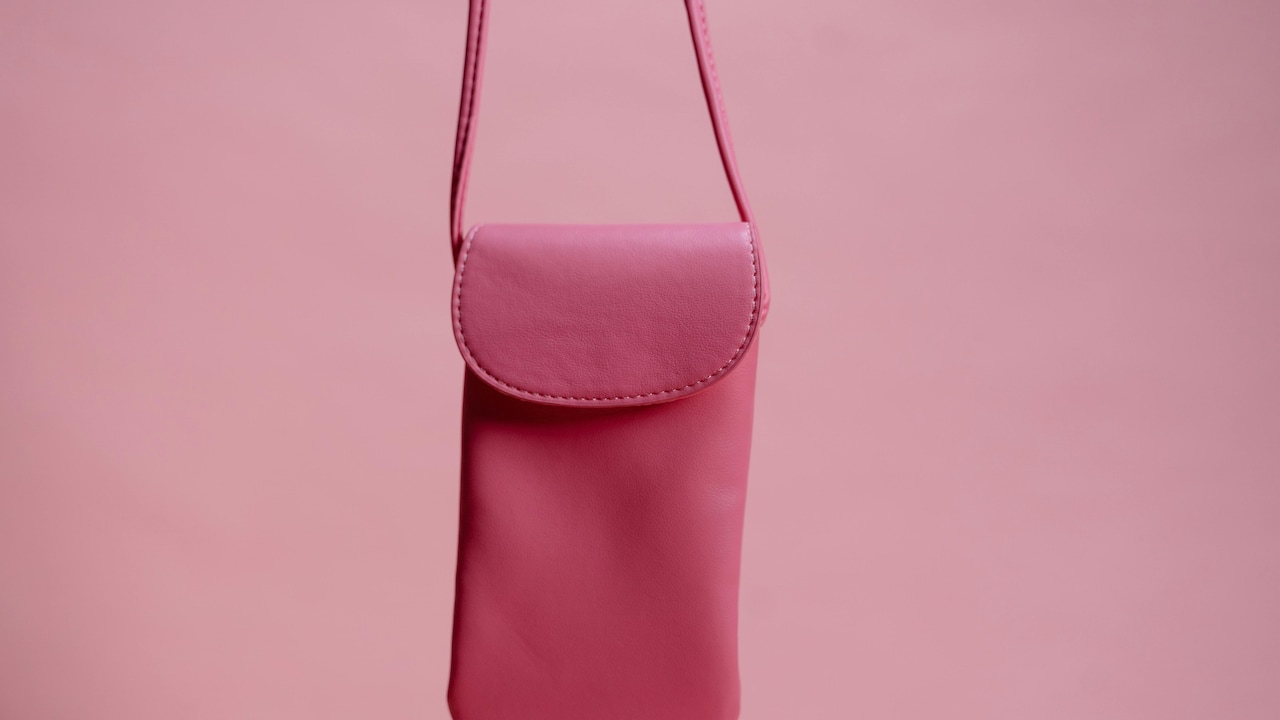
The Design Mistake That Causes Sling Bags To Swing and Sit Unevenly; Photo Credit: Pexels
5. Adjustable Straps That Adjust Too Easily
Adjustability sounds like a benefit. Yet, many sling bags use buckles that slip under the weight. Each step loosens the strap slightly. After a short walk, the bag sits lower than intended.
This gradual shift changes the centre of gravity. A bag meant to sit snug near the chest ends up knocking against the hip. Swing increases. Stability disappears.
Reliable adjusters lock firmly. They hold length under load. Cheaper hardware fails here. Plastic buckles, especially thin ones, struggle with constant tension.
This issue frustrates users because it feels like a personal error. The strap gets tightened, only to loosen again. The design flaw hides in the hardware, not the hands adjusting it.
6. Bag Shape That Encourages Rotation
Shape matters more than expected. Tall, narrow sling bags rotate more easily than wider ones. When height outweighs width, the bag behaves like a vertical lever.
As weight pulls downward, the narrow base offers little resistance. Rotation becomes inevitable. The bag twists, exposing zips or digging into the side.
Wider bases create stability. They distribute weight across a larger surface area. Flat-backed designs sit flush against the body, resisting rotation.
Many brands chase slim profiles for visual appeal. Unfortunately, extreme slimness sacrifices balance. A slightly wider bag may not look as sleek, but it feels far better during use.
7. Lack of Contouring Against the Body
Bodies aren't flat. Yet many sling bags are. A flat back panel rests unevenly against a curved torso. Gaps form. Pressure concentrates at odd points.
This poor contact allows movement. The bag shifts with each step because it never truly settles. Over time, this leads to soreness and constant fidgeting.
Contoured panels hug the body. They follow natural curves and increase surface contact. More contact means more friction and less swing.
Ignoring ergonomics saves manufacturing effort. Moulded panels cost more. Flat panels cut costs. Sadly, the wearer pays the price in comfort.

The Design Mistake That Causes Sling Bags To Swing and Sit Unevenly; Photo Credit: Pexels
8. Overemphasis on One-Shoulder Carry
Sling bags celebrate single-shoulder freedom. Yet overloading that concept creates imbalance. When designers assume all weight hangs comfortably from one point, they ignore long-term strain.
Even light bags feel heavy when they swing. Muscles tense to stabilise them. That tension builds fatigue.
Some designs add secondary stabiliser straps. These small additions anchor the bag during movement. Without them, the bag relies solely on the main strap, which struggles alone.
Minimalism often removes these helpful features. Clean lines win over practical stability. The result looks fashionable but feels flawed during daily wear.
9. Poor Testing in Real-World Conditions
Many sling bags pass design stages without proper field testing. They look good in studios and feel fine when worn briefly. Extended use tells a different story.
Crowded buses, uneven pavements and quick turns expose weaknesses. Swing increases. Straps slip. Balance fails.
Designers who walk with their bags notice these issues quickly. Those who don't miss them entirely. Real-world testing reveals truths that sketches and samples can't.
Skipping this step saves time but costs users comfort. It also leads to repeated complaints that could have been avoided with a few long walks.
10. Ignoring the Everyday User's Routine
The final mistake lies in assumptions. Many designs imagine light use: a phone, wallet and sunglasses. Reality includes chargers, snacks, notebooks and sometimes even a small umbrella.
Designs that ignore this reality fail under real loads. Swing increases as contents shift. Straps strain. Shapes distort.
Understanding daily routines leads to better balance. Knowing what people actually carry shapes smarter designs. Without this empathy, even stylish bags fall short.
A sling bag should adapt to life, not demand constant adjustment. When design forgets that, discomfort follows.
Products Related To This Article
1. Berrylush Structured Sling Bag
2. Mochi Half Moon Sling Bag
3. MANGO PU Structured Sling Bag
4. Mast & Harbour Women Sling Bag
5. Caprese Structured Sling Bag
6. Allen Solly Structured Sling Bag
7. Fastrack Women Solid Sling Bag
Sling bags don't swing and sit unevenly by accident. They do so because of one core design mistake: ignoring balance. From strap placement to weight distribution, every small choice adds up. When designers prioritise appearance over movement, the bag fights the body instead of supporting it.
Understanding this flaw empowers better choices. Buyers can look beyond looks and notice anchor points, strap grip, and internal structure. Designers can rethink priorities and test designs in motion, not just in mirrors.
A well-designed sling bag disappears into daily life. It stays put, moves smoothly, and carries essentials without fuss. When balance comes first, comfort follows naturally. And that small shift in design thinking makes all the difference between a bag that swings and one that simply works.
(Disclaimer: This article may include references to or features of products and services made available through affiliate marketing campaigns. NDTV Convergence Limited (“NDTV”) strives to maintain editorial independence while participating in such campaigns. NDTV does not assume responsibility for the performance or claims of any featured products or services.)