Clothing Fit Problems: How Incorrect Stitching Ruins The Way Outfits Hang On Your Body
Poor stitching can ruin even the most expensive outfit. From slipping shoulders to twisted hems, incorrect tailoring affects comfort, appearance, and confidence. Here’s how small stitching mistakes change the way clothes hang.
Here Is Why Clothes Don't Fit Right - Common Stitching Mistakes That Can Ruin The Shape Of Your Outfit.
Most wardrobes hold at least one outfit that looked perfect on the hanger but behaved strangely on the body. Sleeves twist, trousers pull, and necklines sit oddly. The mirror delivers disappointment instead of delight. Fabric quality often gets the blame, yet stitching usually plays the bigger role. Stitching shapes how a garment falls, moves, and breathes with the body. When done poorly, even a premium fabric worth ₹5,000 can look sloppy.
In cities and small towns alike, tailoring still plays a central role in personal style. From festive wear to office staples, fit decides whether clothes feel empowering or irritating. Incorrect stitching disrupts proportions and affects posture, comfort, and confidence. This piece unpacks common fit problems caused by poor stitching and explains why they happen. Each section reflects real-life dressing struggles, with a touch of humour and cultural familiarity. After all, clothes should support daily life, not complicate it.
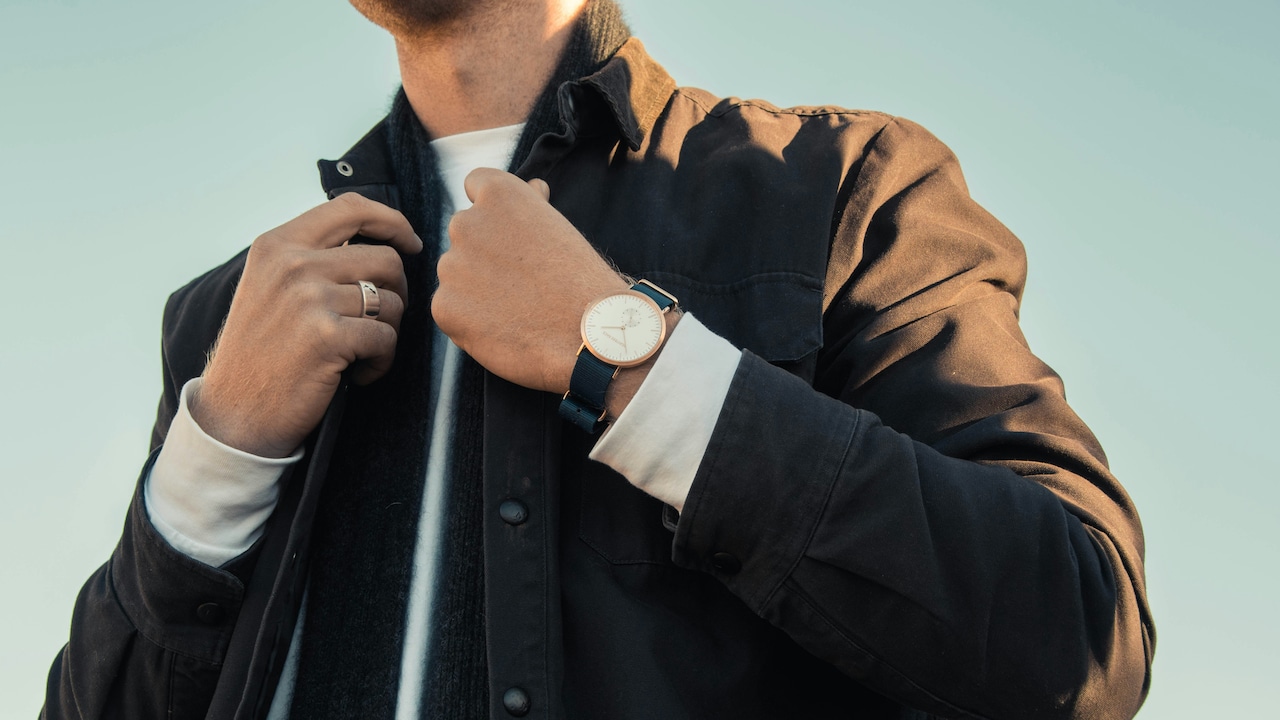
Clothing Fit Problems: How Incorrect Stitching Ruins The Way Outfits Hang On Body
Photo Credit: Pexels
Common Stitching Errors That Change How Clothes Sit on the Body
1. Shoulder Seams That Miss Their Mark
Shoulders form the foundation of any outfit. When stitching places the shoulder seams too far forward or backwards, the entire garment loses balance. Shirts start sliding, jackets droop, and tops feel constantly out of place. This issue often appears in readymade clothing altered without care. A tailor may rush the job, assuming shoulders follow a standard slope. Bodies rarely do.
Poorly stitched shoulders cause fabric to bunch near the arms or pull across the chest. Movement feels restricted, especially during long workdays or crowded commutes. The problem becomes more obvious in structured garments like blazers or kurtas with defined cuts. Even casual T-shirts look sloppy when the shoulder seams fall mid-arm.
Correct shoulder stitching aligns seams with the natural shoulder edge. This alignment allows fabric to drape cleanly and sleeves to hang straight. When shoulders fit well, the rest of the outfit behaves better. A simple test helps. Raise arms slightly. If the garment lifts awkwardly, the stitching needs attention. Good tailoring respects shoulder anatomy, not generic measurements.
2. Armholes That Chafe and Pull
Armholes often receive little attention, yet they affect comfort more than expected. Incorrect stitching here leads to tightness, gaping, or constant rubbing. Many experience this during festivals or weddings, when heavy fabrics meet poor tailoring. After a few hours, irritation replaces enjoyment.
Armholes stitched too low restrict movement. Lifting arms pulls the entire outfit upward. Armholes stitched too high cause chafing and visible sweat marks. Both problems ruin posture and confidence. The garment starts dictating movement instead of adapting to it.
Well-stitched armholes sit close to the body without pinching. They allow free movement while keeping the garment stable. Skilled tailors shape armholes based on body type, not habit. Rounded shoulders, fuller arms, or athletic builds all need adjustments. When armholes fit correctly, sleeves fall smoothly, and the outfit feels lighter. Comfort improves instantly, proving that small stitching details make a big difference.
3. Sleeves That Twist and Talk Back
Sleeves reveal stitching errors quickly. Twisted sleeves, uneven lengths, or flared cuffs distract the eye. Many shirts and blouses suffer from sleeves that rotate while worn. This happens when the sleeve cap gets stitched at the wrong angle.
Twisting sleeves feels annoying throughout the day. Constant adjustments become a reflex. In professional settings, this looks untidy. In social gatherings, it steals attention. The problem worsens with fabrics like cotton or linen, which hold their shape.
Correct sleeve stitching follows the natural arm position. Arms rest slightly forward, not straight down. Tailors who ignore this create sleeves that fight movement. Balanced stitching ensures seams align vertically when arms relax. Sleeve length also matters. Even a difference of half an inch shows. Well-fitted sleeves enhance posture and confidence. They frame gestures and allow ease, proving that good stitching speaks quietly but clearly.
4. Necklines That Refuse to Sit Right
A neckline frames the face, yet incorrect stitching often distorts it. Gaping collars, puckered edges, or choking necklines ruin an otherwise stylish outfit. This issue appears frequently in tops altered in a hurry.
Necklines stitched too tightly cause discomfort and visible strain lines. Those stitched too loosely lose shape after a few wears. Both problems affect how the garment hangs. The upper body looks heavier or oddly proportioned.
Good neckline stitching respects the curve of the neck and shoulders. It uses proper interfacing and even tension. Tailors should measure neck depth carefully, especially for custom pieces. Small errors here show immediately. A well-stitched neckline lies flat and feels barely noticeable. It allows jewellery to sit well and enhances facial features. When necklines behave, outfits feel complete.
5. Bust and Chest Stitching Gone Wrong
Incorrect stitching around the bust or chest area causes pulling, flattening, or awkward folds. Many experience this with fitted dresses, blouses, or shirts. The garment may button easily, but strain when moving.
This problem often arises from ignoring body contours. Straight stitching across curved areas creates tension. Darts placed incorrectly distort the shape. The result feels uncomfortable and looks unflattering. Confidence drops quickly.
Proper stitching shapes fabric around curves. Darts, princess seams, or panels help garments follow natural lines. Skilled tailors adjust placement based on posture and proportions. This creates a balanced silhouette without strain. When chest stitching works, outfits move naturally and feel supportive. Clothes should adapt to bodies, not force them into shapes.

Why Clothes Dont Fit Right: Common Stitching Mistakes That Ruin Clothes
Photo Credit: Pexels
6. Waist Seams That Shift and Sag
Waist stitching defines structure. When it sits too high or low, proportions suffer. Skirts flare oddly, trousers sag, and dresses lose elegance. Many alterations go wrong here due to rushed measurements.
A misplaced waist seam affects comfort during sitting and walking. Tight stitching restricts breathing. Loose stitching causes constant pulling. This proves especially frustrating during long events or work hours.
Correct waist stitching follows the natural waistline, which varies between individuals. Tailors should mark this while standing, not guessing. Elastic, darts, or panels must balance tension evenly. When waist seams sit right, garments feel secure and flattering. Movement feels effortless. The outfit supports daily life instead of demanding adjustments.
7. Hems That Break the Flow
Hems finish an outfit. Incorrect stitching here ruins the overall look. Uneven hems, twisted trousers, or flared ends distract immediately. This problem often occurs after hurried alterations before functions.
Hems are stitched too long drag and fraying. Too short, they look awkward. Crooked hems throw off balance, especially in straight-cut garments. Footwear choices become limited.
Good hem stitching considers footwear and posture. Tailors should check the length while wearing shoes. Even tension ensures clean lines. Blind stitching or neat finishes add polish. When hems fall correctly, outfits look intentional and refined. A smooth hemline allows fabric to flow naturally, completing the silhouette.
8. Seams That Pucker and Pull
Puckered seams signal poor stitching instantly. Uneven tension, wrong thread, or rushed work causes this issue. Fabric gathers unintentionally, ruining the drape.
Puckering often appears along side seams or the backs of dresses. It makes garments look cheap, regardless of fabric cost. Movement exaggerates the problem.
Proper stitching uses correct thread tension and stitch length. Skilled tailors adjust machines or hand techniques based on fabric type. Light fabrics need gentle handling. When seams lie flat, garments look smooth and elegant. Clean seams allow fabric to shine and maintain shape over time.
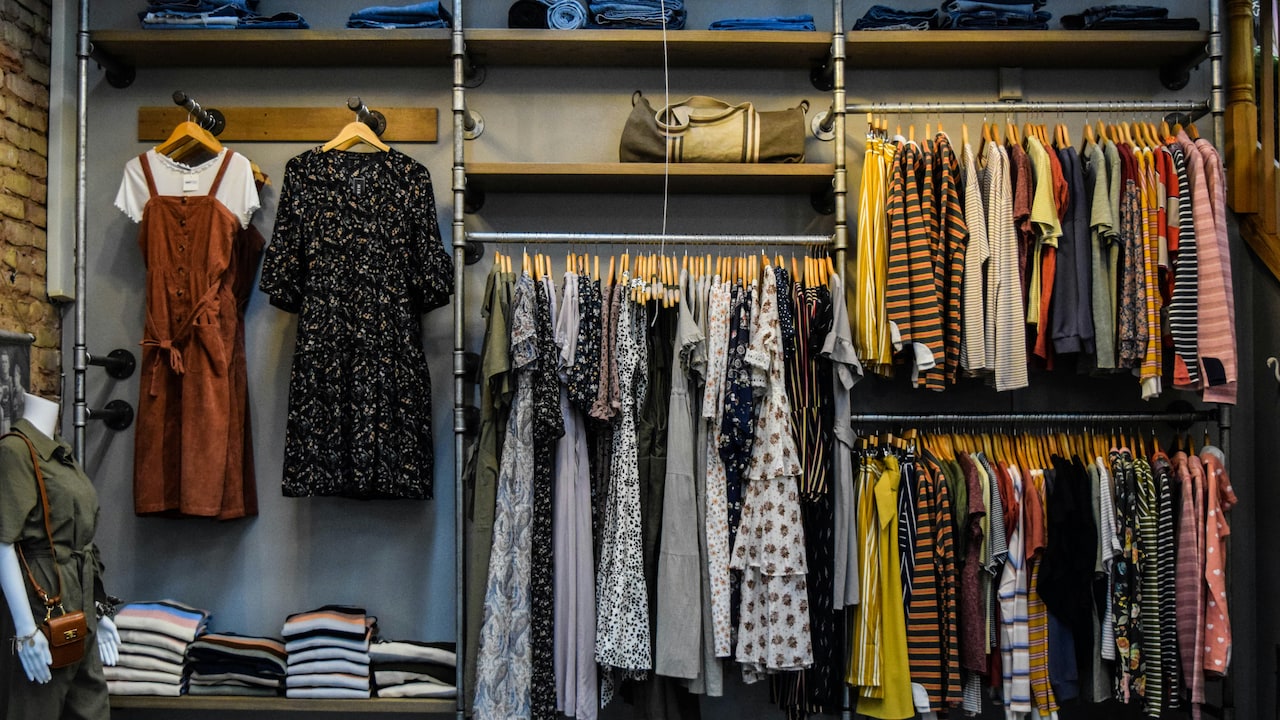
Clothing Fit Problems: How Incorrect Stitching Ruins The Way Outfits Hang On Body
Photo Credit: Pexels
9. Lining and Interfacing Mistakes
Lining supports structure, yet incorrect stitching here causes bunching and discomfort. Many experience lining up or peeking out. This distracts and irritates.
Poorly attached interfacing stiffens areas unnecessarily. Collars feel rigid. Waistbands dig in. These mistakes often come from using generic materials.
Good stitching secures the lining without restricting movement. Interfacing should suit the fabric weight and the garment's purpose. When done right, linings enhance comfort and durability. Outfits feel smoother and last longer. Invisible work often delivers the biggest comfort.
10. Alterations That Change Everything
Alterations promise improvement but sometimes create new problems. Incorrect stitching during resizing distorts the original design. Seams shift. Balance disappears.
This happens when alterations focus only on size, not shape. Removing fabric without rebalancing causes pulling. Adding fabric without blending looks patchy.
Successful alterations respect garment structure. Tailors should adjust multiple points, not just one seam. Testing fit before final stitching saves disappointment. Good alterations transform outfits into favourites. Bad ones send clothes back to the cupboard. Stitching decides which outcome wins.
Products Related To This Article
1. HouseOfCommon Polka Print Women Jumpsuit
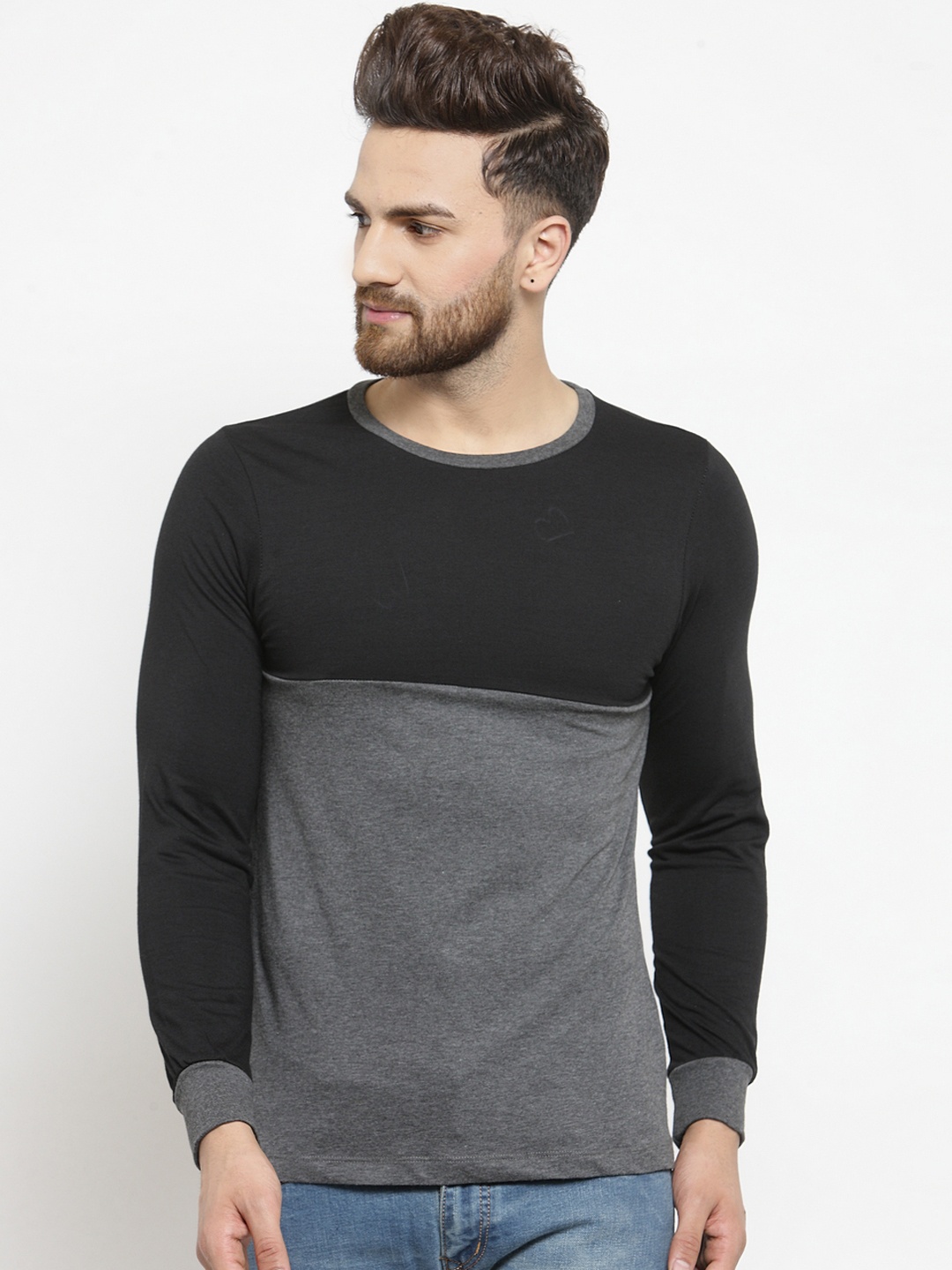
2. VeBNoR Men Printed Round Neck Polycotton Grey T-Shirt
3. GUTI Women Flared High Rise Black Jeans
4. THAWAR JI Printed Women Jumpsuit
5. INDICLUB Pack of 3 Solid Men Dark Blue, Light Green, Silver Casual Shorts
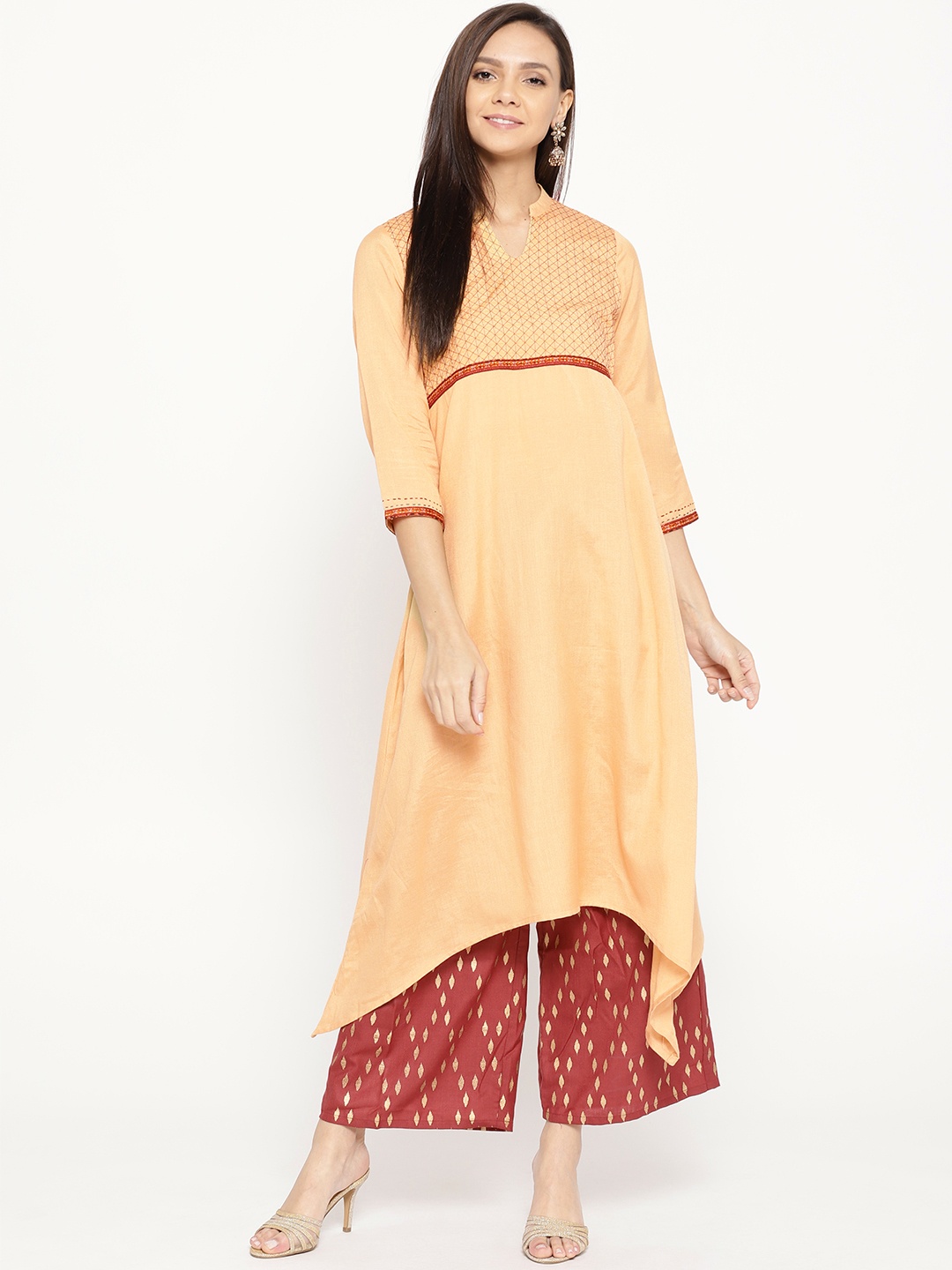
6. LIBAS Women Silk Blend Kurta Pant Dupatta Set
7. TRIPR Men Solid Henley Neck Cotton Blend Dark Green T-Shirt
8. NewlookAs Casual Regular Sleeves Striped Women Pink Top
Clothing fit depends less on labels and more on stitching. Incorrect stitching quietly undermines style, comfort, and confidence. From shoulders to hems, every seam matters. Thoughtful tailoring respects bodies, movement, and fabric behaviour.
Investing time in proper stitching saves money and frustration. An outfit stitched well feels like a second skin. It supports daily life, celebrations, and long hours alike. When clothes hang right, confidence follows naturally. After all, good stitching does not shout. It simply lets style speak for itself.
(Disclaimer: This article may include references to or features of products and services made available through affiliate marketing campaigns. NDTV Convergence Limited (“NDTV”) strives to maintain editorial independence while participating in such campaigns. NDTV does not assume responsibility for the performance or claims of any featured products or services.)