How To Stop Lightweight Kurta Sets From Looking See-Through In Daylight
Love wearing lightweight kurta sets but struggle with transparency in daylight? Discover 10 practical ways to choose the right fabrics, innerwear and styling tricks for a comfortable, confident look.
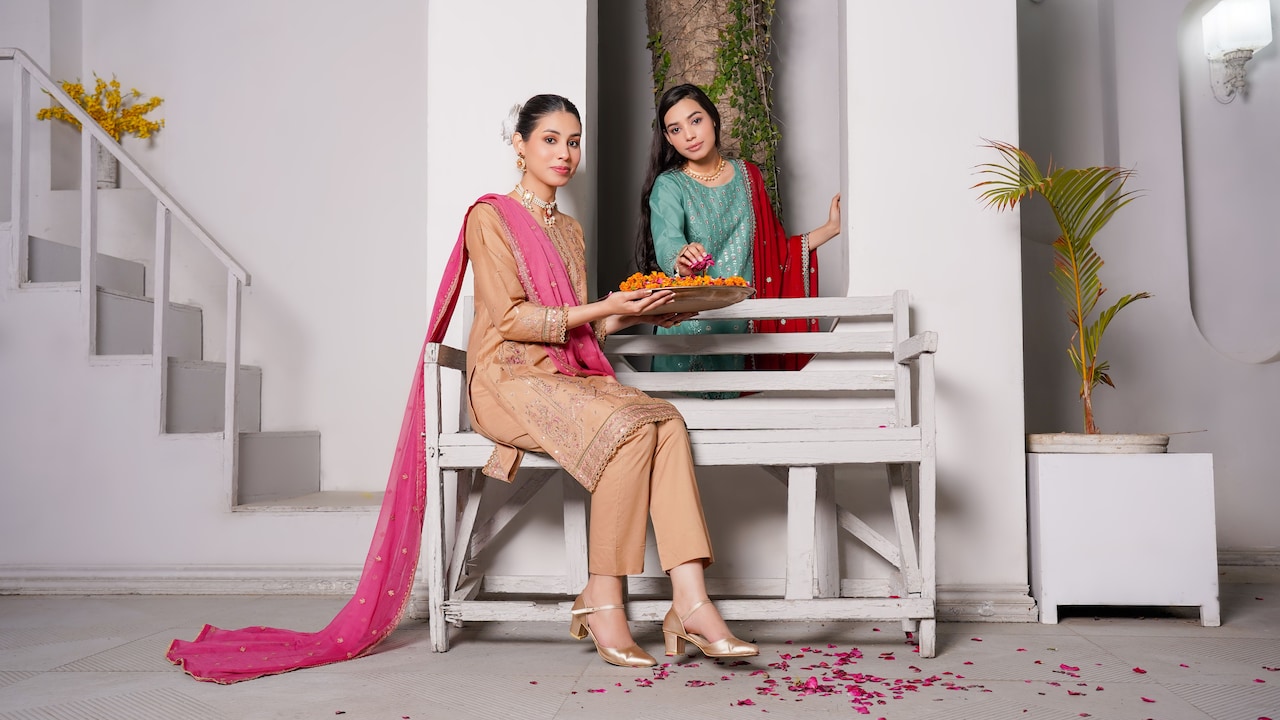
How To Stop Lightweight Kurta Sets From Looking See-Through In Daylight
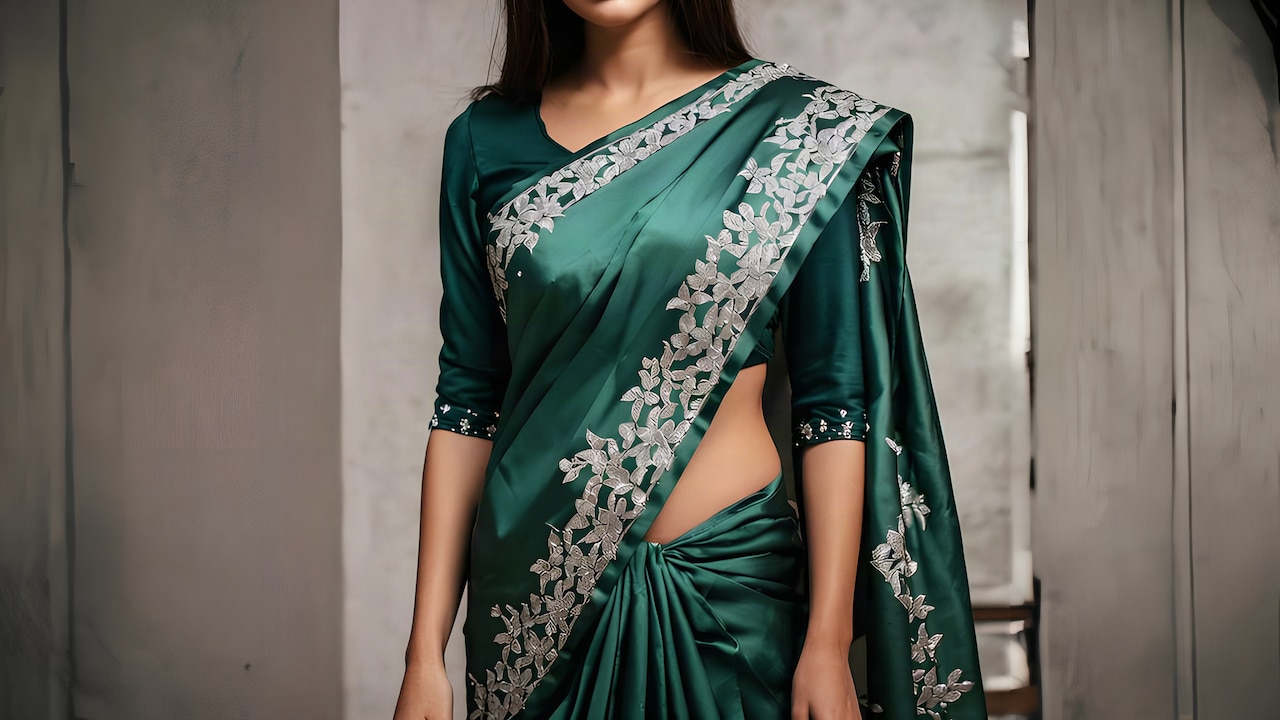
Lightweight kurta sets have a special place in everyday wardrobes. They're comfortable during humid afternoons, easy to style for work and practical enough for quick shopping trips. Cotton, mulmul, chiffon and other airy fabrics make dressing for warm weather much easier. However, there's one problem that often goes unnoticed until someone steps outdoors: the fabric suddenly looks see-through. A kurta set might look perfectly modest under bedroom lighting but reveal more than expected in bright sunlight. White, pastel and loosely woven fabrics tend to make this problem particularly noticeable. Even darker colours can appear transparent when the material stretches or catches strong light. Fortunately, fixing this issue doesn't mean giving up comfortable fabrics or adding uncomfortable layers. Small changes in fabric selection, innerwear, lining and styling can make a remarkable difference. Sometimes, something as simple as choosing the correct slip colour or checking the weave before purchasing can prevent an awkward wardrobe moment. Here are ten practical ways to make lightweight kurta sets look less transparent while keeping their breezy appeal intact.
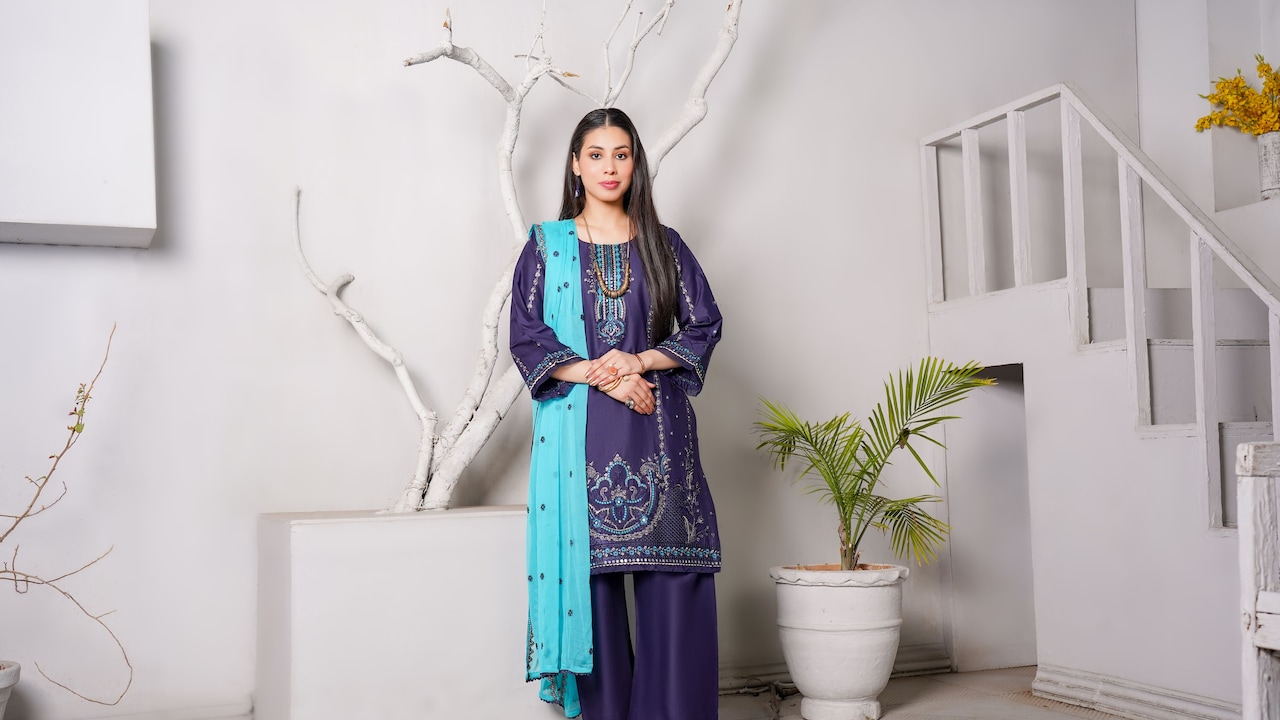
How To Stop Lightweight Kurta Sets From Looking See-Through In Daylight; Photo Credit: Pexels
10 Practical Ways To Prevent Kurta Sets From Looking See-Through
1. Choose Tightly Woven Fabrics Instead Of Extremely Thin Materials
The first step towards avoiding transparency begins with understanding fabric construction. Two kurta sets might both carry a cotton label, yet one offers considerably better coverage than the other. The difference often comes down to how tightly manufacturers weave the threads.
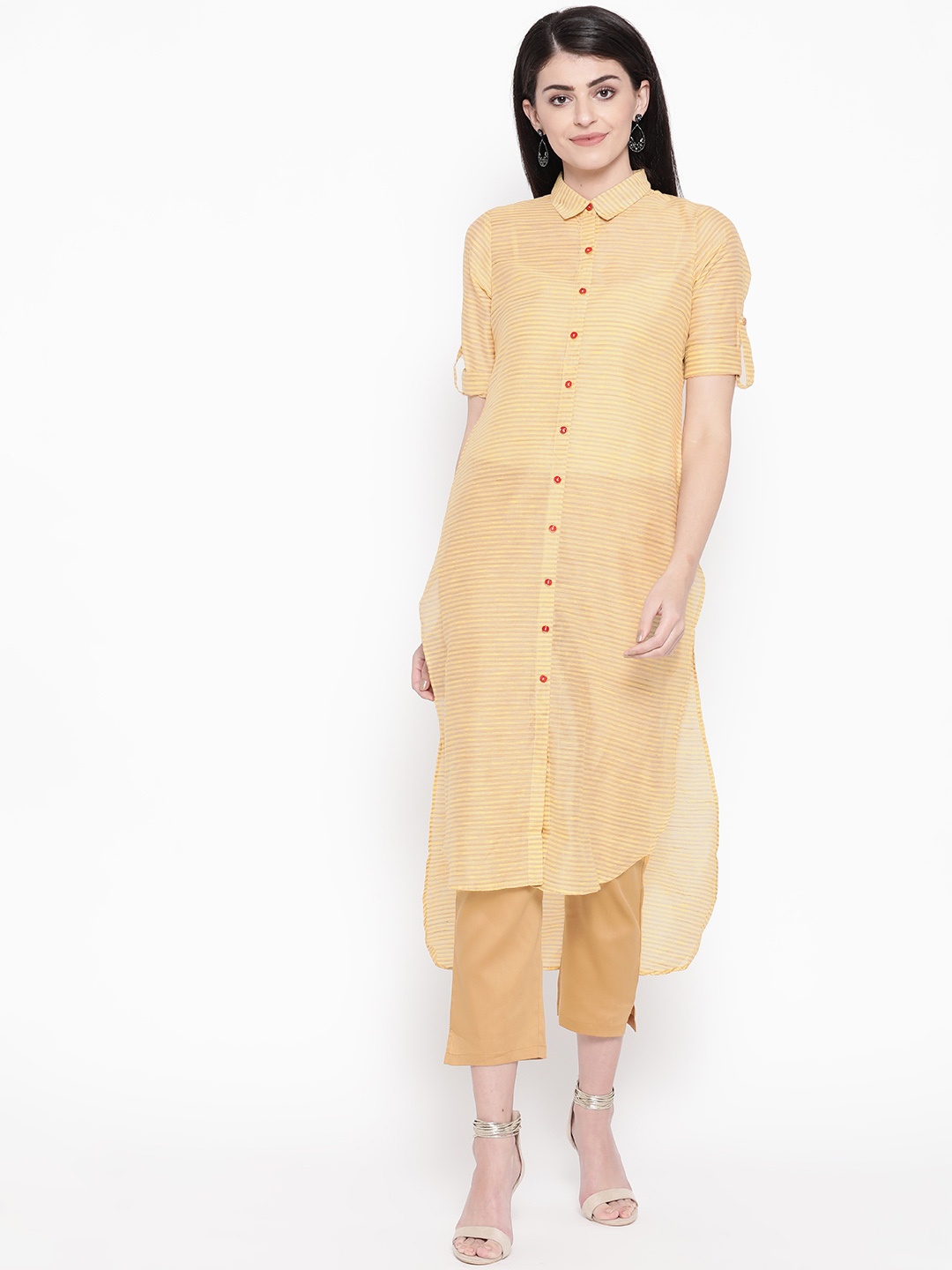
Loosely woven fabrics allow more light to pass through the tiny spaces between fibres. This makes them comfortable during hot weather, but it also increases transparency. Tightly woven cotton, cotton poplin and certain cotton blends generally provide better coverage without feeling excessively heavy.
When shopping, hold the fabric against a bright window or overhead light. If you can clearly distinguish objects through the material, the kurta may also appear transparent outdoors. This simple test works particularly well when choosing white or pastel outfits.
Fabric weight also matters, although heavier doesn't automatically mean better. A moderately weighted cotton kurta with a compact weave can offer excellent coverage while remaining breathable.
Avoid assuming that an expensive kurta set will necessarily provide better opacity. Some premium fabrics deliberately feature delicate, translucent textures.
Instead, examine the fabric closely and consider how it behaves under different lighting conditions. A little attention before purchasing can save plenty of styling adjustments later.
Also Read: Ethnic Wear With A Modern Twist: Top 5 Halter Kurta Sets At Minimum 30% Off
2. Wear Skin-Tone Innerwear Rather Than Bright White Undergarments
White innerwear beneath a white kurta seems like an obvious combination. Surprisingly, it often creates the opposite effect. Bright white undergarments can stand out against the skin, making their outlines more noticeable through lightweight fabric.
Skin-tone innerwear generally works better because it reduces the contrast between the garment and the body. The key is choosing a shade that closely matches the wearer's actual complexion rather than selecting a generic beige colour.
For example, someone with a deeper skin tone might find warm brown or caramel shades more discreet than pale nude options. Similarly, lighter complexions may benefit from soft beige or blush-toned innerwear.
Seamless designs can improve the overall appearance further. Bras with smooth cups, minimal stitching and simple edges are less likely to create visible lines beneath fitted kurtas.
Avoid heavily embroidered innerwear, contrasting straps and textured lace when wearing particularly delicate fabrics. These details may show through even when the colour matches.
The same principle applies to trousers and palazzos. Skin-tone, seamless underwear can reduce visible outlines beneath lightweight bottoms.
However, matching innerwear cannot completely solve transparency if the outer fabric has an extremely open weave. In such cases, an additional layer may still be necessary.
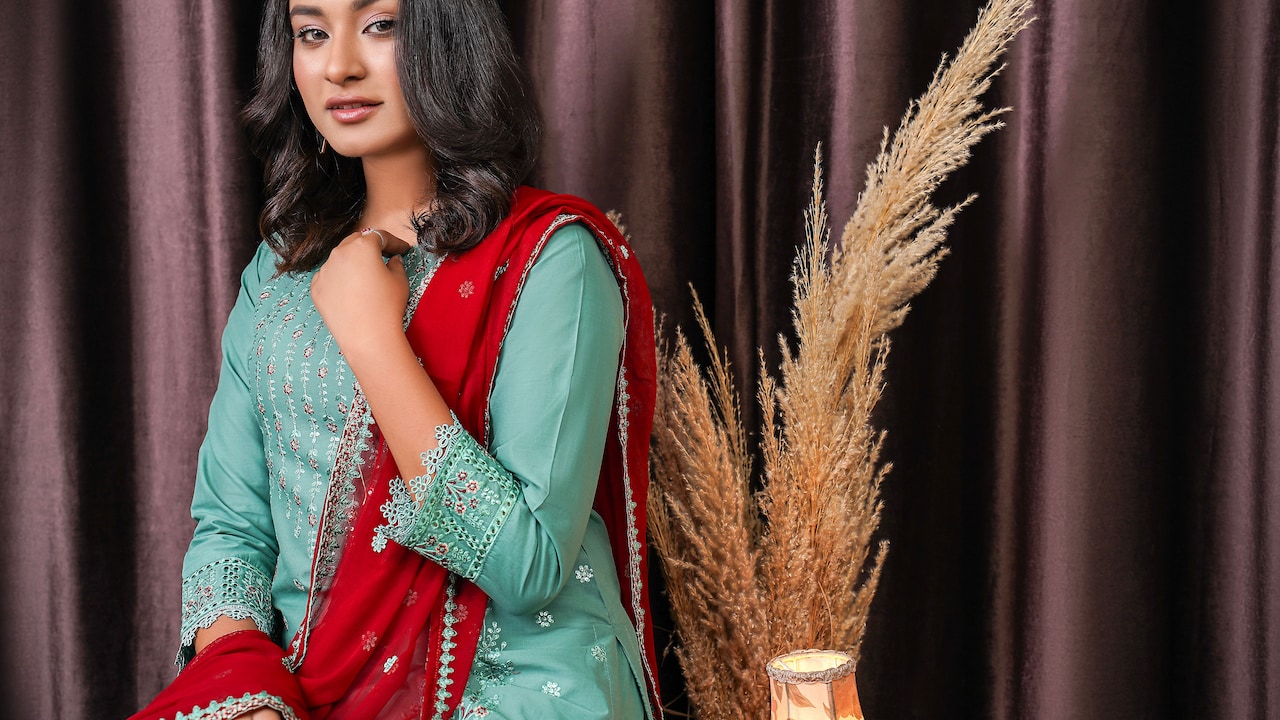
3. Add A Breathable Cotton Slip For Extra Coverage
A well-fitted slip can transform a transparent kurta into a much more comfortable everyday outfit. Unlike bulky layering pieces, a lightweight cotton slip creates an additional barrier without dramatically changing how the outfit looks or feels.
Choose a slip that follows the kurta's silhouette without clinging tightly to the body. A straight-cut slip works well beneath regular kurtas, while slightly flared versions suit A-line or Anarkali styles.
Length deserves attention too. A very short slip beneath a long kurta may create a visible horizontal line where the extra layer ends. Ideally, the slip should extend far enough to cover areas where the fabric becomes noticeably transparent.
For summer, breathable cotton or cotton-rich blends are usually more comfortable than thick synthetic materials. They allow better airflow and help manage perspiration during long commutes or outdoor errands.
Colour selection follows the same principle as innerwear. A shade close to the skin often blends more naturally beneath sheer white fabric than a bright white slip.
When purchasing, check that the neckline and straps remain concealed beneath the kurta.
A good slip should provide coverage without drawing attention to itself. If it feels restrictive, bunches around the waist or changes the outfit's shape, try another fit.
How To Stop Lightweight Kurta Sets From Looking See-Through In Daylight; Photo Credit: Pexels
4. Check How The Kurta Looks Under Natural Sunlight Before Wearing It
Indoor mirrors can sometimes be surprisingly misleading. A kurta that appears completely opaque under warm bedroom lighting may look noticeably different near a sunlit window or outdoors.
Natural daylight is generally stronger and more revealing than typical indoor lighting. Backlighting can make delicate fabrics appear particularly transparent because light passes through the material from behind.
Before wearing a new lightweight kurta set, examine it in natural light. Stand near a window, turn sideways and check the outfit from different angles.
Pay attention to the shoulders, chest, waist and lower portion of the kurta. These areas may reveal different levels of transparency depending on fabric thickness and how the garment sits against the body.
Try the same test while walking or stretching your arms. Movement can cause certain sections to pull closer to the skin, making outlines more visible.
A full-length mirror helps, but a quick photograph taken in natural light can also reveal details that are easy to overlook.
This doesn't mean every lightweight kurta needs several layers. Some fabrics remain sufficiently opaque in most conditions.
The objective is simply to understand how the outfit behaves before stepping out. A two-minute daylight check can prevent an entire afternoon of adjusting a dupatta.
5. Select Prints And Patterns That Make Transparency Less Noticeable
Solid-coloured kurtas, especially in white and pale pastel shades, often reveal transparency more clearly than patterned designs. Prints can help break up visible outlines and reduce the contrast between the fabric and whatever sits underneath.
Small floral motifs, traditional block prints and evenly distributed geometric patterns can create a more forgiving appearance. They interrupt large uninterrupted areas of light fabric, making subtle transparency less obvious.
For example, a cream kurta with delicate blue floral prints may provide better visual coverage than a completely plain cream kurta made from similarly thin material.
However, print placement matters. A design concentrated only around the neckline might leave the lower portion looking transparent. Patterns spread across the garment usually offer more consistent visual coverage.
Dark prints on light backgrounds can also draw attention away from minor variations in opacity.
That said, printed fabric doesn't become physically thicker simply because it has a pattern. Strong backlighting may still reveal the body beneath an extremely sheer garment.
When shopping online, look for product photographs showing the complete outfit rather than relying only on close-up print details.
If the design features large transparent sections, consider whether a slip or lining would complement it.
Prints work best as a supporting styling trick rather than a replacement for adequate fabric coverage.
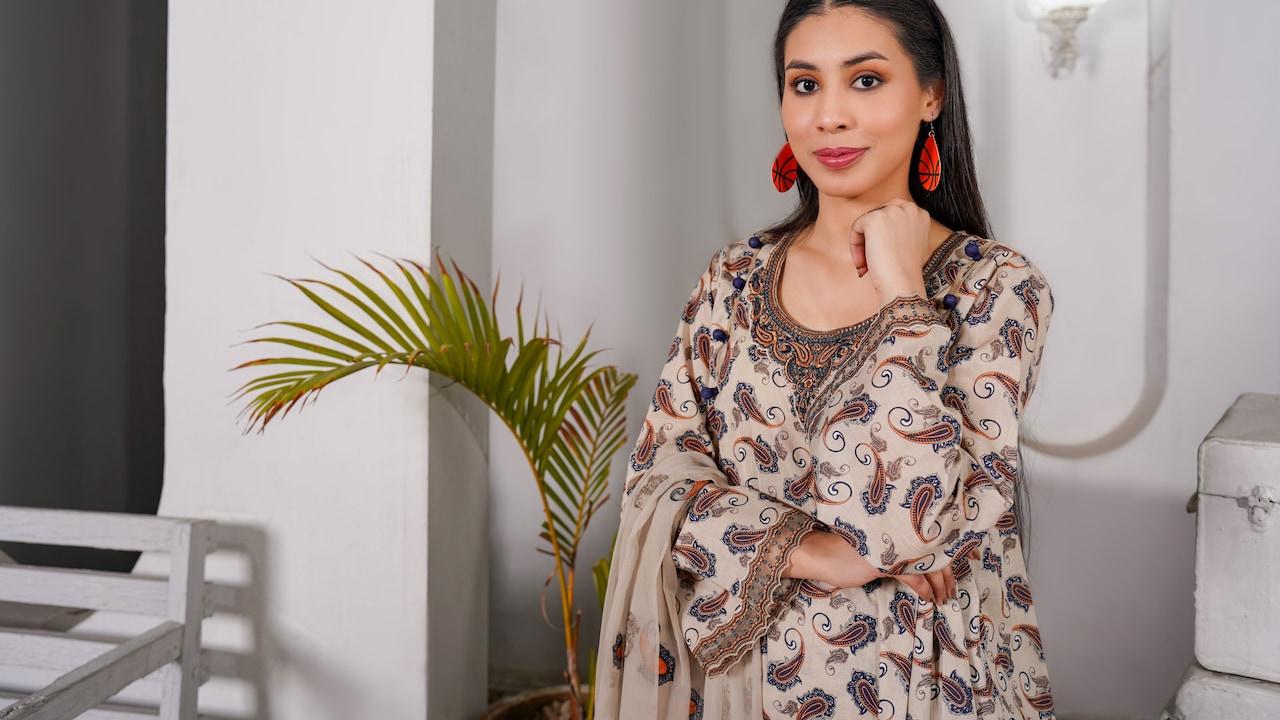
6. Choose Relaxed Fits That Do Not Stretch Across The Body
A kurta's fit plays an important role in how transparent it appears. Even a reasonably opaque fabric can reveal more when it stretches tightly across the chest, hips or shoulders.
Tight-fitting garments pull fabric fibres apart slightly, particularly when the material contains stretch fibres or has an open weave. They also sit closer to the body, making innerwear seams and outlines easier to notice.
Relaxed silhouettes create a little space between the fabric and the skin. This helps the material fall naturally instead of clinging to every contour.
Straight-cut kurtas with comfortable side slits, A-line designs and gently flared styles are practical choices for everyday dressing. They offer movement without sacrificing a polished appearance.
However, oversized doesn't always mean better. Excess fabric can bunch around the waist or create awkward folds, especially when paired with very loose trousers.
Focus on a comfortable fit across the bust, shoulders and hips. The kurta should allow easy movement without pulling or gaping.
Pay particular attention when sitting down. Some fabrics become more revealing when stretched across the thighs or knees.
A slightly relaxed kurta can look elegant with properly fitted trousers and minimal accessories. Better fit often solves several styling problems at once, including unwanted clinging and visible innerwear lines.
How To Stop Lightweight Kurta Sets From Looking See-Through In Daylight; Photo Credit: Pexels
7. Use Lightweight Linings Without Making The Outfit Uncomfortably Warm
Adding lining is one of the most reliable ways to improve coverage when the fabric itself is too transparent. However, choosing the wrong lining can turn a comfortable summer kurta into something surprisingly warm and restrictive.
Lightweight cotton, voile and suitable breathable blends are practical options. They add coverage while allowing the outfit to retain much of its original softness and movement.
The lining doesn't always need to cover the entire garment. For example, a kurta with sheer sleeves might look perfectly stylish with lining only through the body.
Similarly, some designs need additional coverage around the bust and torso rather than from the neckline to the hem.
A tailor can help determine which sections require lining based on the fabric and overall silhouette.
Colour is another consideration. A skin-tone lining may create a more natural appearance beneath very light fabric, while a carefully matched lining can preserve the original colour of the outfit.
Before stitching, place the lining beneath the fabric and check the combination in daylight. Some linings alter the outer colour, making pastel shades appear darker or duller.
Avoid very thick polyester linings for outfits intended for humid weather.
A well-chosen lining should improve opacity without making the kurta feel stiff. The finished garment should still move comfortably and maintain its original shape.
8. Pair Transparent Kurtas With Appropriate Bottoms And Dupattas
Sometimes, the problem isn't the entire kurta set. The upper garment may provide reasonable coverage while the matching trousers or palazzos become transparent under sunlight.
Lightweight white trousers are especially prone to revealing underwear outlines, pocket seams and the shape of the legs.
Choosing bottoms with a slightly denser weave can make the outfit look more balanced. Cotton trousers with proper lining, straight pants and moderately structured palazzos are useful alternatives.
If the kurta comes with extremely thin bottoms, replacing them with a coordinating pair may offer a more practical solution than trying to modify the original set.
Dupattas can also help manage transparency while adding visual interest. A soft cotton or printed dupatta draped across the front provides an extra layer over the torso.
For office wear, a neatly arranged dupatta can create a polished appearance without requiring elaborate styling.
However, constantly adjusting a dupatta to conceal transparent fabric can become inconvenient, especially during travel or busy workdays.
Treat the dupatta as an accessory rather than the only source of coverage.
If the kurta remains uncomfortable without it, consider adding a slip or lining instead.
A balanced combination of suitable bottoms and thoughtful layering usually looks more natural than relying on a single styling trick.
9. Prevent Fabric From Becoming More Transparent After Repeated Washing
A kurta set that originally offered decent coverage may gradually become thinner after repeated washing. Fabric wear, fibre damage and excessive stretching can all affect how the material looks in daylight.
Harsh detergents and aggressive washing cycles may weaken delicate fibres over time. Frequent friction can also reduce fabric integrity, particularly around the elbows, hips and other high-contact areas.
Check the garment's care label before washing. Lightweight cotton and delicate blends often benefit from gentle cycles or careful handwashing.
Use an appropriate amount of mild detergent and avoid scrubbing thin sections unnecessarily.
For particularly delicate kurtas, a mesh laundry bag can reduce friction during machine washing.
Drying methods matter as well. Excessive heat may affect certain fibres and cause shrinkage or distortion. Dry garments according to their care instructions and avoid harsh treatment while the fabric remains wet.
When ironing, use a suitable temperature to prevent scorching or weakening delicate materials.
It's also worth checking older kurtas against a light source occasionally. If previously opaque areas now reveal noticeably more light, the fabric may have experienced wear.
Not every garment needs replacing immediately. A comfortable slip or carefully stitched lining may extend its useful life.
Proper garment care helps preserve both appearance and comfort while reducing the need for frequent wardrobe replacements.
10. Build A Practical Wardrobe Around Colours And Fabrics That Offer Better Coverage
Avoiding transparency becomes easier when future purchases reflect lessons from previous wardrobe experiences. Rather than repeatedly buying delicate kurta sets and finding ways to conceal them, consider opacity as an important shopping criterion.
Medium and deeper shades often make minor transparency less noticeable than very pale colours. Olive green, teal, maroon, navy and earthy browns can offer more visual coverage, depending on the fabric.
However, dark colours aren't automatically opaque. A loosely woven black kurta may still reveal outlines when strong light passes through it.
Focus on the combination of colour, weave, thickness and fit.
When purchasing online, read fabric descriptions carefully. Terms such as sheer, translucent and lightweight can provide useful clues, although lightweight doesn't necessarily mean transparent.
Customer reviews mentioning lining, fabric thickness or daylight visibility can also help identify potential problems.
Consider building a small collection of reliable inner layers. A couple of well-fitted slips in suitable colours can work beneath several kurta sets without requiring additional purchases for every outfit.
It's also sensible to distinguish between occasion wear and everyday clothing.
A delicate chiffon kurta might work beautifully for an evening gathering, while a tightly woven cotton set may prove more practical for office commutes.
Choosing garments according to their intended use makes dressing simpler and reduces last-minute wardrobe concerns.
Products Related To This Article
1. Sangria Embroidered Georgette Round Neck Kurta & Palazzos Kurta Set
2. KALINI Ethnic Motifs Printed Thread Work Straight Kurta With Trouser & Dupatta
3. GoSriKi Floral Printed Sweetheart Neck Anarkali Kurta With Trousers & Dupatta
4. Rimeline Women Regular Pure Cotton Kurti with Farshi Salwar
5. Anouk Floral Embroidered V-Neck Mirror Work Straight Kurta With Palazzos & Dupatta
6. KALINI Floral Printed Round Neck Anarkali Kurta With Trousers & Dupatta
7. Varanga jacquard Kurta set with Printed Dupatta
Lightweight kurta sets don't have to become a source of discomfort whenever sunlight gets stronger. The right fabric, suitable innerwear, breathable slips and thoughtful layering can make a noticeable difference without compromising comfort.
Paying attention to weave, fit and lining before purchasing also prevents many transparency issues. Even small habits, such as checking a new outfit near a window, can help avoid surprises.
Ultimately, the goal isn't to hide every detail beneath layers of clothing. It's to enjoy the comfort and elegance of lightweight kurta sets while feeling confident throughout the day.
(Disclaimer: This article may include references to or features of products and services made available through affiliate marketing campaigns. NDTV Convergence Limited (“NDTV”) strives to maintain editorial independence while participating in such campaigns. NDTV does not assume responsibility for the performance or claims of any featured products or services.)