10 Things To Check Before Buying Scarves And Gloves For Everyday Winter Wear
Buying scarves and gloves for winter? From fabric quality and warmth to fit and durability, here are 10 things to check before choosing accessories for everyday comfort.

Buying Scarves And Gloves? 10 Tips To Choose The Right Winter Accessories
Winter dressing has its own little challenges. A jacket might keep the body warm, but cold fingers and an exposed neck can still make a morning commute uncomfortable. That's where scarves and gloves come in. These seemingly small accessories can make a noticeable difference, especially when temperatures drop and chilly winds become part of the daily routine. However, buying winter accessories isn't simply about picking the softest scarf or the thickest pair of gloves. A beautiful woollen scarf might feel scratchy after an hour, while stylish gloves could make answering phone calls unnecessarily difficult. Even the warmest accessories can become frustrating when they don't suit everyday activities. Fabric quality, fit, breathability, maintenance and even storage deserve some attention before making a purchase. After all, accessories that work for a weekend holiday might not necessarily suit daily travel, office hours or evening walks. Whether you're refreshing your winter wardrobe or buying something practical for a family member, a few thoughtful checks can help you avoid disappointing purchases. Here are ten things worth considering before choosing scarves and gloves that combine comfort, warmth and everyday convenience.
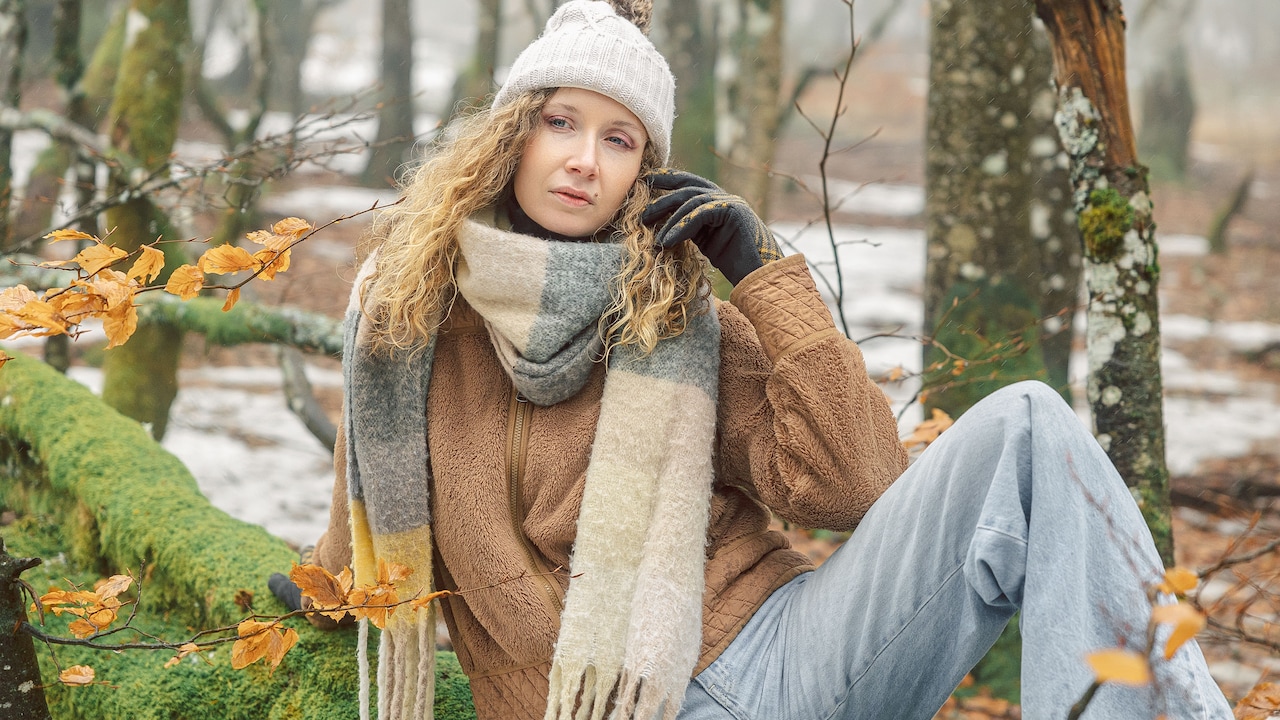
Buying Scarves And Gloves? 10 Tips To Choose The Right Winter Accessories; Photo Credit: Pexels
Key Things To Consider When Choosing Scarves And Gloves
1. Check The Fabric Before Falling For The Design
A scarf with an attractive pattern can easily catch your attention, but its fabric determines how comfortable it feels throughout the day. The same applies to gloves. Materials that look similar in photographs can behave quite differently when temperatures drop.
Wool offers good insulation and suits colder conditions. However, some woollen fabrics can feel rough against sensitive skin. Merino wool generally feels softer than coarser varieties, making it worth considering for scarves that sit directly against the neck. Acrylic offers an affordable alternative, although its warmth, softness and breathability vary with construction.
Cotton scarves feel gentle and breathable but may not provide enough insulation during particularly cold mornings. Fleece offers another option for people who prefer lightweight warmth without bulky layers.
For gloves, consider how the fabric feels when gripping objects or moving your fingers. A material that stretches slightly can make everyday activities more comfortable.
Don't rely entirely on product descriptions that promise exceptional softness. Check fabric composition, customer feedback and care instructions before deciding.
A scarf might look wonderful with a winter coat, but if it causes constant itching, chances are it'll spend more time inside the wardrobe than around your neck.
Also Read: Top 7 Gloves And Scarves That Make Winter Dressing Effortless
2. Make Sure The Scarf Length Suits Your Everyday Styling
Scarf length deserves more attention than it usually receives. An accessory that's too short can leave gaps around the neck, while an excessively long scarf might become inconvenient during crowded commutes or busy mornings.
Shorter scarves work well for simple wrapping styles and people who prefer minimal winter layering. They're easier to manage with jackets and sweaters, particularly when you don't want extra fabric hanging around.
Longer scarves offer more flexibility. You can wrap them around the neck twice, create a loose knot or drape them over your shoulders. This versatility becomes useful when temperatures change throughout the day.
Width matters too. A narrow scarf offers a neat appearance but provides limited coverage. Wider designs can protect the neck and upper chest while doubling as light wraps during outdoor gatherings.
Before buying, consider how you'll wear the scarf most often. Someone travelling on a two-wheeler may prefer a secure, compact wrap that stays tucked inside a jacket.
Check the measurements rather than relying on photographs. Models sometimes wear scarves in elaborate arrangements that conceal their actual dimensions.
The best length isn't necessarily the trendiest one. It's the length that stays comfortable without demanding constant adjustments.
3. Look For Gloves That Fit Without Restricting Finger Movement
Gloves might seem straightforward to purchase, but an uncomfortable fit can quickly turn them into an everyday nuisance. Tight gloves restrict finger movement, while oversized pairs create loose fabric around the fingertips and make gripping difficult.
Start by checking the manufacturer's sizing chart. Many brands provide measurements based on palm circumference, hand length or both. These details help considerably when shopping online.
A comfortable pair should allow your fingers to bend naturally without pulling tightly across the knuckles. The fingertips should reach close to the ends of the gloves without leaving excessive empty space.
Pay attention to the thumb area as well. Poorly positioned thumb seams can create discomfort when holding a phone, carrying shopping bags or using vehicle controls.
Stretchable knitted gloves generally offer greater flexibility than rigid designs. However, excessive stretching can affect their shape over time.
If possible, try performing simple movements while wearing them. Make a fist, open your palm and grip an everyday object.
Gloves shouldn't feel like a miniature workout for your fingers. A well-fitting pair offers warmth while allowing your hands to function naturally, whether you're commuting, shopping or enjoying an evening outdoors.
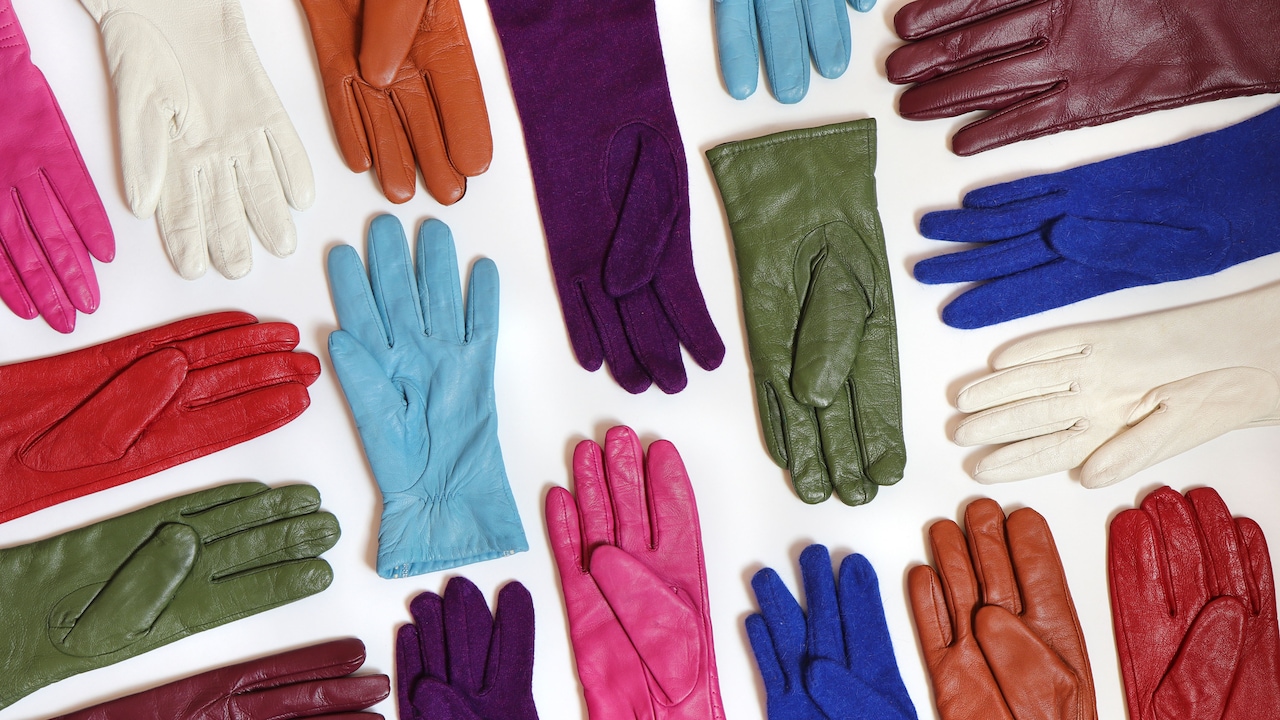
Buying Scarves And Gloves? 10 Tips To Choose The Right Winter Accessories; Photo Credit: Pexels
4. Consider The Weather Conditions You'll Actually Face
Not every winter demands the same level of protection. A scarf and glove combination that works comfortably during a mild December afternoon might prove insufficient during a January morning in Shimla.
Before purchasing, consider the usual temperature, wind conditions and amount of time you spend outdoors.
For relatively mild winters, lightweight knitted scarves and breathable gloves may provide enough comfort. Heavy insulation could make your hands sweaty, particularly when moving between outdoor spaces and heated interiors.
Colder regions require more substantial protection. Wool-blend scarves, fleece-lined gloves and tightly knitted fabrics can help retain warmth.
Wind deserves attention too. A loosely knitted scarf may feel warm indoors but allow cold air through its gaps. Similarly, gloves with thin fabric may struggle during windy commutes.
For damp or snowy weather, look for accessories with suitable water resistance. Remember that water-resistant materials aren't necessarily waterproof.
Daily activities also influence your choice. Someone walking to a nearby shop has different requirements from someone spending several hours outdoors.
Instead of choosing the thickest accessories available, match their insulation to your actual routine. Excessive warmth can feel just as inconvenient as insufficient protection, particularly when temperatures fluctuate between morning and afternoon.
5. Check Whether The Fabric Feels Comfortable Against Your Skin
A scarf spends considerable time touching the neck, chin and sometimes the face. Gloves remain in contact with the hands for extended periods. That makes skin comfort an important buying consideration rather than a minor luxury.
Some woollen fabrics contain coarse fibres that can cause itching or irritation. Even a beautifully woven scarf becomes difficult to wear when you're constantly adjusting it to avoid contact with your skin.
People with sensitive skin may prefer softer wool varieties, smooth cotton blends or carefully finished fleece.
Check the inner surface of gloves too. Rough seams, stiff stitching and poorly finished edges can create friction around the fingers and wrists.
Fabric dyes, finishing chemicals and certain fibres may also trigger reactions in susceptible individuals. If you've experienced irritation from particular materials before, review the composition carefully.
Breathability deserves equal attention. Gloves that trap too much moisture can leave hands feeling clammy, even during cold weather.
When shopping in person, gently rub the fabric against your wrist or neck to judge its texture. This simple check can reveal discomfort that isn't obvious from appearance alone.
Softness isn't just about that lovely first touch. It's about whether the accessory remains pleasant after several hours of regular wear.
6. Look For Practical Features That Make Daily Use Easier
Winter accessories have evolved beyond basic knitted designs. Small functional details can make scarves and gloves considerably easier to use, particularly for people with busy routines.
Touchscreen-compatible gloves are worth considering if you frequently use your smartphone outdoors. Conductive material on selected fingertips allows interaction with compatible screens without removing the gloves.
However, not every touchscreen glove performs equally well. Some work reliably for simple tapping but struggle with precise typing.
For scarves, look for practical construction details such as secure loops, manageable thickness and neatly finished edges. Infinity scarves offer a convenient alternative for anyone who dislikes repeatedly adjusting loose ends.
Gloves with textured or rubberised palms can improve grip when carrying bags or handling everyday objects. Ribbed wrist cuffs help reduce gaps where cold air might enter.
If you commute on a two-wheeler, remember that ordinary knitted gloves don't replace protective riding gloves designed for abrasion resistance and impact protection.
Convenience matters most when the weather is unpleasant and you're already running late.
A thoughtful feature might seem insignificant while shopping, but it can become surprisingly valuable when you're trying to answer an important call without exposing your fingers to the cold.

Buying Scarves And Gloves? 10 Tips To Choose The Right Winter Accessories; Photo Credit: Pexels
7. Examine Stitching, Knitting And Overall Construction Quality
Two scarves may feature similar colours and patterns, yet one might last several winters while the other starts looking worn after a few weeks.
Construction quality often explains the difference.
Start by examining the knitting or weaving. Consistent stitches and evenly finished edges generally indicate better workmanship. Loose threads, irregular loops and visibly weak seams may suggest potential durability problems.
For gloves, inspect the areas between the fingers and around the thumbs. These sections experience frequent movement and can develop holes when stitching lacks strength.
Scarves with fringes require additional attention. Poorly secured tassels may loosen during washing or regular use.
Check whether the fabric stretches evenly and returns to its original shape. Excessive distortion can indicate that the accessory may lose its fit over time.
Product photographs rarely reveal every construction detail. When buying online, customer images and reviews can provide useful clues about loose stitching, pilling and changes after washing.
A slightly higher upfront cost may prove worthwhile when the material and workmanship support repeated use.
After all, nobody wants to discover a growing hole in their favourite gloves halfway through winter, particularly when the matching scarf still looks perfectly presentable.
8. Think About Colours And Patterns That Work With Your Wardrobe
Scarves and gloves offer an easy way to introduce colour into winter outfits. However, an attractive design doesn't automatically make a practical purchase.
Before choosing a bright printed scarf or patterned gloves, consider the jackets, sweaters and coats you already wear.
Neutral shades such as black, charcoal, beige, brown and navy generally complement a wide range of winter clothing. These colours also make it easier to create coordinated outfits without buying several accessories.
That doesn't mean winter dressing needs to become a parade of muted shades.
A burgundy scarf can add warmth to a grey coat, while a mustard accessory can brighten an otherwise simple outfit. Checks, stripes and subtle geometric patterns also offer visual interest.
If your winter wardrobe already features plenty of prints, a solid-coloured scarf may provide better balance.
Matching scarves and gloves can create a coordinated appearance, but exact colour matching isn't essential. Complementary tones often look more natural.
Consider maintenance when selecting lighter colours. Cream and pale beige accessories may show makeup marks, dust and everyday stains more easily.
Choose colours that fit your clothing habits rather than fleeting trends. An accessory that complements several existing outfits will usually earn far more outings than one purchased for a single look.
9. Read The Washing And Care Instructions Before Buying
Winter accessories often require more careful maintenance than everyday cotton clothing. Ignoring washing instructions can turn a perfectly comfortable scarf into a shrunken, misshapen disappointment.
Different materials respond differently to water, detergent and heat.
Some woollen scarves require hand washing with a suitable mild detergent. Others allow gentle machine washing, depending on their construction and manufacturer recommendations.
Acrylic accessories may offer easier maintenance, although high temperatures can still affect their shape and texture.
Check whether gloves contain leather, decorative trims, touchscreen materials or special coatings. These features may require specific cleaning methods.
Drying instructions matter just as much as washing. Hanging a heavy wet knitted scarf can stretch it, while excessive heat may damage certain fibres.
If you prefer low-maintenance clothing, look for accessories that suit your existing laundry routine.
It's also worth considering how often the items will need cleaning. Scarves can collect makeup, perfume and skin oils, while gloves frequently encounter dust and surfaces during commutes.
An accessory that demands complicated care may not suit daily wear.
The goal is simple: choose something you can keep clean without turning every wash into an anxious experiment involving a bucket, three towels and crossed fingers.
10. Compare Price, Durability And Overall Value Before Purchasing
An expensive scarf isn't automatically warmer, and a budget pair of gloves isn't necessarily poor quality. The better approach involves evaluating what you're getting for the amount you spend.
Start by comparing fabric composition, construction, practical features and care requirements.
A ₹299 acrylic scarf might suit occasional winter outings, while a ₹999 wool-blend option could offer better comfort and insulation for frequent use. However, actual performance depends on material quality and construction rather than price alone.
For gloves, consider whether additional features justify a higher cost. Touchscreen compatibility, reinforced palms and comfortable linings can provide genuine convenience when they work properly.
Think about frequency of use. Someone wearing gloves every morning may benefit from investing in a durable pair rather than repeatedly replacing cheaper options.
Online discounts deserve careful evaluation. A large percentage reduction means little if the original price seems inflated or the product receives consistently poor feedback.
Check return policies, sizing information and verified customer reviews before ordering.
Most importantly, avoid buying matching accessories simply because they come together as a set. A comfortable scarf paired with badly fitting gloves rarely represents good value.
The smartest purchase balances affordability with comfort, usefulness and longevity. Winter accessories should make daily dressing easier, not become another seasonal expense you regret.
Products Related To This Article
1. Chumbak Women Blue & Red Printed Scarf
2. Moda Rapido Women Acrylic Touchscreen Gloves
3. GALE GIRLS Women Printed Scarf
4. Decathlon Forclaz - Adults Blue MT500 Breathable Trekking Winter Gloves
5. Max Women Scarf
6. Alexvyan Women Solid Snow-Proof Winter Leather Touch Screen Soft & Warm Gloves
7. Forever Glam by Pantaloons Women Printed Scarf
Scarves and gloves may seem like small additions to a winter wardrobe, but choosing them carefully can make cold mornings considerably more comfortable. Fabric, fit, insulation, construction and maintenance all influence how well these accessories perform beyond their first few wears. Rather than focusing only on attractive designs or tempting discounts, consider your weather conditions, daily activities and clothing preferences. The right accessories should feel comfortable, complement existing outfits and withstand regular use.
A little attention before purchasing can help you find scarves and gloves that remain reliable throughout winter, without constant adjustments, uncomfortable fabrics or unnecessary replacements.
(Disclaimer: This article may include references to or features of products and services made available through affiliate marketing campaigns. NDTV Convergence Limited (“NDTV”) strives to maintain editorial independence while participating in such campaigns. NDTV does not assume responsibility for the performance or claims of any featured products or services.)