Shoulder Pain From Carrying A Handbag? The Everyday Habit Behind The Ache
That daily handbag may be quietly damaging your shoulder, posture and neck. The pain feels normal, but it isnt. Heres why this everyday habit deserves attention.
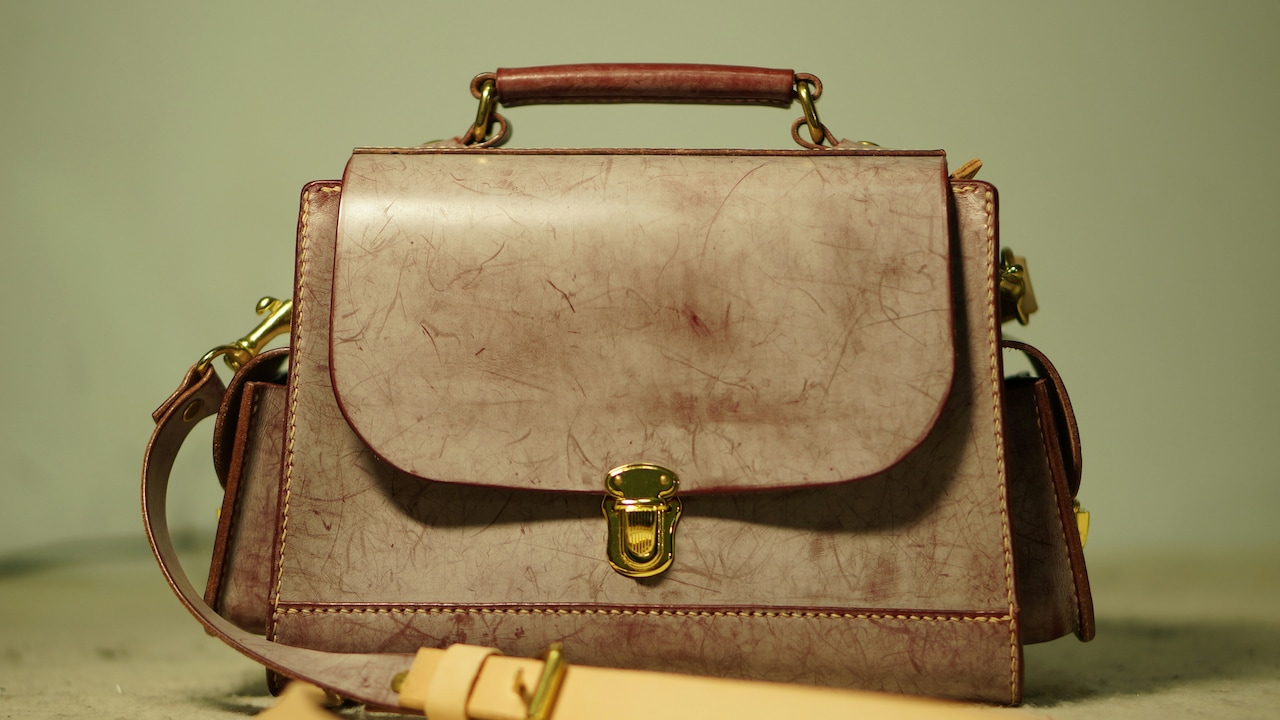
The Shoulder-Pain Handbag Problem Nobody Talks About: Fashions Hidden Cost.
The handbag has become an extension of daily life. It carries wallets, phones, chargers, water bottles, makeup, keys, snacks, and sometimes even a spare pair of footwear. It sits quietly on one shoulder while trains are caught, meetings attended, and errands completed. Over time, that quiet weight starts to speak through dull aches, stiff necks, and sore shoulders.
Many people dismiss this pain as normal. A long day always causes some discomfort, right? That belief keeps the problem hidden. The ache feels small at first, then becomes a regular companion. By the time it demands attention, the habit feels too ingrained to question.
This issue crosses age groups and professions. Students rushing between classes, office workers navigating busy roads, and parents juggling daily tasks all share this silent struggle. The handbag rarely gets blamed. Stress, sleep, or long hours usually take the fall.
This article opens up that overlooked conversation. It looks at how handbags contribute to shoulder pain, why the problem persists, and what can change without giving up personal style. The goal stays simple: comfort should not feel like a luxury.

The Shoulder-Pain Handbag Problem Nobody Talks About; Photo Credit: Pexels
How Everyday Bags Slowly Take A Toll On The Body
1. When Style Quietly Starts Hurting
A handbag often reflects personality. Some prefer structured leather, others choose soft slings or oversized totes. Style choices rarely consider comfort beyond the first few minutes. The real impact appears after months of daily use.
One shoulder often carries the entire load. Muscles on that side tense up to keep the bag in place. The body adjusts without permission. Shoulders tilt slightly, the neck leans, and posture shifts. These changes feel subtle at first. Over time, they create persistent pain.
Many people notice a familiar routine. The bag slides down, gets hoisted back up, then squeezes the shoulder again. That repeated movement strains muscles and irritates nerves. Fashion rarely accounts for anatomy, yet the body keeps paying the price.
The problem worsens with narrow straps. Thin straps dig into skin and concentrate pressure in one spot. Even a bag that looks light can cause discomfort if the weight distribution stays poor. Style may draw compliments, but the shoulder tells a different story in the evening.
Comfort does not mean giving up elegance. Awareness marks the first step. Recognising that pain links directly to that stylish companion changes how choices get made next.
2. The Daily Weight Nobody Measures
Most people never weigh their handbags. The contents grow slowly, one useful item at a time. A power bank joins the mix. A notebook sneaks in. Hand sanitiser, cosmetics, receipts, and spare change add up.
By the end of the day, that bag can weigh several kilos. Carrying that weight on one shoulder for hours strains muscles and compresses joints. The body is designed for balance, not constant imbalance.
A common scene plays out on buses and trains. The bag stays clutched tightly, shoulder raised, neck bent. Space feels limited, so posture suffers further. That daily commute repeats five or six times a week. Pain becomes predictable.
People often invest ₹2,000 or more in a fashionable bag but rarely consider whether it suits their daily needs. A lighter bag with thoughtful compartments often costs less yet offers far more comfort.
Weighing a handbag once can feel surprising. Many discover the load equals a small backpack. That realisation sparks change. Reducing contents, choosing lighter materials, and reassessing daily needs ease the burden faster than expected.
Also Read: 7 Best Handbags for Women: Must-Haves that Elevate Any Outfit, From Puma to Van Heusen
3. Why One Shoulder Always Suffers
Carrying a bag on one shoulder feels natural. The habit forms early and sticks for years. Switching shoulders sounds easy, yet it rarely happens. Muscle memory takes over, and the same side bears the load every day.
This uneven strain affects more than the shoulder. The neck compensates by tilting slightly. The spine curves to maintain balance. Hips shift subtly. These small adjustments build up, leading to headaches, lower back pain, and stiffness.
Many people complain of pain that radiates down the arm. Tingling fingers or numbness sometimes follow. These signs often link to nerve compression near the shoulder and neck. The handbag rarely gets blamed, yet it plays a starring role.
Physiotherapists frequently advise alternating shoulders. That advice sounds simple but feels awkward at first. The bag slips. The body resists change. Persistence pays off, though. Muscles adapt, and discomfort reduces.
Using both shoulders through backpacks spreads the weight evenly. That option may not suit every outfit or setting, but even occasional use helps. The key lies in breaking the one-shoulder habit before pain becomes permanent.
4. The Myth of “Getting Used To It”
Many people believe the body will adjust to a heavy handbag. That belief causes long-term damage. Muscles do adapt, but not always in healthy ways. They tighten, shorten, and lose flexibility.
Pain often fades into the background rather than disappearing. It resurfaces during rest, sleep, or exercise. Some wake up with stiff necks without linking the discomfort to yesterday's commute.
Ignoring pain sends a dangerous message to the body. Minor strain turns into chronic tension. Over time, joints wear down faster. Simple movements like turning the head or lifting the arm start to hurt.
This myth thrives because pain develops slowly. There is no dramatic injury. No sudden moment demands attention. The body whispers before it screams.
Listening early prevents bigger problems. Taking breaks, lightening the load, and choosing better-designed bags protect long-term mobility. Comfort deserves respect, not dismissal. Pain should never feel like a normal accessory.
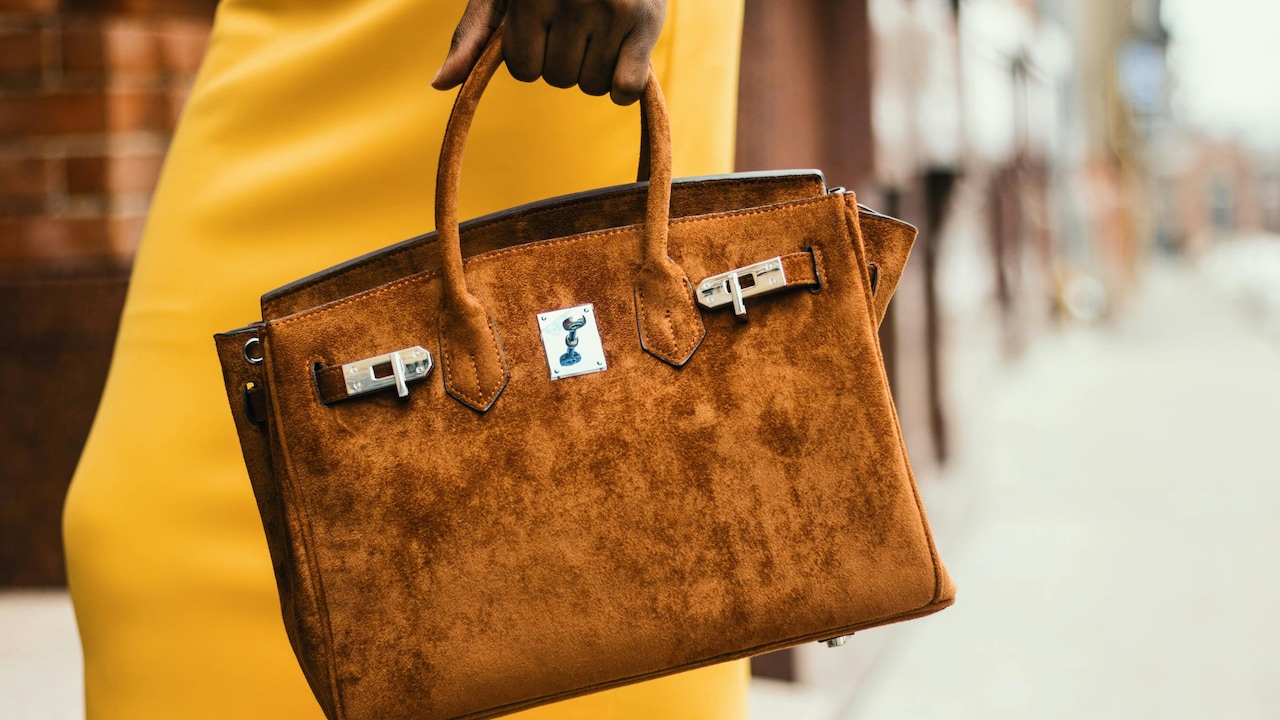
The Shoulder-Pain Handbag Problem Nobody Talks About; Photo Credit: Pexels
5. Fashion Trends That Add to the Problem
Oversized totes dominate workplaces and shopping spaces. They promise convenience and style. In reality, they invite overpacking. Empty space encourages more items, increasing weight without notice.
Mini bags swing to the opposite extreme. They force people to carry extra pouches or stuff pockets. That often leads back to larger bags for practicality. Trends change fast, but bodies do not adapt as quickly.
Hard materials and stiff designs restrict natural movement. The bag bumps against the hip or ribs, causing awkward adjustments. Soft, flexible materials move with the body and reduce strain.
Celebrity styles influence everyday choices. A bag that looks effortless on screen may feel uncomfortable during a long walk or commute. Real life demands more from accessories than appearances alone.
Balancing fashion and function requires intention. Trends come and go. Shoulder health lasts much longer. Choosing designs that support daily routines ensures style never comes at the cost of comfort.
6. Work Culture and the Heavy Bag Habit
Work life contributes heavily to this issue. Laptops, chargers, files, and lunch boxes fill handbags daily. Many offices expect employees to stay prepared for everything, leading to overloaded bags.
Public transport adds another layer. Crowded spaces discourage setting bags down or adjusting posture. The bag stays clutched tightly for safety, increasing tension in the shoulders and arms.
Workdays stretch long. Eight or nine hours with a heavy bag leaves little recovery time. By evening, shoulders feel sore, yet routines repeat the next morning.
Some workplaces encourage minimalism, but many still rely on physical items. Investing ₹3,000 in a good work bag with padded straps and balanced compartments makes a noticeable difference.
Small changes help. Leaving unnecessary items at work, using digital notes, or choosing lighter lunch containers reduces daily load. Comfort improves productivity. Pain distracts, while ease supports focus.
7. How Pain Sneaks Into Daily Life
Shoulder pain rarely announces itself loudly. It creeps in during small moments. Reaching for something on a shelf feels uncomfortable. Carrying groceries feels harder than before.
Sleep suffers too. Lying on the affected side causes discomfort. Restless nights follow, leading to fatigue. The cycle continues as tired muscles struggle to recover.
Mood changes often accompany physical discomfort. Irritability increases. Patience shortens. The body and mind share a close connection. Persistent pain affects both.
Many seek relief through quick fixes. Pain balms, massages, or hot showers offer temporary comfort. The root cause remains untouched. The handbag returns the next morning.
Recognising these signs early helps break the cycle. Pain serves as feedback, not punishment. Adjusting habits restores comfort and prevents long-term issues. Daily life feels lighter when shoulders feel free.
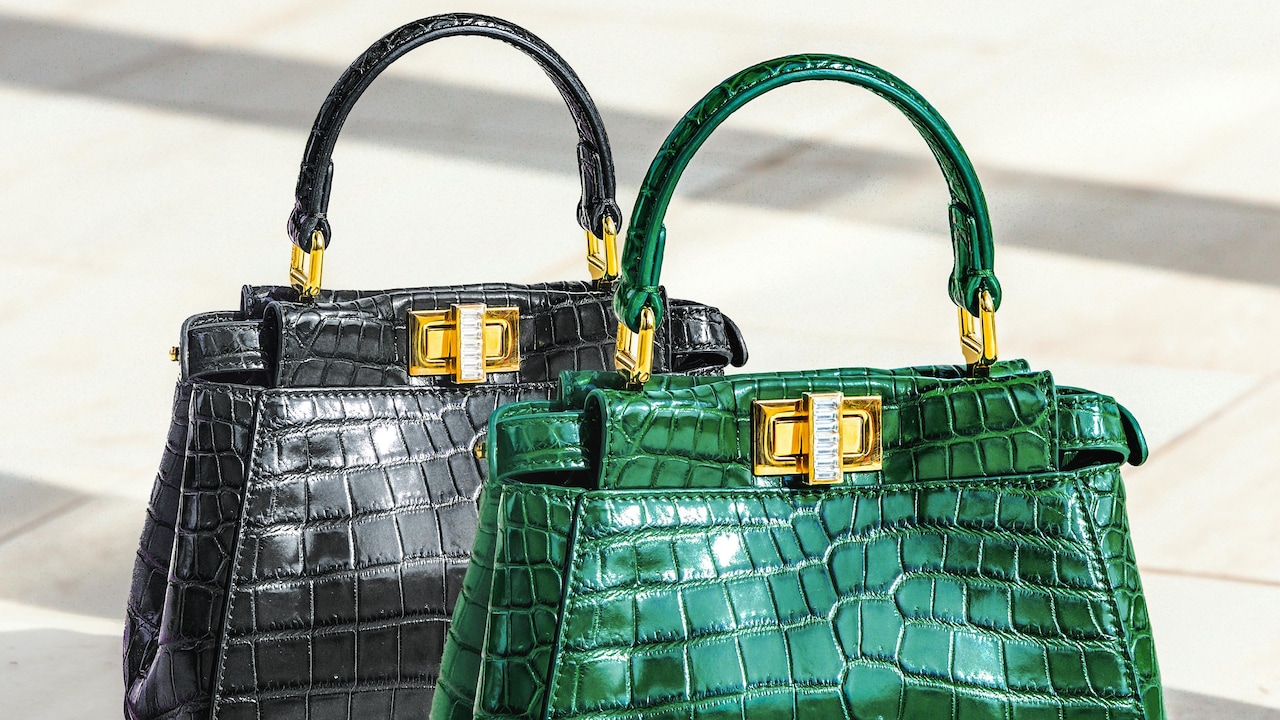
The Shoulder-Pain Handbag Problem Nobody Talks About; Photo Credit: Pexels
8. Simple Changes That Make a Big Difference
Change does not require drastic measures. Small adjustments create lasting relief. Choosing wider straps spreads weight evenly and reduces pressure points. Adjustable straps allow better positioning.
Cleaning out the bag weekly keeps unnecessary items from piling up. Many discover items forgotten for months. Removing them instantly lightens the load.
Alternating shoulders throughout the day balances muscle use. Setting reminders helps build the habit. Using backpacks occasionally provides full relief by distributing weight evenly.
Paying attention to posture matters. Standing tall, relaxing shoulders, and keeping the bag close to the body reduces strain. These habits feel awkward at first, but soon become natural.
Stretching the neck and shoulders daily improves flexibility. Simple movements take minutes yet prevent stiffness. Comfort grows through consistency, not effort alone.
9. The Emotional Side of Letting Go
Handbags often carry more than objects. They hold a sense of preparedness and security. Letting go of items feels uncomfortable at first. What if something is needed later?
This emotional attachment keeps bags heavy. Carrying everything offers reassurance. The cost shows up through pain rather than peace of mind.
Learning to trust simplicity changes the relationship with belongings. Essentials remain, extras fade away. Freedom replaces fear. Movement feels easier, both physically and mentally.
People often feel lighter in mood after reducing their bag weight. Walking feels smoother. Energy levels improve. Small wins build confidence.
Comfort creates its own confidence. A relaxed posture changes how people move and interact. The bag stops feeling like a burden and becomes a tool again, not a weight.
10. Rethinking the Role of the Handbag
The handbag should support daily life, not strain it. Rethinking its role shifts priorities. Function joins fashion as an equal partner.
Designers now focus more on ergonomics. Consumers influence trends through choices. Comfort-driven demand encourages better designs across price ranges.
Investing in quality pays off long-term. A well-designed bag protects health while lasting longer. Spending ₹4,000 on a supportive bag often saves future medical costs.
Conversations around shoulder pain need space. Sharing experiences normalises the issue. Awareness spreads through everyday chats, not medical journals.
The handbag remains a beloved accessory. With mindful choices, it stays a companion rather than a culprit. Shoulders deserve care, just like style.
Products Related To This Article
1. ZOUK Women Multicolor Hand-held Bag
2. Fastrack Pink Women Tote - Extra Large Fits Upto 15'' Laptop
3. LAVIE Women Pink Satchel
4. Fastrack Women Blue Tote
5. LAVIE Women Brown Shoulder Bag
6. Caprese Women Grey Satchel - Extra Spacious
7. ZOUK Women Multicolor Tote
The shoulder-pain handbag problem hides in plain sight. It blends into routines, fashion choices, and daily habits. Pain feels normal until it interrupts life.
Awareness marks the turning point. Understanding how handbags affect the body empowers better choices. Small changes restore comfort without sacrificing style.
The next time a shoulder aches, the answer may hang quietly by the side. Listening to that signal transforms daily comfort. A lighter load brings freedom, ease, and a better relationship with one trusted accessory.
(Disclaimer: This article may include references to or features of products and services made available through affiliate marketing campaigns. NDTV Convergence Limited (“NDTV”) strives to maintain editorial independence while participating in such campaigns. NDTV does not assume responsibility for the performance or claims of any featured products or services.)