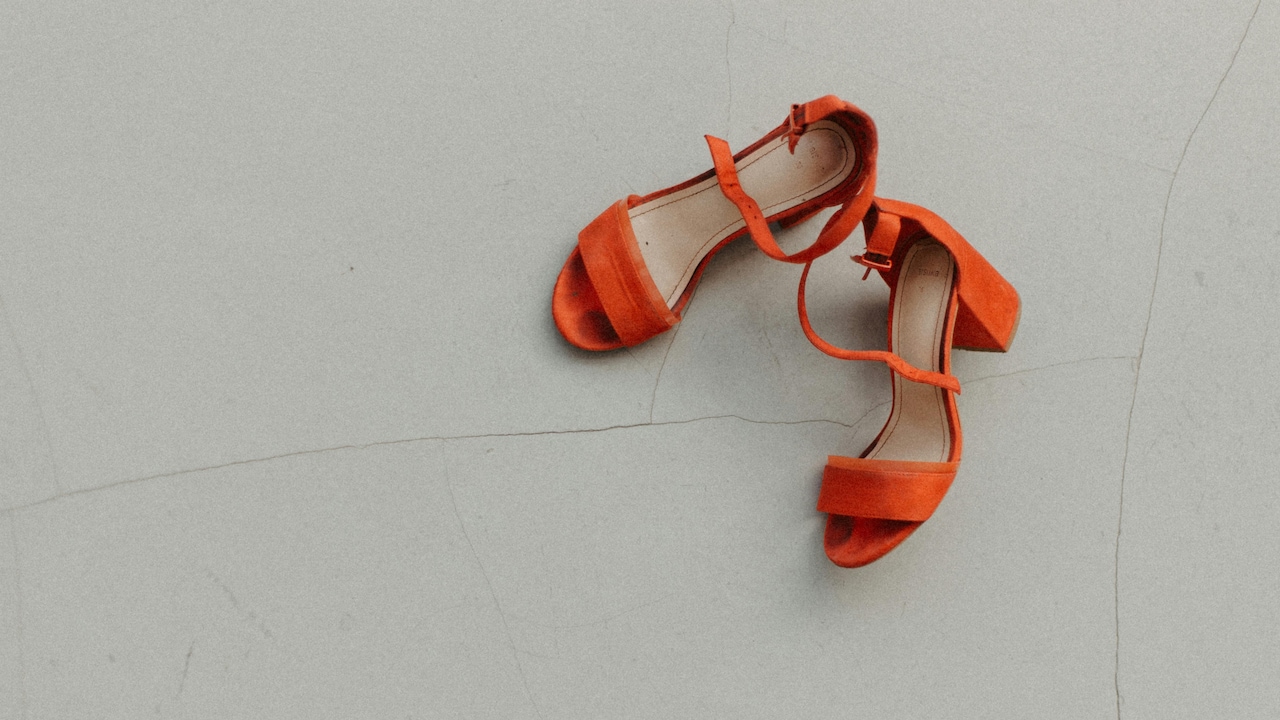
Sports Shoe Comfort Explained: Why Cushioning Alone Doesn't Mean Better Support
Soft soles feel good in-store, but they don’t always support your feet long-term. This article explains why cushioning alone isn’t enough and what truly makes a sports shoe comfortable for daily wear.
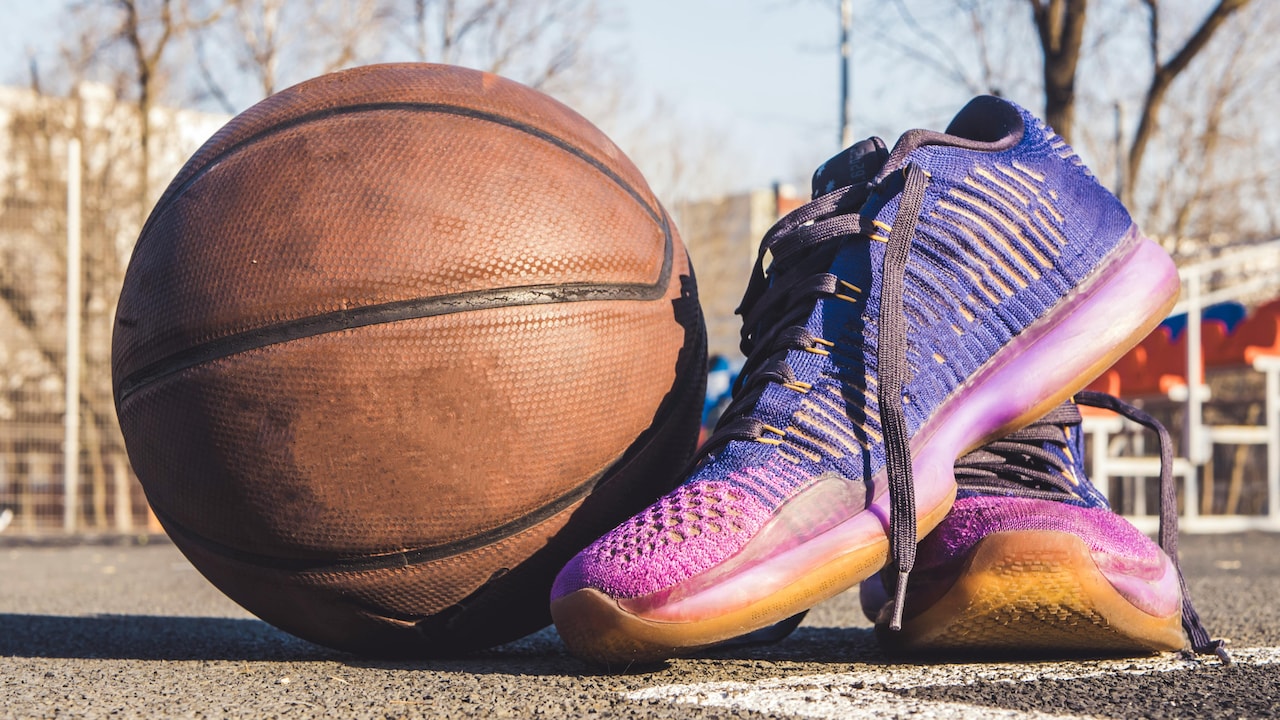
Sports Shoe Comfort Explained: Why Cushioning Alone Doesn't Guarantee Supportive Footwear.
Comfort means different things to different feet. For some, it's the soft bounce felt while trying on shoes in-store. For others, it's the relief after a long day without foot pain. Modern sports shoes lean heavily on cushioning as the hero feature. Foam technologies sound impressive and feel pleasant at first touch. Yet many people discover discomfort only after hours of wear. The problem lies in confusing softness with support.
Feet handle weight, balance, and motion all day. They flex, roll, and absorb impact with every step. Shoes should assist these movements, not just soften them. Cushioning helps absorb shock, but it doesn't guide alignment or prevent strain. Without proper structure, even the plushest shoe can cause fatigue.
Understanding what lies beneath the sole can save money, prevent pain, and improve overall movement. From morning walks to evening workouts, the right balance of comfort and support changes everything.
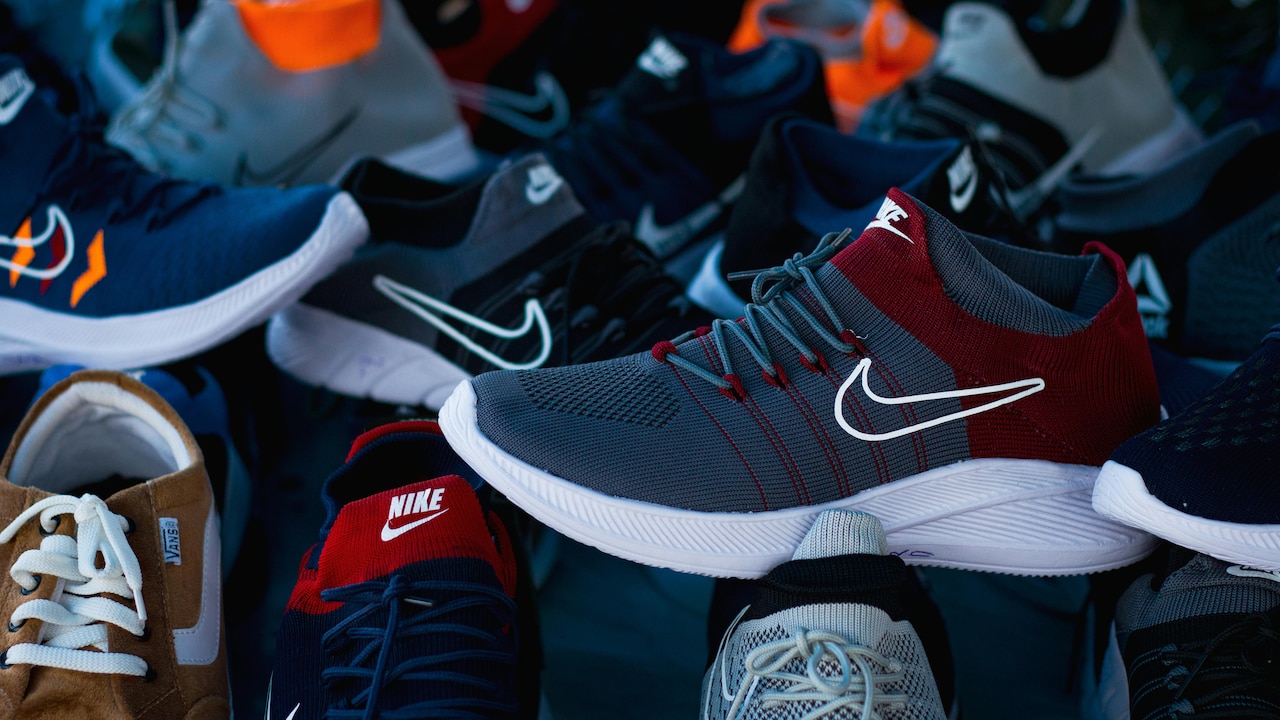
Sports Shoe Comfort Explained: Why Cushioning Alone Doesnt Guarantee Supportive Footwear
Photo Credit: Pexels
Beyond Cushioning: Understanding True Foot Support
1. Cushioning Feels Good, But Only at First Step
Cushioning often delivers instant satisfaction. Slip into a shoe with thick foam, and the feet sink in happily. This sensation sells shoes quickly. However, comfort during a two-minute trial rarely reflects real-world use. After an hour of walking or standing, overly soft cushioning can compress unevenly.
When cushioning collapses too much, feet lose stability. Ankles may wobble slightly, forcing muscles to work harder to maintain balance. Over time, this leads to fatigue. Some even feel knee or lower back discomfort without realising the source.
Softness also masks poor design. A shoe may feel cosy while standing still, but fail during motion. Running, brisk walking, or gym workouts demand controlled movement. Cushioning alone cannot guide the foot through a proper stride.
True comfort reveals itself after hours, not seconds. Shoes should feel consistent from the first step to the last. That consistency depends on more than squishy soles.
2. Support Comes from Structure, Not Softness
Support refers to how well a shoe holds the foot in a natural, stable position. This comes from structural elements like the heel counter, midsole firmness, and overall shape. A firm heel counter prevents excessive rolling of the ankle. It keeps the rear foot aligned during impact.
Midsole design matters just as much. Some shoes use dual-density foam, firmer on one side to control movement. This subtle feature often goes unnoticed but plays a big role in comfort during long wear.
Without structure, feet spread and collapse inward or outward. This stresses arches and tendons. Soft cushioning without guidance acts like walking on a mattress. It feels pleasant initially, but offers little control.
Supportive shoes strike a balance. They feel comfortable yet stable. They allow natural movement while limiting excessive motion. This balance keeps feet happy during long walks, workouts, or busy days.
3. Arch Support Isn't a Luxury Feature
Many people overlook arch support until pain appears. Flat shoes with soft cushioning often lack proper arch contouring. This forces the foot to work harder to maintain its natural shape. Over time, arches may ache or feel strained.
Arch support doesn't mean stiff or uncomfortable. Well-designed shoes gently cradle the arch, distributing pressure evenly. This reduces stress on the heel and forefoot. It also improves posture and balance.
Different feet need different levels of arch support. Some have higher arches, others flatter. Cushioning alone treats all feet the same. Supportive design respects individual differences.
Daily activities place repeated stress on arches. Whether walking to the bus stop, standing at work, or exercising, proper arch support reduces fatigue. It also helps prevent common issues like plantar discomfort.
Ignoring arch support often leads to regret later. Feet remember every step taken without it.
4. Fit Matters More Than Fancy Foam
Even the best-designed shoe fails if the fit feels wrong. Tight shoes restrict movement and cause pressure points. Loose shoes allow slipping, leading to friction and instability. Cushioning cannot fix a poor fit.
Length, width, and depth all matter. Feet often swell slightly during the day, especially in warmer weather. Shoes should allow some breathing room without feeling sloppy. Toe boxes deserve special attention. Cramped toes affect balance and comfort.
Many people choose shoes half a size smaller because they feel snug in-store. Soft cushioning masks tightness initially. After hours of wear, discomfort emerges. A proper fit should feel comfortable without relying on squishiness.
Trying shoes later in the day helps achieve a better fit. Walking around the store for a few minutes reveals more than standing still. Comfort should feel natural, not forced.
5. Stability Keeps Fatigue Away
Stability refers to how steady a shoe feels during movement. Cushioned shoes with narrow soles or high heels may feel unstable. Each step requires extra effort to maintain balance. Over time, this drains energy.
Stable shoes feature wider bases and controlled cushioning. They guide the foot smoothly from heel to toe. This reduces unnecessary muscle engagement. The result feels effortless movement.
Stability proves especially important during workouts or long walks. Uneven surfaces challenge balance further. Shoes that wobble increase the risk of minor strains.
Many associate stability with stiffness, but that's a myth. Modern designs offer flexible uppers with stable soles. This combination supports natural motion without feeling restrictive.
A stable shoe feels predictable. Every step lands where expected. That reliability enhances confidence and comfort.
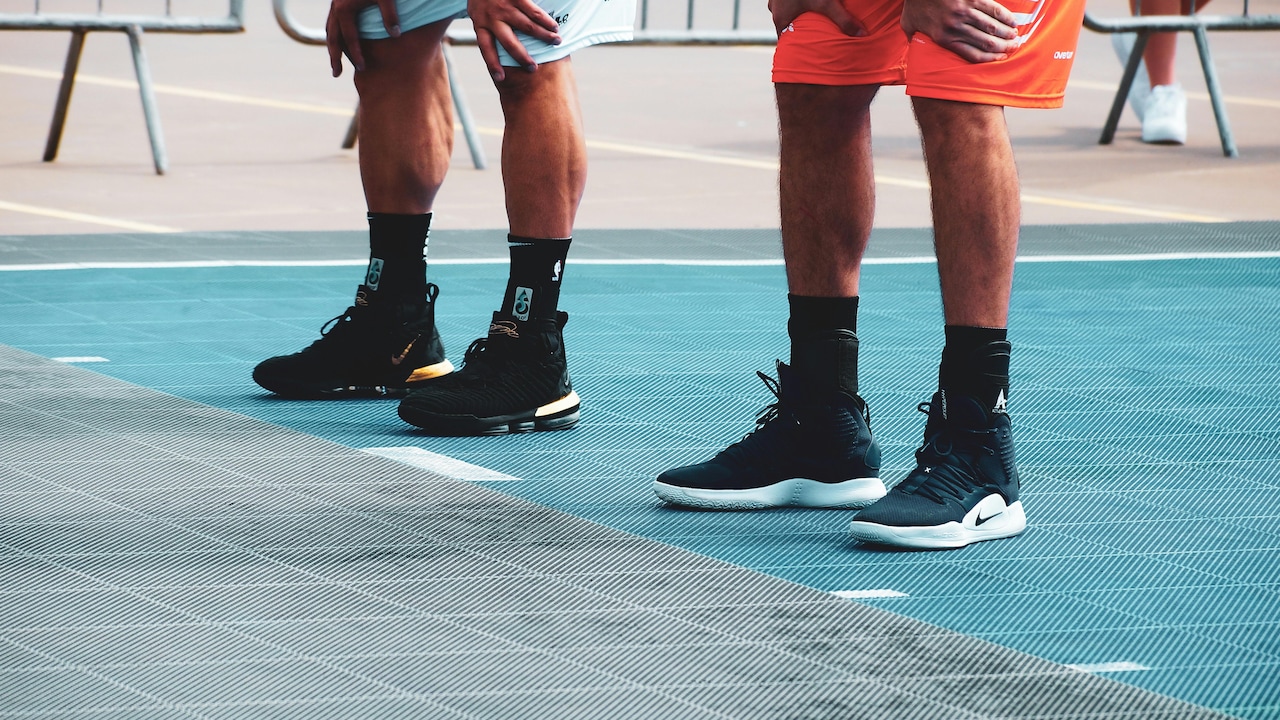
Sports Shoe Comfort Explained: Why Cushioning Alone Doesnt Guarantee Supportive Footwear
Photo Credit: Pexels
6. Breathability Affects Comfort More Than Expected
Comfort extends beyond cushioning and support. Breathability plays a key role, especially in warm and humid conditions. Poor airflow leads to sweaty feet, discomfort, and odour.
Shoes with heavy cushioning often trap heat. Thick foams and dense uppers restrict ventilation. After hours of wear, feet feel hot and tired. This affects overall comfort.
Breathable materials allow air circulation. Mesh uppers, perforations, and moisture-wicking linings help regulate temperature. Dry feet feel lighter and more comfortable.
Sweaty feet also increase friction, raising the risk of blisters. Cushioning cannot prevent this. Breathable design reduces moisture build-up and improves hygiene.
Choosing shoes that balance cushioning with airflow enhances daily comfort. Feet stay fresh even after long days.
7. Purpose-Specific Shoes Make a Difference
One shoe cannot suit every activity. Running shoes, training shoes, and walking shoes serve different purposes. Cushioning requirements vary accordingly.
Running involves repeated impact in a forward motion. Shoes need responsive cushioning with support for the stride. Training shoes focus on lateral stability for varied movements. Walking shoes prioritise consistent comfort over long durations.
Using heavily cushioned running shoes for gym workouts may feel comfortable initially, but lack stability for side movements. Similarly, soft lifestyle sneakers may disappoint during long walks.
Purpose-specific design ensures the right balance of cushioning, support, and flexibility. Feet perform better when shoes match activity demands.
Choosing shoes based on usage rather than appearance prevents discomfort and injury. Comfort improves when design meets purpose.
8. Durability Impacts Long-Term Comfort
Cushioning breaks down over time. Foam compresses and loses responsiveness. Shoes that felt comfortable initially may feel flat after months of use. Support diminishes as the structure weakens.
Durable materials maintain shape and function longer. Quality midsoles retain cushioning and support. Reinforced areas resist wear in high-stress zones.
Many people continue wearing worn-out shoes because they still feel soft. However, hidden support loss causes discomfort gradually. Feet adapt until pain becomes noticeable.
Replacing shoes at the right time preserves comfort. Paying attention to changes in feel helps. If shoes feel less stable or supportive, cushioning alone cannot compensate.
Durability ensures comfort lasts beyond the first few weeks.
9. Price Doesn't Always Equal Comfort
Expensive shoes often promise advanced cushioning technologies. While some deliver, others focus more on marketing than function. Comfort doesn't always correlate with price.
Affordable shoes with thoughtful design can outperform costly models. The key lies in fit, support, and suitability. Blindly choosing based on price risks disappointment.
Trying multiple options helps identify true comfort. Walking, bending, and testing movement reveal more than labels. Listening to feet matters more than branding.
Spending wisely means prioritising needs over trends. Comfortable shoes save money in the long run by preventing pain and frequent replacements.
Value comes from performance, not just price tags.
Sports Shoe Comfort Explained: Why Cushioning Alone Doesnt Guarantee Supportive Footwear
Photo Credit: Pexels
10. Listening to Feet Beats Following Trends
Trends change quickly. Thick soles, minimalist designs, or retro styles come and go. Feet remain constant. They signal discomfort clearly when ignored.
Soft cushioning may look appealing and feel trendy. Yet if feet ache after daily wear, the style loses charm. Paying attention to subtle signs helps make better choices.
Comfort evolves with activity levels, age, and lifestyle. Shoes that worked years ago may not suit current needs. Regular reassessment ensures continued comfort.
Choosing shoes should feel personal. What works for one may fail for another. Trusting personal comfort over trends leads to happier feet.
At the end of the day, feet deserve care. They carry the body through every moment. Giving them the right support matters more than following fashion.
Products Related To This Article
1. YONEX HYULTRAI Badminton Non-Marking Shoes
2. NIVIA Men Flash 2.0 Badminton Shoes
3. Red Tape Women Mesh Walking Shoes
4. CULT Unisex Nebula Running Shoes
5. HRX by Hrithik Roshan Women Mesh Walking Non-Marking Shoes
6. ASIAN Men White Mesh Running Shoes
7. Puma Badminton Smash Sprint Indoor Sports Shoes
Cushioning plays an important role in sports shoe comfort, but it tells only part of the story. True comfort emerges from a thoughtful blend of support, fit, stability, breathability, and purpose-driven design. Softness alone may impress at first touch, but lasting comfort reveals itself over hours and days.
Understanding what feet need helps make smarter choices. Supportive shoes enhance movement, reduce fatigue, and prevent discomfort. They adapt to daily demands without relying solely on plush cushioning.
The next time shoes promise cloud-like comfort, it helps to look beyond the foam. Feet appreciate balance more than bounce. Choosing wisely turns every step into a comfortable journey.
(Disclaimer: This article may include references to or features of products and services made available through affiliate marketing campaigns. NDTV Convergence Limited (“NDTV”) strives to maintain editorial independence while participating in such campaigns. NDTV does not assume responsibility for the performance or claims of any featured products or services.)