Straight-Cut Kurtas vs Anarkalis: Which Style Suits Different Body Shapes Best
Straight-cut kurtas and Anarkalis flatter bodies in very different ways. This article breaks down how each silhouette works on real women, helping you choose comfort, confidence, and style for everyday wear and special occasions. Top features to know before choosing between anarkali and straight fit kurtas.
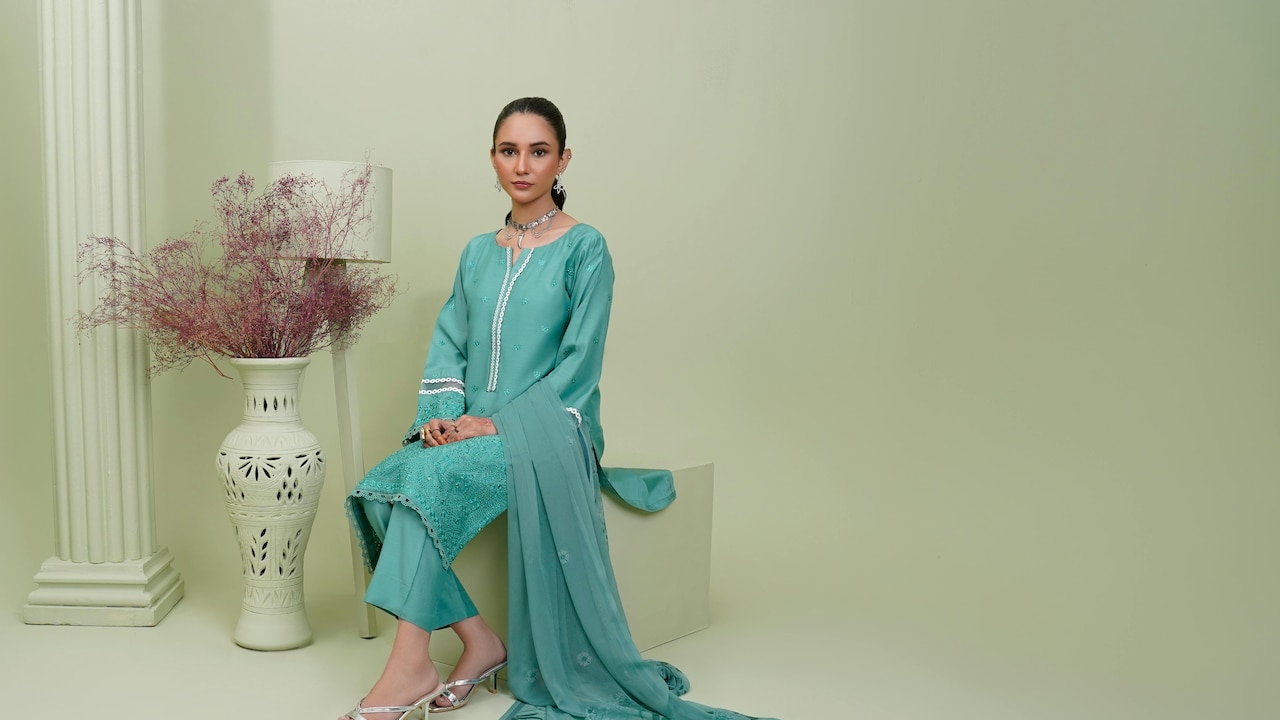
Straight-Cut Kurtas Or Anarkalis: Which Fits Real-World Women's Body Shapes.
Open any wardrobe and a familiar scene appears. A straight-cut kurta hangs neatly beside a flared Anarkali, both waiting for their moment. Choosing between them rarely stays simple. One promises structure and ease, the other romance and movement. Body shapes rarely match glossy catalogue ideals, and that is where the real conversation begins. Real women juggle long workdays, crowded buses, festive invitations, and sudden plans that demand outfits able to keep up. Clothes must flatter without fuss, allow breathing room after a heavy lunch, and survive repeated washes without losing charm. The straight-cut kurta and the Anarkali sit at opposite ends of the silhouette spectrum, yet both hold loyal followers.
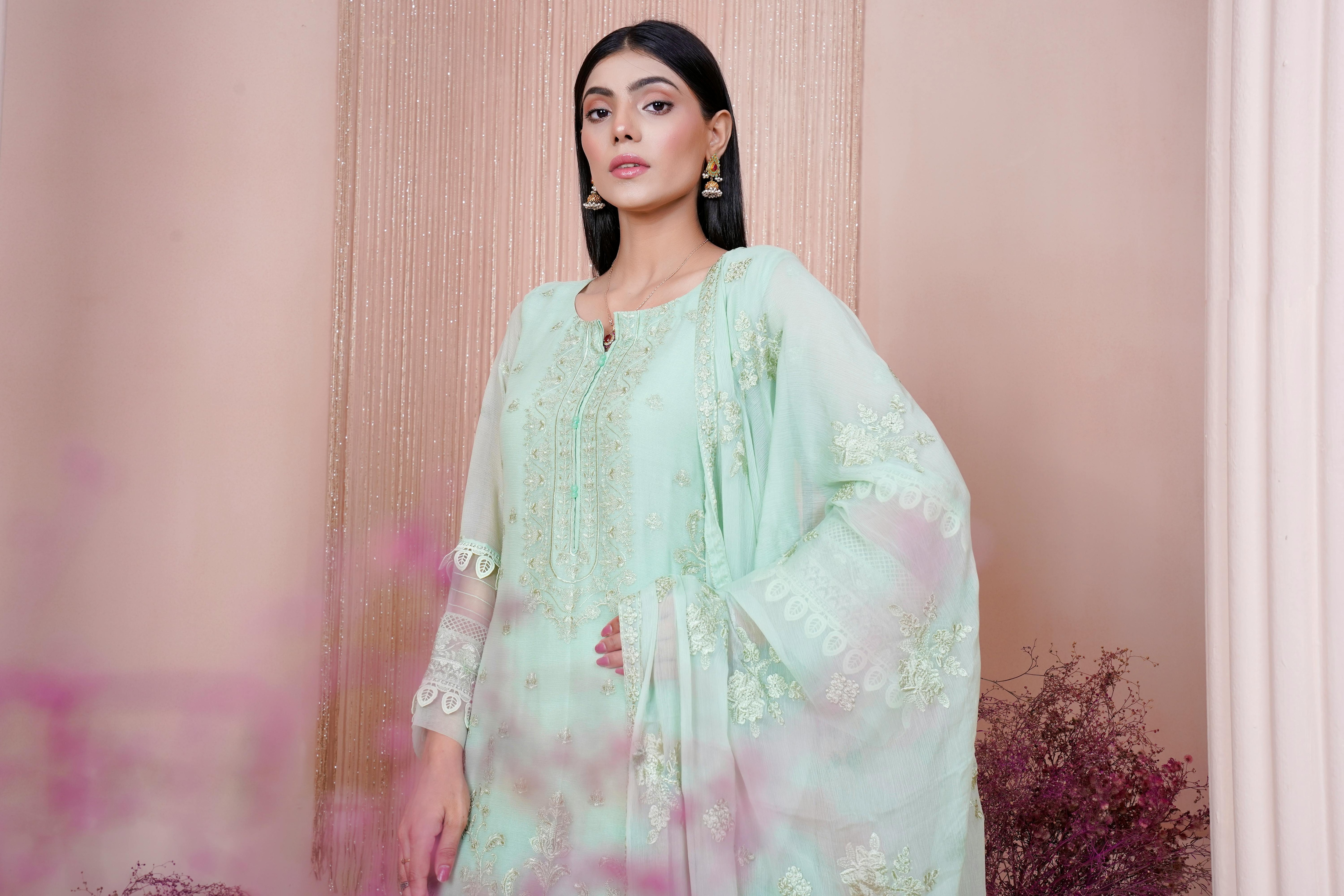
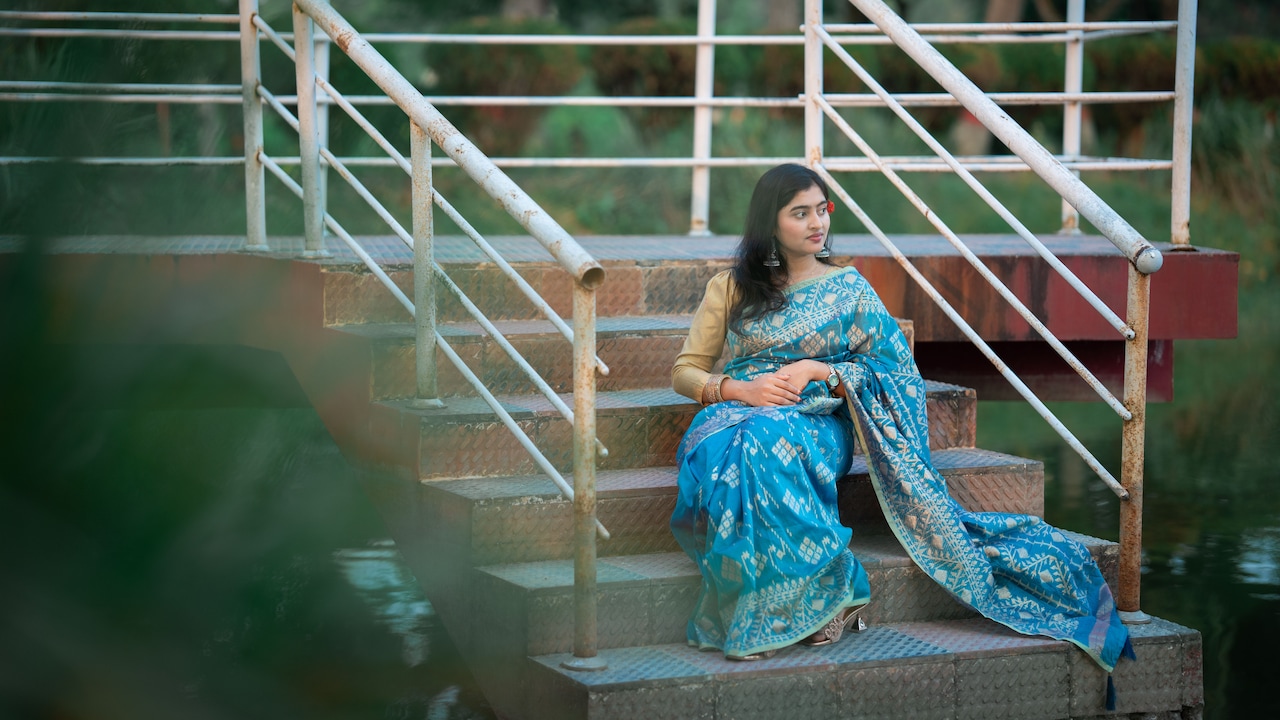
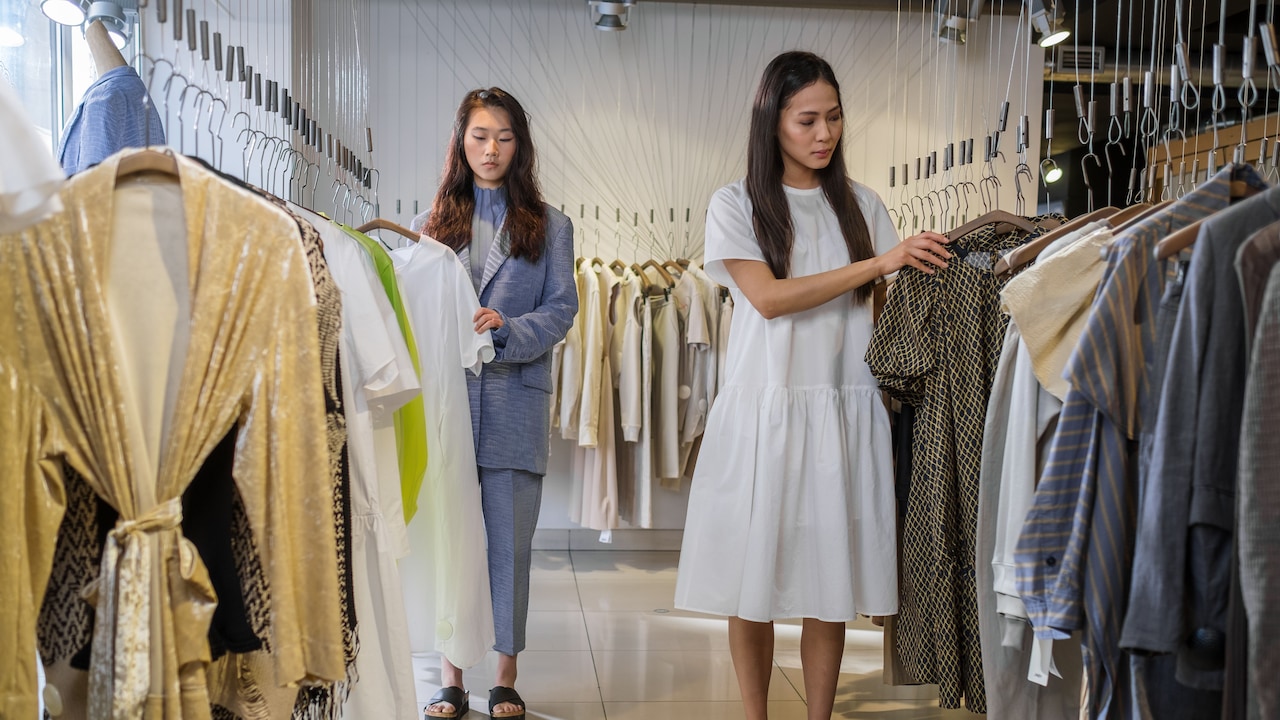
Top things to know before deciding on straight cut and anarkali kurtas; Photo Credit: Pexels
This article unpacks how each style works with different body shapes, heights, and lifestyles.
Also Read: Affordable Kurtas Under ₹700 That Work For Both Casual And Festive Outfits
A Practical Guide To Choosing The Right Silhouette
1. Understanding Real-World Body Shapes Beyond Charts
Body-shape charts love neat labels: pear, apple, rectangle, hourglass. Real bodies rarely cooperate. Weight shifts, posture changes, and comfort preferences matter more than geometry. Clothes need to respond to movement, not just mirrors.
Straight-cut kurtas work like reliable friends. They skim without clinging and allow freedom. Anarkalis behave like storytellers, drawing attention with flair and flow. Neither style fixes a body. They simply highlight different aspects.
For women with fuller busts or softer midsections, structured silhouettes can feel safer. Those who enjoy drama and don't mind volume may lean towards flares. The trick lies in understanding proportion rather than chasing perfection.
A good outfit respects the body's rhythm. Some days call for ease, others for elegance. Recognising this flexibility helps break the habit of forcing a single “flattering” style for every occasion.
2. Straight-Cut Kurtas: The Quiet Power of Simplicity
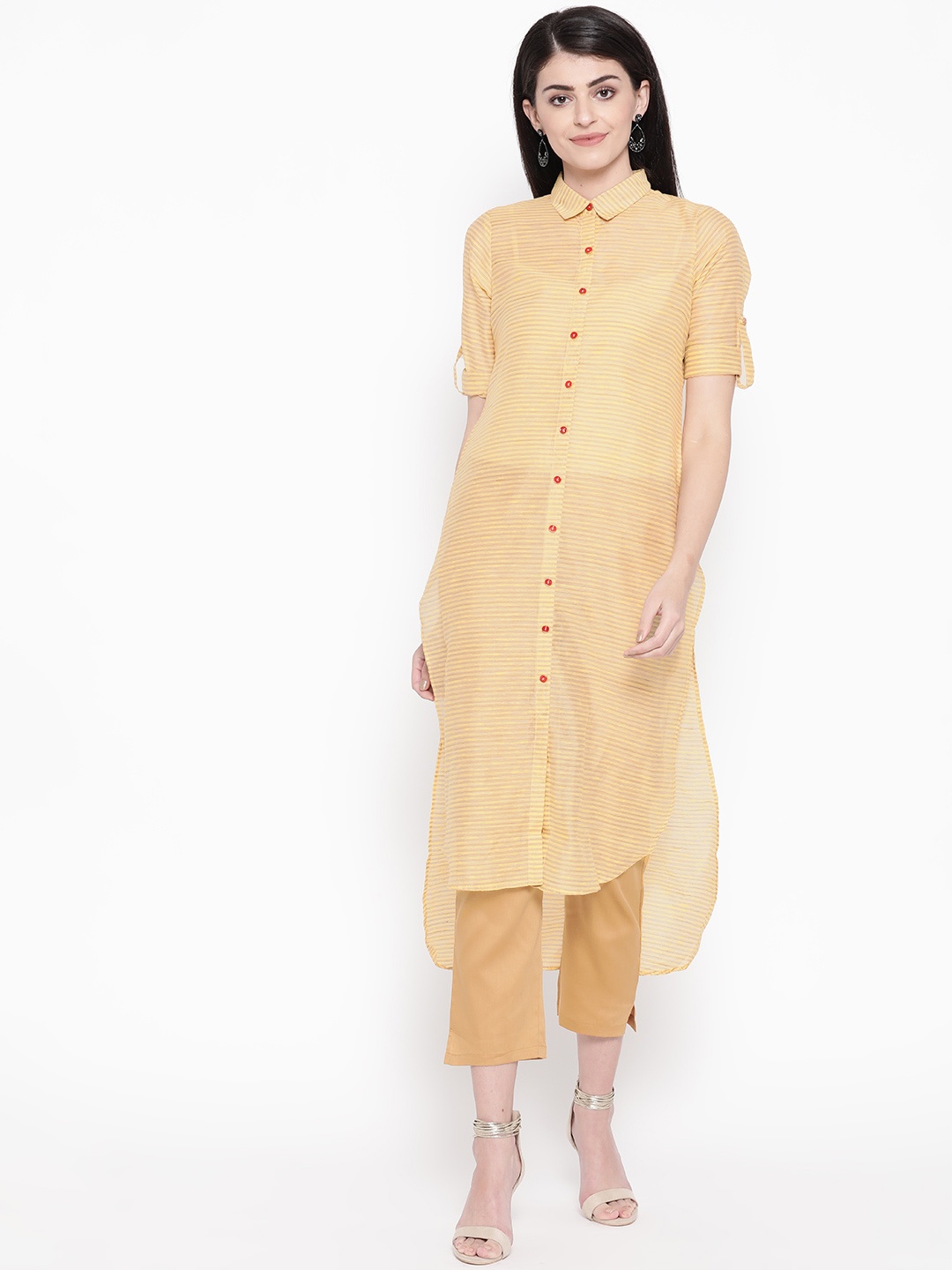
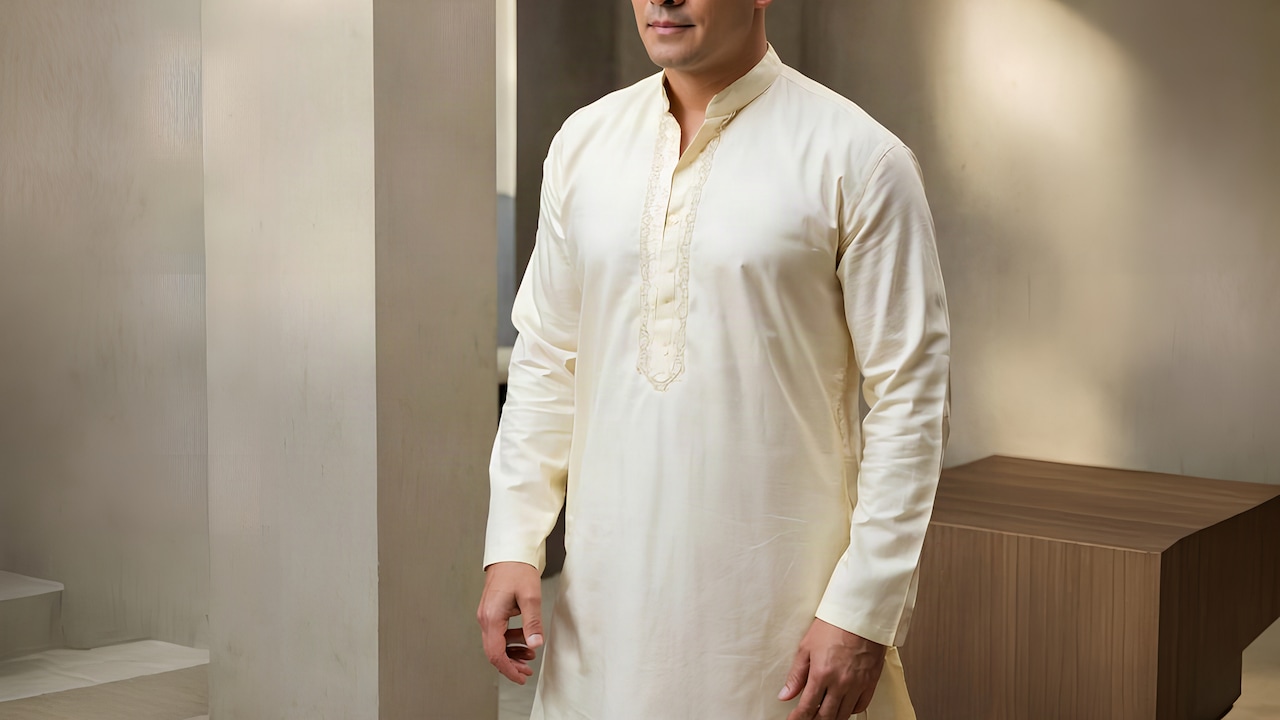
Straight-cut kurtas thrive on restraint. Clean lines, minimal flare, and steady proportions give them versatility. They suit workdays, errands, and casual gatherings without demanding attention.
For women with fuller hips or thighs, the straight fall balances proportions. Paired with narrow pants or palazzos, the look stays grounded. The vertical line elongates the frame, especially when darker shades or subtle prints enter the picture.
Petite frames often benefit from this silhouette. Excess fabric can overwhelm height, while straight cuts keep things tidy. Tailoring matters here. A well-fitted shoulder and the right length transform an ordinary kurta into a dependable staple.
Straight-cut kurtas also win in fabric choice. Cotton, linen, and light blends breathe well in heat. They survive long hours and crowded commutes with dignity intact. No fuss, no flounce, just steady style.
3. Anarkalis: Drama, Movement, and Emotional Dressing
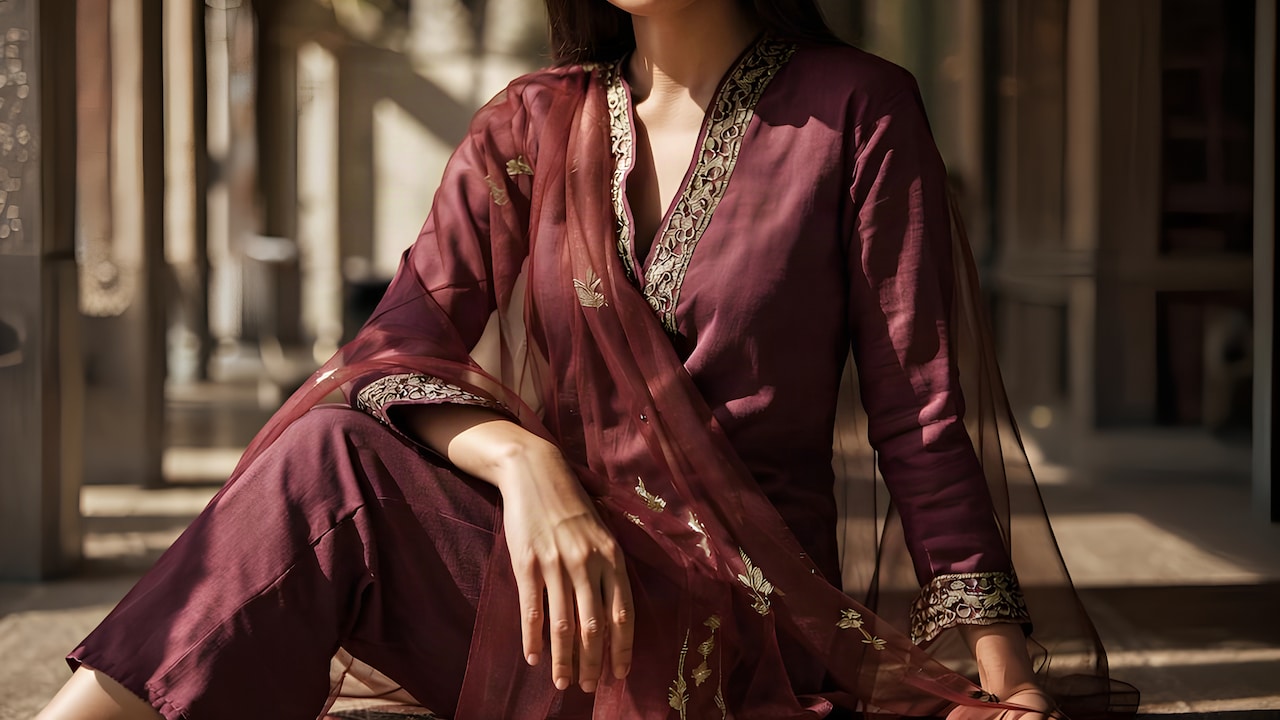
Anarkalis bring theatre to everyday life. The flare begins near the bust or waist, cascading down in generous folds. Movement becomes part of the outfit, turning simple walks into gentle swirls.
This style often flatters women who enjoy drawing attention away from the midsection. The flare disguises areas many feel conscious about. Taller frames carry the volume with ease, though shorter women can enjoy Anarkalis with controlled flare and lighter fabrics.
Festive occasions often call for emotion as much as aesthetics. Anarkalis answer that call. They feel celebratory even before jewellery enters the scene. Fabrics like georgette, chiffon, or soft silk add grace without heaviness.
However, comfort matters. Heavy embellishments tire the shoulders, and excessive layers trap heat. Choosing simpler versions keeps the romance alive without discomfort.
4. Height Matters More Than Often Admitted
Height changes how silhouettes behave. Straight-cut kurtas elongate shorter frames, especially when paired with monochrome bottoms. Vertical prints and side slits add lift.
Anarkalis demand attention to length. Too long, and they swallow the frame. Too short, and the drama disappears. Petite women benefit from higher waistlines and lighter flares. Taller women enjoy freedom here, as length enhances elegance.
Footwear plays a role. Flats ground straight kurtas nicely. Anarkalis often pair better with slight heels, adding balance to the volume. Even an extra inch makes a difference.
Understanding height as part of styling prevents disappointment. The mirror rarely lies, but it appreciates thoughtful adjustments.
5. Comfort Through Long Days and Heavy Meals
Clothes must survive real schedules. Long meetings, festive lunches, and endless cups of chai test patience and waistbands alike.
Straight-cut kurtas excel here. They allow movement and forgive bloating. Breathable fabrics add to their charm. No constant adjusting, no fear of creases showing fatigue.
Anarkalis offer comfort too, though in a different way. The flare hides post-meal discomfort gracefully. Sitting and standing feel easier without fabric pulling at the waist.
Yet weight matters. Heavy Anarkalis tire the body over hours. Choosing lighter versions ensures comfort lasts beyond the first few compliments.
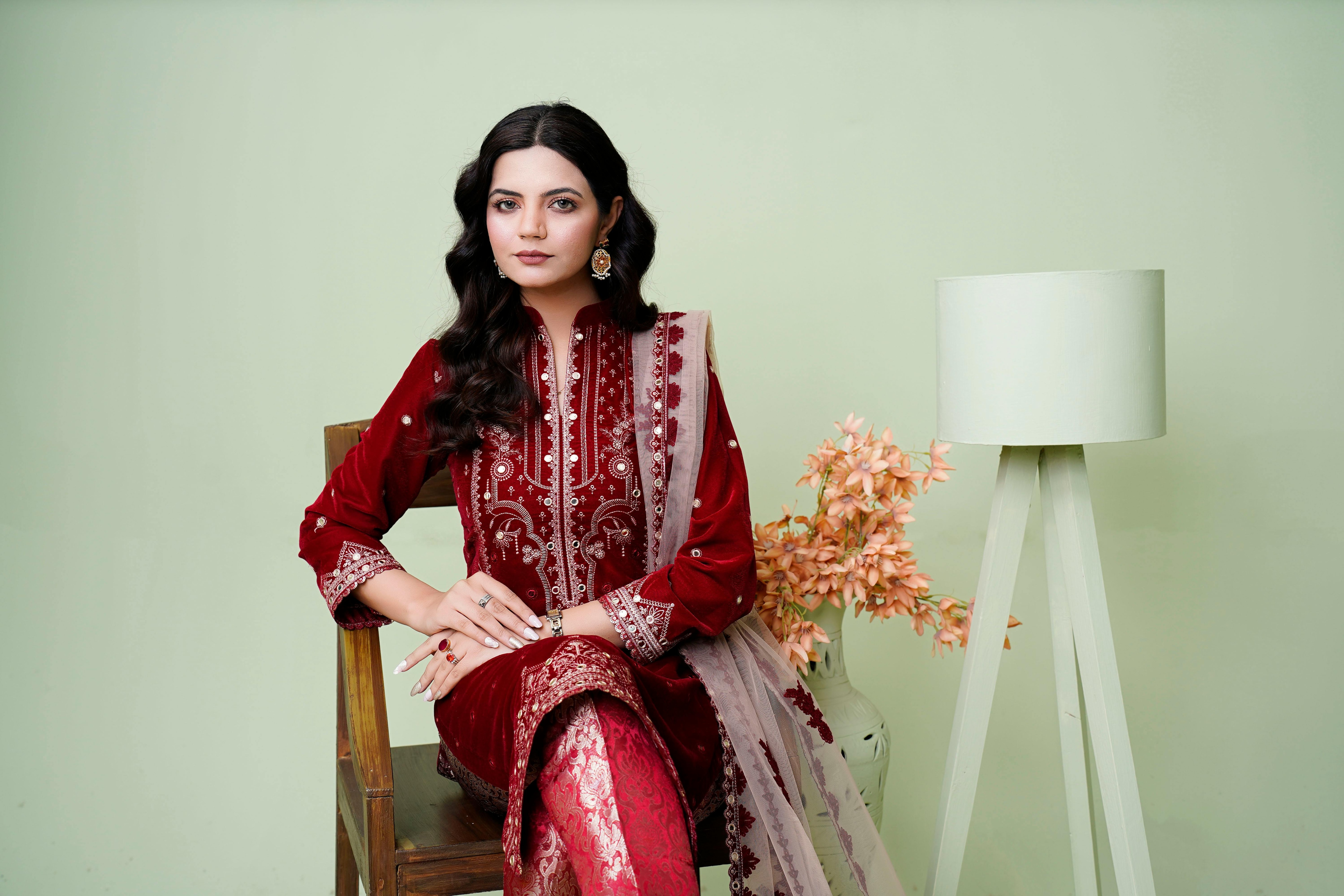
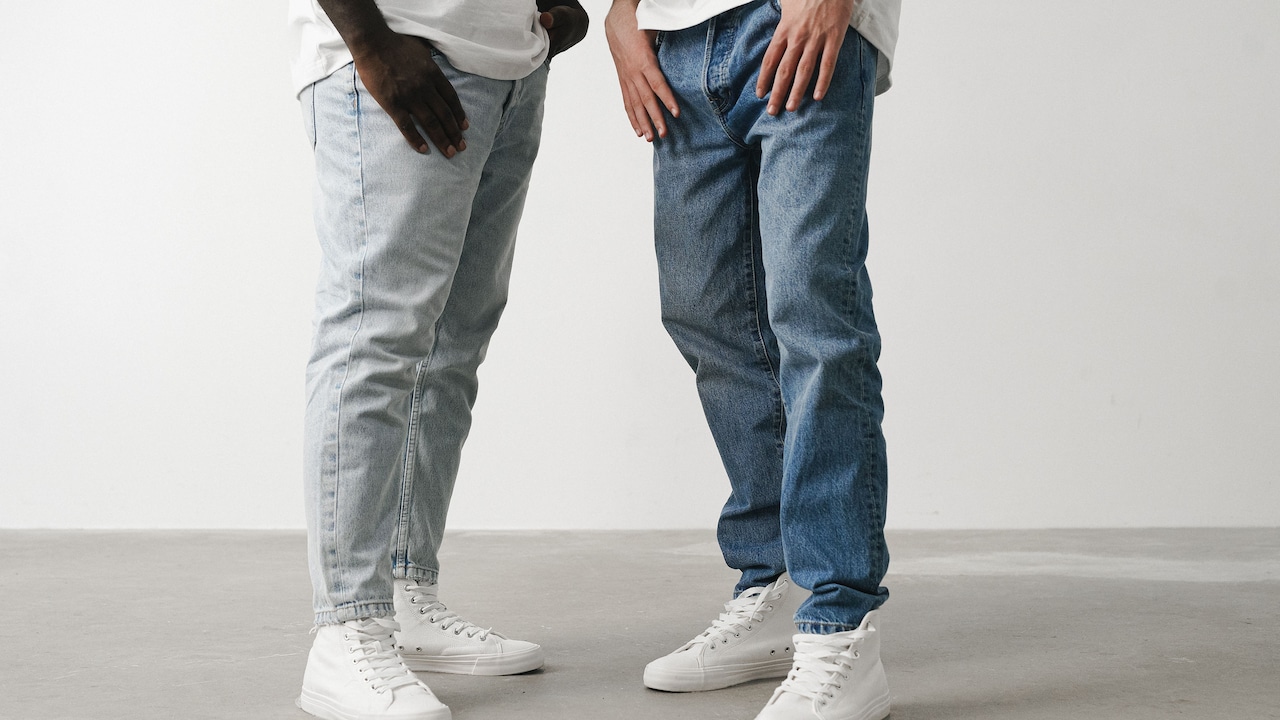
Straight-cut kurtas offer more comfort and breathability than flowy anarkalis' Photo Credit: Pexels
6. Styling Flexibility and Wardrobe Longevity
Straight-cut kurtas adapt easily. They pair with pants, skirts, jeans, or even layered jackets. A single kurta can travel from office to dinner with minor tweaks.
Anarkalis feel more occasion-specific. Their presence dominates the look. Styling revolves around them rather than with them. Jewellery, dupattas, and footwear must complement without competing.
From a budget perspective, straight-cut kurtas stretch further. One good piece works across seasons. Anarkalis shine during festivals, weddings, and celebrations, making them emotional investments rather than daily wear.
Both deserve space in a wardrobe. Balance prevents boredom and unnecessary spending.
7. Fabric Choices That Change Everything
Fabric dictates behaviour. A straight-cut kurta in stiff material looks boxy. In soft cotton, it flows gently. Fabric choice can rescue or ruin the silhouette.
Anarkalis demand drape. Stiff fabrics add bulk, while soft ones create movement. Breathability matters in warmer months. Synthetic heaviness turns charm into discomfort.
Patterns matter too. Large prints amplify volume. Small motifs keep things subtle. Understanding fabric properties helps avoid impulse buys that gather dust.
Touch the fabric before buying. Comfort begins at the fingertips.
8. Cultural Expectations and Occasion Dressing
Clothing carries unspoken messages. Straight-cut kurtas signal practicality and professionalism. They suit workspaces and everyday gatherings.
Anarkalis speak celebration. They align with festivals, weddings, and family functions. Wearing one feels like participating in the occasion rather than observing it.
Knowing the social context prevents overdressing or underdressing. A simple Anarkali at a formal office event feels misplaced. A straight kurta at a wedding might feel too restrained.
Balancing personal comfort with social cues builds confidence without compromise.
9. Body Confidence and Emotional Connection to Clothes
Clothes influence mood. A straight-cut kurta offers security and control. Anarkalis offer expression and joy.
Some days crave invisibility. Others invite attention. Respecting these emotional shifts prevents wardrobe frustration.
Confidence grows when clothes cooperate. Fighting a silhouette creates discomfort. Embracing what feels right builds ease.
Neither style defines beauty. They support it in different ways. Trusting personal comfort often leads to the best style choices.
10. Choosing Between Them Without Choosing Sides
The debate does not demand loyalty. Straight-cut kurtas and Anarkalis serve different moods and moments.
A practical weekday might favour clean lines. A festive evening might crave flair. Owning both allows flexibility.
Style thrives on options, not restrictions. Let occasions, comfort, and emotion guide choices.
The mirror appreciates honesty more than trends.
Products Related To This Article
1. Anouk Women Floral Printed Floral Anarkali Kurta
2. Max Women Geometric Printed Flared Sleeves Thread Work Kurta
3. Sangria Floral Printed High Slit Mandarin Collar Pure Cotton A-Line Kurta
4. Anayna Bandhani Printed Kurta
5. FIORRA Women's Blue Paisley Printed Cotton Anarkali Kurta
6. Varanga Women Coral Dual Tone Floral Gota Patti Embroidered Jacquard Kurta
7. fusion by glitchez Indie Floral Printed V-Neck A-Line Kurta
Straight-cut kurtas and Anarkalis each bring something valuable to real wardrobes. One offers simplicity and adaptability. The other offers movement and celebration. Bodies change, moods shift, and days demand different responses from clothing.
(Disclaimer: This article may include references to or features of products and services made available through affiliate marketing campaigns. NDTV Convergence Limited (“NDTV”) strives to maintain editorial independence while participating in such campaigns. NDTV does not assume responsibility for the performance or claims of any featured products or services.)