Best Men's Chinos Guide: Styling Tips, Fit Types And Fabrics
Men's chinos explained in one guide. Learn how to choose the right fit, fabric, and colours, plus easy styling tips for work, weekends, and every season.

Find the most comfortable fabric and fit for your next chinos with these shopping tips.
There's a reason chinos never really go out of style. They adapt. One day, they're paired with a crisp shirt for office hours, the next, they're rolled up slightly with loafers for a café run. Unlike denim jeans, they don't feel repetitive. Unlike formal trousers, they don't feel stiff. Chinos sit comfortably in that sweet middle ground where most modern wardrobes live.
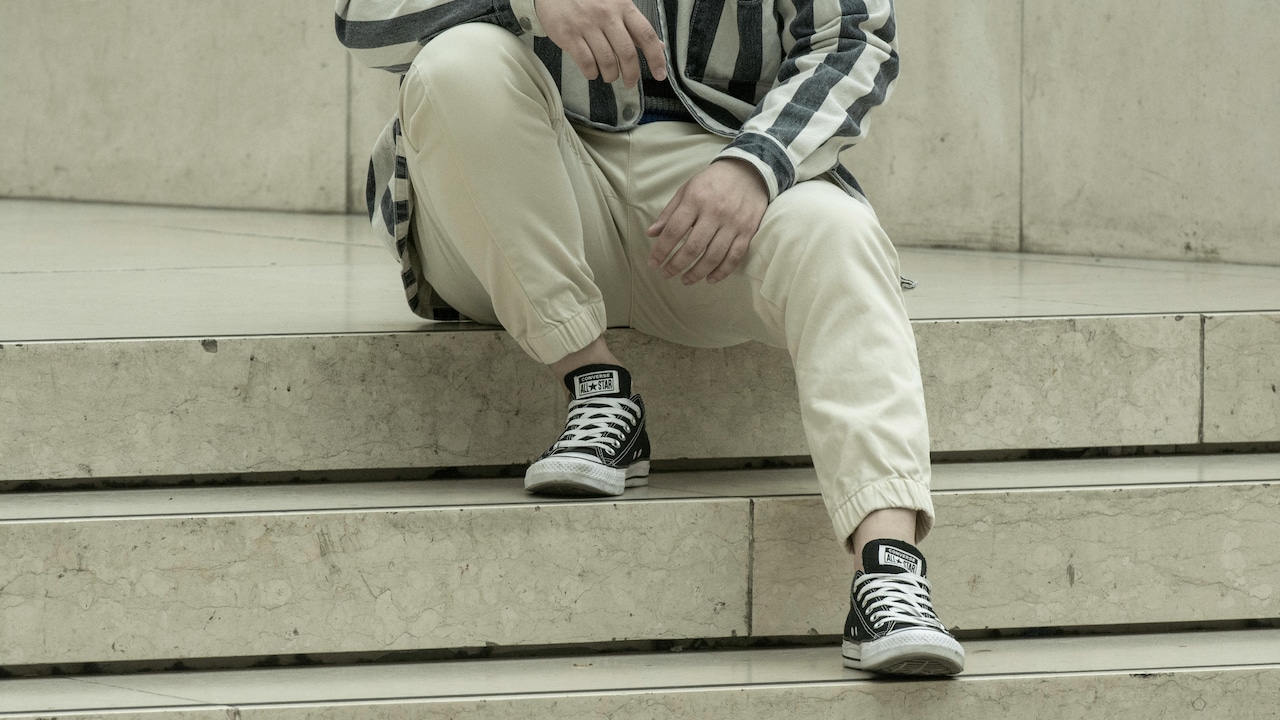
Choose the right fabric, fit, and style of men's chinos with these handy tips; Photo Credit: Pexels
For many men, choosing chinos feels deceptively simple. Pick a colour, check the size, pay the bill. Yet the difference between an average pair and a great pair lies in the details. Fit, fabric, cut, rise, and even pocket placement play a role. Styling them well depends just as much on context as on personal taste.
This guide unpacks chinos in a way that feels practical and approachable. No jargon overload. No fashion snobbery. Just honest advice, grounded in everyday life, with a few style truths thrown in for good measure.
Also Read: Best Men's Trousers To Buy On Myntra: Chinos, Cargos And Slim Fits
Everything You Need to Know Before Buying and Styling Men's Chinos
1. Understanding What Makes Chinos Different
Chinos are often mistaken for just another type of cotton trousers. That's selling them short. What sets chinos apart is their origin and construction. Traditionally made from lightweight cotton twill, chinos offer breathability with a smoother finish than denim. The weave gives them structure without rigidity, which explains their clean drape.
Unlike formal trousers, chinos skip sharp creases and heavy linings. Unlike jeans, they avoid bulky seams and stiff textures. This balance makes them suitable for both tucked-in shirts and relaxed tees. They move with the body, which matters during long days that involve commuting, sitting, standing, and everything in between.
Another key difference lies in versatility. A neutral pair in beige or navy can replace jeans during the week and dress trousers on casual Fridays. That kind of flexibility saves time, money, and wardrobe space. Once this distinction clicks, chinos stop feeling like a compromise and start feeling like a smart choice.
2. Finding the Right Fit: Slim, Regular, or Relaxed
Fit can make or break chinos. Even premium fabric looks underwhelming if the cut feels off. Slim fit chinos remain popular for their clean silhouette. They taper gently from thigh to ankle, offering a modern look without clinging. Ideal for lean or athletic builds, they work well with fitted shirts and structured jackets.
Regular fit chinos strike a balance between comfort and shape. They offer room through the thighs with a straight leg opening. This fit suits most body types and feels forgiving during long hours. For everyday wear, regular fit often proves the most practical.
Relaxed fit chinos, though less trendy, deserve attention. They prioritise comfort, especially in warmer months or for those who prefer ease of movement. Styled well with a neat shirt and clean footwear, they avoid looking sloppy. The key lies in proportion. A relaxed fit should drape, not drown the frame.
3. Choosing the Right Fabric for Everyday Comfort
Fabric matters more than most realise. Chinos typically come in cotton, but blends change how they behave. Pure cotton chinos feel breathable and soft but may crease easily. Adding a small percentage of elastane introduces stretch, improving comfort during long days and commutes.
For warmer climates, lightweight cotton twill feels like a blessing. It allows airflow and prevents that sticky, uncomfortable feeling by midday. In cooler months, slightly heavier fabrics provide structure and warmth without bulk.
Pay attention to fabric finish too. Washed chinos feel softer and more casual, ideal for weekends. Crisp finishes look sharper and suit office settings. The right fabric doesn't just feel good; it supports the lifestyle it's meant for. Choosing wisely saves the frustration of unworn trousers sitting quietly in the cupboard.
4. Mastering Colours That Work All Year Round
Colour choice defines how often chinos get worn. Neutral shades like beige, navy, olive, and charcoal form a strong foundation. They pair effortlessly with shirts, polos, and even ethnic-inspired jackets during festive seasons.
Beige chinos feel timeless and brighten outfits without shouting for attention. Navy offers a safe alternative to black, softer yet equally versatile. Olive adds personality while remaining grounded, working well with whites, browns, and earthy tones.
Brighter colours can look tempting but demand careful styling. Mustard, rust, or pastel blues suit casual outings but rarely transition into formal spaces. Investing in neutrals first ensures maximum wear. Once the basics feel sorted, experimenting becomes easier and more enjoyable.
5. Styling Chinos for Work Without Looking Boring
Office wear doesn't have to feel predictable. Chinos offer a refreshing break from stiff trousers while keeping things professional. Pairing them with a well-fitted shirt instantly sharpens the look. Light blue, white, or subtle patterns work best.
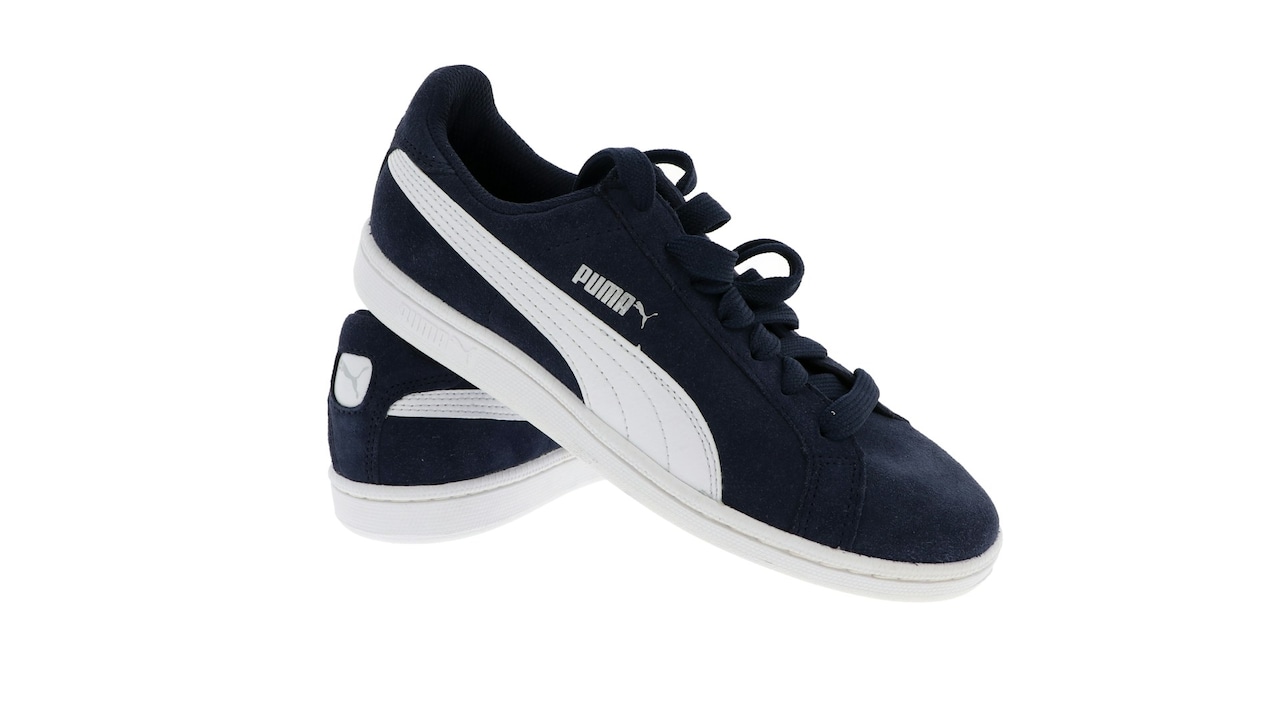
Footwear makes a difference. Loafers, derbies, or clean lace-ups elevate chinos into office-appropriate territory. Belts should match shoes for a cohesive appearance. Rolling up sleeves slightly adds a relaxed confidence, especially in creative or semi-formal environments.
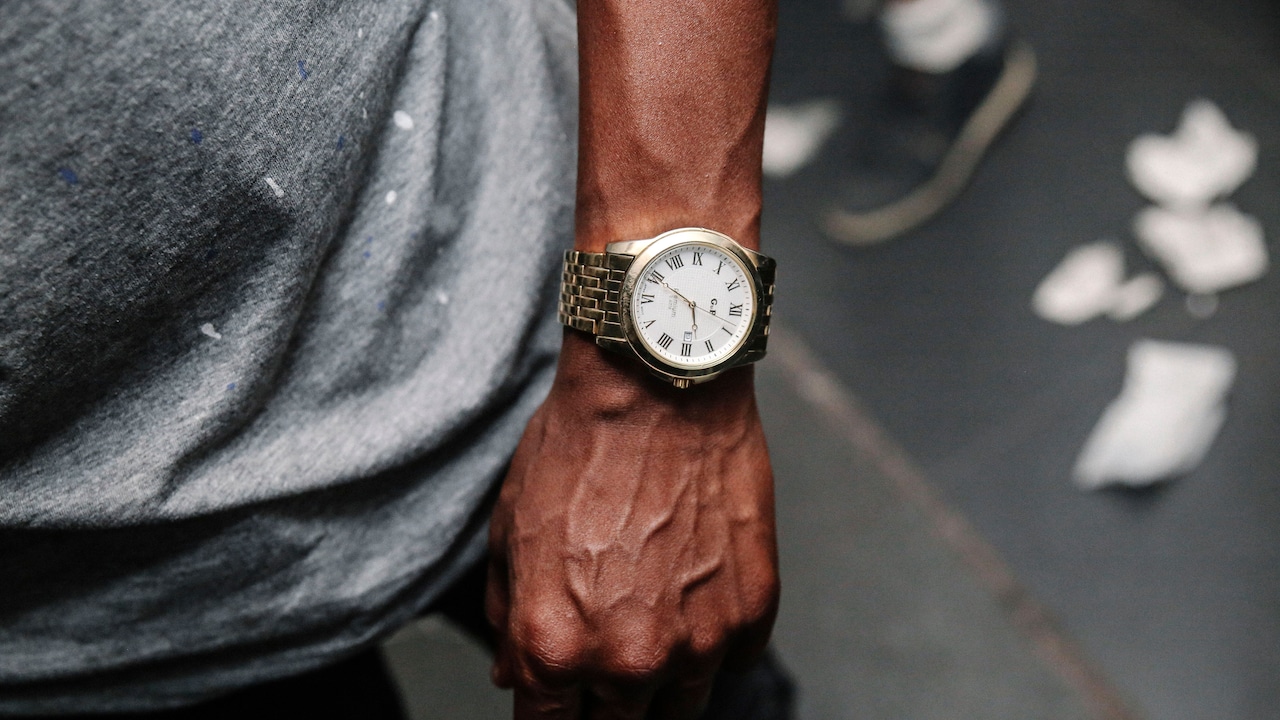
Avoid over-accessorising. A simple watch and neat grooming do more than flashy extras. When styled thoughtfully, chinos quietly communicate effort without appearing forced. That balance often earns more compliments than rigid formality.
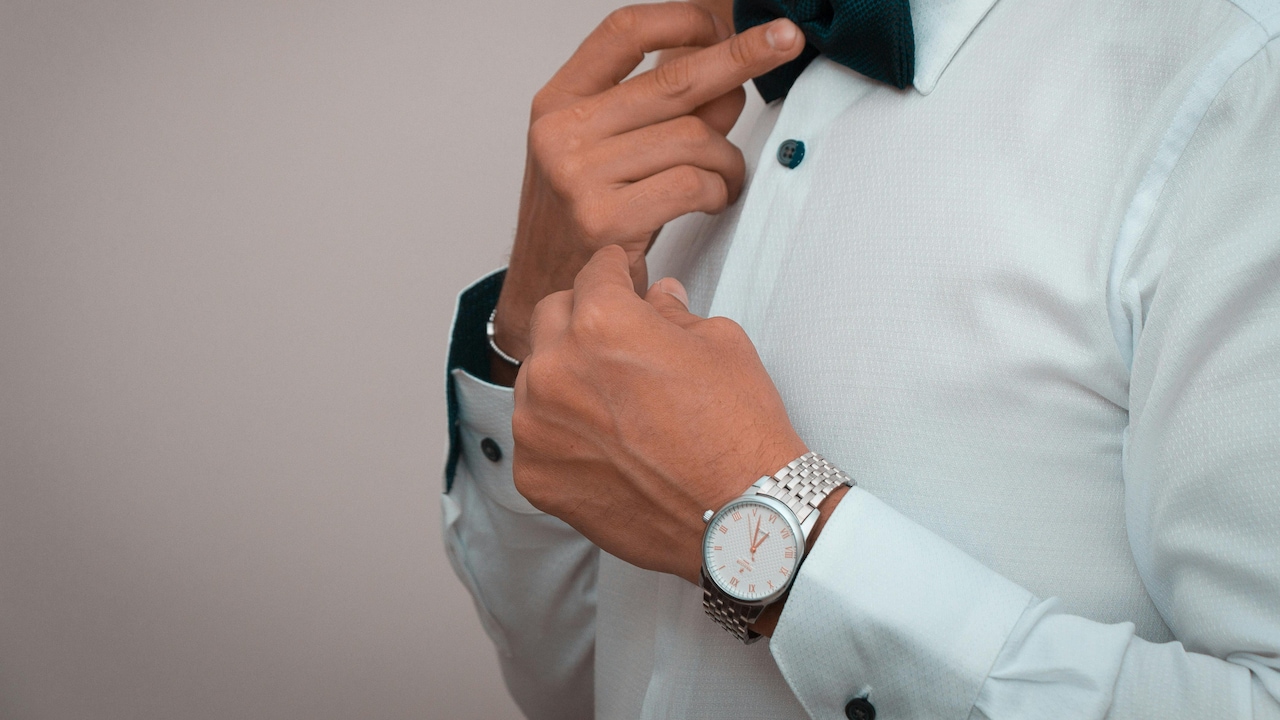
Pair chinos with light blue, white, or subtle formal shirts and loafers or clean lace-ups for a formal look; Photo Credit: Pexels
6. Casual Styling That Still Looks Put Together
Chinos shine in casual settings. Pairing them with polos, Henleys or casual shirts creates an easy-going look that still feels intentional. T-shirts work too, provided they fit well and feel clean.
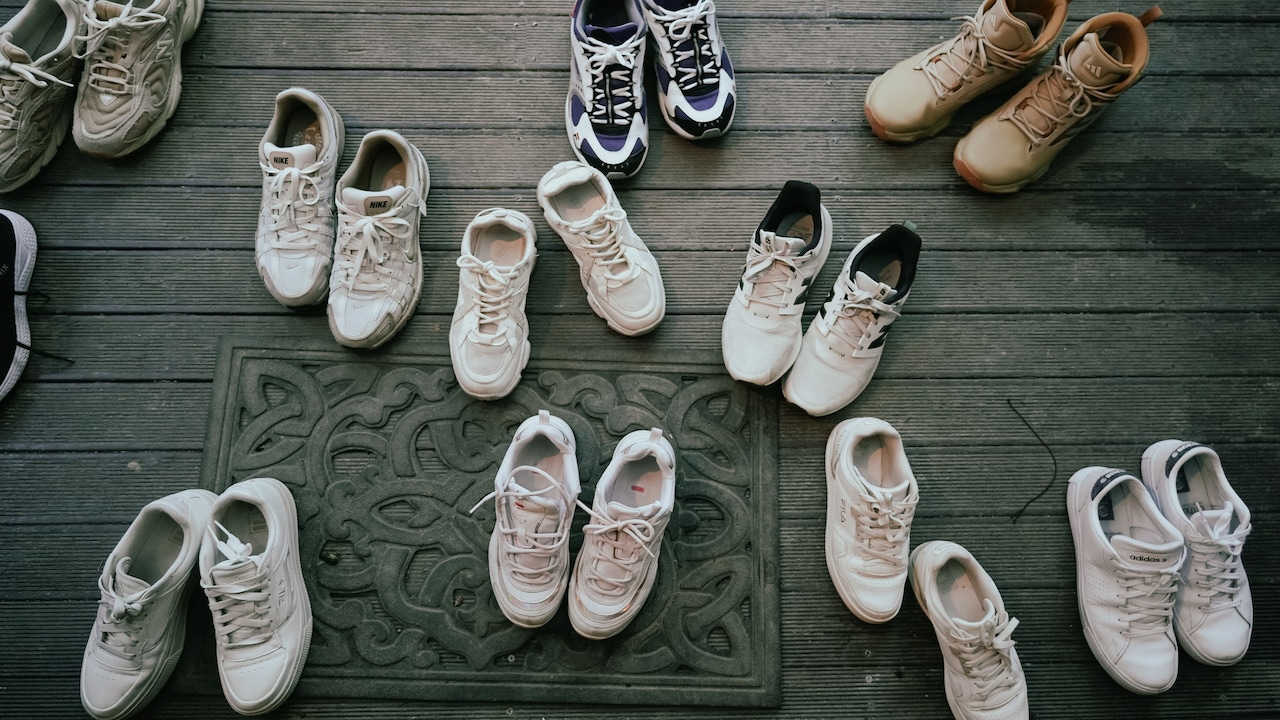
Footwear choices open up here. Sneakers, loafers, or even sandals in relaxed settings complement chinos nicely. Rolling the hem slightly adds personality, especially with low-top shoes.
Weekend outings, coffee runs, or travel days benefit from this versatility. The trick lies in keeping one element polished. If the top feels relaxed, choose sharper shoes. If footwear feels casual, opt for a structured shirt. Balance keeps the outfit from tipping into laziness.
7. Seasonal Styling: Summer to Winter
Chinos adapt beautifully across seasons. In summer, lighter shades and breathable fabrics dominate. Pair them with cotton shirts or linen blends for comfort. Avoid heavy layering and let the fabric do the work.
During monsoon months, darker colours hide splashes better. Quick-drying blends help too. Rolling hems slightly keeps them from brushing wet ground.
In winter, chinos layer well with sweaters, jackets, and even lightweight coats. Rich colours like burgundy, forest green, or deep navy feel seasonally appropriate. Adding texture through knits or suede footwear completes the look. This adaptability keeps chinos relevant year-round.
8. Fit Details That Often Get Ignored
Small details influence how chinos feel and look. Rise matters. A mid-rise offers comfort and flatters most builds. Low-rise chinos often feel uncomfortable and look dated.
Length deserves attention. Chinos should either just touch the shoe or break slightly. Excess fabric bunching at the ankle ruins clean lines. Tailoring fixes this easily and costs far less than replacing the pair.
Pockets also play a role. Bulky items stretch fabric and distort shape. Keeping pockets light maintains the intended silhouette. Paying attention to these details elevates chinos from ordinary to polished.
9. Caring for Chinos to Make Them Last
Proper care extends the life of chinos. Washing them inside out reduces fading. Cold water preserves colour and fabric strength. Avoid over-washing; airing them out between wears works surprisingly well.
Ironing on medium heat keeps them sharp without damaging fibres. Hanging chinos rather than folding prevents deep creases. Storing them properly means they're always ready to wear.
Quality chinos may cost more upfront, sometimes around ₹2,000-₹4,000, but durability justifies the spend. With good care, they outlast cheaper alternatives and maintain their appearance longer.
10. Building a Small but Smart Chino Collection
A well-curated chino collection doesn't need volume. Three to five pairs cover most needs. Start with beige, navy, and olive. Add charcoal or grey for variety. Consider one lighter or textured pair for casual wear.
This approach simplifies daily dressing. Mixing and matching becomes effortless. Each pair serves a purpose, reducing decision fatigue.
Chinos thrive on repetition. Wearing them often builds familiarity and confidence. Over time, they stop feeling like a choice and start feeling like a reliable companion, always ready to step in.
Products Related To This Article
1. Roadster Men Budford Satin Stretch Chinos
2. Nautica Men Textured Slim Fit Chinos Trousers
3. Levis Men Slim Fit Chinos Trousers
4. WROGN Men Black Slim Fit Solid Chinos
5. Allen Solly Men Mid-Rise Twill Weave Regular Fit Chinos
Chinos succeed because they understand modern life. They adapt to busy schedules, changing seasons, and varied social settings. From boardrooms to brunch tables, they quietly deliver comfort and style without fuss.
Choosing the right fit, fabric, and colour transforms chinos into a dependable staple. Styling them thoughtfully adds personality without trying too hard. Caring for them ensures they age gracefully, just like a favourite pair of shoes.
In a world full of fleeting trends, chinos remain steady. They don't demand attention. They earn it.
(Disclaimer: This article may include references to or features of products and services made available through affiliate marketing campaigns. NDTV Convergence Limited (“NDTV”) strives to maintain editorial independence while participating in such campaigns. NDTV does not assume responsibility for the performance or claims of any featured products or services.)