The Suit Fit Myth: Why Even the Finest Fabrics Fail Without Proper Tailoring
Even the most expensive suit can fail without the right fit. This piece breaks the myth that premium fabric guarantees style and explains why precise tailoring, not price, defines how a suit truly looks and feels.

How Proper Suit Fit And Tailoring Make The Difference - Expensive Fabric Isn't Enough.
A well-dressed man often commands attention before a single word leaves his mouth. The suit plays a starring role in that first impression. Showrooms dazzle with Italian wool, rich textures, and confident sales pitches. The assumption feels natural: a higher price equals better appearance. Sadly, reality disagrees.
Across offices, celebrations, and formal events, countless suits hang awkwardly on shoulders, bunch at the waist, or drown the wearer in excess cloth. The problem rarely lies in the fabric. It lies in neglecting tailoring.
Fit shapes perception. It influences confidence, comfort, and credibility. A poorly fitted ₹80,000 suit can look clumsy next to a ₹12,000 tailored one. This article explores why tailoring matters more than fabric, how common mistakes creep in, and what truly makes a suit work in everyday life.

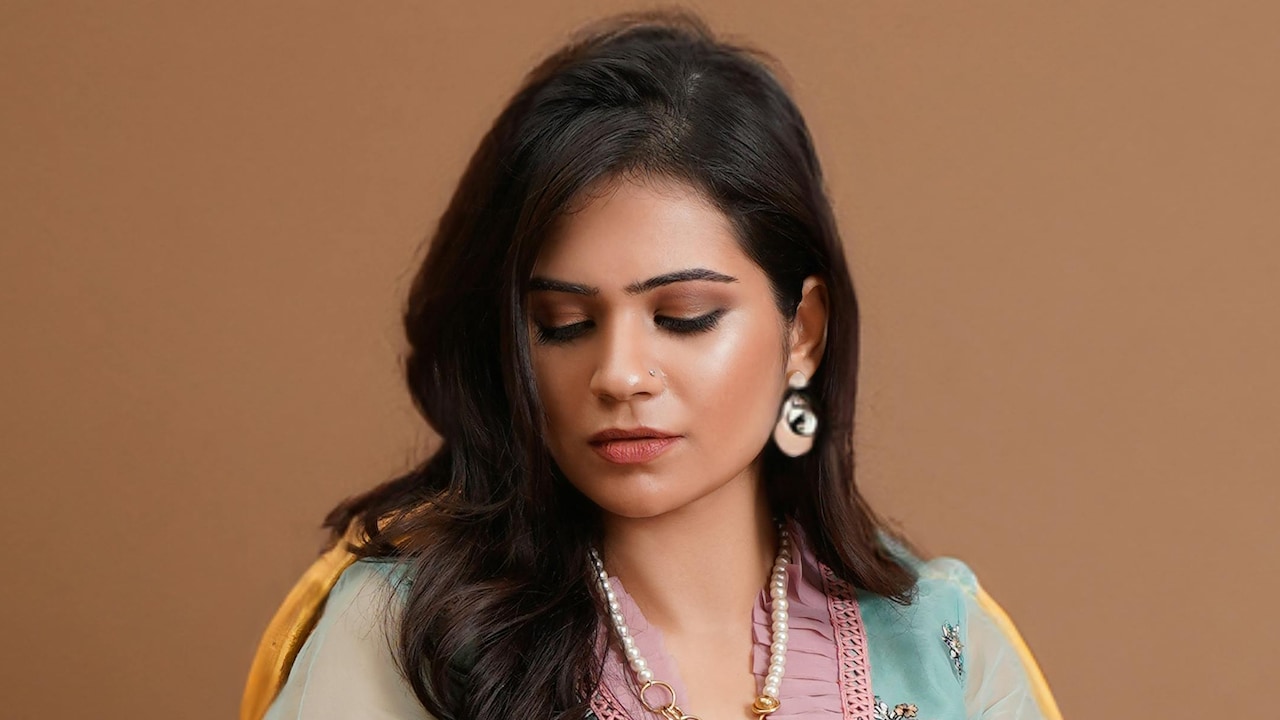
The Suit Fit Myth: Why The Finest Fabrics Fail Without Proper Tailoring; Photo Credit: Pexels
The Real Problem Isn't the Suit, It's the Fit
1. The Illusion of Expensive Fabric
Luxury fabrics enjoy a powerful reputation. Words like “Italian,” “super wool,” or “handwoven” carry prestige. Many buyers stop thinking once they hear them. The mirror, however, refuses to lie.
Expensive fabric without structure behaves like an untrained performer. It shines on the hanger but collapses on the body. Wrinkles appear at the shoulders. Sleeves swallow hands. Trousers fold into unwanted creases. The wearer looks uncomfortable, no matter how premium the cloth feels.
Fabric quality matters, but only after fit. Without proper shaping, even the softest wool cannot follow the body's natural lines. Tailoring sculpts fabric into form. It defines shoulders, trims excess volume, and creates balance.
A simple truth emerges: fabric impresses up close, fit impresses from across the room. People rarely ask about thread count. They notice posture, proportions, and ease of movement. Tailoring delivers those silently.
2. One Size Never Fits All
Bodies refuse to follow size charts. Some have broader shoulders. Others carry weight at the waist or chest. Ready-made suits rely on averages, not individuals.
A size 40 suit assumes a standard shoulder width, sleeve length, and torso ratio. Real bodies rarely match that template. The result? Tight collars, sagging backs, or jackets that pull at the button.
Tailoring respects individuality. A good tailor adjusts the suit to the wearer, not the other way around. Small changes make dramatic differences. Shortening sleeves by one inch sharpens the entire look. Tapering the waist creates a cleaner silhouette.
Without tailoring, the suit wears the person. With tailoring, the person owns the suit. Comfort improves instantly. Movement feels natural. Confidence follows.
Also Read: Why Every Man Needs A Blazer: Even If You Rarely Wear Formal Clothes
3. The Shoulder Test That Never Lies
Shoulders reveal the truth about fit faster than any label. If shoulders fail, nothing else can save the suit.
A perfect shoulder sits flat and clean. No divots. No overhang. No pulling. Many off-the-rack suits miss this mark. The wearer shrugs, hoping no one notices. Everyone notices.
Tailors treat shoulders with respect. They adjust padding, angle, and width to match posture. This process demands skill, not shortcuts. Altering shoulders costs more, yet it transforms the entire jacket.
Shoulders frame the body. They influence how the waist and chest appear. A strong shoulder creates authority. A drooping one kills it. Fabric quality cannot fix shoulder problems. Only tailoring can.
4. Length: The Most Ignored Detail
Jacket and trousers length often suffer the most neglect. Long jackets shorten legs visually. Short jackets look awkward. Trouser breaks confuse many.
Sales staff often push longer lengths “for safety.” The wearer leaves with excess fabric flapping around the knees and wrists. The suit loses sharpness.
Proper tailoring corrects proportions. Jackets end just below the seat. Sleeves reveal a hint of shirt cuff. Trousers fall cleanly with a single break or none at all.
These details seem small. They define elegance. A well-proportioned suit flatters height and posture. It looks intentional. No fabric upgrade can achieve that effect alone.

The Suit Fit Myth: Why The Finest Fabrics Fail Without Proper Tailoring; Photo Credit: Pexels
5. Comfort Equals Confidence
An uncomfortable suit announces itself. The wearer adjusts the collar, pulls the sleeves, or avoids movement. The room senses discomfort instantly.
Tailoring improves comfort dramatically. Proper armholes allow free movement. Correct waist suppression prevents tightness. Balanced trousers avoid constant tugging.
Comfort builds confidence. Confidence changes posture. Posture changes perception. The suit becomes an ally instead of a burden.
At long weddings, conferences, or evening events, comfort matters more than brand names. A tailored suit allows the wearer to forget about clothing and focus on presence. That ease leaves a lasting impression.
6. The Myth of “Slim Fit”
“ Slim fit” dominates store racks. The term promises a modern look. Many fall for it blindly.
Slim-fit suits often squeeze bodies into unnatural shapes. Buttons strain. Fabric pulls. Movement suffers. The wearer looks uncomfortable, not stylish.
Tailoring offers a better solution. A classic fit tailored correctly achieves a sharper look than any factory-labelled slim fit. The tailor removes excess fabric where needed and leaves room where required.
True style respects body shape. It enhances strengths and softens weaknesses. Slim does not mean tight. Tailored means intentional. The mirror always prefers the latter.
7. Weddings, Work, and Real Life
Suits serve real moments. Job interviews. Client meetings. Weddings. Family functions. Each setting demands ease and polish.
A poorly tailored wedding suit ruins photographs forever. Creases and bunching freeze in time. No filter fixes a bad fit.
Workwear suffers too. Daily wear demands durability and comfort. An ill-fitted suit feels exhausting by midday. Tailoring extends garment life by reducing stress points.
Spending ₹5,000 on alterations often delivers more value than upgrading fabric by ₹20,000. Real life rewards practicality over prestige. Tailoring wins quietly every time.
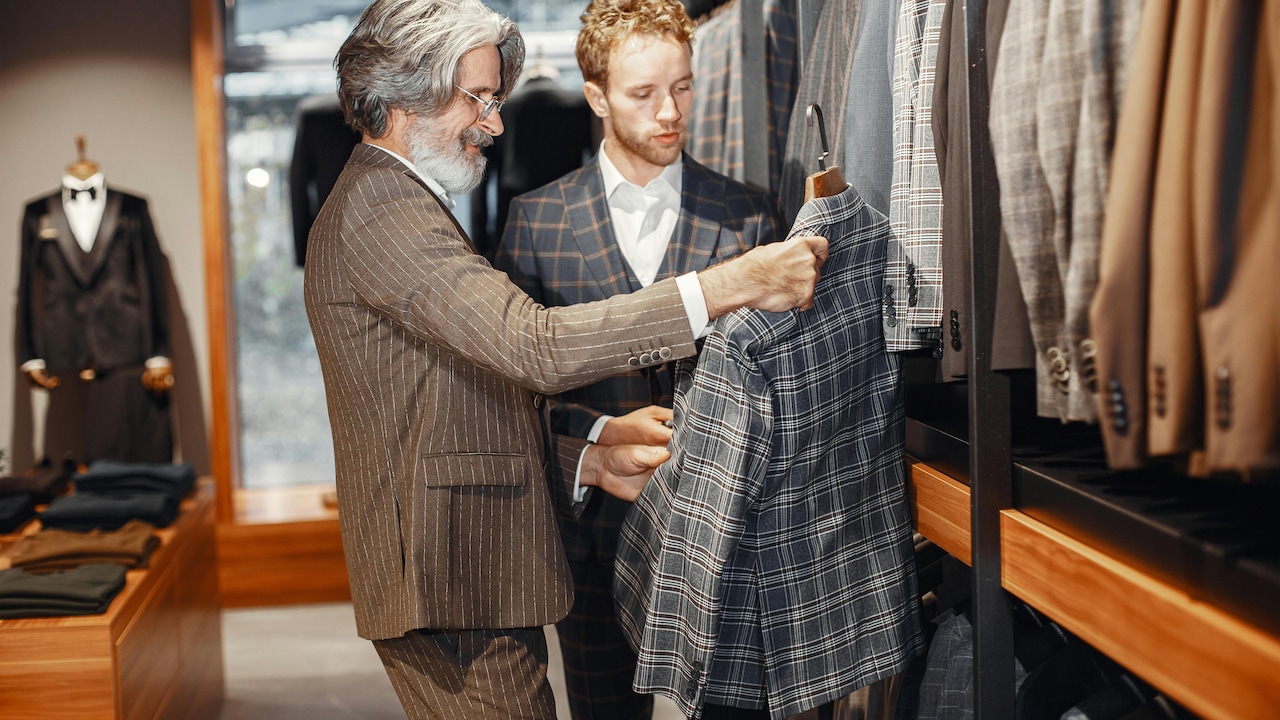
The Suit Fit Myth: Why The Finest Fabrics Fail Without Proper Tailoring; Photo Credit: Pexels
8. The Tailor as a Style Partner
A good tailor does more than measure. He observes posture, movement, and lifestyle. He advises on balance and proportion.
Many hesitate to speak to tailors, fearing complexity. In reality, a skilled tailor simplifies choices. He explains what works and what does not.
Building a relationship with a tailor pays dividends. Future suits improve faster. Alterations become precise. Style evolves naturally.
The tailor becomes a silent collaborator in personal presentation. No fabric supplier offers that partnership.
9. Budget Reality: Smart Spending Wins
Not everyone plans to spend ₹1,00,000 on a suit. Good news arrives here. A ₹15,000 suit with ₹5,000 tailoring often outperforms a ₹40,000 untouched one.
Smart spending prioritises fit. Choose decent fabric. Invest in tailoring. Repeat when needed.
This approach suits real budgets and real lives. It avoids waste and disappointment. It delivers consistent results.
Luxury without fit wastes money. Modesty with fit maximises value. The mirror confirms this truth daily.
10. Style Lives in the Details
Lapels, buttons, vents, sleeve pitch, and details shape perception. Tailoring refines these elements.
Sleeve pitch aligns arms naturally. Button stance balances the torso. Vent shape affects movement. These subtleties separate sharp from sloppy.
Off-the-rack suits ignore such nuances. Tailors correct them. The result feels personal, not generic.
Style lives in intention. Tailoring injects intention into fabric. Without it, even the finest cloth remains unfinished.
Products Related To This Article
1. TAHVO Single-Breasted Two-Piece Suits
2. Peter England Elite Men Single-Breasted Formal 2 Piece Suit
3. Raymond Notched Lapel Collar Single-Breasted Two-Piece Party Suit
4. Arrow 3 Piece Self-Design Single-Breasted Tailored Fit Formal Suit
5. Theme Slim Fit Single-Breasted Two-Piece Formal Suit
6. STYLES CULTURE Self Design Tailored Fit Single-Breasted 3-Piece Suits
7. Arrow Tailored Fit Single-Breasted Two-Piece Formal Suit
The suit fit myth persists because marketing shouts louder than tailoring. Fabric dazzles. Labels impress. Fit stays invisible until it fails.
True elegance begins where tailoring starts. It transforms fabric into form. It builds comfort, confidence, and credibility. It respects individuality over averages.
Next time a suit beckons from a showroom, remember this: the mirror cares about fit, not price tags. Tailoring decides whether a suit whispers style or shouts mistake.
In the end, the finest fabric only performs when tailoring takes the lead.
(Disclaimer: This article may include references to or features of products and services made available through affiliate marketing campaigns. NDTV Convergence Limited (“NDTV”) strives to maintain editorial independence while participating in such campaigns. NDTV does not assume responsibility for the performance or claims of any featured products or services.)