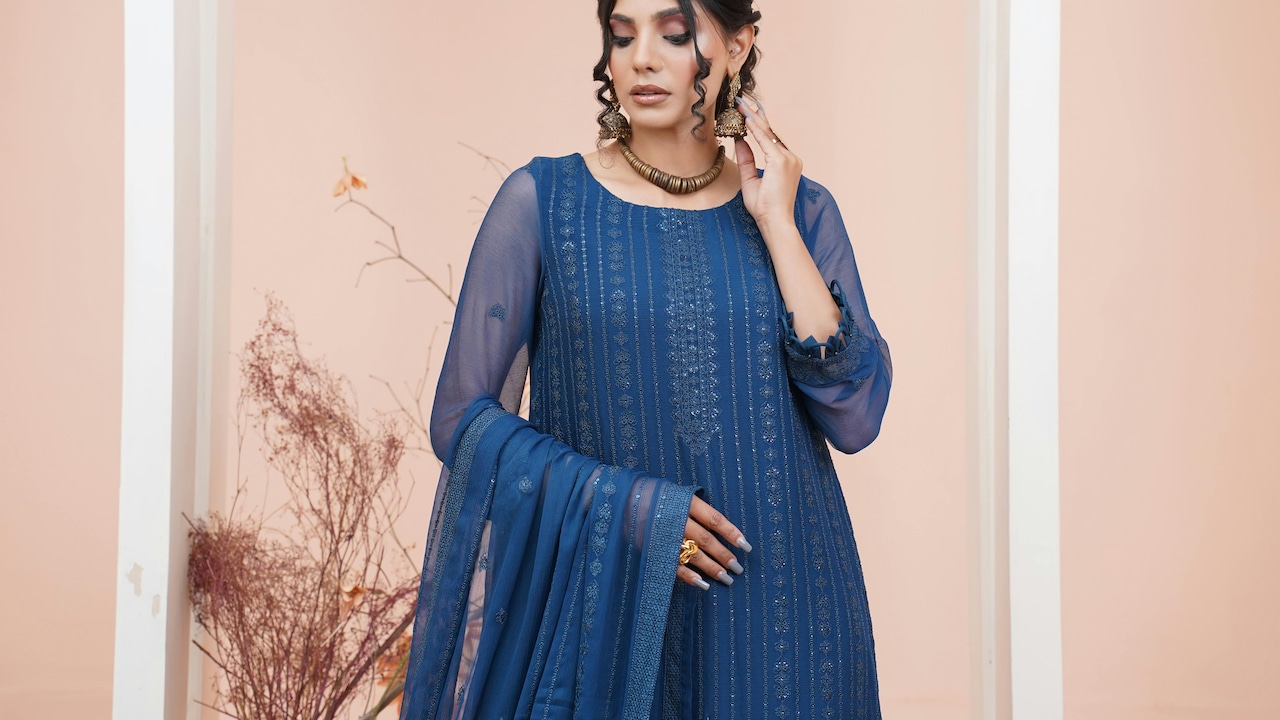
Why Your Ethnic Outfits Feel Uncomfortable: And How to Fix Fit Issues
Beautiful ethnic outfits often feel uncomfortable due to poor fit, fabric, or tailoring. Here’s why it happens, and simple ways to fix it for effortless style and all-day comfort.
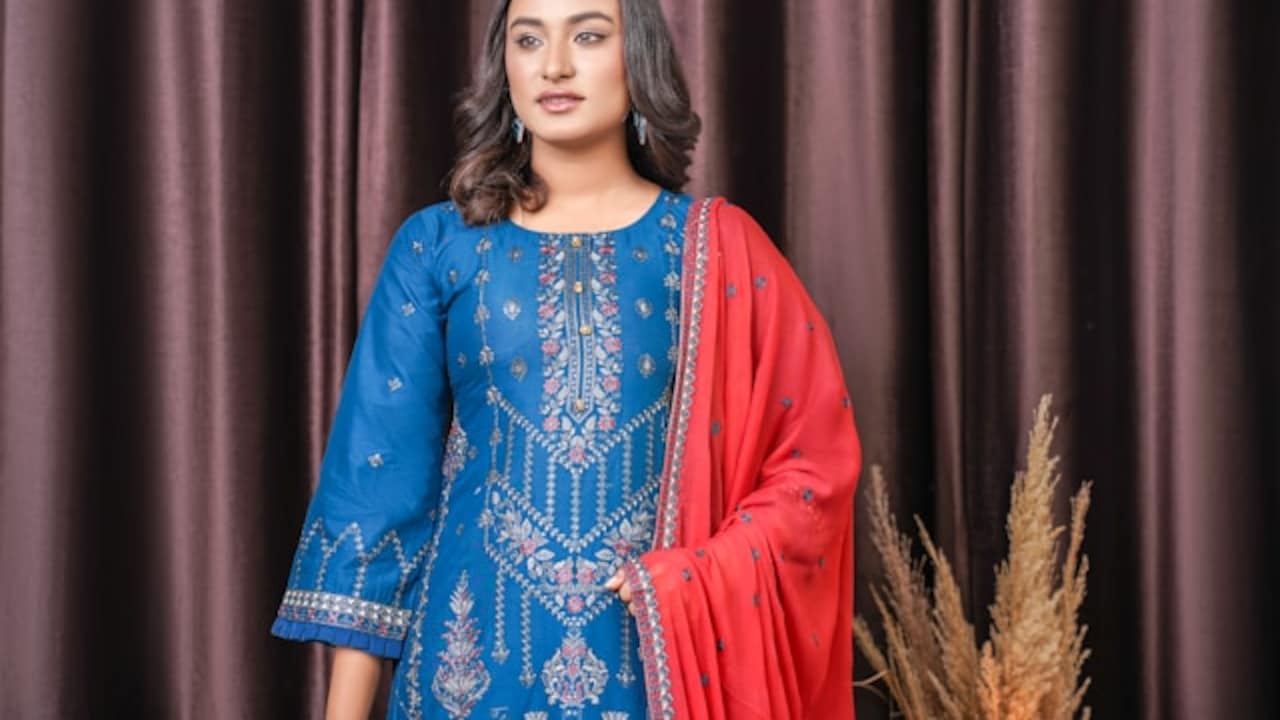
10 easy ways that make ethnic outfits fit like a dream
Every festive season begins with excitement. Fabrics are chosen with care, colours are debated over chai, and tailors receive urgent calls with hopeful deadlines. Yet, despite all that effort, many outfits fail the most important test, comfort.
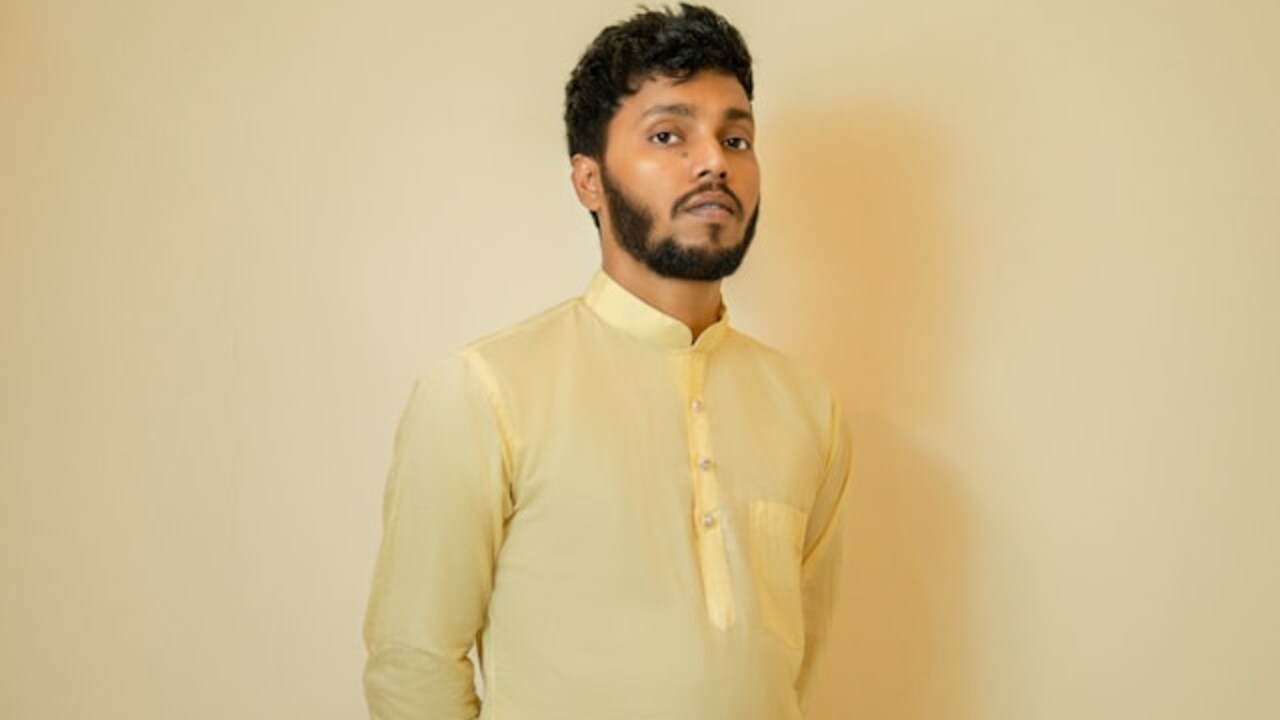
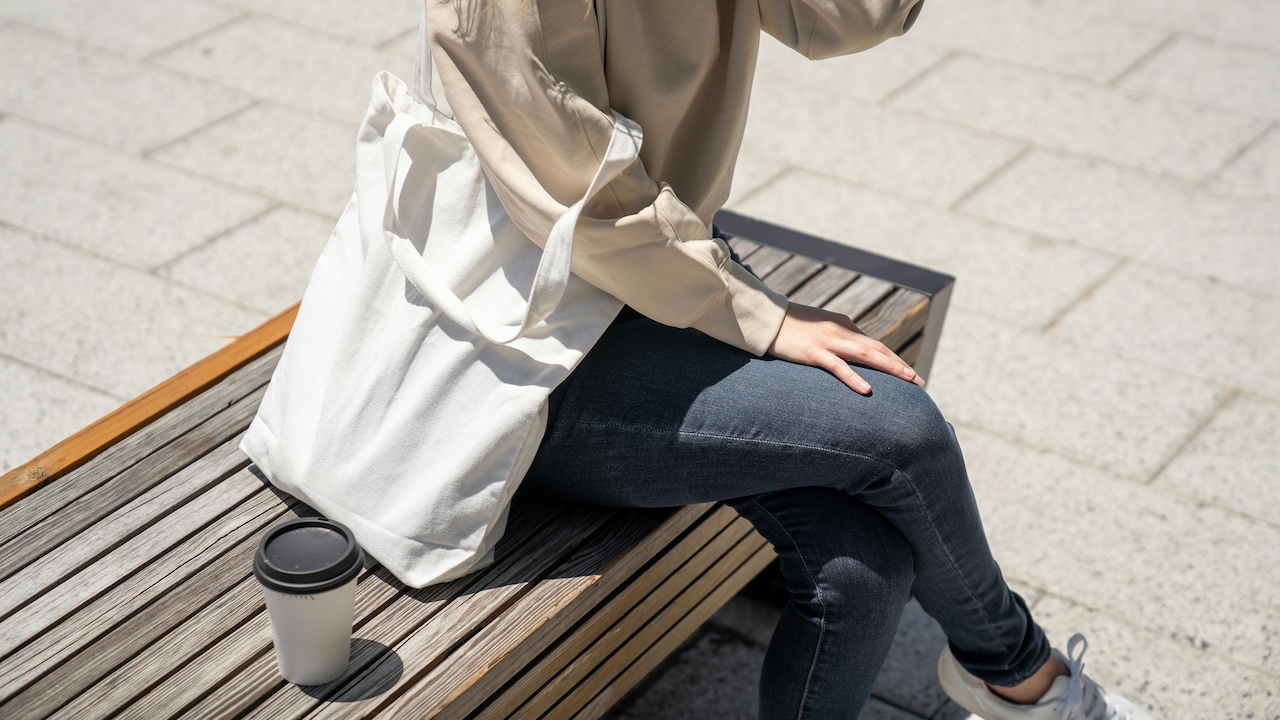
Easy and quick ways to make your ethnic outfits fit better; Photo Credit: Pexels
An outfit can look breathtaking in the mirror and still feel like a burden after an hour. The waistband digs in during dinner, sleeves refuse to cooperate during greetings, and dupattas slip at the worst possible moment. It becomes a silent struggle hidden behind smiles and carefully adjusted pleats.
The truth is simple: discomfort rarely comes from the outfit itself. It comes from the way it fits, moves, and interacts with the body. Often, small oversights during stitching or styling turn into major annoyances later.
This piece explores why those issues occur and, more importantly, how to fix them. Because style should never come at the cost of comfort, and feeling at ease is the real definition of elegance.
Also Read: Comfort Meets Glam: 10 Ethnic Wear Styles Every Wedding Guest Will Love
Where Comfort Goes Wrong: And How To Get It Right
The Illusion Of “Standard Sizes”
Ready-made clothing often relies on standard sizing, but bodies rarely follow those neat charts. A medium in one brand feels like a small in another, while the same label fits differently across styles. This mismatch leads to constant adjustments, pulling, tugging, and rethinking posture.
The problem becomes more noticeable in fitted garments. A kurta that fits the shoulders perfectly may feel tight around the bust, while a lehenga waistband may sit awkwardly between sizes. Instead of flattering the silhouette, the outfit starts dictating movement.
The solution lies in prioritising tailoring over convenience. Even a ₹1,500 outfit can look like ₹5,000 with proper alterations. Small adjustments, taking in seams, adjusting darts, or altering hemlines, transform how the garment sits on the body.
Clothing should adapt to the wearer, not the other way around. Once that shift in mindset happens, discomfort begins to fade.
Fabric Choices That Look Good But Feel Wrong
Silk, brocade, velvet: these fabrics carry undeniable charm. They photograph beautifully and signal occasion wear instantly. Yet, they can also feel heavy, stiff, or suffocating, especially in warm weather.
Many outfits prioritise visual appeal over practicality. A heavily embroidered fabric might look regal, but it can irritate the skin or restrict airflow. Synthetic linings add another layer of discomfort, trapping heat and causing constant fidgeting.
Choosing fabric requires balance. Cotton blends, soft silks, and breathable materials often provide both elegance and ease. Even within luxurious fabrics, lighter variants exist that feel less restrictive.
It also helps to think about duration. An outfit worn for two hours allows more experimentation, but anything meant for long celebrations needs comfort at its core.
Style should feel effortless, not exhausting. The right fabric ensures that the outfit moves with the body instead of fighting against it.
Poor Blouse And Sleeve Fit
Blouses often carry the weight of the entire outfit, literally and stylistically. Yet, they are also the most commonly misfitted pieces. Tight sleeves restrict movement, while loose ones ruin the structure.
A blouse that pulls at the shoulders or gapes at the neckline can turn even a simple task into a challenge. Raising an arm, sitting comfortably, or even breathing deeply becomes noticeable.
The key lies in precision. Armholes need enough room for movement without losing shape. Sleeve length should match comfort levels, not just trends. Even neckline depth should consider posture and ease, not just aesthetics.
Adding margins during stitching offers flexibility for future adjustments. Bodies change, and garments should allow that evolution.
When a blouse fits well, everything else falls into place. It supports the outfit rather than becoming its weakest link.
Waistbands That Wage War
Few things feel more uncomfortable than a waistband that refuses to cooperate. Too tight, and it leaves marks by the end of the evening. Too loose, and it demands constant readjustment.
Lehengas, skirts, and even fitted trousers often suffer from poor waistband planning. Many rely on rigid bands without considering natural body fluctuations, especially after meals.
Elasticated or adjustable waistbands offer a practical solution without compromising style. Hidden drawstrings or side hooks provide flexibility while maintaining a clean look.
Placement also matters. A waistband sitting too high or too low disrupts balance and comfort. It should align with the body's natural shape, not fight against it.
An outfit should allow enjoyment of a full festive meal without regret. After all, what's a celebration without a second helping?
Dupattas That Refuse To Stay Put
The dupatta often becomes the most unpredictable part of an outfit. Draped carefully at home, it begins slipping the moment one steps out. Constantly adjusting it turns into an unconscious habit.
The issue lies in both fabric and draping technique. Lightweight fabrics tend to slide, while heavier ones pull at the shoulder. Pins help, but too many can damage the fabric or restrict movement.
Experimenting with drapes can make a difference. A well-secured pleat or a balanced shoulder placement reduces the need for constant attention. Choosing fabrics with slight texture also improves grip.
Comfort comes from stability. Once the dupatta stays in place, attention shifts back to enjoying the occasion instead of managing the outfit.
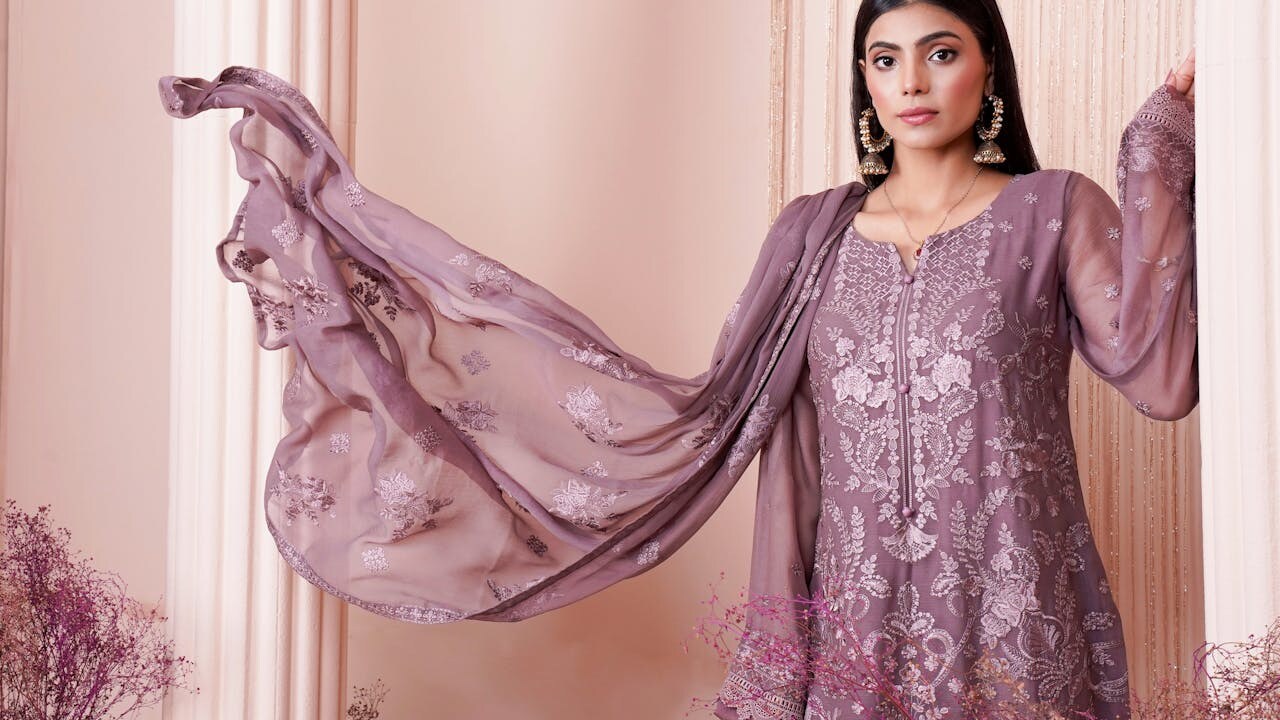
Experiment with different dupatta draping styles to hold it in place; Photo Credit: Pexels
Ignoring Body Movement During Design
Outfits often look perfect while standing still. The real test begins with movement, walking, sitting, bending, or dancing. Many designs fail this test because they don't account for everyday actions.
A kurta that feels fine while standing may feel tight when sitting. A skirt that flows beautifully may restrict steps due to narrow cuts. These issues rarely appear during trials but become obvious during wear.
Testing outfits in motion helps identify these problems early. Simple actions like sitting down, raising arms, or taking a few steps reveal whether the design supports movement.
Adding slits, adjusting flare, or loosening certain areas can improve functionality without altering the overall look.
Clothing should follow the rhythm of the body. When it doesn't, discomfort becomes unavoidable.
Overloaded Embellishments
Embroidery, sequins, and embellishments add drama, but excess often leads to discomfort. Heavy detailing increases weight and stiffness, making the outfit harder to carry.
An outfit covered in embellishments may look luxurious, but can feel exhausting after a few hours. It may also cause irritation, especially if the inner lining isn't smooth.
Balance becomes crucial here. Strategic placement of embellishments creates visual impact without overwhelming the garment. A well-designed outfit knows where to stop.
Lighter embellishments or minimal designs often offer more versatility and comfort. They allow movement and reduce strain without sacrificing elegance.
Sometimes, less truly is more, especially when comfort is involved.
The Importance Of Proper Lining
Lining often goes unnoticed until it causes discomfort. A poorly chosen lining fabric can make even the best outfit feel unbearable.
Synthetic linings trap heat and cause sweating, while rough textures irritate the skin. The outer fabric may look perfect, but the inner layer determines how it feels.
Opting for breathable linings like cotton improves comfort significantly. It allows airflow and reduces irritation, especially during long events.
Tailors sometimes skip this detail to reduce costs, but investing an extra ₹300–₹500 in quality lining makes a noticeable difference.
Comfort begins beneath the surface. When the base layer feels right, the entire outfit benefits.
Footwear And Outfit Coordination
Discomfort doesn't always come from the outfit alone. Footwear plays a major role in how one carries the entire look.
High heels may complement the outfit visually, but can cause discomfort over time. Walking becomes cautious, and posture changes, affecting how the outfit sits.
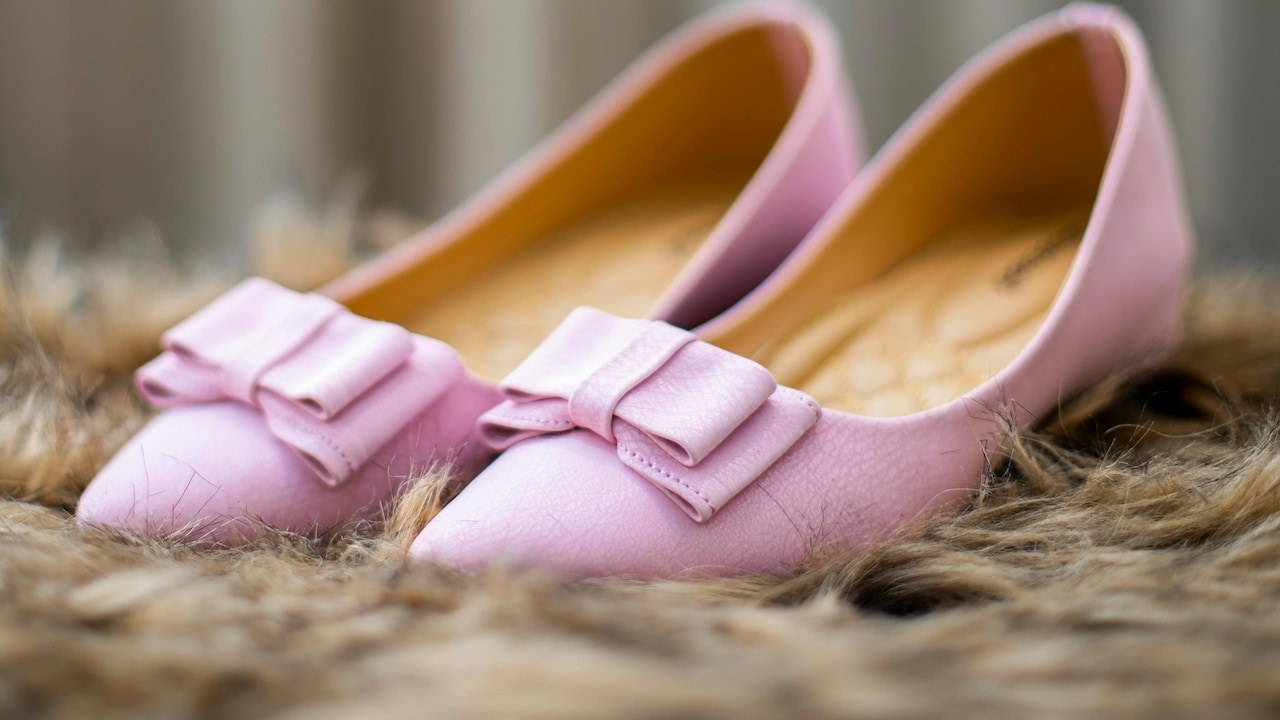
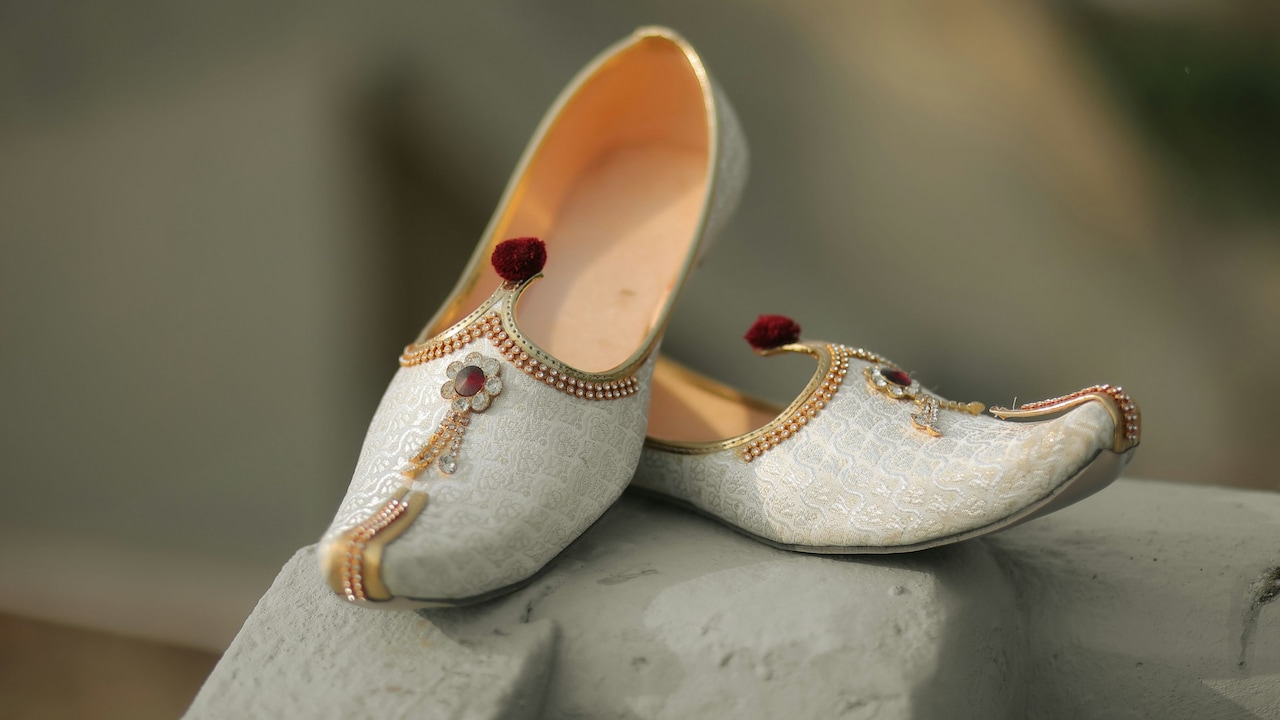
Choosing footwear that balances style and comfort ensures better movement. Block heels, cushioned flats, or wedges often provide support without compromising aesthetics.
The length of the outfit should also match the footwear. A hemline that drags or lifts awkwardly adds to discomfort.
When footwear and outfit work together, the overall experience improves. Comfort flows from the ground up.
Last-Minute Tailoring And Rushed Decisions
Many discomfort issues stem from rushed timelines. Outfits stitched at the last minute leave no room for proper trials or adjustments.
Without fittings, small issues remain unnoticed until it's too late. A tight sleeve, uneven hem, or misaligned neckline becomes part of the final look.
Planning ahead allows time for corrections. At least two trials ensure that the outfit fits well and feels comfortable. It also reduces stress and last-minute panic.
Fashion should feel enjoyable, not stressful. A little extra time makes a significant difference in the final experience.
Ignoring Personal Comfort Preferences
Trends often influence choices, but comfort remains personal. What feels comfortable for one person may not work for another.
Some prefer fitted silhouettes, while others feel at ease in relaxed styles. Ignoring these preferences leads to outfits that look good but feel wrong.
Understanding personal comfort levels helps in making better decisions. It ensures that the outfit aligns with both style and ease.
Confidence comes from feeling comfortable. When an outfit matches personal preferences, it naturally enhances presence.
Products Related To This Article
1. Anouk Women Printed Regular Mirror Work Pure Cotton Kurta with Palazzos & With Dupatta
2. Dincharya Men Ethnic Motifs Printed Sequinned Floral Kurta
3. Sangria Winter Shalimar Women Floral Woven Design Woollen Shawl
4. Jompers Ethnic Motifs Embroidered Sequinned Cotton Silk Kurta with Pyjamas & Dupatta
5. FLOWERVELLY Women Printed Kurta with Pyjamas
An outfit's true success lies beyond its appearance. It lies in how it feels, how it moves, breathes, and supports the wearer through moments of celebration.
Discomfort often hides in small details: a tight seam, a heavy fabric, a slipping drape. Yet, these details hold the power to transform the entire experience.
Fixing fit issues doesn't require drastic changes. Thoughtful tailoring, mindful fabric choices, and a focus on movement can make even the most elaborate outfit feel effortless.
The next time an outfit feels uncomfortable, it helps to pause and look closer. The problem usually has a simple solution waiting to be discovered.
Because when comfort meets style, confidence follows naturally, and that's when any outfit truly shines.
(Disclaimer: This article may include references to or features of products and services made available through affiliate marketing campaigns. NDTV Convergence Limited (“NDTV”) strives to maintain editorial independence while participating in such campaigns. NDTV does not assume responsibility for the performance or claims of any featured products or services.)