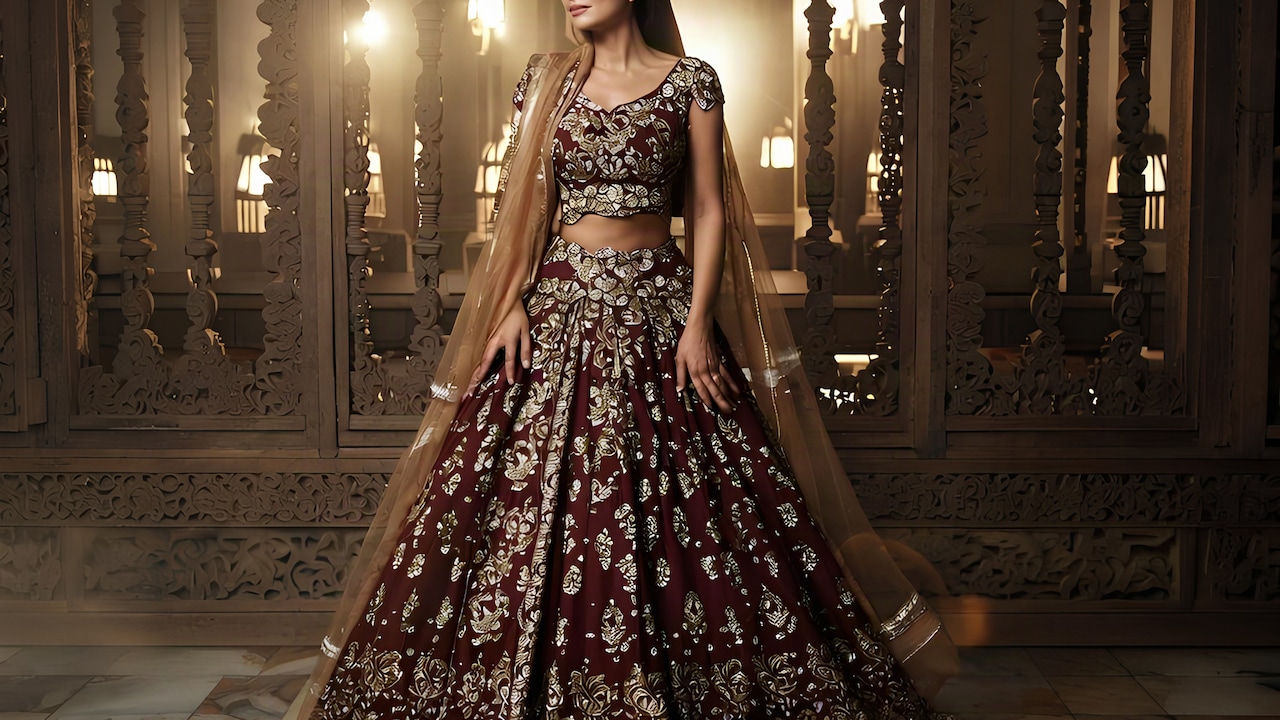
Tops That Look Good Tucked And Untucked: What Length Actually Works
The right top length makes all the difference. Discover how to choose styles that look equally good tucked in or left out, without awkward bunching or sloppy hems.

Tops That Look Good Tucked And Untucked: What Length Actually Works
Every wardrobe holds that one top that never seems to sit right. Tucked in, it bunches awkwardly. Left out, it looks sloppy. The issue rarely lies in the outfit itself but in the length and structure of the garment. Fashion, after all, is less about trends and more about proportion.
In a country where clothing styles range from crisp formal shirts to breezy kurtas and fusion wear, versatility matters. A top that works both tucked and untucked becomes a reliable staple, perfect for everything from a ₹500 roadside find to a ₹5,000 boutique purchase. The challenge is understanding what makes a top adaptable. Length, hemline, fabric, and even cultural styling habits all play a role.
This guide breaks down what truly works, offering practical insights that make getting dressed less stressful and far more enjoyable.

Tops That Look Good Tucked And Untucked: What Length Actually Works
Photo Credit: Pexels
Understanding What Makes A Top Work Both Ways
The Goldilocks Length: Not Too Long, Not Too Short
The ideal top length sits somewhere between the hip bone and mid-zip area of trousers. Too short, and it pops out the moment one sits down. Too long, and it creates a bulky fold when tucked. This “just right” length allows flexibility, making the top look intentional whether styled in or out.
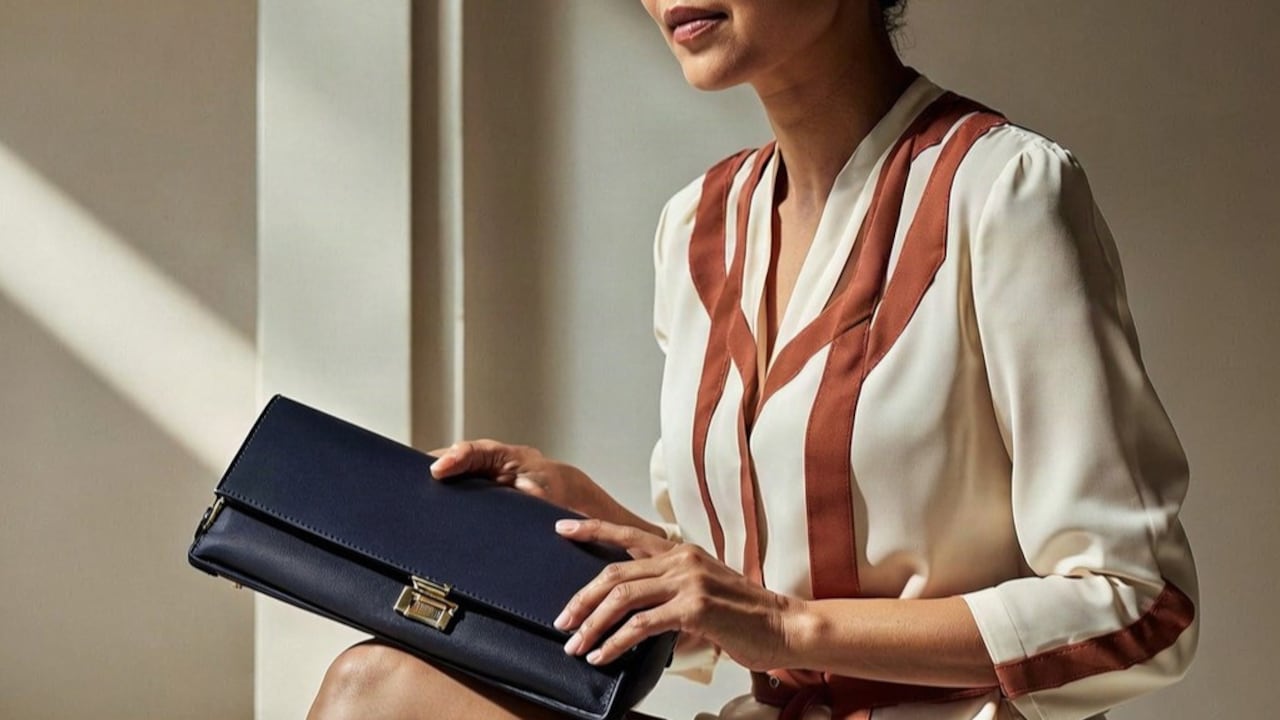
Consider everyday office wear. A shirt that ends just below the waistband offers clean lines when tucked and a relaxed finish when untucked. Many ready-made options miss this balance, often leaning too long to accommodate formal tucking. A quick alteration costing around ₹150 can transform such pieces into wardrobe heroes.
The key lies in observing proportions in the mirror. If the legs appear shorter or the torso overly elongated, the length likely needs adjustment. When the balance feels natural, the top has found its sweet spot.
Straight Hemlines: The Unsung Heroes Of Versatility
Hemlines rarely get the attention they deserve. Yet, they quietly determine whether a top works in multiple ways. Straight hems offer the most flexibility, creating a neat edge when worn untucked and sitting smoothly when tucked in.
Unlike curved hems, which lean towards casual styling, straight cuts feel structured without appearing stiff. This makes them perfect for semi-formal occasions, think casual Fridays or a quick dinner outing after work.
A simple cotton shirt with a straight hem can transition seamlessly from office meetings to evening chai plans. It also avoids that awkward dip at the sides often seen with curved hems when worn loose. The result is a cleaner, sharper silhouette that feels put-together without trying too hard.
Fabric Matters More Than Expected
Fabric can make or break the tucked-versus-untucked dilemma. Lightweight fabrics such as cotton blends, linen, and modal drape naturally, making them easy to tuck without bulk. Heavier fabrics, on the other hand, can create unwanted volume around the waist.
Consider the difference between a crisp poplin shirt and a thick flannel one. The former slips neatly into trousers, while the latter resists, creating folds that refuse to behave. The same applies to kurtas, light fabrics fall gracefully, while heavier ones tend to look better untucked.
In warm climates, breathable fabrics not only feel comfortable but also enhance the overall look. A well-chosen fabric ensures the top adapts effortlessly, whether styled for a formal setting or a laid-back weekend.
The Half-Tuck Trick: A Style Safety Net
The half-tuck has quietly become a favourite styling trick. It solves the indecision of whether to tuck fully or leave the top loose. By tucking just the front portion, it creates a relaxed yet intentional look.
This style works particularly well with tops that are slightly longer than ideal. Instead of altering them immediately, the half-tuck offers a quick fix. It adds shape to the outfit without demanding perfection in length.
Picture a casual outing, denim jeans paired with a loose shirt. A half-tuck instantly elevates the look, making it appear styled rather than accidental. It also allows movement, ensuring comfort during long days out.
Kurtas And Tunics: Finding Balance In Tradition
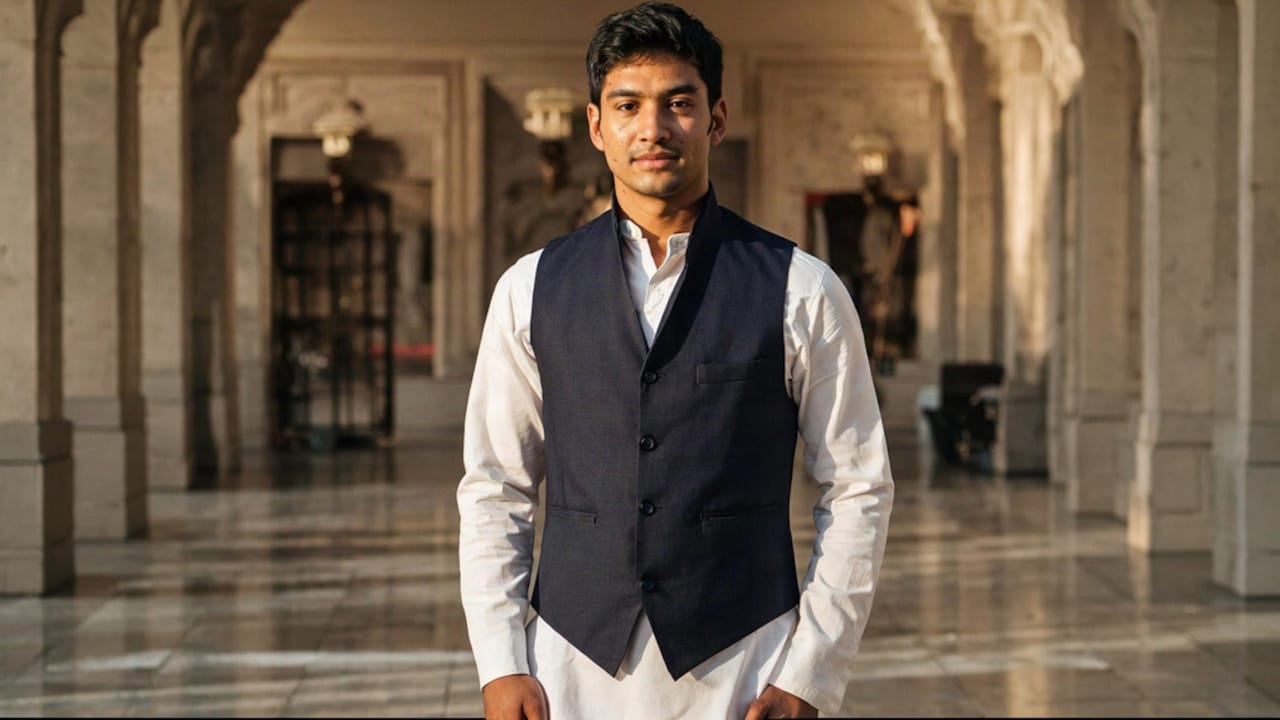
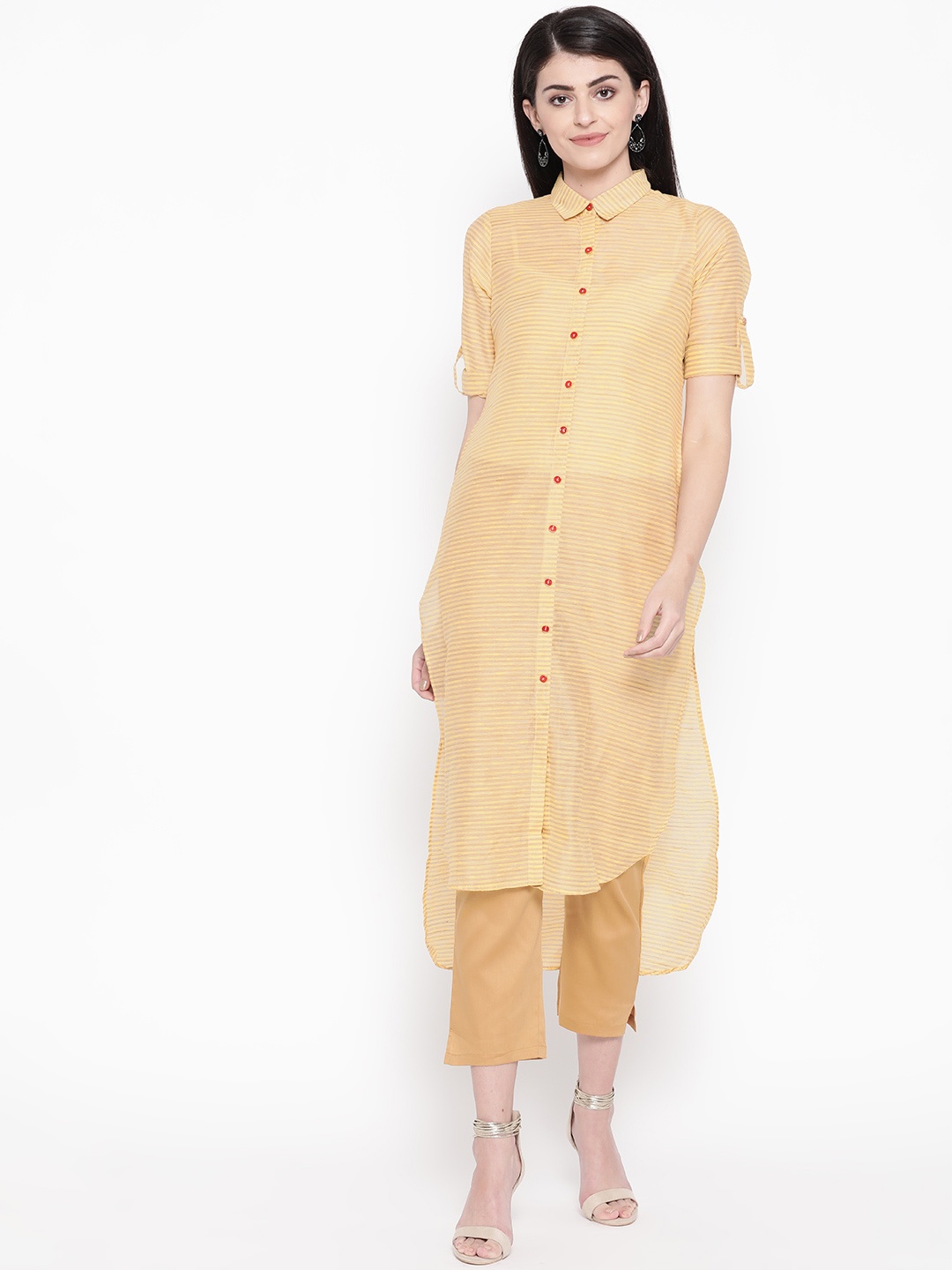
Traditional silhouettes bring their own set of rules. Kurtas and tunics are rarely tucked in, yet their length still matters. A kurta that hits just above the knee maintains elegance without overwhelming the frame.
Shorter kurtas, often styled with jeans or trousers, can occasionally be tucked in for a fusion look. However, this works only when the fabric is light and the cut is straight. Otherwise, the outfit risks looking forced.
For everyday wear, a well-fitted kurta with side slits offers natural movement and balance. It eliminates the need for tucking altogether while maintaining a polished appearance.
Oversized Trends: Style Versus Structure
Oversized tops dominate current trends, but they rarely play well with tucking. Their appeal lies in their relaxed, flowing nature. Attempting to tuck them often leads to excessive bunching.
That said, styling can still bring structure. Pairing oversized tops with fitted bottoms creates contrast, allowing the outfit to feel balanced even when worn untucked. Alternatively, a partial tuck can introduce shape without sacrificing comfort.
The trick lies in intention. Oversized pieces should look deliberate, not accidental. Choosing the right bottom wear, tailored trousers or slim-fit jeans, ensures the look remains sharp.
Cropped Tops: The Untucked Specialists
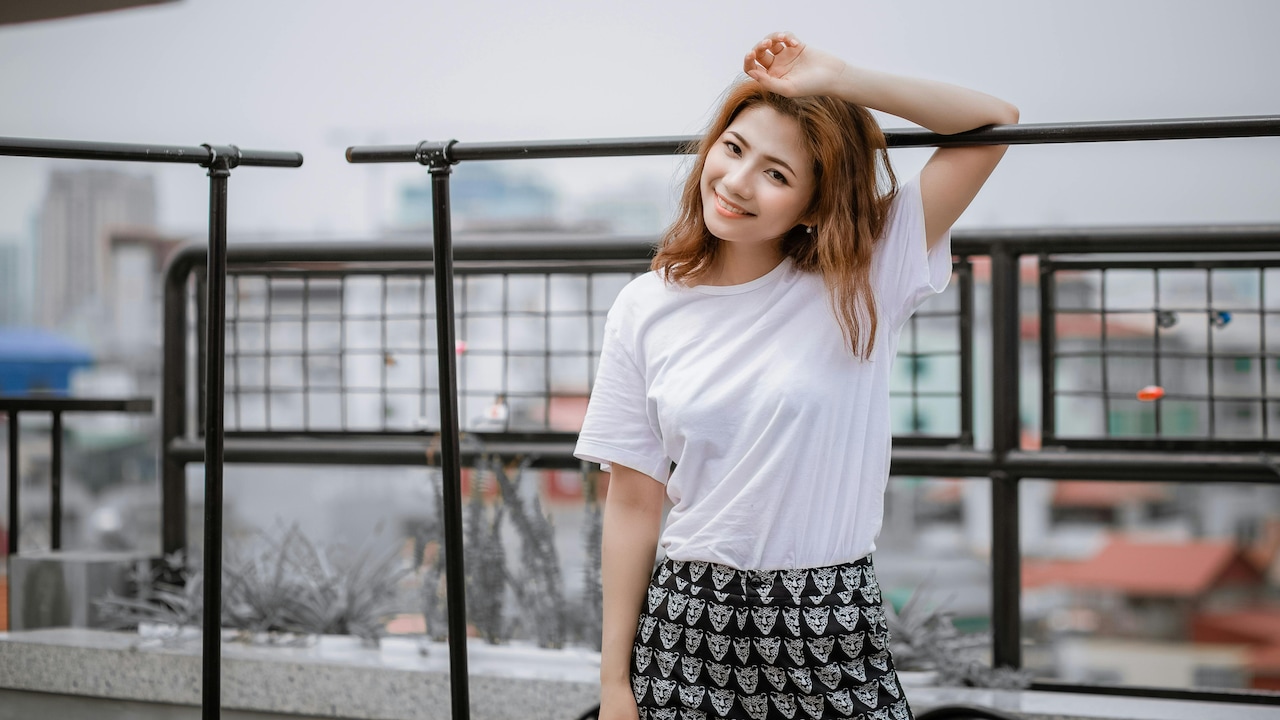
Cropped tops eliminate the tucking dilemma altogether. Their shorter length naturally aligns with the waistline, making them ideal for untucked styling.
These tops work best with high-waisted bottoms, creating a cohesive silhouette. The combination highlights the waist without exposing too much, striking a balance between trendy and practical.
In everyday settings, cropped shirts and blouses offer a modern alternative to traditional lengths. They require minimal effort while delivering maximum style impact.
Tops That Look Good Tucked And Untucked: What Length Actually Works
Photo Credit: Pexels
Shirt Tailoring: The Secret Weapon
A well-tailored shirt can outperform even the most expensive off-the-rack options. Small adjustments in length, sleeve fit, and side seams can dramatically improve versatility.
Tailors often recommend shortening shirts slightly to allow dual styling. For a modest ₹200–₹300, a shirt can be transformed into a piece that works for both formal and casual settings.
Customisation ensures the shirt complements body proportions, eliminating common issues like excess fabric or awkward lengths. The result is a garment that feels personal and effortlessly stylish.
Layering Changes Everything
Layering adds another dimension to the tucking conversation. A top that feels too long on its own may work perfectly under a jacket or cardigan.
For instance, a slightly longer shirt worn under a structured blazer creates a layered effect that looks intentional. The outer layer frames the outfit, reducing the need for precise tucking.
This approach proves especially useful during cooler months or in air-conditioned office spaces. It allows flexibility without compromising style.
Also Read: The Length Mistake: Why Your Kurta Feels Off With Certain Bottoms
Confidence: The Final Ingredient
Clothing choices often come down to confidence. A top may meet every guideline, yet still feel off if worn without ease. Conversely, a slightly imperfect piece can look great when styled with assurance.
Understanding personal comfort plays a crucial role. Some prefer the crispness of a tucked-in look, while others lean towards relaxed styling. Both are valid, as long as the proportions feel right.
Fashion, at its core, is about expression. The best outfits refl]ect personality, not rigid rules. When a top feels right, it shows, no matter how it is worn.

Tops That Look Good Tucked And Untucked: What Length Actually Works
Photo Credit: Pexels
Products Related To This Article
1. CORSICA Striped Cotton Crop Top
2. Anouk Geometric Cotton Peplum Crop Top
3. DressBerry Women Floral Printed Crop Top
4. SZN Crop Top
5. H&M Pointelle Jersey Blouse
6. Varanga Floral Print Satin Shirt Style Top
7. all about you Cotton Denim Crop Top
The question of whether a top should be tucked or left untucked does not have a single answer. Instead, it depends on a blend of factors, length, fabric, fit, and occasion. A versatile top sits comfortably between these elements, offering flexibility without compromise.
In a fast-paced lifestyle where one outfit often transitions through multiple settings, such adaptability becomes invaluable. A thoughtfully chosen top can carry someone from a morning meeting to an evening outing without requiring a complete change.
Ultimately, the goal is not perfection but ease. When a top fits well, drapes naturally, and aligns with personal style, the decision to tuck or not becomes secondary. What remains is a look that feels effortless, confident, and entirely one's own.
(Disclaimer: This article may include references to or features of products and services made available through affiliate marketing campaigns. NDTV Convergence Limited (“NDTV”) strives to maintain editorial independence while participating in such campaigns. NDTV does not assume responsibility for the performance or claims of any featured products or services.)