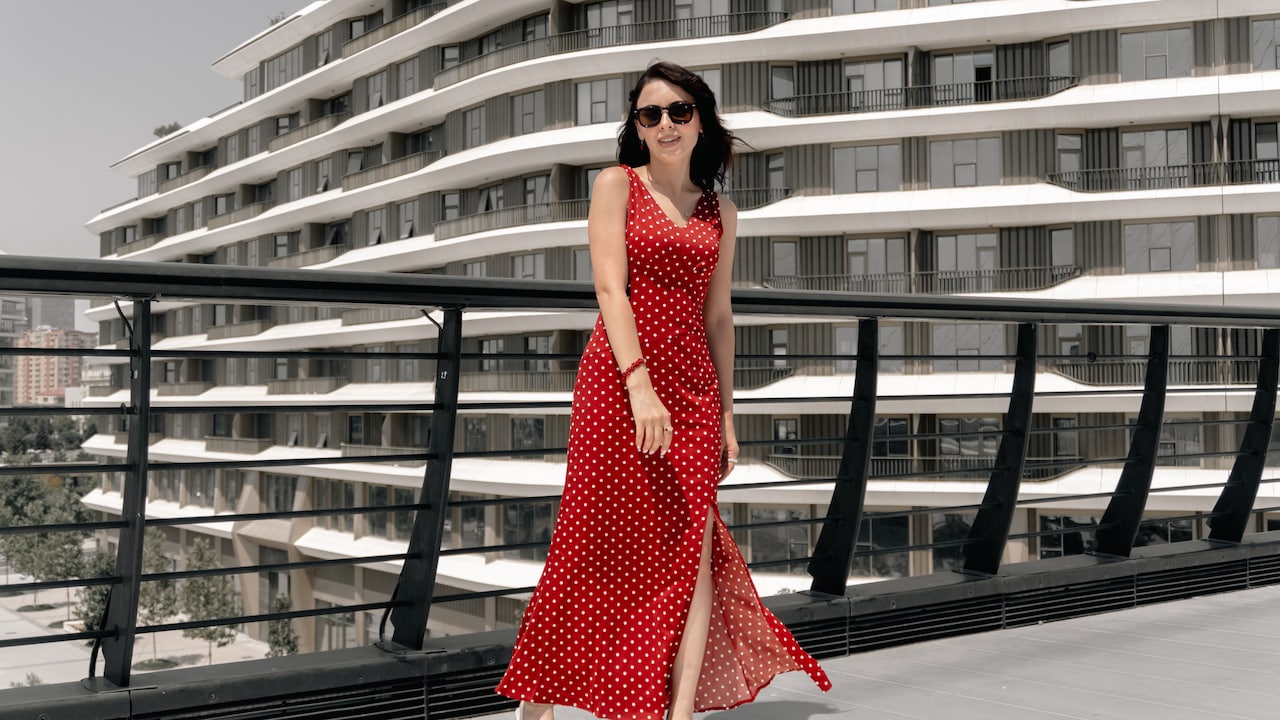
What Causes Flat Footwear To Lose Cushioning And How It Impacts Comfort
Flat footwear often loses cushioning faster than expected due to daily wear, materials, and usage habits. This article explains why cushioning breaks down and how it affects comfort, posture, and long-term foot health.
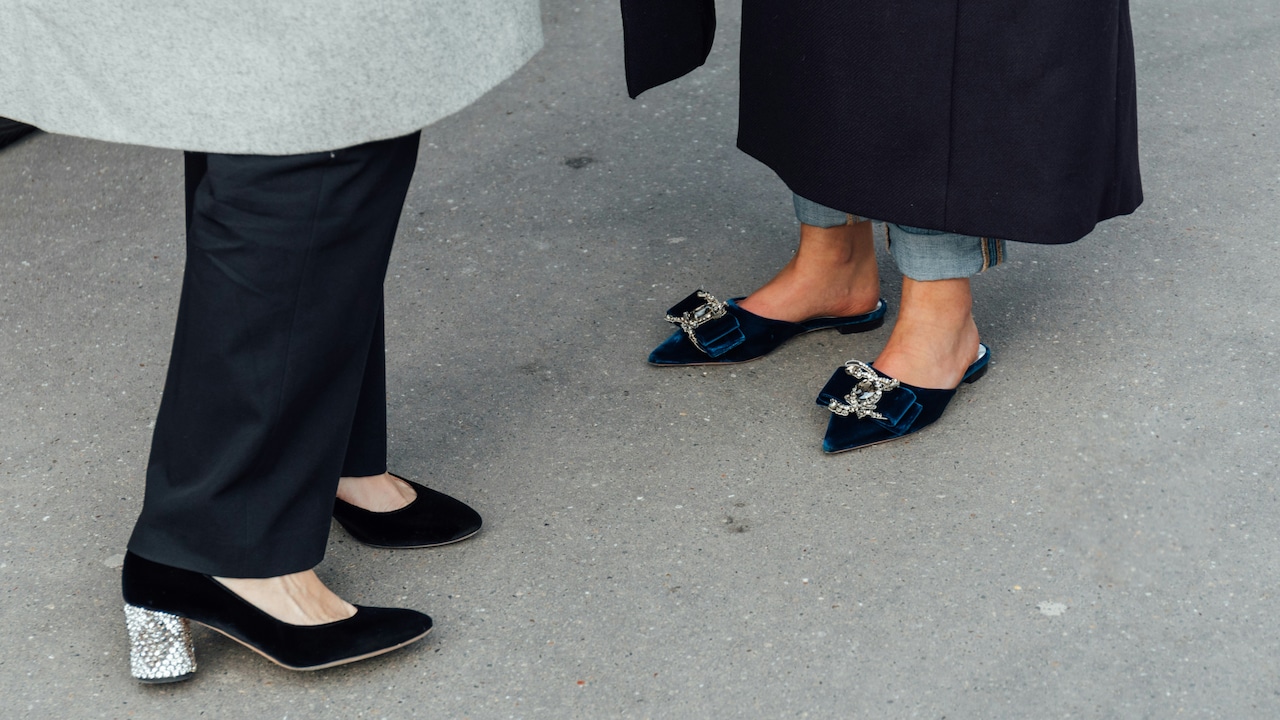
Know All About Why Flat Footwear Loses Cushioning Over Time and How It Affects Comfort.
Flat footwear holds a special place in everyday life. It slips on easily, pairs with almost everything, and promises comfort without the drama of heels. From morning commutes to evening errands, flats work hard without asking for attention. Yet, after a few months, something changes. The spring disappears. The sole feels thin. Every step sends a faint complaint up the legs.
Cushioning loss does not happen overnight. It creeps in slowly, shaped by daily habits, weather, road conditions, and even how footwear gets stored at home. Many continue wearing the same pair, adjusting their walk or ignoring mild aches, until discomfort becomes impossible to dismiss.
Understanding why flats lose cushioning helps make smarter choices, extend footwear life, and protect foot health. Comfort does not depend on price alone. It depends on care, materials, and how footwear fits into real routines.
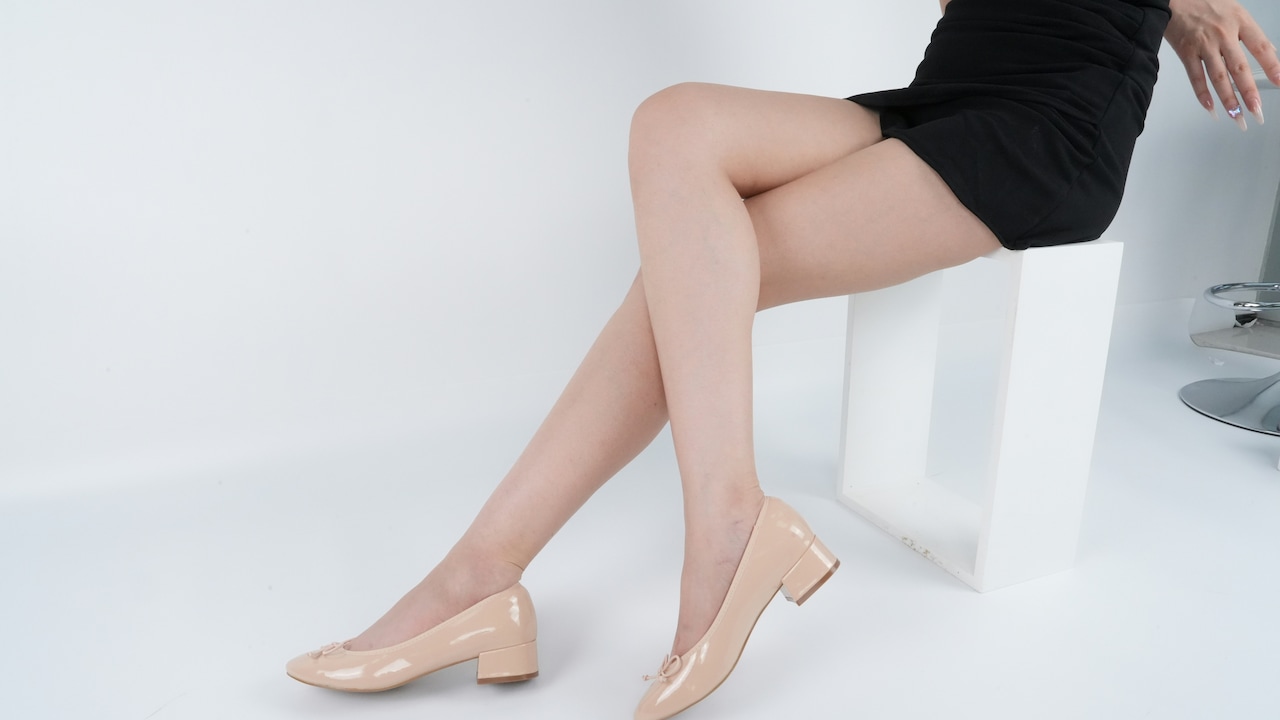
Why Flat Footwear Loses Cushioning Over Time and How It Affects Comfort; Photo Credit: Pexels
Why Cushioning In Flat Footwear Breaks Down Over Time
1. Daily Wear and Tear on Hard Surfaces
Flat footwear faces constant friction from unforgiving surfaces. Concrete pavements, tiled office floors, and uneven roads press against the sole day after day. Each step compresses the cushioning material slightly. Over time, that compression stops bouncing back.
In busy cities, walking rarely happens on soft ground. Footpaths often feature cracks, slopes, and sudden height changes. Flats absorb the shock meant for the body. When cushioning thins, the impact travels straight to the heels and arches. That dull ache after a shopping trip often points to worn-out soles rather than tired legs.
Long walking hours accelerate the process. A pair worn daily for commuting, errands, and casual outings barely gets time to recover its shape. Cushioning materials need rest, just like muscles. Without it, they flatten permanently.
This wear feels subtle at first. Comfort fades gradually, making the change easy to ignore. Yet, the feet notice every difference, even when the mind chooses not to.
2. Quality of Cushioning Materials
Not all cushioning ages the same way. Many flats use synthetic foam because it keeps costs low and weight minimal. While soft at first, such foam often compresses quickly and struggles to regain shape. Within months, the sole may feel paper-thin.
Higher-quality materials, such as memory foam or layered rubber blends, last longer. They respond better to pressure and adapt to foot movement. However, even premium cushioning has limits when pushed daily without breaks.
Humidity and heat also affect material quality. Foam absorbs moisture from sweat and the environment. In warm climates, that moisture weakens the internal structure, speeding up breakdown. Cushioning then loses resilience faster than expected.
Price tags can mislead. An affordable pair may offer decent comfort initially, but fade quickly. Meanwhile, a slightly higher investment may provide consistent support for years. Understanding materials helps avoid disappointment and repeated replacements.
Also Read: 7 Comfortable Flats For Women That Prevent Heel And Arch Pain
3. Moisture, Sweat, and Weather Exposure
Feet sweat more than most realise. Flats, especially closed ones, trap heat and moisture throughout the day. Sweat seeps into insoles and cushioning layers, softening them excessively. Over time, constant dampness damages the foam's ability to bounce back.
Monsoon months add another challenge. Wet roads, puddles, and sudden showers soak footwear unexpectedly. Even a single soaking can affect cushioning if drying happens poorly. Direct sunlight may dry shoes quickly, but it often hardens the sole, causing cracks and stiffness.
Repeated wet-dry cycles weaken adhesives that hold cushioning layers together. Insoles shift slightly, creating uneven pressure points. The foot then works harder to find balance, leading to fatigue.
Allowing flats to dry naturally, away from harsh heat, preserves cushioning better. Rotating footwear during damp seasons also reduces long-term damage and keeps comfort intact.
4. Poor Storage Habits at Home
Footwear storage rarely gets much thought. Flats often end up crumpled under beds, stacked in cupboards, or pressed against heavier shoes. Such pressure deforms cushioning even when the footwear stays unused.
Storing flats without shoe trees or proper support allows soles to bend unnaturally. Over time, that bend becomes permanent. Cushioning compresses unevenly, leading to discomfort in specific areas like the heel or ball of the foot.
Dust and humidity inside closed cupboards also affect materials. Foam reacts badly to prolonged damp air. It softens, then collapses, losing structure completely.
Simple changes help. Storing flats flat, giving them space to breathe, and avoiding heavy stacking keeps cushioning healthier. Footwear rests best when treated with the same care given to everyday essentials.
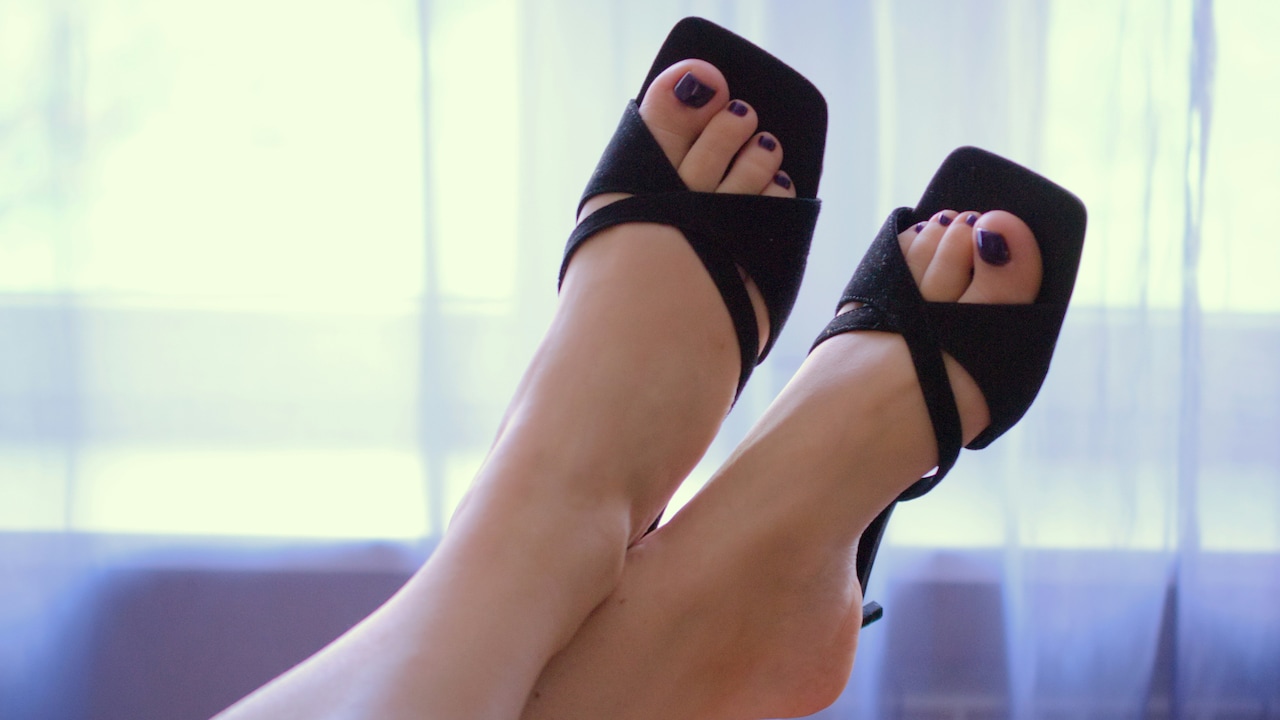
Why Flat Footwear Loses Cushioning Over Time and How It Affects Comfort; Photo Credit: Pexels
5. Body Weight and Walking Style
Every step carries body weight through the feet. Flats distribute that weight evenly, but cushioning still absorbs repeated pressure. Heavier loads compress cushioning faster, especially in heels and forefoot areas.
Walking style matters just as much. Some land heavily on heels, while others place more pressure on the ball of the foot. Over time, cushioning wears unevenly, creating thin spots. That imbalance changes posture subtly, often leading to knee or lower back discomfort.
Fast walking on hard surfaces increases impact. Rushing for buses, climbing stairs, or standing for long hours adds stress to flats not designed for constant strain.
Choosing footwear with adequate support for personal walking habits reduces wear. Understanding how feet move helps extend cushioning life and keeps everyday steps comfortable.
6. Thin Soles and Fashion-First Designs
Fashion often wins over function. Many flats prioritise sleek silhouettes and minimal soles to match modern outfits. While visually appealing, thin soles leave little room for durable cushioning.
Such flats feel comfortable initially due to softness rather than support. Cushioning compresses quickly because there simply isn't enough material to withstand daily pressure. After a short period, the foot feels every pebble and crack beneath.
Pointed flats and ballet styles often suffer this fate. Their narrow design limits cushioning thickness. Wearers then adjust posture unconsciously, straining arches and toes.
Balancing style with substance matters. Flats can look elegant while still offering supportive soles. Spotting designs that combine both saves feet from unnecessary discomfort and keeps favourite pairs wearable for longer.
7. Overuse Without Rotation
Wearing the same pair every day shortens its life significantly. Cushioning needs time to decompress after use. Without rest, foam remains flattened and gradually loses elasticity.
Rotating between two or three pairs allows each to recover shape. This simple habit can double the lifespan of cushioning. It also keeps feet feeling fresher, as different designs support muscles in varied ways.
Overuse often happens due to convenience. A favourite pair sits by the door, ready to slip on. Days turn into months without change. Comfort declines slowly, making the cause easy to miss.
Building a small rotation works better than constant replacements. Feet benefit, and footwear performs as intended for longer stretches.
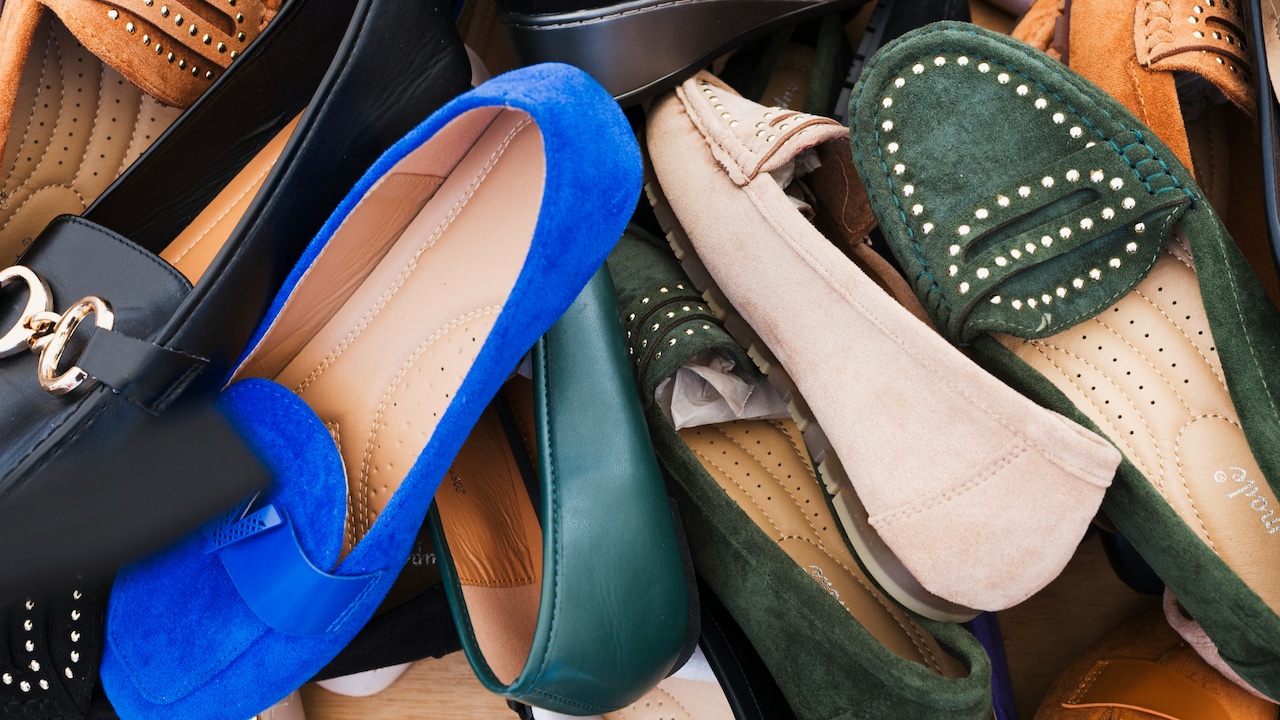
Why Flat Footwear Loses Cushioning Over Time and How It Affects Comfort; Photo Credit: Pexels
8. Lack of Arch Support and Its Ripple Effect
Many flats offer minimal arch support. Cushioning then carries the burden of compensating for that lack. Over time, foam collapses under uneven pressure from unsupported arches.
When arches fall slightly with each step, cushioning thins faster in the midfoot area. The foot works harder to maintain balance. This strain spreads upward, affecting ankles and calves.
Discomfort may start as mild soreness and grow into persistent fatigue. The footwear gets blamed, but the issue lies in design limitations rather than defects.
Flats with built-in arch support or removable insoles distribute pressure more evenly. Cushioning then lasts longer and feels consistent throughout the day.
9. Ageing of Materials Over Time
Even unused flats age. Cushioning materials degrade naturally due to oxidation and exposure to air. Foam dries out, loses flexibility, and becomes brittle.
Pairs stored for years may look fine, but feel uncomfortable from the first wear. Cushioning no longer responds as it once did. That sudden discomfort surprises many who expect unworn footwear to feel new.
Temperature changes speed up ageing. Hot summers and cool winters cause expansion and contraction within materials. Over time, this weakens the internal structure.
Using flats regularly but not excessively keeps materials active and flexible. Long-term storage without care often does more harm than daily use with moderation.
10. Impact on Overall Comfort and Daily Life
Lost cushioning affects more than feet. It influences mood, energy levels, and willingness to stay active. A simple walk begins to feel like a chore when every step jars the body.
Discomfort distracts during work hours. It shortens patience in queues and drains enthusiasm for evening outings. Over time, posture adjusts to avoid pain, inviting new aches elsewhere.
Replacing worn flats restores comfort instantly. Many feel surprised by how much difference fresh cushioning makes. Walking feels lighter. Standing feels easier.
Paying attention to early signs of cushioning loss prevents prolonged discomfort. Comfort supports confidence, movement, and daily joy in small but meaningful ways.
Products Related To This Article
1. El Paso Women Open Toe Flats
2. Anouk Women Mojaris Flats
3. EARTON Women Open Toe Flats
4. Mochi Women Solid Open Toe Flats
5. Allen Solly Women Snake Skin Printed Open Toe Flats
6. Max Women Woven Design Open Toe Flats
7. YK Girls Embellished Mules Flats
Flat footwear plays a quiet yet vital role in everyday comfort. Cushioning loss happens gradually, shaped by materials, habits, and environment. Ignoring the signs often leads to unnecessary strain and fatigue.
Understanding the causes helps make better choices, from rotating pairs to storing them properly. Comfort does not demand constant buying, only mindful use and timely replacement.
When flats support rather than fight each step, daily life feels smoother. Feet carry the body through countless moments. Treating them kindly begins with cushioning that still does its job.
(Disclaimer: This article may include references to or features of products and services made available through affiliate marketing campaigns. NDTV Convergence Limited (“NDTV”) strives to maintain editorial independence while participating in such campaigns. NDTV does not assume responsibility for the performance or claims of any featured products or services.)