What Is The Difference Between A Windcheater And A Raincoat
Wondering about the difference between a windcheater and a raincoat? Learn their purpose, materials, weather suitability, and how to choose the right one.

What Is The Difference Between A Windcheater And A Raincoat
When the weather starts acting unpredictably, many people grab a light outer layer before going out. Kinda like, if it is a breezy evening walk, or a sudden drizzle on the commute, or some outdoor adventure where plans shift mid-minute, weather protection jackets end up being everyday must-haves. But there is this question that keeps popping up and it kind of confuses shoppers: should you pick a windcheater or a raincoat? At first glance, they can look pretty similar, yet these two pieces are meant for different kinds of weather, and they bring different advantages with them. This article goes over what separates a windcheater from a raincoat, the key traits to look for, when each one makes the most sense, and how to decide which option fits what you actually need best.

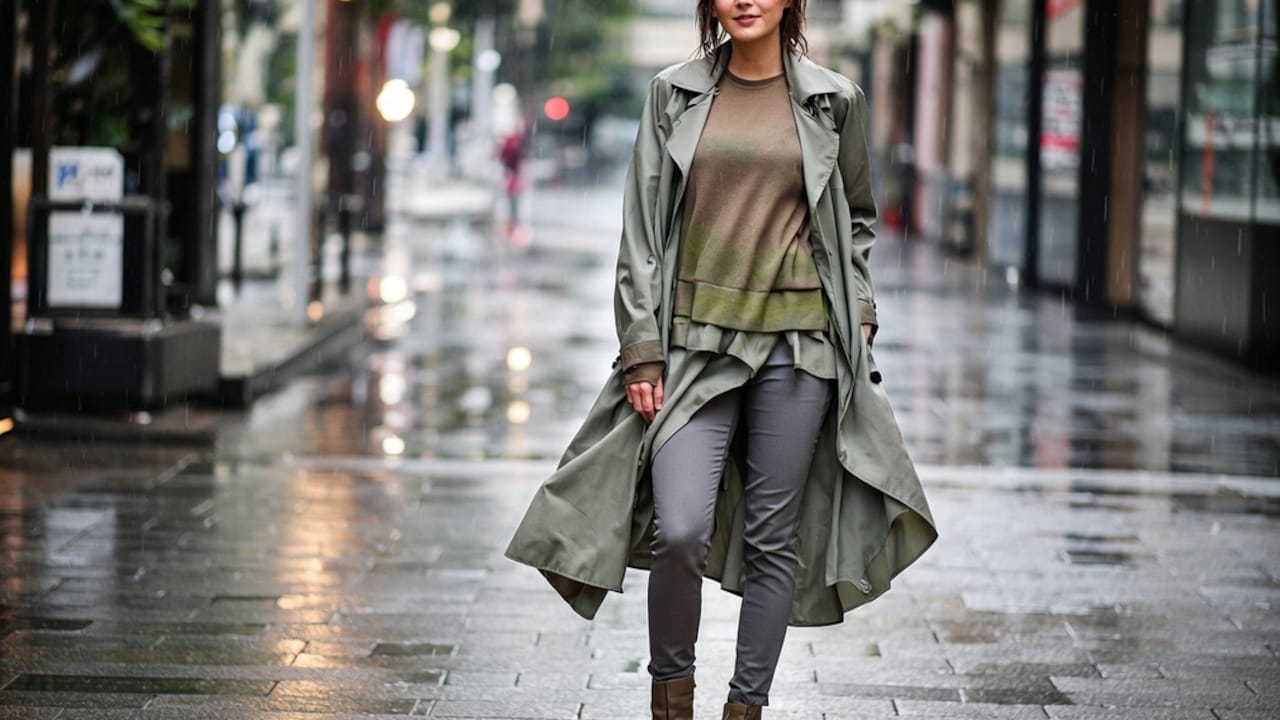
Learn how to choose between windcheaters and raincoats based on your specific weather needs; Photo Credit: iStock
Also Read: Top 5 Raincoats That Look Exciting And Will Battle Monsoon Fury Easily; Check Big Discounts
Understanding Windcheaters And Raincoats
At first glance, windcheaters and raincoats may appear quite similar. Both are made like protective outer-layer things and are often worn when the weather can go a bit haywire. Still, their actual making, goal, and how well they work will be different depending on what kind of conditions they are meant for.
To figure out the difference between a windcheater and a raincoat, it usually helps to first get a feel for what each piece is meant to do and how it tends to keep you sheltered.
What Is A Windcheater?
A windcheater is this lightweight jacket meant mainly to fend off strong winds and mild weather. Usually, it's built from synthetic stuff like nylon or polyester, which helps stop cold air from working its way through the fabric.
People also like that windcheaters tend to be breathable, pleasant to wear, and not too bulky to pack away. That's why they show up a lot for jogging, hiking , cycling, and everyday commuting. Some versions can have a touch of water resistance, but they're not really meant for heavy rain at all.
What Is A Raincoat?
A raincoat is specifically designed to keep the wearer dry during rain. It is made from waterproof materials, or sometimes water-resistant ones, so the water does not seep through the fabric. Raincoats usually have sealed seams, a waterproof coating, and one or two attached hoods, and they often reach farther down for more coverage compared to windcheaters. Their main idea is rain protection, not only ventilation or pure wind resistance.
Key Differences Between A Windcheater And A Raincoat
Although both garments serve as protective outerwear, they differ in several important ways.
1. Purpose
A windcheater is more like a layer meant to defend you from strong winds, while a raincoat is mostly for keeping you dry when it starts raining.
2. Material
Windcheaters are usually made from lightweight synthetic materials, like nylon or polyester. Raincoats, meanwhile, use waterproof or water-resistant fabrics, which make sure the rain doesn't really get in or, rather, doesn't manage to penetrate.
3. Water Protection
Most windcheaters offer limited water resistance and can handle drizzles. Raincoats provide much stronger protection against moderate to heavy rain.
4. Breathability
Windcheaters are typically more breathable, making them a preferred choice for outdoor activities. Raincoats can feel less ventilated since they mainly prioritise waterproofing, and that focus squeezes out air movement, even if they still work pretty well.
5. Weight
Windcheaters are lightweight and easy to carry. Raincoats can be a bit heavier because their waterproof construction is built a little more solidly, like on purpose.
6. Comfort During Physical Activities
For stuff like jogging, cycling, and trekking, windcheaters often feel more comfortable because they allow better airflow.
7. Coverage
Raincoats usually offer more coverage with longer lengths and attached hoods, while windcheaters tend to have a shorter, sportier design.
8. Best Weather Conditions
Windcheaters work best in windy and mildly cool weather. Raincoats are ideal for rainy and wet conditions.
9. Portability
Many windcheaters can be folded into compact sizes for convenient storage. Raincoats are also portable but may take up slightly more space depending on the material.
Which One Should You Choose?
It really depends on the weather conditions and the things you intend to do that day. If you often deal with strong winds, mild chill, or those occasional light showers, then a windcheater can give enough coverage while still staying comfortable and lightweight.
On the flip side, if you're in a place where it rains a lot, or you're regularly travelling during monsoon season, then a raincoat tends to be a more practical spend because it gives better water protection.
Also, some newer jackets mix windproof and waterproof tech, giving you a kind of compromise. Yet, if you take a moment to figure out what you need most, it usually becomes easier to pick the right one.
Are Windcheaters Waterproof?
This is one of the most common misconceptions among buyers. Most windchesters are not fully waterproof. They usually have water-resistant coatings that can handle drizzle or short contact with moisture, but when the rain keeps going, like in a sustained downpour, water can slowly make its way through the fabric. So, if your goal is to remain completely dry, then in the end, a proper raincoat is still the better option.
When Does A Windcheater Work Better Than A Raincoat?
There are moments where a windcheater can be the more comfortable option, depending on what you're doing. For stuff like running, cycling, trekking, or travelling through cool breezes, windcheaters bring some shelter without you overheating. Because they tend to be lightweight and breathable, they feel easier to keep on for longer stretches, even when the air is a bit moody.
Raincoats, though, can end up feeling warmer and less ventilated, especially when you are not actually getting rain, so it becomes a bit stifling.
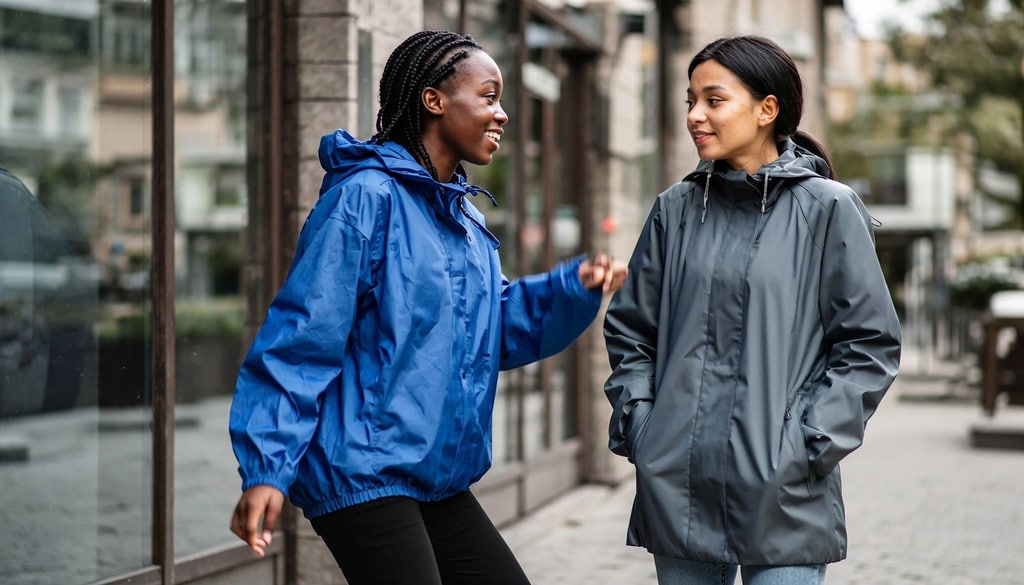
Discover the main differences in materials and weather protection between windcheaters and raincoats. Photo Credit: iStock
Some Raincoat And Windcheater Products You May Like
1. ZEEL Rain Coat
2. Robust PVC Waterproof Raincoat
3. Boldfit Windcheater Jacket
4. Robust Pongee Rain Suit
5. Boldfit Windcheater Jacket
6. JACK & JONES Mens
7. AWIBE Men's Windcheater Jacket
8. ZEEL Water Fighter Raincoat
Frequently Asked Questions (FAQs)
1. Can a windcheater be used in the rain?
A windcheater can handle drizzles and misty situations, but it is not really built for heavy or prolonged rainfall. A raincoat provides much better water defence and remains more reliable if the weather gets rough.
2. Is a raincoat warmer than a windcheater?
Well, not really. Raincoats are more about keeping things dry, waterproofing, and stuff, whereas warmth is more tied to how the jacket lining sits and what kind of insulation it has. Also, some windcheaters can feel surprisingly warmer when it's windy, even if people assume wind means colder, but sometimes that works out.
3. Which is better for trekking: a windcheater or a raincoat?
For dry and pretty windy conditions, a windcheater can be more comfortable. In general, a waterproof raincoat is the safer option during wet weather, especially when it's raining.
4. Are windcheaters breathable?
Yes. Most windcheaters are built to let airflow through while blocking the wind, which makes them fit for outdoor activities, sports, and a few everyday walks. They're like a light barrier, so you can move around without getting blown out.
5. Can I wear a windcheater in winter?
A windcheater can help tone down the chill from cold winds, but it might not be able to give enough insulation when winter gets frigid. In most cases, layering is usually recommended because it helps trap heat in a steadier, more adaptive way.
(Disclaimer: This article may include references to or features of products and services made available through affiliate marketing campaigns. NDTV Convergence Limited (“NDTV”) strives to maintain editorial independence while participating in such campaigns. NDTV does not assume responsibility for the performance or claims of any featured products or services.)