When Do Jeans Stay Comfortable On Long Commutes And Cab Rides? What Really Makes The Difference
Jeans can feel effortless or exhausting on long commutes. From fabric and fit to stretch and seams, discover what really keeps denim comfortable during extended cab rides and daily travel across the city.
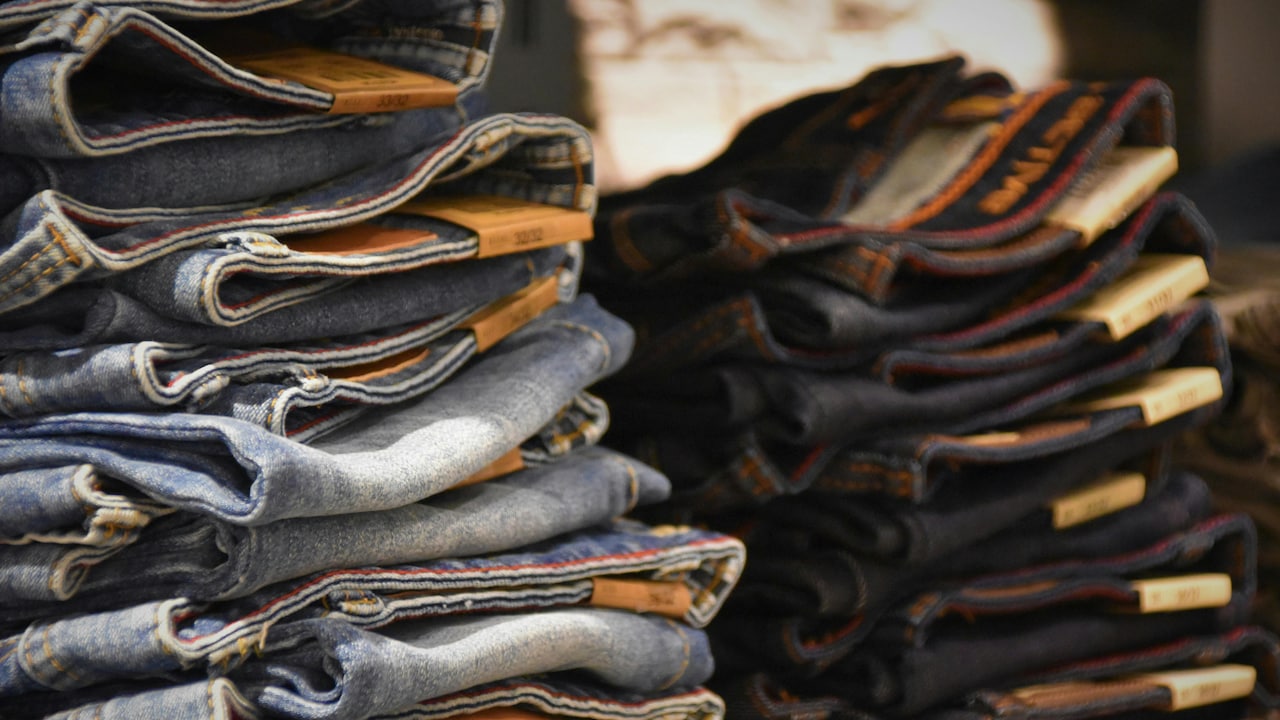
How to find jeans that stay comfortable on long commutes and cab rides daily.
Long commutes form a daily ritual for millions. Early mornings bring hurried breakfasts, quick glances at traffic apps, and the familiar decision of what to wear. Jeans often win by default. They feel dependable, smart enough for work, and casual enough for the ride back home. Yet comfort in denim changes once travel stretches beyond fifteen minutes.
A cab ride that starts smoothly can turn stiff after an hour at a signal. A metro seat that felt fine at the first station begins to pinch by the tenth. Jeans promise durability, but comfort demands more thought. The difference between an easy journey and an exhausting one often comes down to small details that rarely receive attention.
This article looks closely at those details. It explores the moments when jeans support long hours on the road and when they quietly rebel. Each section reflects everyday travel realities, from humid afternoons to late-night rides, offering clarity on how denim can work with the body rather than against it.
When Do Jeans Stay Comfortable On Long Commutes And Cab Rides
Photo Credit: Pexels
What Really Determines Comfort During Long Rides
1. Fabric Matters More Than Labels
Comfort begins with fabric. Denim may look similar across racks, yet the feel during long commutes changes dramatically based on composition. Pure cotton denim feels breathable and soft, but can grow rigid after hours of sitting. Blended fabrics with elastane or lycra adapt better to movement, especially during repeated standing, sitting, and slight stretching in traffic.
On a long cab ride across the city, knees bend for extended periods. A fabric that stretches gently prevents pressure around joints. Thick, heavy denim may promise durability, but it traps heat and restricts airflow. This becomes noticeable during afternoon rides when sunlight warms the cabin.
Lightweight denim works better for daily travel. It allows air circulation and reduces the stiff feeling that builds over time. The difference becomes clear when stepping out of a cab after an hour and walking without that awkward leg stretch.
Choosing fabric wisely transforms jeans from rigid workwear into flexible travel companions. Labels fade in importance once the body starts reacting to material quality.
2. The Right Fit Saves the Journey
Fit shapes comfort more than fashion trends. Skinny jeans may look sharp, but often tighten around thighs and calves during prolonged sitting. This leads to constant shifting, leg numbness, and quite irritation by the end of the ride.
Relaxed or straight fits offer more room for natural movement. They reduce pressure points and allow muscles to rest during long hours. High-rise jeans distribute weight evenly around the waist, preventing digging or rolling when seated.
Low-rise styles often slip and require frequent adjustment, especially during stop-and-go traffic. That constant need to tug fabric back into place breaks comfort and concentration.
A good fit feels supportive rather than restrictive. When jeans follow body contours without clinging, long commutes feel less tiring. Comfort comes from ease, not tight tailoring meant for short outings or standing events.
3. Stretch Turns Stillness Into Comfort
Stretch denim quietly changes the commute experience. Long cab rides involve limited movement, which causes stiffness in rigid fabrics. Stretch allows jeans to respond to subtle shifts in posture, easing tension around hips and knees.
During traffic jams, legs remain bent at the same angle for extended periods. Without stretch, fabric presses against joints and restricts blood flow. This leads to that familiar urge to stand up immediately after the ride ends.
Stretching also helps during crowded public transport. Quick steps, sudden stops, and standing balance require flexibility. Jeans that move with the body reduce strain and prevent that tight pulling sensation.
The key lies in moderation. Too much stretching causes sagging and loss of shape by the end of the day. Balanced stretch supports movement while retaining structure, keeping jeans comfortable from morning commute to evening return.

When Do Jeans Stay Comfortable On Long Commutes And Cab Rides? What Really Makes The Difference
Photo Credit: Pexels
4. Waistbands Decide Mood Early On
The waistband often determines comfort within the first ten minutes of travel. A rigid waistband digs into the stomach during seated positions, especially after meals grabbed in a rush. Elasticated or partially flexible waistbands adapt better to natural body changes throughout the day.
High-quality waistbands stay firm without biting into the skin. They sit smoothly against the body, even during long drives. Poorly designed ones curl, pinch, or create pressure that distracts from everything else.
Morning commutes often follow breakfast or tea. A tight waistband becomes noticeable almost immediately. Over time, that discomfort grows and affects posture, leading to back strain.
A well-constructed waistband supports without squeezing. It keeps jeans in place during movement while allowing breathing space. Comfort during long rides often starts and ends right here.
5. Weather Plays a Quiet Role
Climate influences denim comfort more than expected. Humid mornings turn thick jeans into heat traps. Sweat builds, fabric sticks, and irritation follows. Breathable denim prevents this sticky discomfort during long waits at traffic signals.
During cooler months, jeans feel more forgiving. The fabric stays dry, and longer rides feel manageable. Yet overly thick denim can still restrict movement, regardless of temperature.
Season-appropriate choices matter. Lighter denim suits warmer days, while medium-weight options work better during cooler evenings. Colour also affects heat absorption. Dark shades trap more warmth, which becomes noticeable during afternoon rides.
Comfort rises when jeans align with weather conditions. Ignoring this connection often leads to unnecessary discomfort that no seat adjustment can fix.
6. Stitching and Seams Affect Sitting Comfort
Seams rarely receive attention until discomfort appears. Thick inner thigh seams rub during prolonged sitting, especially on leather or vinyl seats. Over time, this causes irritation and constant repositioning.
Flat or well-finished seams reduce friction. They allow legs to rest naturally without pressure points. Back pocket placement also matters. Bulky stitching or thick patches press into seats, creating awkward angles during long rides.
Poor seam placement becomes painfully obvious during hour-long journeys. The body reacts by shifting weight, leading to fatigue and lower back strain.
High-quality construction keeps seams smooth and unobtrusive. This small detail often separates jeans meant for short wear from those designed for all-day comfort.
7. Length and Hem Decide Leg Ease
Jeans that drag or bunch at the ankles affect comfort more than style. Excess fabric folds under the legs when seated, creating pressure and restricting circulation. This leads to that stiff-legged feeling after standing up.
Proper length allows hems to rest lightly without stacking. Cropped or ankle-length jeans often feel more comfortable during long rides, especially in warmer weather.
Overly long jeans also trap heat around the legs. During slow-moving traffic, this adds to discomfort. A clean hemline keeps legs free and allows air to circulate.
Choosing the right length ensures freedom of movement. Comfort improves when fabric flows naturally rather than gathering where it does not belong.
8. Travel Duration Changes Denim Behaviour
Short rides rarely reveal denim flaws. Comfort issues emerge during extended commutes. Thirty minutes feels manageable in most jeans. An hour exposes stiffness, poor fit, and lack of stretch.
During long cab rides, posture remains fixed. Jeans that resist movement slowly create tension in the hips and knees. This tension builds unnoticed until the journey ends.
Frequent travellers often develop preferences based on experience. Certain pairs become reserved for travel days, while others stay behind for shorter outings.
Understanding how jeans behave over time helps build a functional wardrobe. Comfort during long rides depends on how the fabric responds to stillness as much as movement.
Also Read: How To Choose Between High-Rise, Mid-Rise And Low-Rise Jeans For Your Body Type
9. Footwear and Jeans Work Together
Comfort does not exist in isolation. Shoes influence how jeans feel during travel. Tight shoes combined with restrictive jeans amplify discomfort, especially during long sits.
Flexible footwear encourages slight leg movement, which keeps circulation flowing. This movement works best with stretch denim that responds naturally.
Heavy boots or rigid shoes paired with stiff jeans create a trapped feeling. The body feels boxed in, leading to restlessness.
Balanced combinations support comfort. Lightweight shoes and flexible jeans work together to make long journeys less draining.
10. Mental Ease Reflects Physical Comfort
Comfort affects mood. When jeans feel right, attention shifts away from the body and towards the day ahead. Discomfort, however, lingers in the background, quietly draining energy.
Long commutes already test patience. Uncomfortable clothing adds another layer of frustration. Jeans that fit well and move easily reduce this burden.
Confidence also plays a role. Knowing that an outfit works for long travel creates mental ease. That ease reflects in posture, breathing, and overall experience.
Comfortable jeans do more than protect the body. They support emotional calm during journeys that often demand resilience.

When Do Jeans Stay Comfortable On Long Commutes And Cab Rides
Photo Credit: Pexels
Products Related To This Article
1. Red Tape Women Mid-Rise Jeans
2. H&M Wide High Jeans
3. Urbano Fashion Men Loose Fit Washed Non-Stretchable Jeans
4. Miss Chase Women Garden Phlox Wide Leg High-Rise Light Fade Stretchable Jeans
5. Bene Kleed Men Mid-Rise Bootcut Jeans
6. Suo Men Skinny Fit Mid-Rise Light Fade Jeans
7. LULU & SKY Women Wide Leg High-Rise Stretchable Jeans
8. Roadster Women Blue Skinny Fit High-Rise Clean Look Stretchable Cropped Jeans
Jeans stay comfortable on long commutes and cab rides when thoughtful choices guide their selection. Fabric breathability, balanced stretch, proper fit, and attention to small construction details all contribute to how denim behaves over time. Weather, duration, and even footwear shape the experience further.
Comfort rarely comes from trend-driven purchases. It emerges from understanding how the body interacts with clothing during real-life situations. Long journeys magnify every flaw and reward every smart choice.
When jeans work in harmony with movement, posture, and climate, they become reliable companions rather than silent obstacles. The right pair turns long rides into manageable pauses rather than endurance tests. In the end, comfort defines not just how a journey feels, but how the day unfolds after stepping out of the cab.
(Disclaimer: This article may include references to or features of products and services made available through affiliate marketing campaigns. NDTV Convergence Limited (“NDTV”) strives to maintain editorial independence while participating in such campaigns. NDTV does not assume responsibility for the performance or claims of any featured products or services.)