When Thick Fabrics Look Premium and When They Just Look Bulky
Thick fabrics can signal luxury or look unnecessarily heavy. The difference lies in tailoring, texture, colour and context. Explore why some thick fabrics look luxurious and others just bulky.
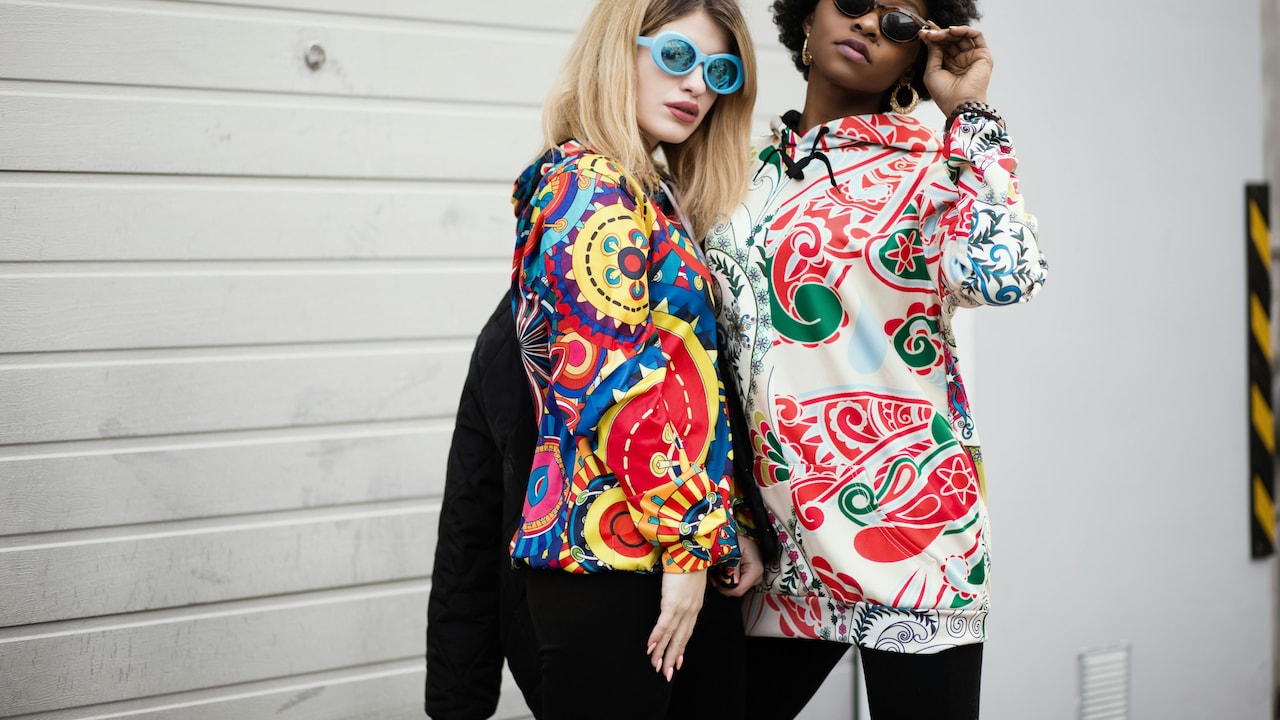
Thick Fabrics In Fashion: When They Look Luxurious And When They Just Add Bulk.
Walk into any fabric store before the festive season, and the racks tell a story. Plush velvets, dense silks, wool blends and layered cottons promise warmth, structure and drama. Thick fabrics often signal value. They feel substantial in hand and reassuring on the body. Many people equate weight with quality, especially when paying a higher price. Yet the same fabric that looks regal on one person can appear clumsy on another. A jacket may feel luxurious on the hanger, but awkward once worn. Thick materials demand balance. They reward thoughtful design and punish careless styling.
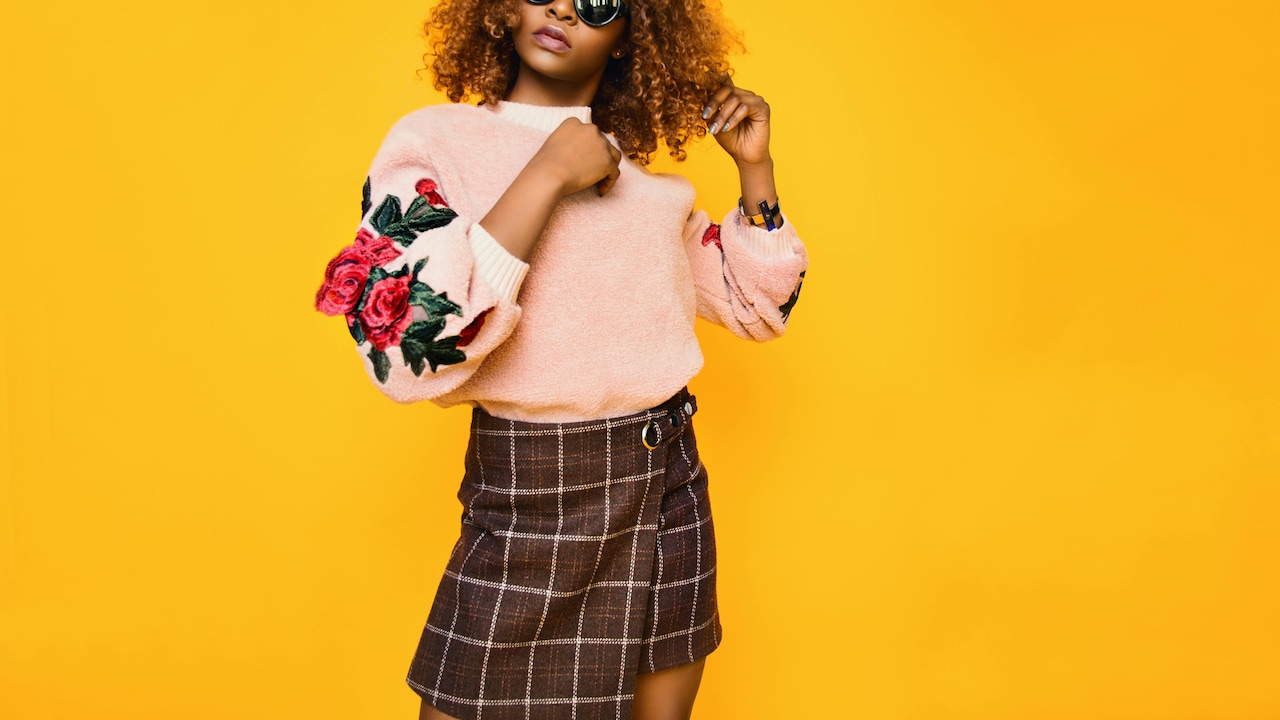
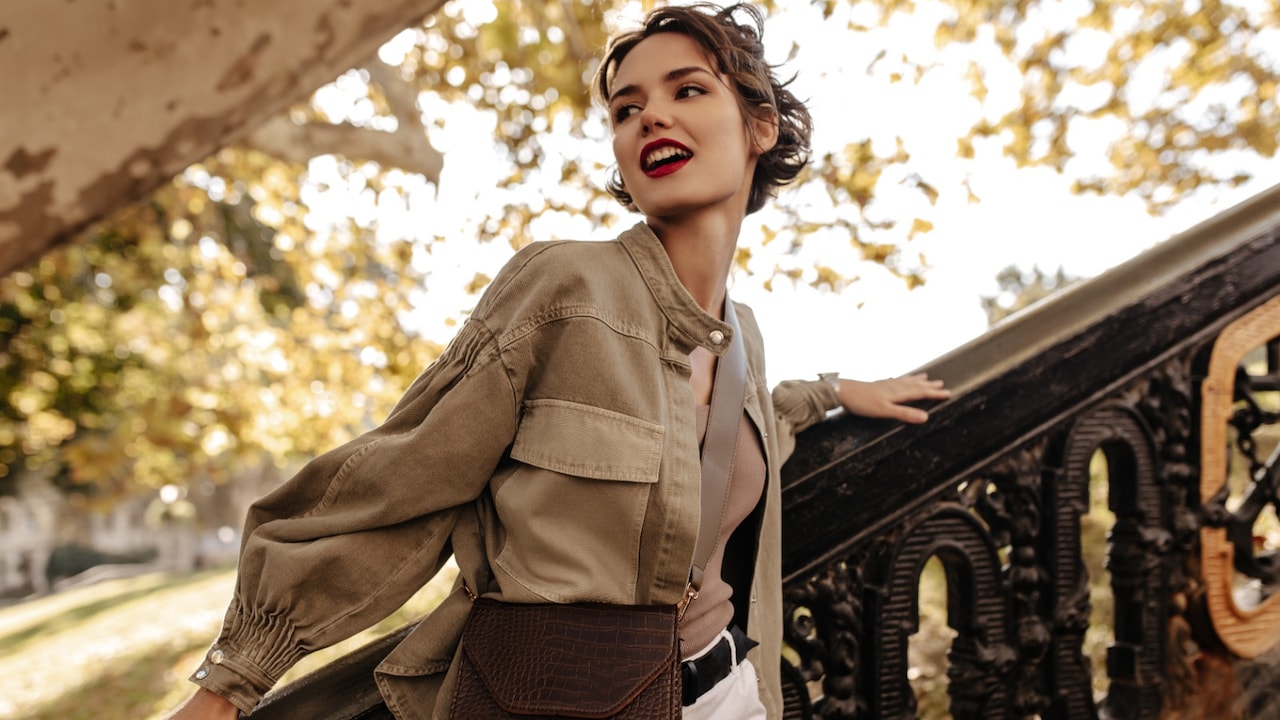
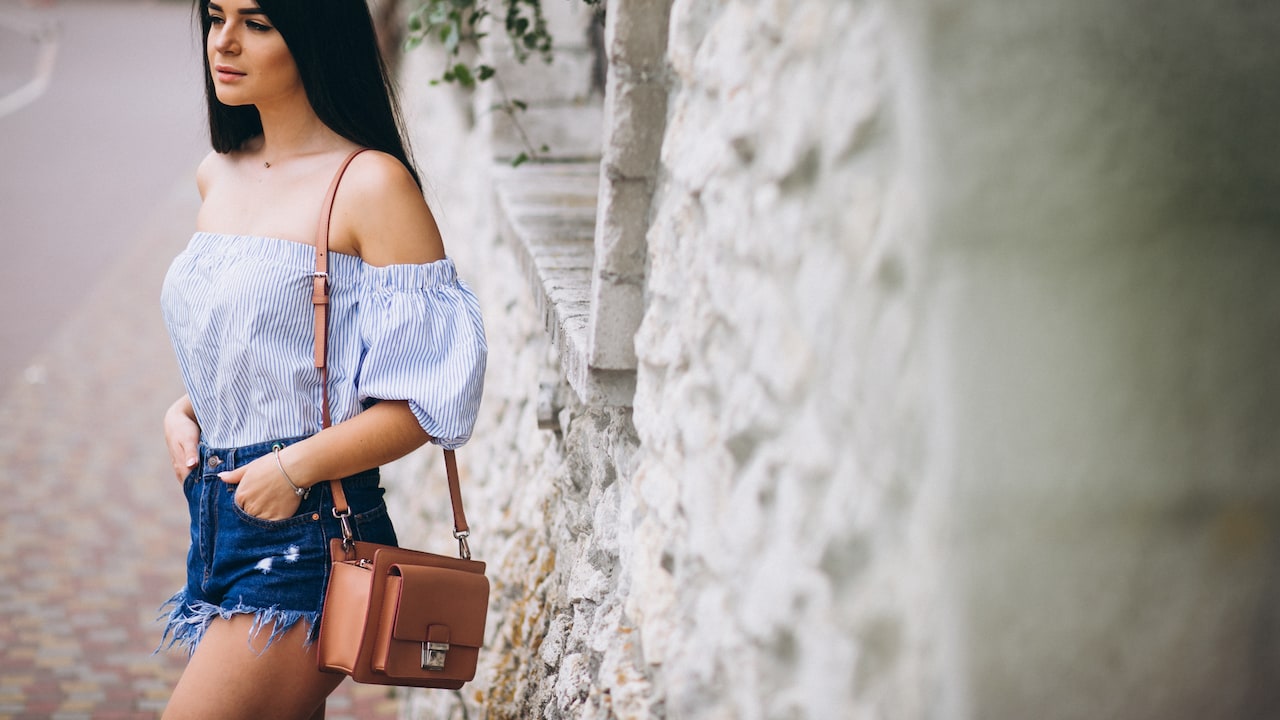
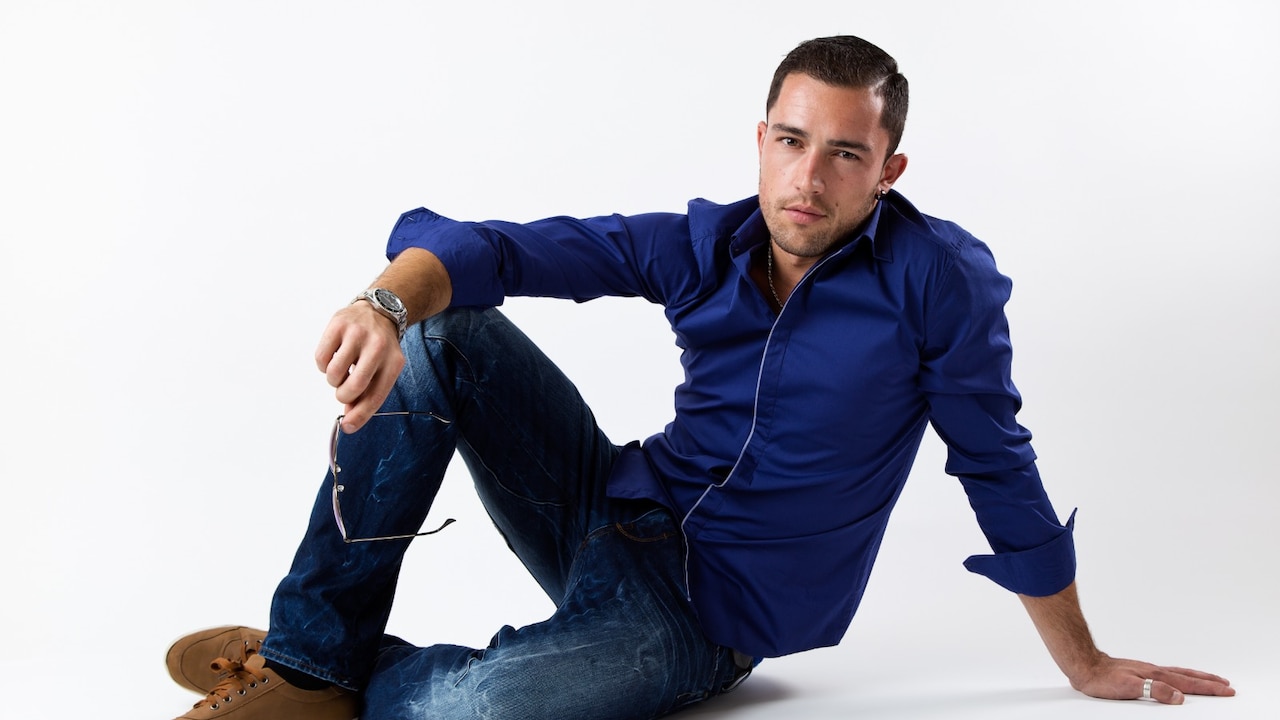
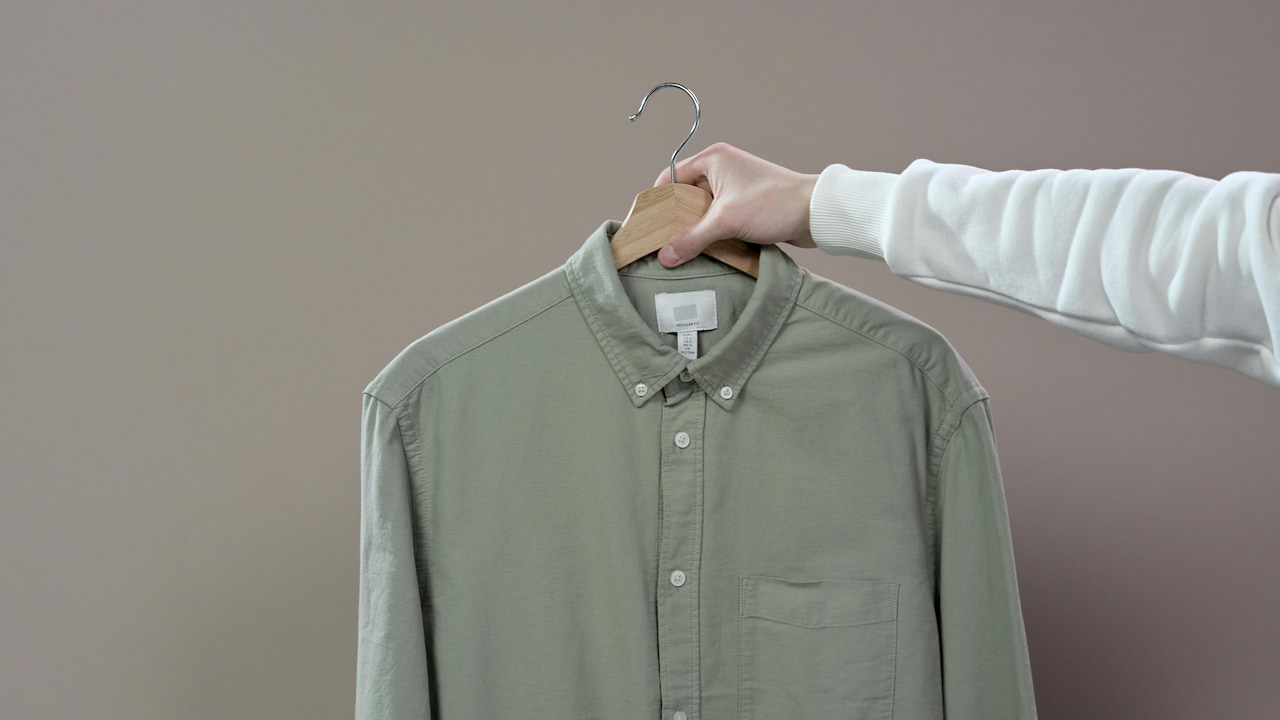
How to pick thick fabrics that look luxurious but don't feel bulky; Photo Credit: Pexels
Understanding this balance matters. Clothes shape first impressions, comfort levels and confidence. Thick fabrics can flatter or overwhelm, depending on how they meet the body and the moment. The sections ahead break down exactly when thickness works in favour of style and when it tips into bulk.
Also Read: 10 Best Fabrics That Will Not Stick To Your Skin In Hot And Humid Weather
What Really Makes Thick Fabrics Look Refined: Or Overwhelming
1. Fabric Density Versus Fabric Weight
Not all thick fabrics behave the same way. Density matters more than raw weight. A tightly woven wool feels smooth and refined, even when heavy. A loosely packed knit of the same weight can look puffy and untidy.
Premium fabrics hold their shape. They drape with intention and respond well to movement. Bulky ones resist flow and sit stiffly on the body. Think of a finely milled tweed blazer versus an oversized sweater that collapses at the shoulders. One feels polished, the other feels casual at best.
Shoppers often judge quality by lifting fabric rolls or garments. That habit misleads. A lighter but denser fabric often outperforms a heavier, spongy one. This difference becomes obvious after a few hours of wear, especially in humid or crowded settings.
Designers who understand density use thickness to sculpt rather than smother. The fabric supports the silhouette instead of swallowing it. That support defines premium appeal.
2. Tailoring Turns Thickness Into Elegance
Thick fabric without tailoring risks disaster. Clean cuts and precise seams turn heavy material into a statement of confidence. Poor tailoring, on the other hand, magnifies every flaw.
A structured coat offers a good example. Sharp shoulders, tapered sleeves and a defined waist make even the thickest wool feel intentional. Without these elements, the same coat resembles borrowed clothing several sizes too large.
Traditional occasion wear often uses rich, heavy textiles. When tailored well, they command attention. When stitched hastily, they create visual clutter. Extra fabric gathers where it should not. Movement feels restricted.
Tailoring also affects comfort. Thick fabrics trap heat. Proper cuts allow airflow and ease of movement. That balance keeps the wearer relaxed and poised, not restless.
Premium style respects the body beneath the cloth. Bulky style ignores it.
3. Purpose Matters More Than Season
Many people associate thick fabrics only with winter. That assumption causes styling mistakes. Thickness must match purpose first, season second.
Formal wear benefits from thicker materials. They convey seriousness and presence. A dense silk sari or a wool-blend suit works because the setting expects gravitas. Casual outings call for restraint. Heavy fabrics at a daytime café or market feel out of place and uncomfortable.
Festive evenings allow indulgence. Daytime events reward lighter layering. When thick fabrics ignore context, they look forced.
Climate also plays a role. Even during cooler months, long ceremonies and packed venues generate heat. Thick fabrics designed for movement and breathability succeed. Those chosen only for appearance fail quickly.
Premium dressing reads the room. Bulky dressing ignores it.
4. Texture Signals Luxury or Clumsiness
Texture tells a story before colour or cut. Smooth textures reflect light evenly and feel refined. Rough or uneven textures can add character, but they need restraint.
Velvet offers a useful contrast. High-quality velvet looks rich and fluid. Low-quality versions appear crushed and heavy, even when the garment fits well. The thickness remains the same, but the surface finish changes perception.
Matte textures often appear heavier than glossy ones. Designers balance this with strategic detailing. Borders, panels and trims break visual weight. Without such breaks, the fabric dominates the eye.
Premium fabrics invite touch without looking overwhelming. Bulky ones demand attention for the wrong reasons.
5. Colour Can Lighten or Weigh Down Thickness
Dark colours intensify thickness. Light shades soften it. This rule explains why the same thick fabric feels different in charcoal and ivory.
Deep hues work well when tailoring stays sharp. They enhance authority and elegance. Loose silhouettes in dark, thick fabrics create a blocky appearance.
Lighter colours forgive volume. Creams, pastels and muted neutrals reflect light and reduce visual weight. They suit flowing designs and layered looks.
Patterns also influence perception. Subtle patterns add interest without clutter. Loud prints on thick fabrics often overwhelm the frame.
Premium styling uses colour to support structure. Bulky styling lets colour fight against it.

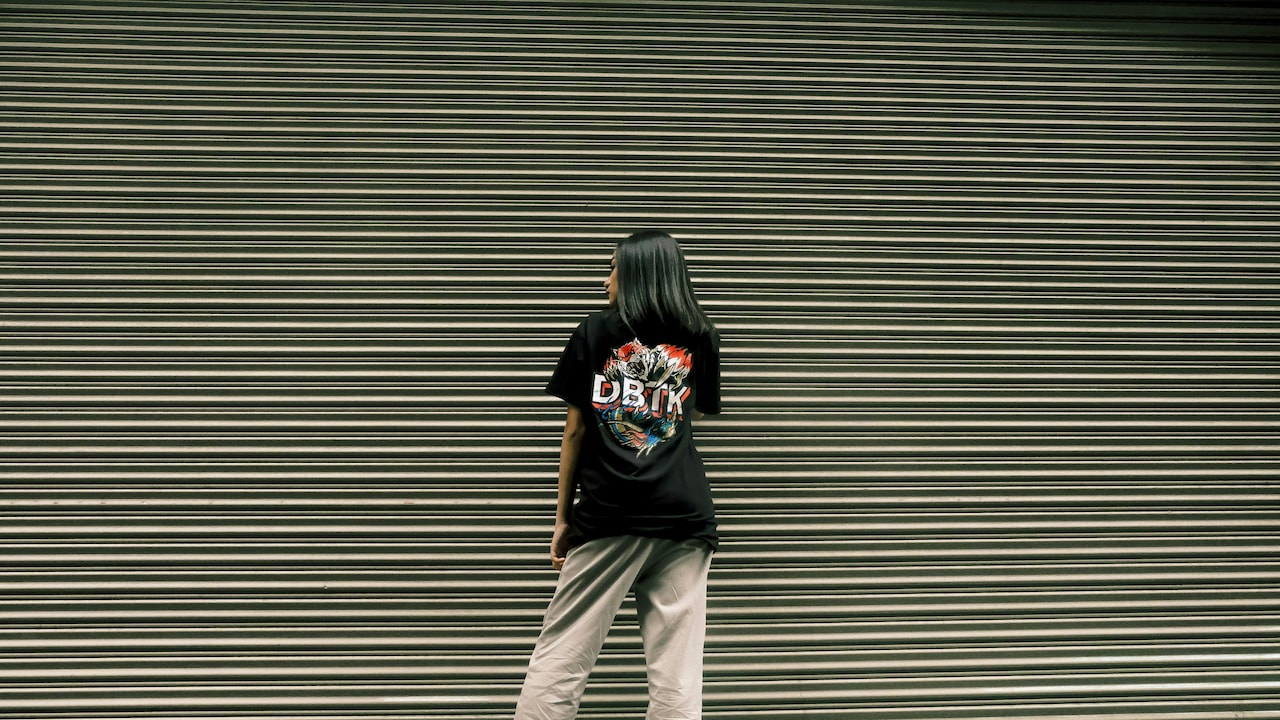
Deep colours work well for tailoring, whereas light shades reflect light and reduce visual weight; Photo Credit: Pexels
6. Body Proportion and Fabric Thickness
Every body type responds differently to thick fabrics. Awareness, not restriction, makes the difference.
Vertical elements help. Long lines, open fronts and uninterrupted panels elongate the figure. Horizontal breaks shorten it. Thick fabrics amplify these effects.
Shorter frames benefit from controlled volume. Overly thick layers stack weight where it shows most. Taller frames handle volume better, but still need balance.
Premium dressing enhances natural proportions. Bulky dressing exaggerates them without intention.
This awareness encourages smarter shopping. Choosing garments that respect proportion saves money and frustration.
7. Layering: Art or Accident
Layering transforms thick fabrics into functional elegance. It requires planning.
Thin layers beneath thick outerwear improve comfort. They allow flexibility and temperature control. Random layering creates stiffness and restricts movement.
A thick jacket over a lightweight shirt works. Adding a heavy scarf and dense sweater underneath does not. Each layer should serve a purpose.
Premium layering looks effortless. Bulky layering looks like preparation for unpredictable weather, even indoors.
Thoughtful layering also extends garment use across seasons. That versatility adds value and sustainability.
8. Craftsmanship Reveals True Quality
Stitching, lining and finishing separate premium thick fabrics from bulky ones. Neat seams reduce internal bulk. Quality linings help garments glide over the body.
Hand-finished edges feel lighter, even in heavy materials. Machine-heavy finishes often add stiffness.
Inspecting craftsmanship pays off. Well-made, thick garments age gracefully. Poorly made ones lose shape and appeal quickly.
Premium pieces justify their price through longevity. Bulky pieces feel expensive only at purchase.
9. Movement as the Final Test
Static mirrors lie. Movement reveals truth.
Walk, sit and turn. Premium thick fabrics move with the body. They bend, flow and recover shape. Bulky ones resist and crease awkwardly.
Confidence shows in movement. Comfortable garments encourage natural posture. Uncomfortable ones demand constant adjustment.
Social settings highlight this difference. Ease attracts attention quietly. Discomfort announces itself loudly.
Choosing thick fabrics that support movement ensures style lasts beyond the first impression.
10. Emotional Connection and Confidence
Clothing carries emotion. Thick fabrics often signal celebration, status or security. When chosen well, they empower.
A well-fitted heavy garment feels like armour. It grounds the wearer. A poorly chosen one feels like a burden.
Premium style aligns emotion with expression. Bulky style creates a disconnect.
Confidence remains the ultimate accessory. Thick fabrics should enhance it, not test it.
Products Related To This Article
1. Bfly Men Asymmetric Full Sleeve Dark Blue Shrug
2. AJDV ENTERPRISES Girls Straight Full Sleeve White Shrug
3. CottonAvenue Men Solid Turtle Neck Black Sweater
4. Divya clothes Women Graphic Print Collared Neck Pink, White, Grey, Gold Sweater
5. Kinjo Casual Regular Sleeves Printed Women Purple Top
6. FastColors Men Printed Round Neck Reversible Polyester Blue T-Shirt
7. Traquila Casual Regular Sleeves Solid Women Beige Top
Thick fabrics hold immense potential. They promise warmth, luxury and presence. Whether they deliver depends on choices made before and after purchase.
Density over weight, tailoring over trend, context over assumption. Texture, colour, proportion and movement all play their roles. Craftsmanship ties everything together.
When these elements align, thick fabrics look premium and feel empowering. When ignored, the same fabrics overwhelm and distract.
Style thrives on intention. Thick fabrics reward those who choose thoughtfully and wear them with confidence.
(Disclaimer: This article may include references to or features of products and services made available through affiliate marketing campaigns. NDTV Convergence Limited (“NDTV”) strives to maintain editorial independence while participating in such campaigns. NDTV does not assume responsibility for the performance or claims of any featured products or services.)