Toe Ring Slippers Vs Kolhapuri Flats: Which One Actually Works With Shararas?
Toe ring slippers or Kolhapuri flats? The right footwear can completely change how a sharara looks and feels. Here’s what actually works for comfort, style and festive dressing.
Toe Ring Slippers Vs Kolhapuri Flats: Which One Actually Works With Shararas?
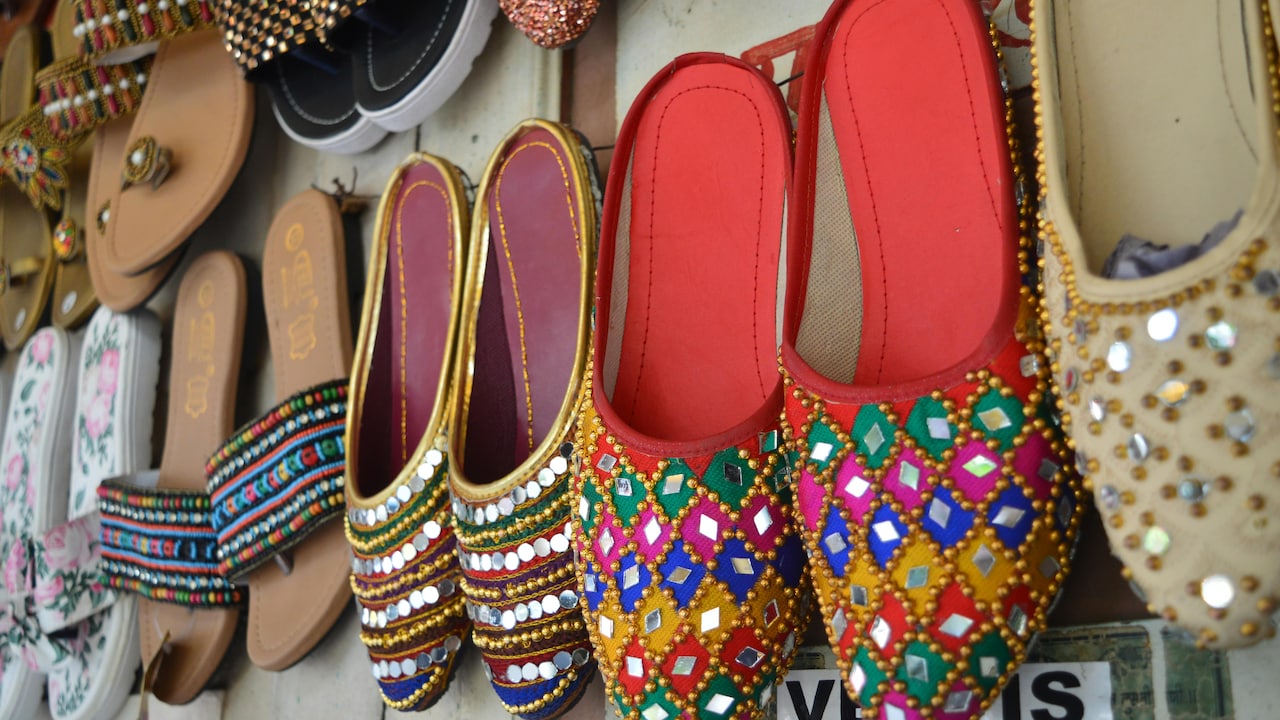
Fashion trends rarely stay still. One season celebrates chunky trainers with ethnic wear, while the next demands delicate flats and mirror-work details. Yet shararas continue to survive every trend cycle with surprising ease. Perhaps the secret lies in their versatility. A heavily embroidered sharara can dominate a wedding stage, while a breezy cotton version feels perfect for festive lunches and casual celebrations. The real challenge begins at ground level. Footwear can either elevate the entire outfit or quietly sabotage it. Toe ring slippers and Kolhapuri flats both enjoy massive popularity, especially during festive shopping seasons when markets overflow with metallic finishes, beadwork, and handcrafted details. One promises elegance with minimal effort. The other carries heritage and practicality in equal measure.'
Toe Ring Slippers Vs Kolhapuri Flats: Which One Actually Works With Shararas?
Photo Credit: Pexels
The debate becomes more interesting because shararas themselves vary wildly. Some feature dramatic flares that sweep the floor. Others stop neatly at the ankle, demanding attention to footwear. Add embroidery, mirror work, gota patti, or pastel organza into the mix, and suddenly choosing flats feels oddly complicated.
So which one genuinely works better with shararas? The answer sits somewhere between comfort, proportion, occasion, and personality.
Toe Ring Slippers Vs Kolhapuri Flats: The Ultimate Sharara Style Debate
The Grace Factor Changes Everything
Shararas rely heavily on movement. The entire silhouette comes alive while walking, twirling, climbing stairs, or even adjusting a dupatta during a family photo session. Toe ring slippers naturally support that fluid elegance. Their open structure creates a softer visual line, especially when paired with flowy georgette or chiffon shararas.
Kolhapuri flats, meanwhile, bring a grounded aesthetic. Their sturdier construction works beautifully with structured fabrics like silk or brocade. Yet they can occasionally feel visually heavy under delicate flares. A heavily embellished sharara paired with chunky Kolhapuris sometimes competes for attention instead of creating harmony.
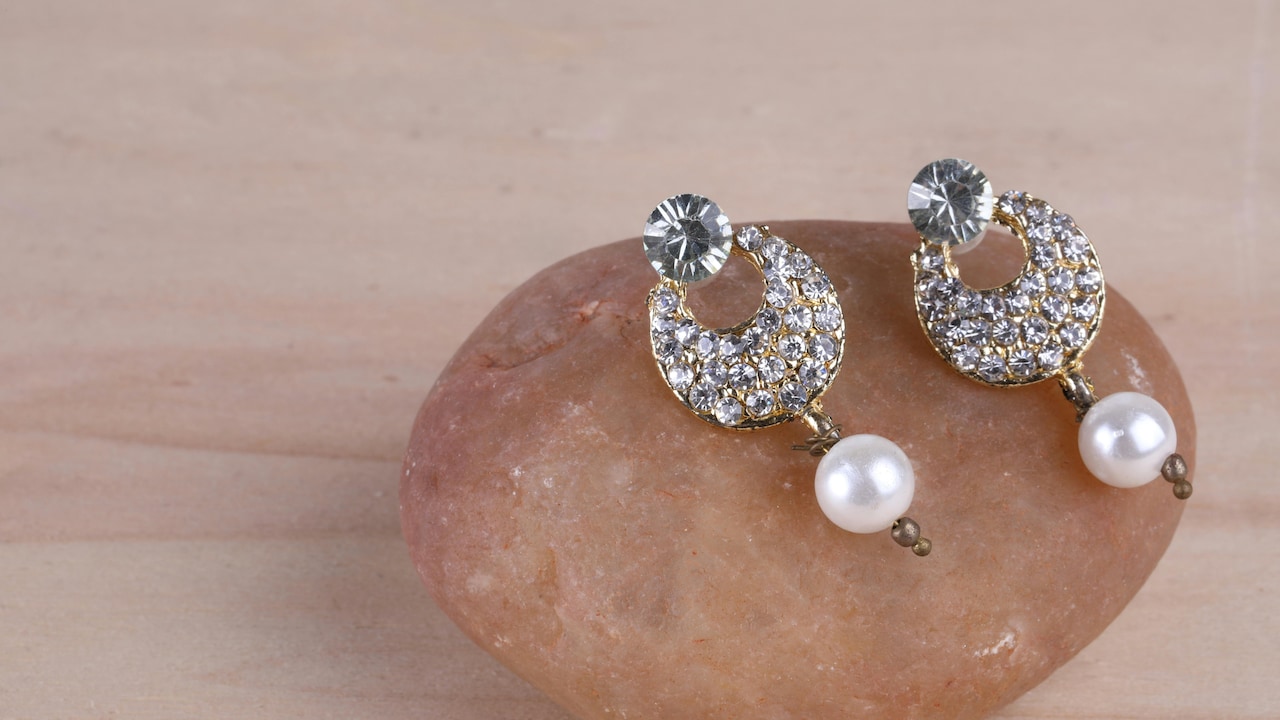
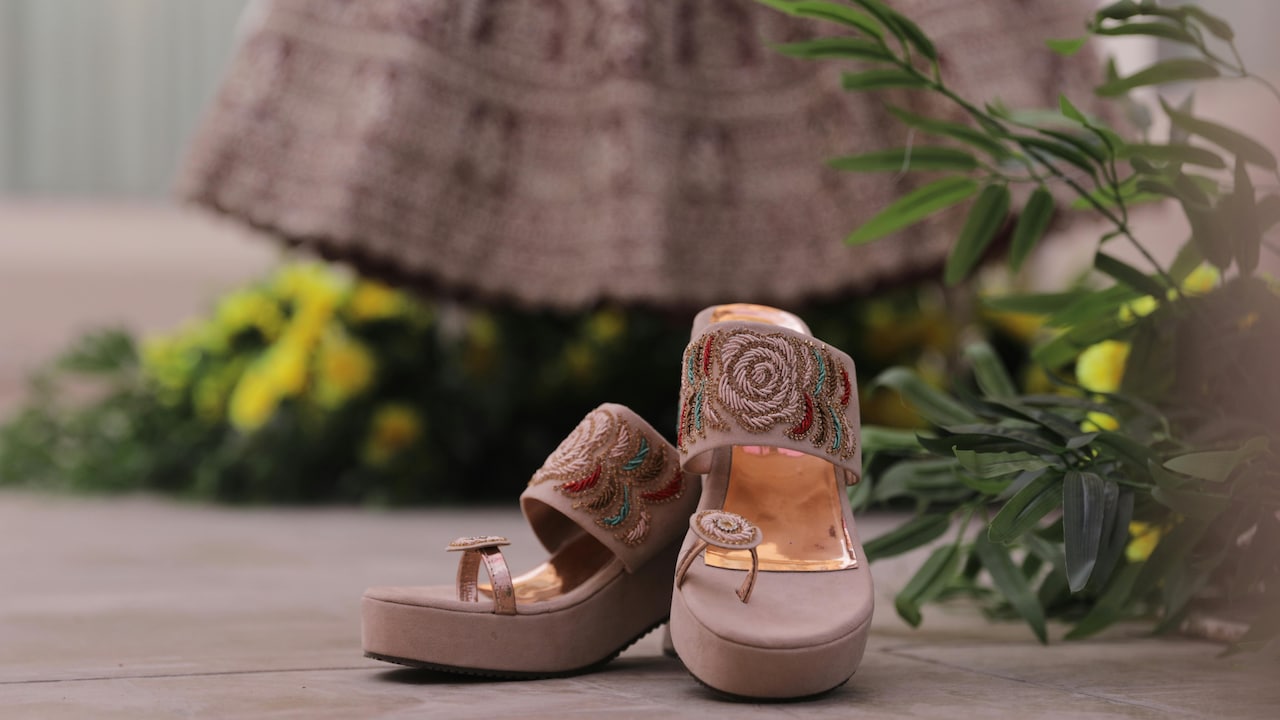
Imagine a peach sharara set at a summer sangeet. Add slim gold toe ring slippers with pearl detailing, and the outfit suddenly feels lighter and more graceful. Swap them for dark tan Kolhapuris with broad straps, and the softness shifts towards a more rustic mood.
Neither look fails entirely. They simply tell different stories. Toe ring slippers whisper elegance. Kolhapuris speak with confidence and tradition. The choice depends on whether the sharara needs softness or structure.
Comfort During Long Celebrations Matters More Than Trends
Anyone who survives wedding season knows one truth: fashionable pain loses appeal after the third hour. Functions stretch endlessly. There are dance performances, endless greetings, crowded banquet halls, and sudden moments where everyone must stand for photographs.
Kolhapuri flats usually perform better during marathon events. Their secure grip and supportive sole help during long hours of movement. Many handcrafted versions mould comfortably to the feet after a few wears. That matters greatly when navigating sprawling wedding venues or uneven outdoor lawns.
Toe ring slippers look effortlessly chic, but sometimes struggle with stability. Thin soles and minimal support can become frustrating during lengthy events. Constant slipping or adjusting quickly ruins the glamour.
Still, newer designs have improved dramatically. Cushioned toe ring slippers with padded soles now offer far more comfort than older styles. A good pair priced around ₹1,500 to ₹3,000 can survive an entire festive evening without causing regret by dessert time.
Comfort also depends on the sharara itself. Heavier outfits naturally demand more practical footwear. Nobody wants to manage embroidered flares while also struggling to keep slippers in place during a crowded baraat entrance.
Traditional Styling Gives Kolhapuris A Strong Advantage
Some outfits simply belong with certain footwear traditions. Heavily embroidered shararas featuring mirror work, Ajrakh prints, Bandhani patterns, or handloom fabrics often look more complete with Kolhapuri flats.
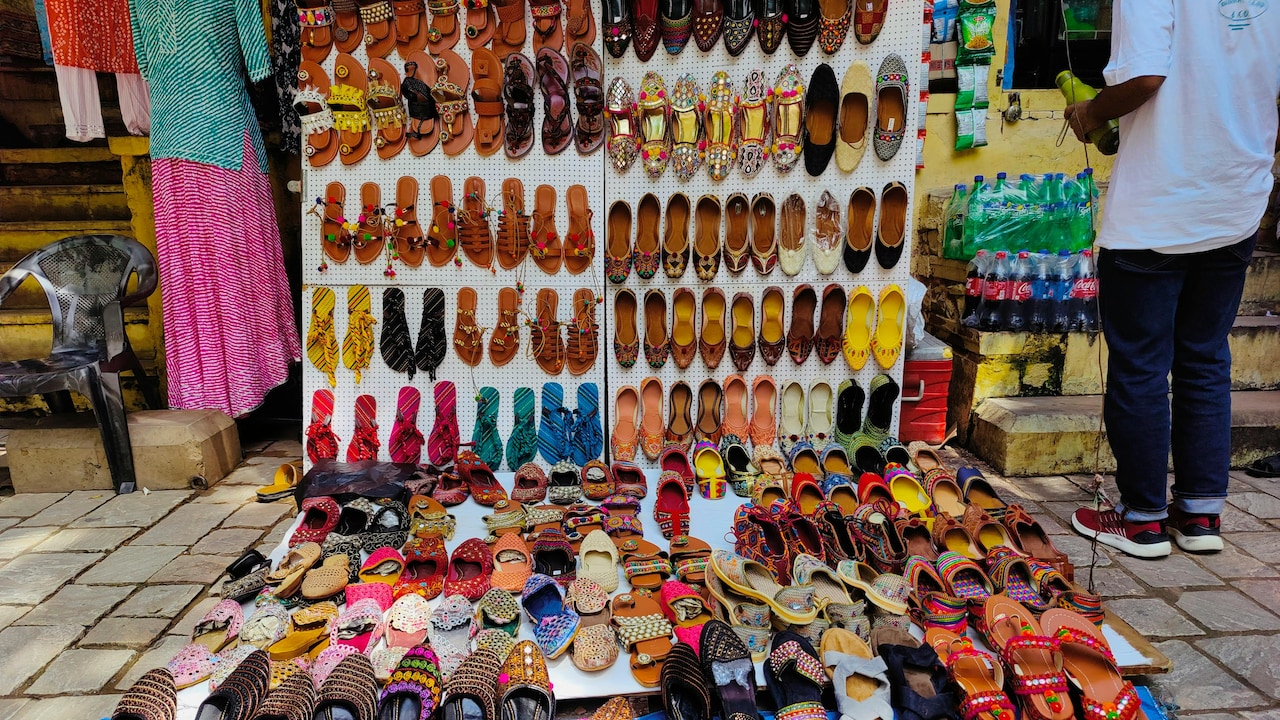
The earthy craftsmanship of Kolhapuris complements artisanal textiles beautifully. The pairing feels intentional rather than experimental. Metallic Kolhapuris with oxidised detailing especially work wonders for festive daytime events and pre-wedding celebrations.
Toe ring slippers sometimes appear too delicate against strongly traditional outfits. A vibrant sharara with intricate threadwork can overpower minimalist slippers, leaving the entire look slightly unfinished.
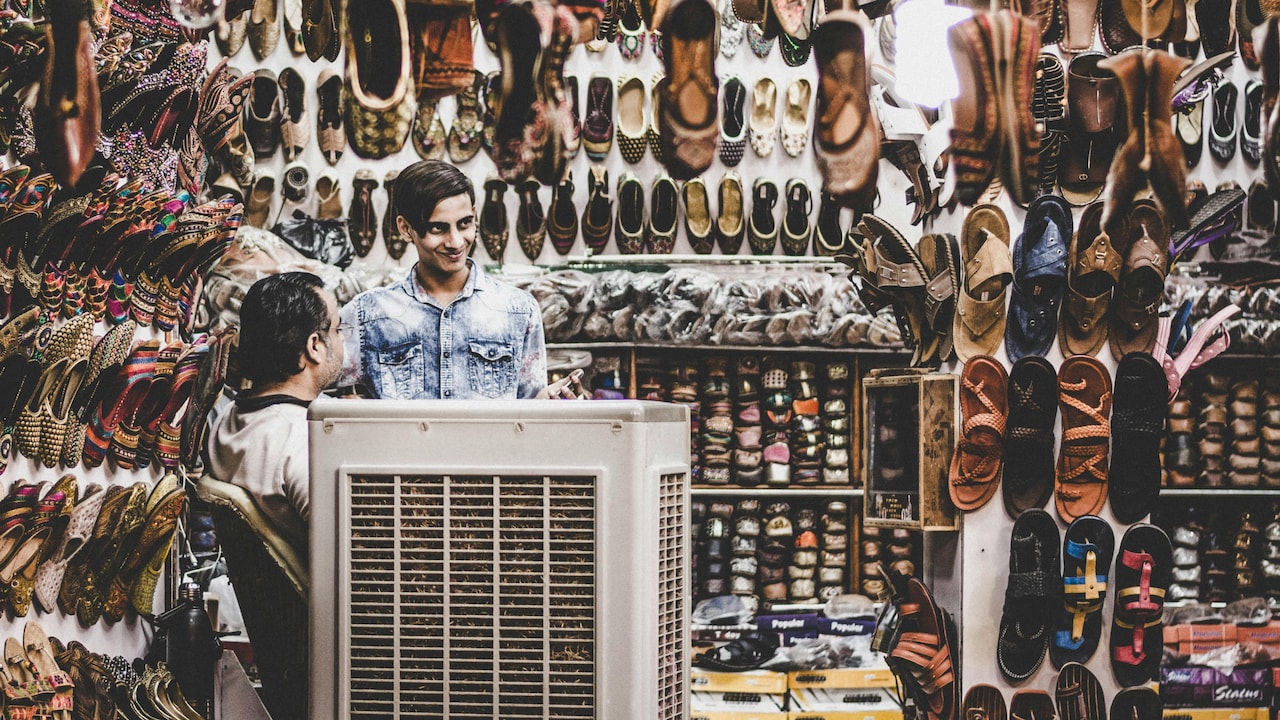
There's also a nostalgic charm attached to Kolhapuris. They carry memories of festive shopping trips, crowded markets, and handcrafted treasures discovered after endless bargaining. That familiarity creates emotional appeal beyond fashion logic.
Yet tradition alone should not dictate styling. Modern shararas often feature contemporary cuts, cape sleeves, asymmetrical hemlines, and pastel palettes. In those cases, sleek toe ring slippers align more naturally with the outfit's modern mood.
The smartest styling decisions respect the outfit's personality rather than blindly following trends.
The Length Of The Sharara Plays A Crucial Role
This detail often gets ignored, despite changing the entire styling equation. Floor-length shararas rarely showcase footwear clearly. In those cases, comfort matters more than visual impact. Kolhapuris often become the practical winner because the shoes stay mostly hidden anyway.
Ankle-length shararas tell a completely different story. Footwear becomes highly visible, especially while walking or sitting cross-legged during ceremonies. Toe ring slippers shine beautifully here because they create a cleaner, more refined finish around the ankles.
Embellished toe ring slippers also highlight pedicures, anklets, and delicate foot jewellery far better than broader Kolhapuri straps. That matters during festive occasions where every detail contributes to the final look.
However, shorter shararas with strong ethnic prints can still carry Kolhapuris effortlessly. The trick lies in balance. Slimmer Kolhapuri designs with elegant straps avoid overwhelming the silhouette.
Fashion often rewards proportion more than individual pieces. Even the most expensive footwear can look awkward if the sharara length clashes with its shape.
Also Read: Top 5 Comfortable Office Footwear To Prevent Daily Foot Pain
Modern Fashion Leans Towards Minimalism
Recent festive fashion trends clearly favour lighter styling. Heavy jewellery, dramatic makeup, and oversized accessories no longer dominate every celebration. Softer palettes and understated elegance now feel more current.
Toe ring slippers fit perfectly into this modern approach. They appear effortless without trying too hard. Metallic shades like champagne gold, rose gold, and ivory work particularly well with contemporary shararas in pastel shades.
Kolhapuris still hold their space but often require careful styling to avoid appearing overly traditional. Pairing them with modern shararas demands attention to colour, embellishment, and silhouette.
Fashion influencers increasingly style shararas with minimalist footwear because it allows the outfit itself to remain the focal point. This shift explains why delicate flats continue gaining popularity during festive seasons.
Still, trends move quickly. What dominates wedding fashion today might disappear by next year. Kolhapuris survive every trend cycle precisely because they never rely entirely on fashion approval. Their appeal feels timeless rather than seasonal.
That lasting relevance deserves respect.
Toe Ring Slippers Vs Kolhapuri Flats: Which One Actually Works With Shararas?
Photo Credit: Pexels
Dance Floors Reveal The Real Winner
No styling debate survives a proper dance floor test. Weddings eventually become chaotic celebrations filled with energetic cousins, enthusiastic aunties, and questionable choreography after midnight.
Kolhapuri flats usually perform brilliantly during these moments. Their grip and sturdiness allow movement without constant worry. Many dancers instinctively choose them because they stay secure even during energetic routines.
Toe ring slippers create a more glamorous look but can become slightly risky on polished banquet floors. Slipping out of delicate flats while attempting a dance move creates the kind of memory that relatives happily discuss for years.
That said, modern toe ring slippers with ankle straps solve many practical concerns. They maintain elegance while offering slightly better support.
The type of event matters too. A calm engagement dinner demands different footwear from a loud sangeet packed with dance performances. Styling should support the experience, not fight against it.
Fashion loses purpose when comfort disappears completely.
Colour Coordination Can Make Or Break The Outfit
Footwear colour matters enormously with shararas because the flared silhouette naturally draws attention downward while walking. Toe ring slippers often come in softer metallic shades that blend easily with most festive outfits.
Gold, nude, ivory, silver, and blush pink versions feel versatile enough for repeated use. This flexibility makes them particularly attractive for shoppers trying to maximise festive wardrobes without overspending.
Kolhapuris traditionally feature earthy tones like tan, brown, copper, and black. While beautiful, these shades sometimes limit styling possibilities with pastel or heavily embellished shararas.
Modern brands now offer embroidered and metallic Kolhapuris that bridge this gap successfully. Mirror-work silver Kolhapuris paired with ivory shararas create striking festive looks without appearing dated.
Still, toe ring slippers generally create a cleaner colour flow. They visually disappear into the outfit rather than demanding separate attention.
That subtle quality explains their growing popularity among younger shoppers seeking polished yet uncomplicated styling.
Weather Quietly Influences Footwear Choices
Climate rarely receives enough attention in festive fashion discussions. Yet anyone navigating humid evenings, sudden rain showers, or scorching outdoor functions knows footwear decisions quickly become practical.
Kolhapuri flats handle unpredictable weather surprisingly well. Their sturdy soles and secure straps offer stability during outdoor ceremonies, garden functions, or crowded street celebrations.
Toe ring slippers perform beautifully indoors but may struggle during humid conditions or uneven surfaces. Thin soles and slippery materials can become inconvenient outdoors.
Monsoon wedding functions especially favour Kolhapuris. Nobody enjoys muddy slippers or unstable footing while carrying embroidered sharara flares through damp venues.
Summer celebrations create another challenge. Sweaty feet combined with delicate slippers often lead to discomfort after several hours. Well-crafted leather Kolhapuris generally manage heat more effectively.
Practical considerations may not sound glamorous, but they often determine whether an outfit feels enjoyable or exhausting by evening's end.
Budget Shoppers Often Find Better Value In Kolhapuris
Festive shopping quickly becomes expensive. One sharara set leads to matching jewellery, bags, bangles, makeup appointments, and suddenly the budget disappears faster than expected.
Kolhapuri flats often deliver better long-term value. A quality pair works across multiple outfits, including kurtas, dresses, sarees, and even casual jeans. Their durability also tends to justify the investment.
Good handcrafted Kolhapuris usually range between ₹1,200 and ₹4,000 depending on detailing and leather quality. Many survive years of regular festive wear.
Toe ring slippers vary wildly in quality. Budget versions sometimes lose shape quickly or cause discomfort after limited use. Better designs with cushioned soles and durable embellishments often cost nearly the same as premium Kolhapuris.
Versatility matters when building a wardrobe thoughtfully. Kolhapuris transition easily between casual and festive settings, while heavily embellished toe ring slippers remain more occasion-specific.
Still, shoppers seeking elegant styling for one standout event may prefer investing in fashionable slippers that perfectly complement a particular sharara look.
Personality Ultimately Decides The Winner
Fashion advice often ignores one crucial reality: personal style matters more than strict rules. Some people naturally gravitate towards understated elegance. Others enjoy bold, rooted aesthetics with handcrafted textures and traditional details.
Toe ring slippers suit personalities that prefer polished minimalism. They complement softer styling choices, delicate jewellery, and contemporary festive fashion.
Kolhapuri flats appeal to those who enjoy authenticity, comfort, and a stronger visual character. They carry confidence effortlessly without needing excessive embellishment.
The best-dressed people rarely follow rigid formulas. Instead, they choose pieces that genuinely reflect their comfort and personality. That authenticity always photographs better than forced trends.
A confident person wearing simple Kolhapuris with a sharara often looks far more stylish than someone awkwardly balancing in uncomfortable slippers purely because social media declared them fashionable.
Style begins with ease. Everything else follows naturally.
Toe Ring Slippers Vs Kolhapuri Flats: Which One Actually Works With Shararas?
Photo Credit: Pexels
Products Related To This Article
1. ERIDANI Women Avni Kolhapuri Flats
2. El Paso Buckles Open Toe Flats
3. Shoetopia Women Embellished Party One Toe Flats
4. Mochi Womens Gold-Toned One Toe T-Strap Block Heel
5. Mast & Harbour Women Solid Round Toe Buckles Leather Open Toe Flats
6. ERIDANI Saivi Women Kolhapuri Ethnic One Toe Flats with Tassels
7. JAYPORE Women Striped One Toe Flats with Embroidered
So, which one actually works with shararas? The answer depends entirely on the sharara, the occasion, and the wearer's personality. Toe ring slippers excel when the goal involves elegance, fluidity, and contemporary styling. They create a lighter silhouette and pair beautifully with softer fabrics and modern festive looks.
Kolhapuri flats, however, offer unmatched practicality, comfort, and timeless charm. They work especially well with traditional textiles, long celebrations, and outfits that embrace artisanal craftsmanship.
If one option edges slightly ahead overall, toe ring slippers currently dominate modern sharara styling because they complement the outfit's graceful movement so naturally. Yet Kolhapuris remain impossible to dismiss. Their versatility and enduring appeal continue to win loyal admirers season after season.
Perhaps the smartest approach avoids choosing sides entirely. A festive wardrobe feels far more complete with both options waiting patiently by the door, ready for whichever sharara demands attention next.
(Disclaimer: This article may include references to or features of products and services made available through affiliate marketing campaigns. NDTV Convergence Limited (“NDTV”) strives to maintain editorial independence while participating in such campaigns. NDTV does not assume responsibility for the performance or claims of any featured products or services.)