What To Pack For Sar Pass Trek: A Simple 10 Thing Checklist For Beginners And Seasoned Trekkers
Planning Sar Pass Trek? Here are 10 must-pack essentials, tips, and a practical checklist to help trekkers prepare smartly.
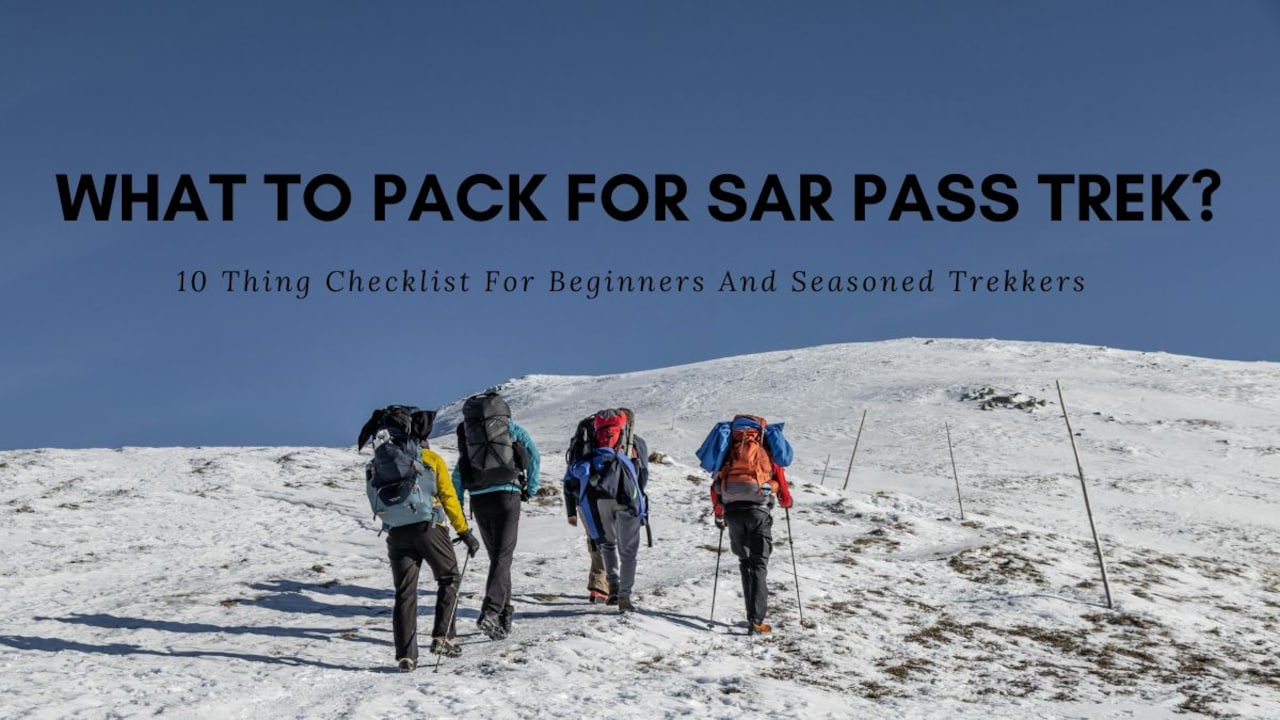
A well-planned checklist ensures both beginners and seasoned trekkers can trek safely and confidently.
High in Himachal Pradesh's Parvati Valley, the Sar Pass Trek has slowly become one of India's most popular high-altitude treks, particularly amongst first-time trekkers looking to graduate from short hikes to something more immersive. Sitting at an altitude of around 13,800 feet, the trek offers a rare mix of dense pine forests, snow-covered trails (depending on the season), and wide alpine clearings that feel almost cinematic in their stillness.
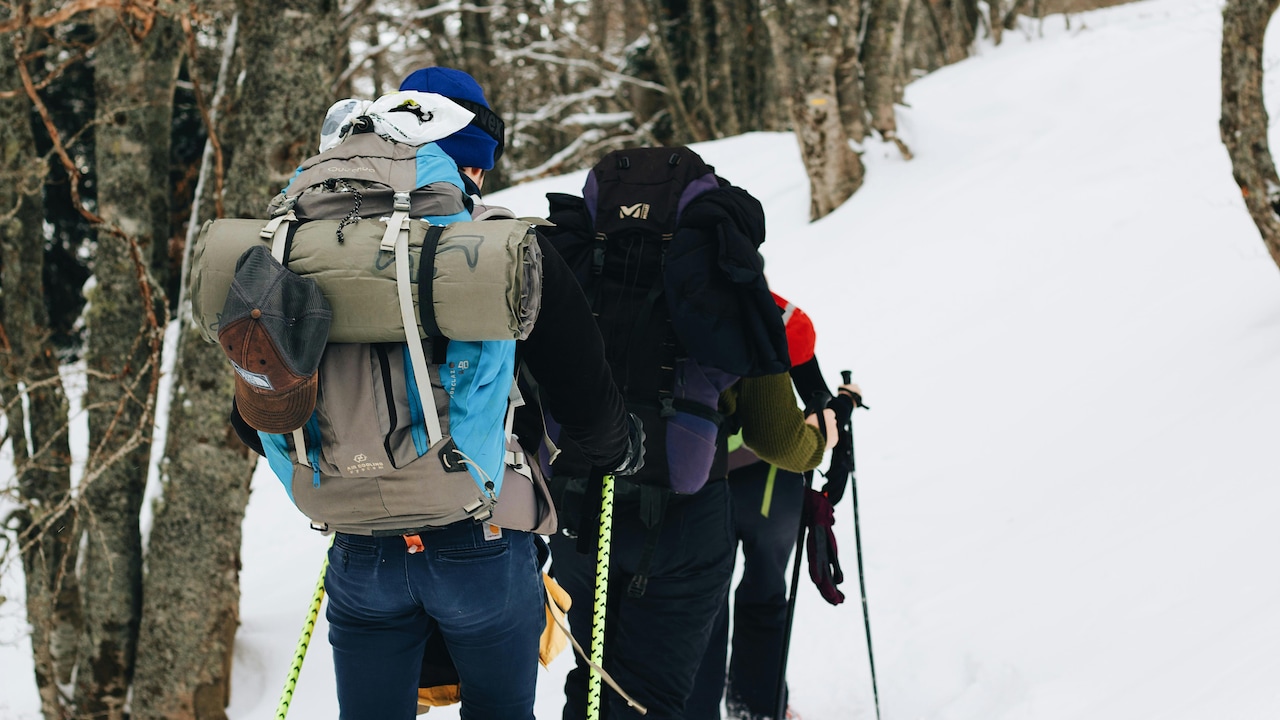
Sar Pass Trek demands smart packing as weather conditions can change rapidly at higher altitudes.
Photo Credit: Pexels
Typically organised between April and June, and then in a shorter autumn window, the Sar Pass Trek usually spans about five to six days. Trekkers coming from different parts of the country start from Kasol, already a popular backpacking hub, and move towards Grahan, Min Thach, Nagaru, and finally cross Sar Pass before descending. What makes this trek especially appealing is its progression: from lush green valleys to snowfields, and eventually to a thrilling descent that many describe as one of the most memorable parts of the journey.
Also Read: How To Choose Winter Jackets For Himalayan Treks Based On Fill Type, Warmth And Budget
But popularity doesn't mean simplicity. The trek comes with its own set of challenges, steep ascents, rapidly changing weather, sub-zero temperatures at higher camps, and the physical strain of walking for hours at altitude. Which brings us to the most crucial part of your preparation: packing right. Whether you're a first-time trekker or someone who's already done a few Himalayan trails, what you carry can make or break the experience.
| Category | Item | Why You Need It | Pro Tip |
|---|---|---|---|
| Clothing | Layered Apparel | Helps adjust to extreme temperature changes | Stick to moisture-wicking fabrics |
| Footwear | Trekking shoes (high-ankle) | Prevent slips and provide stability on snow + rocks | Break them in before the trek |
| Gear | Backpack (40–60L) + rain cover | Keeps essentials organised and protected from weather | Choose one with strong back support |
| Warm Essentials | Thermals + woollens | Crucial for sub-zero nights at higher camps | Pack extra socks to stay dry |
| Protection | Sunglasses + sunscreen | Prevents snow blindness and sunburn | SPF 50+ is a must |
| Support | Trekking poles | Reduces knee strain, improves balance | Especially useful during descent |
| Health | Personal medical kit | Handles minor injuries and altitude issues | Include ORS and blister care |
| Lighting | Headlamp/torch | Required for early morning climbs and camps | Always carry spare batteries |
| Hydration | Water bottles + snacks | Maintains energy and hydration levels | Carry energy-dense snacks |
| Hygiene | Quick-dry towel + toiletries | Essential for multi-day comfort | Use biodegradable products |
10 Things You Absolutely Need For Sar Pass Trek
1. Layered Clothing
The weather on Sar Pass is unpredictable. While days can be sunny, nights at Nagaru or near the summit can drop well below zero. A proper layering system is essential:
- Moisture-wicking base layers
- Insulating mid-layers (fleece or down jacket)
- Waterproof windproof outer jacket
Avoid cotton at all costs as it traps moisture and can make you colder. Instead, opt for quick-dry fabrics easily available on platforms like Amazon.
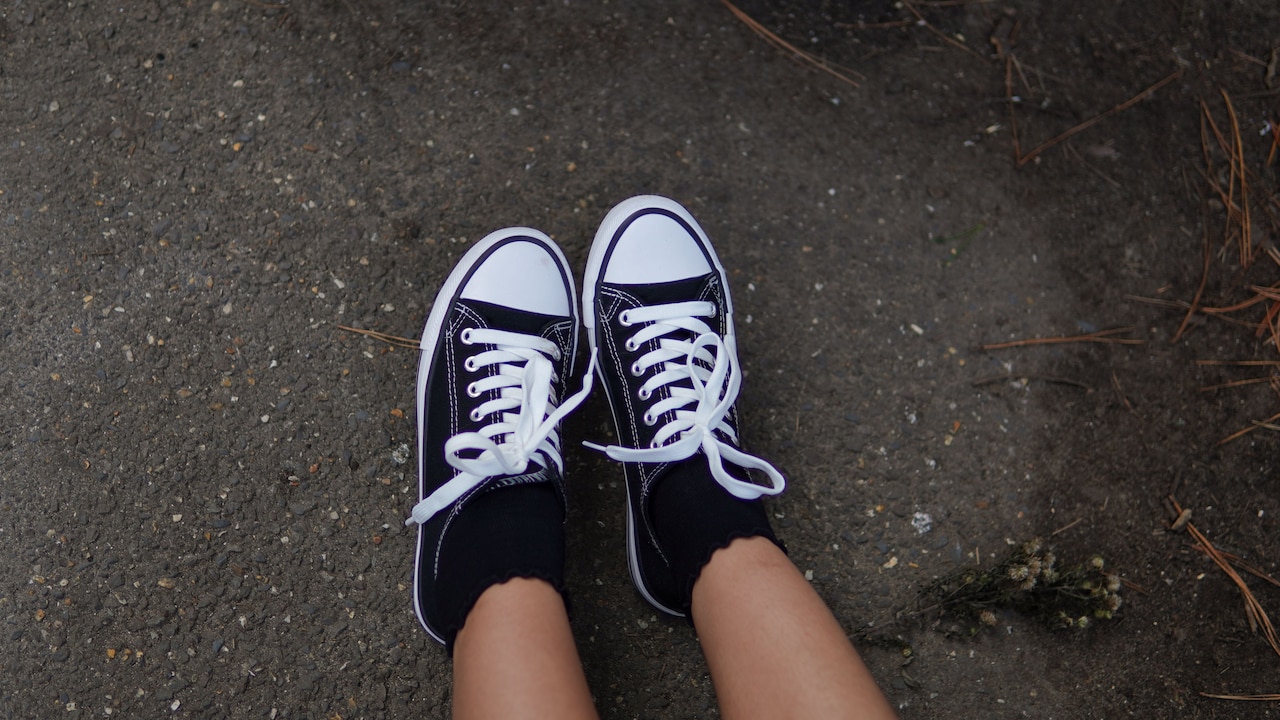
2. Sturdy Trekking Shoes
This is not a trek where you can get away with regular sports shoes. The trail includes snow patches, mud, and rocky paths. You need:
- High-ankle trekking shoes
- Good grip (anti-slip sole)
- Water resistance
A poor shoe choice often leads to slips, blisters, or worse, early trek dropouts.
3. Backpack With Rain Cover
A 40 to 60 litre backpack is typically sufficient for Sar Pass. Make sure it has:
- Padded shoulder straps
- Strong waist support
- Built-in or separate rain cover
Even in peak season, unexpected showers or snow can soak your gear. Waterproofing is not optional here.
4. Thermal Wear And Extra Woollens
At higher camps like Nagaru, temperatures can feel biting even inside tents.
Carry:
- A pair (or two) of thermal inners
- Woollen socks (3 to 4 pairs)
- Beanie or woollen cap
Layering at night is especially important because most camps are exposed and wind chill can be significant.
5. Gloves, Sunglasses And Sun Protection
Snow glare is real, and dangerous. Many first-time trekkers ignore this and end up with snow blindness symptoms like eye irritation and headaches.
Carry:
- UV-protected sunglasses
- Waterproof gloves
- SPF 50+ sunscreen and lip balm
Even on cloudy days, UV exposure at altitude is high.
6. Trekking Poles
While often dismissed as optional, trekking poles are particularly useful on Sar Pass, especially during the descent. The summit day often involves sliding down snow slopes, which sounds fun but can strain your knees.
A good adjustable trekking pole can:
- Improve balance
- Reduce pressure on knees
- Help during steep ascents and descents
7. Personal Medical Kit
Even if you're trekking with an organised group, you should carry basic essentials:
- Pain relief sprays, balms and tablets
- Altitude sickness tablets
- Band-aids and blister pads
- ORS sachets
Altitude, dehydration, and muscle strain are common issues on this trek.
8. Headlamp Or Torch (With Extra Batteries)
Electricity access is extremely limited beyond Kasol. Early morning summit pushes and late evening campsite navigation require reliable lighting.
A headlamp is preferable over a handheld torch, as it keeps your hands free, something you'll appreciate on uneven trails.
9. Reusable Water Bottles And Energy Snacks
Hydration is key, but buying bottled water at camps isn't always feasible.
Carry:
- 1 to 2 sturdy water bottles or a hydration pack
- High-energy snacks like nuts, energy bars, chocolate
The climb to Sar Pass can be long and draining, and quick energy boosts can make a noticeable difference.
10. Quick-Dry Towel And Toiletries
Minimalism is key, but hygiene matters, especially on a multi-day trek.
Pack:
- Microfibre towel
- Biodegradable toiletries
- Wet wipes and hand sanitiser
Water is limited at higher camps, so efficient and low-water-use products are ideal.
What Makes Sar Pass Unique?
Unlike many Himalayan treks that revolve around reaching a summit, Sar Pass is about the journey itself. The transition from forest trails to snow-laden landscapes feels almost like moving through different worlds in a matter of days.
One particularly memorable stretch is the climb from Nagaru to the pass, arguably the toughest section. Trekkers start as early as 3 to 4 AM, walking over frozen terrain under starlit skies. The reward? A sunrise that spills across endless white slopes.
The descent, often involving controlled sliding over snow, is another highlight, equal parts thrill and challenge.
Things To Watch Out For On Trail
- Weather shifts: Conditions can change rapidly, especially near the pass
- Altitude gain: Though considered beginner-friendly, altitude gain is significant
- Fatigue: Long walking hours demand stamina, even more than strength
Pacing yourself, staying hydrated, and listening to your trek leader are crucial.
A Smart Packing Mindset
Overpacking is just as problematic as underpacking. Every extra kilo will feel heavier as the altitude increases. Stick to essentials, focus on multi-use items, and prioritise quality over quantity.
For readers looking to shop conveniently, platforms like Amazon often run seasonal deals on trekking gear, from backpacks to thermal wear, making it easier to tick off this checklist without overspending.
The Sar Pass Trek is often marketed as a “beginner's Himalayan experience,” but it demands preparation and respect for the terrain. With the right gear, thoughtful packing, and a realistic understanding of the trail, it can be one of the most rewarding journeys you undertake, offering not just scenic beauty, but a genuine sense of accomplishment. Pack smart, trek responsibly, and let the mountains do the rest.
Frequently Asked Questions (FAQs)
1. What is the best time to do the Sar Pass Trek?
The Sar Pass Trek is best done between April and June when snow is present, making the trail visually stunning, and again during early autumn for clearer weather conditions.
2. Is Sar Pass Trek suitable for beginners?
Yes, Sar Pass is considered beginner-friendly, but it involves steep climbs, long walking hours, and high altitude, so basic fitness and preparation are essential.
3. How difficult is the Sar Pass Trek?
The trek is graded easy to moderate but includes challenging sections like the climb to the pass and snow descents, which require endurance and balance.
4. What kind of shoes are required for Sar Pass Trek?
High-ankle trekking shoes with a strong grip and water resistance are highly recommended to handle snow, mud, and uneven terrain.
5. Do I need special gear for snow during Sar Pass Trek?
Yes, carrying gloves, sunglasses, thermal wear, and proper layering is important to protect against cold conditions and snow glare.
(Disclaimer: This article may include references to or features of products and services made available through affiliate marketing campaigns. NDTV Convergence Limited (“NDTV”) strives to maintain editorial independence while participating in such campaigns. NDTV does not assume responsibility for the performance or claims of any featured products or services.)