Why Adjustable Rings Lose Their Shape and How To Prevent It
Adjustable rings offer convenience, but their flexible design often leads to bending and distortion over time. From metal fatigue to daily wear habits, this article explains why these rings struggle to keep their shape.
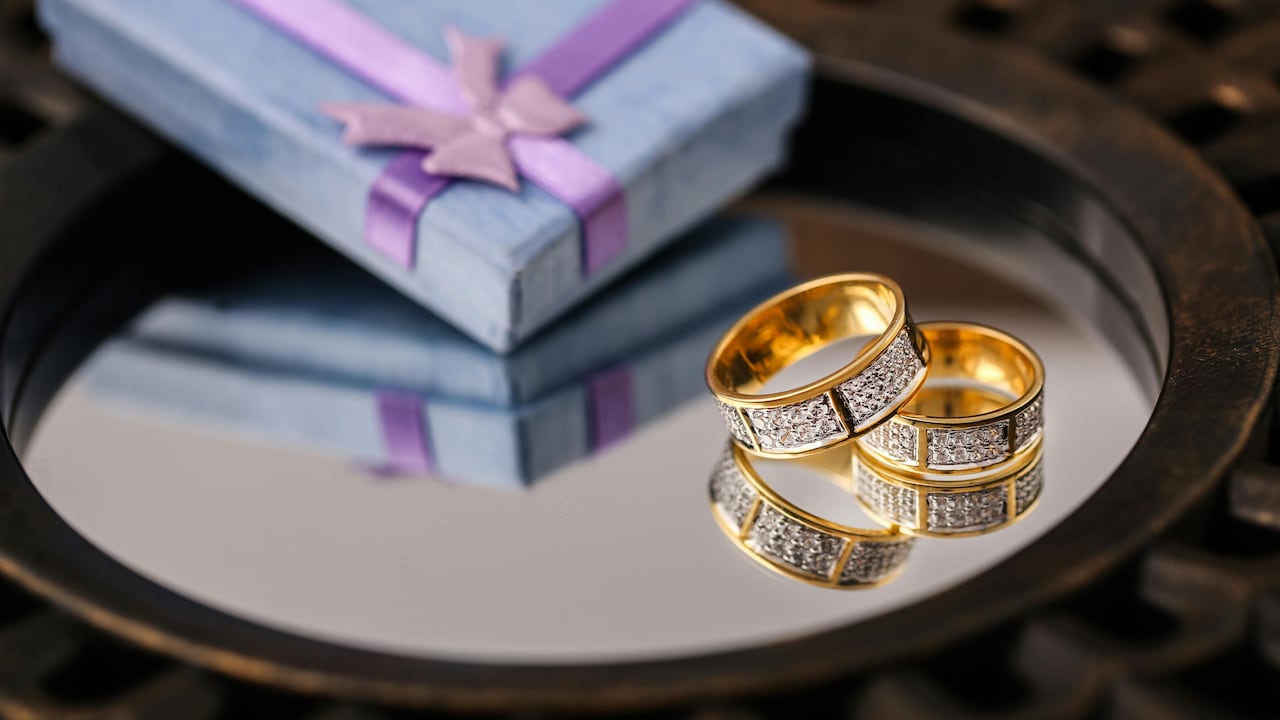
Why Adjustable Rings Lose Their Shape Over Time And How To Fix The Problem.
Adjustable rings enjoy immense popularity. They make gifting easier, suit fluctuating finger sizes, and often come with trendy designs. A ring that adapts sounds ideal, especially in a country where jewellery travels from weddings to workdays to festive gatherings without much rest. However, many wearers notice a familiar issue. The ring no longer sits right. The gap widens, the circle turns oval, or the metal feels weaker than before.
This change rarely happens overnight. It creeps in slowly, shaped by daily routines, material choices, and the simple laws of physics. Understanding why adjustable rings lose their shape helps buyers make smarter choices and care for jewellery better. The reasons blend science with lifestyle, and they often reflect habits no one thinks twice about.
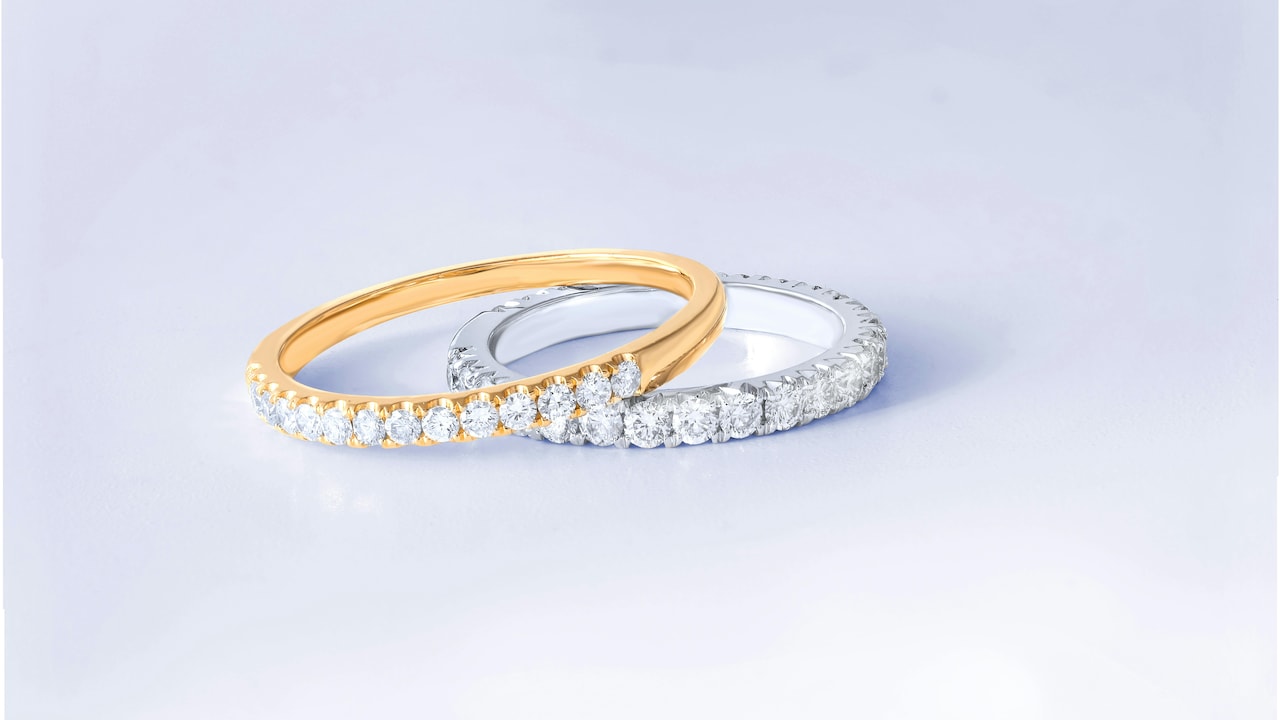
Why Adjustable Rings Lose Their Shape Over Time
Photo Credit: Pexels
What Really Happens To Adjustable Rings With Regular Wear
1. The Nature of Adjustable Design
Adjustable rings rely on an open-ended or flexible structure. That very flexibility creates the problem. Unlike fixed rings, adjustable ones do not form a complete circle. The small gap allows resizing, but it also creates a weak point. Every time the ring expands or contracts, stress concentrates around that opening.
Over time, repeated adjustments wear down the metal. Think of bending a paper clip back and forth. It works for a while, then snaps. Rings behave in a similar way, though on a slower timeline. The design prioritises convenience over structural strength. That trade-off explains why adjustable rings struggle to maintain their original shape.
The issue worsens when wearers constantly tweak the size instead of setting it once. Frequent resizing accelerates fatigue and leaves the ring vulnerable to bending during everyday use.
2. Metal Fatigue from Daily Wear
Metal fatigue sounds technical, but it shows up in daily life. Rings face constant pressure from gripping bags, holding phones, or opening stubborn jar lids. Each small action adds stress. Adjustable rings absorb that stress unevenly because of their open structure.
Over months, microscopic cracks form within the metal. These cracks weaken the ring and reduce its ability to spring back into shape. The ring starts to feel loose or misshapen. This process does not depend on rough handling alone. Even gentle, regular wear contributes to fatigue.
In climates with heat and humidity, metals expand slightly and contract again as temperatures change. That repeated expansion adds another layer of strain. Eventually, the ring gives in, often at the most inconvenient time, such as during a celebration or a long day out.
3. Softer Metals and Cost Considerations
Many adjustable rings use softer metals to allow flexibility. Silver alloys, brass, and copper appear frequently in affordable designs. These metals bend easily, which suits adjustability but compromises long-term durability.
Price plays a role, too. A ring priced around ₹800 to ₹1,500 often focuses on design appeal rather than metal strength. The choice makes sense for fashion jewellery, but it comes with limitations. Softer metals struggle to resist everyday pressure, especially when worn continuously.
Gold-plated adjustable rings face similar challenges. The base metal bends, while the plating cracks or peels. The ring then looks worn, even if it remains usable. The loss of shape often arrives hand in hand with a loss of shine, leaving wearers disappointed despite careful use.
4. Repeated Manual Adjustments
Hands love to fidget. Many people unconsciously squeeze or widen their rings during idle moments. That habit feels harmless but causes gradual damage. Each adjustment changes the metal's internal structure slightly.
Unlike professional resizing, manual bending lacks precision. Fingers apply uneven force, which twists the ring instead of reshaping it smoothly. Over time, the ring loses symmetry. The top design tilts, stones sit off-centre, and comfort disappears.
Some wearers adjust rings daily to match swelling fingers, especially during hot weather or after long days. While understandable, this routine shortens the ring's lifespan. Setting the size once and leaving it alone helps preserve shape far better than constant tweaking.
5. Impact of Daily Activities
Rings rarely enjoy a relaxed life. They accompany wearers through chores, commutes, and celebrations. Adjustable rings, however, struggle with multitasking. Activities like cooking, cleaning, or lifting shopping bags place pressure on the band.
Water exposure also matters. While water itself does not bend metal, wet fingers encourage slipping. Wearers often squeeze the ring tighter after washing their hands. That repeated tightening stresses the open ends.
During festivals or weddings, hands stay busy with greetings, dancing, and rituals. Adjustable rings catch on fabrics or decorations, bending slightly each time. These tiny incidents add up. By the time the ring shows visible distortion, the damage has already settled in.
6. Thin Band Construction
Many adjustable rings feature thin bands to enhance elegance and flexibility. Thin bands look delicate and stylish, but they sacrifice strength. A thinner strip of metal bends more easily under pressure.
Designers often choose thin bands to keep costs low and designs lightweight. Unfortunately, thin metal cannot distribute stress evenly. The open gap becomes a focal point for bending, and the band gradually warps.
Heavier rings with thicker bands resist deformation better, even in adjustable styles. However, these designs cost more and feel less dainty. Buyers drawn to minimal aesthetics often accept thinner bands, sometimes without realising the long-term consequences for shape retention.
Also Read: Top 5 Comfortable Rings For Daily Wear That Feel Light All Day
7. Temperature and Environmental Factors
Temperature changes affect metal more than expected. Hot summers cause metal to expand slightly. Cooler evenings reverse that expansion. Adjustable rings experience this cycle repeatedly.
Humidity adds another challenge. Moisture encourages minor corrosion in certain alloys. Corrosion weakens metal from within, making it more prone to bending. Even air pollution contributes, especially in busy urban areas where metals react with environmental particles.
Storing rings improperly worsens the effect. Leaving jewellery near windows, in bathrooms, or inside cars exposes it to extreme temperature shifts. Over time, these conditions quietly undermine the ring's structural integrity.
8. Weight of Decorative Elements
Many adjustable rings feature large stones, motifs, or raised designs. These decorative elements add beauty but also create imbalance. The heavier top pulls against the lighter band.
As the ring moves on the finger, gravity encourages the band to shift and bend. The open ends struggle to support the weight evenly. Eventually, the ring tilts forward or sideways, losing its centred position.
This issue appears more often in statement rings worn daily. Occasional wear allows the metal to rest and recover slightly. Daily use keeps the pressure constant, speeding up deformation and making the ring feel awkward sooner than expected.
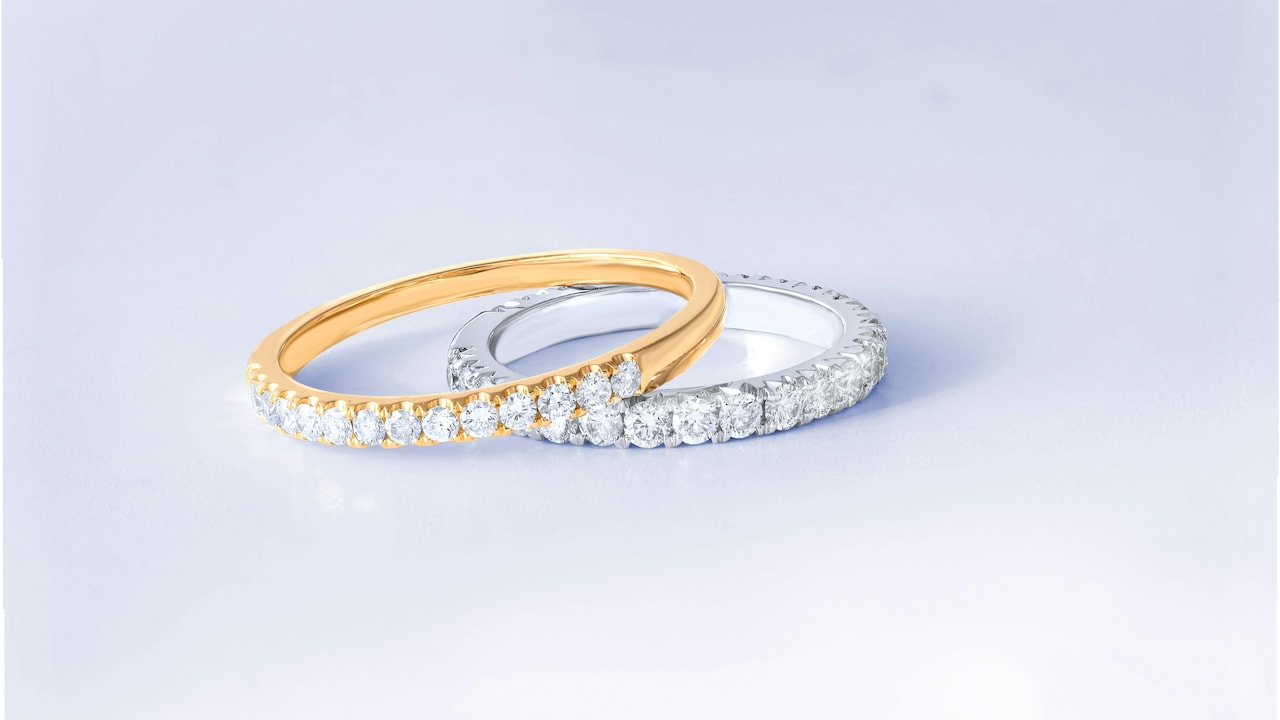
Why Adjustable Rings Lose Their Shape Over Time
Photo Credit: Pexels
9. Quality of Craftsmanship
Not all adjustable rings share the same build quality. Skilled craftsmanship reinforces stress points and smooths edges to reduce metal strain. Mass-produced rings often skip these refinements.
Poor soldering, uneven thickness, or rough finishing weaken the structure. The ring may look perfect at first glance, but it lacks resilience. Over time, flaws reveal themselves through bending or cracking.
Local markets offer beautiful designs at attractive prices, often around ₹500 to ₹700. These pieces serve well for short-term wear or special occasions. Expecting them to withstand years of daily use sets unrealistic expectations and leads to disappointment.
10. Lack of Aftercare Awareness
Jewellery care rarely receives much attention. Many wearers forget to remove rings before sleeping, exercising, or travelling. Adjustable rings suffer the most from neglect.
Sleeping with rings bends them under body weight. Exercise exposes them to sweat and impact. Travel involves luggage handling and temperature changes. Each scenario adds stress.
Simple habits make a difference. Removing rings during strenuous activities, storing them flat, and avoiding unnecessary adjustments extend their life. Without aftercare awareness, even well-made adjustable rings lose shape faster than expected.
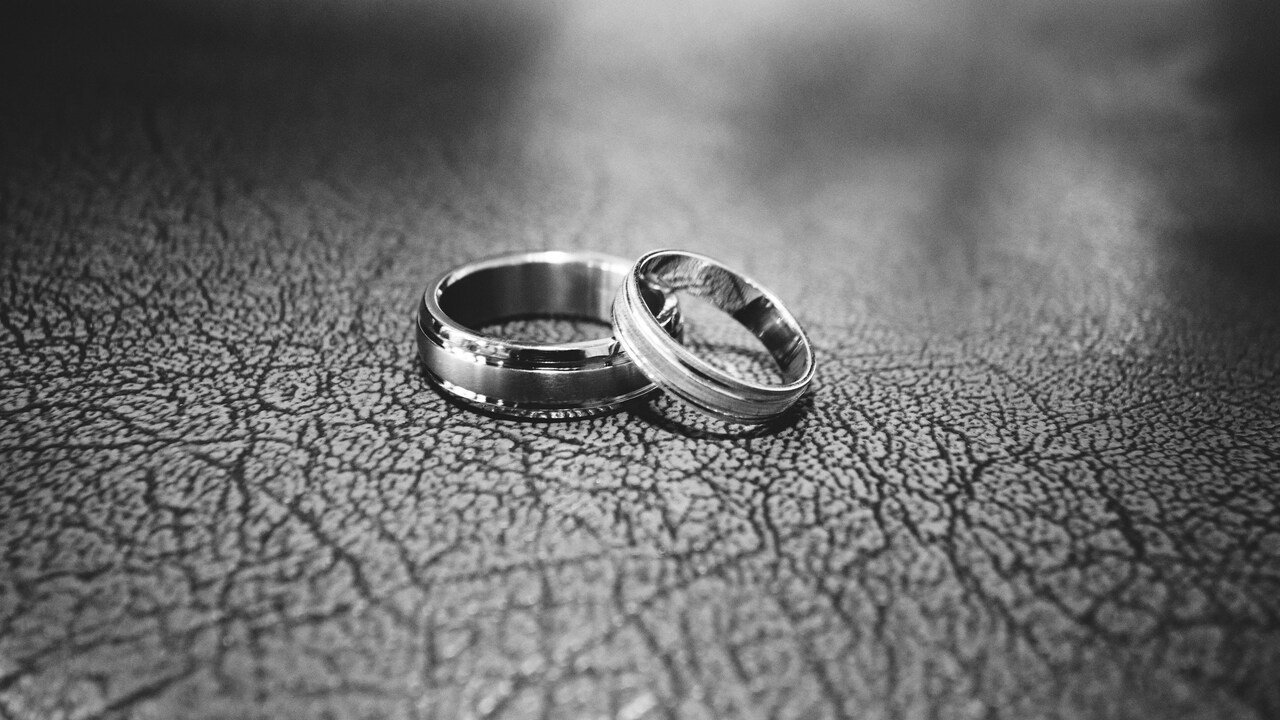
Why Adjustable Rings Lose Their Shape Over Time
Photo Credit: Pexels
Products Related To This Article
1. Rubans Women 22K Gold-Plated Antique Floral Motif Adjustable Statement Finger Ring
2. Rubans 18K Gold Plated Cubic Zirconia Studded Adjustable Knot Motif Ring
3. Palli Creation Gold-Plated Leaf shaped Adjustable Ring
4. Zaveri Pearls Gold-Plated Cubic Zirconia Studded Adjustable Finger Ring
5. Rubans Silver-Plated AD Studded Adjustable Finger Ring
6. Yellow Chimes Gold-Plated Stainless Steel Stone-Studded Adjustable Finger Ring
7. Yellow Chimes Silver Toned Leafy White Crystal-Studded Adjustable Finger Ring
Adjustable rings promise flexibility and convenience, but that promise comes with limits. Their open design, softer metals, and everyday use create conditions where shape loss becomes almost inevitable. The problem does not lie in poor choice alone. It reflects lifestyle habits, environmental factors, and design trade-offs.
Understanding these reasons empowers buyers and wearers. Choosing sturdier designs, limiting adjustments, and practising basic care can slow the process significantly. Adjustable rings still hold value as versatile, stylish accessories. Treating them with realistic expectations and mindful habits helps them stay beautiful for longer, even in the busiest of lives.
(Disclaimer: This article may include references to or features of products and services made available through affiliate marketing campaigns. NDTV Convergence Limited (“NDTV”) strives to maintain editorial independence while participating in such campaigns. NDTV does not assume responsibility for the performance or claims of any featured products or services.)